

Dermatologist vs Skin Specialist: What’s the Difference?
The dermatologist vs skin specialist distinction sounds like semantics until you actually need medical care. “Skin specialist” sounds official on a website or a business card. It also means nothing you can verify, because it isn’t a regulated medical title. “Dermatologist” is. Knowing the difference before you book an appointment for anything more serious than a routine facial can genuinely change your outcome.
Part of our guide to facials: what to expect. Start with: How Often Should You Get a Professional Facial? A Guide by Skin Type and Goal
Dermatologist requires medical school, a dermatology residency, and typically board certification through the American Board of Dermatology. “Skin specialist” has no such requirement. It’s used by dermatologists, by dermatology PAs and NPs, and by estheticians with a state cosmetology license and no medical degree at all.
Here’s what actually matters: only a licensed medical provider can diagnose a condition, prescribe medication, or perform a biopsy, regardless of how many years someone has been calling themselves a skin specialist. An esthetician can be excellent at facials and extractions while being legally unable to evaluate a suspicious mole, and that’s not a knock on their skill, it’s a difference in scope.
This guide covers a 60-second lookup that confirms real board certification, how dermatologists, estheticians, and dermatology PAs/NPs actually differ in what they’re legally allowed to do, and the specific symptoms that mean you need a medical appointment rather than a spa visit.
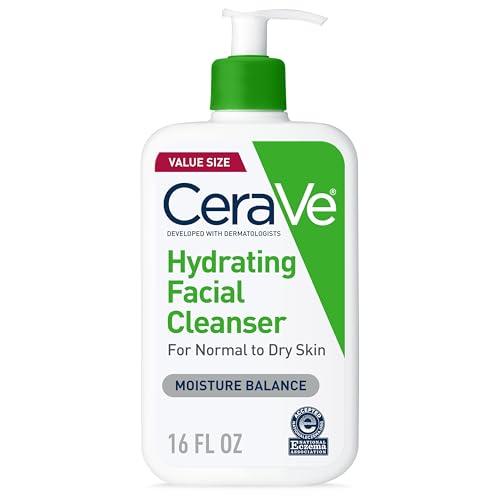
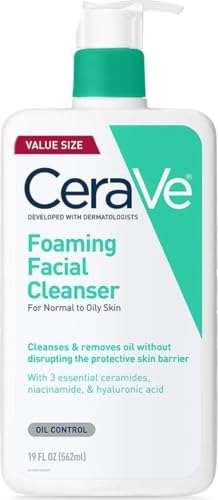
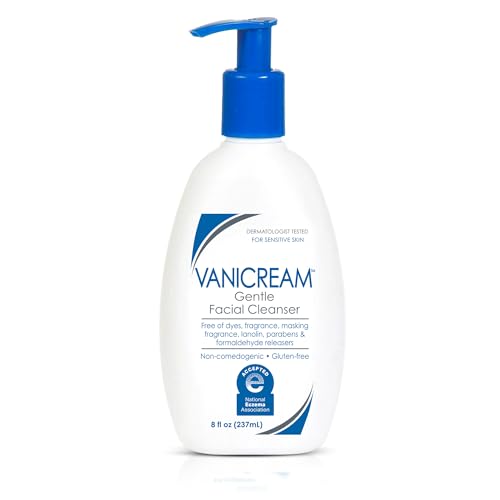
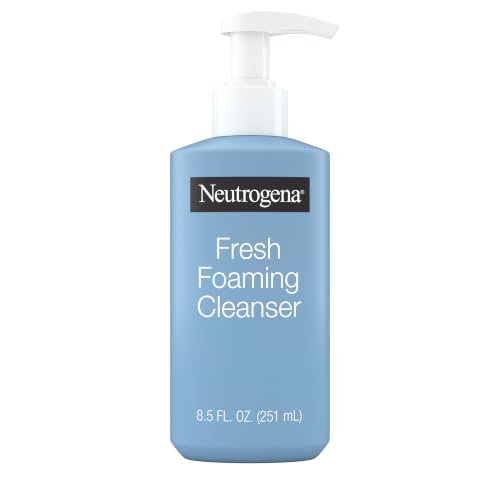
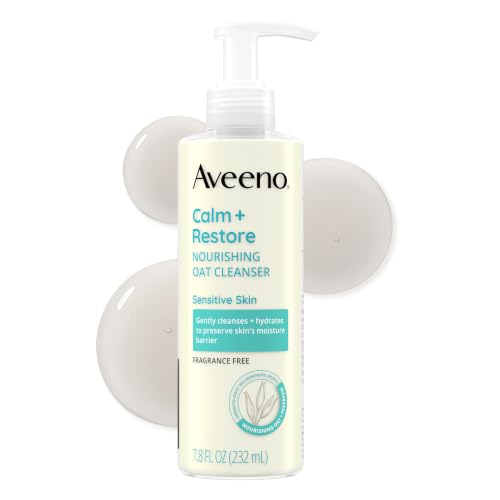
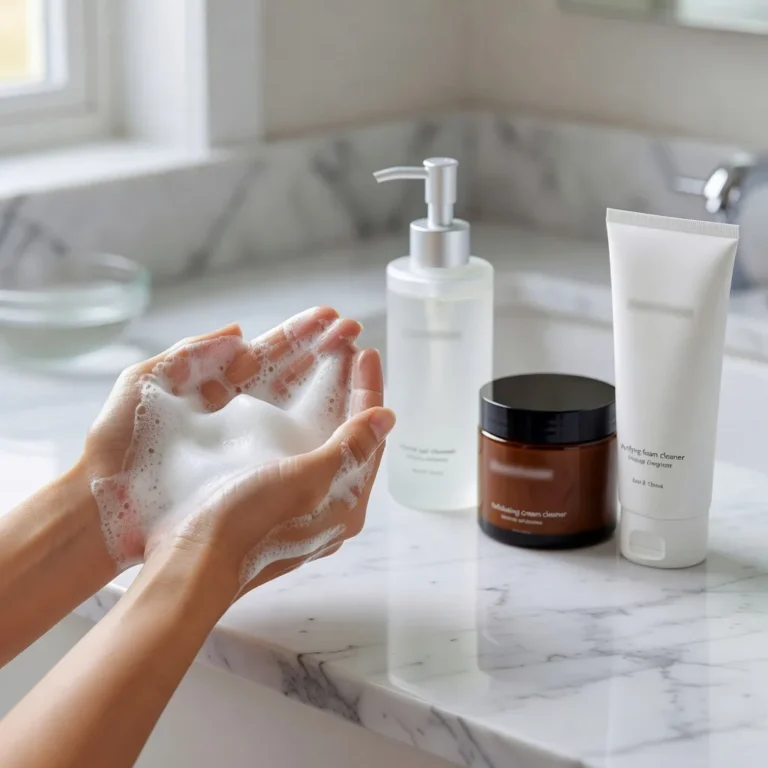
Recommended Gentle Cleansers Dermatologists Commonly Suggest


Key Takeaways
- “Dermatologist” is a protected medical title. In the US it requires a medical degree plus a dermatology residency and, usually, board certification. “Skin specialist” is not a protected title; anyone can put it on a business card.
- A 60-second lookup on the American Board of Dermatology’s public search tool confirms whether a specific provider is actually board-certified.
- Estheticians, dermatology PAs and NPs, and dermatologists all work on skin, but their legal scope of practice is genuinely different, not just a matter of experience or price.
- Only a licensed medical provider can prescribe medication, perform a biopsy, or diagnose a condition like skin cancer. Estheticians legally cannot do any of these, regardless of how experienced they are.
- A dermatology PA or NP’s independence varies significantly by state. Some states grant full practice authority, others require physician supervision.
- For cosmetic-only concerns (routine facials, extractions, superficial peels), an esthetician is a completely reasonable, often more affordable choice.
- Any new or changing mole, a sore that won’t heal, or a rash that doesn’t respond to standard treatment needs a licensed medical provider, not a spa appointment.
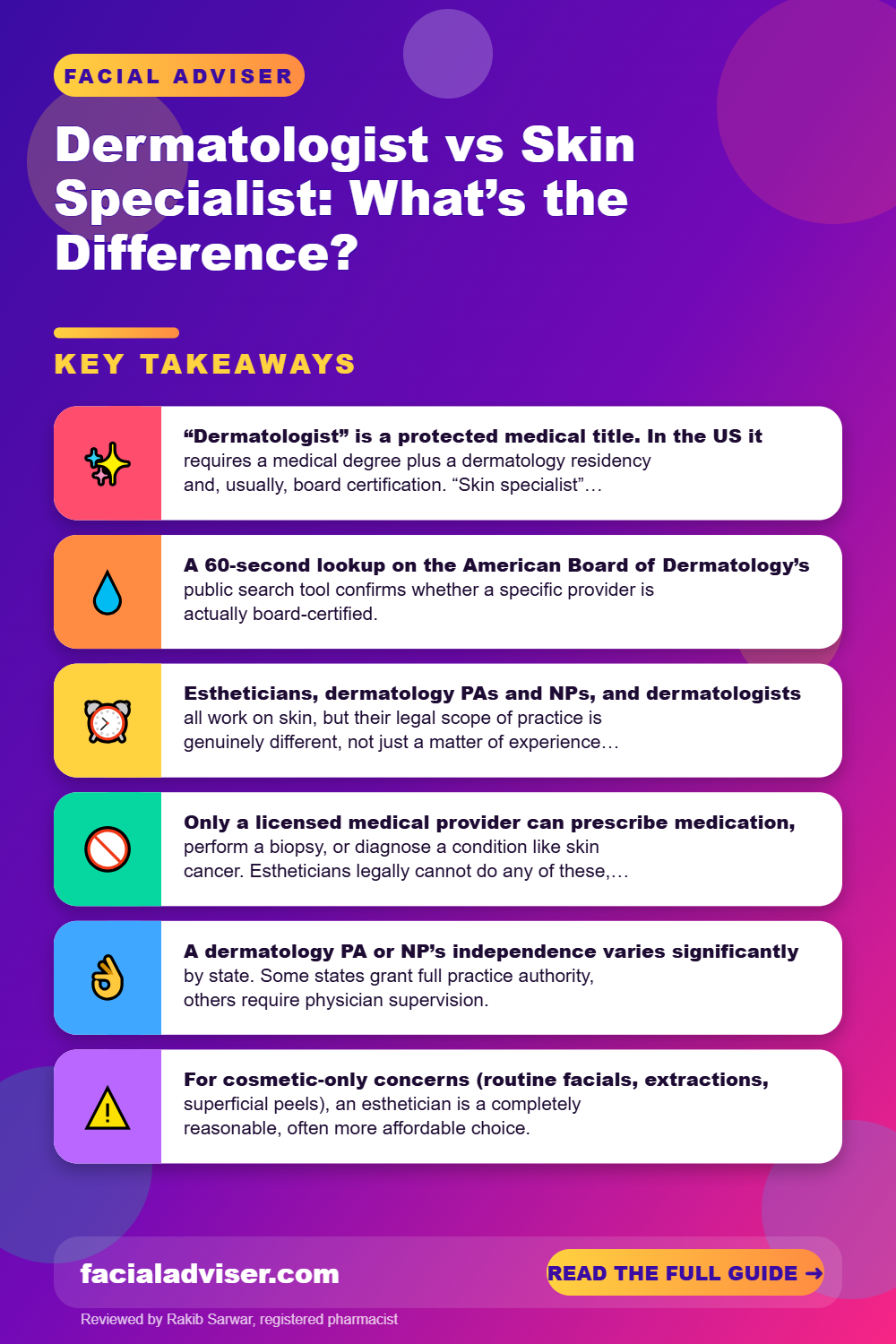
Table of Contents
- What “Skin Specialist” Actually Means, and Why That’s the Problem
- The 60-Second Credential Check
- Dermatologist vs. Esthetician vs. Dermatology PA/NP: What Each Can Do
- Medical Scope vs. Cosmetic Scope: What’s Legally Different
- Do This, Not That: Choosing the Right Provider
- How to Book the Right Appointment
- What a “Skin Specialist” Credential Can’t Guarantee
- When You Need a Medical Doctor, Not a Spa Visit
- Frequently Asked Questions
- The Bottom Line
What “Skin Specialist” Actually Means, and Why That’s the Problem
The dermatologist vs skin specialist question comes down to one fact most people don’t realize: only one of those two labels is actually regulated. “Dermatologist” is a regulated medical title. Earning it requires a medical degree (MD or DO), a multi-year dermatology residency, and, in almost all practicing cases, passing board certification through the American Board of Dermatology or the American Osteopathic Board of Dermatology. Using the title without that training is not legally permitted.
Shopping these picks?
Amazon Prime members get fast, free shipping on eligible items, plus Prime Video, Amazon Music and member deals. New members can start with a free trial.
Start a free Prime trialAged 18 to 24? Prime for Young Adults comes with a longer free trial and a lower price after it.
Affiliate link: we may earn a commission at no extra cost to you.
“Skin specialist” has no equivalent regulation. It’s a marketing phrase, not a credential. It’s used by dermatologists, by dermatology PAs and NPs, by estheticians, and by med spa staff with a wide range of actual training. Seeing the phrase on a website tells you almost nothing about who you’re actually about to see.
The 60-Second Credential Check
Before booking, do this:
Go to the American Board of Dermatology’s public dermatologist search tool (abderm.org) and search the provider’s name.
- They appear with an active certification: you’re looking at a board-certified dermatologist, meaning they completed medical school, residency, and passed the board exam.
- Nothing comes up: they may still be a licensed medical professional (a dermatology PA, NP, or a physician certified through a different board), or they may not be a licensed medical provider at all. Ask directly what their license type is and in which state it’s held.
This single search separates a genuine board-certified dermatologist from anyone using “skin specialist,” “skin expert,” or “cosmetic dermatologist” as a marketing description rather than a verified medical credential.
Dermatologist vs. Esthetician vs. Dermatology PA/NP: What Each Can Do
| Provider | Required training | Can diagnose conditions? | Can prescribe? | Can biopsy or do surgery? |
|---|---|---|---|---|
| Dermatologist (MD/DO) | Medical school + residency, board certified | Yes | Yes | Yes |
| Dermatology PA or NP | Physician assistant or nurse practitioner training, often with added dermatology experience | Yes, within their license, subject to state supervision rules | Yes, within their license | Often yes for minor procedures, varies by state and supervising physician |
| Esthetician | State cosmetology or esthetics license, no medical degree | No | No | No |
This isn’t a hierarchy of skill, it’s a difference in legal scope. A highly experienced esthetician can be excellent at what estheticians are licensed to do, including a routine HydraFacial or deep-cleansing facial. They still cannot diagnose a suspicious mole, and doing so would be outside their legal scope regardless of how many years they’ve been practicing.
Tip: Many dermatology practices employ both a dermatologist and a dermatology PA or NP. Ask directly which one you’re scheduled to see, since it’s common to book “the dermatologist’s office” and actually be seen by a PA or NP for a routine visit.
Medical Scope vs. Cosmetic Scope: What’s Legally Different
| Category | Examples | Who can legally perform it |
|---|---|---|
| Medical scope | Skin cancer screening, biopsy, prescription medication, surgical excision, diagnosing rashes or infections | Licensed medical providers only (MD, DO, and PAs/NPs within their scope) |
| Cosmetic/spa scope | Facials, extractions, superficial chemical peels, dermaplaning, basic skincare consultation | Licensed estheticians, and medical providers as well |
| Overlap zone (varies by state) | Chemical peels above a certain strength, certain laser treatments, injectables | Regulations vary significantly by state; some require direct physician involvement |
The overlap zone is exactly where a lot of confusion happens. A med spa offering “medical-grade peels” or laser treatments might have a supervising physician who’s rarely on site, and state rules on how much direct supervision is actually required vary widely. If a treatment sounds more medical than cosmetic, it’s worth asking who is actually licensed to perform it and what their direct involvement will be.
Do This, Not That: Choosing the Right Provider
Do
- Look up board certification before a first visit for any medical skin concern
- Ask directly what license type your provider holds if it isn’t clearly stated
- Choose an esthetician confidently for routine, purely cosmetic services
- Ask who supervises PAs or NPs at a med spa and how involved they actually are
- Bring a photo timeline of any changing mole or lesion to a medical appointment
Don’t
- Assume “skin specialist” on a website means board-certified dermatologist
- Let an esthetician assess or treat a new or changing mole
- Assume a lower price at a med spa reflects lighter supervision without checking
- Delay a suspicious lesion because a spa visit felt easier to book
- Confuse years of experience with legal scope of practice
How to Book the Right Appointment
Identify your concern type
Medical (a mole, rash, persistent acne, suspected infection) versus purely cosmetic (routine facial, extractions, general skincare guidance).
Run the credential check
For a medical concern, search the provider on the ABD’s public tool before booking.
Ask about license type directly
If they’re not listed, ask whether they’re a dermatology PA, NP, or a different type of licensed provider, and in which state.
Book accordingly
Medical concerns go to a board-certified dermatologist or a properly licensed PA/NP. Purely cosmetic concerns can reasonably go to a licensed esthetician.
Bring documentation
For a changing mole or lesion, bring photos with dates so the provider can assess actual change over time.
Follow up appropriately
If a diagnosis or biopsy is needed and your current provider can’t perform it, ask for a referral to someone who can.
What a “Skin Specialist” Credential Can’t Guarantee
Because the title isn’t regulated, it can’t tell you anything about training, license type, or legal scope. Two providers both calling themselves a “skin specialist” could be, respectively, a board-certified dermatologist with 15 years of medical training and someone with a weekend certificate course. The title alone doesn’t distinguish them, only a direct credential check does.
Even within board-certified dermatology, certification confirms training and passing an exam, not a guarantee of bedside manner, availability, or fit for your specific concern. It’s a floor, not a complete picture.
When You Need a Medical Doctor, Not a Spa Visit
Warning: A mole that’s changing size, shape, or color, a sore that won’t heal after several weeks, unexplained bleeding from a skin lesion, or a rash that doesn’t respond to standard over-the-counter treatment all need a licensed medical provider, not a cosmetic appointment.
Note: Many dermatology PAs and NPs are highly capable of handling these concerns within their scope and often have shorter wait times than a dermatologist. The key check is license type and supervision, not necessarily insisting on an MD specifically.
Frequently Asked Questions
What’s the difference between a dermatologist and a skin specialist?
Dermatologist is a protected medical title requiring medical school, residency, and typically board certification. Skin specialist is an unregulated marketing term that could describe a dermatologist, a dermatology PA or NP, or an esthetician with no medical degree.
How do I check if someone is a real dermatologist?
Search their name on the American Board of Dermatology’s public search tool at abderm.org. An active listing confirms board certification.
Can an esthetician diagnose skin conditions?
No. Estheticians are licensed for cosmetic services like facials and extractions. Diagnosing a medical condition is outside their legal scope regardless of experience.
Is a dermatology PA or NP as qualified as a dermatologist?
They have different training paths and, depending on the state, different levels of required physician supervision. Many are highly capable within their scope, particularly for routine concerns, but their legal independence varies by state.
Who should I see for acne?
Mild, cosmetic-level acne concerns can reasonably start with an esthetician for skincare guidance. Persistent, cystic, or scarring acne needs a licensed medical provider who can prescribe treatment.
Who should I see for a mole that’s changed?
A board-certified dermatologist or a properly licensed dermatology PA/NP. This is a medical concern requiring diagnosis and, if needed, biopsy, which is outside an esthetician’s scope.
Can a med spa perform medical treatments?
Some can, depending on state law and whether a supervising physician is genuinely involved. Regulations on how much direct physician oversight is required vary widely, so it’s worth asking directly.
Is “cosmetic dermatologist” a real credential?
It’s typically used by board-certified dermatologists who focus on cosmetic procedures, but the phrase itself isn’t a separate regulated credential. Check for actual board certification rather than relying on the label.
Do I need a referral to see a dermatologist?
This depends on your insurance plan, not on any medical requirement. Check with your insurer directly.
What symptoms mean I should skip the spa and see a doctor?
A changing mole, a non-healing sore, unexplained bleeding from a skin lesion, or a rash that doesn’t respond to standard treatment all warrant a licensed medical provider rather than a cosmetic appointment.
The Bottom Line
“Skin specialist” will keep showing up on websites and business cards because it’s a marketing phrase, not because it means anything specific. The sixty-second fix is running an actual name through the American Board of Dermatology’s public search tool before you book for any medical concern, and asking directly about license type when nothing comes up.
For routine, purely cosmetic services, an esthetician is a perfectly reasonable and often more affordable choice. For anything that could be a medical issue, a changing mole, persistent acne, an unexplained rash, the legal scope actually matters: only a licensed medical provider can diagnose, prescribe, or biopsy, and no amount of spa experience changes that.

Written by
Registered pharmacist and founder of Facial Adviser. Rakib's pharmacy training covers how skincare actives work and interact; a later course in cosmetology turned that into a focus on facial treatments and skincare products. He plans, researches and edits every guide on the site and checks health claims against sources such as the American Academy of Dermatology, the FDA and the NIH. He is not a dermatologist; see the Editorial Policy and Medical Disclaimer.
About · Editorial policy · How we choose products · Medical disclaimer · Contact
Keep reading: Facials: what to expect

20 Comments