Ampoule vs Serum: What Is the Difference and Which Do You Need
Walk down any skincare aisle and you will see serums, ampoules, essences and boosters, often sitting side by side with similar prices and similar promises. If you are wondering whether an ampoule is just a fancy serum, you are not alone. The names are confusing, and brands use them loosely.
Part of our guide to skincare products. Start with: 10 Best Facial Serums for Aging Skin (2026): Picks by Concern

I am Rakib Sarwar, a registered pharmacist with a cosmetology course. I am not a dermatologist, so I focus on how products are formulated and used, and I avoid medical claims. Most of this guide is about reading labels rather than trusting names.
The short answer is that both are lightweight, active-rich products you apply after cleansing and before moisturizer. In practice, ampoules are usually sold as smaller, more concentrated treatments for short courses, while serums are used daily for longer.
Black Friday is coming: shop the deals with Prime
But there is no legal definition, so a product called an ampoule can be gentle, and a serum can be strong.
I wrote this for beginners as well as people who already own several bottles, so you can decide what to keep, what to skip and what to use in what order, without buying anything new unless you really need it.
I also keep each recommendation realistic, because no bottle can do the job of sunscreen, sleep and patience.
Below you will find what each product is, how they differ, how to layer them, who should be careful, mistakes to avoid and seven serums and ampoules people often use.
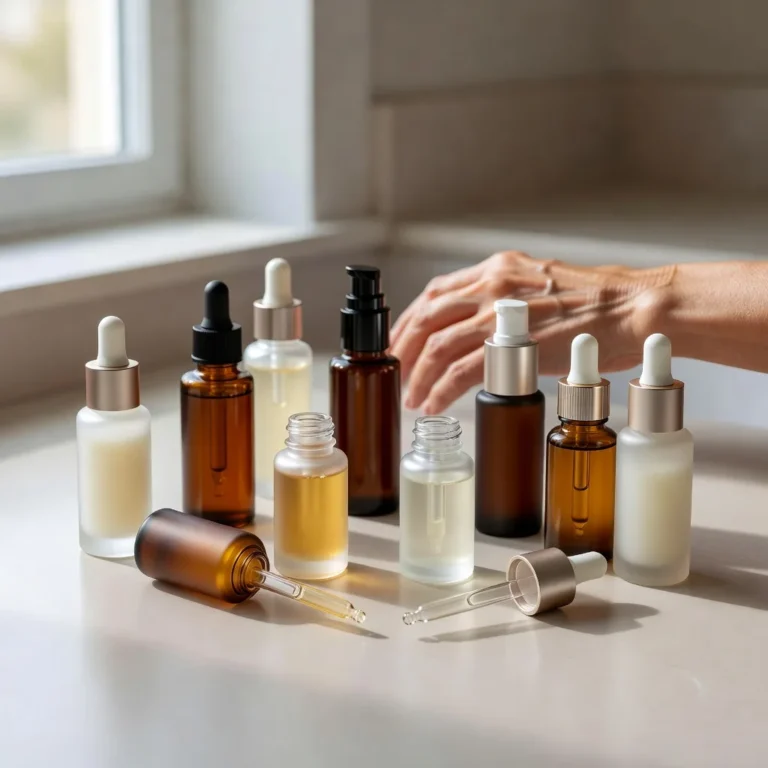
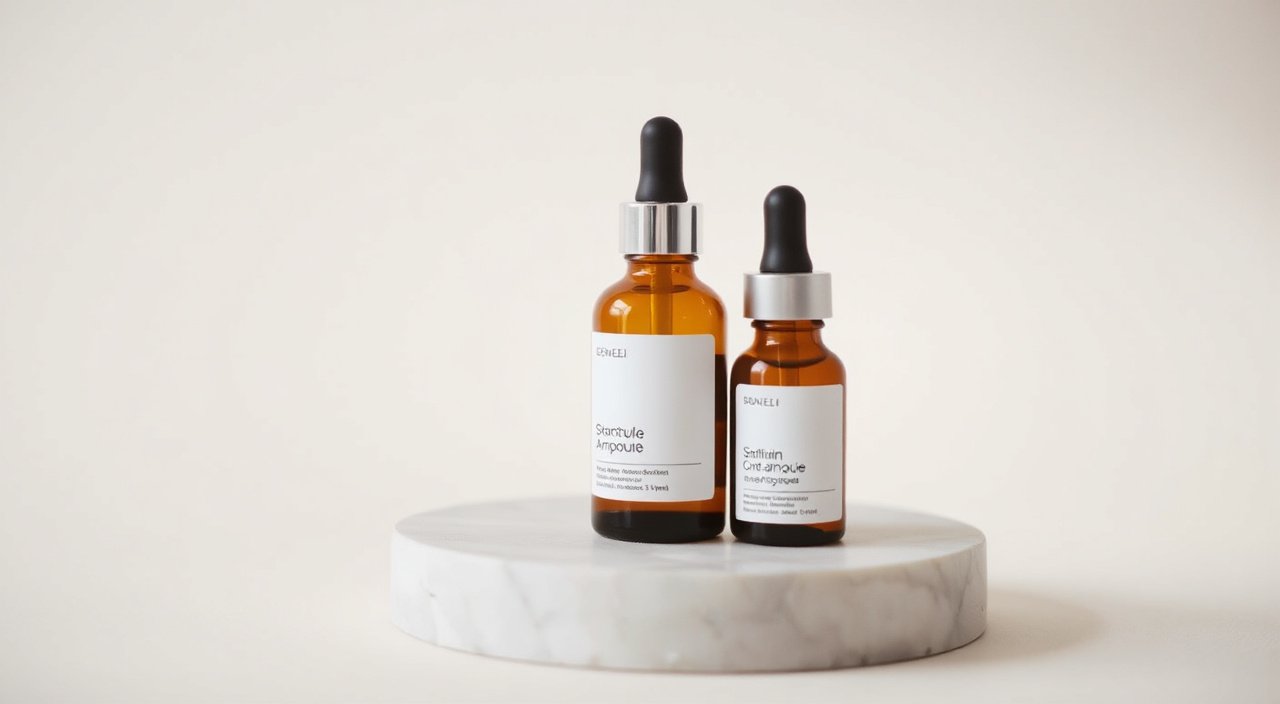
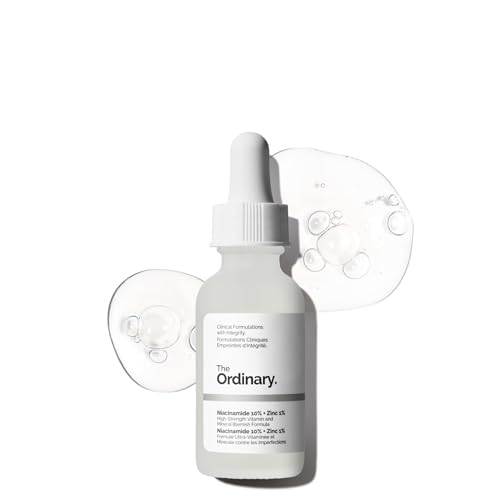
Serums and Ampoules People Often Use



Contents
- What Is a Serum
- What Is an Ampoule
- The Real Differences
- How to Choose Between Them
- How to Layer in a Routine
- Common Active Ingredients
- Ampoules and Serums for Different Skin Concerns
- Common Mistakes
- Who Should Be Careful
- Price, Size and Value
- Honest Limits
- When to See a Professional
- Questions People Ask
- Summing Up
Key Takeaways
- Ampoules and serums are both lightweight products with active ingredients.
- There is no strict definition, so brands use the names loosely.
- Ampoules are often smaller and more concentrated, and used as short treatments.
- Serums are usually used daily for longer periods.
- Check the ingredient list and concentration, not the name.
- Patch test new actives and add them one at a time.
- See a dermatologist for persistent irritation, acne or pigmentation.
What Is a Serum
A serum is a lightweight liquid or gel that delivers active ingredients such as vitamin C, niacinamide, hyaluronic acid or retinoids. It is applied after cleansing and before moisturizer.
Serums are usually designed for daily use over weeks or months. They are thinner than creams, so they sink in quickly and can be layered under moisturizer and sunscreen.
A serum is not a substitute for a moisturizer. It targets a concern such as dullness or dehydration, while the moisturizer seals everything in.
Serums come in many textures, from watery gels to light oils. Water-based serums feel fresh and absorb quickly, while oil serums can feel richer and suit dry skin. Choose a texture you enjoy, since you are more likely to use it consistently.
What Is an Ampoule
The word ampoule comes from small sealed vials used for medicine. In skincare, it usually means a concentrated treatment sold in a small bottle, often popular in Korean beauty.
Ampoules are often positioned as intensive boosters for a short course, such as a few weeks, or for use when skin needs extra help. Some are sold as single-use vials.
However, the term is not regulated. Some products called ampoules are simply lightweight serums in a smaller bottle. Always check the ingredient list and instructions.
| Feature | Serum | Ampoule |
|---|---|---|
| Typical use | Daily, long term | Short courses or boosts |
| Strength | Varies | Often higher or more focused |
| Size | 30 ml typical | Small, 5 to 50 ml |
| Texture | Thin liquid or gel | Thin to slightly thick |
| Regulated term | No | No |
In Korean skincare, an ampoule often sits between an essence and a serum, with a slightly more concentrated feel. Some come in single-use vials intended for a few days of intensive use, such as before travel or after sun exposure.
Because ampoules are often used in short bursts, you may not need to keep buying them. Finish a course, review your skin, and only repeat if it helped.

The Real Differences
Concentration is the key difference in theory, but not always in practice. A vitamin C ampoule might have a higher percentage of active than a serum, or it might not. Texture can differ too, as ampoules are sometimes more watery or essence-like.
Price can also vary. Ampoules are often smaller, so cost per milliliter can be higher. Compare ingredient lists and sizes rather than the label name.
The better question is what you want the product to do. Hydration, brightening, soothing or anti-aging goals matter more than whether the bottle says serum or ampoule.
Another difference is how brands use the term. A brand may call a product an ampoule to signal that it is a concentrated treatment, but it might still be a mild, hydrating gel. Treat the name as a hint, not a guarantee.
How to Choose Between Them
If you want a daily step with a steady effect, choose a serum with a single clear active, such as niacinamide for oil control or hyaluronic acid for hydration.
If you want a short-term boost, for example before an event or during a dry spell, an ampoule can be a convenient format. Start with a gentle one if your skin is sensitive.
| Goal | Look for | Format |
|---|---|---|
| Hydration | Hyaluronic acid, glycerin, panthenol | Serum or ampoule |
| Brightening | Vitamin C, niacinamide | Serum |
| Soothing | Centella, panthenol | Ampoule or serum |
| Anti-aging | Retinoids, peptides | Serum at night |
| Oil control | Niacinamide, zinc | Serum |
Fragrance-free formulas are less likely to irritate sensitive skin.
If you are unsure where to start, a simple hydrating serum with hyaluronic acid or panthenol is a low-risk first step for most people.
How to Layer in a Routine
Apply products from thinnest to thickest. After cleansing, use an ampoule or serum, then a moisturizer and sunscreen in the morning.
Cleanse
Use a gentle cleanser and pat skin dry.
Apply a hydrating essence or toner if you use one
Pat it in lightly.
Apply your ampoule or serum
Use a few drops. Wait a minute for it to absorb.
Add a second active only if needed
Avoid combining strong actives on the same night.
Moisturize
Seal everything in with a cream.
Apply sunscreen in the morning
SPF 30 or higher protects your skin.
Start with one new product at a time and wait two weeks before adding another. This makes it easier to spot what irritates your skin.
Do not use several strong actives, such as retinoids, acids and high-strength vitamin C, together without guidance. This can irritate the skin barrier.
If you use both, apply the lighter, more watery product first and the thicker one second. If a product pills or rolls off, you may be using too much or layering too many products. Wait a minute between steps to let each one settle.
Common Active Ingredients
Hyaluronic acid draws water into the skin surface and suits most skin types. Niacinamide can help with oil, tone and barrier support. Vitamin C is an antioxidant used for brightening, but it can irritate some people.
Retinoids such as retinol and retinal help with fine lines and texture, but should be introduced slowly and avoided in pregnancy. Centella and panthenol are popular for soothing.
Snail mucin and peptides are widely marketed for hydration and repair. Evidence varies, so judge by how your skin feels.
Percentages matter for some actives. For example, niacinamide is commonly used at around 2 to 10 percent, and vitamin C in varying forms and strengths. Higher is not always better, because irritation can rise with strength.
Peptides and growth-factor style ingredients are common in ampoules, but evidence for them is smaller than for retinoids or vitamin C. Treat strong claims with caution, and prefer products from brands that publish full ingredient lists.
Ampoules and Serums for Different Skin Concerns
For dryness and dehydration, look for hyaluronic acid, glycerin, panthenol and ceramides. These draw in and hold water, and are suitable for most skin types, including oily skin that feels tight.
For dullness and uneven tone, niacinamide, vitamin C and gentle exfoliating acids are common choices. Introduce them slowly, and always use sunscreen in the morning, because brightening actives can make skin more sensitive to the sun.
For redness and sensitivity, soothing ingredients such as centella, panthenol and allantoin are popular. They do not treat skin disease, but they can make skin feel calmer.
For fine lines, retinoids have the strongest evidence. Start with a low strength two nights a week and build up. Avoid retinoids in pregnancy and if you are trying to conceive, and ask a doctor if you are unsure.
Whichever concern you pick, change one thing at a time, keep notes, and give it at least a month before judging.
Common Mistakes
The most common mistake is choosing by name. Another is using too many actives at once. A third is skipping moisturizer and sunscreen, which are more important than any single serum.
Also avoid applying products to wet skin if they contain strong acids, since this can increase penetration and irritation. Follow label directions.
Another frequent mistake is switching products too fast. Skin needs several weeks to show a change, so give a new product a fair trial unless it causes stinging, redness or swelling.
Who Should Be Careful
Do
- People who want a simple targeted boost
- Those with a clear goal such as hydration or brightening
- Anyone willing to patch test
- People who follow a gentle routine
- Those who wear sunscreen daily
Don’t
- People with very sensitive skin who have not patch tested
- Anyone with a known allergy to an ingredient
- Pregnant women using retinoids
- People with active skin disease who have not asked a doctor
- Anyone using many strong actives
If you are unsure about an ingredient, check with a pharmacist or dermatologist.
Teens with acne and anyone with a chronic skin condition should talk to a doctor or dermatologist before adding strong actives, since the wrong product can make a flare worse.
Price, Size and Value
A smaller bottle does not always mean a stronger product, and a bigger bottle is not always better value. Work out the cost per milliliter and think about how fast you will use the product. Many actives lose strength over time once opened, especially vitamin C.
Look for dark or airless packaging, which protects light- and air-sensitive ingredients. A dropper bottle exposes the formula to air every time you open it, so keep the lid tight.
Many people do well with just one or two well-chosen products. A simple, affordable serum with an active you tolerate will do more for your skin than a shelf of expensive bottles you rarely use.
Honest Limits
Neither ampoules nor serums are magic. They support a routine but cannot replace sun protection, sleep and healthy habits.
Marketing terms such as booster, ampoule and essence are not regulated. Read the ingredient list.
This guide is general information and not personal medical advice.
Product listings, prices and ratings change often, so check the current Amazon page before buying.
Reviews and before-and-after photos online can be misleading, so judge a product by how your own skin looks and feels over several weeks.
When to See a Professional
See a dermatologist for persistent acne, pigmentation, rashes or reactions to skincare. If a product burns, swells or causes a rash, stop using it and seek advice.
This article is for general information only and is not medical advice. It does not replace a visit to a doctor or pharmacist. I am a registered pharmacist with a cosmetology course, not a dermatologist.
Questions People Ask
What is the difference between an ampoule and a serum?
Ampoules are often smaller, more concentrated treatments for short courses, while serums are used daily. The terms are not regulated.
Can I use an ampoule and a serum together?
Yes, but add one at a time and avoid layering several strong actives.
Which goes first, ampoule or serum?
Apply thinner textures first, so check the texture of each product.
Are ampoules stronger than serums?
Not always. Check the ingredient list and concentration.
Do I need both?
No. One well-chosen active is enough for most routines.
How long should I use an ampoule?
Many brands suggest a few weeks, so follow the label.
Can sensitive skin use ampoules?
Choose a gentle, fragrance-free option and patch test first.
Do I still need moisturizer?
Yes. Serums and ampoules do not replace moisturizer.
Should I use them morning or night?
It depends on the active. Vitamin C is often used in the morning and retinoids at night.
When should I see a doctor?
See a doctor or dermatologist for persistent irritation, rashes or acne.
Summing Up
Ampoule or serum, the name matters less than what is inside. Choose one active that fits your goal, patch test it and keep moisturizer and sunscreen in your routine.
If your skin reacts badly or problems persist, see a dermatologist.

Written by
Registered pharmacist and founder of Facial Adviser. Rakib's pharmacy training covers how skincare actives work and interact; a later course in cosmetology turned that into a focus on facial treatments and skincare products. He plans, researches and edits every guide on the site and checks health claims against sources such as the American Academy of Dermatology, the FDA and the NIH. He is not a dermatologist; see the Editorial Policy and Medical Disclaimer.
About · Editorial policy · How we choose products · Medical disclaimer · Contact
Keep reading: Serums and actives
- 10 Best Facial Serums for Aging Skin (2026): Picks by Concern
- Niacinamide or Hyaluronic Acid: Pick Both?
- Antioxidant Facial Treatment: What Holds Up
- Vitamin C Facial: What the Real Data Shows
- Collagen Facial Treatment: What the Evidence Shows
- Is Hyaluronic Acid Good for Acne?
- 10 Best Facial Moisturizers for Dry Skin (2026): Rich, Gentle Creams
- 10 Best Face Masks for Every Skin Type (2026): Clay, Gel and Sheet
Build a spa-like routine with ad-free music