10 Best Facial Moisturizers for Dry Skin (2026): Rich, Gentle Creams
A tight, flaky or rough face is one of the most common skin complaints, especially in cold weather, in heated rooms and as skin gets older. The formulas that actually help dry skin share a few simple features, and they are not always the most expensive ones. This list covers 10 options, from fragrance-free ceramide creams to richer night creams, with notes on who each one suits.
The best facial moisturiser for dry skin is usually a fragrance-free cream, rather than a light lotion, that combines water-attracting humectants such as glycerin or hyaluronic acid with barrier-supporting ingredients such as ceramides, and a protective layer from ingredients such as shea butter, dimethicone or petrolatum. Dermatologists generally advise applying it within a few minutes of washing, while skin is still slightly damp, and reapplying whenever the face feels dry. A gentle cleanser, lukewarm water, a humidifier and daily sunscreen support the moisturiser. If dryness comes with itching, redness or cracking that does not improve, it may be eczema and worth a medical check.
In short: pick a fragrance-free cream with ceramides and glycerin, apply it on damp skin and use it more than once a day.
The American Academy of Dermatology recommends ointments or creams rather than lotions for dry skin, fragrance-free products and moisturising right after washing to trap water in the skin.
Below you will find the ten picks, how we chose them, which textures and ingredients to look for, what to avoid, how to match a formula to your level of dryness and how to apply it for the best result.
Shopping these picks?
Amazon Prime members get fast, free shipping on eligible items, plus Prime Video, Amazon Music and member deals. New members can start with a free trial.
Start a free Prime trialAged 18 to 24? Prime for Young Adults comes with a longer free trial and a lower price after it.
Affiliate link: we may earn a commission at no extra cost to you.
As an Amazon Associate we earn from qualifying purchases. This does not change which products we include.


What to Know First
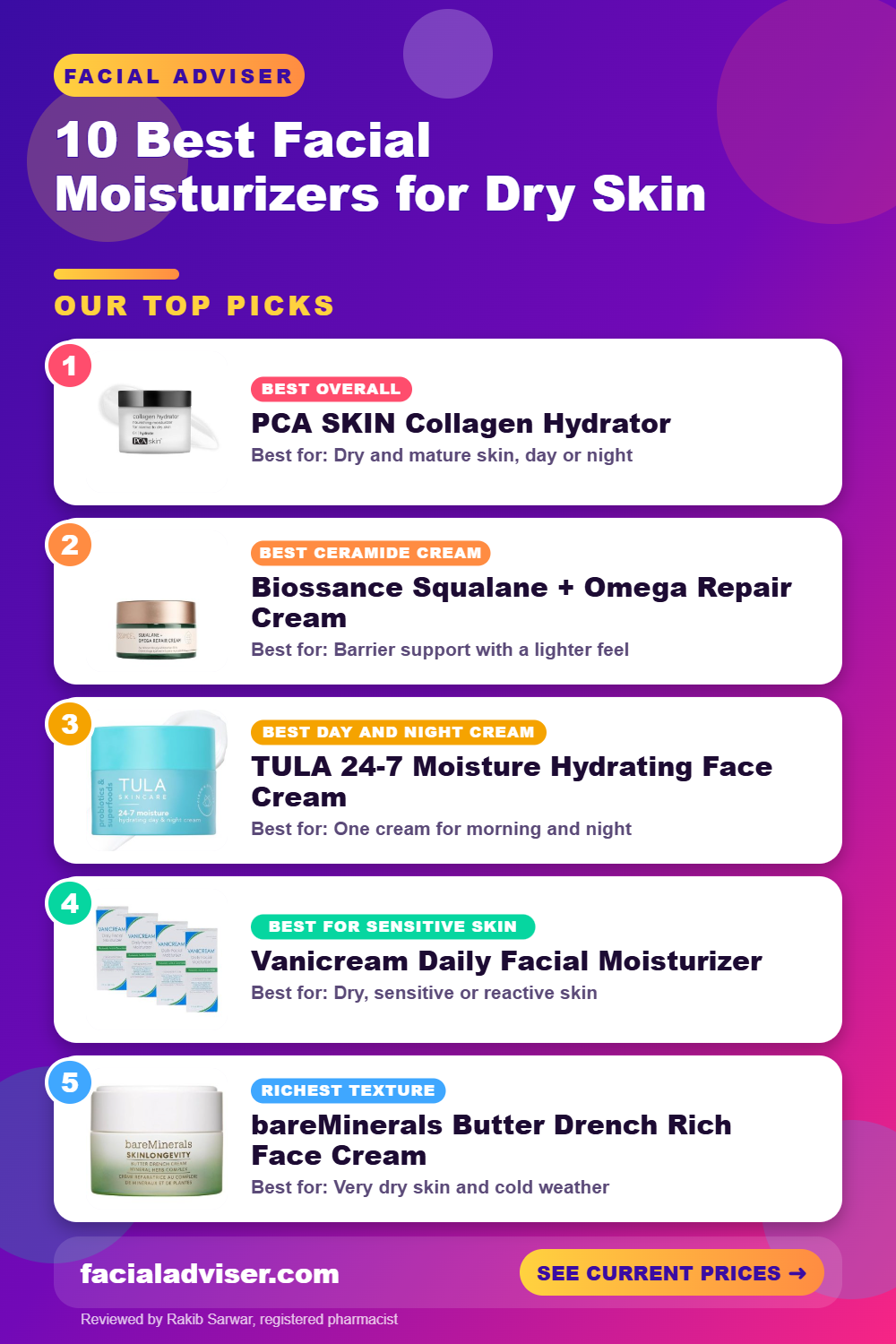
- PCA SKIN Collagen Hydrator is our top pick: a rich shea butter cream made for dry and mature skin.
- Biossance Squalane + Omega Repair Cream pairs ceramides and squalane in a lighter whipped texture.
- TULA 24-7 Moisture suits people who want one gentle cream for morning and night.
- Creams and ointments hold moisture better than thin lotions.
- Look for ceramides, glycerin and a sealing ingredient together, and choose fragrance-free.
- Apply on slightly damp skin within a few minutes of washing, and use sunscreen by day.
- Persistent itching or cracking may be eczema, not simple dryness.
Jump to a Section
- The 10 Best Facial Moisturizers for Dry Skin Right Now
- How We Chose These Products
- What Dermatologists Generally Advise for Dry Skin
- Creams vs Lotions vs Ointments for a Dry Face
- Ingredients to Look For on the Label
- Why Ceramides Matter for Dry Skin
- What to Avoid in a Dry-Skin Moisturiser
- How to Choose by Dryness Level and Skin Type
- How to Apply Moisturiser for Dry Skin
- Day vs Night: Moisturiser and Sunscreen
- Habits That Help Any Moisturiser Work Better
- Honest Limits
- When to See a Dermatologist
- FAQ
- Summing Up
The 10 Best Facial Moisturizers for Dry Skin Right Now
These ten creams were shortlisted from widely reviewed Amazon listings and checked against the dermatologist principles in this guide: creams over lotions, barrier-supporting ingredients and gentle formulas. Each pick explains who it suits, its trade-offs and who should skip it.
| # | Product | Best For | Standout Feature | |
|---|---|---|---|---|
| 1 | PCA SKIN Collagen Hydrator | Dry and mature skin, day or night | Rich shea butter cream for dry skin | View |
| 2 | Biossance Squalane + Omega Repair Cream | Barrier support with a lighter feel | Ceramides, omegas and squalane together | View |
| 3 | TULA 24-7 Moisture Hydrating Face Cream | One cream for morning and night | Prebiotics and hyaluronic acid formula | View |
| 4 | Vanicream Daily Facial Moisturizer | Dry, sensitive or reactive skin | Fragrance-free with 5 ceramides | View |
| 5 | bareMinerals Butter Drench Rich Face Cream | Very dry skin and cold weather | Rich, butter-like cream for dry skin | View |
| 6 | Farmacy Honey Halo Ceramide Moisturizer | Dry skin that also looks dull | Buckwheat honey plus ceramides | View |
| 7 | First Aid Beauty Ultra Repair Cream | Rough, dry patches on face and body | Colloidal oatmeal with ceramides | View |
| 8 | belif Moisturizing Bomb Ceramide Cream | Mildly dry or combination skin | Non-greasy cream with ceramide and squalane | View |
| 9 | AESTURA ATOBARRIER365 Ceramide Cream | Dry skin with a weak barrier | Korean ceramide cream for barrier repair | View |
| 10 | Avene Hydrance Rich Hydrating Cream | Dry, sensitive skin on a simple routine | Rich cream made for dry skin | View |
PCA SKIN Collagen Hydrator
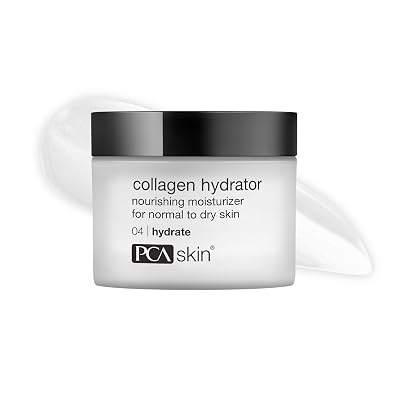
Best for: Dry and mature skin, day or night
The PCA SKIN Collagen Hydrator earns the top spot because it is exactly the kind of formula dermatologists describe for dry skin: a rich cream rather than a lotion, built around shea butter to soften and seal in moisture. It is designed for dry and mature skin and can be used morning and night, so one jar covers both routines for most people.
The name refers to collagen, but a cream cannot add collagen to your skin; think of it as a nourishing moisturiser rather than a firming treatment. Its richness is its strength and its limit: it may feel heavy on combination skin or in humid weather, where the lighter Biossance at #2 or Vanicream at #4 would suit better. Check the label for fragrance if you react easily.
- Rich cream designed for dry and mature skin
- Formulated with shea butter
- Includes sweet almond fruit extract
- Suitable for day and night use
Pros
- Rich texture that suits very dry skin
- One cream for morning and night
- Shea butter helps seal in moisture
Cons
- May feel heavy on combination or oily areas
- Collagen name overstates what a cream can do
Skip it if: Skip it if you have combination or acne-prone skin; the Vanicream or belif pick is lighter.
Check Price on AmazonBiossance Squalane + Omega Repair Cream

Best for: Barrier support with a lighter feel
The Biossance cream is our best ceramide pick because it combines several of the ingredients this guide recommends in one formula: ceramides and omega fatty acids for the skin barrier, hyaluronic acid to hold water and squalane as a lightweight emollient. That mix covers the humectant, barrier and softening roles that dry skin needs.
Its whipped texture absorbs quickly, which makes it easier to wear under sunscreen and makeup than the richer PCA SKIN pick at #1. The flip side is that very dry or flaky skin may need an extra layer, such as a thin balm on dry patches at night. Plant-based ingredients are part of its appeal, but they do not make it more effective than a simple ceramide cream.
- Ceramides and omega fatty acids for barrier support
- Hyaluronic acid to help hold moisture
- Squalane and acai sterols for light hydration
- Whipped texture that absorbs quickly
Pros
- Covers several key dry-skin ingredients
- Wears well under sunscreen
- Quick-absorbing texture
Cons
- May not be rich enough for very flaky skin
- Check the label for fragrance if sensitive
Skip it if: Skip it if your skin is severely dry or cracked; the First Aid Beauty or bareMinerals pick is richer.
Check Price on AmazonTULA 24-7 Moisture Hydrating Face Cream

Best for: One cream for morning and night
The TULA 24-7 cream is the best pick for people who want a single, gentle cream for both morning and night. It pairs hyaluronic acid for hydration with prebiotic extracts aimed at supporting a resilient skin barrier, and the brand’s own instructions follow the right order: apply to clean skin after any serums and follow with sunscreen in the morning.
It is designed for all skin types, which makes it a comfortable middle ground, but it is lighter than the PCA SKIN or bareMinerals picks, so very dry skin may need a richer layer at night. The listing also mentions evening the look of skin tone and glow; treat those as cosmetic extras rather than reasons to buy. Check the ingredient list for fragrance if you are sensitive.
- Day and night face cream for all skin types
- Hyaluronic acid for hydration
- Prebiotic extracts to support the skin barrier
- Designed to be used after serums, then SPF by day
Pros
- Simple one-cream routine
- Comfortable, balanced texture
- Clear directions for layering
Cons
- Lighter than the richest picks on this list
- Glow claims add little for dry skin
Skip it if: Skip it if your face is very dry or flaky; the PCA SKIN or First Aid Beauty cream is richer.
Check Price on AmazonVanicream Daily Facial Moisturizer

Best for: Dry, sensitive or reactive skin
The Vanicream moisturiser is our pick for sensitive skin because its listing is the clearest on the points dermatologists care about: it is fragrance-free, free of masking fragrance, dyes and lanolin, and it pairs five ceramides with hyaluronic acid. For anyone whose dry skin stings or flushes with richer or scented creams, that simplicity is the main selling point.
It is a lightweight daily formula, so it works well under sunscreen and makeup but may not be enough on its own for very dry or flaky skin in winter. In that case, add a thin balm over it at night, as this guide suggests. Compared with the AESTURA cream at #9, it is lighter; compared with the PCA SKIN pick at #1, it is gentler but far less rich.
- Fragrance-free, lightweight daily moisturiser
- Five ceramides plus hyaluronic acid
- Free of dyes, masking fragrance and lanolin
- Dermatologist tested, made for sensitive skin
Pros
- Clearly fragrance-free
- Short list of common irritants avoided
- Easy to layer under sunscreen
Cons
- Too light on its own for very dry skin
- Plain texture with no extras
Skip it if: Skip it if you want a rich night cream; the bareMinerals or PCA SKIN pick suits you better.
Check Price on AmazonbareMinerals Butter Drench Rich Face Cream

Best for: Very dry skin and cold weather
The bareMinerals Butter Drench cream is the richest texture on this list, which makes it a strong choice for very dry skin, cold weather and heated rooms. Its listing positions it as a restorative rich cream for dry skin that helps the skin hold on to moisture, which is exactly the job this guide says a dry-skin moisturiser should do.
The listing gives little detail on individual ingredients, so check the full label for fragrance and for the sealing ingredients this guide recommends before you buy. A cream this rich can feel heavy by day and may not suit combination or acne-prone skin. It sits between the PCA SKIN pick at #1 and the lighter Farmacy cream at #6 in richness, and it works well as a night cream.
- Rich face cream designed for dry skin
- Aimed at helping skin retain moisture
- Described as restorative and soothing
- Suited to night use or cold weather
Pros
- Very rich texture for dry skin
- Good winter or night cream
- Comforting on tight skin
Cons
- Listing gives limited ingredient detail
- May feel heavy under makeup
Skip it if: Skip it if you have oily or acne-prone areas; the Vanicream or belif pick is lighter.
Check Price on AmazonFarmacy Honey Halo Ceramide Moisturizer
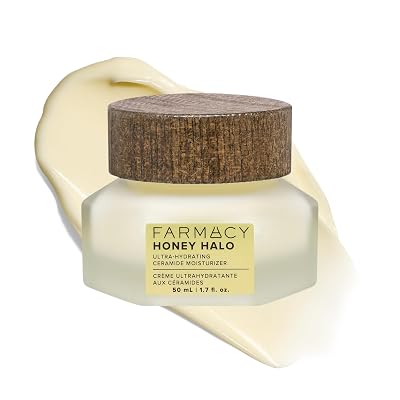
Best for: Dry skin that also looks dull
The Farmacy Honey Halo cream is the best pick for dry skin that also looks tired or dull. It combines ceramides for barrier support with buckwheat honey, a natural humectant that draws water into the skin, and fig extract with hydrating osmolytes. The listing is aimed squarely at dry, distressed skin and suggests using it morning and night on a clean face.
Its claims about plumping fine lines go beyond what any moisturiser can promise; hydrated skin simply looks smoother for a while. Honey-based products also suit most people, but anyone who reacts to bee products should check the label. It is lighter than the bareMinerals pick at #5 and a little richer than the TULA cream at #3.
- Designed for dry, distressed skin
- Ceramides for barrier support
- Buckwheat honey as a humectant
- Fig extract and hydrating osmolytes
Pros
- Combines a humectant with ceramides
- Suits morning and night use
- Comfortable mid-weight texture
Cons
- Fine-line claims overstate the effect
- Not ideal if you react to bee products
Skip it if: Skip it if you are allergic to honey or propolis; the Vanicream pick has a simpler formula.
Check Price on AmazonFirst Aid Beauty Ultra Repair Cream

Best for: Rough, dry patches on face and body
The First Aid Beauty Ultra Repair Cream is the best pick if you want one intensive cream for dry patches on both the face and body. It pairs colloidal oatmeal, a soothing ingredient long used for dry, itchy skin, with ceramides for barrier support, and the listing describes it as fast-absorbing and suitable for sensitive skin.
Because it is made for face and body, it is thicker than the daily facial creams such as the Vanicream at #4, and some people find it too rich for daytime under makeup. It works well as a night cream or on flaky areas around the nose and mouth. Compared with the bareMinerals pick at #5, its listing gives clearer detail on the soothing ingredients.
- Intensive, fast-absorbing moisturiser
- Colloidal oatmeal and ceramides
- Suitable for sensitive skin
- Can be used on the face and body
Pros
- Soothing oatmeal for dry, tight skin
- One cream for face and body
- Good for flaky patches
Cons
- Can feel heavy under makeup
- Not designed specifically for the face
Skip it if: Skip it if you prefer a light face-only formula; the Vanicream or belif pick suits you better.
Check Price on Amazonbelif Moisturizing Bomb Ceramide Cream

Best for: Mildly dry or combination skin
The belif Moisturizing Bomb is the best lightweight pick for people whose skin is only mildly dry or dry in some areas and oily in others. It combines ceramide and squalane with peptide and a comfrey leaf botanical blend in a soft, creamy texture that the listing describes as non-greasy, so it layers easily under sunscreen and makeup.
That lighter feel is the trade-off: on very dry or flaky skin, especially in winter, it may not be enough on its own. Botanical blends can also irritate reactive skin, so patch test first if you are sensitive. It is lighter than the Biossance cream at #2 and better suited to combination skin than the rich PCA SKIN or bareMinerals picks.
- Soft, creamy texture designed for long-lasting hydration
- Ceramide, peptide and squalane
- Botanical blend including comfrey leaf
- Non-greasy daily moisturiser
Pros
- Light enough for combination skin
- Layers well under makeup
- Barrier-supporting ingredients
Cons
- May not be enough for very dry skin
- Botanicals can irritate reactive skin
Skip it if: Skip it if your skin is very dry or reacts to plant extracts; the Vanicream or First Aid Beauty pick suits you better.
Check Price on AmazonAESTURA ATOBARRIER365 Ceramide Cream

Best for: Dry skin with a weak barrier
The AESTURA ATOBARRIER365 cream is our barrier repair pick because the whole formula is built around ceramides, the lipids that help hold the skin’s outer layer together. That makes it a good fit if your dry skin also feels tight, rough or easily irritated after cleansing, which are common signs that the barrier needs support.
The listing we used gives limited detail beyond the ceramide focus, so check the full ingredient list for fragrance and sealing ingredients if you are sensitive. As a cream, it sits between the light Vanicream at #4 and the richer PCA SKIN at #1. If it is not enough on very dry patches, add a thin occlusive balm on top at night.
- Ceramide-focused face cream
- Aimed at barrier repair
- Cream texture for dry skin
- Standard 80 ml tube
Pros
- Strong focus on barrier-supporting ceramides
- Balanced cream texture
- Tube packaging keeps the cream clean
Cons
- Listing gives limited ingredient detail
- May need a balm on very dry patches
Skip it if: Skip it if you want a very rich night cream; the bareMinerals or First Aid Beauty pick is richer.
Check Price on AmazonAvene Hydrance Rich Hydrating Cream
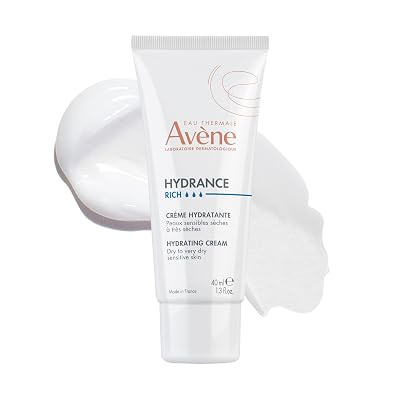
Best for: Dry, sensitive skin on a simple routine
The Avene Hydrance Rich cream is the best pharmacy-style pick for people who want a straightforward rich cream from a brand known for sensitive-skin care. Its listing describes it as a rich hydrating cream for dry skin, designed to keep skin comfortable through the day, which suits a simple routine of gentle cleanser, cream and sunscreen.
The listing gives little ingredient detail, so read the full label for fragrance and the humectant and sealing ingredients this guide recommends. The smaller jar also means more frequent repurchases than a larger tube. Compared with the Vanicream at #4, it is richer; compared with the AESTURA cream at #9, it is less focused on ceramides.
- Rich hydrating cream for dry skin
- Designed for all-day comfort
- From a sensitive-skin focused brand
- Compact 1.3 fl oz size
Pros
- Rich texture for dry skin
- Simple, classic formula
- Suits a minimal routine
Cons
- Listing gives limited ingredient detail
- Small size runs out quickly
Skip it if: Skip it if you have oily or combination skin; the belif pick is lighter.
Check Price on AmazonHow We Chose These Products
We shortlisted facial moisturisers from Amazon listings that are highly rated by a large number of shoppers, favouring established skincare brands and fuller-featured creams. We then checked each product’s listed ingredients and features against the dry-skin guidance cited in this post, including the AAD’s advice to choose creams over lotions, look for barrier-supporting ingredients and prefer fragrance-free formulas.
These are research-based picks, not hands-on lab tests. We did not measure hydration ourselves, so rankings reflect listing detail and how closely each formula matches dermatologist principles. We left out creams built around retinoids and products marketed to treat skin conditions, because those need a different conversation with a doctor. Check each label for fragrance if your skin is sensitive, as not every listing says.
- Strong ratings from a large number of shoppers
- Established brands and fuller-featured creams preferred
- Ingredients checked against the cited dermatology guidance
- Products with thin or unclear listings excluded
- Retinoid creams and condition-specific treatments left out
What Dermatologists Generally Advise for Dry Skin
There is no single product that every dermatologist recommends, and you should be wary of any claim that a specific cream is the dermatologist choice. What skin doctors do agree on is a set of principles that you can use to judge any moisturiser.
- Choose a cream or ointment rather than a watery lotion.
- Look for ingredients such as glycerin, hyaluronic acid, dimethicone, shea butter, lanolin, mineral oil or petrolatum.
- Pick fragrance-free products and skip alcohol-heavy formulas.
- Moisturise straight after washing and several times a day if needed.
- Keep washing short and use warm, not hot, water.
These points come from the AAD page of dermatologists’ tips to relieve dry skin, which also suggests a humidifier at home. A product that follows these principles is more important than the name on the jar.
Creams vs Lotions vs Ointments for a Dry Face
The texture of a moisturiser tells you a lot about how much oil it contains and how well it will stop water escaping from the skin.
| Type | Texture | Best for | Downsides |
|---|---|---|---|
| Lotion | Thin, mostly water | Mild dryness, humid weather, daytime under makeup | Evaporates quickly; often not enough for very dry skin |
| Cream | Thicker, balanced oil and water | Most dry and very dry faces, day or night | Can feel heavy on oily areas |
| Balm or ointment | Rich, little or no water | Cracked patches, windburn, overnight on very dry areas | Greasy, can pill under makeup |
| Gel cream | Light, cushiony | Dry but breakout-prone skin | May need a richer layer on top in winter |
For most people with genuinely dry facial skin, a cream is the everyday sweet spot. Our comparison of facial moisturiser vs lotion explains the difference in more detail.
Ingredients to Look For on the Label
Good dry-skin moisturisers work in three ways at once: they draw water in, they soften rough patches and they seal moisture into the skin.
| Ingredient | Role | What it does |
|---|---|---|
| Glycerin | Humectant | Pulls water into the top layer of skin |
| Hyaluronic acid | Humectant | Holds water; best under a richer layer |
| Ceramides | Barrier lipid | Help rebuild the skin’s natural barrier |
| Squalane, jojoba oil | Emollient | Smooth and soften rough skin |
| Shea butter | Emollient and occlusive | Softens and reduces water loss |
| Dimethicone | Occlusive | Light, non-greasy seal |
| Petrolatum, mineral oil, lanolin | Occlusive | Strongest seal for very dry skin |
| Urea, lactic acid | Humectant and mild exfoliant | Help loosen flakes; may sting broken skin |
A formula that includes at least one ingredient from each role is usually a safer buy than one built around a single fashionable ingredient. Ingredients are listed roughly in order of amount, so the ones that matter most for dry skin should appear in the first part of the list, not at the very end after the preservatives. Short ingredient lists are also easier to check if you have sensitive skin or known allergies.
Why Ceramides Matter for Dry Skin
Ceramides are fats that naturally sit between skin cells and help form the barrier that keeps water in and irritants out. Dry, older and eczema-prone skin often has a weaker barrier, which is why ceramide creams are so often suggested for these skin types.
Ceramides tend to work best alongside cholesterol and fatty acids, the other lipids found in the skin barrier, so labels that list all three are a good sign. They are not a miracle ingredient, and a ceramide cream without enough emollients may still feel thin on very dry skin.
Ceramides support the barrier; they do not replace the need for occlusive ingredients on very dry skin. If a ceramide lotion is not enough, try a ceramide cream or add a thin layer of an occlusive balm over it at night.
Our guide on how to repair your moisture barrier fast covers the wider routine that helps ceramides do their job.
What to Avoid in a Dry-Skin Moisturiser
Some ingredients and claims can make dryness worse or cause irritation, especially on thin or sensitive facial skin.
- Added fragrance and essential oils, which are common causes of irritation and allergy.
- Products labelled unscented, which may contain masking fragrance; fragrance-free is the better term.
- High amounts of drying alcohol near the top of the ingredient list.
- Strong acids or retinoids in the same product when your skin is already flaking.
- Mattifying or oil-control formulas designed for oily skin.
- Gel moisturisers used alone in winter when skin is very dry.
Stop using a moisturiser that burns, causes a rash, swelling or new bumps. Mild stinging on cracked skin can happen with urea or lactic acid, but if it continues or skin looks worse, switch to a plainer cream and seek advice.
How to Choose by Dryness Level and Skin Type
Match the richness of the product to how dry your skin really is and to what else it needs.
| Your skin | What to look for | Tip |
|---|---|---|
| Mildly dry, occasional tightness | Light cream with glycerin and ceramides | A lotion may be enough in summer |
| Very dry, flaky | Rich cream with ceramides, shea butter or petrolatum | Add a balm on dry patches at night |
| Dry and sensitive | Short ingredient list, fragrance-free | Patch test before full use |
| Dry and breakout-prone | Non-comedogenic cream or gel cream | Avoid heavy oils on the T-zone |
| Dry and mature | Cream with ceramides, peptides or niacinamide | Moisturise neck and chest too |
Price does not predict performance. Simple pharmacy creams that follow the principles above often suit dry skin as well as luxury jars. Packaging matters a little too: tubes and pumps keep a cream cleaner than an open jar, and airless containers help protect ingredients that break down with air and light. When you try something new, give it at least two weeks of twice-daily use before you judge it, unless it irritates your skin.
How to Apply Moisturiser for Dry Skin
How and when you apply a moisturiser can make as much difference as which one you buy.
Cleanse gently
Use a mild, non-foaming cleanser and lukewarm water; skip scrubbing.
Pat, do not rub
Pat skin with a soft towel so it stays slightly damp.
Apply within minutes
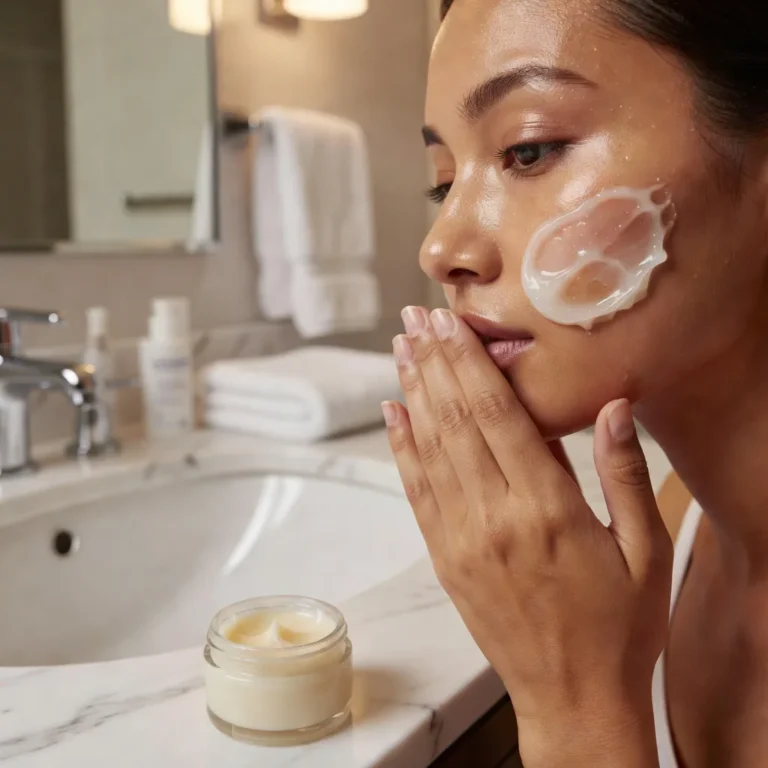
Apply moisturiser within about three minutes to trap water in the skin.
Use enough
Use a generous fingertip amount for the face and a little more for the neck.
Press it in
Warm it between fingers and press gently rather than dragging the skin.
Seal dry patches
At night, dab a thin layer of a balm on very dry areas.
Reapply
Reapply during the day whenever skin feels tight or looks flaky.
If your moisturiser pills under makeup, use a little less, wait a few minutes before the next layer and pat rather than rub the next product in.
Day vs Night: Moisturiser and Sunscreen
Dry skin often needs two approaches: a comfortable cream that works under sunscreen by day and a richer layer at night.
- Morning: a cream that absorbs well, followed by broad-spectrum sunscreen of SPF 30 or higher.
- Night: a richer cream, or your day cream plus a thin balm on dry areas.
- Winter: step up richness and consider a humidifier in the bedroom.
- Summer or humid climates: a lighter cream may be enough.
A moisturiser with SPF is convenient, but most people apply too little to get the labelled protection. The AAD guide on how to apply sunscreen explains how much to use.
Habits That Help Any Moisturiser Work Better
Even an excellent cream struggles if daily habits keep stripping the skin.
Good Habits
- Wash with lukewarm water
- Keep showers short
- Use a humidifier in dry rooms
- Moisturise after every wash
- Choose fragrance-free products
Common Mistakes
- Use hot water on your face
- Scrub flaky patches
- Use foaming or alcohol toners
- Layer several strong actives
- Assume more expensive means better
If you like a heavier approach at night, our explainer on slugging in skincare shows how an occlusive top layer can help very dry skin and who should skip it.
Honest Limits
A moisturiser can relieve dryness and improve comfort and texture, but it cannot change your skin type permanently, and the effect fades if you stop. Claims such as permanent hydration or repairing skin in one night are marketing. Reviews and star ratings can help you judge texture and scent, but they cannot tell you how your own skin will react.
No product is universally best. Two people with dry skin may prefer very different textures, and an ingredient that suits one person can irritate another. Dry skin that does not respond to a good fragrance-free cream used consistently for two to four weeks may have another cause, such as eczema, a reaction to a product or a medical condition.
When to See a Dermatologist
- Dryness comes with intense itching, redness or cracking.
- Skin bleeds, oozes or looks infected.
- Dryness does not improve after a few weeks of gentle care.
- You suspect eczema, psoriasis or a reaction to a product.
- Dryness appears with other symptoms such as fatigue or hair changes.
This article is for general information and does not replace professional medical advice. See a board-certified dermatologist or your doctor for persistent, painful or unusual dry skin.
FAQ
What type of moisturiser do dermatologists suggest for dry skin?
Generally a fragrance-free cream or ointment rather than a thin lotion.
Is the most expensive moisturiser for dry skin worth it?
Not always. The PCA SKIN cream is rich, but the Vanicream and AESTURA picks follow the same principles for less.
Are ceramides good for dry skin?
Yes, they help support the skin barrier.
Which moisturiser is best for dry, sensitive skin?
The Vanicream pick states fragrance-free; First Aid Beauty and Avene Hydrance Rich also suit sensitive skin.
Should I apply moisturiser on damp skin?
Yes, within a few minutes of washing.
How often should I moisturise a dry face?
At least twice a day, and whenever it feels tight.
Which cream is best for very dry skin at night?
A rich cream such as the PCA SKIN, bareMinerals Butter Drench or First Aid Beauty pick.
Is unscented the same as fragrance-free?
No, unscented products may contain masking fragrance.
Can I use a body cream on my face?
Some are fine, but facial creams are usually gentler.
When is dry skin actually eczema?
When it itches, reddens or cracks and does not settle.
Summing Up
The best facial moisturiser for dry skin is a fragrance-free cream that attracts water, supports the barrier with ceramides and seals moisture in, used on damp skin.
Pair it with gentle cleansing, a humidifier and daily sunscreen, and see a dermatologist if dryness is itchy, painful or does not improve.
Our top pick: PCA SKIN Collagen Hydrator
The PCA SKIN Collagen Hydrator takes the top spot because it is a rich, shea butter cream made for dry and mature skin that works day and night, which matches what dry skin needs most. Choose the Biossance Squalane + Omega Repair Cream instead if you want ceramides and a lighter whipped feel, or the Vanicream Daily Facial Moisturizer if your skin is sensitive and you want a listing that states fragrance-free.
Check Price on Amazon
Written by
Registered pharmacist and founder of Facial Adviser. Rakib's pharmacy training covers how skincare actives work and interact; a later course in cosmetology turned that into a focus on facial treatments and skincare products. He plans, researches and edits every guide on the site and checks health claims against sources such as the American Academy of Dermatology, the FDA and the NIH. He is not a dermatologist; see the Editorial Policy and Medical Disclaimer.
About · Editorial policy · How we choose products · Medical disclaimer · Contact
Keep reading: Moisturisers and face oils
- Why My Face Feels Waxy: Texture Causes, Buildup and How to Fix It
- Why My Face Burns When Applying Moisturizer: Causes and How to Fix It
- What Is Slugging in Skincare? Who It Helps and Who Should Skip It
- Why Your Skin Feels Greasy After Skincare and How to Fix It
- How to Repair Your Skin Barrier Fast: A Realistic Plan
- 10 Best Facial Cleansers for Combination Skin (2026): Balanced Picks
- 10 Best Facial Serums for Aging Skin (2026): Picks by Concern