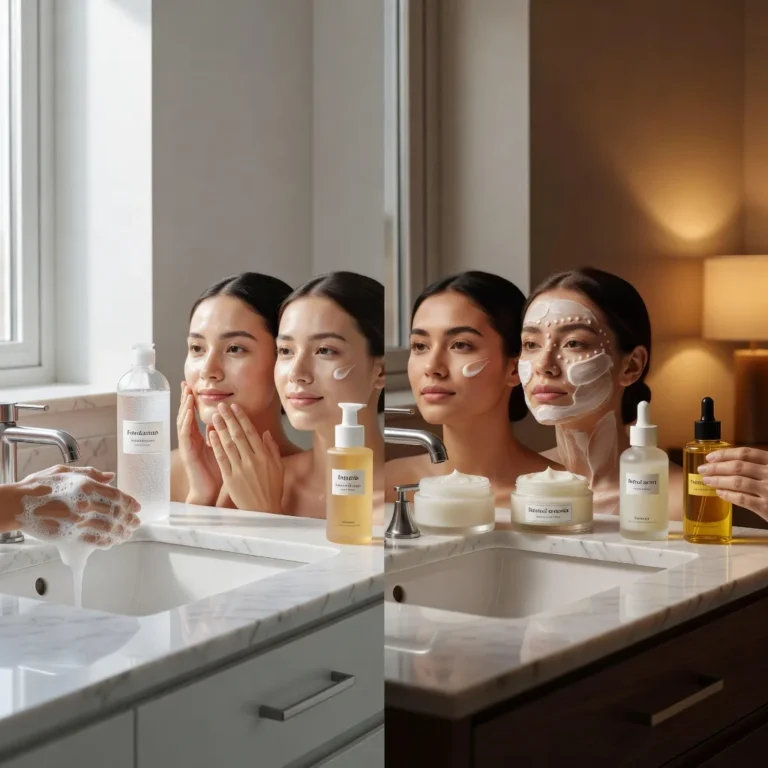
Menopause Skin Changes: What Happens and a Routine That Works
Many women notice their skin changing around menopause. It can feel drier, thinner and less bouncy, and some notice more fine lines, new dark spots or sudden sensitivity. These changes are common, and they are linked to a drop in estrogen, which helps skin hold water and make collagen.
Part of our guide to skincare routines and ingredients. Start with: Best Skin Care Routine: Simple AM and PM Steps for Every Skin Type
I am Rakib Sarwar, a registered pharmacist with a cosmetology course. I am not a dermatologist or a gynecologist, so I focus on practical, widely accepted skincare steps and I flag when you should speak to a doctor. This guide is for general information and is not personal medical advice.
The good news is that a simple routine can make a noticeable difference in comfort. Richer moisturizers, daily sunscreen and, for many people, a gentle retinoid are the foundations. More products do not always mean better results, especially when skin is more sensitive than before.
Black Friday is coming: shop the deals with Prime
Because menopause is different for everyone, I avoid one-size-fits-all promises. Think of this page as a starting point you can adapt to your skin, your budget and your doctor’s advice, with clear notes on when a routine is not enough.
Many women also tell me they feel overwhelmed by the number of anti-aging products on shelves. I explain which basics deserve your money first, so you can skip the hype.
Below you will find what changes, why it happens, a step-by-step routine, how to choose products, mistakes to avoid, when to see a doctor, and seven moisturizers and sunscreens people often use.
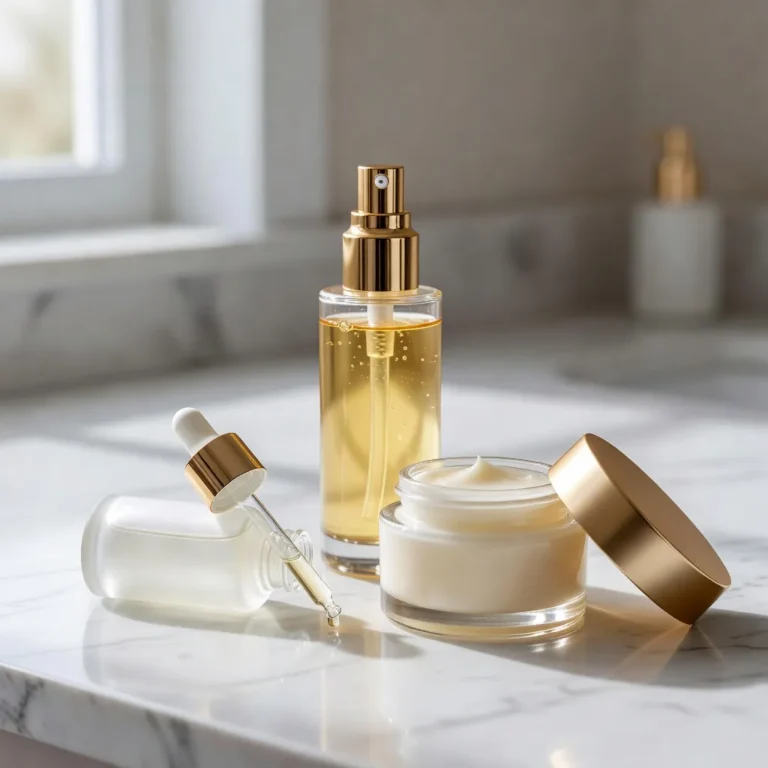
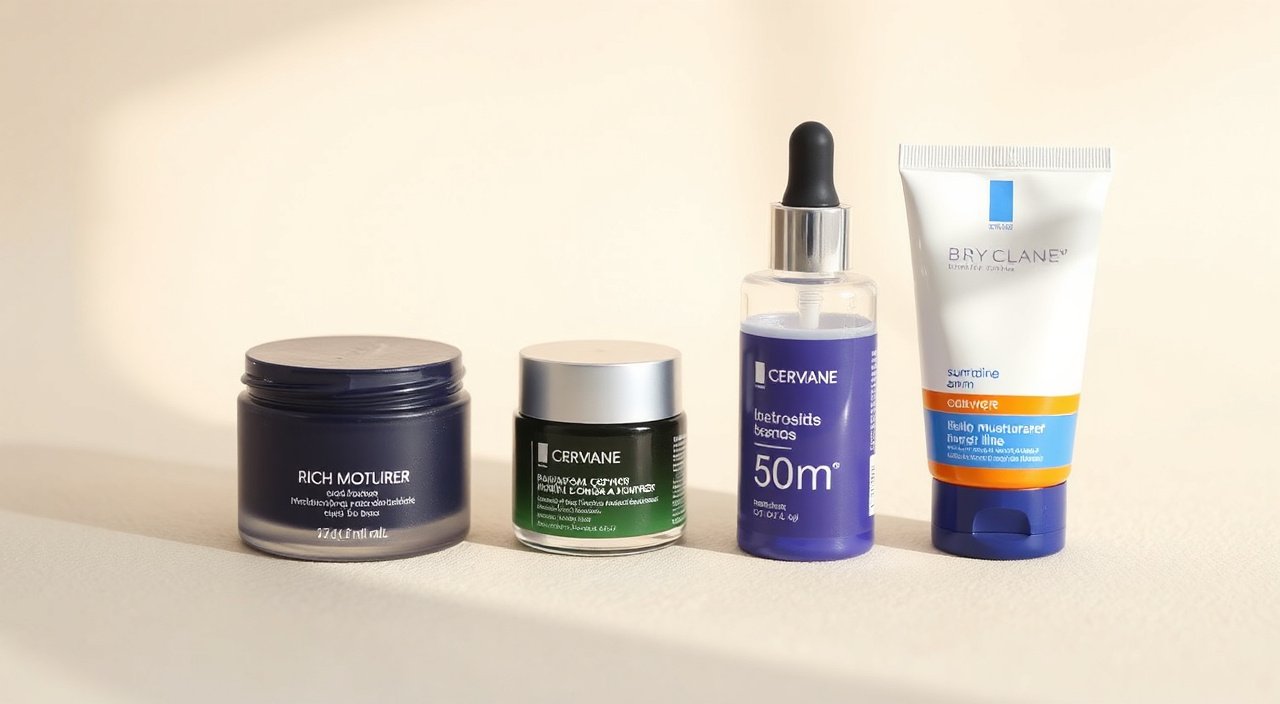
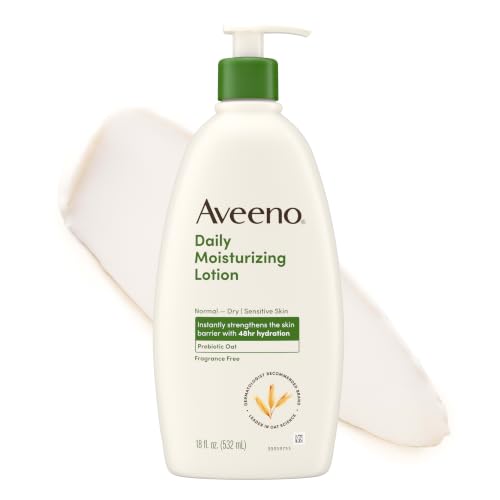
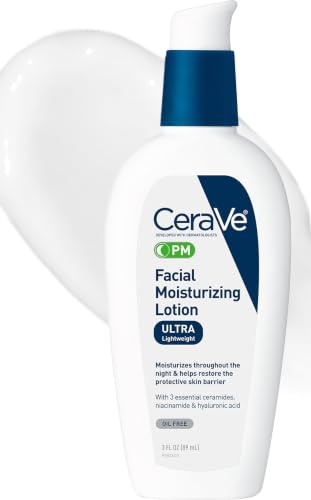
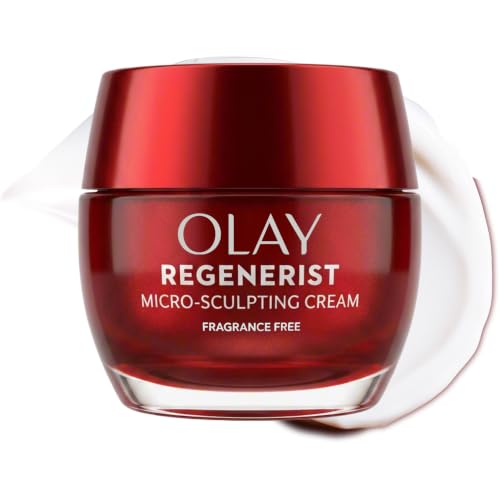
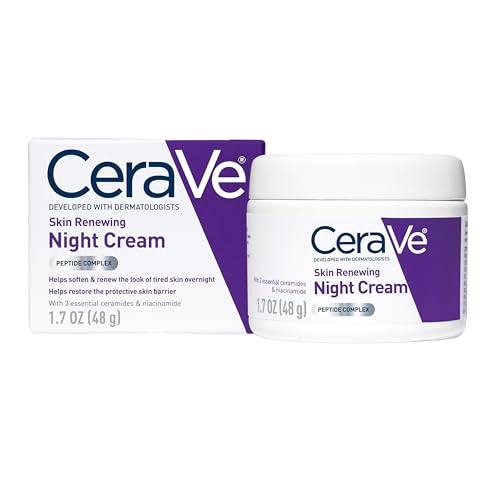
Skincare Products People Often Use in Menopause


Quick Answer
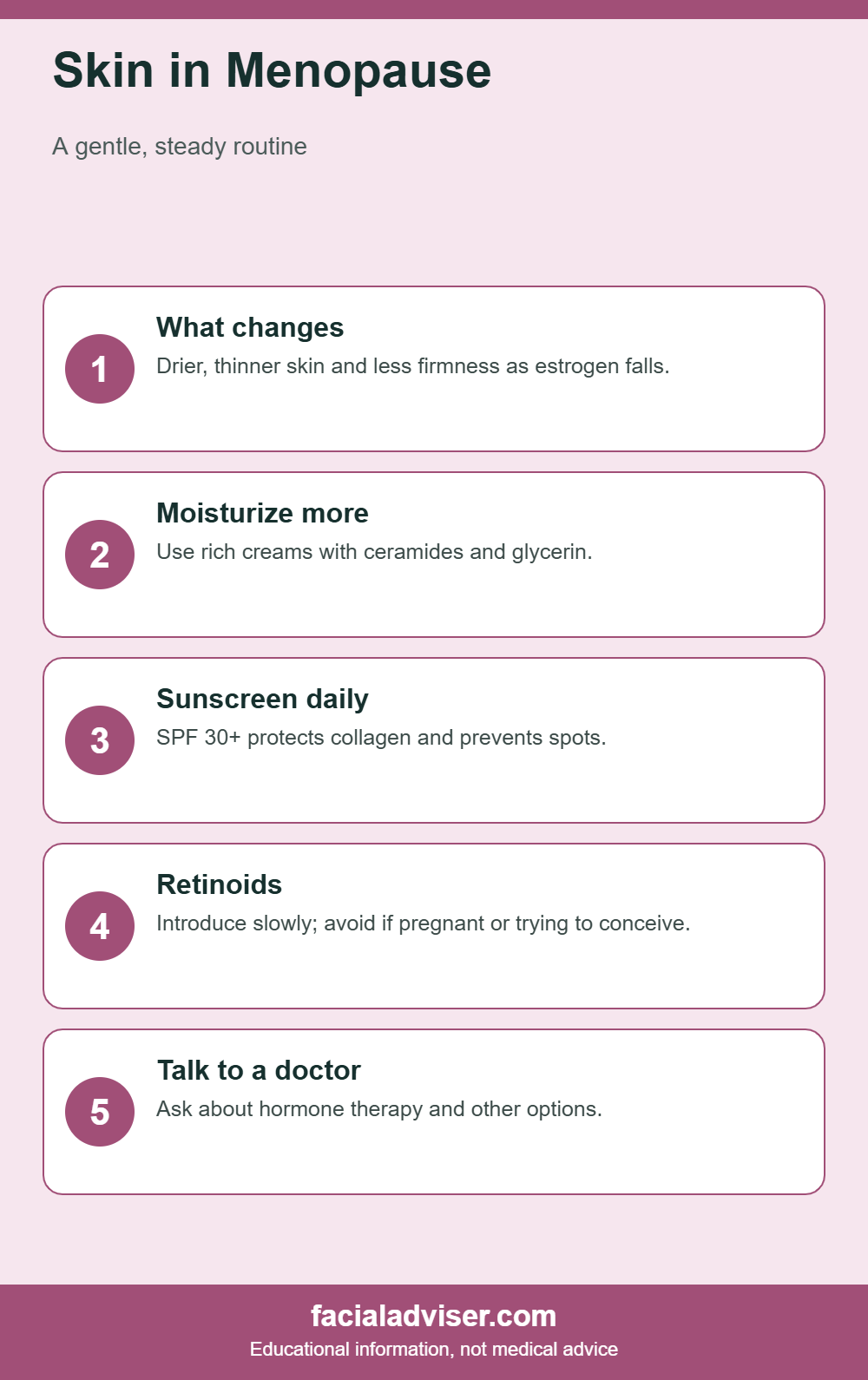
- Estrogen decline can lead to drier, thinner and less elastic skin.
- A rich moisturizer with ceramides and glycerin helps most with dryness.
- Daily SPF 30 or higher protects collagen and helps prevent dark spots.
- Retinoids have the best evidence for fine lines but need a slow start.
- Avoid retinoids if you are pregnant or trying to conceive.
- Menopausal hormone therapy is a medical decision to discuss with a doctor.
- Report unusual skin changes, bleeding or persistent itching to a doctor.
Contents
- What Changes in Skin During Menopause
- Why Skin Changes
- What About Hormone Therapy
- A Simple Menopause Skin Routine
- How to Choose Products
- Do Not Forget the Body
- Lifestyle Habits That Support Skin
- Common Mistakes
- Dark Spots, Redness and Hormonal Acne
- Who Should Be Cautious
- Honest Limits
- When to See a Professional
- Your Questions, Answered
- Where This Leaves You
What Changes in Skin During Menopause
Skin changes often begin in perimenopause, the years before periods stop, and continue after menopause. The most common complaints are dryness, itching, a loss of firmness and a duller tone.
Some women also notice more sensitivity, new wrinkles around the mouth and eyes, acne in mid-life or dark spots on the face and hands. Hair may thin and nails may become brittle at the same time.
Not everyone is affected in the same way. Genetics, sun exposure, smoking and general health all shape how skin ages.
It also helps to remember that skin changes are rarely sudden. Most women notice a gradual shift over several years, and the first sign is often a moisturizer that suddenly stops being enough. If you notice that, it is a good moment to review your routine rather than to panic.
Why Skin Changes
Estrogen helps skin produce collagen, hold water and keep a healthy oil barrier. As levels fall, collagen drops more quickly, often cited as roughly a few percent a year in the early years after menopause. Skin becomes thinner and loses elasticity.
Oil production also tends to decrease, which is why dryness and tightness are so common. A weaker barrier makes skin more reactive to products that used to feel fine.
Sun damage built up over decades becomes more visible as repair slows. That is why sunscreen is a priority at every stage.
| Change | Likely reason | What helps |
|---|---|---|
| Dryness and itching | Less oil and water retention | Rich moisturizer, gentle cleanser |
| Thinner skin | Lower collagen | Sunscreen, retinoids, gentle care |
| Fine lines | Collagen loss and sun damage | Retinoids, SPF |
| Dark spots | Sun exposure and slower renewal | SPF daily, vitamin C, retinoids |
| Sensitivity | Weaker barrier | Fewer actives, fragrance-free products |
Blood flow and sweat gland activity also change with age, which is why some women feel hot flashes and flushing while their skin still feels dry. These are separate effects and both are common.
What About Hormone Therapy
Menopausal hormone therapy can improve some menopause symptoms, and some studies suggest it may help skin hydration and thickness. It also carries risks that depend on your age, health history and the type of hormone used.
This is a medical decision between you and your doctor. Skincare articles, including this one, cannot tell you whether it suits you.
Whatever you decide, a skincare routine remains useful, because sun protection and moisture help regardless of hormones.
If you do use hormone therapy, you still need sunscreen and a sensible routine. Ask your doctor how skin changes might look on your plan, and tell them about any rash, itching or new skin concerns that appear after starting.
A Simple Menopause Skin Routine
Keep the routine short and gentle. Add one new product at a time and wait a couple of weeks before adding another.
Cleanse gently
Use a creamy, fragrance-free cleanser once or twice daily. Avoid foaming cleansers that leave skin tight.
Apply a hydrating serum if you like
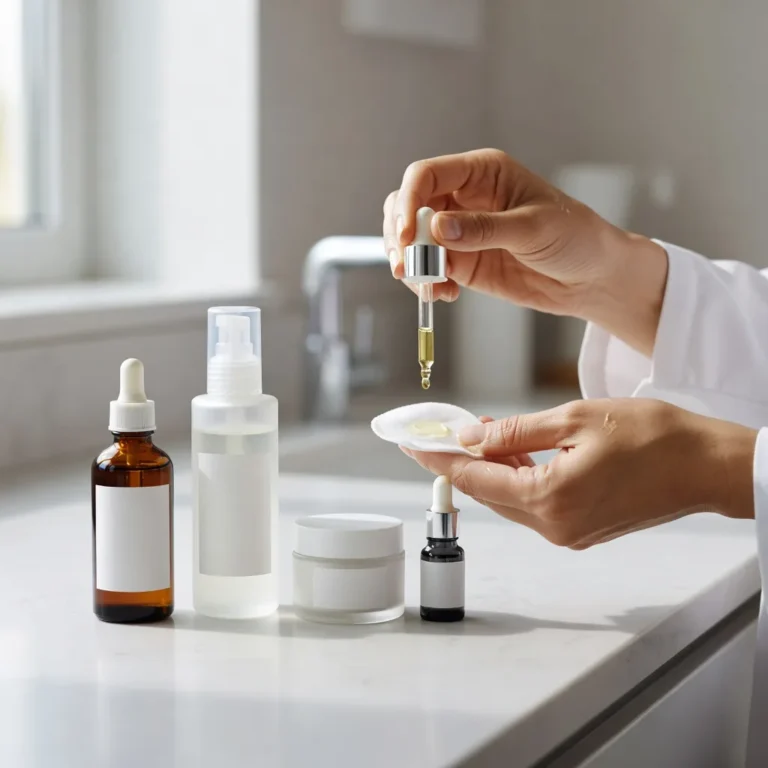
Hyaluronic acid or glycerin serums can be applied to damp skin.
Moisturize generously
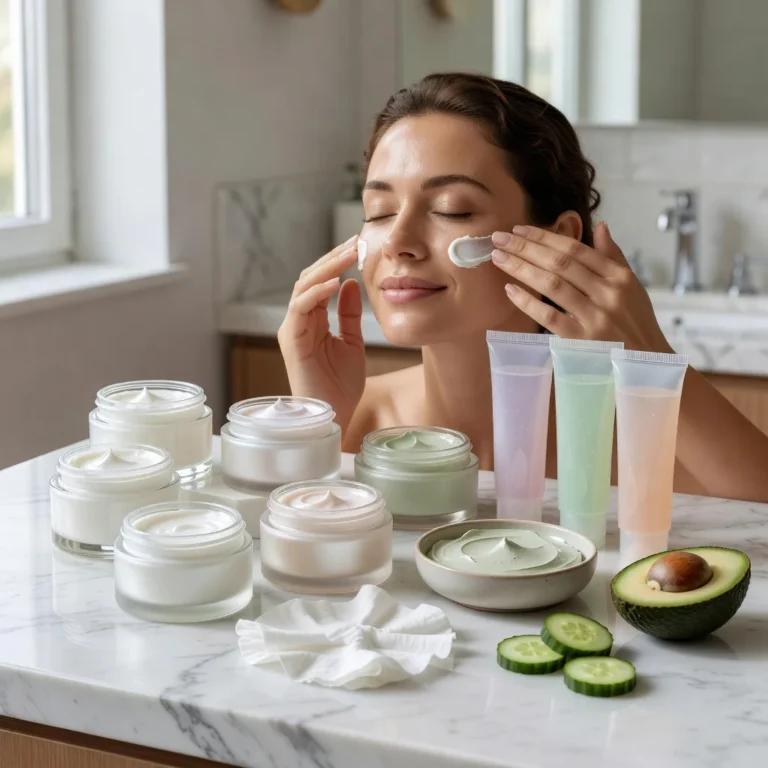
Choose a cream with ceramides, glycerin or shea butter, morning and night.
Use sunscreen every morning
SPF 30 or higher, reapplied if outdoors for long.
Add a retinoid at night
Start two nights a week and build up slowly. Avoid it if you are pregnant or trying to conceive.
Treat neck, chest and hands
These areas show age too and need moisturizer and sunscreen.
Apply moisturizer within a few minutes of washing, while skin is still slightly damp. This helps lock in water.
Do not combine retinoids with strong acids or scrubs on the same night. Thin skin can become irritated easily.
Morning and night routines can be slightly different. In the morning, prioritize moisturizer and sunscreen. At night, use a richer cream and, if you choose, a retinoid on the nights you use it. On nights you skip the retinoid, a plain barrier cream is enough.
How to Choose Products
Look for words like ceramides, glycerin, hyaluronic acid, panthenol and squalane for moisture. Fragrance-free formulas are usually kinder if your skin has become reactive.
For sunscreen, choose a broad-spectrum SPF 30 or higher that you enjoy wearing. The best sunscreen is the one you will use daily.
| Need | Look for | Avoid if sensitive |
|---|---|---|
| Dryness | Ceramides, glycerin, shea butter | Alcohol denat, heavy fragrance |
| Firmness | Retinoids, peptides | Too many actives at once |
| Dark spots | SPF, vitamin C, niacinamide | Harsh bleaching products |
| Sensitivity | Fragrance-free, simple formulas | Scrubs, strong acids |
If you are unsure, patch test a new product on a small area for a few days before using it on your whole face.
Texture matters too. A thick balm can be wonderful at night but feel heavy under makeup. Many women use a lighter cream in the morning and a richer one in the evening, which keeps the routine comfortable all day.
Do Not Forget the Body
Dry, itchy skin is not limited to the face. Body skin can also feel tighter and more fragile. Apply a fragrance-free lotion or cream after showers, especially on legs and arms.
Take shorter, lukewarm showers. Hot water strips oils and can make itching worse.
A humidifier in a dry bedroom can help with winter dryness.
Pay attention to the neck, chest and backs of the hands, which often show sun damage first. A little sunscreen and moisturizer there goes a long way, and takes only a few extra seconds each morning.
Lifestyle Habits That Support Skin
Not smoking, limiting alcohol, sleeping well and staying active all support healthy skin. A balanced diet with enough protein and plenty of fruits and vegetables also helps.
Drinking water supports general health, but it will not fix very dry skin on its own. Moisturizers and barrier care do more for the surface.
Stress and poor sleep can worsen hot flashes and skin sensitivity, so look after rest where you can.
Gentle movement, like walking, supports circulation and mood, and good sleep helps skin repair. None of these replaces sunscreen, but together they make a real difference to how skin feels.
Common Mistakes
The most common mistake is using the same products as in your thirties. A routine for oilier skin may now be too harsh. Another is adding many actives at once, which weakens the barrier.
Skipping sunscreen is another costly mistake, because UV damage speeds up thinning and dark spots. Finally, do not expect overnight results. Most changes take eight to twelve weeks.
It is also easy to overdo exfoliation in an attempt to brighten dull skin. Thinner skin needs a gentler approach, so limit chemical exfoliants to once or twice a week at most, and stop if you notice stinging or redness.
Dark Spots, Redness and Hormonal Acne
Sun spots and age spots become more visible with time, and melasma can flare around hormone changes. Daily sunscreen is the most useful step, and vitamin C, niacinamide and retinoids can help fade spots gradually over months. Strong bleaching products are not recommended without medical guidance.
Redness and flushing can come from hot flashes or from rosacea, which often appears in mid-life. If your face stays red, burns or stings, see a doctor or dermatologist rather than adding more products.
Some women develop acne for the first time in perimenopause. Use a gentle cleanser, avoid scrubbing and ask a dermatologist for treatment options if it does not settle. Over-the-counter acne products can be drying, so use them sparingly on menopausal skin.
With patience, most women find a balance that keeps skin comfortable and looking healthy, even if it no longer looks the way it did in their thirties.
Who Should Be Cautious
Do
- Women with dry, tight or itchy skin
- Those who want to soften fine lines
- People ready to follow a simple daily routine
- Women who want to protect against dark spots
- Anyone who wants a gentle approach
Don’t
- Pregnant women or those trying to conceive and using retinoids
- Anyone with a skin condition such as rosacea or eczema who has not asked a doctor
- People allergic to common skincare ingredients
- Those with open wounds or active infections
- Anyone using many strong actives at once
If your skin condition is severe, see a dermatologist before changing your routine.
Honest Limits
Skincare can improve comfort and appearance, but it cannot stop menopause or fully reverse collagen loss.
Sudden or severe skin changes, persistent itching with no rash, or any bleeding after menopause should be checked by a doctor.
This guide is general information and not personal medical advice.
Listings, prices and ratings change often, so check the current Amazon page before buying.
When to See a Professional
See a doctor for unusual skin changes, new moles or spots that grow or change, persistent itching, severe dryness that does not respond to moisturizers or symptoms that disrupt sleep or daily life. A dermatologist can help with skin concerns, and your doctor can discuss hormone options.
This article is for general information only and is not medical advice. It does not replace a visit to a doctor or pharmacist. I am a registered pharmacist with a cosmetology course, not a dermatologist.
Your Questions, Answered
Why does skin get drier in menopause?
Lower estrogen reduces oil and water retention in the skin, which can lead to dryness and itching.
What is the best moisturizer for menopausal skin?
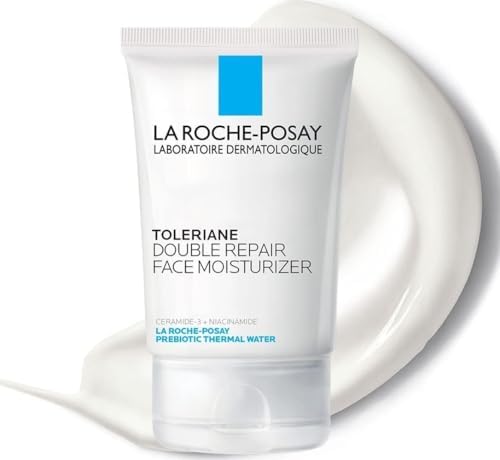
Look for a rich cream with ceramides, glycerin and no heavy fragrance, such as options from CeraVe or La Roche-Posay.
Do I need sunscreen every day?
Yes. SPF 30 or higher protects collagen and helps prevent dark spots.
Can I use retinol in menopause?
Many people do, but start slowly and avoid it if you are pregnant or trying to conceive.
Does hormone therapy improve skin?
Some studies suggest it may help hydration and thickness, but it is a medical decision with risks. Talk to your doctor.
Why am I breaking out in menopause?
Hormone shifts can trigger acne in mid-life. Keep the routine gentle and see a dermatologist if it persists.
How long until I see results?
Moisturizers help within days, while retinoids can take eight to twelve weeks.
Should I change my cleanser?
If your skin feels tight, switch to a creamy, fragrance-free cleanser.
Can diet help menopausal skin?
A balanced diet with enough protein and fruits and vegetables supports general skin health.
When should I see a doctor?
See a doctor for unusual skin changes, new or changing moles, persistent itching or bleeding after menopause.
Where This Leaves You
Menopause changes skin, but a gentle, steady routine can make it feel more comfortable. Start with a rich moisturizer and daily sunscreen, and add a retinoid slowly if it suits you.
If you notice unusual changes or have symptoms that worry you, speak to your doctor.

Written by
Registered pharmacist and founder of Facial Adviser. Rakib's pharmacy training covers how skincare actives work and interact; a later course in cosmetology turned that into a focus on facial treatments and skincare products. He plans, researches and edits every guide on the site and checks health claims against sources such as the American Academy of Dermatology, the FDA and the NIH. He is not a dermatologist; see the Editorial Policy and Medical Disclaimer.
About · Editorial policy · How we choose products · Medical disclaimer · Contact
Keep reading: Skincare routine basics
- Best Facial Skincare Tips: Evidence-Based Habits Dermatologists Recommend
- Best Skin Care Routine: Simple AM and PM Steps for Every Skin Type
- Why Professional Skin Care Is Important
- 7 Best Facial Routine Skincare Kits for Men (2026): What to Look For and How to Use It
- Is Mineral Water Good for Your Skin? What the Evidence Says
Prime for Young Adults: a longer free trial and a lower price after it