
Best Skin Care Routine: Simple AM and PM Steps for Every Skin Type
Skincare shelves and social feeds make it look as if good skin needs ten steps, three serums and a new product every month. In reality, most dermatologists recommend a short routine built on a few steps done consistently, with extras added only when there is a clear reason.
The best skin care routine for most people has three core morning steps and two or three evening steps. In the morning, cleanse gently, apply a moisturiser and finish with a broad-spectrum sunscreen of SPF 30 or higher, with an optional vitamin C serum before moisturiser. At night, remove sunscreen and makeup, cleanse, apply one targeted treatment such as a retinoid or an acne product, then moisturise. Choose textures to suit your skin type: gel or foam cleansers and light lotions for oily skin, cream cleansers and richer moisturisers for dry skin. Toners, essences, masks and multiple serums are optional.
In short: cleanse, moisturise and protect every day, add one active at night and keep everything else optional.
The American Academy of Dermatology recommends a broad-spectrum sunscreen of SPF 30 or higher every day and gentle cleansing without scrubbing, which is why those two steps sit at the centre of every routine in this guide.
Below you will find simple AM and PM routines by skin type, the correct order of steps, which products are truly optional and how long to give a routine before judging it.
Shopping these picks?
Amazon Prime members get fast, free shipping on eligible items, plus Prime Video, Amazon Music and member deals. New members can start with a free trial.
Start a free Prime trialAged 18 to 24? Prime for Young Adults comes with a longer free trial and a lower price after it.
Affiliate link: we may earn a commission at no extra cost to you.
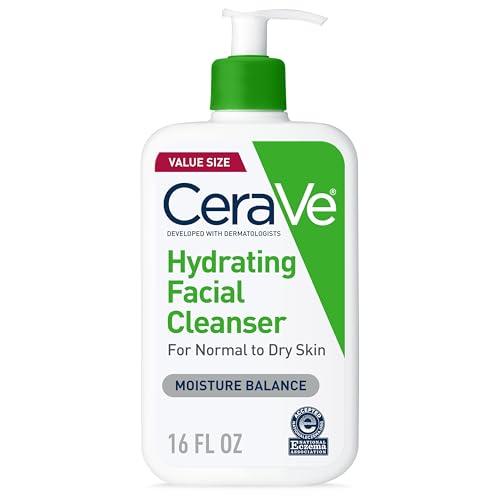
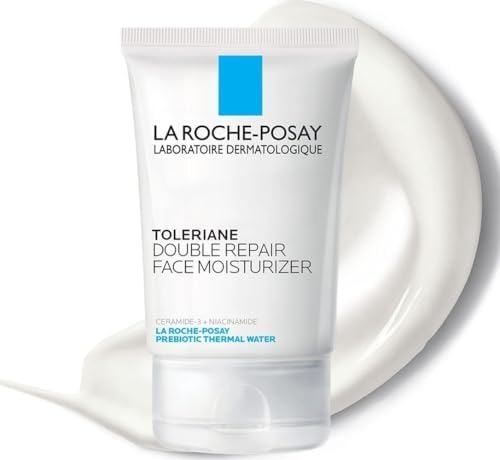
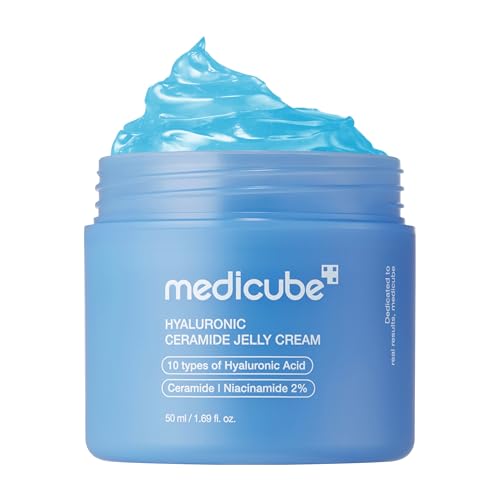
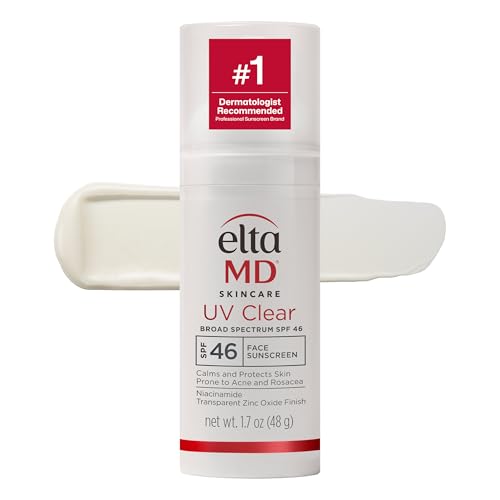
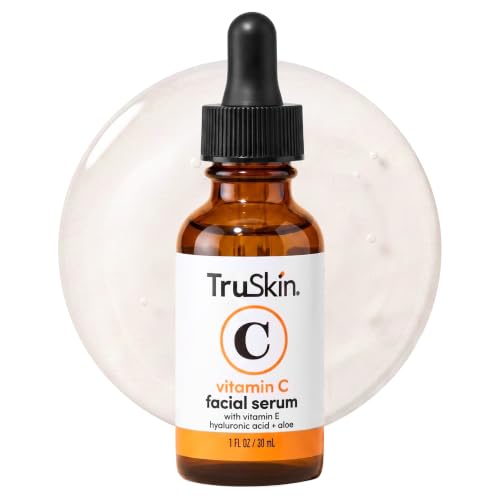
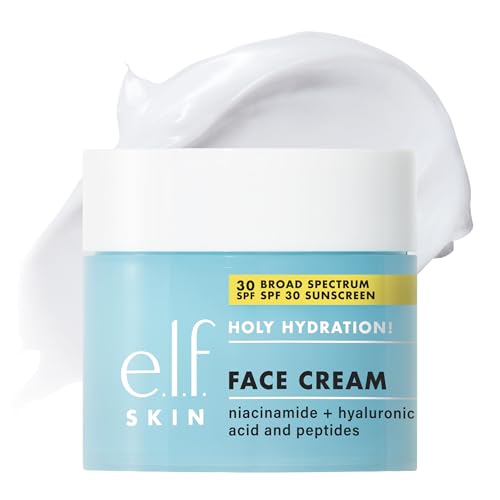
Recommended Core Skin Care Routine Products on Amazon

Key Takeaways
- A core routine is cleanser, moisturiser and sunscreen in the morning.
- At night, cleanse, add one active such as a retinoid, then moisturise.
- Sunscreen is the single most important anti-aging step.
- Match cleanser and moisturiser textures to your skin type.
- Introduce new products one at a time.
- Toners, essences and masks are optional extras.
- Give a routine six to twelve weeks before judging results.
What This Covers
- The Core Steps Every Routine Needs
- A Simple Morning Routine
- A Simple Evening Routine
- Routines by Skin Type
- The Right Order to Apply Products
- How to Build Your Skin Care Routine
- What Is Optional (and What You Can Skip)
- Common Routine Mistakes
- Adjusting the Routine for Acne-Prone Skin
- Dos and Don’ts
- Honest Limits
- When to See a Dermatologist
- Questions People Ask
- Summing Up
The Core Steps Every Routine Needs
Almost every good routine is built on the same foundation. These steps protect the skin barrier, prevent sun damage and keep skin comfortable.
| Step | When | Why it matters | Can you skip it? |
|---|---|---|---|
| Gentle cleanser | AM (optional) and PM | Removes oil, sunscreen, makeup and pollution | Morning rinse is fine for dry skin; never skip at night |
| Moisturiser | AM and PM | Supports the skin barrier and reduces dryness | Very oily skin may use a light gel or sunscreen with moisturiser |
| Sunscreen SPF 30+ | AM | Prevents sunburn, spots and premature aging | No, if you go outside or sit by windows |
| Targeted treatment | PM | Addresses a specific concern, such as aging or acne | Yes, if you have no specific concern |
| Antioxidant serum | AM | Extra protection against environmental damage | Yes, it is a helpful extra |
If you only have time or budget for three products, choose a gentle cleanser, a moisturiser that suits your skin and a sunscreen you like enough to wear every day. These three cover the jobs that matter most: keeping skin clean without stripping it, keeping it hydrated and comfortable, and protecting it from the ultraviolet light that drives most visible aging. Everything else in a routine builds on this base.
A Simple Morning Routine
The morning routine is about protection. It prepares your skin for the day and shields it from sun and pollution.
- Cleanse with a gentle cleanser, or simply rinse with water if your skin is dry or sensitive.
- Apply a vitamin C or other antioxidant serum if you use one.
- Apply moisturiser suited to your skin type.
- Finish with a broad-spectrum sunscreen of SPF 30 or higher.
- Apply makeup, if you wear it, after sunscreen has settled for a few minutes.
The AAD guide on how to apply sunscreen explains how much to use and when to reapply. Most people apply too little, so use enough to cover the whole face, neck and ears evenly. If you spend long periods outdoors, reapply at least every two hours and after swimming or sweating, and remember that sunscreen in makeup is rarely applied thickly enough to count as your main protection.
A Simple Evening Routine
The evening routine is about cleansing and repair. It removes the day’s build-up and is the best time for most active ingredients.
- Remove makeup and sunscreen with a cleansing balm, oil or micellar water if you wear heavy products.
- Cleanse with a gentle cleanser.
- Apply one targeted treatment, such as a retinoid, azelaic acid or an acne product.
- Apply moisturiser, choosing a richer one if your skin feels dry.
- On nights you do not use an active, simply cleanse and moisturise.
Our guide on morning vs night skincare routine order explains why some ingredients work better in the evening and how to layer them. Retinoids in particular break down in sunlight and can make skin more sensitive, which is why they belong in the evening routine. If you share a bathroom or tend to rush at night, keep your evening products together so the routine takes only a couple of minutes.
Routines by Skin Type
The steps stay the same across skin types; what changes is the texture and strength of each product.
| Skin type | Cleanser | Moisturiser | Night active | Sunscreen texture |
|---|---|---|---|---|
| Oily | Gel or foaming | Light gel or oil-free lotion | Retinoid or salicylic acid | Fluid or gel, matte |
| Dry | Cream or milky | Rich cream with ceramides | Gentle retinoid, slowly | Moisturising lotion or cream |
| Combination | Gentle gel or low-foam | Light lotion, richer on dry areas | Retinoid | Lightweight lotion |
| Sensitive | Fragrance-free cream | Simple, fragrance-free | Azelaic acid or very gentle retinoid | Mineral, fragrance-free |
| Acne-prone | Gentle or salicylic acid | Non-comedogenic, oil-free | Adapalene or benzoyl peroxide | Oil-free, non-comedogenic |
| Mature | Hydrating | Rich with peptides or ceramides | Retinoid | Moisturising, SPF 30 or higher |
Skin type is not fixed. It can change with seasons, hormones, age, climate and medications, so adjust textures when your skin starts to feel different rather than sticking to the same products all year.
If you are not sure of your skin type, start with the sensitive-skin column. Gentle, fragrance-free products suit almost everyone, and it is easy to switch to something lighter or richer once you see how your skin responds over a few weeks.
The Right Order to Apply Products
A simple rule works for most routines: apply products from thinnest to thickest, with water-based products before oils and creams, and sunscreen last in the morning.
- Cleanser.
- Toner or essence, if you use one.
- Serum or treatment.
- Eye cream, if you use one.
- Moisturiser.
- Face oil, if you use one.
- Sunscreen in the morning.
If you only use three products, the order is simply cleanser, moisturiser, then sunscreen. Let each layer settle for a minute before adding the next. If products roll into little flakes, our guide on how to avoid pilling when layering explains why it happens and how to fix it.
How to Build Your Skin Care Routine
Follow these steps to create a routine that suits your skin without overloading it.
Identify your skin type
Notice how your skin feels a few hours after washing: tight, shiny, both or comfortable.
Start with the basics
Choose a gentle cleanser, a suitable moisturiser and a sunscreen you will wear daily.
Use the basics for two weeks
Check your skin tolerates them before adding anything else.
Add one active
Introduce a retinoid or other treatment at night, two or three times a week at first.
Increase slowly
Build up frequency over several weeks if your skin stays comfortable.
Patch test every new product
Apply a small amount near the jaw or behind the ear for a few days.
Review after two to three months
Keep what works, drop what does not and adjust for the season.
Keep your routine in the same order every day and store products where you use them. Consistency matters more than any single ingredient, and a routine that is quick to follow is one you will keep.
What Is Optional (and What You Can Skip)
Many popular products are pleasant but not essential. Add them only if you enjoy them or have a specific reason.
- Toners: useful if you like the feel, but not needed with a gentle cleanser.
- Essences and mists: extra hydration, easily replaced by a good moisturiser.
- Eye creams: often similar to a regular moisturiser in a smaller jar.
- Sheet masks and wash-off masks: a treat, not a necessity.
- Face oils: helpful for very dry skin, but can feel heavy on oily skin.
- Physical scrubs: many people do better with gentle chemical exfoliation or none.
If your shelf is crowded, our guide on how to simplify your skincare routine shows how to cut back without losing results. A useful test is to ask what problem each product solves. If you cannot name one, or two products do the same job, it is a good candidate to finish and not replace.
Common Routine Mistakes
Most skin problems caused by routines come from doing too much rather than too little.
- Using several strong actives at once, such as retinoids, acids and benzoyl peroxide.
- Changing products every week before any can work.
- Skipping sunscreen on cloudy days or when working indoors near windows.
- Scrubbing hard or using hot water.
- Sleeping in makeup.
- Picking at spots, which can leave marks and scars.
Stop a new product if it causes burning, swelling, hives or a spreading rash, and rinse it off. If you are pregnant or breastfeeding, check with your doctor before using retinoids or other strong actives, as some are not recommended.
Adjusting the Routine for Acne-Prone Skin
If you get breakouts, the core steps stay the same, but product choice matters more. The AAD’s acne skin care tips recommend gentle cleansing, non-comedogenic products and not scrubbing or picking.
- Wash twice a day and after sweating, with a gentle or salicylic acid cleanser.
- Use oil-free, non-comedogenic moisturiser and sunscreen.
- Add adapalene or benzoyl peroxide at night, starting slowly.
- Avoid layering several drying acne treatments at once.
- Give acne treatments at least six to eight weeks to work.
Acne that leaves scars, hurts or does not improve with over-the-counter products deserves a dermatologist visit sooner rather than later, because early treatment helps prevent scarring. Prescription options such as stronger retinoids, topical antibiotics or oral treatments can be combined with the same simple routine.
Dos and Don’ts
Try This
- Wear sunscreen every morning
- Cleanse gently every night
- Add one new product at a time
- Patch test new products
- Adjust with the seasons
Avoid This
- Stack several strong actives
- Scrub or use hot water
- Change products every week
- Sleep in makeup
- Pick at spots
Honest Limits
A good routine keeps skin healthy, comfortable and protected, and it can gradually improve texture, tone and mild breakouts. It will not erase deep wrinkles, significant sagging or severe acne, and results take weeks to months. Genetics, sleep, stress, smoking and sun exposure also play a large part in how skin looks.
More products do not mean better results. A short routine used every day usually outperforms a complicated one that is followed only now and then, and expensive products are not automatically better than affordable ones with the same key ingredients. Online before-and-after photos and trends rarely show the full picture, so judge your routine by how your own skin looks and feels over months, not days.
When to See a Dermatologist
- Acne that is painful, widespread or leaves scars.
- Persistent redness, flushing or stinging with most products.
- Dark patches or spots that do not fade with sunscreen and gentle care.
- A new, changing or bleeding mole or spot.
- Dry, itchy or scaly patches that do not respond to moisturiser.
This article is for general information and does not replace professional medical advice. See a board-certified dermatologist for skin conditions, persistent irritation or any changing spot.
Questions People Ask
What is the best basic skin care routine?
Cleanser, moisturiser and sunscreen in the morning; cleanser, one active and moisturiser at night.
How many steps should a routine have?
Three to five steps is enough for most people.
Do I need to wash my face in the morning?
A rinse is often enough for dry or sensitive skin.
Is toner necessary?
No, it is optional.
When should I use retinol, AM or PM?
At night, followed by sunscreen the next morning.
Can I use vitamin C and retinol together?
Yes, vitamin C in the morning and retinol at night is a common approach.
How long before a routine works?
Usually six to twelve weeks.
Do men need a different routine?
No, the same steps work; choose textures for your skin type.
Should I change my routine in winter?
Often yes, with a richer moisturiser and gentler cleanser.
Is expensive skincare better?
Not necessarily; the ingredients and consistency matter more than price.
Summing Up
The best skin care routine is short and consistent: cleanse gently, moisturise and wear sunscreen every morning, then cleanse, apply one targeted treatment and moisturise at night.
Choose textures that suit your skin type, add new products one at a time and give each change time to work. For persistent acne, redness or changing spots, a dermatologist can tailor a plan that goes beyond what over-the-counter products can do.

Written by
Registered pharmacist and founder of Facial Adviser. Rakib's pharmacy training covers how skincare actives work and interact; a later course in cosmetology turned that into a focus on facial treatments and skincare products. He plans, researches and edits every guide on the site and checks health claims against sources such as the American Academy of Dermatology, the FDA and the NIH. He is not a dermatologist; see the Editorial Policy and Medical Disclaimer.
About · Editorial policy · How we choose products · Medical disclaimer · Contact
Keep reading: Skincare routine basics
- Why Professional Skin Care Is Important
- Best Facial Routine Skincare Kit for Men: What to Look For and How to Use It
- Is Mineral Water Good for Your Skin? What the Evidence Says
- Best Way to Patch Test Skincare: Where, How Long and What Reactions Mean
- Does Skin Get Used to Skincare Products? The Truth About Tolerance