Why Professional Skin Care Is Important
Why professional skin care is important comes down to more than just marketing language about expertise.
Part of our guide to skincare routines and ingredients. Start with: Best Skin Care Routine: Simple AM and PM Steps for Every Skin Type
There’s a specific, citable regulatory reason: FDA caps retail concentrations of active ingredients well below what a licensed professional can use in-office, under 21 CFR 333.310 and similar rules. That gap is real, and so is the risk of using professional-strength products without supervision.
Misdiagnosis is the other underused piece of this story — conditions like rosacea and acne look similar on the surface but need different treatment, and treating the wrong one can make things worse.
This guide covers the real concentration gap by ingredient, what a licensed professional actually adds beyond strength, and how to choose the right one for your specific situation.
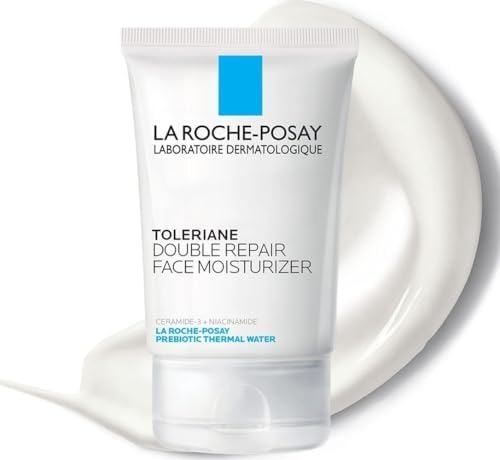
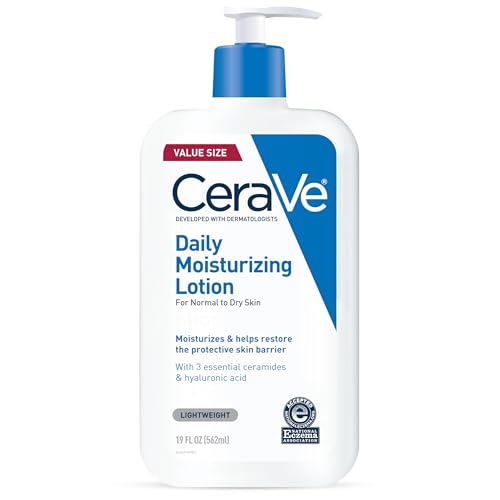
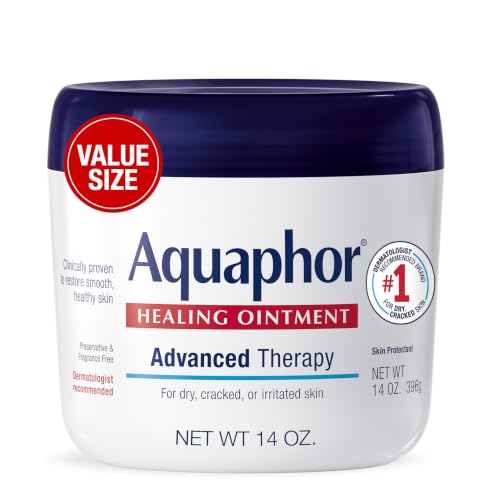
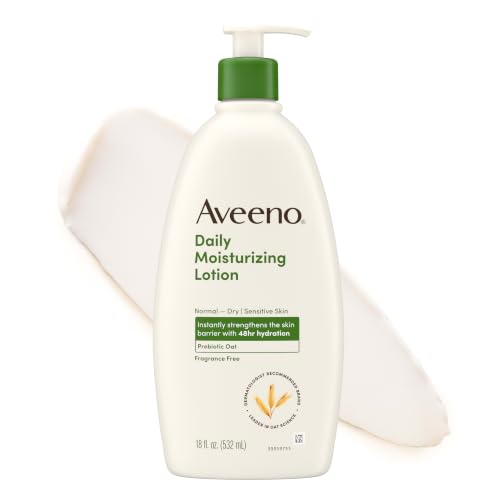
Recommended Dermatologist-Favorite Skincare Basics


The Core Facts
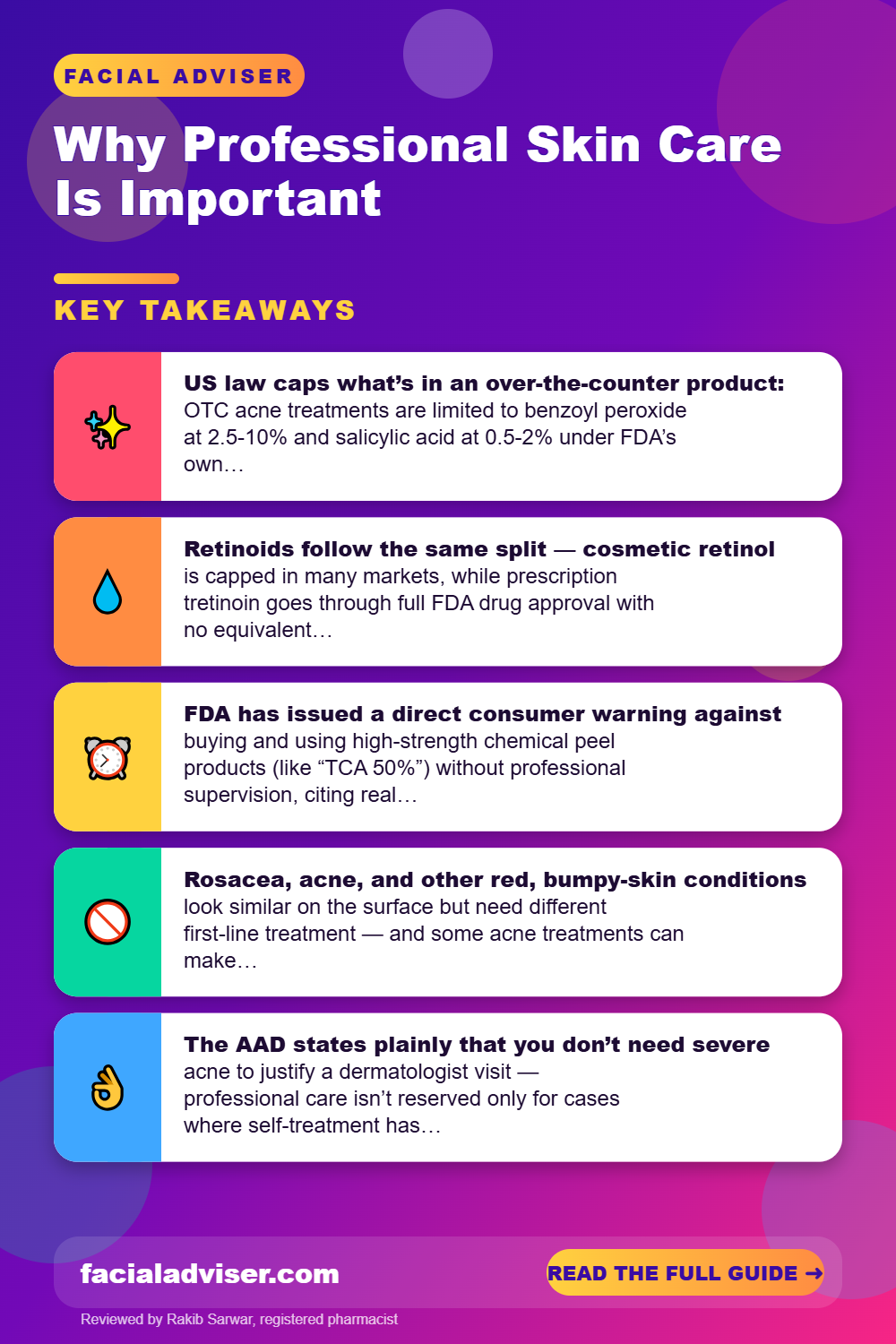
- US law caps what’s in an over-the-counter product: OTC acne treatments are limited to benzoyl peroxide at 2.5-10% and salicylic acid at 0.5-2% under FDA’s own regulation (21 CFR 333.310), while a professional can use much stronger concentrations in-office.
- Retinoids follow the same split — cosmetic retinol is capped in many markets, while prescription tretinoin goes through full FDA drug approval with no equivalent ceiling, available only through a prescriber.
- FDA has issued a direct consumer warning against buying and using high-strength chemical peel products (like “TCA 50%”) without professional supervision, citing real risk of burns, infection, and scarring.
- Rosacea, acne, and other red, bumpy-skin conditions look similar on the surface but need different first-line treatment — and some acne treatments can make misdiagnosed rosacea worse.
- The AAD states plainly that you don’t need severe acne to justify a dermatologist visit — professional care isn’t reserved only for cases where self-treatment has already failed.
Read This First
- The Concentration Gap, With Real Numbers
- How Big the Gap Actually Is by Ingredient
- FDA’s Own Warning About Unsupervised Strength
- The Misdiagnosis Problem Nobody Names
- When the AAD Says It’s Worth Seeing Someone
- Technique and Equipment, Not Just Strength
- DIY vs. Professional, Side by Side
- Who’s Actually Licensed to Do What
- How to Choose the Right Professional
- Do’s and Don’ts
- A Practical Self-Check First
- What This Guide Can’t Diagnose
- Frequently Asked Questions
The Concentration Gap, With Real Numbers
“Professional skin care” gets used as a vague marketing phrase constantly, but there’s a specific, citable regulatory mechanism underneath it that most content skips: in the United States, cosmetic and OTC drug products sold directly to consumers are capped at concentrations well below what a licensed professional is permitted to use in an office setting. This isn’t a matter of professionals having “better” products in some abstract sense — it’s a hard regulatory ceiling that simply doesn’t apply once you’re being treated in a supervised clinical setting.
Buying for a salon, spa or clinic?
A free Amazon Business account gives you business-only pricing on eligible items, multi-user buying and tax-exemption tools.
Create a free Business accountAffiliate link: we may earn a commission at no extra cost to you.
The clearest example: FDA’s OTC Acne Drug Products monograph (21 CFR 333.310) caps benzoyl peroxide at 2.5-10% and salicylic acid at 0.5-2% for anything sold over the counter. A dermatologist or licensed provider can prescribe or administer treatments well outside those retail limits, under medical supervision, precisely because the risk profile changes when someone trained to manage side effects and complications is involved.
How Big the Gap Actually Is by Ingredient
The same pattern repeats across several categories of active ingredient, and the gap is bigger than most people assume:
| Ingredient | Typical retail/OTC range | Typical professional range |
|---|---|---|
| Benzoyl peroxide | 2.5-10% (FDA capped) | Same active, but combined with prescription-strength adjuncts and closer monitoring |
| Salicylic acid | 0.5-2% (FDA capped) | Higher-strength peel formulations under supervision |
| Glycolic acid | 5-10% | 20-70% in-office peels |
| Retinoids | Cosmetic retinol, capped (e.g., 0.05-0.3% in some markets) | Prescription tretinoin, no equivalent ceiling, prescriber-only |
Glycolic acid alone illustrates the point well: retail glycolic acid products typically run 5-10%, while professional, in-office peels run anywhere from 20% up to 70% — a difference of an order of magnitude, not a marginal one, and one that requires supervision specifically because higher concentrations carry real burn and pigment-change risk if timing and neutralization aren’t handled correctly.
FDA’s Own Warning About Unsupervised Strength
This warning is worth sitting with, because it complicates the simple “professional strength is always better” framing. Professional-strength products purchased and used without supervision aren’t automatically safer just because they’re the same concentration a dermatologist would use — the supervision, not just the strength, is what makes the higher concentration a reasonable risk in the first place. Access to strength without access to trained judgment is arguably the more dangerous combination, not the safer one.
The Misdiagnosis Problem Nobody Names
There’s no single clean statistic quantifying exactly how often people misdiagnose their own skin condition, and it would be dishonest to invent one. What is well documented is the mechanism behind why misdiagnosis is a real, common risk: rosacea, acne vulgaris, seborrheic dermatitis, and perioral dermatitis all share overlapping surface presentation — redness, papules, pustules — but require different first-line treatment. A clinical review from the American Academy of Family Physicians frames rosacea specifically as commonly mistaken for acne, adult acne, or photodamage, precisely because of this presentation overlap.
The stakes of that overlap are concrete: benzoyl peroxide and aggressive retinoid use, both reasonable first steps for acne, can actively worsen misdiagnosed rosacea by increasing irritation on already-sensitized skin. A trigger that helps one condition can actively harm the other, and a self-diagnosis based on “it looks like acne” doesn’t distinguish between the two.
When the AAD Says It’s Worth Seeing Someone
A genuinely underused point from the American Academy of Dermatology’s own public education materials: you don’t have to have severe acne to justify a dermatologist visit. Their guidance states this directly, countering the common assumption that professional care is reserved for advanced cases or for people who’ve already tried and failed at self-treatment. Early professional input — getting an accurate diagnosis and a treatment plan matched to what’s actually happening, rather than what looks similar to it — can shorten the whole process rather than only serving as a last resort.
Technique and Equipment, Not Just Strength
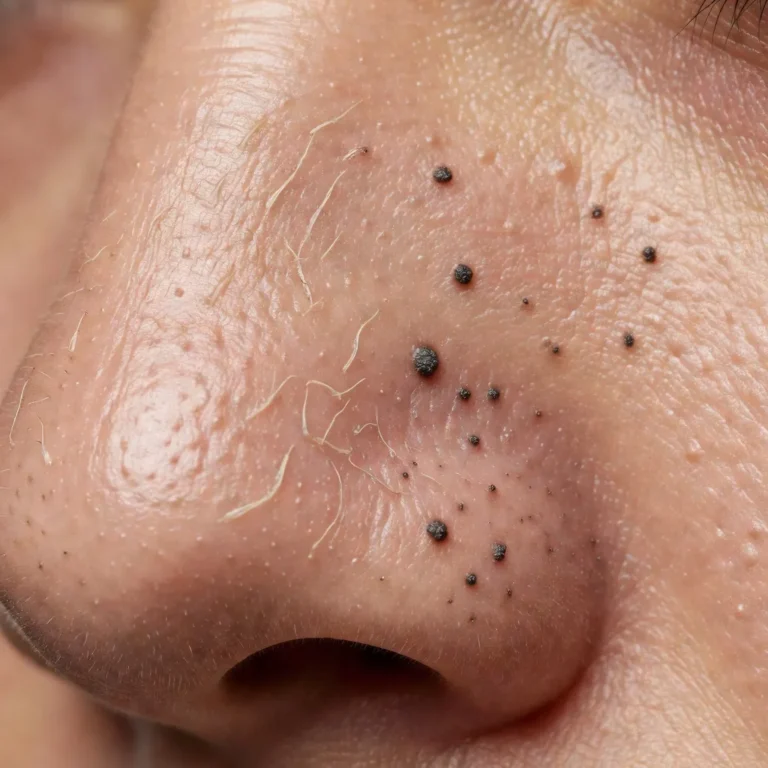
Concentration is only part of what a licensed professional adds. Proper extraction technique matters as much as the active ingredients used around it — documented dermatology guidance names “undue force” during extraction as a specific, avoidable cause of inflammation and scarring, a risk that scales with how the extraction is physically performed, not just what’s applied to the skin. Equipment access is another real factor: devices used for certain professional treatments (medical-grade peels, some light-based devices, certain extraction tools) simply aren’t sold for consumer use, regardless of how much a motivated person is willing to spend.
DIY vs. Professional, Side by Side
| Factor | DIY / at-home | Professional / in-office |
|---|---|---|
| Active ingredient strength | FDA/regulatory-capped for retail sale | Can exceed retail caps under supervision |
| Diagnosis accuracy | Self-assessed, prone to overlap confusion | Trained differential diagnosis |
| Technique risk | No feedback on force/pressure used | Trained extraction and application technique |
| Equipment access | Consumer-grade only | Medical-grade devices where relevant |
| Monitoring for side effects | Self-monitored | Follow-up visits, adjustable plan |
Who’s Actually Licensed to Do What
Understanding the professional hierarchy helps set expectations correctly. An esthetician is licensed under a state cosmetology board (not a medical board) and is trained in facials, extractions, and certain superficial treatments, generally within the retail concentration limits described above or slightly beyond them depending on state scope-of-practice rules. A dermatologist or physician-supervised provider can diagnose medical skin conditions, prescribe medication, and administer treatments at concentrations and depths an esthetician’s license doesn’t cover. If you’re unsure which one you actually need, the deciding question is usually whether you’re trying to solve a diagnosed medical condition (dermatologist) or maintain and improve generally healthy skin (esthetician) — see the site’s dedicated dermatologist vs. skin specialist and what is a facialist guides for the full breakdown of that distinction, and what is cosmetology school for what esthetician training actually covers.
How to Choose the Right Professional
Identify whether you have a diagnosed condition or a general goal
A named medical condition (rosacea, cystic acne, diagnosed hyperpigmentation disorder) points toward a dermatologist; general maintenance and glow-focused goals point toward a licensed esthetician.Verify the license, not just the job title
State cosmetology and medical board websites let you verify an active license number directly — a real, concrete step most people skip.Ask what concentration or depth they’re planning to use
A professional should be able to name the specific active and strength involved, not just describe the treatment by a marketing name.Confirm a patch test or consultation happens first
A provider who skips a consultation or patch test before a new active or higher-strength treatment is skipping a real safety step, not just being efficient.Ask about the follow-up plan
Ongoing monitoring — not just the first appointment — is part of what separates supervised professional care from a one-time purchase.
Do’s and Don’ts
Do
- Check whether an ingredient concentration you’re considering exceeds the FDA retail cap before buying it for home use.
- See a dermatologist for a named or suspected medical skin condition, not only for severe or treatment-resistant cases.
- Verify a provider’s actual license before a higher-strength or invasive treatment.
Don’t
- Buy and self-administer high-strength peel products (like “TCA 50%”) that FDA has specifically warned against using without supervision.
- Assume a red, bumpy complexion is automatically acne without ruling out rosacea or other overlapping conditions first.
- Judge whether you need a professional based only on how severe your skin issue currently looks.
A Practical Self-Check First
There’s no single at-home test that reliably tells you whether you need a dermatologist versus an esthetician versus nothing at all — that’s a genuine limit of self-assessment, not a gap this guide can paper over with a fake quiz. What is a reasonable practical check: track your skin’s pattern for two to four weeks (what triggers flares, whether over-the-counter treatment is helping or making things worse, whether the redness and bumps come with any burning or stinging that acne alone doesn’t typically cause) and bring that log to whichever professional you see. A documented pattern is more useful to a provider than a single snapshot description, and it also gives you real information about whether self-treatment is working before you invest in something stronger.
What This Guide Can’t Diagnose
This guide can explain the real regulatory and technique reasons professional care exists, but it can’t diagnose your specific skin condition, and it can’t tell you whether a specific product or provider is right for you. If your skin issue is painful, spreading, or not responding to appropriate over-the-counter treatment within a reasonable window, that’s a signal to get an actual in-person evaluation rather than more research.
Frequently Asked Questions
Why is professional skin care actually important?
Licensed professionals can use ingredient concentrations that exceed FDA retail caps, are trained to distinguish between conditions that look similar on the surface, and use extraction and application techniques that reduce the risk of scarring and irritation compared to unsupervised self-treatment.
What’s the actual concentration difference between retail and professional products?
It varies by ingredient but can be substantial — glycolic acid, for example, typically runs 5-10% at retail versus 20-70% in professional in-office peels, and prescription retinoids have no equivalent ceiling to cosmetic retinol’s regulatory caps.
Is it dangerous to buy high-strength peel products online?
The FDA has directly warned against purchasing and using high-strength chemical peel products without professional supervision, citing real risk of chemical burns, infection, and scarring — professional administration is the only route the agency endorses at those concentrations.
How common is it to mistake rosacea for acne?
There’s no single reliable statistic, but clinical literature describes rosacea as commonly mistaken for acne, adult acne, or photodamage due to overlapping surface presentation, and treating misdiagnosed rosacea with typical acne actives can worsen it.
Do I need to have severe acne to see a dermatologist?
No. The American Academy of Dermatology states directly that professional care isn’t reserved for severe or treatment-resistant cases, and earlier input can shorten the overall path to clearer skin.
What’s the difference between an esthetician and a dermatologist?
An esthetician is licensed under a state cosmetology board for facials, extractions, and certain superficial treatments, while a dermatologist is a licensed physician who can diagnose medical conditions, prescribe medication, and administer treatments beyond an esthetician’s scope of practice.
Does higher concentration always mean better results?
Not automatically. Higher concentrations carry real risk of burns and pigment changes if not applied correctly, which is why professional supervision, not just strength, is the safety factor that makes higher concentrations reasonable to use.
How can I verify a professional’s license before a treatment?
State cosmetology and medical board websites typically allow you to look up an active license by name or license number directly, which is a concrete way to confirm a provider’s credentials before a higher-strength or invasive treatment.
What should I track before deciding whether to see a professional?
A two-to-four week log of what triggers flares, whether current treatment is helping or worsening things, and any symptoms beyond typical acne (like burning or stinging) gives a provider more useful information than a single description of how your skin looks today.
Can extraction technique alone cause scarring?
Yes. Documented dermatology guidance names undue force during extraction as a specific, avoidable cause of inflammation and scarring, separate from whatever active ingredients are used around it.

Written by
Registered pharmacist and founder of Facial Adviser. Rakib's pharmacy training covers how skincare actives work and interact; a later course in cosmetology turned that into a focus on facial treatments and skincare products. He plans, researches and edits every guide on the site and checks health claims against sources such as the American Academy of Dermatology, the FDA and the NIH. He is not a dermatologist; see the Editorial Policy and Medical Disclaimer.
About · Editorial policy · How we choose products · Medical disclaimer · Contact
Keep reading: Skincare routine basics
- Best Skin Care Routine: Simple AM and PM Steps for Every Skin Type
- Best Facial Routine Skincare Kit for Men: What to Look For and How to Use It
- Is Mineral Water Good for Your Skin? What the Evidence Says
- Best Way to Patch Test Skincare: Where, How Long and What Reactions Mean
- Does Skin Get Used to Skincare Products? The Truth About Tolerance
- Morning vs Night Skincare Routine: The Right Order Explained