Which Fruit Facial Is Best for Glowing Skin?
“Glow” is the single most common claim attached to a fruit facial, but which fruit facial is best for glowing skin, and is any of that reputation actually backed by a real study rather than a confident product description?
Part of our guide to facial treatments. Start with: Fruit Facial at Home: Does It Actually Work?
No study has directly tested a raw fruit mask against a placebo for a glow or radiance outcome. Pomegranate has the strongest clinical trial result in this entire category — a randomized, placebo-controlled study showing real improvement in radiance and tone evenness — but that trial used a daily oral supplement, not a topical mask. Papaya and apple have the clearest honest mechanistic case for a topical mask specifically, through genuine, if modest, exfoliation.
Understanding what “glow” actually is physiologically — mostly an optical effect from smoother, better-hydrated skin, not a change in pigment production — explains why the effect is real but consistently short-lived.
This guide walks through the evidence behind each fruit’s glow claim, a fruit-by-fruit comparison, how to actually get the best short-term result, and what a fruit facial genuinely can’t do for lasting radiance.
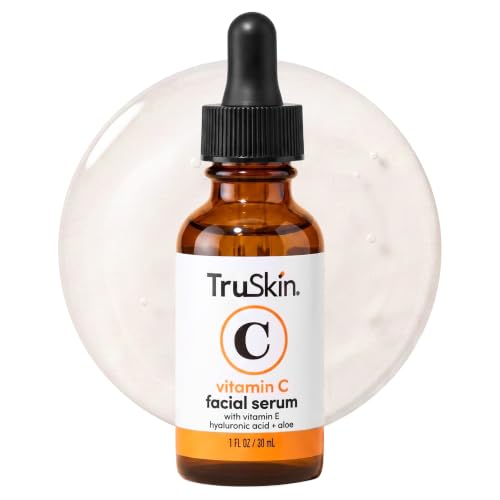
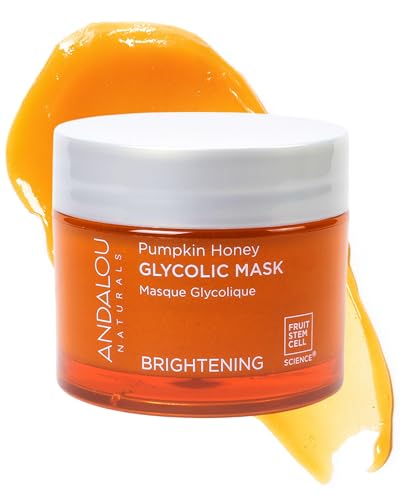
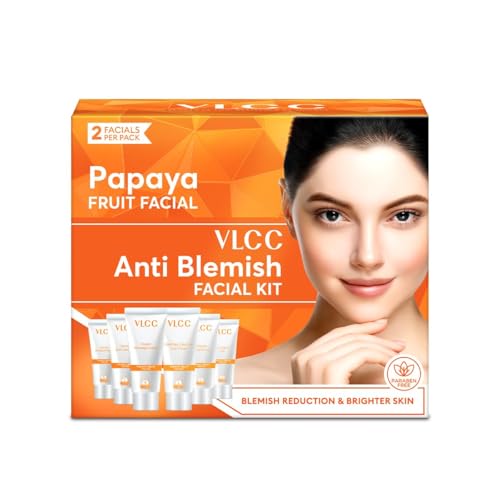
Recommended Fruit Facial Products for Glowing Skin
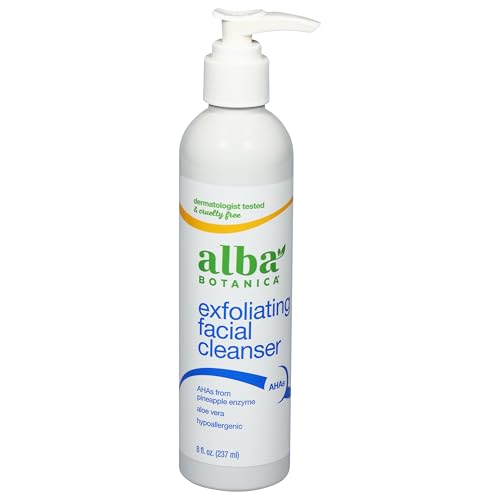
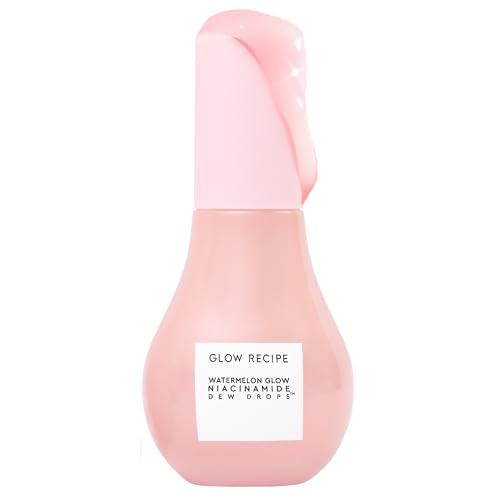
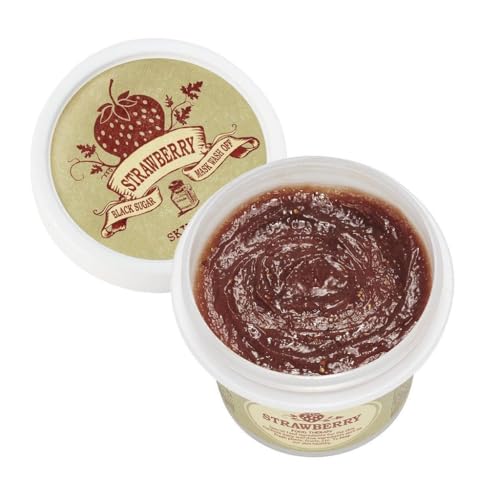
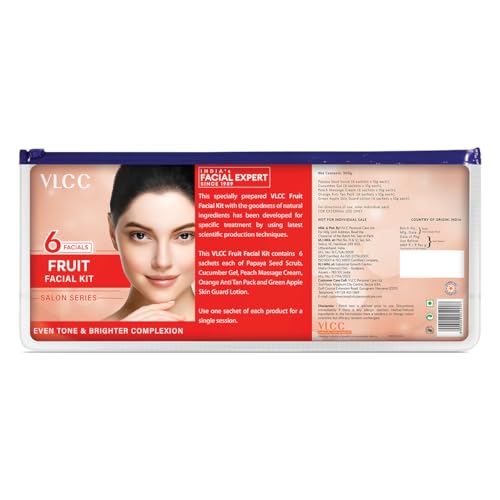
Key Facts
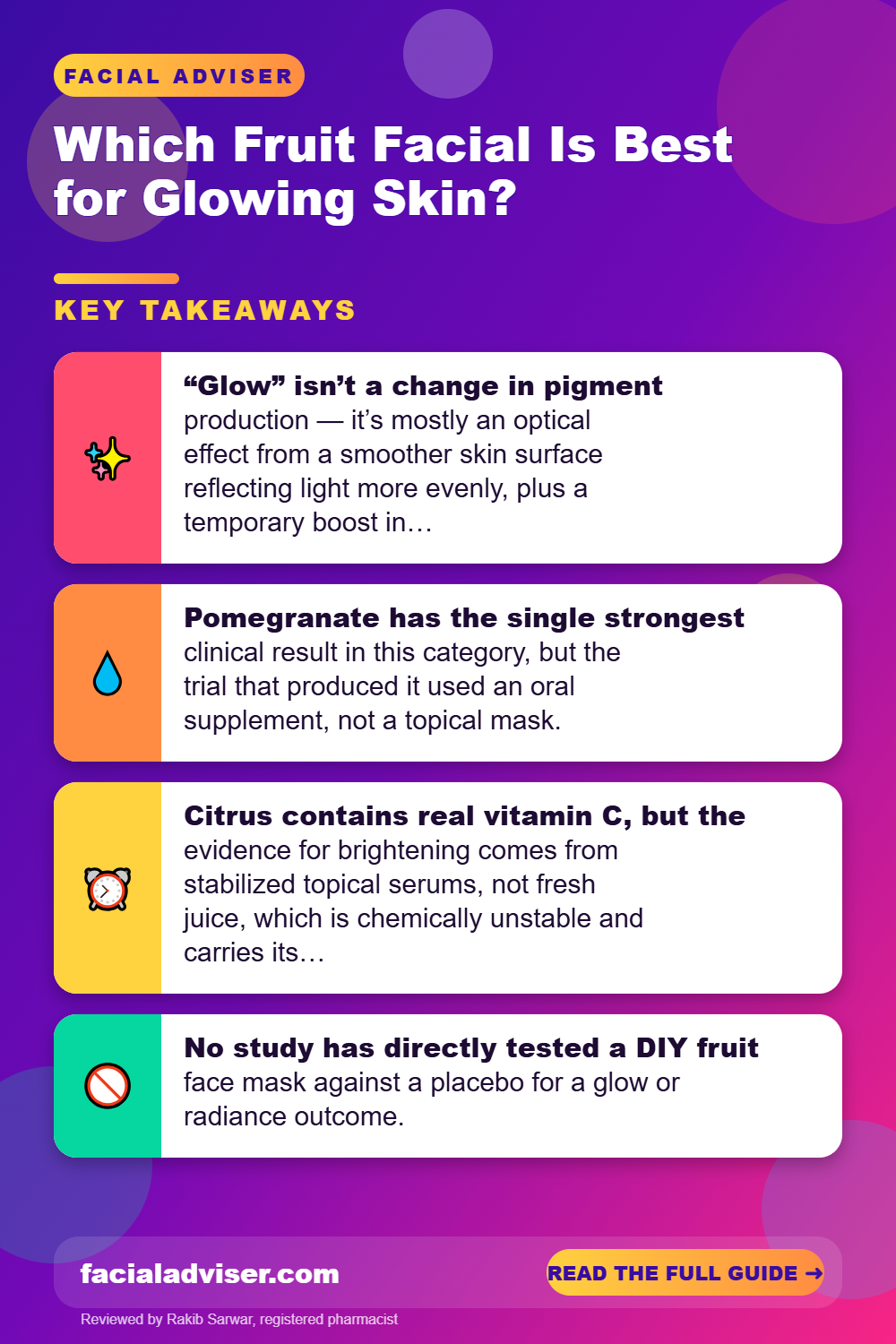
- “Glow” isn’t a change in pigment production — it’s mostly an optical effect from a smoother skin surface reflecting light more evenly, plus a temporary boost in surface hydration.
- Pomegranate has the single strongest clinical result in this category, but the trial that produced it used an oral supplement, not a topical mask.
- Citrus contains real vitamin C, but the evidence for brightening comes from stabilized topical serums, not fresh juice, which is chemically unstable and carries its own sun-exposure risk.
- No study has directly tested a DIY fruit face mask against a placebo for a glow or radiance outcome.
What’s Inside
- What “Glow” Actually Means, Physiologically
- Citrus and Vitamin C: Real Evidence, Wrong Delivery Method
- Pomegranate: The Strongest Trial in This Category, With a Catch
- Papaya: Real Exfoliation, No Dedicated Trial
- Apple and Grape: The Same AHA Logic, Untested as a Mask
- Comparing the Evidence, Fruit by Fruit
- How to Actually Get the Best Result
- What to Expect, and When
- Do This, Not That
- What a Fruit Facial Can’t Do for “Glow”
- Frequently Asked Questions
- The Bottom Line
What “Glow” Actually Means, Physiologically
Skin “glow” or radiance, in the cosmetic-science sense, isn’t a change in how much pigment your skin produces. It’s largely an optical effect: a smoother, more even skin surface reflects light more uniformly instead of scattering it unevenly across rough patches of dead surface cells, and improved surface hydration plumps the skin slightly, which also affects how light bounces off it. Both effects come from exfoliation and moisture, and both are genuinely real — but both are also short-lived, typically fading within hours to a couple of days, because normal skin turnover and everyday environmental exposure quickly reverse a single mask’s surface-level changes.
Shopping these picks?
Amazon Prime members get fast, free shipping on eligible items, plus Prime Video, Amazon Music and member deals. New members can start with a free trial.
Start a free Prime trialAged 18 to 24? Prime for Young Adults comes with a longer free trial and a lower price after it.
Affiliate link: we may earn a commission at no extra cost to you.
That distinction matters for this question specifically, because it means the “best” fruit for glowing skin isn’t necessarily the one with the most dramatic marketing claim — it’s the one with a real, if modest, exfoliation or hydration mechanism behind it.
Citrus and Vitamin C: Real Evidence, Wrong Delivery Method
Topical vitamin C has genuinely strong clinical literature behind it for improving skin brightness, evenness, and photoaging markers — this isn’t a claim invented by fruit-facial marketing. The catch is that every meaningful study behind that evidence used a stabilized, pH-controlled topical formulation, not fresh-squeezed citrus juice. Fresh vitamin C degrades within hours of exposure to light and air, and citrus juice on skin is an unbuffered, unstable exposure with an unknown effective concentration. Citrus also carries a genuine phototoxic risk of its own (covered in more detail on this site’s guide to doing a fresh fruit facial at home) that a formulated serum doesn’t share.
The honest takeaway: citrus genuinely contains the ingredient the research is about, but the DIY delivery method doesn’t match the tested one, so crediting fresh lemon juice with a serum’s clinical results overstates what a citrus mask actually does.
Pomegranate: The Strongest Trial in This Category, With a Catch
A randomized, placebo-controlled trial of a standardized pomegranate extract found statistically significant improvements in skin radiance, tactile roughness, and pigmentation evenness over 60 days — genuinely the most rigorous positive result behind any fruit in this cluster. The catch, and it’s a significant one: that trial tested an oral supplement, not a topical mask, and explicitly excluded topical application from its protocol.
Papaya: Real Exfoliation, No Dedicated Trial
Papain, papaya’s proteolytic enzyme, is a genuine exfoliant — it breaks down surface protein bonds in a real, biochemically distinct way from an acid. That exfoliation mechanism plausibly contributes to a short-term smoothing or “glow” effect by removing dead surface cells, which is a reasonable mechanistic inference. But no dedicated clinical trial has isolated a raw papaya mask’s effect on glow or radiance specifically — the case for papaya rests on mechanism, not a direct outcome study.
Apple and Grape: The Same AHA Logic, Untested as a Mask
Apple’s malic acid and grape’s tartaric/citric acid content give both fruits a genuine, FDA-recognized alpha-hydroxy-acid exfoliation mechanism — the same category of chemistry behind many formulated glycolic-acid products. That mechanism plausibly produces the same light-reflecting smoothness effect as any other exfoliant. As with papaya, though, no trial has tested a raw apple or grape mask specifically, and the concentration of acid in any given piece of fruit is unknown and uncontrolled, unlike a formulated product built to a specific percentage.
Comparing the Evidence, Fruit by Fruit
Set side by side, the pattern is consistent: every fruit here has a real mechanism, but the strongest supporting evidence almost always comes from a formulated or non-topical source rather than the raw mask itself.
| Fruit | Real mechanism | Strongest evidence type |
|---|---|---|
| Pomegranate | Antioxidant polyphenols (ellagic acid, punicalagin) | Randomized placebo-controlled trial (oral supplement only) |
| Citrus | Vitamin C, antioxidant + mild AHA | Strong topical-serum literature (not raw juice) |
| Papaya | Papain enzymatic exfoliation | Mechanistic inference, no direct mask trial |
| Apple / grape | Malic/tartaric acid AHA exfoliation | Mechanistic inference, no direct mask trial |
How to Actually Get the Best Result
Patch test first
Even a mild-seeming fruit can irritate; test on the inner forearm for several days before applying to your face.
Choose based on your skin’s tolerance, not the strongest marketing claim
Papaya or apple for a gentler exfoliation-driven glow; save citrus for an evening application away from planned sun exposure.
Keep contact time short
10 to 15 minutes is enough for any exfoliation-driven effect — longer contact doesn’t meaningfully add benefit and does add irritation risk.
Follow with a hydrating, non-comedogenic moisturizer
Since part of “glow” comes from surface hydration, locking that moisture in immediately after rinsing extends the visible effect by a few hours.
Use consistently, once a week, rather than once as a special occasion
A single mask’s effect is genuinely temporary; regular gentle exfoliation compounds the smoothing effect over weeks in a way one session cannot.
What to Expect, and When
Immediately after rinsing, expect a temporary smoothness and slight brightness from surface exfoliation and hydration — this typically fades within a day as normal skin oil and environmental exposure return skin to baseline. There is no evidence that a single mask, or even repeated masks over weeks, produces a lasting change in pigmentation or collagen structure the way a formulated retinoid or vitamin C serum used daily over months can. Setting that expectation honestly upfront avoids the common letdown of expecting a special-occasion mask to deliver a multi-week skincare routine’s results.
| Timeframe | Single fruit mask | Sustained formulated routine (retinoid/vitamin C serum, months) |
|---|---|---|
| Hours after use | Visible smoothness and slight brightness from surface exfoliation and hydration | No single-use visual spike; effect builds gradually with each application |
| 1–2 days | Effect largely faded as skin oil and normal turnover return skin to baseline | Ongoing daily maintenance of surface texture and hydration |
| 4–8 weeks | No cumulative change from occasional masking alone; each session starts from the same baseline | Measurable improvement in evenness, texture, and photoaging markers documented in clinical literature |
| Underlying mechanism | Temporary surface exfoliation and hydration only | Sustained modulation of skin-cell turnover and antioxidant activity over time |
Do This, Not That
Do
- Pick a fruit that matches your skin’s actual tolerance
- Follow immediately with a hydrating moisturizer
- Set realistic, short-term expectations for the result
Don’t
- Expect a lasting pigment or collagen change from one mask
- Assume pomegranate’s supplement trial results transfer to a topical mask
- Overdo contact time chasing a bigger effect
What a Fruit Facial Can’t Do for “Glow”
A fruit facial cannot reverse sun damage, structurally rebuild collagen, or produce a permanent change in how evenly your skin reflects light. Those outcomes require sustained, formulated active ingredients (retinoids, stabilized vitamin C, sunscreen) used consistently over months, not a single or occasional mask. Anyone dealing with genuine dullness tied to a diagnosed condition, medication side effect, or significant sun damage is better served starting with a dermatologist than chasing a bigger DIY reaction.
Frequently Asked Questions
Which fruit is genuinely best for a glowing-skin facial?
Pomegranate has the strongest clinical trial behind its radiance claims, but that trial used an oral supplement, not a topical mask — for a topical fruit facial, papaya and apple have the clearest real exfoliation mechanism.
Does a fresh fruit facial actually make skin glow?
It can produce a real, short-term smoothing and brightening effect from exfoliation and hydration, but this fades within a day or two and isn’t a lasting change.
Is citrus good for glowing skin?
Citrus contains real vitamin C, but the clinical evidence for brightening comes from stabilized serums, not fresh juice, which is unstable and carries a separate sun-exposure risk.
Does pomegranate work as a face mask for glow?
The strongest pomegranate research used a daily oral supplement over 60 days, not a topical mask — a raw pomegranate mask hasn’t been tested the same way.
How often should I do a fruit facial for glowing skin?
Once weekly is a reasonable, lower-risk frequency for consistent, if modest, results over time.
How long does the glow from a fruit facial last?
Typically hours to a day or two, since the effect comes from temporary surface exfoliation and hydration rather than a structural skin change.
Should I use a fruit facial the morning of an event?
Doing it the evening before is safer, giving any mild redness time to settle before you need to look your best.
Can a fruit facial replace a vitamin C serum?
No. A formulated serum delivers a stable, measured dose; a fruit mask delivers an unstable, uncontrolled amount for a much shorter time.
Is there any risk to using fruit for a glow-focused mask?
Yes, the same risks as any fruit facial — citrus phototoxicity and enzyme-related irritation from papaya are the two to watch for most closely.
What should I do after a glow-focused fruit facial?
Moisturize right away to extend the hydration-driven part of the effect, and apply sunscreen the next day since any exfoliation increases sun sensitivity.
The Bottom Line
No fruit facial has been directly tested for a glow or radiance outcome in a clinical trial — the positive evidence that exists is either a formulated topical product or, in pomegranate’s case, an oral supplement. Papaya and apple have the clearest honest mechanistic case for a topical mask specifically, through real exfoliation, but the effect is modest and short-lived regardless of which fruit you choose.

Written by
Registered pharmacist and founder of Facial Adviser. Rakib's pharmacy training covers how skincare actives work and interact; a later course in cosmetology turned that into a focus on facial treatments and skincare products. He plans, researches and edits every guide on the site and checks health claims against sources such as the American Academy of Dermatology, the FDA and the NIH. He is not a dermatologist; see the Editorial Policy and Medical Disclaimer.
About · Editorial policy · How we choose products · Medical disclaimer · Contact
Keep reading: DIY and ingredient facials
- Fruit Facial at Home: Does It Actually Work?
- How to Do a Fresh Fruit Facial at Home
- Which Fruit Facial Is Good for Sensitive Skin?
- Why Does Fruit Make My Face Break Out?
- Fruit Facial Types: A Complete Guide
- Which Fruit Facial Is Best for Dry Skin?
- What Is a Spa Facial?
- Facial Types: A Guide to 11 Popular Facials and How to Choose One