Which Fruit Facial Is Good for Sensitive Skin?
Sensitive skin and fruit acids sound like a risky combination by default, but which fruit facial is good for sensitive skin specifically, and is the risk about allergy, irritation, or something most guides don’t separate at all?
Part of our guide to facial treatments. Start with: Fruit Facial at Home: Does It Actually Work?
There are two genuinely distinct risk mechanisms, not one. Citrus, pineapple, and papaya carry documented direct chemical or enzymatic irritation risk that doesn’t require prior allergic sensitization, while banana, watermelon, and cooked apple carry a meaningfully lower known irritant load and are a more reasonable starting point. A separate, genuinely underused angle — Oral Allergy Syndrome, a real cross-reactivity between certain pollens and specific fruits — adds a third layer most fruit-facial content skips entirely.
Oral tolerance to a fruit doesn’t guarantee topical tolerance, and the reverse can be true too, which is exactly why patch testing matters even for fruit you already eat without any problem.
This guide separates the higher- and lower-risk fruit groups, explains the Oral Allergy Syndrome angle in plain terms, and walks through exactly how to patch test properly before ever applying anything to your face.
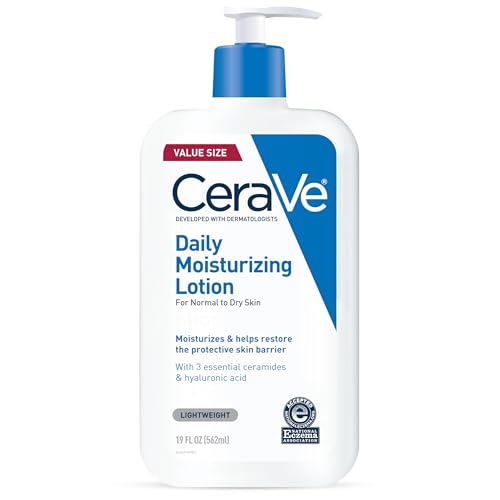
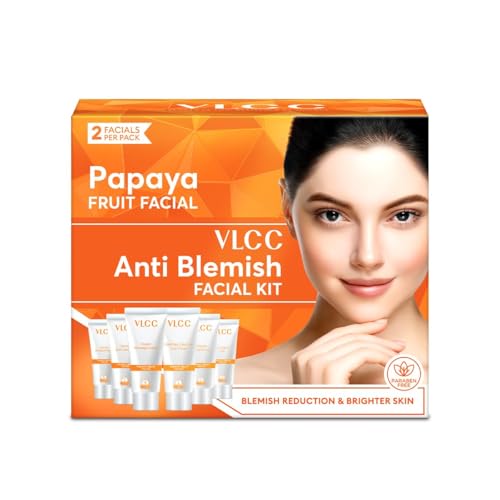
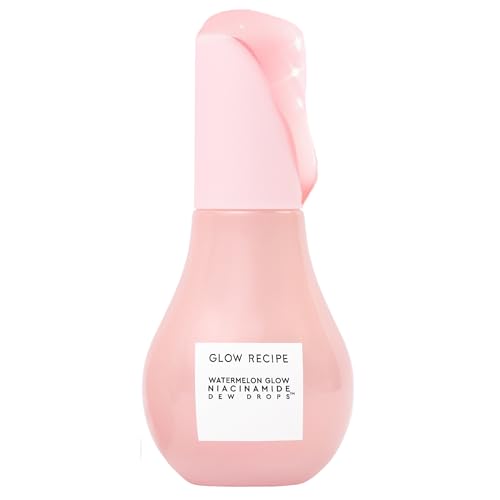
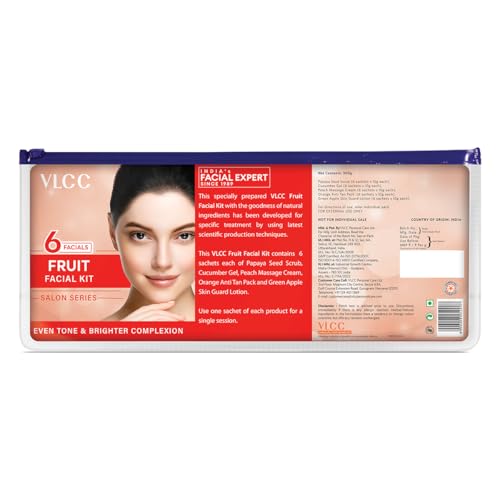
Recommended Gentle Fruit Facial Products for Sensitive Skin



The Essentials
- Citrus, pineapple, and papaya carry the highest real irritation risk for sensitive skin — not because of allergy, but because of direct chemical/enzymatic irritation mechanisms that don’t require prior sensitization.
- Banana, watermelon, and cooked or mashed apple are the lower-risk starting points for reactive skin.
- Oral Allergy Syndrome, a real cross-reactivity between certain pollens and specific fruits, is a genuinely underused safety consideration most fruit-facial guides skip entirely.
- Oral tolerance to a fruit doesn’t guarantee topical tolerance, and the reverse is also true — patch testing matters even for fruit you eat safely.
Table of Contents
- Two Different Kinds of Risk, Not One
- Citrus and Pineapple/Papaya: The Higher-Risk Group
- Banana, Watermelon, and Apple: The Lower-Risk Group
- Oral Allergy Syndrome: The Angle Most Guides Miss
- Strawberry: A Real, Documented Allergen
- Risk Comparison, Fruit by Fruit
- How to Patch Test Properly
- Signs You Should Stop
- Do This, Not That
- When to See a Dermatologist Instead
- Frequently Asked Questions
- The Bottom Line
Two Different Kinds of Risk, Not One
Most “sensitive skin” advice treats fruit-related reactions as one undifferentiated category of irritation. In reality, there are two genuinely distinct mechanisms worth telling apart, because they call for different precautions. The first is direct chemical or enzymatic irritation — a reaction that can happen to anyone, allergic or not, from contact with an acid or enzyme at high enough concentration. The second is true allergy or cross-reactivity, which depends on your specific immune history and affects some people and not others. Sorting fruit into these two categories, rather than a single vague “sensitive skin should avoid X” list, is the more useful and more honest way to approach this question.
Shopping these picks?
Amazon Prime members get fast, free shipping on eligible items, plus Prime Video, Amazon Music and member deals. New members can start with a free trial.
Start a free Prime trialAged 18 to 24? Prime for Young Adults comes with a longer free trial and a lower price after it.
Affiliate link: we may earn a commission at no extra cost to you.
Citrus and Pineapple/Papaya: The Higher-Risk Group
Citrus — lemon, lime, orange, grapefruit, especially the peel or zest — causes phytophotodermatitis, a well-documented phototoxic reaction from compounds called furocoumarins combined with subsequent UV exposure. This is not an allergy and doesn’t require prior sensitization; it can happen to anyone under the wrong sun-exposure conditions, which makes citrus one of the least sensitive-skin-friendly choices in this entire category, independent of whether you have any diagnosed allergy at all.
Pineapple and papaya carry a different but related risk: their proteolytic enzymes, bromelain and papain, directly digest surface skin proteins and activate a specific itch-and-inflammation receptor pathway on skin nerve fibers, a mechanism documented in peer-reviewed research. Because this is a direct chemical-irritation mechanism rather than classic allergy, even non-allergic sensitive-skin individuals can react, and the unpredictable enzyme concentration in raw fruit (which varies by ripeness) makes it a poor first choice for reactive skin.
Banana, Watermelon, and Apple: The Lower-Risk Group
Banana, watermelon, and cooked or mashed apple carry no meaningful proteolytic enzyme activity and comparatively low acid content, giving them a genuinely lower known irritant load. That makes them a more reasonable starting point for sensitive-skin readers who want to try a fruit facial without immediately reaching for the higher-risk options above. Standard patch testing is still worth doing even with these lower-risk fruits, since “lower risk” isn’t the same as “risk-free” for any individual’s specific skin.
Oral Allergy Syndrome: The Angle Most Guides Miss
Oral Allergy Syndrome, also called Pollen-Food Allergy Syndrome, is a real, well-documented cross-reactivity between certain pollens and specific fruits — and it’s a genuinely underused safety angle in most fruit-facial content available online. People with a birch-pollen allergy commonly cross-react to apple, peach, cherry, apricot, and other related fruits, because these fruits share a protein structurally similar to the birch-pollen allergen the immune system already recognizes.
This syndrome is classically described as an oral or mucosal reaction to eating the fruit — itching or swelling in the mouth and throat. The same cross-reactive proteins are present on and in the fruit’s skin and flesh, making a contact-dermatitis reaction from topical application a plausible, if less directly studied, risk for the same birch-pollen-allergic group. The practical takeaway: if you have a known pollen-related fruit allergy, treat that specific fruit as a patch-test candidate for skin use too, not only as an eating restriction.
Strawberry: A Real, Documented Allergen
Strawberry contains lipid transfer proteins and profilin, cross-reactive plant proteins documented in allergy research as causing both oral and contact reactions, particularly in populations with broader pollen or plant-food sensitivities. The perioral redness or rash sometimes seen in children after eating strawberries is commonly and loosely attributed to “acidity,” but it can also reflect a true allergic or protein-driven contact reaction — the two are frequently conflated in casual sources, and telling them apart matters for deciding whether repeated exposure is safe.
Risk Comparison, Fruit by Fruit
Sorted by mechanism rather than reputation, the actual risk pattern for sensitive skin looks like this.
| Fruit | Primary risk mechanism | Sensitive-skin risk level |
|---|---|---|
| Citrus | Phytophotodermatitis (phototoxic, non-allergic) | Higher |
| Pineapple / papaya | Enzymatic protein digestion, PAR2 itch pathway | Higher |
| Strawberry | Lipid transfer protein / profilin allergy | Moderate |
| Apple, peach, cherry | Oral Allergy Syndrome (birch-pollen cross-reactivity, in affected individuals) | Moderate, allergy-dependent |
| Banana, watermelon | None significant identified | Lower |
How to Patch Test Properly
Pick a small, unwashed test area
The inner forearm or inside of the elbow crease works well since it won’t be scrubbed or rinsed accidentally during the test period.
Apply twice daily for 7 to 10 days
A single application isn’t long enough to reveal a delayed or cumulative reaction; the standard dermatologist-recommended window is closer to a week to ten days.
Check for a known pollen allergy first
If you have a birch-pollen or related seasonal allergy, treat apple, peach, cherry, and similar fruit as patch-test candidates specifically because of Oral Allergy Syndrome cross-reactivity.
Watch for redness, itching, or swelling
Any of these during the test window is a reason to skip that fruit for facial use, even if you tolerate eating it without issue.
Only move to facial application after a clean test
A full week of no reaction on the test area is a reasonable green light to try a short, monitored application on the face.
| Reaction type | Typical onset | What it usually looks like |
|---|---|---|
| Phytophotodermatitis (citrus) | Hours after contact, following sun exposure | Redness or a burn-like patch, sometimes followed days later by dark discoloration |
| Enzymatic irritation (pineapple/papaya) | Minutes to under an hour | Stinging, itching, or burning at the contact site, no prior sensitization needed |
| True allergy / cross-reactivity (strawberry, Oral Allergy Syndrome fruits) | Minutes to a few hours | Localized hives, swelling, or itching, more likely in people with a matching allergy history |
| Low-risk fruit (banana, watermelon, cooked apple) | Rare; if present, usually mild | Little to no reaction in most people during a standard patch test |
Signs You Should Stop
Stinging or burning that doesn’t fade within a couple of minutes, spreading redness, swelling, or hives are all signs to rinse off immediately and skip that fruit going forward, regardless of how mild it seemed during patch testing. Sensitive skin can also react cumulatively — tolerating a fruit once doesn’t guarantee tolerating repeated weekly use, so it’s worth reassessing periodically rather than assuming an early clean test settles the question permanently.
Do This, Not That
Do
- Start with banana, watermelon, or cooked apple if you’re unsure
- Patch test every fruit, including ones you eat safely
- Check your own pollen-allergy history before using Rosaceae-family fruit
Don’t
- Assume “natural” means low-risk for sensitive skin
- Use citrus, pineapple, or papaya as a first try on reactive skin
- Ignore mouth or throat itching after eating a fruit as irrelevant to skin use
When to See a Dermatologist Instead
Anyone with diagnosed eczema, active rosacea, or a history of severe allergic reactions (including any past anaphylaxis to a food, fruit or otherwise) should talk to a dermatologist or allergist before trying a DIY fruit facial at all, rather than relying on self-directed patch testing alone. A fruit facial is a cosmetic ritual, not a treatment, and isn’t worth the risk for skin that’s already actively flaring or for anyone with a known severe allergic history.
Frequently Asked Questions
Which fruits are safest for sensitive skin?
Banana, watermelon, and cooked or mashed apple carry the lowest known irritant load and are a reasonable starting point, with patch testing still recommended.
Why is citrus risky for sensitive skin specifically?
Citrus causes phytophotodermatitis, a non-allergic phototoxic burn reaction from sun exposure after skin contact, which can affect anyone regardless of allergy status.
Are papaya and pineapple safe for sensitive skin?
They carry a documented enzyme-driven irritation risk through a real itch-and-inflammation receptor pathway, making them a higher-risk choice for reactive skin.
What is Oral Allergy Syndrome and why does it matter here?
It’s a real cross-reactivity between certain pollens (like birch) and specific fruits (apple, peach, cherry), meaning a pollen allergy can predict a fruit reaction most people don’t think to check for.
Is strawberry safe for sensitive skin?
Strawberry contains documented allergenic proteins and carries a moderate risk, higher than banana or watermelon but lower than citrus or pineapple.
If I can eat a fruit safely, is it safe on my skin?
Not necessarily. Oral tolerance doesn’t guarantee topical tolerance, since some reactions depend on skin contact plus sun exposure rather than a food-allergy pathway.
How long should I patch test before trying a fruit on my face?
Twice daily for 7 to 10 days on a small forearm area, watching for redness, itching, or swelling.
What should I do if my skin reacts during patch testing?
Stop using that fruit for facial application, even if it seemed to test fine on a single application — reactions can be cumulative.
Should sensitive skin avoid fruit facials entirely?
Not necessarily, but the fruit choice matters more than for average skin — starting with lower-risk options and patch testing consistently is the safer approach.
When should I see a dermatologist instead of trying this myself?
If you have diagnosed eczema, active rosacea, or a history of severe allergic reactions, talk to a professional before self-directed fruit-facial patch testing.
The Bottom Line
For sensitive skin, banana, watermelon, and cooked apple are the more reasonable starting points, while citrus, pineapple, and papaya carry documented irritation mechanisms that don’t depend on individual allergy status. Oral Allergy Syndrome adds a genuinely underused layer worth checking if you have a known pollen allergy — and patch testing remains worthwhile even for fruit you eat without any problem at all.

Written by
Registered pharmacist and founder of Facial Adviser. Rakib's pharmacy training covers how skincare actives work and interact; a later course in cosmetology turned that into a focus on facial treatments and skincare products. He plans, researches and edits every guide on the site and checks health claims against sources such as the American Academy of Dermatology, the FDA and the NIH. He is not a dermatologist; see the Editorial Policy and Medical Disclaimer.
About · Editorial policy · How we choose products · Medical disclaimer · Contact
Keep reading: DIY and ingredient facials
- Fruit Facial at Home: Does It Actually Work?
- Why Does Fruit Make My Face Break Out?
- Fruit Facial Types: A Complete Guide
- Which Fruit Facial Is Best for Dry Skin?
- Fruit Facial Steps in a Parlour: What Happens at Each Stage
- Is a Fruit Facial Good for Your Skin? Benefits, Risks and Who Should Skip It
- Is Hydrafacial a Gimmick? What Evidence Shows
- Ultimate Guide Microdermabrasion: What to Know