
Sauna and Your Skin: Benefits, Risks and Aftercare
Sitting in a hot, quiet sauna feels wonderful, and many people say their skin looks fresh and glowing afterwards. Some of that glow is simple flushing from warmth and relaxation, and some people also feel their skin is softer. But does a sauna actually improve skin, or is it mostly good marketing?
Part of our guide to body and other. Start with: 10 Best Body Tools for Skincare and Massage (2026): Smooth and Relax

I am Rakib Sarwar, a registered pharmacist with a cosmetology course. I am not a dermatologist or a cardiologist, so I focus on what is reasonably well supported, point out where evidence is thin and flag who should check with a doctor first. This guide is for general information only.
The honest answer is mixed. Heat can relax you, raise blood flow and make you sweat, but there is little strong evidence that saunas clear acne, erase wrinkles or detox the skin. Hot, dry air can also dry skin out and may bother rosacea or eczema.
Black Friday is coming: shop the deals with Prime
How you prepare and what you do afterwards matter a lot.
I wrote this guide for people who enjoy a sauna but want to protect their skin, and for people who are curious but unsure. You will find clear do and do not points, plus notes on hydration, session length and what to do if your skin reacts.
Below you will find what a sauna does, what the evidence says, possible benefits and risks, a simple aftercare routine, who should skip it and when to see a doctor.
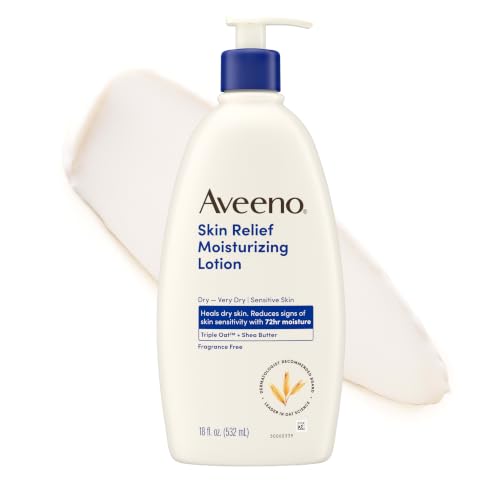
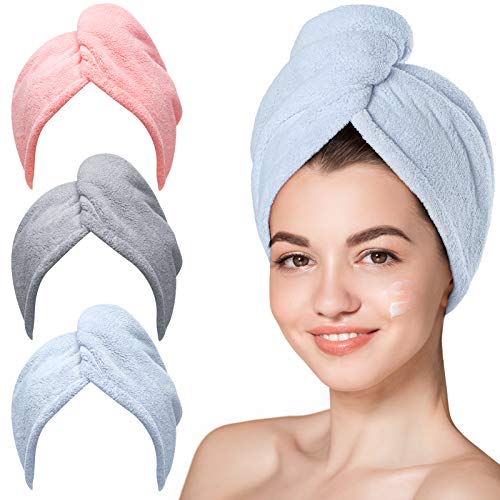
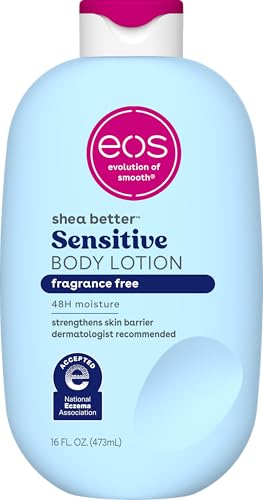
Hydration and Aftercare Items People Often Use After a Sauna




The Short Version
- Saunas can relax muscles and raise skin temperature and blood flow.
- Sweating does not remove toxins from the skin.
- Evidence for acne, wrinkle or anti-aging benefits is limited.
- Heat can worsen rosacea, eczema or dry skin in some people.
- Hydrate before and after, and rinse and moisturize afterwards.
- Pregnancy, heart conditions and low blood pressure need medical advice first.
- Leave the sauna if you feel dizzy, sick or unwell.
Contents
- What a Sauna Does to Your Body and Skin
- Does Sweating Detox the Skin
- What the Evidence Says
- Possible Benefits for Skin
- Risks and Downsides
- Sauna Aftercare Routine for Your Skin
- Traditional vs Infrared Saunas
- Skin Conditions and Saunas
- Who Should Enjoy It and Who Should Skip
- Practical Sauna Tips for Healthy Skin
- Honest Limits
- When to See a Professional
- FAQ
- Where This Leaves You
What a Sauna Does to Your Body and Skin
A traditional sauna heats the air to around 70 to 100 degrees Celsius, and humidity is low. An infrared sauna uses lower air temperature and heats the body more directly. In both cases your skin warms, blood vessels widen and you sweat.
Your heart rate rises, similar to light exercise. Your face often turns pink because blood flow to the skin increases, which is why people see a glow afterwards.
This effect fades within an hour or so. It is a temporary change in blood flow, not a lasting skin improvement.
Sauna sessions are usually short, and the body adapts with regular use by sweating earlier and more efficiently. That is one reason many regular users tolerate heat better than beginners do. It also means that your first sessions should be shorter and cooler than you might think.
Most public and home saunas also have a cool-down area. Using it matters, because moving gradually from hot to cool is gentler on your circulation and your skin than jumping straight into very cold water.
Does Sweating Detox the Skin
A common claim is that saunas flush out toxins through the skin. In reality, your liver and kidneys do the detox work. Sweat is mostly water and salt with tiny amounts of other substances.
Sweating helps cool your body, and it can loosen dirt or oil on the skin surface. But it does not unclog pores deeply or cure skin conditions.
If you wear makeup in the sauna, sweat may mix with it and irritate your skin, so it is best to go in with a clean face.
Sweat can sting if it gets into your eyes or onto irritated skin. Patting your face with a clean towel, rather than rubbing, avoids spreading sweat and bacteria across the skin.

What the Evidence Says
Most sauna research looks at heart health, blood pressure and relaxation, mainly in Finnish populations. These studies suggest regular sauna use may be linked with better cardiovascular health, though they cannot prove cause and effect.
For skin, research is limited. Small studies in conditions such as eczema and psoriasis have shown mixed results, and heat can worsen itching in some people. There is no strong evidence that saunas reduce wrinkles or acne.
| Claim | Evidence | Comment |
|---|---|---|
| Relaxation | Reasonable | Many people feel calmer |
| Skin glow | Temporary | From increased blood flow |
| Detox | Weak | Liver and kidneys do the work |
| Acne improvement | Weak | Heat and sweat may worsen acne |
| Anti-aging | Weak | No proof of lasting change |
It is worth noting that most sauna studies are done in healthy, regular users, so the results may not apply to people with medical conditions. Always weigh claims against your own health situation.
Possible Benefits for Skin
The main skin benefits are indirect. A sauna can help you unwind, and lower stress may help skin that flares when you are tense. Warm skin also absorbs moisturizer slightly better after a rinse.
Some people find that sweating helps their skin feel cleaner, and that a warm room eases tight muscles and improves sleep. Better sleep supports healthier skin over time.
These are comfort benefits. They are real for many people but modest.
A warm, humid environment such as a steam room may feel gentler on dry skin than a very dry sauna. If your skin dislikes heat, a short, lower-temperature session is a sensible compromise.
Some people also enjoy the ritual: phone off, quiet time, warm air and a cool shower. That ritual can lower stress, and lower stress is good for both sleep and skin comfort.
Risks and Downsides
Hot, dry air can strip moisture, leaving skin tight and flaky. Rosacea and flushing can flare, and eczema can itch more. Acne may worsen if sweat sits on the skin and you do not rinse promptly.
Dehydration, dizziness and fainting are possible, especially if you stay too long, drink alcohol or go in while unwell. Overheating is a real risk for older adults, pregnant women and people with heart conditions.
Shared saunas can have hygiene concerns. Sit on a towel and avoid walking barefoot if you are prone to fungal infections.
Strong fragrances, essential oils and heavy creams applied before a sauna can irritate skin when heated. Keep your skin bare and simple before you enter, and apply products afterwards.
Jewelry and metal can get very hot, so remove rings, necklaces and glasses before you go in.
Sauna Aftercare Routine for Your Skin
A few simple steps help you get the relaxing benefits while protecting your skin.
Go in with clean skin
Remove makeup and sunscreen before you enter.
Drink water
Hydrate before and after, and keep a bottle nearby.
Keep sessions short
Start with 5 to 15 minutes and leave if you feel unwell.
Cool down gradually
Rest, then take a lukewarm or cool rinse.
Pat dry and moisturize
Apply a fragrance-free cream while skin is slightly damp.
Wear sunscreen later
Use SPF in the daytime as usual.
Wrap your hair in a towel or wear a sauna hat to protect hair and scalp from drying.
Do not use a sauna if you feel unwell, have been drinking alcohol or have a fever.
After the session, wait a few minutes for your body temperature to settle before applying moisturizer. Applying thick cream on skin that is still very hot can feel uncomfortable and may trap heat.
Traditional vs Infrared Saunas
| Type | Air temperature | Feel | Skin note |
|---|---|---|---|
| Traditional | Hot, 70 to 100 C | Intense heat | Can dry skin quickly |
| Infrared | Lower, about 45 to 60 C | Gentler air heat | Still causes sweating |
| Steam room | Lower with high humidity | Moist heat | Less drying, but hygiene matters |
A steam room is less drying for the skin, but whichever you choose, the same rules of hydration, short sessions and aftercare apply.
Skin Conditions and Saunas
If you have rosacea, heat is a common trigger, so use caution and keep sessions short. For eczema, heat and sweat can cause itching, though some people tolerate it well.
Psoriasis may improve or worsen with heat, and responses vary. If you have a skin condition, ask your doctor or dermatologist before starting regular sauna use.
If you have open wounds, sunburn or an active infection, skip the sauna until it heals.
If you take medicines that affect sweating, blood pressure or heat tolerance, ask your pharmacist or doctor whether sauna use is safe for you. Some medicines can make overheating more likely.
Who Should Enjoy It and Who Should Skip
Do
- Healthy adults who enjoy relaxing heat
- People who can keep sessions short and hydrate
- Those with normal skin and no heat triggers
- Anyone who wants a calming routine
- People who rinse and moisturize afterwards
Don’t
- Pregnant women unless a doctor says it is fine
- People with heart conditions or low blood pressure who have not asked a doctor
- Anyone who is unwell, dehydrated or has a fever
- Those with severe rosacea or active eczema flares
- Anyone who has been drinking alcohol
If you are unsure, talk to your doctor before starting.
Children, older adults and anyone with limited mobility should have supervision and use shorter sessions at lower temperatures.
Practical Sauna Tips for Healthy Skin
Use a clean towel to sit and lie on, and take a second towel to wipe sweat. Bring a water bottle and drink small sips before and after your session rather than gulping a lot at once.
Avoid exfoliating, shaving or waxing right before the sauna, because warm skin is more reactive. Choose a fragrance-free body lotion for afterwards and apply sunscreen the next day as normal.
If you have long hair, tie it up or wear a sauna hat. Dry heat can leave hair brittle, so a light conditioner afterwards helps.
If you wear contact lenses, consider removing them first, since heat and dry air can make eyes uncomfortable.
Finally, listen to your body. Leave the sauna as soon as you feel dizzy, nauseous or uncomfortable, and sit down while you cool off. A calm, short session is better for your skin and your health than a long, hot one.
Honest Limits
I cannot promise any skin result from a sauna. It is a relaxing habit, not a skin treatment.
Saunas are not safe for everyone. If you have a medical condition or take medicines that affect blood pressure or sweating, ask your doctor first.
This guide is general information and not personal medical advice.
Product listings, prices and ratings change often, so check the current Amazon page before buying.
Individual experiences vary a lot. What feels relaxing to one person may be uncomfortable for another, and that is perfectly normal.
When to See a Professional
See a doctor if you feel faint, have chest pain, severe headache or breathing trouble in a sauna. See a dermatologist if heat triggers a rash, hives or persistent redness.
This article is for general information only and is not medical advice. It does not replace a visit to a doctor or pharmacist. I am a registered pharmacist with a cosmetology course, not a dermatologist.
FAQ
Is a sauna good for your skin?
It can relax you and give a temporary glow, but strong evidence for lasting skin benefits is limited.
Does a sauna detox your skin?
No. Your liver and kidneys remove toxins. Sweat is mostly water and salt.
Can a sauna help acne?
There is little evidence it helps, and sweat left on skin may worsen acne.
Is a sauna bad for rosacea?
Heat is a common rosacea trigger, so many people should be cautious or avoid it.
How long should I stay in a sauna?
Many people start with 5 to 15 minutes, and you should leave if you feel unwell.
Should I wear makeup in a sauna?
It is best to go in with clean skin.
What should I do after a sauna?
Cool down, rinse, pat dry, moisturize and drink water.
Are infrared saunas better for skin?
They are gentler on air temperature, but evidence for skin benefits is limited.
Is sauna use safe in pregnancy?
Ask your doctor first, since overheating can be risky.
When should I see a doctor?
See a doctor for dizziness, chest pain or a rash that does not settle.
Where This Leaves You
A sauna can be a pleasant way to relax, and the right aftercare keeps your skin comfortable. Keep sessions short, drink water, rinse and moisturize.
If you feel unwell or have a heart or skin condition, ask your doctor before using a sauna.

Written by
Registered pharmacist and founder of Facial Adviser. Rakib's pharmacy training covers how skincare actives work and interact; a later course in cosmetology turned that into a focus on facial treatments and skincare products. He plans, researches and edits every guide on the site and checks health claims against sources such as the American Academy of Dermatology, the FDA and the NIH. He is not a dermatologist; see the Editorial Policy and Medical Disclaimer.
About · Editorial policy · How we choose products · Medical disclaimer · Contact
Keep reading: Body care and more
- 10 Best Body Tools for Skincare and Massage (2026): Smooth and Relax
- 10 Best Silk Pillowcases (2026)
- Is a Muscle Massage Gun Worth It? What the Evidence Says and Who Benefits
- Jeroboam Gozo Perfume: Notes, Wear and Who It Suits
- 10 Best Massage Chairs Under $2,000 (2026): Full-Body Picks for Home
- 10 Best Massage Chairs Under $500 (2026): Budget Recliners With Heat
Turn skincare time into me-time with a free audiobook