How to Find Your Skin Type: A Simple Test at Home
Most people can guess whether their skin is dry or oily, but guesses are often wrong. Skin can feel oily because it is dehydrated, or tight because it is irritated. Knowing your skin type helps you choose a cleanser, moisturizer and sunscreen that suit you, instead of buying products by trial and error.
Part of our guide to body and other. Start with: 10 Best Body Tools for Skincare and Massage (2026): Smooth and Relax

I am Rakib Sarwar, a registered pharmacist with a cosmetology course. I am not a dermatologist, so this guide covers a simple home test and sensible product choices, and it says when you should get a professional opinion. It is general information and not medical advice.
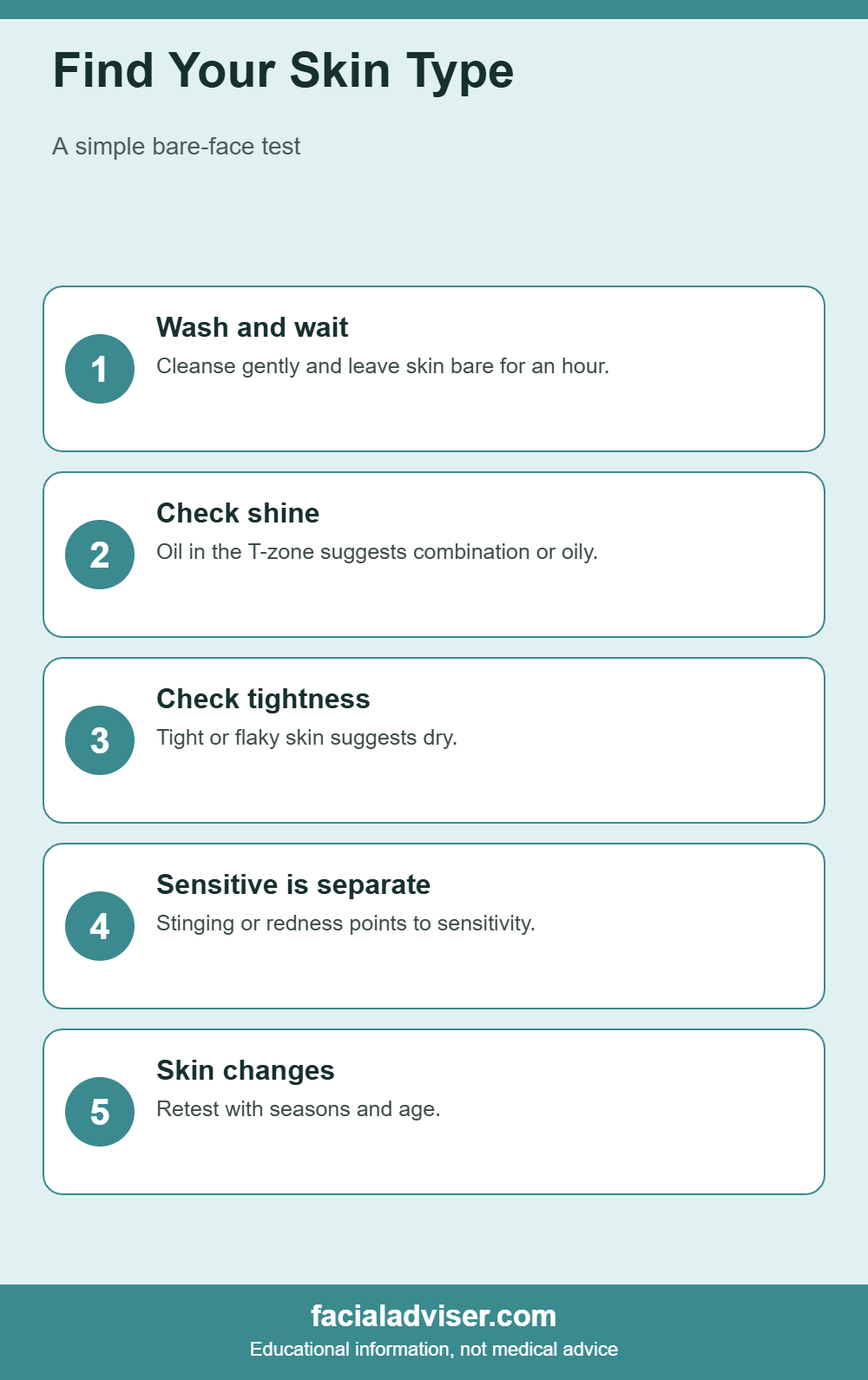
The standard test is easy. Wash your face gently, leave it bare for about an hour and then see how it looks and feels.
Black Friday is coming: shop the deals with Prime
Shine across the whole face suggests oily skin, shine only in the T-zone suggests combination skin, tightness suggests dry skin and a comfortable, balanced feel suggests normal skin. Sensitivity is a separate question, because any skin type can be sensitive.
I also explain why skin type and skin condition are not the same, and why the best routine for you changes over time. A product that suited you at twenty may not suit you at forty, and that is perfectly normal.
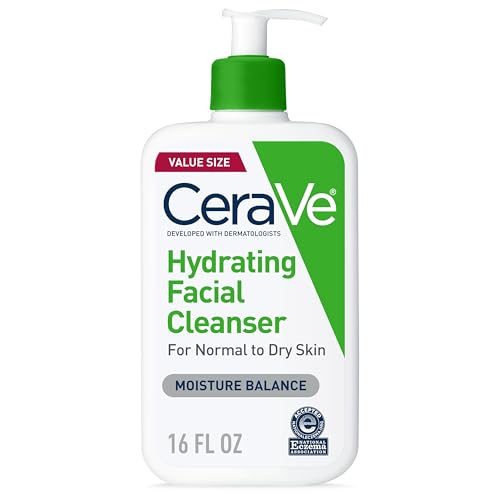
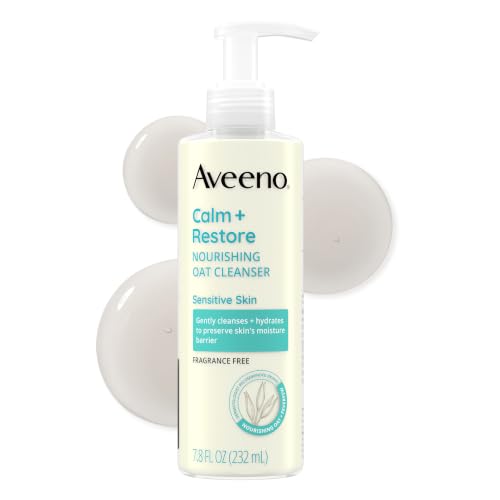
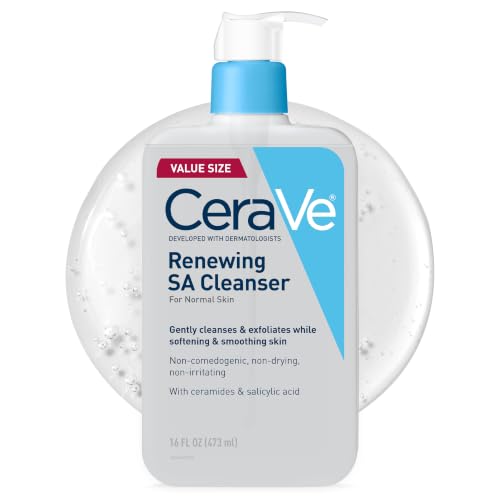
Below you will find the test step by step, what each skin type needs, how skin changes, common mistakes, who should seek advice and seven gentle cleansers and moisturizers people often use.
Gentle Cleansers and Moisturizers People Often Use




Key Takeaways
- The five usual skin types are normal, dry, oily, combination and sensitive.
- A bare-face test after gentle cleansing gives a good first guess.
- Oil in the T-zone only suggests combination skin.
- Tightness, flaking or dullness suggests dry skin.
- Stinging or redness points to sensitivity, which can occur with any type.
- Skin type can change with season, age, hormones and products.
- See a doctor or dermatologist for persistent redness, itching, scaling or acne.
Contents
- Why Your Skin Type Matters
- The Bare-Face Test at Home
- What Each Result Means
- Caring for Dry Skin
- Caring for Oily and Combination Skin
- Normal and Sensitive Skin
- Why Skin Type Can Change
- Ingredients That Suit Each Skin Type
- Common Mistakes
- Who Should Seek Advice
- Honest Limits
- When to See a Professional
- Common Questions
- Final Word
Why Your Skin Type Matters
Skin type is about how much oil your skin makes and how well it holds water. The right products respect this balance. A heavy cream can clog an oily face, while a harsh foaming wash can strip dry skin.
Knowing your type also helps you set expectations. Oily skin may need lighter textures and oil control, while dry skin needs richer moisturizers. Sensitive skin needs gentle, fragrance-free routines.
It is worth saying that skin type is not the same as skin condition. Acne, eczema, rosacea and psoriasis are conditions that need their own care.
A good routine for your type also saves money. When you know what your skin needs, you can skip products that promise a lot but do not suit you, and spend on the basics: cleanser, moisturizer and sunscreen.
The Bare-Face Test at Home
You do not need special tools. This test takes about an hour and is a good first guess.
Wash your face
Use a gentle cleanser and lukewarm water, then pat dry.
Leave your skin bare
Do not apply moisturizer, serum or makeup.
Wait about an hour
Avoid touching your face during this time.
Look in natural light
Check for shine across the forehead, nose, cheeks and chin.
Notice how it feels
Check for tightness, flaking, comfort or stinging.
Match the result
Use the table below to find your likely type.
For a second check, press a clean blotting paper on your forehead, nose and cheeks. Oil on the paper shows where your skin makes oil.
Do not scrub your face before the test. Harsh scrubbing can irritate skin and give a false result.
If you wear makeup daily, give yourself a day off to do the test. Choose a day when you are at home, so you can check your skin in the same light at the end of the hour without needing to go out.
Take a photo of your face in daylight at the start and end of the hour. Looking at the photos side by side makes shine easier to spot than a quick glance in the mirror.
What Each Result Means
| Result | Looks and feels like | Likely type |
|---|---|---|
| Shiny all over | Oil on forehead, nose, cheeks and chin | Oily |
| Shiny T-zone only | Oil on forehead and nose, normal or dry cheeks | Combination |
| Tight or flaky | Rough patches, dull look | Dry |
| Comfortable | Not tight or shiny | Normal |
| Stinging or red | Reacts to many products | Sensitive |
Many people are combination, and sensitivity can appear with any type. If your results seem mixed, repeat the test on a different day.
Some people notice that their skin looks oily by afternoon but feels tight after washing. This often points to dehydration or an overly harsh cleanser rather than true oiliness.
Normal skin is sometimes called balanced skin. It is neither too oily nor too dry, but it still needs sunscreen and gentle care like every other type.
Caring for Dry Skin
Dry skin lacks oil and often water. Look for creamy cleansers, rich moisturizers with ceramides, glycerin and shea butter, and gentle products without strong fragrance.
Avoid hot water, harsh scrubs and foaming cleansers that leave skin tight. Apply moisturizer to damp skin and use a humidifier in dry weather.
Dry skin that is also itchy, cracked or inflamed may be eczema or another condition. If that sounds familiar, see a doctor rather than relying only on moisturizer.
A simple routine for dry skin is a creamy cleanser, a rich moisturizer applied on damp skin and a sunscreen with moisturizing ingredients. Add a gentle hydrating serum if you like, and avoid very hot showers that strip oils from the skin surface.
Caring for Oily and Combination Skin
Oily skin often does well with gel or foaming cleansers, lightweight moisturizers and non-comedogenic sunscreens. Ingredients such as niacinamide and salicylic acid can help with oil and clogged pores for some people.
Do not skip moisturizer. Oily skin can still be dehydrated, and skipping moisturizer can make oil production worse.
For combination skin, treat zones differently. Use a lighter product on the T-zone and a richer one on dry cheeks, or choose a balanced lotion that suits both.
| Skin type | Cleanser | Moisturizer | Sunscreen |
|---|---|---|---|
| Oily | Gel or foaming, gentle | Light gel or lotion | Matte or gel sunscreen |
| Combination | Gentle gel or lotion | Light lotion, richer on dry areas | Lightweight sunscreen |
| Dry | Creamy or milky | Rich cream with ceramides | Moisturizing sunscreen |
| Normal | Gentle cleanser | Light cream or lotion | Any broad spectrum SPF |
| Sensitive | Fragrance-free, mild | Simple barrier cream | Mineral sunscreen |
Blotting paper, clay masks used occasionally and lightweight sunscreens all help oily skin look less shiny during the day, but none of them change how much oil your skin makes.
Normal and Sensitive Skin
Normal skin is balanced and rarely problematic. A simple routine with a gentle cleanser, moisturizer and sunscreen is usually enough.
Sensitive skin reacts easily with stinging, redness or itching. It benefits from fragrance-free, simple formulas and fewer actives. Patch test new products and introduce them one at a time.
If you have frequent redness, burning or scaling, it may be rosacea, eczema or an allergy. See a doctor rather than guessing.
A simple way to track reactions is to keep a short note on your phone listing each new product and the date you started it. If a reaction appears, you can look back and narrow down the cause.
If you suspect an allergy to a product, stop using it and keep the packaging. A doctor or dermatologist can arrange patch testing to find the cause, which is far more reliable than guessing from online lists.
Why Skin Type Can Change
Skin type is not fixed. Oil production changes with age, hormones, weather, stress and products. Many people are oilier in summer and drier in winter.
Teenage years often bring oiliness, while mid-life and menopause often bring dryness. Medicines, sun exposure and harsh routines can also change how skin behaves.
Retest your skin type once or twice a year, and when your skin feels different.
Pregnancy, new medicines and big lifestyle changes can also shift your skin. Be flexible, and adjust your routine when your skin gives clear signals.
Ingredients That Suit Each Skin Type
For dry skin, look for ceramides, glycerin, shea butter, squalane and petrolatum. These help hold water and strengthen the barrier. For oily skin, niacinamide, salicylic acid and lightweight humectants such as hyaluronic acid are common choices.
For combination skin, balanced formulas with glycerin and niacinamide work for many people. For sensitive skin, simple formulas with panthenol, ceramides and colloidal oatmeal are popular because they have fewer irritants.
Be careful with strong actives, such as retinoids and acids, whatever your type. Introduce them slowly and use sunscreen during the day.
A pharmacist can help you check ingredient lists if you have allergies or take prescription skin medicines.
Keep the label in mind more than the front of the bottle. Words such as pure, natural or dermatologist tested are marketing and say little about how a product will suit your skin.
Common Mistakes
One common mistake is judging skin type right after a hot shower or an exfoliation. Another is treating oily skin with harsh products that strip it and trigger more oil.
Many people also confuse dehydrated skin with dry skin. Dehydrated skin lacks water and can be oily too. Hydrating ingredients such as hyaluronic acid and glycerin help dehydration, while oils and rich creams help dry skin.
Another mistake is changing too many things at once. Switching your cleanser, moisturizer and serum on the same day makes it impossible to know what helped or hurt.
Finally, avoid deciding your skin type from a single bad day. Stress, a poor night of sleep or a new product can make skin behave differently for a short time, so look for patterns over a few weeks.
Who Should Seek Advice
Worth Doing
- People who are unsure which products suit them
- Anyone whose skin has changed recently
- Those who want a simple routine
- People who want to avoid guesswork
- Anyone willing to retest each season
Skip It
- People with persistent redness, scaling or itching who have not seen a doctor
- Anyone with painful or severe acne
- Those with suspected allergies
- People with open sores or infections
- Anyone using prescription skin products who has not asked a clinician
A test at home cannot diagnose a skin condition. When in doubt, ask a dermatologist.
Teenagers, pregnant women and people over fifty often notice changes in their skin type and may find that their old routine no longer fits.
Honest Limits
A home test is a rough guide. Real skin can be more complicated, and many people have a mix of types.
Skin type is not the same as skin condition. Redness, rashes or persistent breakouts need a professional opinion.
This guide is general information and not personal medical advice.
Product listings, prices and ratings change often, so check the current Amazon page before buying.
Lighting, climate and recent products can all affect the result, so repeat the test on a different day before you decide.
When to See a Professional
See a doctor or dermatologist for persistent redness, itching, scaling, painful breakouts or any skin change that worries you. A professional can also help you choose products for complex skin.
This article is for general information only and is not medical advice. It does not replace a visit to a doctor or pharmacist. I am a registered pharmacist with a cosmetology course, not a dermatologist.
Common Questions
How do I find my skin type?
Wash gently, leave your face bare for an hour and check shine and tightness.
What is combination skin?
Skin that is oily in the T-zone and normal or dry on the cheeks.
Can my skin type change?
Yes, with age, hormones, weather and products.
Is sensitive skin a skin type?
It is often treated as one, but any skin type can be sensitive.
Can oily skin be dehydrated?
Yes. Oily skin can still lack water.
Should oily skin use moisturizer?
Yes, a lightweight non-comedogenic moisturizer is usually helpful.
What cleanser is best for dry skin?
A creamy, fragrance-free cleanser that does not leave skin tight.
How often should I retest?
Once or twice a year, and when your skin feels different.
Does blotting paper tell my skin type?
It shows where your skin makes oil, which is a useful clue.
When should I see a doctor?
See a doctor for persistent redness, scaling, itching or painful acne.
Final Word
Knowing your skin type takes an hour and a gentle cleanser. Use the result as a guide, retest when your skin changes and keep your routine simple.
If you have redness, scaling or breakouts that do not settle, see a doctor or dermatologist.

Written by
Registered pharmacist and founder of Facial Adviser. Rakib's pharmacy training covers how skincare actives work and interact; a later course in cosmetology turned that into a focus on facial treatments and skincare products. He plans, researches and edits every guide on the site and checks health claims against sources such as the American Academy of Dermatology, the FDA and the NIH. He is not a dermatologist; see the Editorial Policy and Medical Disclaimer.
About · Editorial policy · How we choose products · Medical disclaimer · Contact
Keep reading: Body care and more
- 10 Best Body Tools for Skincare and Massage (2026): Smooth and Relax
- Is a Muscle Massage Gun Worth It? What the Evidence Says and Who Benefits
- Jeroboam Gozo Perfume: Notes, Wear and Who It Suits
- 10 Best Massage Chairs Under $2,000 (2026): Full-Body Picks for Home
- 10 Best Massage Chairs Under $500 (2026): Budget Recliners With Heat
- 10 Best Handheld Body Massagers (2026): Relief for Tight Muscles
Turn skincare time into me-time with a free audiobook