Skin Cycling: How Many Nights Off Actives Does Your Skin Really Need?
Skin cycling took off because it answered a question a lot of people had quietly been getting wrong: how often should you actually use your strong products? For years, the default was to layer an acid, a retinoid, and a serum every single night and hope for the best. Plenty of people ended up with red, flaky, stinging skin and no idea why.
Part of our guide to skincare products. Start with: 10 Best Facial Serums for Aging Skin (2026): Picks by Concern
Skin cycling spaces your actives out. One night you exfoliate, the next you use a retinoid, and then you take two nights off so the skin barrier can recover. The term was coined by New York dermatologist Dr. Whitney Bowe, and the four-night pattern spread quickly because it is simple to follow and gentler than nightly layering.
Here is the honest part. No published study has tested the exact four-night sequence against other schedules. The individual ideas behind it, like using retinoids intermittently and limiting exfoliation, have solid support. The specific number of recovery nights is a sensible starting point, not a rule your skin must follow.
That matters because the right number of nights off depends on your skin. Resilient, oily skin may need only one recovery night, while sensitive or rosacea-prone skin may need three or more. A simple morning check after each active night tells you which camp you are in.
This guide explains how skin cycling works, the variations for different skin types, the morning check that tells you how many nights off you need, what to use on recovery nights, and when the approach is not enough on its own.
Shopping these picks?
Amazon Prime members get fast, free shipping on eligible items, plus Prime Video, Amazon Music and member deals. New members can start with a free trial.
Start a free Prime trialAged 18 to 24? Prime for Young Adults comes with a longer free trial and a lower price after it.
Affiliate link: we may earn a commission at no extra cost to you.
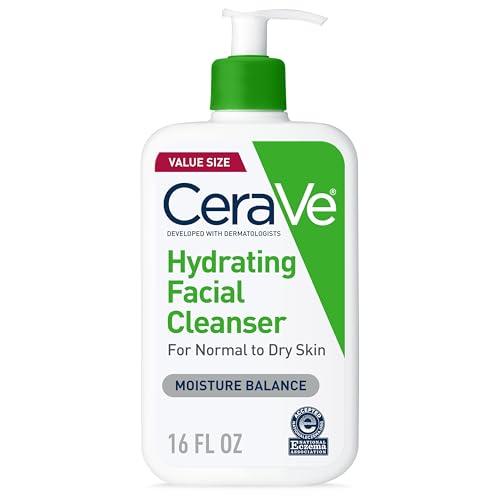
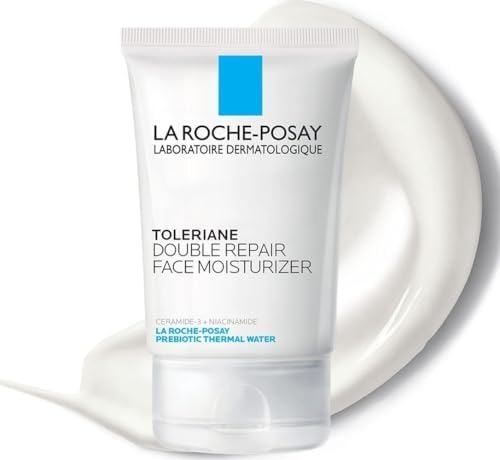
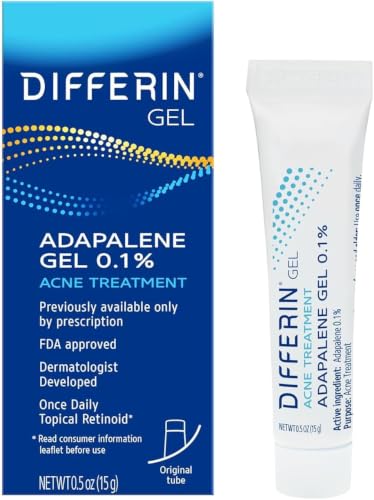
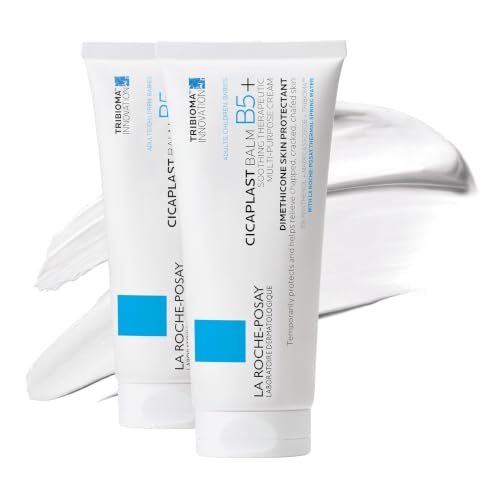
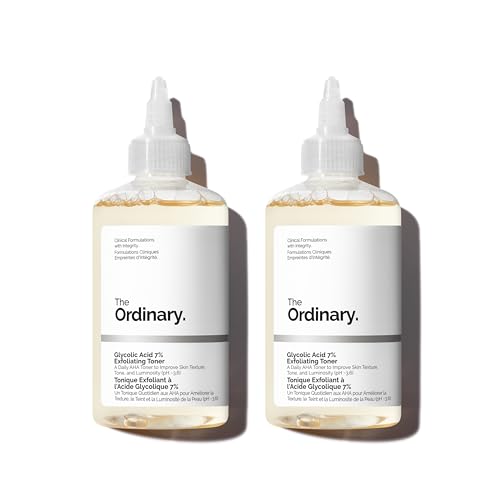
Recommended Products for a Skin Cycling Routine


Contents
- What Skin Cycling Actually Is
- Why Spacing Out Actives Works
- Skin Cycling Schedules by Skin Type
- What Two Weeks of Skin Cycling Looks Like
- The Morning-After Check: How Many Nights Off Do You Need?
- What to Use on Recovery Nights
- Choosing Your Exfoliant and Retinoid
- Common Skin Cycling Mistakes
- What Skin Cycling Cannot Do
- When to See a Dermatologist
- Frequently Asked Questions
- Where This Leaves You
What to Know First
- Skin cycling is a rotation: an exfoliation night, a retinoid night, then recovery nights with only gentle, hydrating products.
- The classic cycle uses two recovery nights, but that number is a starting point rather than a tested rule.
- No published trial has tested the four-night sequence itself, though its principles are well supported.
- A morning check for tightness, stinging, and shine tells you whether to add or remove a recovery night.
- Sensitive, rosacea-prone, and eczema-prone skin usually needs more recovery nights or a simpler routine.
- Recovery nights should skip every exfoliant and retinoid, not just swap one active for another.
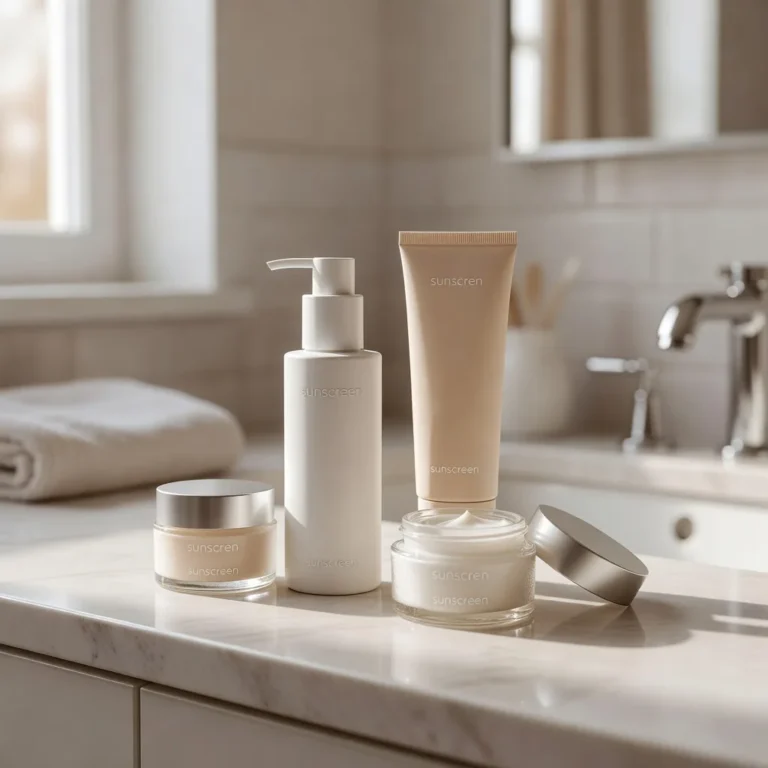
- Daily sunscreen matters throughout, because exfoliants and retinoids increase sun sensitivity.
What Skin Cycling Actually Is
Skin cycling is a nighttime schedule, not a product. You rotate through different types of nights so your strongest ingredients are spaced apart and your skin gets regular breaks.
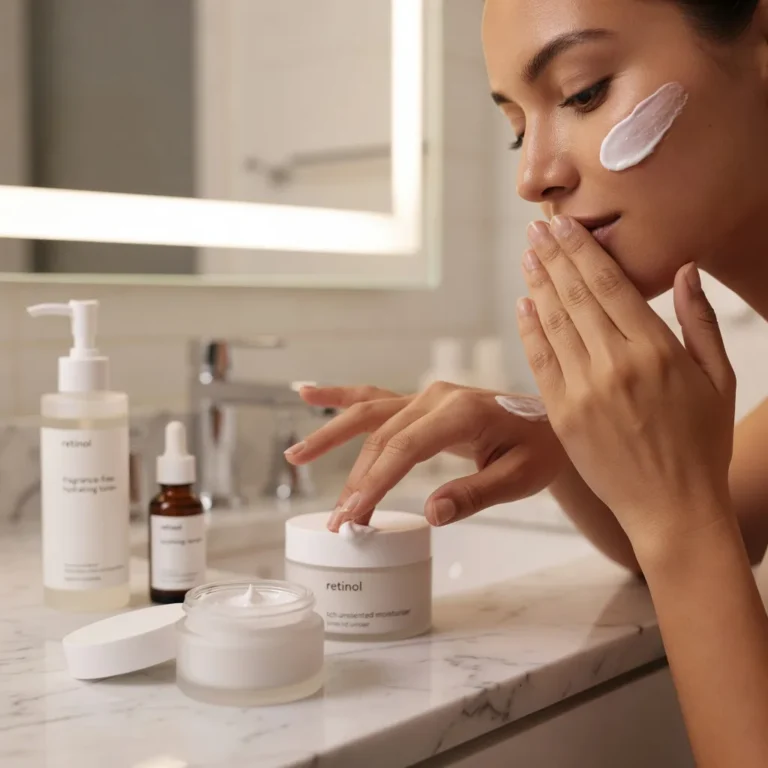
The classic cycle has four nights. Night one is exfoliation with an AHA or BHA. Night two is a retinoid. Nights three and four are recovery, when you cleanse, hydrate, and moisturize with nothing active. Then the cycle starts again.
The appeal is that it replaces a vague instruction, use actives a few times a week, with a clear pattern. For people who were layering everything nightly, simply adding structured rest is often enough to calm irritation.
Why Spacing Out Actives Works
Exfoliating acids and retinoids both speed up how quickly the outer layer of skin turns over. That is how they smooth texture, clear congestion, and fade marks. It is also why they can thin the protective barrier if used too often.
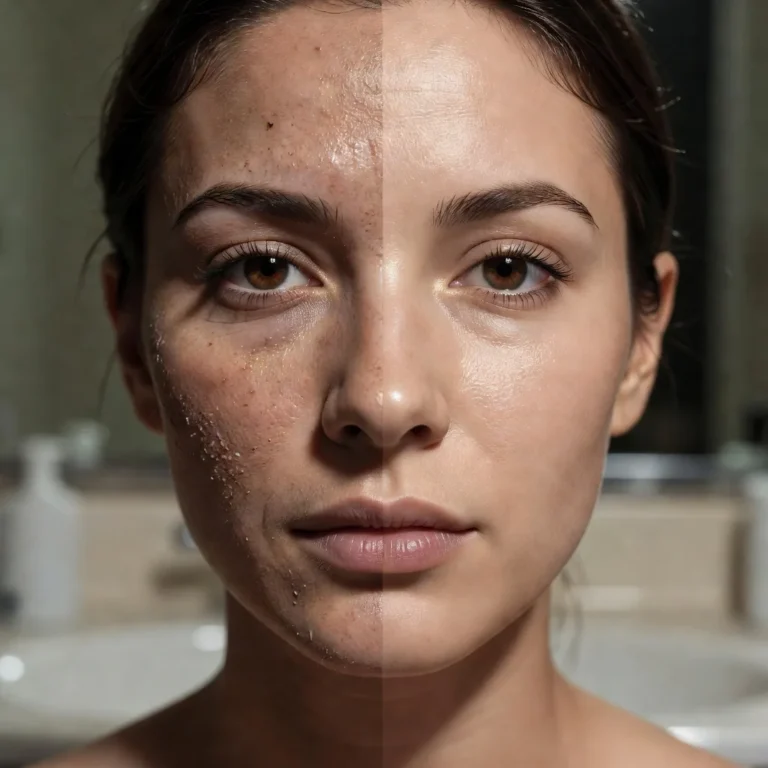
When the barrier is stressed, it loses water faster and lets irritants in more easily. You see that as tightness, stinging, redness, and flaking. Recovery nights give the barrier time to rebuild its lipids before the next active night.
There is a second benefit. Using an exfoliant and a retinoid on the same night doubles the irritation risk without clearly doubling the results. Separating them lets each do its job with less collateral damage. If you have noticed breakouts after adding more products, our guide on whether over-exfoliating can cause acne explains why.
Skin Cycling Schedules by Skin Type
The four-night cycle is only one version. Dermatologists commonly adapt it depending on how resilient your skin is.
| Schedule | Nights | Pattern | Good for |
|---|---|---|---|
| Classic | 4 | Exfoliate, retinoid, recover, recover | Most beginners, normal skin |
| Gentle | 5 to 6 | Exfoliate, recover, retinoid, recover, recover | Sensitive or dry skin |
| Retinoid-focused | 3 | Retinoid, recover, recover | Acne-prone or aging skin, no acids |
| Resilient | 3 | Exfoliate, retinoid, recover | Oily skin with long active tolerance |
| Barrier rescue | Pause | Recovery only for 1 to 2 weeks | Irritated, over-exfoliated skin |
Whichever you choose, keep it consistent for at least four weeks before changing it. Skin takes time to show whether a routine suits it.
What Two Weeks of Skin Cycling Looks Like
Seeing the schedule laid out makes it easier to follow. Here is how the classic cycle plays out across two weeks, starting on a Monday.
- Week one: Monday exfoliate, Tuesday retinoid, Wednesday recover, Thursday recover, Friday exfoliate, Saturday retinoid, Sunday recover.
- Week two: Monday recover, Tuesday exfoliate, Wednesday retinoid, Thursday recover, Friday recover, Saturday exfoliate, Sunday retinoid.
Notice that the active nights shift through the week rather than landing on the same days. Some people prefer a fixed weekly rhythm instead, such as exfoliating on Mondays, using a retinoid on Tuesdays and Fridays, and resting on the other nights. That works just as well, as long as exfoliation and retinoid nights do not overlap and you still get at least two gentle nights between the strongest steps.
Mornings stay the same throughout: a gentle cleanse or rinse, a moisturizer, and a broad-spectrum sunscreen. Vitamin C or niacinamide can fit into the morning if your skin handles them, but introduce them one at a time and pause them if your recovery-night checks start showing tightness or stinging.
The Morning-After Check: How Many Nights Off Do You Need?
This is the part that personalizes skin cycling. Instead of guessing, read your skin the morning after each active night.
Cleanse and wait five minutes
Wash with a gentle cleanser and leave your skin bare for five minutes before applying anything.
Check for tightness
Smile and raise your eyebrows. Pulling or a stretched feeling means the barrier is still stressed.
Check for stinging
Apply a plain moisturizer. Stinging or burning, even briefly, is a sign of irritation.
Check for a tight shine
A waxy, shiny look on the cheeks or forehead, especially with flaking at the edges, often means over-exfoliation.
Adjust the cycle
Any of these signs: add one recovery night next cycle. None of them for three cycles in a row: you can try removing one recovery night.
Write down the result for each active night. After two or three cycles you will see a clear pattern, and your ideal number of recovery nights becomes obvious.
What to Use on Recovery Nights
Recovery nights are not empty nights. The goal is to give the barrier everything it needs and nothing that challenges it.
Good Habits
- Cleanse gently with a non-foaming or low-foaming cleanser.
- Apply a hydrating serum with glycerin or hyaluronic acid on damp skin.
- Use a moisturizer with ceramides, cholesterol, or fatty acids.
- Add a barrier balm to dry patches if needed.
- Keep fragrance-free products if you are sensitive.
- Wear sunscreen the next morning.
Common Mistakes
- Use an exfoliating toner, pad, or scrub.
- Swap in a different active, such as vitamin C at high strength or benzoyl peroxide.
- Use a peel-off or clay mask that tugs or dries the skin.
- Pick at flakes or scrub them off.
- Use hot water to wash your face.
- Treat recovery nights as optional when your skin feels tight.
If your skin already shows signs of damage, our guide to damaged skin barrier signs covers how long recovery typically takes.
Choosing Your Exfoliant and Retinoid
The strength of your products matters as much as the schedule. A gentle cycle with harsh products can still irritate.
| Night | Beginner option | Stronger option | Notes |
|---|---|---|---|
| Exfoliation | Lactic or mandelic acid, 2% BHA | Glycolic acid 7 to 10% | BHA suits oily skin, AHA suits dry or sun-damaged skin |
| Retinoid | Over-the-counter retinol, 0.1% adapalene | Prescription tretinoin | Start with a pea-sized amount |
| Recovery | Ceramide moisturizer | Add a barrier balm | No actives at all |
Prescription users: if you use tretinoin or another prescription retinoid, follow your prescriber’s schedule. Skin cycling can be adapted, but prescription strength usually needs more recovery time, not less.
Common Skin Cycling Mistakes
Most problems with skin cycling come from small changes that undo the point of the rest nights.
- Adding a vitamin C serum, benzoyl peroxide, or acne spot treatment on recovery nights.
- Using an exfoliating cleanser every night, which quietly turns every night into an exfoliation night.
- Starting with a strong glycolic acid and a high-strength retinol at the same time.
- Changing the schedule every few days instead of giving it several weeks.
- Skipping sunscreen because actives are only used at night.
- Continuing through burning, cracking, or peeling instead of pausing.
Stop active nights if you notice: raw, burning skin, cracks around the nose or mouth, weeping patches, or swelling. Switch to recovery-only nights for one to two weeks, and see a dermatologist if symptoms do not settle.
What Skin Cycling Cannot Do
Skin cycling is a scheduling strategy, not a treatment in itself. It will not make weak or poorly chosen products more effective, and it will not replace prescription care for moderate to severe acne, melasma, or rosacea.
It can also under-dose some people. If your skin tolerates actives well, two recovery nights may mean you use a retinoid only a couple of times a week, which slows results. That is why the morning check matters: it lets resilient skin move to a shorter cycle.
Finally, the evidence gap is real. The approach is built on well-supported principles, but claims that the four-night sequence specifically produces better results than other schedules are not backed by published trials.
A realistic way to judge whether it is working is to compare photos taken in the same daylight spot at the start and after eight to twelve weeks, and to track how often you have irritated mornings. Fewer bad mornings with steady progress in texture or breakouts means the schedule suits you.
When to See a Dermatologist
See a dermatologist if:
- Your skin stays red, tight, or stinging even after two weeks of recovery-only nights.
- You have rosacea, eczema, or perioral dermatitis and want to use retinoids or acids.
- Acne is moderate to severe, painful, or scarring.
- You are pregnant, breastfeeding, or trying to conceive, since retinoids are generally avoided.
- You want to move to prescription retinoids for faster results.
If redness after exfoliating is your main issue, see our guide to facial redness after exfoliation.
Medical disclaimer: This article is for general information and is not a substitute for professional medical advice. Speak with a doctor or dermatologist before starting retinoids or acids, especially if you have a skin condition or are pregnant.
Frequently Asked Questions
What is skin cycling?
Skin cycling is a nighttime rotation of an exfoliation night, a retinoid night, and recovery nights with only gentle hydrating products.
How many nights off actives do I need?
The classic cycle uses two recovery nights, but some people need one and others need three or more. A morning check for tightness and stinging shows what your skin needs.
Who created skin cycling?
The term was coined by New York dermatologist Dr. Whitney Bowe, and it spread widely through social media.
Is skin cycling backed by research?
Its principles, such as spacing out retinoids and limiting exfoliation, are well supported, but no published study has tested the exact four-night sequence.
Can I use vitamin C on recovery nights?
It is best to keep recovery nights free of actives. Use vitamin C in the morning instead if your skin tolerates it.
Can I skin cycle with tretinoin?
Yes, with your prescriber’s guidance. Prescription retinoids often need more recovery time rather than less.
Is skin cycling good for sensitive skin?
It can help, but sensitive skin usually needs a gentler schedule with more recovery nights and milder products.
Can I skip the exfoliation night?
Yes. A retinoid-only cycle works well for many people, especially acne-prone or sensitive skin.
How long before skin cycling shows results?
Most people notice calmer skin within a few weeks and improvements in texture or breakouts after 8 to 12 weeks.
What should I do if skin cycling irritates my skin?
Switch to recovery-only nights for one to two weeks, then restart with a gentler schedule and milder products.
Where This Leaves You
Skin cycling is a practical way to use exfoliants and retinoids without overwhelming your skin. The four-night pattern is a good default, but it is a framework built on sound principles rather than a tested formula.
Use the morning check to decide how many recovery nights you actually need, keep those nights genuinely free of actives, and wear sunscreen every day. If your skin stays irritated despite rest nights, or you have a condition like rosacea or eczema, a dermatologist can tailor the schedule for you.

Written by
Registered pharmacist and founder of Facial Adviser. Rakib's pharmacy training covers how skincare actives work and interact; a later course in cosmetology turned that into a focus on facial treatments and skincare products. He plans, researches and edits every guide on the site and checks health claims against sources such as the American Academy of Dermatology, the FDA and the NIH. He is not a dermatologist; see the Editorial Policy and Medical Disclaimer.
About · Editorial policy · How we choose products · Medical disclaimer · Contact
Keep reading: Serums and actives
- 10 Best Facial Serums for Aging Skin (2026): Picks by Concern
- Can Mixing Skincare Actives Reduce Their Effectiveness?
- How to Transition to Retinol Smoothly: A 12-Week Plan That Avoids the Peel
- Niacinamide or Hyaluronic Acid: Pick Both?
- Antioxidant Facial Treatment: What Holds Up
- Vitamin C Facial: What the Real Data Shows
- 10 Best Facial Moisturizers for Dry Skin (2026): Rich, Gentle Creams
- 10 Best Face Masks for Every Skin Type (2026): Clay, Gel and Sheet