Best Way to Patch Test Skincare: Where, How Long and What Reactions Mean
A new cleanser, serum or moisturiser can look perfect on paper and still leave your face red, itchy or bumpy. A patch test is a simple way to find out whether a product suits you before it goes all over your face, and it takes only a few days of patience.
Part of our guide to skincare routines and ingredients. Start with: Best Skin Care Routine: Simple AM and PM Steps for Every Skin Type
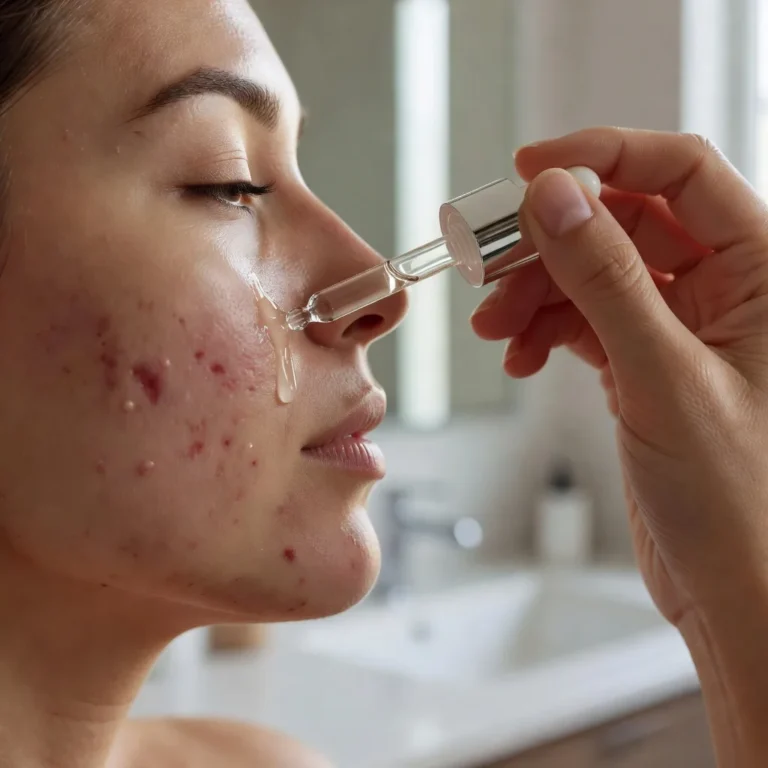
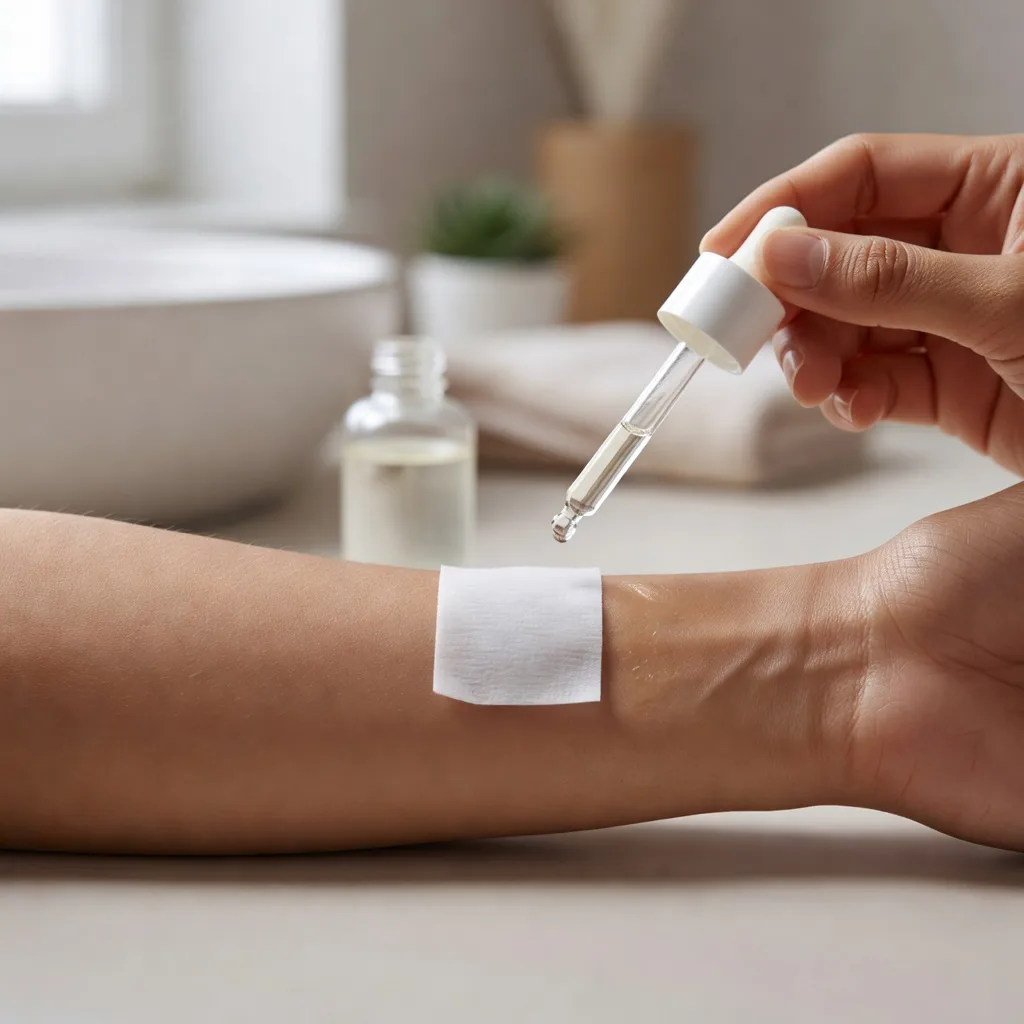
The best way to patch test skincare is to apply a small amount of the product to the same small area of skin, such as the inner forearm, behind the ear or along the jawline, once or twice a day for five to seven days, using it exactly as you would on your face. This is called a repeat open application test. If there is no redness, itching, burning, swelling or bumps by the end, the product is unlikely to cause an allergic reaction, although it is not a guarantee. Stop immediately and wash the area if you notice a reaction, and test only one new product at a time.
In short: same spot, small amount, daily for about a week, one product at a time.
The US Food and Drug Administration explains that allergic reactions to cosmetics most often appear as itchy, red rashes, known as contact dermatitis, and that common culprits include fragrances, preservatives and dyes.
This guide explains where to test, how long to wait, how to read what you see and when a reaction means you should stop or see a doctor.
Shopping these picks?
Amazon Prime members get fast, free shipping on eligible items, plus Prime Video, Amazon Music and member deals. New members can start with a free trial.
Start a free Prime trialAged 18 to 24? Prime for Young Adults comes with a longer free trial and a lower price after it.
Affiliate link: we may earn a commission at no extra cost to you.
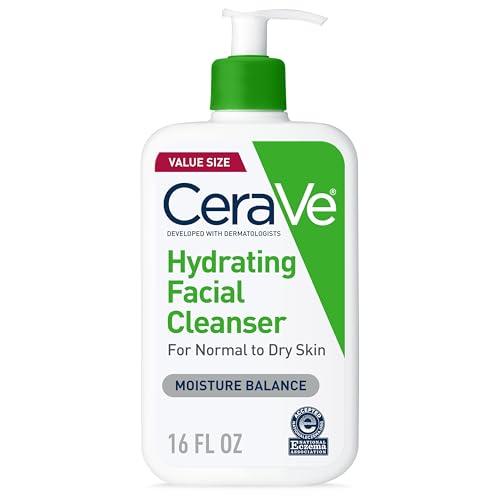
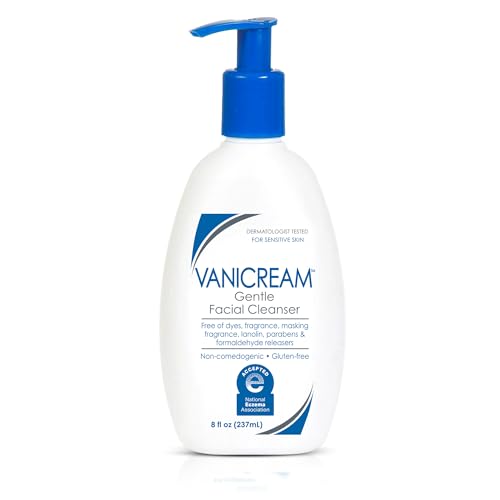
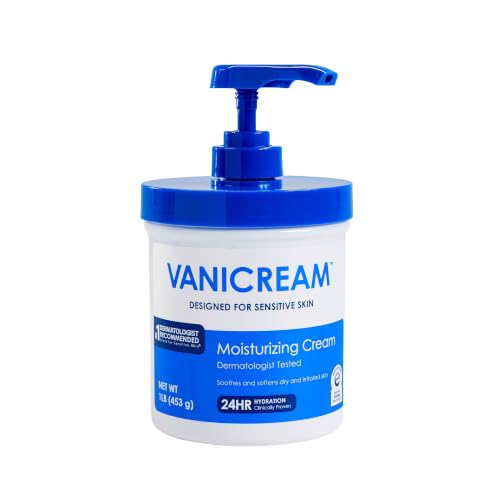
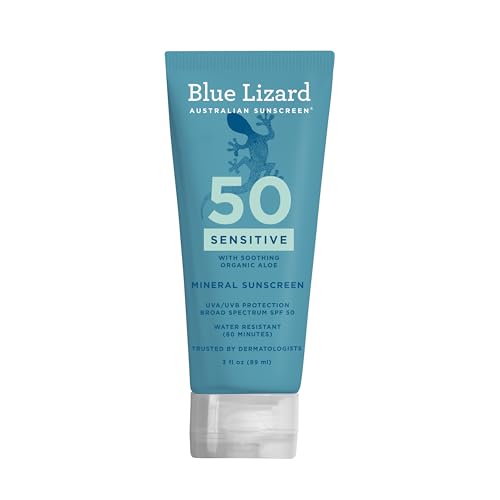
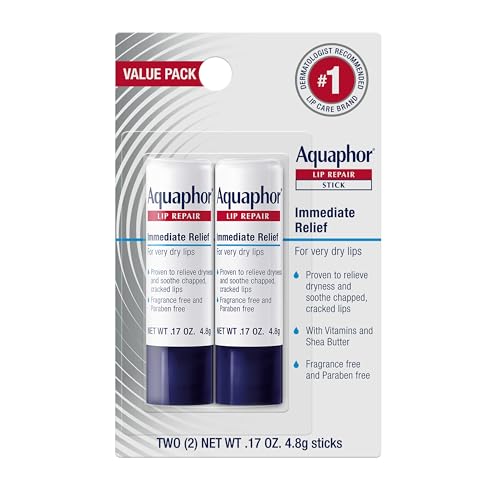
Recommended Gentle Skincare for Sensitive Skin on Amazon


Contents
- Why Patch Testing Is Worth the Wait
- Where to Patch Test: Inner Arm, Behind the Ear or Jawline
- How Long Should a Patch Test Last?
- The Repeat Open Application Test Explained
- How to Patch Test a New Skincare Product Step by Step
- How to Read Patch Test Reactions
- When to Stop a Patch Test Immediately
- Which Products Most Need a Patch Test
- What to Do After a Clear Patch Test
- Dos and Don’ts
- Honest Limits
- When to See a Dermatologist
- FAQ
- Final Word
Key Takeaways
- Test on the inner arm, behind the ear or the jawline.
- Apply the product daily to the same spot for five to seven days.
- Use it the way you would on your face, leave-on or rinse-off.
- Test only one new product at a time.
- Redness, itching, burning, swelling or bumps mean stop.
- A clear patch test lowers the risk but does not rule out reactions.
- Severe swelling or breathing problems need urgent medical help.
Why Patch Testing Is Worth the Wait
Most people use skincare for years without a problem, but reactions are common enough that a few days of testing can save weeks of irritated skin. Patch testing is most useful if you have sensitive skin, eczema, rosacea or a history of reacting to cosmetics, and whenever a product contains active ingredients or fragrance.
There are two main types of reaction. Irritant reactions happen when a product is simply too harsh, for example a strong acid or a high-alcohol toner, and they often appear within minutes or hours. Allergic reactions happen when your immune system reacts to a specific ingredient and usually take one to three days, sometimes longer, to show. A good home patch test is designed to catch both.
Testing also makes it easier to identify the cause. If you start three new products at once and your face reacts, you cannot tell which one is responsible.
Where to Patch Test: Inner Arm, Behind the Ear or Jawline
The best spot depends on the product and how sensitive your face is. Thinner skin reacts more like facial skin, so it gives a more realistic result.
| Test area | Best for | Pros | Cons |
|---|---|---|---|
| Inner forearm or inner elbow | First test of any product | Easy to see, rarely irritated by other products | Thicker than facial skin; may miss mild facial irritation |
| Behind the ear | Leave-on facial products | Thin skin, discreet, close to facial skin | Hair products and glasses can interfere |
| Side of the neck | Moisturisers and serums | Sensitive, similar to lower face | Can be rubbed by collars or scarves |
| Jawline or small area of the face | Final check before full use | Most realistic result | A reaction will be visible on your face |
A sensible approach for sensitive skin is two stages: test on the inner arm first, and if that is clear, test on a small area of the jawline or behind the ear for a few more days before applying it all over.
How Long Should a Patch Test Last?
A quick dab and a few hours of waiting is not enough. Allergic reactions often take a day or more to appear, and some only develop after repeated use.
- Minimum: apply for at least 48 to 72 hours before judging the result.
- Better: repeat daily for five to seven days, known as a repeat open application test.
- Rinse-off products: apply, leave for the time you normally would, then rinse, and repeat daily.
- Acids, retinoids and vitamin C: test for a full week, as irritation can build gradually.
- Hair and body products used near the face: test behind the ear or on the neck.
Professional patch testing by a dermatologist is different. The FDA explains that it involves applying specific allergens to the skin for 48 hours and checking the reaction over 72 to 96 hours. It can identify the exact ingredient you react to, which home testing cannot.
The Repeat Open Application Test Explained
The repeat open application test, often shortened to ROAT, is the most practical home method because it copies real use. Instead of applying a product once, you apply it to the same spot repeatedly without covering it.
- Choose a spot about the size of a large coin.
- Apply a small amount of the product once or twice a day.
- Leave it uncovered, just as you would on your face.
- Do not wash the spot with a new or scented cleanser during the test.
- Keep going for five to seven days unless a reaction appears.
- Take a quick photo each day so you can compare changes.
Leave-on products such as serums, moisturisers and sunscreens are best tested this way. For a strong acid or exfoliant, remember the FDA notes that alpha hydroxy acids can increase sun sensitivity, so test on an area that stays covered from the sun or use it only in the evening, as the FDA page on AHAs advises sun protection while using them.
How to Patch Test a New Skincare Product Step by Step
Follow these steps for any new product, especially if your skin is sensitive or you have reacted to cosmetics before.
Check the ingredient list
Look for known triggers such as fragrance, essential oils or ingredients you have reacted to before.
Choose one product
Test a single new product so any reaction is easy to trace.
Pick a test spot
Start on the inner forearm, then move to behind the ear or the jawline.
Clean and dry the area
Wash with your usual gentle cleanser and pat dry.
Apply a small amount
Use a thin layer on a coin-sized area, as you would on your face.
Repeat daily
Apply once or twice a day for five to seven days.
Check the spot
Look for redness, itching, bumps, swelling or dryness each day.
Decide
If the area stays calm, introduce the product slowly on your face; if not, stop.
Keep a simple note on your phone with the product name, start date and what you noticed. If you react later, the record makes it much easier for you or a dermatologist to spot the ingredient you have in common.
How to Read Patch Test Reactions
Not every sensation means you are allergic. Some active ingredients cause brief tingling that settles, while true reactions tend to get worse with each application.
| What you see or feel | What it may mean | What to do |
|---|---|---|
| Nothing at all | Low risk of reaction | Introduce slowly on the face |
| Brief tingling that fades within minutes | Common with acids or vitamin C | Continue carefully; stop if it worsens |
| Dryness or mild flaking | Mild irritation | Use less often or choose a gentler formula |
| Redness, itching or burning | Irritant or allergic reaction | Stop and wash off |
| Small bumps or a rash | Likely allergic contact dermatitis | Stop and avoid the product |
| Swelling, blisters or oozing | Stronger reaction | Stop and seek medical advice |
| Reaction spreading beyond the test area | Possible allergy | Stop and see a doctor |
Delayed reactions matter. A spot that looks fine on day two and turns red and itchy on day four still counts as a failed test.
When to Stop a Patch Test Immediately
Most reactions are mild and settle within a few days of stopping the product, but some need prompt attention.
Wash the product off straight away if you notice burning, swelling, blistering or spreading redness. Seek urgent medical help if you develop facial or lip swelling, hives over large areas, wheezing or difficulty breathing, because the FDA notes that severe allergic reactions to cosmetics, though rare, can be life-threatening.
After stopping, rinse the area with lukewarm water, avoid scratching and use only a plain, fragrance-free moisturiser until the skin settles. Do not try the same product again on your face. The FDA page on allergens in cosmetics lists common trigger groups, including fragrances, preservatives, dyes and metals, and explains how to report a reaction.
Which Products Most Need a Patch Test
Ideally you would test everything new, but some products carry a higher chance of trouble and deserve extra care.
- Anything with fragrance or essential oils, a common cause of cosmetic allergies.
- Products with strong actives such as acids, retinoids or high-strength vitamin C.
- Hair dyes and products applied near the hairline.
- Sunscreens, especially if you have reacted to one before.
- Natural or homemade products, since plant extracts can also cause allergies.
- Any product labelled hypoallergenic, which is not a guarantee of no reaction.
Reading labels helps you avoid obvious triggers before you start. Our guides on how to spot fragrance in an ingredient list and what hypoallergenic really means explain what to look for.
What to Do After a Clear Patch Test
A clear result is a green light to start, not to go all in. Introducing the product gradually gives your face the chance to adjust and lets you catch any reaction early.
- Use the product every other day for the first week or two.
- Apply a thin layer rather than a generous one at first.
- Keep the rest of your routine simple and familiar while you introduce it.
- Wait two to four weeks before adding another new product.
- Stop if you notice new redness, itching or breakouts, even weeks later.
If you want to check products for hidden scent before testing, our guide on how to test for fragrance-free cosmetics explains what the labels really mean.
Dos and Don’ts
Do
- Test one new product at a time
- Use the same spot for five to seven days
- Apply the product as you normally would
- Check the area daily, including for delayed reactions
- Keep a simple record of results
Don’t
- Judge a product after just a few hours
- Start several new products together
- Test on broken, sunburned or irritated skin
- Ignore itching or bumps because the product was expensive
- Assume natural or hypoallergenic means reaction-free
Honest Limits
A home patch test lowers the chance of a bad reaction, but it cannot guarantee a product is safe for you. Skin on the arm is thicker than facial skin, the test area is small and some allergies only appear after weeks or months of use. You can also become allergic to an ingredient you have used happily for years.
Home testing also cannot tell you which ingredient caused a reaction. If you react to several products, or reactions keep coming back, professional patch testing by a dermatologist is the reliable way to identify the specific allergen so you can avoid it in future.
When to See a Dermatologist
- You react to many different products or cannot find anything that feels comfortable.
- A rash lasts more than a week after stopping the product.
- You have eczema, rosacea or very sensitive skin and want professional patch testing.
- You develop blisters, swelling or a reaction that spreads.
This article is for general information and does not replace professional medical advice. Seek urgent care for swelling of the face or lips or difficulty breathing, and see a board-certified dermatologist for repeated or severe skin reactions.
FAQ
Where is the best place to patch test skincare?
The inner forearm first, then behind the ear or the jawline.
How long should I patch test a product?
Daily for five to seven days, and at least 48 to 72 hours.
What is a repeat open application test?
Applying a product to the same spot daily for about a week, uncovered.
Can I patch test more than one product at once?
It is better to test one at a time, or use clearly separate areas.
Is tingling a sign of allergy?
Not always; brief tingling from acids is common, but worsening burning is not.
Do I need to patch test rinse-off products?
Yes, apply and rinse as normal each day.
What does a failed patch test look like?
Redness, itching, bumps, swelling or burning at the test spot.
Does a clear patch test mean I will never react?
No, it lowers the risk but is not a guarantee.
Do hypoallergenic products need patch testing?
Yes, hypoallergenic does not mean no one can react.
Should I patch test on my face?
After a clear arm test, a small jawline test is a good final check.
Final Word
The best way to patch test skincare is to apply a small amount of one new product to the same spot, such as the inner arm, behind the ear or the jawline, every day for five to seven days, and watch for redness, itching, bumps or swelling.
Stop at the first sign of a reaction, introduce clear products slowly, and see a dermatologist if reactions keep happening so the exact trigger can be identified.

Written by
Registered pharmacist and founder of Facial Adviser. Rakib's pharmacy training covers how skincare actives work and interact; a later course in cosmetology turned that into a focus on facial treatments and skincare products. He plans, researches and edits every guide on the site and checks health claims against sources such as the American Academy of Dermatology, the FDA and the NIH. He is not a dermatologist; see the Editorial Policy and Medical Disclaimer.
About · Editorial policy · How we choose products · Medical disclaimer · Contact
Keep reading: Skincare routine basics
- Best Skin Care Routine: Simple AM and PM Steps for Every Skin Type
- Does Skin Get Used to Skincare Products? The Truth About Tolerance
- Morning vs Night Skincare Routine: The Right Order Explained
- Is Alcohol Always Bad in Skincare? Good vs Drying Alcohols
- Best Skincare Layering Order for Beginners: Simple AM and PM Routines
- Waterless Skincare: Real Benefits and Marketing Myths