Best Skincare Layering Order for Beginners: Simple AM and PM Routines
A new skincare routine can feel confusing when every product promises results and every video uses a different order. The good news is that beginners do not need many products or a complicated system. A few basics applied in the right order will do most of the work, and getting the order right helps each product absorb and do its job.
Part of our guide to skincare routines and ingredients. Start with: Best Skin Care Routine: Simple AM and PM Steps for Every Skin Type
The best skincare layering order for beginners is to go from thinnest to thickest texture. In the morning, use a gentle cleanser, a vitamin C or other serum if you want one, a moisturiser and finally a broad-spectrum sunscreen of SPF 30 or higher. At night, cleanse, apply a treatment such as retinol on dry skin a few nights a week, then moisturise. Waiting about a minute between layers is usually enough. Avoid using retinol and exfoliating acids on the same night at first, introduce one new product at a time and always put sunscreen last in the morning, since it needs to sit on top to protect your skin.
In short: cleanse, treat, moisturise, then protect with SPF in the morning.
The American Academy of Dermatology recommends a broad-spectrum, water-resistant sunscreen of SPF 30 or higher for exposed skin, which is why SPF is the one step every beginner should keep.
This guide explains the thinnest-to-thickest rule, gives simple morning and night routines, covers wait times and combinations to avoid and shows how to build a routine one step at a time.
Shopping these picks?
Amazon Prime members get fast, free shipping on eligible items, plus Prime Video, Amazon Music and member deals. New members can start with a free trial.
Start a free Prime trialAged 18 to 24? Prime for Young Adults comes with a longer free trial and a lower price after it.
Affiliate link: we may earn a commission at no extra cost to you.
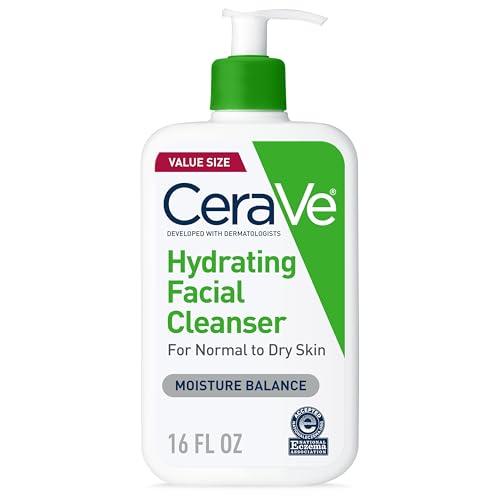
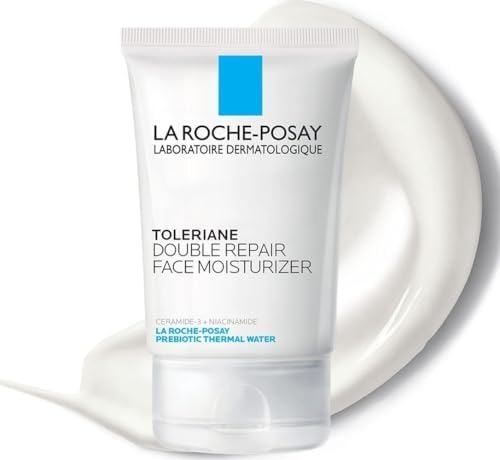
Recommended Beginner Skincare Basics on Amazon
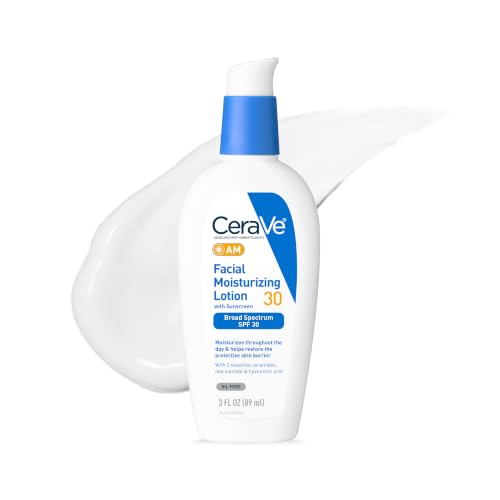

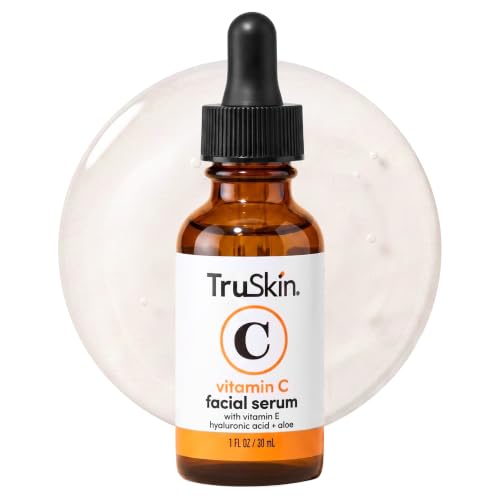
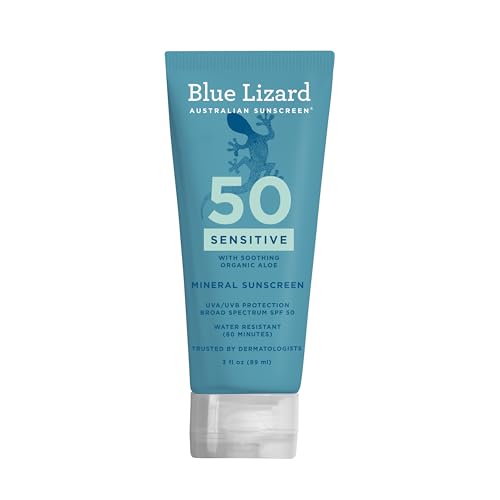
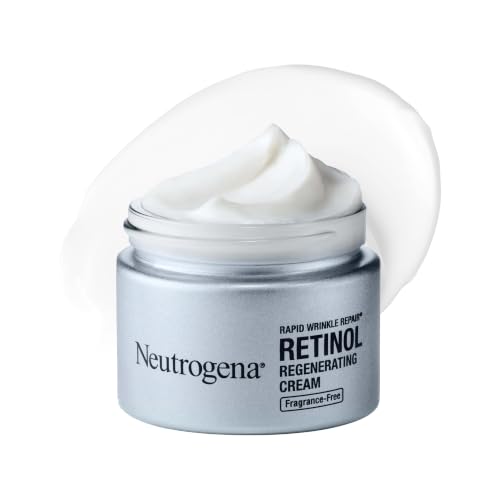
Quick Answer
- Layer products from thinnest to thickest.
- Morning: cleanser, serum, moisturiser, sunscreen.
- Night: cleanser, treatment such as retinol, moisturiser.
- Sunscreen always goes last in the morning.
- About a minute between layers is usually enough.
- Do not start retinol and acids together; add one product at a time.
- Four or five basics are enough for most beginners.
In This Guide
- The Thinnest to Thickest Rule
- The Five Basics Every Beginner Needs
- Morning Routine Order
- Night Routine Order
- How Long to Wait Between Layers
- What Not to Mix as a Beginner
- Why SPF Always Goes Last in the Morning
- How to Layer Skincare as a Beginner
- Adjusting the Order for Your Skin Type
- Dos and Don’ts
- Honest Limits
- When to See a Dermatologist
- Frequently Asked Questions
- The Bottom Line
The Thinnest to Thickest Rule
The simplest way to remember the order is by texture. Watery, light products go on first, and richer, thicker products go on top. Thin products can then reach the skin instead of being blocked by a heavy cream, while thicker products help seal everything in.
| Order | Product type | Texture | Why it goes here |
|---|---|---|---|
| 1 | Cleanser | Gel, cream or foam | Removes oil, sweat, sunscreen and makeup |
| 2 | Toner or essence (optional) | Watery | Adds light hydration before other layers |
| 3 | Serum or treatment | Thin, fluid | Targets concerns such as dullness or marks |
| 4 | Eye cream (optional) | Light cream | Treats the delicate under-eye area |
| 5 | Moisturiser | Lotion, gel or cream | Hydrates and supports the skin barrier |
| 6 | Face oil (optional) | Oil | Seals in moisture on dry skin |
| 7 | Sunscreen (morning only) | Lotion or fluid | Must sit on top to protect from UV |
There are exceptions. Prescription treatments sometimes come with their own instructions, and some people prefer to apply sunscreen before a very rich balm. When a product label or a doctor gives a specific order, follow that instead of the general rule.
The Five Basics Every Beginner Needs
Beginners get the best results by keeping things simple. You do not need a ten-step routine. These basics cover cleansing, hydration, protection and one or two targeted treatments.
- Gentle cleanser: a fragrance-free, non-stripping formula that leaves skin comfortable, not tight.
- Moisturiser: a lotion or gel for oily skin, a cream for dry skin.
- Sunscreen: broad-spectrum SPF 30 or higher for daily use.
- Vitamin C serum (optional, morning): an antioxidant that can help brighten dull skin.
- Retinol (optional, night): a vitamin A derivative for texture, fine lines and clogged pores, introduced slowly.
Start with cleanser, moisturiser and sunscreen for two to four weeks. Once your skin is happy with those, add one treatment at a time so you can tell what helps and what irritates. If you add two new products in the same week and your skin reacts, you will not know which one caused it, and you may end up throwing away something that would have suited you.
Choose textures that suit your skin rather than the most popular product. A light gel moisturiser can feel perfect on oily skin but leave dry skin tight, while a rich cream that comforts dry skin can feel heavy and clog pores on oily or acne-prone skin.
Morning Routine Order
The morning routine is about protection. The goal is to leave clean, hydrated skin with a strong layer of sunscreen on top.
- Cleanse: a gentle cleanser or just water if your skin is dry and you cleansed well at night.
- Serum: vitamin C or a hydrating serum on dry or slightly damp skin.
- Moisturiser: a light layer, especially if you are wearing makeup.
- Sunscreen: a generous layer as the final skincare step, then makeup if you wear it.
Our guide on morning vs night skincare routine order explains in more detail why some products work better at certain times of day.
Night Routine Order
The night routine is about cleansing away the day and using treatments that do not need to face the sun. It is also when skin is not exposed to UV, which is why retinol is usually used at night.
- Remove makeup and sunscreen: use a cleansing balm, oil or micellar water first if you wear heavy makeup.
- Cleanse: a gentle cleanser to remove what is left.
- Treat: retinol or another treatment on dry skin, a pea-sized amount for the whole face.
- Moisturise: a cream or lotion to reduce dryness and support the barrier.
Retinol can cause dryness, flaking and redness in the first weeks. Starting two or three nights a week and increasing slowly helps. Our guide on how to transition to retinol smoothly gives a week-by-week plan.
How Long to Wait Between Layers
Wait times are often exaggerated online. For most over-the-counter products, you do not need to wait many minutes between steps.
| Between | Suggested wait | Why |
|---|---|---|
| Cleanser and serum | Until skin is comfortable, about a minute | Damp skin is fine for most serums |
| Serum and moisturiser | About a minute | Lets the serum spread and settle |
| Retinol and moisturiser | A few minutes, or moisturise first if sensitive | Reduces irritation for some people |
| Moisturiser and sunscreen | A few minutes | Helps sunscreen form an even film |
| Sunscreen and makeup | A few minutes | Prevents pilling and patchiness |
If products roll into little balls when you rub them in, you are probably using too much, rubbing too hard or layering formulas that do not work well together. Our guide on how to avoid pilling when layering explains how to fix it.
What Not to Mix as a Beginner
Most skincare ingredients are safe together, but some combinations can cause irritation when used at the same time, especially on new or sensitive skin.
- Retinol with exfoliating acids (AHA or BHA): use on different nights, not together.
- Retinol with benzoyl peroxide: some forms can reduce each other’s effect or increase irritation; separate them or ask a doctor.
- Several exfoliants at once: one acid product is plenty for a beginner.
- Vitamin C with retinol: often easier to use vitamin C in the morning and retinol at night.
- Physical scrubs on nights you use retinol or acids.
Exfoliating acids such as glycolic and lactic acid can make skin more sensitive to the sun. The FDA’s page on alpha hydroxy acids advises using sun protection while using these products. Stop any product that causes burning, swelling or a rash.
Why SPF Always Goes Last in the Morning
Sunscreen needs to form an even film on top of the skin to protect it. If you put a serum or moisturiser over it, you can thin or disturb that film and reduce the protection.
The AAD guide on how to apply sunscreen recommends applying enough to cover all exposed skin and reapplying about every two hours outdoors, or after swimming or sweating. Most people use too little on the face, so be generous and include the ears and neck.
If you wear makeup, let sunscreen set for a few minutes and press foundation on with a sponge rather than rubbing. This keeps the sunscreen layer more even underneath.
How to Layer Skincare as a Beginner
Follow these steps to build a routine that works for your skin without overwhelming it.
Start with three basics
Use a gentle cleanser, moisturiser and SPF 30 sunscreen for two to four weeks.
Learn your skin type
Notice whether your skin feels oily, dry, combination or sensitive through the day.
Add one treatment
Introduce vitamin C in the morning or retinol at night, not both at once.
Patch test first
Try each new product on a small area for a few days.
Layer thin to thick
Cleanser, serum, moisturiser, then sunscreen in the morning.
Wait briefly between layers
Give each product about a minute to settle.
Go slow with retinol
Use it two or three nights a week at first and moisturise after.
Review after a few weeks
Keep what helps and drop anything that irritates.
Adjusting the Order for Your Skin Type
The basic order stays the same for everyone, but the products and amounts in each step can change depending on your skin type.
- Oily skin: a gel cleanser, a light serum, an oil-free gel moisturiser and a fluid sunscreen. You may not need a face oil at all.
- Dry skin: a cream cleanser, a hydrating serum on damp skin, a richer cream and, if you like, a few drops of face oil at night.
- Combination skin: a light moisturiser all over, with a little extra cream on dry cheeks.
- Sensitive skin: fewer products, fragrance-free formulas and very slow introduction of retinol or vitamin C.
- Acne-prone skin: non-comedogenic products and a gentle cleanser, without scrubbing.
If you have acne-prone skin, the AAD’s acne tips suggest washing gently with fingertips, avoiding scrubs and choosing products labelled non-comedogenic or oil-free. That fits neatly into a simple layering routine: the order does not change, only the textures do.
Your skin can also change with the seasons. Many people need a lighter moisturiser in summer and a richer one in winter, while the order of the steps stays exactly the same.
Dos and Don’ts
Helps
- Keep your routine short and simple
- Apply products thinnest to thickest
- Use sunscreen every morning
- Add one new product at a time
- Patch test new products
Backfires
- Start several active products at once
- Use retinol and acids on the same night
- Put sunscreen under your moisturiser
- Scrub or exfoliate every day
- Keep using a product that stings or burns
Honest Limits
Layering order helps products absorb and work together, but it will not turn a product that does not suit your skin into one that does. The ingredients, their strength and how consistently you use them matter far more than the exact order.
Results also take time. Moisturiser and sunscreen help immediately, but changes from vitamin C or retinol usually take weeks to months to become visible, and some people see only modest changes. No routine can undo years of sun damage quickly, and more products do not mean better skin; a simple routine used every day usually beats a long one used now and then. Marketing terms such as clinical, medical grade or dermatologist approved are not a guarantee of results, so judge products by how your own skin responds over several weeks.
When to See a Dermatologist
- Your skin stays red, itchy or flaky after a few weeks of a simple routine.
- You have acne that does not improve with basic care.
- You want prescription-strength treatments for acne, pigmentation or ageing.
- You have eczema, rosacea or very sensitive skin and struggle to find products.
- You notice a new or changing mole or spot.
This article is for general information and does not replace professional medical advice. Patch test new products, and see a board-certified dermatologist for skin conditions, persistent irritation or before starting treatments if you are pregnant or breastfeeding.
Frequently Asked Questions
What is the correct order to apply skincare?
Cleanser, serum, moisturiser, then sunscreen in the morning.
Do you apply serum before or after moisturiser?
Before, because it is thinner.
Does sunscreen go before or after moisturiser?
After; sunscreen is the last skincare step.
How long should I wait between skincare layers?
About a minute is usually enough.
Should I use vitamin C in the morning or at night?
Many people prefer the morning, under sunscreen.
When should beginners use retinol?
At night, two or three times a week at first.
Can I use retinol and vitamin C together?
It is easier to use them at different times of day.
Do beginners need toner?
No, it is optional.
How many products does a beginner need?
Three to five: cleanser, moisturiser, sunscreen and one or two treatments.
Do I need to cleanse in the morning?
A gentle cleanse or water rinse is enough for many people.
The Bottom Line
The best skincare layering order for beginners is simple: cleanse, treat, moisturise and finish with sunscreen in the morning, and cleanse, treat and moisturise at night.
Go from thinnest to thickest, add one new product at a time, keep retinol and acids apart and make daily sunscreen the one step you never skip.

Written by
Registered pharmacist and founder of Facial Adviser. Rakib's pharmacy training covers how skincare actives work and interact; a later course in cosmetology turned that into a focus on facial treatments and skincare products. He plans, researches and edits every guide on the site and checks health claims against sources such as the American Academy of Dermatology, the FDA and the NIH. He is not a dermatologist; see the Editorial Policy and Medical Disclaimer.
About · Editorial policy · How we choose products · Medical disclaimer · Contact
Keep reading: Skincare routine basics
- Best Skin Care Routine: Simple AM and PM Steps for Every Skin Type
- Waterless Skincare: Real Benefits and Marketing Myths
- How to Adjust Your Skincare Routine for Seasonal Changes
- How to Look After Your Skin on Travel Days
- How to Simplify Your Skincare Routine Without Losing Results
- Best Facial Skincare Tips: Evidence-Based Habits Dermatologists Recommend