
Oil Cleansing Method: How to Do It and Who Should Skip It
The oil cleansing method sounds backwards at first. You rub oil on your face to clean it, and you do it on purpose, even if your skin is already oily.
Part of our guide to skincare products. Start with: 10 Best Facial Cleansers for Combination Skin (2026): Balanced Picks
Yet millions of people use some version of this method, from Korean double cleansing routines to simple evening cleanses with a bottle of cleansing oil. It is an old idea with a modern twist.
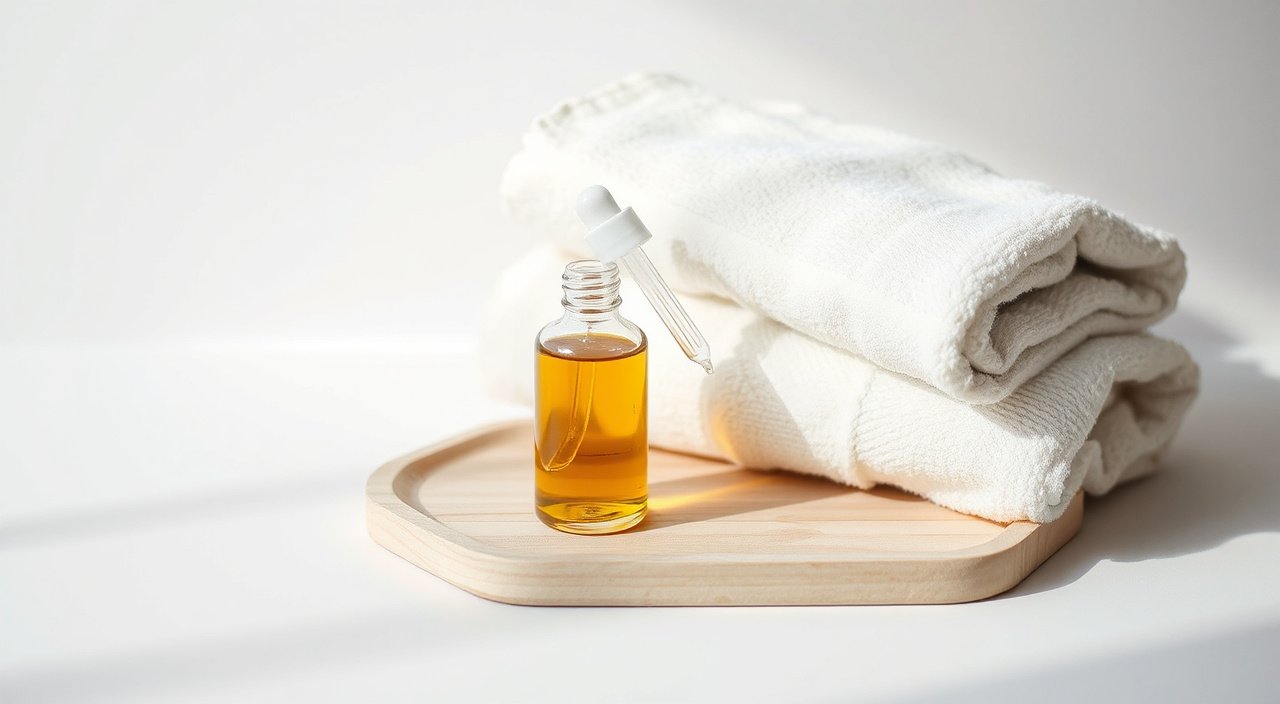
The idea is based on a basic chemistry principle: like dissolves like. Makeup, sunscreen and the natural oil on your skin are mostly oil-based, so an oil can dissolve them more effectively than water or foaming cleansers alone. Once the oil has lifted everything, you rinse it away with water.
Black Friday is coming: shop the deals with Prime
Used well, the method can leave skin feeling soft and comfortable, and it is excellent at removing waterproof makeup and sunscreen. Used badly, it can leave a greasy film, clog pores or irritate the eyes. Some people, especially those with certain types of acne, should skip it entirely.
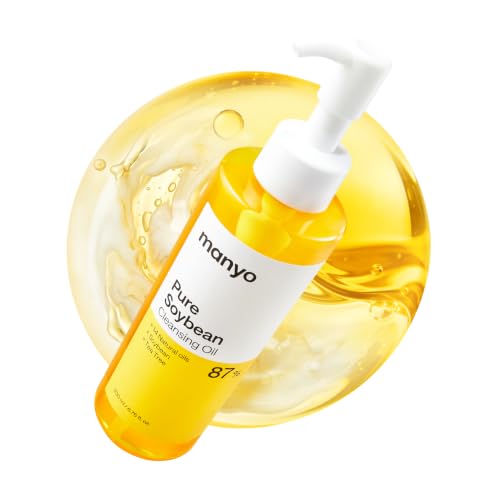
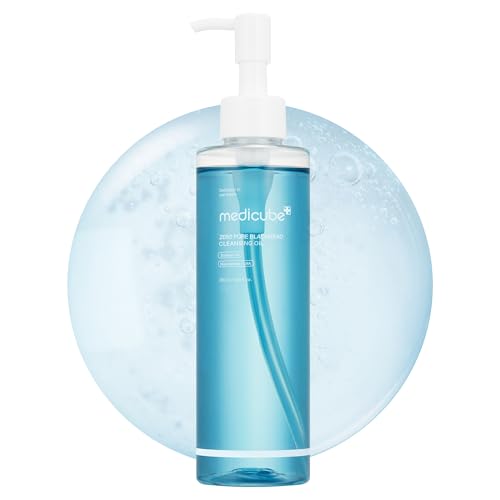
In this guide we explain how the method works, give a step-by-step routine, explain who it suits and who should skip it, and list seven popular cleansing oils. We describe the products from their listings and general knowledge, so check the label for allergens before buying.
If you decide to try it, start slowly and judge the results over a few weeks rather than a single night. Patch test any new oil first.
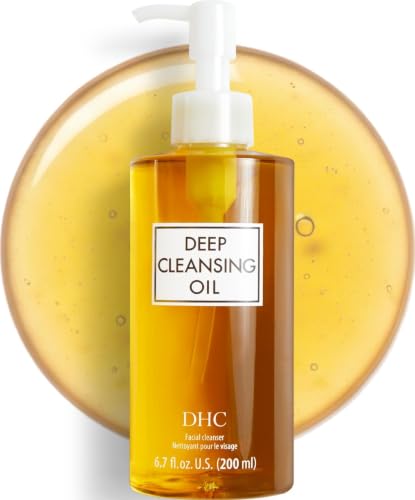
Cleansing Oils Worth Knowing About


Quick Answer
- Oil cleansing uses oil to dissolve makeup, sunscreen and sebum, then water to rinse it away.
- Use a purpose-made cleansing oil that emulsifies with water, not a heavy cooking oil.
- Apply to dry skin, massage for a minute, add water to emulsify, then rinse thoroughly.
- Follow with a gentle water-based cleanser if you wear makeup or sunscreen.
- Rich oils can clog pores or feed yeast in people prone to fungal acne.
- Avoid getting oil in the eyes and remove contact lenses first.
- See a doctor if you get persistent breakouts, rash or eye irritation.
Contents
- What the Oil Cleansing Method Is
- How Oil Cleansing Works
- Step-by-Step: How to Do It
- Which Oils Work and Which Do Not
- Which Skin Types Benefit
- DIY Oil Blends vs Commercial Cleansing Oils
- Who Should Skip It
- Common Mistakes
- How It Fits Into a Routine
- Honest Limits
- Using Oil Cleanser Around the Eyes
- When to See a Professional
- FAQ
- Final Word
What the Oil Cleansing Method Is
The oil cleansing method means washing your face with an oil-based cleanser instead of, or before, a water-based one. A small amount of oil is massaged into dry skin, where it dissolves oil-soluble substances such as makeup, sunscreen and sebum.
Water is then added, and the oil emulsifies, which means it turns milky and rinses away.
The method has roots in traditional beauty routines around the world, and it became popular in the West through natural-beauty blogs, then in Korea through double cleansing routines. In double cleansing, the oil step comes first and a gentle water-based cleanser follows to remove any leftovers.
Today there are two main versions. The first is the do-it-yourself approach, in which people mix oils at home. The second uses commercial cleansing oils that contain emulsifiers, so they rinse clean. For most people, the commercial version is easier and more predictable.
How Oil Cleansing Works
Oil cleansers contain a base oil, such as mineral oil, plant oils or esters, plus a surfactant that helps the oil mix with water. When you massage the oil into dry skin, it dissolves makeup, waterproof sunscreen and excess sebum.
When you add water, the surfactant lets the oil break into tiny droplets that rinse away with the dirt it has picked up.
| Step | What happens | Why it matters |
|---|---|---|
| Massage on dry skin | Oil dissolves oil-based dirt | Wet skin reduces this effect |
| Add water | Oil emulsifies and turns milky | Allows a clean rinse |
| Rinse | Oil and dirt wash away | Prevents a greasy film |
| Second cleanse | Water-based cleanser removes leftovers | Optional on makeup-free days |
This is why a purpose-made cleansing oil usually rinses cleaner than plain olive or coconut oil. Plain oils do not emulsify well and may leave a film.
Step-by-Step: How to Do It
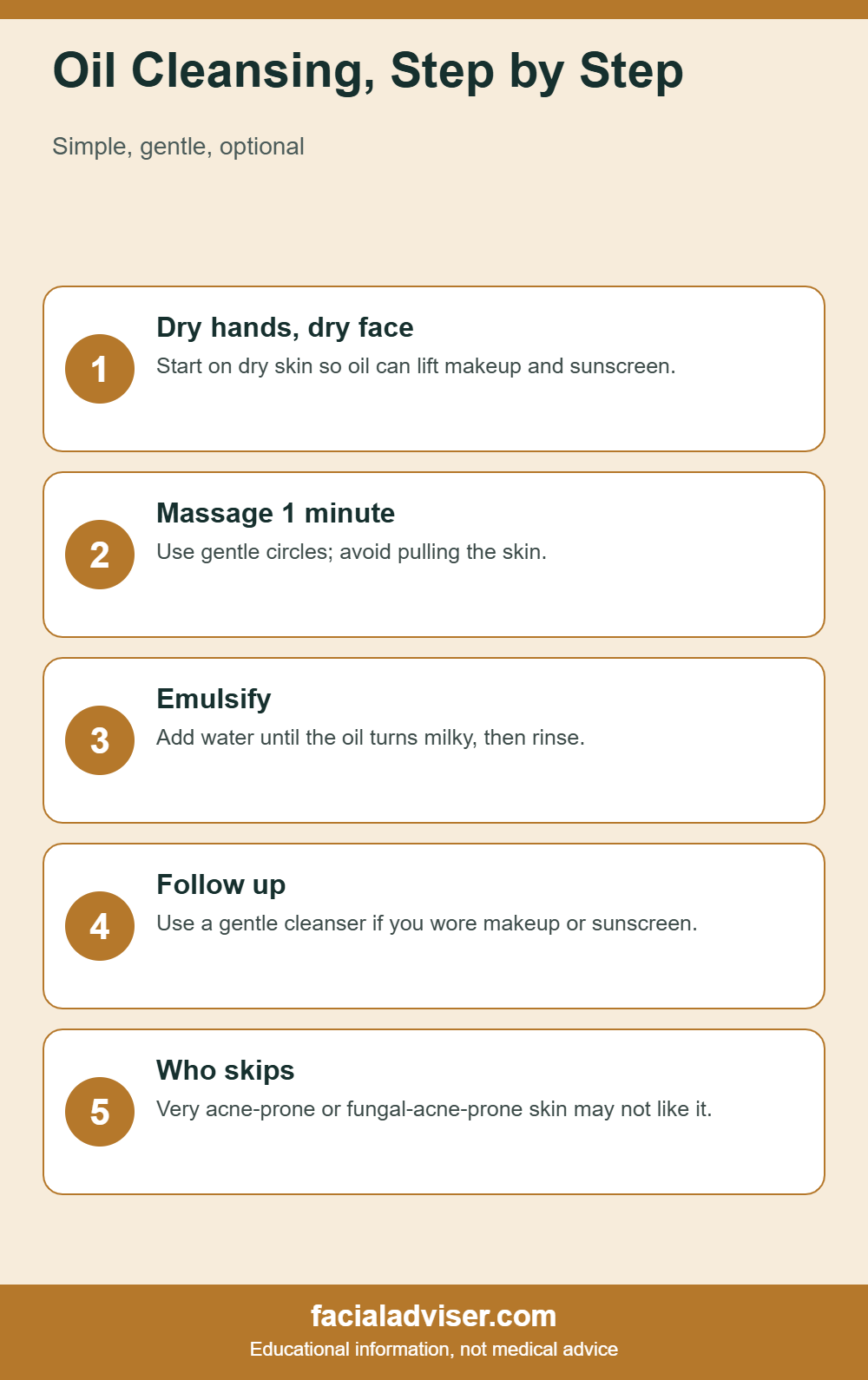
Follow this routine in the evening. In the morning, rinsing with water or a gentle cleanser is usually enough.
Start with dry hands and face
Do not wet the face first.
Pump or pour the oil
Use about one to two pumps or a nickel-sized amount.
Massage for a minute
Use gentle circles over the face, avoiding the eyes unless the label says it is safe.
Add water to emulsify
Wet your hands and massage until the oil turns milky.
Rinse and follow up
Rinse with lukewarm water, then use a gentle cleanser if you wore makeup or sunscreen.
Use lukewarm water. Hot water can leave skin feeling tight after an oil cleanse.
Remove contact lenses first, and stop if oil stings your eyes. Do not use homemade oil mixes around the eyes if you have sensitive eyes.
Which Oils Work and Which Do Not
Not all oils behave the same. Commercial cleansing oils are formulated to rinse clean. Plain cooking oils can leave residue and may be more likely to clog pores.
| Oil type | Feel | Notes |
|---|---|---|
| Mineral oil based cleansers | Light, slippery | Rinse clean; common in cleansing oils |
| Plant oils such as jojoba or sunflower | Light to medium | Often used in DIY blends |
| Heavy oils such as coconut | Rich | Can clog pores for some people |
| Esters and emulsifier blends | Silky | Designed to rinse easily |
If you make your own blend, patch test first and keep it simple. A single light oil on dry skin is usually safer than a complicated mixture.
For most people, a purpose-made cleansing oil is the easier, more consistent choice.
Which Skin Types Benefit
Oil cleansing suits more skin types than people expect, but not all.
| Skin type | Good fit? | Notes |
|---|---|---|
| Dry or normal | Usually yes | Leaves skin soft |
| Combination | Often yes | Use a light oil and rinse well |
| Oily | Sometimes | A light oil and second cleanse work best |
| Acne-prone | Use caution | Watch for clogged pores |
| Fungal-acne-prone | Often avoid | Some oils may feed yeast |
Oily skin can still be dehydrated, and removing sunscreen thoroughly is a good reason for oily-skinned people to try an oil cleanser. The key is a light formula and thorough rinsing.
Climate and season also matter. In humid summers an oil cleanser can feel heavy, while in dry winters it often feels comforting. Adjust how often you use it rather than treating it as an all-or-nothing choice.
DIY Oil Blends vs Commercial Cleansing Oils
Many online guides suggest mixing castor oil with a carrier oil such as olive, jojoba or sunflower oil. This was the original version of the method, and some people still like it for its simplicity and low cost.
The problem is that homemade blends do not contain emulsifiers, so they do not rinse as cleanly. They are usually wiped away with a warm cloth, which can leave residue and may irritate sensitive skin. Castor oil in particular is thick and drying for some people.
Commercial cleansing oils are designed to turn milky with water and rinse clean. They usually cost more than a bottle of kitchen oil, but they are more consistent, easier to use and less likely to leave a film.
For most people, especially those who wear sunscreen or makeup, a commercial oil is the more practical choice.
Who Should Skip It
Do
- People who wear makeup or waterproof sunscreen daily
- Dry or normal skin
- Combination skin with a light oil
- Those who enjoy a gentle massage cleanse
- People who want to avoid scrubbing at the eyes
Don’t
- People prone to fungal acne or folliculitis
- Those with very clog-prone, acne-prone skin who break out from oils
- Anyone allergic to ingredients in the product
- People with very sensitive eyes
- Those with active dermatitis who have not asked a doctor
If you are not sure whether your breakouts are fungal, check with a doctor or dermatologist before changing your routine.
Common Mistakes
The most common mistake is not rinsing enough. Leftover oil can leave a film that traps dirt and may contribute to clogged pores. Rinse until the skin no longer feels slippery, and follow with a second cleanse if you wear makeup or sunscreen.
Another mistake is applying oil to wet skin. Water on the face reduces how well the oil dissolves makeup and sunscreen.
A third is using heavy kitchen oils on acne-prone skin. Many are more likely to leave residue, and some may feed yeast on the skin.
Finally, people rub too hard. Gentle circles are enough; scrubbing can irritate skin and make redness worse.
One more mistake is expecting an oil cleanser to do everything. It will not exfoliate, treat acne or protect the skin from the sun.
How It Fits Into a Routine
The oil step usually comes first in the evening, followed by a gentle water-based cleanser if you wore makeup or sunscreen. In the morning, a splash of water or a mild cleanser is enough.
After cleansing, continue with your usual toner, serum and moisturizer. If your skin feels tight after cleansing, the oil may not be rinsed well, or your second cleanser may be too strong.
If you use retinoids or exfoliating acids, cleansing oil can be a gentle start to the evening. Wait until the skin is dry before applying actives, since damp skin can increase irritation.
On days when you wear nothing but moisturizer, you can skip the oil entirely and use only your gentle cleanser. More cleansing is not better.
Honest Limits
Oil cleansing is a cleansing method, not a treatment. It will not cure acne, shrink pores or remove blackheads for good.
We have not tested every product, and the descriptions here come from listings and general knowledge of the ingredients. Your skin may respond differently.
Some claims about oil cleansing, such as balancing your skin oil or detoxifying pores, are marketing. Skin oil production is mostly controlled by hormones and genetics.
Formulas change over time. Always read the current label and patch test.
Results depend heavily on the product and how well you rinse. If your skin feels clearer and more comfortable after a few weeks, the method is working for you. If you see more breakouts, stop and reassess.
Using Oil Cleanser Around the Eyes
Cleansing oils are popular for eye makeup, but the eye area is delicate. Use only products that state they are safe for the eyes, keep your eyes closed during massage and rinse carefully.
Remove contact lenses first, and avoid pulling or rubbing the skin. Press a warm damp cloth over the eyelids for a few seconds to loosen mascara, then glide gently.
If oil gets into the eye and causes stinging or blurry vision, rinse with clean water and stop using the product. See an eye doctor if symptoms continue.
When to See a Professional
See a doctor or dermatologist if you get persistent breakouts, itchy bumps, a rash or eye irritation after starting oil cleansing. Stop using the product until your skin has been checked.
This article is for general information and is not medical advice. Rakib Sarwar is a registered pharmacist with a cosmetology course, not a dermatologist. Talk to a doctor or dermatologist about persistent skin problems.
FAQ
What is the oil cleansing method?
It is a way of cleansing the face with an oil-based cleanser to dissolve makeup, sunscreen and sebum, followed by water to rinse.
Is oil cleansing good for oily skin?
It can be, if you use a light oil and rinse thoroughly. Some oily skin types prefer a gel cleanser.
Can oil cleansing cause breakouts?
It can if the oil is heavy or not rinsed well. People prone to fungal acne should be cautious.
Do I need to double cleanse?
If you wear makeup or sunscreen, a second water-based cleanse removes leftover residue.
Can I use olive oil to cleanse?
Some do, but cooking oils may leave residue and clog pores. A purpose-made cleansing oil is usually better.
How often should I oil cleanse?
Most people do it once a day in the evening.
Should I apply cleansing oil to wet or dry skin?
Dry skin gives the best makeup removal.
Is oil cleansing safe around the eyes?
Some products are designed for it, others are not. Check the label.
Does oil cleansing remove sunscreen?
Yes, it is very effective at dissolving waterproof sunscreen.
When should I see a doctor?
See a doctor for persistent breakouts, rash or eye irritation.
Final Word
Oil cleansing can be an easy, comfortable way to remove makeup and sunscreen, especially with a purpose-made cleansing oil. Rinse well, follow with a gentle cleanser if you wear makeup, and stop if your skin reacts.
If you are prone to fungal acne or clogged pores, check with a doctor before making oil cleansing a habit.

Written by
Registered pharmacist and founder of Facial Adviser. Rakib's pharmacy training covers how skincare actives work and interact; a later course in cosmetology turned that into a focus on facial treatments and skincare products. He plans, researches and edits every guide on the site and checks health claims against sources such as the American Academy of Dermatology, the FDA and the NIH. He is not a dermatologist; see the Editorial Policy and Medical Disclaimer.
About · Editorial policy · How we choose products · Medical disclaimer · Contact
Keep reading: Cleansers and face wash
- 10 Best Facial Cleansers for Combination Skin (2026): Balanced Picks
- 10 Best Face Washes for Men With Oily Skin (2026): Gentle Oil Control
- Deep Pore Cleansing Facial at Home, Done Right
- Face Cleansing Steps: The Real Routine, Explained
- What Does a Deep Cleansing Facial Do?
- What Is the Difference Between Cleansing and a Facial?
- 10 Best Face Masks for Every Skin Type (2026): Clay, Gel and Sheet
- What Does a Facial Toner Do? The Real Answer
Turn skincare time into me-time with a free audiobook