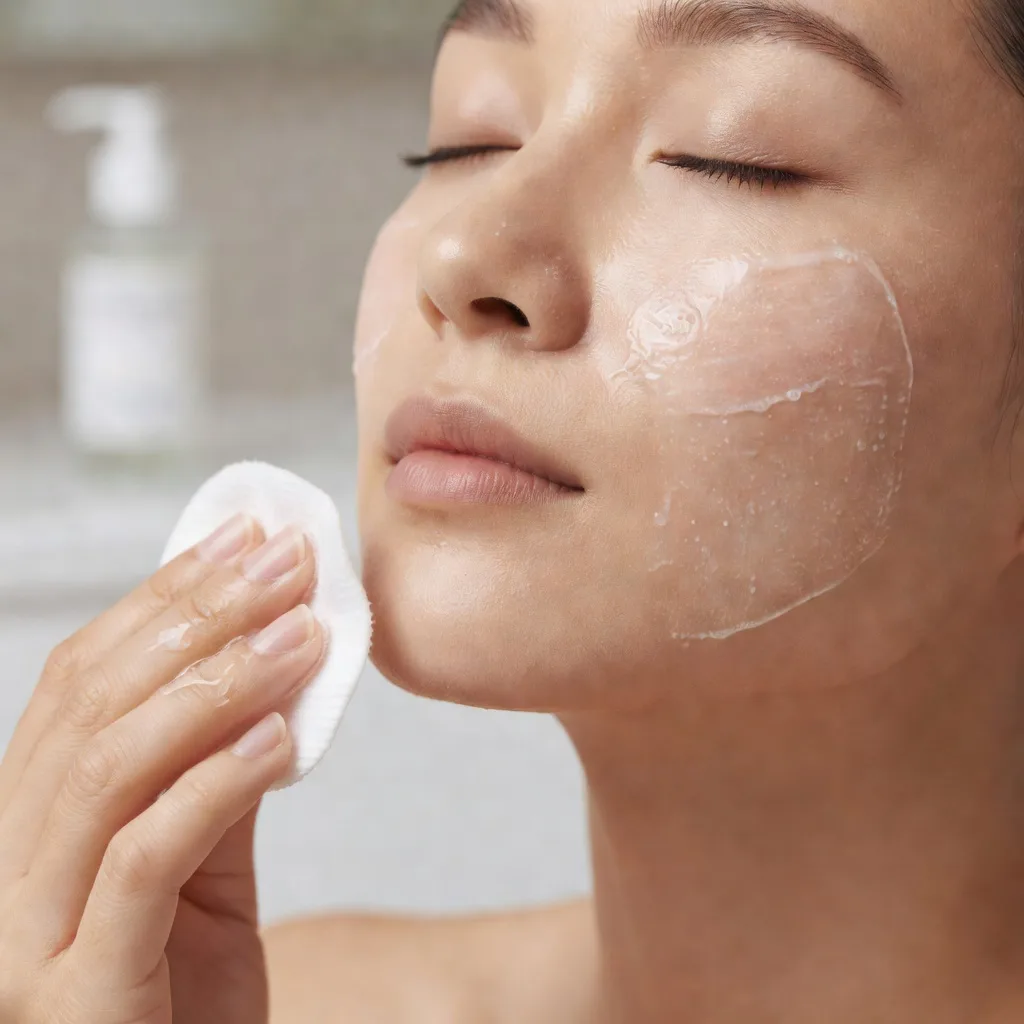
What Does a Facial Toner Do? The Real Answer
What does a facial toner do, and is it actually a necessary step? Dermatologist Dr. Zoe Draelos put it plainly: “No, toning is not necessary for skin health.”
Toner’s original purpose was removing residue from lye-based soaps combined with hard water, a problem modern cleansers don’t create, meaning its core historical justification is largely obsolete. Pores have no muscle and physically cannot open or close, despite that being the most repeated toner marketing claim.
Standard witch hazel toner typically contains 14 to 15 percent alcohol, and the tight feeling people credit to “it working” is mostly dehydration.
This guide covers what toner can legitimately do depending on formulation, the biggest myths, and who actually benefits from using one.
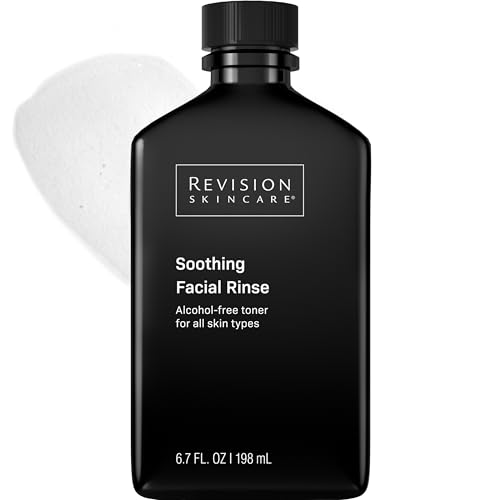
Recommended Facial Toners
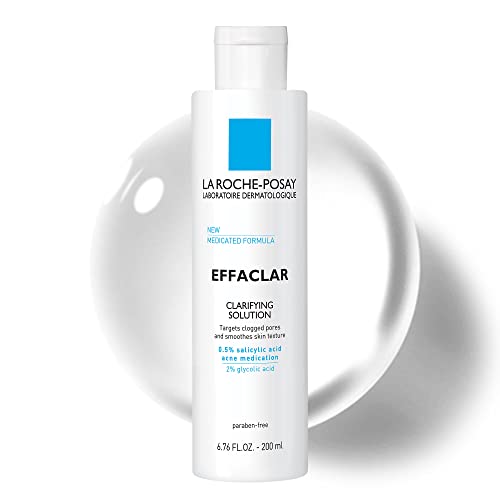


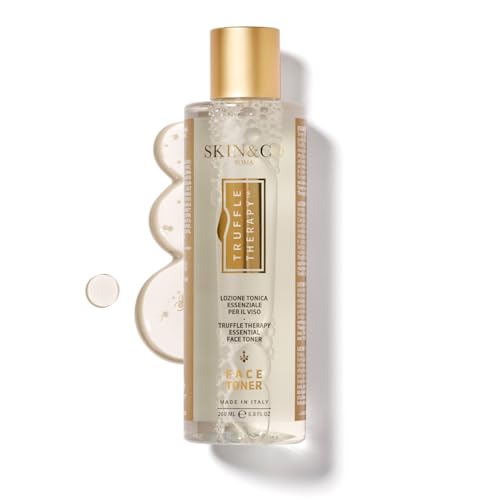

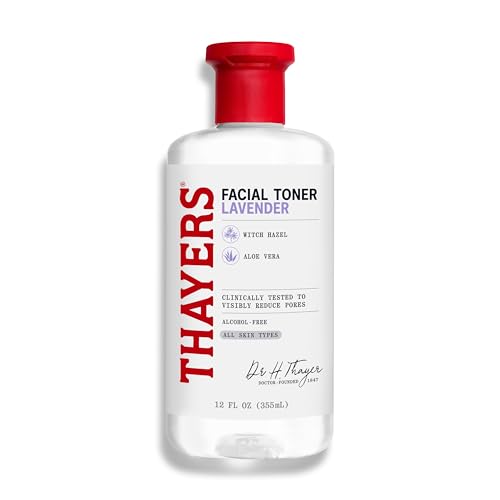


Shopping these picks?
Amazon Prime members get fast, free shipping on eligible items, plus Prime Video, Amazon Music and member deals. New members can start with a free trial.
Start a free Prime trialAged 18 to 24? Prime for Young Adults comes with a longer free trial and a lower price after it.
Affiliate link: we may earn a commission at no extra cost to you.
What a Facial Toner Actually Does
Dermatologist Dr. Zoe Draelos put it plainly in an interview with Dermatology Times: “No, toning is not necessary for skin health.” That’s a useful starting point, because toner’s reputation as an essential third step (after cleansing, before moisturizing) doesn’t match what dermatology actually says about it. The historical reason toner exists at all explains a lot: toners were originally developed to remove the residue left behind by old-fashioned lye-based soaps combined with hard water. Lye-based cleansing left a filmy, alkaline residue on skin, and a toner’s job was to strip that off and restore a more neutral feel. Modern facial cleansers simply aren’t lye-based anymore, which means toner’s original core purpose has largely disappeared for most people’s routines — even though the product category stuck around and got re-marketed around a new set of claims.
The Short Answer
- A board-certified dermatologist states directly that toning isn’t necessary for basic skin health.
- Toner’s original purpose — removing lye-soap residue — is largely obsolete now that modern cleansers aren’t lye-based.
- Toner can still be legitimately useful, but only when its formulation delivers something specific: an active ingredient, a humectant, or gentle exfoliation.
- Pores have no muscle and physically cannot “open” or “close” — the sensation is real, the mechanism marketed for it is not.
- The “tight, tingling” feeling from alcohol-based witch hazel toner is dehydration, not proof the product is working.
- Most modern cleansers are already pH-balanced, which makes a separate pH-correcting toner step redundant for most routines.
Jump To
- What a Facial Toner Actually Does
- What Toner Can Legitimately Do, Depending on Formulation
- The “Toner Closes Your Pores” Myth
- Witch Hazel and the “Tight Feeling = It’s Working” Myth
- The pH “Acid Mantle” Claim
- How to Actually Use a Toner, If You Use One
- Who Might Actually Benefit From a Toner
- Who Should Modify or Skip It
- When to See a Dermatologist Instead
- A One-Minute Check on Your Own Toner
- Where the Evidence Runs Out
- Frequently Asked Questions
What Toner Can Legitimately Do, Depending on Formulation
None of this means every toner is pointless — it means toner’s value depends entirely on what’s actually in the bottle, not on the category name itself. Depending on formulation, a toner can genuinely: remove residual waterproof makeup that a first cleanse missed; give oily-skin users the “clean, tight” sensory feel some people specifically prefer; deliver an active or medicated ingredient, like salicylic acid for acne-prone skin; deliver humectants such as glycerin or hyaluronic acid for dry skin; or provide additional gentle exfoliation through AHAs like glycolic or lactic acid. These are real, formulation-dependent benefits — they’re just not universal properties that every toner on a shelf automatically has.
| Toner type | What it actually does | Best for |
|---|---|---|
| Alcohol-forward astringent (classic witch hazel) | Degreases and creates a temporary tight sensation via dehydration | Rarely recommended; barrier-stripping risk usually outweighs benefit |
| Exfoliating acid toner (AHA/BHA) | Genuine mild chemical exfoliation and, for BHA, oil-pore penetration | Acne-prone or textured skin, used a few times a week |
| Hydrating/humectant toner | Adds moisture-binding ingredients like glycerin or hyaluronic acid | Dry or dehydrated skin, as a prep step before moisturizer |
The “Toner Closes Your Pores” Myth
This is probably the single most repeated claim in toner marketing, and it isn’t physiologically accurate. Pores do not have muscle tissue, so they cannot mechanically open or close the way an eye or a fist does. Warm water can make pores look more open because it clears surface debris and temporarily softens the surrounding skin; cold water or astringent ingredients can make pores look tighter only because the skin around them briefly contracts and swells — the pore opening itself doesn’t actually change size in either case. It’s a real visual and sensory effect, but not the mechanism the marketing describes; we’ve looked at this same question in more depth in does cold water close pores, myth or fact.
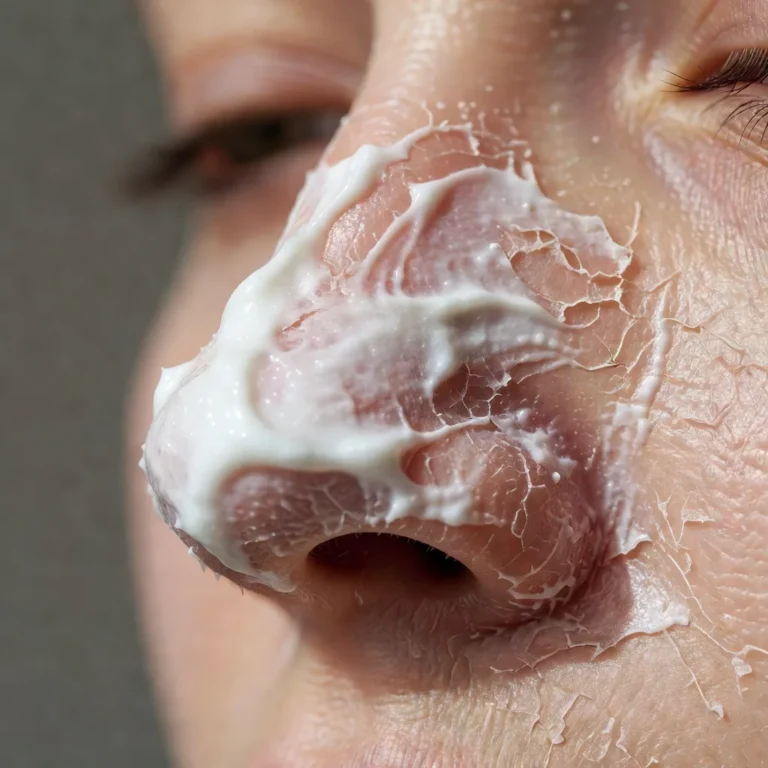
Pore size itself is fundamentally genetic and can’t be permanently shrunk by any topical product, toner included. Retinoids can improve how pores look over time by increasing cell turnover, and certain laser treatments can build collagen around a pore to temporarily reduce its visible size — but no toner achieves a permanent structural change. Worth a related correction too: many of the small dark dots people call “clogged pores” on the nose are actually sebaceous filaments, a completely normal, non-pathological structure, or fine vellus hairs, rather than true blackheads. Gentle acid exfoliation can temporarily reduce how visible they are, but they reliably come back, because they were never a problem to permanently solve in the first place.
| Claim | What’s actually happening |
|---|---|
| “Toner closes your pores” | Pores have no muscle; surrounding skin briefly contracts, changing appearance only |
| “Toner shrinks pores permanently” | Pore size is genetic; no topical product changes it permanently |
| “Those dark dots are clogged pores” | Often normal sebaceous filaments, not true blackheads, and they return after exfoliation |
Witch Hazel and the “Tight Feeling = It’s Working” Myth
Standard commercial witch hazel toner isn’t quite what most people assume. It typically contains around 14 to 15 percent grain alcohol added during manufacturing, and the tightening, tingling sensation people associate with “the product working” is largely an alcohol effect on the skin surface, not evidence of any beneficial change happening underneath. More strikingly, most commercial witch hazel has had the plant’s own active compounds — tannins, naturally present at 4 to 12 percent in the raw plant — stripped out during the steam-distillation process typically used to manufacture it, with supplier specs commonly limiting the final tannin content to well under a tenth of a percent. Formulations that do retain meaningful tannin levels have shown only modest anti-inflammatory effects in research, and at least one clinical trial found witch hazel performed no better than its own inert base when tested on eczema patients.
Alcohol-free witch hazel formulations paired with humectants like hyaluronic acid or niacinamide are a gentler, more genuinely defensible alternative if you specifically like the witch hazel category for other reasons.
The pH “Acid Mantle” Claim
Popular skincare content often asserts that skin has a natural pH around 5.5 — the “acid mantle” — and that a pH-balancing toner is necessary after cleansing to restore it. There’s a real, longstanding scientific concept behind the acid mantle idea, with decades of dermatologic literature examining how cleanser pH affects skin barrier function. Where the marketing overstates things is in treating a separate toner step as the necessary fix. Most modern, well-formulated cleansers are already pH-balanced or close to pH-neutral to begin with, which makes an additional pH-correcting toner step largely redundant for most people using modern products, rather than an essential corrective measure.
How to Actually Use a Toner, If You Use One
Cleanse first
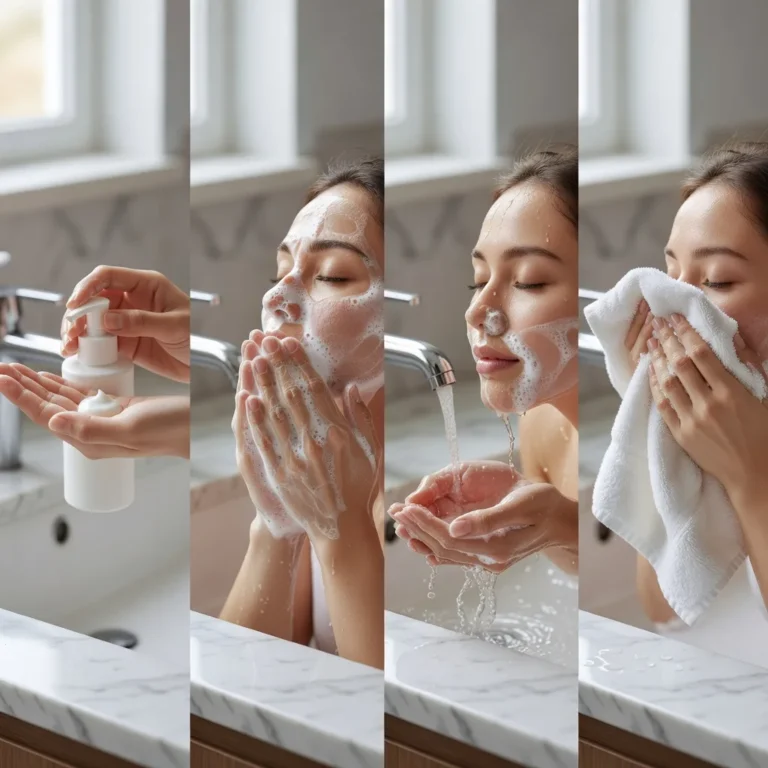
Wash with your regular cleanser and pat skin mostly dry — toner isn’t a substitute for cleansing.Apply sparingly
A few drops on a reusable cotton pad or pressed directly into skin with clean hands is enough; more isn’t more effective.Let it absorb
Give it a minute to fully absorb before layering the next product, rather than applying everything at once.Follow with your actives and moisturizer
Apply serums or treatment products next, then seal with moisturizer to lock in hydration.
Who Might Actually Benefit From a Toner
People who consistently wear waterproof makeup and want a reliable second-cleanse step, people with acne-prone skin who want a light, leave-on delivery method for salicylic acid, and people with dry or dehydrated skin who want an extra humectant layer before moisturizer are the clearest cases where a specific, well-formulated toner adds something real. If deep pore cleansing specifically is your actual goal, our guide to deep pore cleansing at home covers approaches that go further than a toner alone. Outside those specific goals, skipping toner entirely changes very little for most routines.
Do
- Choose a toner based on its actual ingredient list and your specific skin goal
- Treat toner as optional rather than a mandatory third step
- Pick alcohol-free formulations if you use retinoids or exfoliating acids
Don’t
- Buy a toner expecting it to physically close or shrink your pores
- Mistake a tight, tingling feeling for proof an alcohol-based toner is “working”
- Assume every toner does the same thing regardless of formulation
Who Should Modify or Skip It
Anyone with rosacea, eczema, or a compromised skin barrier should skip alcohol-forward astringent toners specifically, since the dehydrating effect compounds existing irritation. People already using strong actives like retinoids, benzoyl peroxide, or exfoliating acids should be cautious layering an additional exfoliating toner on top, since combined irritation can outpace what any one product would cause alone.
When to See a Dermatologist Instead
A toner is a cosmetic routine step, not a treatment for a diagnosed skin condition. See a board-certified dermatologist directly if you have persistent acne that over-the-counter products aren’t controlling, ongoing redness or stinging that doesn’t resolve after removing a suspected irritant product, or visible pore or texture concerns you’re hoping a cosmetic routine can permanently fix.
A One-Minute Check on Your Own Toner
Pull up your toner’s ingredient list and ask: is alcohol denat. or SD alcohol listed near the top? If so, it’s likely an astringent-type toner with a real dehydration trade-off. Does it list a named active like salicylic acid, glycolic acid, or niacinamide with a stated percentage? That’s a formulation actually built to do something specific. Is the bottle marketed mainly around “closing pores” or “purifying” with no named active ingredients at all? That’s largely a sensory-marketing product rather than one with a clear functional purpose.
Where the Evidence Runs Out
Be precise about what’s established: toner is not necessary for basic skin health, according to dermatology directly, and its original historical purpose — removing lye-soap residue — no longer applies to most modern routines. Specific, well-formulated toners can still deliver real value through an active ingredient, humectant, or gentle exfoliation. The popular “pores open and close” and “tight feeling means it’s working” claims are not physiologically accurate. The acid-mantle concept is real science, but the claim that a toner step is required to restore it is overstated for anyone using a modern, well-formulated cleanser.
Frequently Asked Questions
Is facial toner actually necessary?
No — a board-certified dermatologist states directly that toning is not necessary for basic skin health.
Does toner close your pores?
No — pores have no muscle and can’t physically open or close; the tightening sensation is a temporary surface effect.
Why did toner exist in the first place?
It was originally developed to remove residue left by lye-based soaps combined with hard water, a problem modern cleansers largely don’t create.
Is witch hazel toner good for your skin?
Most commercial witch hazel is alcohol-forward and has had its beneficial tannins mostly removed during processing, so its benefit is often overstated.
Do I need a pH-balancing toner after cleansing?
Usually not — most modern cleansers are already pH-balanced, making a separate pH-correcting step largely redundant.
Can toner shrink my pores permanently?
No — pore size is genetic, and no topical product, toner included, changes it permanently.
Who actually benefits from using a toner?
People wanting a second cleanse for waterproof makeup, a light active-ingredient delivery method, or extra hydration for dry skin.
Are those dark dots on my nose clogged pores?
Often they’re sebaceous filaments, a normal skin structure, rather than true blackheads, and they reliably return after exfoliation.
Who should avoid alcohol-based toners?
Anyone with rosacea, eczema, a compromised skin barrier, or who uses retinoids or exfoliating acids.
Is skipping toner entirely okay?
For most routines, yes — outside a few specific formulation-driven goals, skipping toner changes very little.

Written by
Registered pharmacist and founder of Facial Adviser. Rakib's pharmacy training covers how skincare actives work and interact; a later course in cosmetology turned that into a focus on facial treatments and skincare products. He plans, researches and edits every guide on the site and checks health claims against sources such as the American Academy of Dermatology, the FDA and the NIH. He is not a dermatologist; see the Editorial Policy and Medical Disclaimer.
About · Editorial policy · How we choose products · Medical disclaimer · Contact
Keep reading: Toners, mists and sunscreen
- Facial Mist vs Toner: Differences, Benefits and Whether to Use Both
- Facial Toner vs Astringent: Which One Your Skin Actually Needs
- Facial Spray vs Toner: What Each Does and Whether You Need Either
- 10 Best Facial Toners for Pores (2026): Smoother, Clearer-Looking Skin
- 10 Best Facial Toners for Sensitive Skin (2026): Gentle, No Sting
- 10 Best Facial Serums for Aging Skin (2026): Picks by Concern
- 10 Best Face Masks for Every Skin Type (2026): Clay, Gel and Sheet