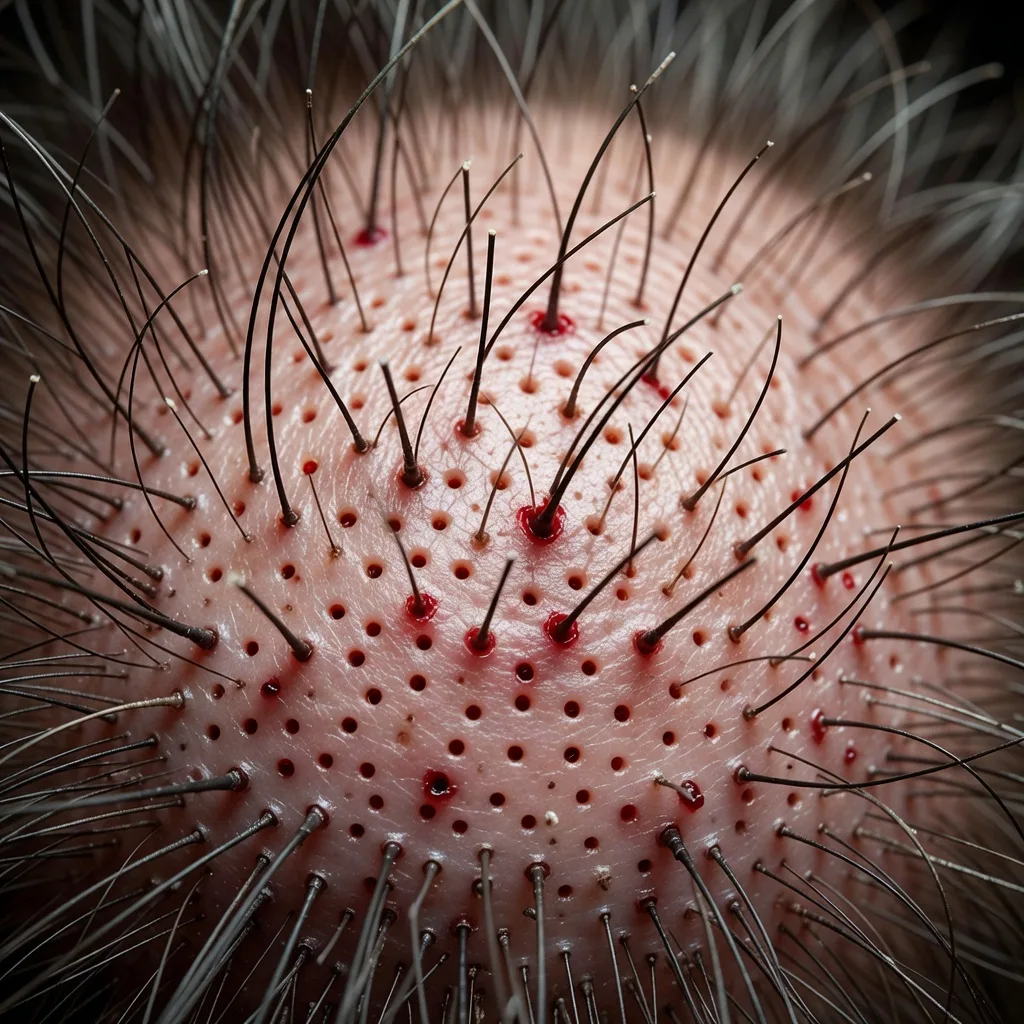
Can Microneedling Damage Hair Follicles?
Does microneedling damage hair follicles, whether on the scalp during a hair-regrowth treatment or near the hairline during a routine facial? It’s a fair question worth answering with real evidence.
Part of our guide to facial treatments. Start with: Microneedling Facial: Real Results, Explained
No study or case series documents standard-technique microneedling directly damaging healthy, existing hair follicles — the real, well-documented risk pathway is infection from improperly sterilized equipment, not the needling mechanism itself. That distinction matters for anyone deciding how to reduce their actual risk rather than worrying about the wrong thing.
A landmark randomized trial also found scalp microneedling significantly boosted minoxidil’s effectiveness for hair regrowth, the opposite of a damage story.
This guide covers what the evidence actually shows about follicle safety, where real risk comes from, and how to microneedle near hair-bearing areas responsibly.
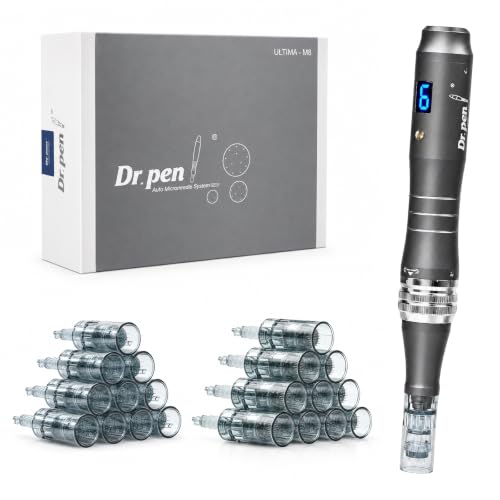
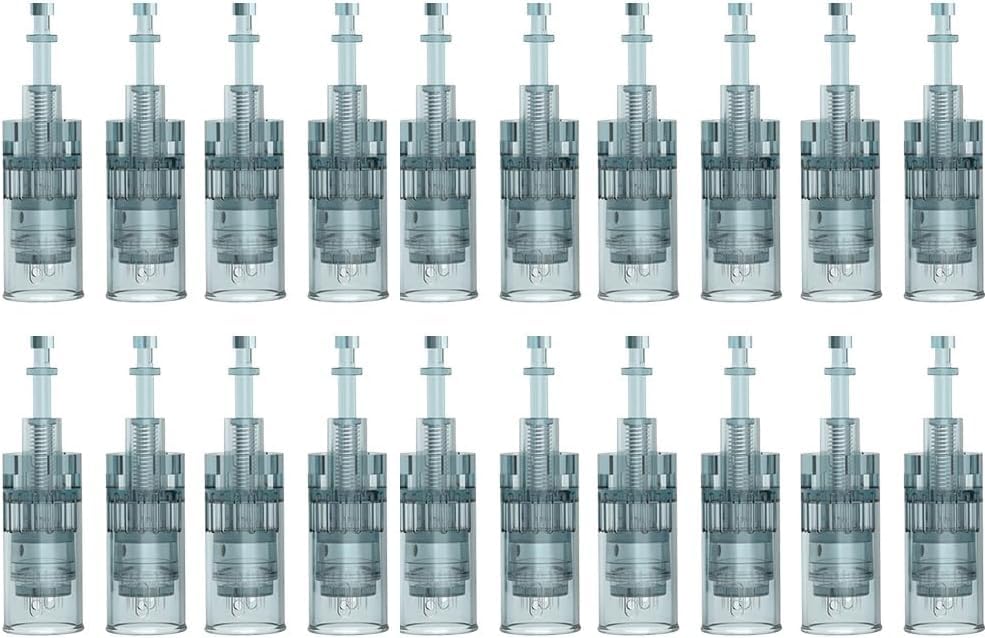
Recommended Sterile Microneedling Devices and Cartridges
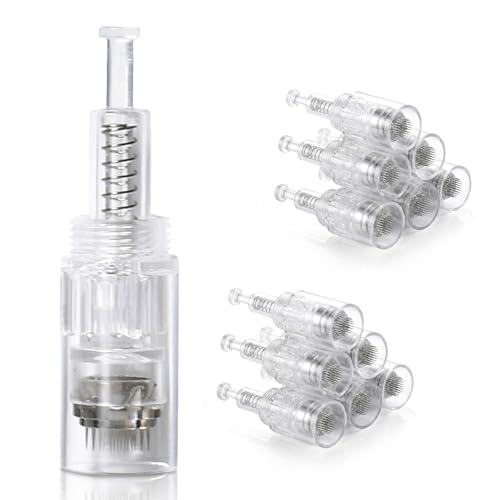
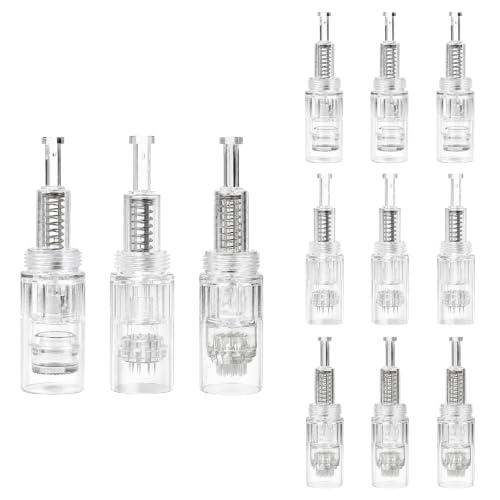
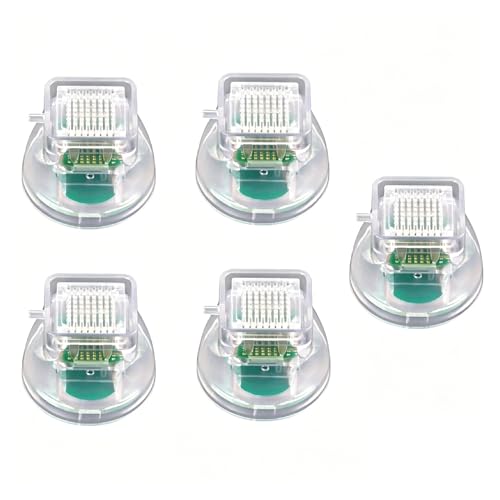
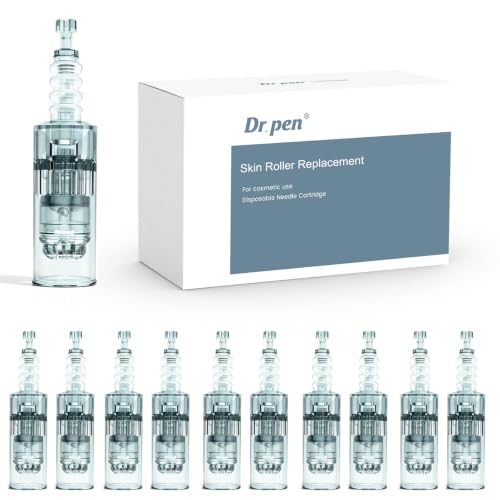
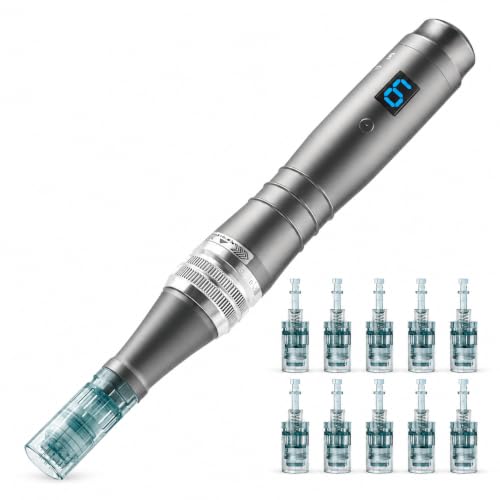
Scalp Microneedling vs. Facial Microneedling Near Hair
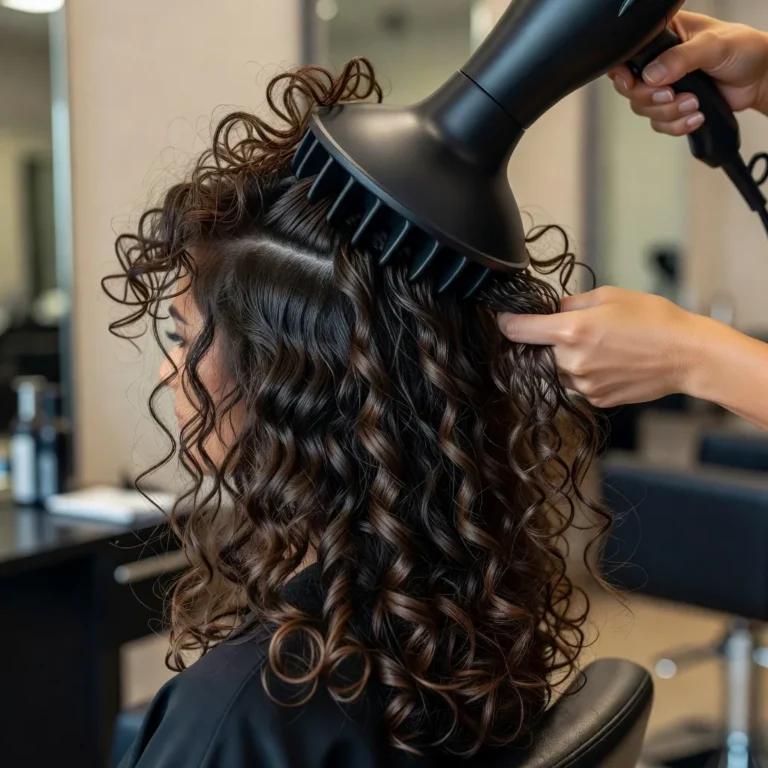
This question genuinely splits into two different situations. One is scalp microneedling done specifically to treat hair loss — an evidence-supported treatment, not a risk scenario. The other is facial microneedling incidentally passing near hair-bearing areas like the hairline, eyebrows, or sideburns during a cosmetic treatment. The honest answer for both contexts is the same: standard microneedling at appropriate needle depths isn’t documented in the literature as damaging existing, healthy hair follicles — the real risks cluster around technique, sterility, and excessive depth or frequency, not the needling mechanism itself. Our guide to microneedling with PRP covers a related infection concern in more depth, since combining needling with an injected biologic adds its own distinct risk profile.
Shopping these picks?
Amazon Prime members get fast, free shipping on eligible items, plus Prime Video, Amazon Music and member deals. New members can start with a free trial.
Start a free Prime trialAged 18 to 24? Prime for Young Adults comes with a longer free trial and a lower price after it.
Affiliate link: we may earn a commission at no extra cost to you.
What’s Actually True
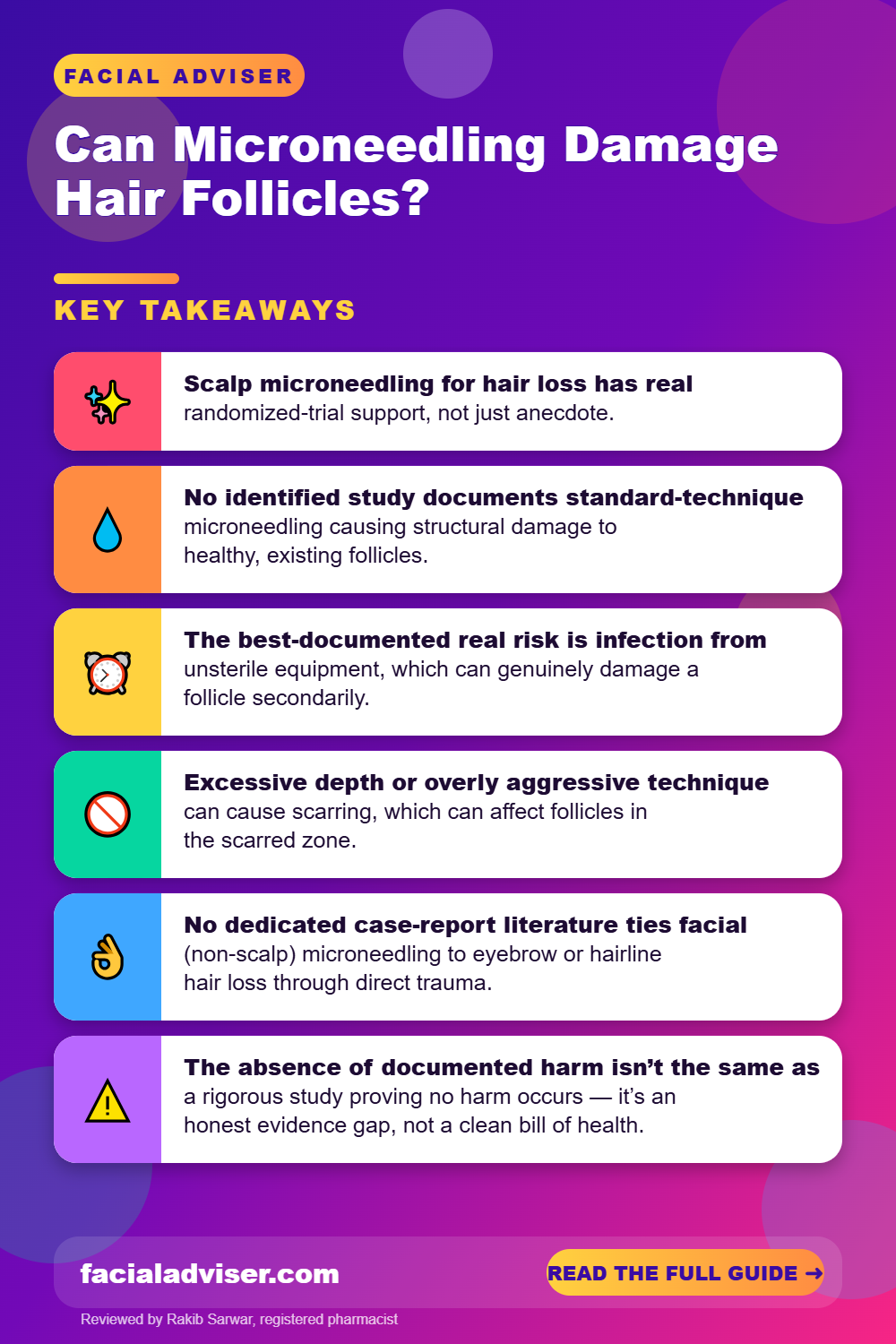
- Scalp microneedling for hair loss has real randomized-trial support, not just anecdote.
- No identified study documents standard-technique microneedling causing structural damage to healthy, existing follicles.
- The best-documented real risk is infection from unsterile equipment, which can genuinely damage a follicle secondarily.
- Excessive depth or overly aggressive technique can cause scarring, which can affect follicles in the scarred zone.
- No dedicated case-report literature ties facial (non-scalp) microneedling to eyebrow or hairline hair loss through direct trauma.
- The absence of documented harm isn’t the same as a rigorous study proving no harm occurs — it’s an honest evidence gap, not a clean bill of health.
Jump Ahead
- Scalp Microneedling vs. Facial Microneedling Near Hair
- What the Landmark Hair-Regrowth Trial Actually Found
- Does Needling Itself Damage Healthy Follicles?
- The Real Risk Pathway: Infection From Poor Technique
- Facial Microneedling Near the Hairline and Eyebrows
- How to Reduce Real Risk During Any Microneedling Session
- Who This Evidence Is Most Relevant To
- When to Hold Off on Microneedling Near Hair
- When to See a Dermatologist Instead
- There’s No Home Test for Follicle Damage — Here’s What to Watch
- Where the Evidence Runs Out
- Frequently Asked Questions
What the Landmark Hair-Regrowth Trial Actually Found
The key study here is Dhurat et al., “A Randomized Evaluator Blinded Study of Effect of Microneedling in Androgenetic Alopecia: A Pilot Study,” published in the International Journal of Trichology in 2013. Of 100 men enrolled, 94 completed the 12-week trial — 50 in a microneedling-plus-minoxidil group and 44 in a minoxidil-only group. The microneedling group used a dermaroller at 1.5 mm needle depth, applied weekly in multiple passes until mild erythema appeared, alongside twice-daily 5% minoxidil (skipped on procedure days); the control group used minoxidil alone.
The results were striking: hair count increased by 91.4 hairs/cm² in the microneedling-plus-minoxidil group versus 22.2 hairs/cm² in the minoxidil-only group (p=0.039). Eighty-two percent of the microneedling group achieved more than 50% improvement in patient-assessed regrowth, versus just 4.5% of the minoxidil-only group, and visible results emerged earlier — week 6 versus week 10. Among patients previously classified as resistant to minoxidil alone, 12 of 12 in the microneedling arm improved, versus 0 of 8 in a comparison group, suggesting microneedling may specifically help minoxidil non-responders. This is genuinely strong pilot-scale evidence, but it’s worth being honest that it’s a single-center pilot study in men only, over 12 weeks — impressive, not definitive.
| Outcome | Microneedling + minoxidil | Minoxidil alone |
|---|---|---|
| Hair count increase (hairs/cm²) | +91.4 | +22.2 |
| Patients with >50% regrowth improvement | 82% (41/50) | 4.5% (2/44) |
Does Needling Itself Damage Healthy Follicles?
No identified study or case-series literature documents standard-technique microneedling — needle depths typically ranging 0.25mm to 1.5mm depending on treatment goal and device — causing structural damage to healthy, existing hair follicles. The Dhurat trial and the broader hair-regrowth literature treat scalp microneedling as beneficial through collagen and growth-factor induction around the follicle, not as a follicle-damaging intervention. Where genuine follicle-adjacent risk does appear in the literature, it’s technique- and hygiene-dependent rather than inherent to correctly performed needling.
The Real Risk Pathway: Infection From Poor Technique
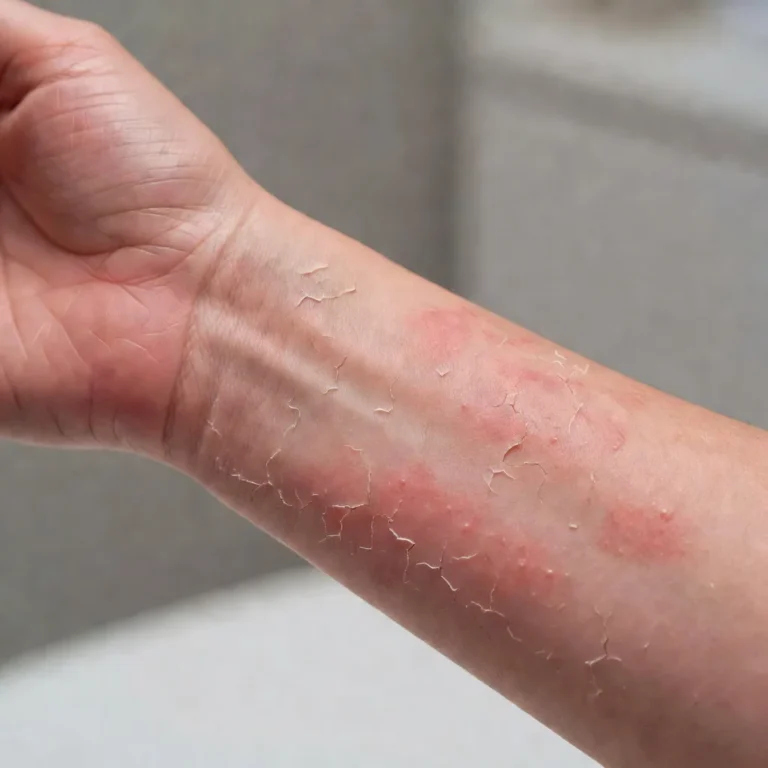
Infection is the best-documented real complication category. A narrative review of infectious complications in esthetic dermatology procedures (Journal of Cutaneous and Aesthetic Surgery) documents early post-microneedling infections tending to be bacterial or herpes simplex virus reactivation, while later infections can involve non-tuberculous mycobacteria, including a specific case of Mycobacterium abscessus infection traced to a patient cleaning their device with tap water — explicitly described as illustrating poor sterile technique. Fungal and candidal infections can also develop, typically within 7-14 days, and a separate case report describes extensive, unintended facial varicella autoinoculation from a commercial microneedling device, confirmed by PCR testing.
The review specifically flags the rise of affordable, accessible at-home microneedling devices as increasing contamination risk relative to professional, properly sterilized settings. A genuinely infected follicle can be damaged or destroyed by the infection itself, so the real causal chain is unsterile technique leading to infection leading to follicle damage — not needling itself directly damaging the follicle.
| Documented infection type | Typical onset after session | Traced cause in the literature |
|---|---|---|
| Bacterial / HSV reactivation | Early, within days | General unsterile technique or existing HSV history |
| Non-tuberculous mycobacteria (e.g. M. abscessus) | Later, weeks after | Device rinsed with tap water instead of proper disinfectant |
| Candidal/fungal | 7-14 days | Contaminated equipment or environment |
Facial Microneedling Near the Hairline and Eyebrows
No dedicated case-report literature was found describing facial (non-scalp) microneedling causing eyebrow or hairline hair loss through direct follicle trauma. The realistic, evidence-consistent concern in this context is the same as for scalp microneedling — infection risk and excessive-depth technique error near any hair-bearing area — rather than a distinct scalp-versus-face mechanistic difference. In practice, appropriate needle-depth selection for thin-skin, hair-bearing areas and use of properly sterilized equipment are the load-bearing safety factors, not the general presence of hair follicles in the treatment area.
How to Reduce Real Risk During Any Microneedling Session
Verify sterilization practice
Professional single-use needle cartridges or properly disinfected equipment, not a device rinsed with tap water, are the standard that avoids the documented infection cases above.Match depth to the treatment area
Thin-skin, hair-bearing areas like the hairline and eyebrows call for shallower depths than thicker facial skin.Watch for early infection signs
Unusual redness, warmth, or discharge beyond the expected mild post-treatment irritation warrants prompt evaluation, not a wait-and-see approach.Space sessions appropriately
Professional scalp protocols typically run weekly to monthly depending on depth — more frequent than that increases risk without established added benefit.
Who This Evidence Is Most Relevant To
Anyone considering scalp microneedling for androgenetic alopecia, especially if minoxidil alone hasn’t produced the expected results, has real trial evidence supporting the combination. Anyone getting routine facial microneedling near the hairline or eyebrows can reasonably expect the same safety profile as facial microneedling elsewhere, provided the provider uses appropriate depth and sterile technique.
Do
- Confirm your provider uses single-use needle cartridges or properly sterilized equipment
- Ask about needle depth specifically for hair-bearing treatment areas
- Consider scalp microneedling alongside minoxidil if you’ve been a slow responder to minoxidil alone
Don’t
- Clean an at-home derma-roller with plain tap water
- Assume the presence of hair follicles makes an area inherently riskier to needle
- Ignore unusual redness, warmth, or discharge after a session
When to Hold Off on Microneedling Near Hair
Hold off if you have an active scalp or facial infection, active cold sores in the treatment area, or a known bleeding disorder. If you’ve had a prior infection complication from microneedling, discuss sterilization practices explicitly with any new provider before restarting rather than assuming the issue was a one-off.
When to See a Dermatologist Instead
See a dermatologist rather than continuing to self-treat if you notice signs of infection after a session, if hair loss is progressing despite treatment, or if you’re unsure whether your pattern of hair loss is a good candidate for microneedling at all — androgenetic alopecia responds differently than other hair-loss causes, and a proper diagnosis matters before committing to a treatment course.
There’s No Home Test for Follicle Damage — Here’s What to Watch
There’s no valid at-home test that directly confirms whether needling has damaged a follicle, but a practical substitute exists: monitor the treated area for unusual, persistent redness, warmth, tenderness, or discharge in the days following a session, distinct from the mild, short-lived irritation that’s expected. That pattern is the most useful early signal available without a clinical exam, since it points toward the actual documented risk pathway — infection — rather than a nonexistent direct-damage mechanism.
Where the Evidence Runs Out
Be precise about what’s solid here: the Dhurat 2013 trial is real, randomized, and frequently cited, but it remains a single-center pilot study in men only, over just 12 weeks — larger, longer, sex-diverse confirmatory trials are comparatively thin even though the finding is widely treated as established. There is also no dedicated safety literature specifically studying whether standard microneedling depths cause any measurable, subclinical follicle damage even in the complete absence of infection. The absence of documented harm in the literature is not the same as a rigorous study proving no harm occurs — it more likely reflects that no one has specifically looked for this outcome, and that distinction is worth stating honestly rather than treating silence as proof of safety.
Frequently Asked Questions
Can microneedling damage healthy hair follicles?
No study or case series documents standard-technique microneedling directly damaging healthy, existing follicles — documented risk comes mainly from infection, not the needling itself.
Is scalp microneedling actually effective for hair loss?
A 2013 randomized pilot trial found it significantly boosted minoxidil’s effectiveness, though it’s a single small study, not a large confirmatory trial.
What’s the biggest real risk with microneedling near hair?
Infection from improperly sterilized equipment is the best-documented risk pathway that can genuinely damage a follicle.
Can facial microneedling near my eyebrows cause hair loss?
No dedicated case-report literature links facial microneedling to eyebrow or hairline hair loss through direct trauma.
Is it safe to clean a derma-roller with tap water?
No — a documented mycobacterial infection case was directly traced to tap-water cleaning; use a proper disinfecting solution.
How deep should scalp microneedling go?
The landmark trial used 1.5 mm depth weekly; appropriate depth varies by device and goal, so follow professional guidance rather than guessing.
Does microneedling help minoxidil work better?
Trial evidence suggests it can, especially in patients who responded poorly to minoxidil alone.
What are early warning signs of an infected microneedling session?
Unusual redness, warmth, tenderness, or discharge beyond the expected mild, short-lived post-treatment irritation.
Are at-home microneedling devices riskier than professional treatment?
Yes, primarily due to sterilization challenges — reused rollers are harder to properly disinfect than single-use professional cartridges.
Should I see a dermatologist before starting scalp microneedling?
Yes, especially to confirm your hair-loss pattern is one microneedling is actually evidenced to help with.

Written by
Registered pharmacist and founder of Facial Adviser. Rakib's pharmacy training covers how skincare actives work and interact; a later course in cosmetology turned that into a focus on facial treatments and skincare products. He plans, researches and edits every guide on the site and checks health claims against sources such as the American Academy of Dermatology, the FDA and the NIH. He is not a dermatologist; see the Editorial Policy and Medical Disclaimer.
About · Editorial policy · How we choose products · Medical disclaimer · Contact
Keep reading: Microneedling, PRP and lasers
- Microneedling Facial: Real Results, Explained
- Can Microneedling Cause Hair Loss? The Real Answer
- Microneedling With Minoxidil: Does It Boost Hair Regrowth and Is It Safe?
- Microneedling Without Serum: Is It Risky?
- Dr. Pen Ultima A6S and A6: Features, Safety and Who Should Use It
- Does Needle Count Matter for Microneedling?
- Facial vs Chemical Peel: Differences, Results and Which to Choose
- What Is the Best Anti-Aging Facial Treatment? Options Compared by Goal