Microneedling With Minoxidil: Does It Boost Hair Regrowth and Is It Safe?
Minoxidil is one of the few non-prescription treatments with good evidence for hereditary hair loss, but results are often modest and slow. That has made microneedling, rolling or stamping tiny needles over the scalp, a popular add-on for people who want to get more from their treatment.
Part of our guide to facial treatments. Start with: Microneedling Facial: Real Results, Explained
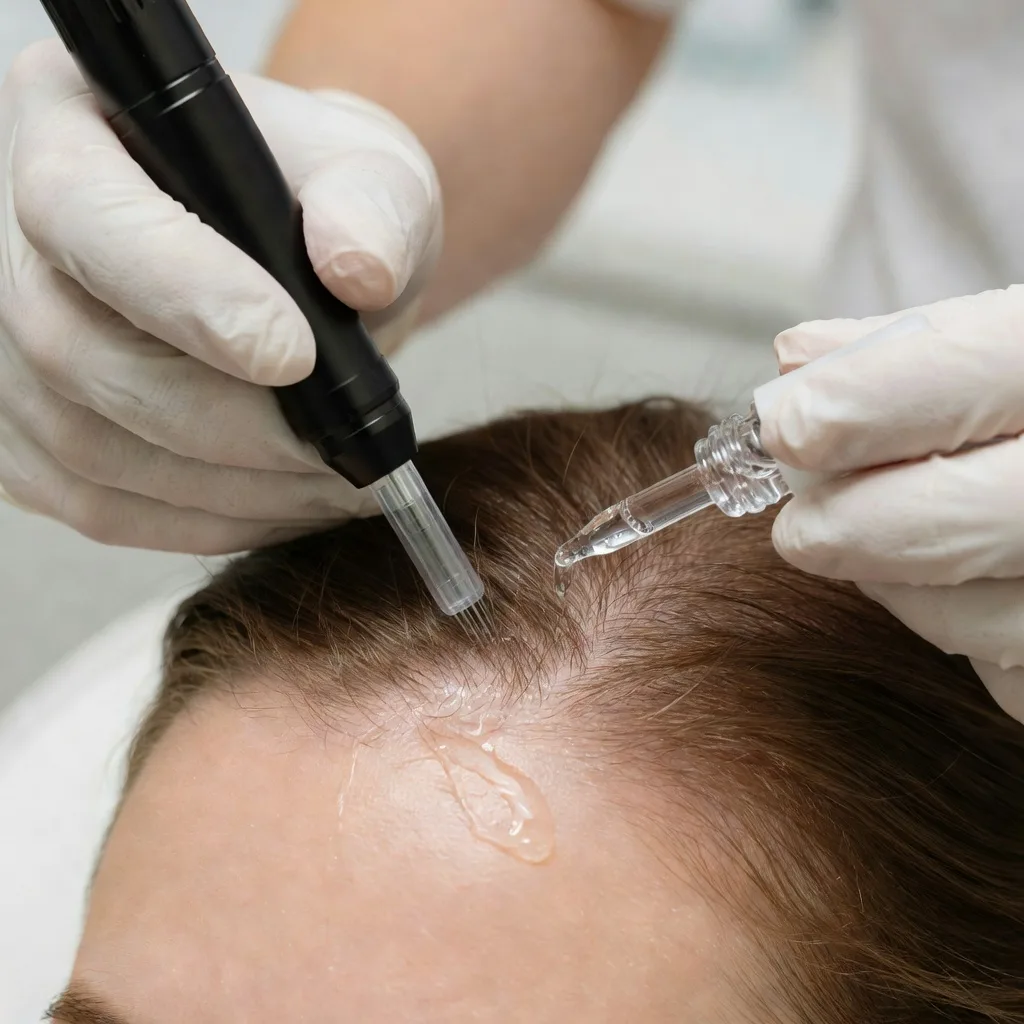
Microneedling with minoxidil appears to work better than minoxidil alone for many people with hereditary hair loss, based on several small clinical studies. In those studies, people who combined regular scalp microneedling sessions with minoxidil grew noticeably more hair over a few months than people using minoxidil by itself. Microneedling is thought to help by triggering a mild healing response in the scalp and possibly improving how minoxidil reaches the follicle. The combination is not a cure, results stop if treatment stops, and it can irritate or infect the scalp if done too often, too deeply or with dirty tools. It is best started with advice from a dermatologist.
In short: combining the two can boost regrowth, but go gently, keep tools sterile, wait before applying minoxidil and get a diagnosis first.
The American Academy of Dermatology notes that minoxidil can help early hair loss but cannot regrow a full head of hair, that results take months, and that one study found people treated with microneedling plus minoxidil had significantly more hair growth than those using minoxidil alone.
This guide covers how each treatment works, what the evidence suggests, how to combine them safely at home or in a clinic, and who should avoid the combination.
Shopping these picks?
Amazon Prime members get fast, free shipping on eligible items, plus Prime Video, Amazon Music and member deals. New members can start with a free trial.
Start a free Prime trialAged 18 to 24? Prime for Young Adults comes with a longer free trial and a lower price after it.
Affiliate link: we may earn a commission at no extra cost to you.
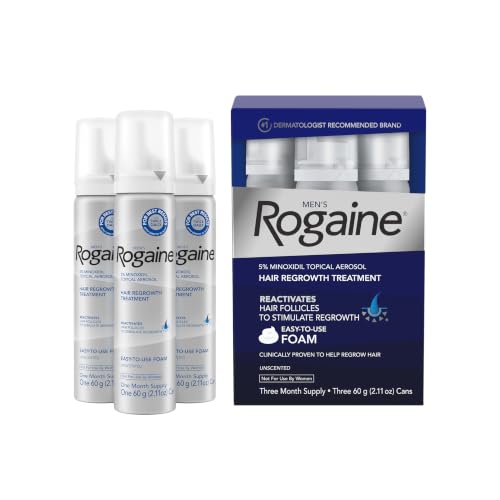
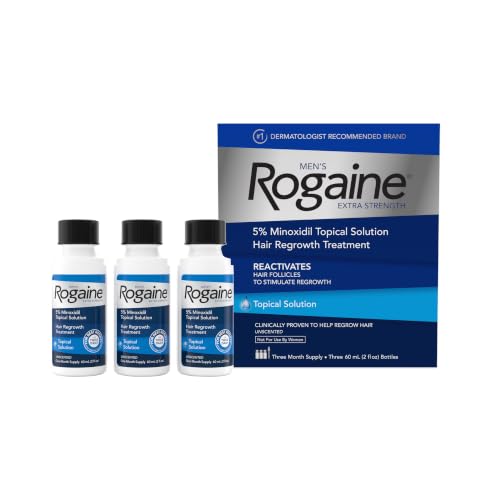
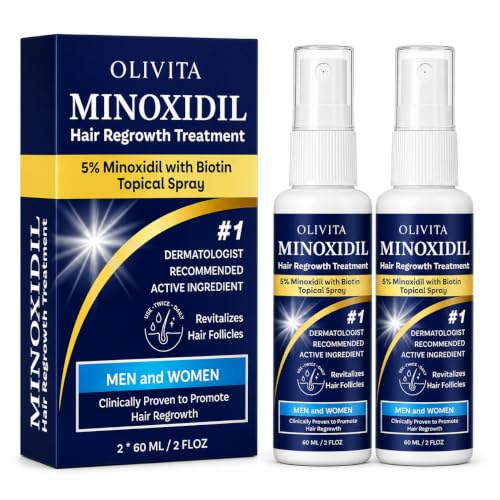
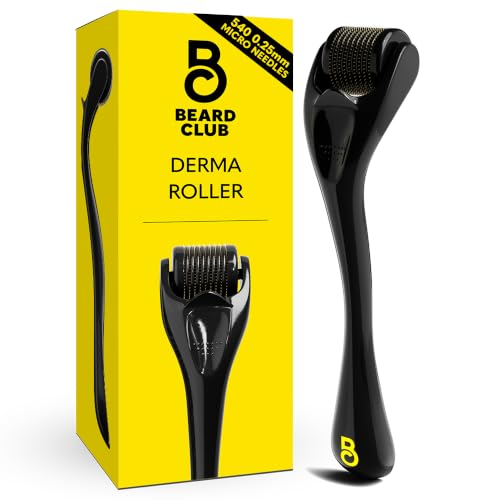
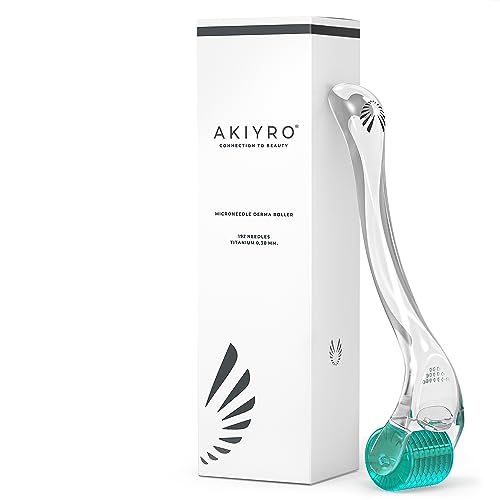
Recommended Minoxidil and Scalp Microneedling Tools on Amazon


On This Page
- How Minoxidil and Microneedling Each Work
- What the Studies Suggest
- Choosing a Scalp Microneedling Device
- Home Microneedling vs In-Clinic Treatment
- When to Apply Minoxidil After Microneedling
- How to Combine Scalp Microneedling With Minoxidil Safely
- Side Effects and Who Should Avoid It
- What Results to Expect and When
- Dos and Don’ts
- Honest Limits
- When to See a Dermatologist
- Common Questions
- Summing Up
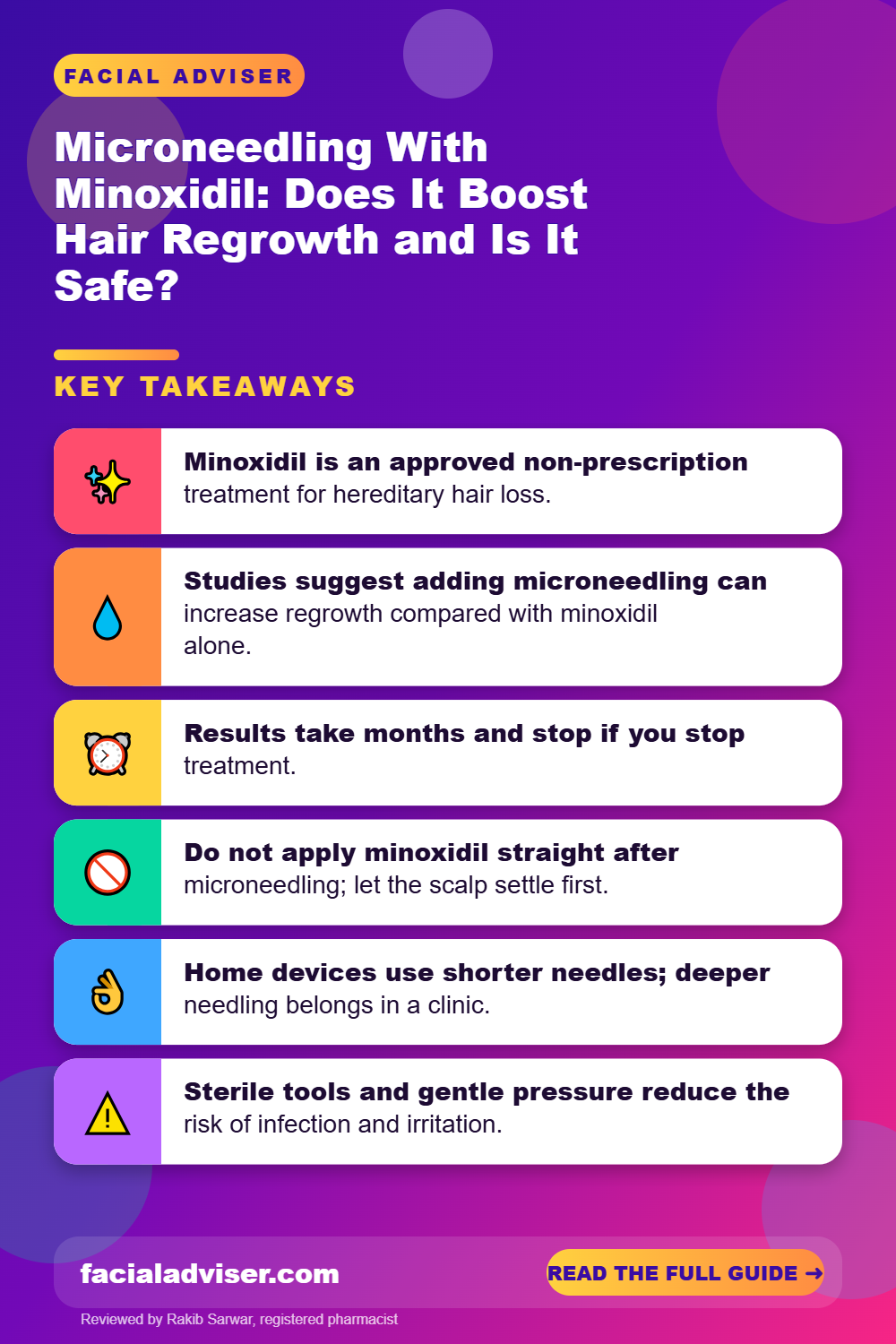
In Brief
- Minoxidil is an approved non-prescription treatment for hereditary hair loss.
- Studies suggest adding microneedling can increase regrowth compared with minoxidil alone.
- Results take months and stop if you stop treatment.
- Do not apply minoxidil straight after microneedling; let the scalp settle first.
- Home devices use shorter needles; deeper needling belongs in a clinic.
- Sterile tools and gentle pressure reduce the risk of infection and irritation.
- A dermatologist should confirm the cause of hair loss before you start.
How Minoxidil and Microneedling Each Work
The two treatments act in different ways, which is why combining them may help.
| Minoxidil | Scalp microneedling | |
|---|---|---|
| What it is | A topical foam or solution applied to the scalp | Tiny needles on a roller, stamp or pen create small punctures |
| How it may help | Prolongs the growth phase and enlarges thinning follicles | Triggers a wound-healing response and growth signals; may improve product absorption |
| How often | Daily, as directed on the label | Usually weekly or less often, depending on needle length |
| Time to results | Months of continuous use | Only studied alongside other treatments |
| Main side effects | Itching, flaking, early shedding, unwanted hair on the face | Redness, soreness, pinpoint bleeding, infection risk |
Minoxidil on its own is the better-studied treatment. Microneedling has much less evidence as a stand-alone option and is mostly researched as an add-on that may help minoxidil or other treatments work better.
What the Studies Suggest
Research on microneedling with minoxidil is encouraging but still limited. Most studies have been small, short and done in people with hereditary (pattern) hair loss.
- Several trials found greater hair counts when microneedling was added to minoxidil than with minoxidil alone.
- Some people who had responded poorly to minoxidil saw improvement after microneedling was added.
- Most studies used in-clinic sessions with longer needles, spaced a week or more apart.
- Follow-up periods were usually a few months, so long-term results are less certain.
- Results varied widely from person to person.
The AAD page on hair loss diagnosis and treatment describes this combined approach as promising for hereditary hair loss and points out that microneedling devices used for hair loss have longer needles than those used for skin, which is one reason to involve a dermatologist.
Microneedling has not been shown to help every type of hair loss. For patchy loss, scarring hair loss or shedding linked to illness, stress or nutrition, the cause needs treating first, and needling could make some scalp conditions worse.
Choosing a Scalp Microneedling Device
Home devices differ mainly in how they deliver the needles and how deep they go.
| Device | How it works | Pros | Cons |
|---|---|---|---|
| Derma roller | A drum of needles rolled across the scalp | Simple and widely available | Can drag on hair and tear skin if pressed hard |
| Derma stamp | A flat head of needles pressed straight down | Precise, less pulling on hair | Slower to cover a large area |
| Microneedling pen | Motorised needles move up and down | Even depth, good control | Needs cartridges; easier to overdo |
| In-clinic needling | Done by a professional with sterile equipment | Deeper, more controlled treatment | Requires appointments |
For home use, shorter needles are generally safer and gentler. Deeper needling carries more risk of bleeding, infection and scarring, and is best left to a trained professional. Whatever device you choose, it must be cleaned and disinfected every time and replaced when the needles dull or bend. Dull or bent needles tear rather than puncture the skin, which increases soreness and the risk of infection. Choose a device with a protective case, and avoid very cheap tools with no information about needle material, length or how to clean them.
Home Microneedling vs In-Clinic Treatment
Much of the encouraging research used professional sessions, which differ from rolling a device at home in several ways.
- Clinics use sterile, single-use or properly sterilised needles and prepare the scalp with antiseptic.
- Professionals can choose a needle depth suited to your scalp and hair loss pattern.
- Some clinics combine needling with other treatments, such as platelet-rich plasma or prescription products.
- A clinician can spot scalp conditions that make needling a bad idea.
- Home devices are cheaper and more convenient, but results may be smaller and the risk of doing too much is higher.
A sensible middle ground for many people is to start with in-clinic sessions, learn what depth and spacing suit their scalp, and then ask whether gentle home needling between visits is appropriate. If you prefer home treatment only, keep needles short, pressure light and sessions spaced out, and stop if you notice lasting soreness, bumps or bleeding that does not settle quickly.
It is also worth remembering that the minoxidil itself remains the backbone of the routine. Skipping daily minoxidil to focus on needling is likely to give worse results than using minoxidil consistently on its own.
When to Apply Minoxidil After Microneedling
Timing matters more than many people realise. Microneedling temporarily opens small channels in the skin, which is why it may improve absorption, but that also means more of the product reaches deeper skin layers than intended.
- Do not apply minoxidil immediately after a microneedling session.
- Many dermatologists suggest waiting around a day, until any redness and pinpoint bleeding have settled.
- Resume your normal daily minoxidil routine once the scalp feels calm.
- Skip needling on days the scalp is irritated, sunburnt or broken.
Applying minoxidil onto freshly needled skin can increase irritation and absorption into the body. Minoxidil can affect blood pressure and heart rate in rare cases; stop and seek medical advice if you notice dizziness, chest pain, a racing heart or swelling. Minoxidil is also dangerous to cats, so keep it away from pets and let it dry before contact.
How to Combine Scalp Microneedling With Minoxidil Safely
If your dermatologist agrees that the combination suits you, these steps keep home treatment as safe as possible.
Get a diagnosis
Confirm with a dermatologist that you have hereditary hair loss and no scalp condition that needling could worsen.
Establish minoxidil first
Use minoxidil as directed for several weeks to check you tolerate it.
Clean scalp and tool
Wash your hair, then disinfect the device with rubbing alcohol and let it dry.
Needle gently
Use light pressure in a few directions over thinning areas, lifting a roller between passes rather than dragging it.
Leave the scalp alone
Avoid minoxidil, styling products and hats for about a day.
Clean and store the tool
Rinse, disinfect and store it dry in its case; never share it.
Resume minoxidil and review
Restart daily minoxidil, keep needling spaced out and track progress with photos every few months.
Take photos of the same areas in the same light every month. Hair changes slowly, and photos show progress far more reliably than looking in the mirror each day.
Side Effects and Who Should Avoid It
Both treatments are generally well tolerated when used carefully, but side effects are possible.
- Redness, tenderness and pinpoint bleeding after microneedling.
- Scalp infection or inflamed follicles if tools are not sterile.
- Itching, dryness or flaking from minoxidil, often due to the solution base.
- Temporary shedding in the first weeks of minoxidil.
- Unwanted hair growth on the face if minoxidil spreads.
Avoid the combination, or ask a doctor first, if you are pregnant or breastfeeding, have an active scalp infection, psoriasis, eczema or acne on the scalp, bleed or bruise easily, take blood thinners, have a heart condition or tend to form raised scars. For more on how skin heals after needling, see our comparison of laser facial vs microneedling.
What Results to Expect and When
Patience is essential. Hair grows slowly, and early shedding with minoxidil can make things look worse before they look better. Many people give up during this phase, just before the treatment has had a fair chance to work, so it helps to know the typical timeline in advance.
- First weeks: possible shedding as older hairs make way for new growth.
- Around three to four months: some people notice less shedding and fine new hairs.
- Around six to twelve months: the clearest picture of how well treatment works.
- Ongoing: continued use is needed to keep results.
The AAD’s page on female pattern hair loss notes that minoxidil usually needs about six to twelve months of continuous use before you know how well it works, and the same patience applies when microneedling is added.
Dos and Don’ts
Do
- See a dermatologist for a diagnosis first
- Disinfect tools before and after every use
- Wait before applying minoxidil after needling
- Space sessions out to let the scalp heal
- Track progress with monthly photos
Don’t
- Needle daily or press hard
- Use deep needles at home
- Share or reuse a dull device
- Needle over infected, irritated or broken skin
- Expect results in a few weeks
Honest Limits
Microneedling with minoxidil is not a cure for hair loss. It may help thinning hair look fuller, but it cannot restore hair where follicles are long gone, and results depend on the cause and extent of loss. The research is still small-scale, and long-term data are limited.
Both treatments need ongoing commitment, and stopping minoxidil usually leads to gradual loss of the regrown hair. For many people, prescription options, in-clinic treatments or a combination recommended by a dermatologist will do more than home needling alone. If you have scalp thinning with irregular periods or new facial hair, our guide on normal facial hair vs PCOS explains why a hormonal check can be worthwhile.
When to See a Dermatologist
- Before starting microneedling on the scalp.
- Sudden, patchy or rapid hair loss.
- Scalp pain, burning, scaling or pus.
- Hair loss with other symptoms such as fatigue, weight change or irregular periods.
- No improvement after about a year of consistent treatment.
This article is for general information and does not replace professional medical advice. See a board-certified dermatologist or your doctor to diagnose hair loss and before starting microneedling or minoxidil, especially if you are pregnant, breastfeeding or have a medical condition.
Common Questions
Does microneedling with minoxidil work?
Small studies suggest it improves regrowth compared with minoxidil alone in pattern hair loss.
How long should I wait to apply minoxidil after microneedling?
Many dermatologists suggest about a day, once the scalp has settled.
How often should I microneedle my scalp?
Usually no more than weekly, and less often with longer needles; follow professional advice.
What needle length is used for hair?
Hair devices use longer needles than skin devices; deeper needling is best done in a clinic.
Can microneedling alone regrow hair?
Evidence for microneedling alone is limited; it is mostly studied as an add-on.
Is a derma roller or pen better?
Pens give more even depth; rollers are simpler; both need sterile use.
Can women use microneedling with minoxidil?
Yes, with a diagnosis and guidance, but not during pregnancy or breastfeeding.
Will I lose the hair if I stop?
Regrown hair usually gradually falls out if minoxidil is stopped.
Can microneedling cause infection?
Yes, if tools or the scalp are not clean.
Is shedding normal at the start?
Some early shedding with minoxidil is common and usually temporary.
Summing Up
Microneedling with minoxidil may give better regrowth than minoxidil alone for hereditary hair loss, but the evidence is still limited and results take months. It works best as a careful, spaced-out routine with sterile tools and a pause before applying minoxidil.
Before you start, see a dermatologist to confirm the cause of your hair loss and to agree on needle depth, frequency and whether other treatments would help more.

Written by
Registered pharmacist and founder of Facial Adviser. Rakib's pharmacy training covers how skincare actives work and interact; a later course in cosmetology turned that into a focus on facial treatments and skincare products. He plans, researches and edits every guide on the site and checks health claims against sources such as the American Academy of Dermatology, the FDA and the NIH. He is not a dermatologist; see the Editorial Policy and Medical Disclaimer.
About · Editorial policy · How we choose products · Medical disclaimer · Contact
Keep reading: Microneedling, PRP and lasers
- Microneedling Facial: Real Results, Explained
- Microneedling Without Serum: Is It Risky?
- Dr. Pen Ultima A6S and A6: Features, Safety and Who Should Use It
- Does Needle Count Matter for Microneedling?
- Carbon Peel Laser Benefits: What the Evidence Shows
- Rezenerate Facial vs Microneedling: Differences, Results and Which to Choose
- Ultimate Guide Microdermabrasion: What to Know
- Facial vs Chemical Peel: Differences, Results and Which to Choose