Normal Facial Hair in Women vs PCOS: The Signs That Point to Hormones
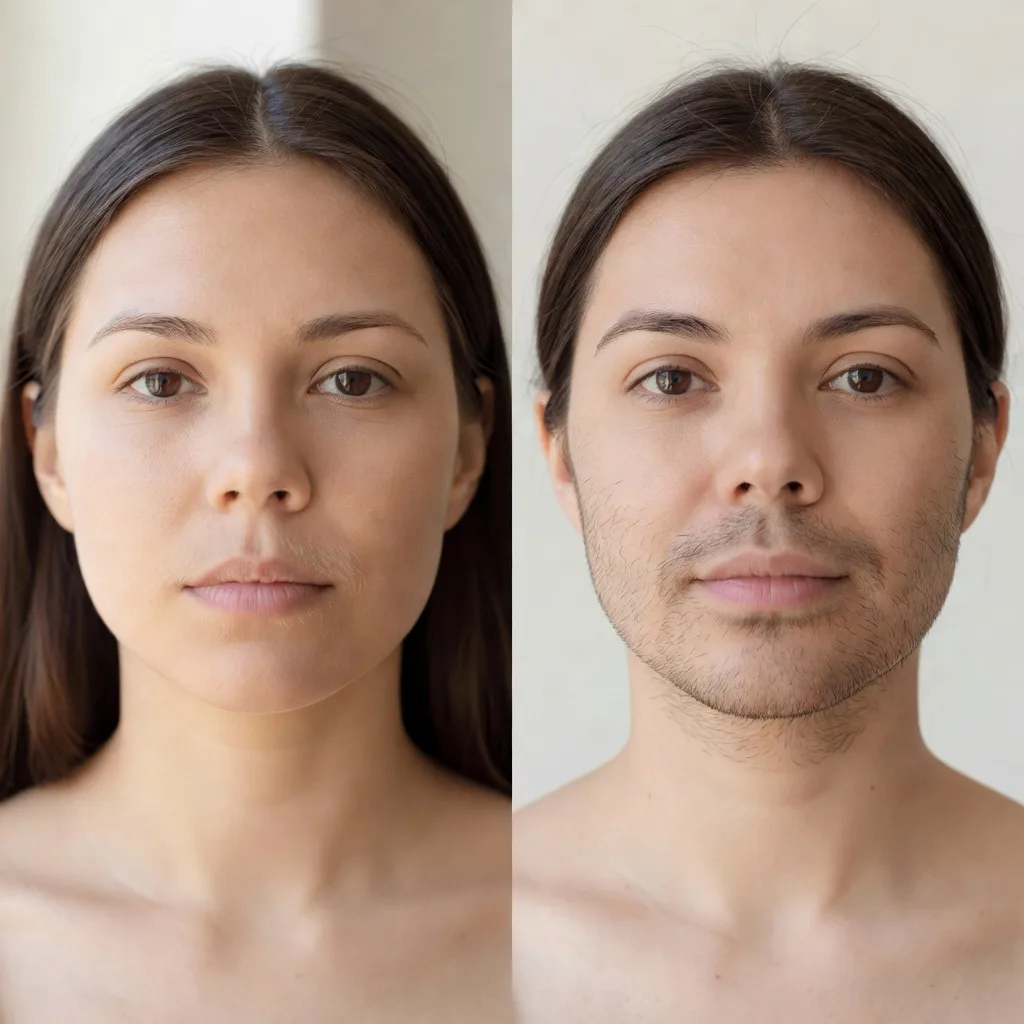
Almost every woman has some facial hair. There is soft peach fuzz across the cheeks, a few finer hairs on the upper lip, and often the odd darker hair on the chin that seems to appear out of nowhere. For most women, that is completely normal and simply a matter of genetics, age, and ethnicity.
Part of our guide to at-home facial devices. Start with: 10 Best Products for Women's Facial Hair Removal (2026): Gentle Picks
For some, though, facial hair is thicker, darker, and more widespread, or it starts to increase noticeably over a short period. Coarse, dark hair in a male-type pattern, on the chin, jawline, upper lip, and neck, is called hirsutism, and the most common cause is polycystic ovary syndrome, or PCOS. PCOS is a hormonal condition that affects roughly one in ten women of reproductive age and often goes undiagnosed for years.
The difference matters. Normal facial hair is a cosmetic choice. Hirsutism is a symptom, and it often comes with other signs that deserve medical attention, such as irregular periods, acne, thinning scalp hair, or changes in weight and blood sugar. Treating only the hair means missing the reason it is growing.
You cannot diagnose PCOS at home, but you can notice the pattern. A short check of where your hair grows, how it has changed, and which other symptoms come with it helps you decide whether to keep managing it cosmetically or ask your doctor for a hormone assessment.
This guide explains how doctors tell normal hair from hirsutism, what PCOS is, the signs that point to hormones, what tests are involved, how PCOS changes hair removal, and which symptoms need prompt attention.
Shopping these picks?
Amazon Prime members get fast, free shipping on eligible items, plus Prime Video, Amazon Music and member deals. New members can start with a free trial.
Start a free Prime trialAged 18 to 24? Prime for Young Adults comes with a longer free trial and a lower price after it.
Affiliate link: we may earn a commission at no extra cost to you.
Recommended Tools for Managing Facial Hair




What to Know First
- Fine peach fuzz and a few darker hairs are normal for most women and vary with genetics, ethnicity, and age.
- Coarse, dark hair in a male-type pattern on the chin, jaw, upper lip, and neck is called hirsutism.
- PCOS is the most common cause of hirsutism and also affects periods, skin, weight, and metabolic health.
- Doctors use the modified Ferriman-Gallwey score to rate hair growth, and what counts as excess varies by ethnicity.
- Irregular periods, acne, scalp thinning, or dark velvety skin patches alongside facial hair are reasons to get checked.
- Sudden, rapid hair growth or a deepening voice needs prompt medical assessment.
- Hair removal works with PCOS, but results last longer when the underlying hormones are treated too.
On This Page
- What Normal Facial Hair Looks Like
- Normal Hair, Hirsutism, and Hypertrichosis
- How Doctors Measure Excess Hair
- What PCOS Is and How It Affects Hair
- The Pattern Check: Could Your Facial Hair Be Hormonal?
- What Testing Involves
- How PCOS Changes Hair Removal
- What Hair Removal and Home Remedies Cannot Do
- When to See a Doctor
- FAQ
- Final Word
What Normal Facial Hair Looks Like
Everyone has two main types of body hair. Vellus hair is short, fine, and light, the peach fuzz you notice in bright light. Terminal hair is longer, thicker, and darker, like the hair on your head or eyebrows. Most women have mainly vellus hair on the face, with some terminal hairs on the upper lip and chin.
How much of each you have depends heavily on genetics and ethnicity. Women of Mediterranean, Middle Eastern, and South Asian heritage often have more visible facial hair than women of East Asian heritage, without any hormonal problem. Hair also changes with age. Many women notice more chin hairs around perimenopause and after menopause, when the balance between estrogen and androgens shifts.
If you want a closer look at what counts as typical, our guide to how much facial hair is normal for a woman covers it in detail. This guide focuses on the point where hair growth may be a sign of PCOS.
Normal Hair, Hirsutism, and Hypertrichosis
These three terms are often used interchangeably online, but they describe different things, and only one of them is typically hormonal.
| Term | What it means | Hair pattern | Usual cause |
|---|---|---|---|
| Normal facial hair | Expected hair for your genetics and age | Mostly fine, with some darker hairs on lip and chin | Genetics, ethnicity, age |
| Hirsutism | Excess coarse, dark hair in a male-type pattern | Chin, jawline, upper lip, neck, chest, abdomen | Androgens, most often PCOS |
| Hypertrichosis | Excess hair anywhere, not following a male pattern | Often fine hair, can be widespread | Medications, genetics, other conditions |
The key features of hirsutism are the type of hair, coarse and dark rather than fine, and its location in areas where men typically grow hair. Hypertrichosis is different and is more often linked to certain medications or rare conditions.
How Doctors Measure Excess Hair
Doctors commonly use the modified Ferriman-Gallwey score. It rates hair growth from 0 to 4 in nine body areas, including the upper lip, chin, chest, and abdomen, giving a total out of 36.
The Endocrine Society’s 2018 clinical guideline on hirsutism describes a score of 8 or more as the usual threshold for hirsutism in many populations, while noting that lower cutoffs, around 4 to 6, are more appropriate for some groups, including East Asian women. Research into population-specific cutoffs is ongoing, which is one reason a clinician’s judgment matters more than an online calculator.
Hair removal skews the score. If you regularly shave, wax, or pluck, a clinician cannot see your natural growth. Mention how and how often you remove hair, and if you can, let it grow for a short time before an appointment where hirsutism will be assessed.
What PCOS Is and How It Affects Hair
Polycystic ovary syndrome is a common hormonal condition. Despite the name, it is not simply about cysts. Under the widely used Rotterdam criteria, PCOS is diagnosed when at least two of three features are present: irregular or absent ovulation, signs of high androgens, and a polycystic appearance of the ovaries on ultrasound, after other causes are ruled out.
Androgens such as testosterone act on hair follicles in androgen-sensitive areas, turning fine vellus hairs into coarse terminal hairs. That is why PCOS-related hair grows on the chin, jaw, and upper lip. The same hormones can cause acne and, paradoxically, thinning hair on the scalp.
Insulin resistance, which is common in PCOS, can raise androgen levels further. This is part of why lifestyle changes and some diabetes medications can improve PCOS symptoms, including hair growth, for some women.
The Pattern Check: Could Your Facial Hair Be Hormonal?
This is not a diagnosis, but it helps you decide whether to raise the question with a doctor.
Check the type of hair
Look in daylight. Fine, soft, light hair is vellus hair and is rarely a hormonal concern. Coarse, dark, wiry hairs are terminal hairs.
Map where it grows
Note whether dark hairs appear on the chin, jawline, neck, and upper lip, and whether you also have them on the chest, around the nipples, or on the lower abdomen.
Think about the timeline
Hair that has been stable since your teens is less concerning than hair that has noticeably increased in the past year.
List other symptoms
Irregular periods, cycles longer than about 35 days, acne on the jaw and chin, scalp thinning, difficulty with weight, or dark velvety patches in skin folds all point toward hormones.
Decide your next step
Coarse hair plus one or more other symptoms: ask your doctor about testing for PCOS. Fine hair, stable for years, with regular periods: cosmetic removal is a reasonable choice.
See a doctor promptly if hair growth is rapid, developing over a few months, or comes with a deepening voice, increased muscle bulk, a sharply receding hairline, or enlargement of the clitoris. These signs can point to much higher androgen levels than PCOS usually causes and need urgent assessment.
What Testing Involves
If you see your doctor about facial hair, they will usually take a history, examine hair growth and skin, and may order blood tests and sometimes an ultrasound.
| Test | What it checks | Why it matters |
|---|---|---|
| Total or free testosterone | Androgen levels | Supports a diagnosis of hyperandrogenism |
| SHBG | Hormone-binding protein | Low levels mean more active testosterone |
| DHEA-S | Adrenal androgens | Helps rule out adrenal causes |
| 17-hydroxyprogesterone | Adrenal enzyme function | Screens for non-classic congenital adrenal hyperplasia |
| Thyroid and prolactin | Other hormone problems | Can mimic or accompany PCOS |
| Glucose or HbA1c, lipids | Metabolic health | PCOS raises the risk of diabetes and heart disease |
| Pelvic ultrasound | Ovarian appearance | One of the Rotterdam criteria |
Timing matters for some hormone tests, and hormonal contraception can affect results, so follow your doctor’s instructions about when to test and whether to pause medications.
How PCOS Changes Hair Removal
Hair removal still works when you have PCOS, but because hormones keep stimulating the follicles, hair tends to grow back faster and thicker than it would otherwise.
Try This
- Use tweezers for a few stray hairs.
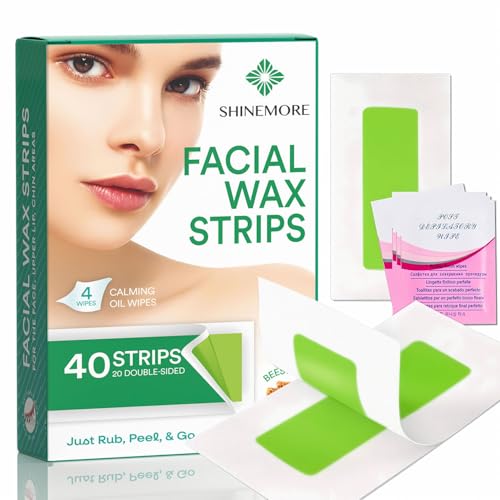
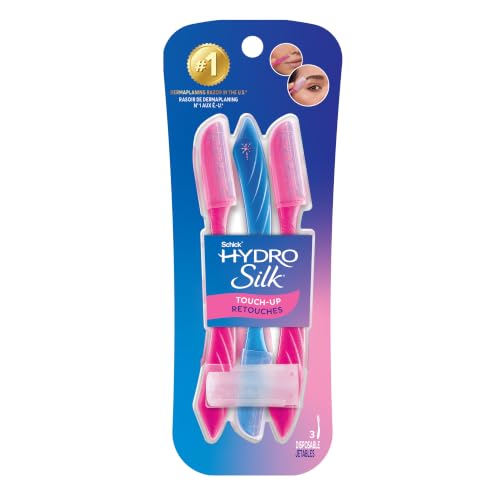
- Try dermaplaning or a facial trimmer for quick, painless removal.
- Consider laser or IPL for dark hair on lighter skin, with realistic expectations.
- Ask about eflornithine cream, a prescription that slows facial hair growth.
- Pair removal with medical treatment of PCOS for longer-lasting results.
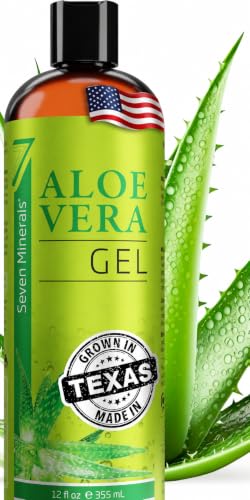
- Soothe skin after waxing or threading with a fragrance-free product.
Avoid This
- Believe shaving makes hair grow back thicker; it does not.
- Use home IPL on dark skin without checking the device’s skin tone guidance.
- Wax over acne, broken skin, or skin using retinoids.
- Pluck ingrown hairs deeply or dig at them.
- Expect laser alone to be permanent if hormones are untreated.
- Rely on supplements or teas as a substitute for diagnosis.
For a broader look at removal options, see our guide to the best products for facial hair removal for women.
Laser and hormones: laser hair reduction targets pigment in the hair, so it works best on dark hair and lighter skin. In PCOS, maintenance sessions are often needed because hormones can activate new follicles over time.
What Hair Removal and Home Remedies Cannot Do
Removing hair treats the visible sign but not the cause. If PCOS is driving your hair growth, it may also be affecting your periods, fertility, skin, and long-term metabolic health, none of which improve with waxing or lasers.
Many home remedies are marketed for hormonal facial hair, including spearmint tea, turmeric pastes, and various supplements. Some have small, short studies behind them, but none has strong evidence for reliably reducing hirsutism, and they should not delay proper assessment.
Medical treatments such as combined hormonal contraceptives and anti-androgen medicines can reduce hirsutism, but they take time, usually six months or more to show meaningful change in hair, and they are not suitable for everyone. That is a conversation to have with your doctor.
When to See a Doctor
Make an appointment if any of the following apply:
- Coarse, dark facial hair along with irregular or absent periods.
- Facial hair together with acne, scalp hair thinning, or dark velvety skin patches.
- Facial hair that has increased noticeably over the past year.
- Difficulty getting pregnant.
- Signs of insulin resistance, such as rapid weight gain or a family history of type 2 diabetes.
- Rapid hair growth over weeks to months, a deepening voice, or other signs of virilization, which need urgent assessment.
If your skin is also changing with your cycle, our guide to hormonal facial skin changes during your cycle may help you track patterns to share with your doctor.
Medical disclaimer: This article is for general information and is not a substitute for professional medical advice. Only a qualified clinician can diagnose PCOS or other hormonal conditions. Seek prompt care for rapid hair growth or signs of virilization.
FAQ
How much facial hair is normal for a woman?
Most women have fine peach fuzz and a few darker hairs on the upper lip and chin. The amount varies widely with genetics, ethnicity, and age.
How do I know if my facial hair is caused by PCOS?
Coarse, dark hair in a male-type pattern, especially with irregular periods, acne, or scalp thinning, suggests a hormonal cause and is worth checking with a doctor.
What is hirsutism?
Hirsutism is excess coarse, dark hair in areas where men typically grow hair, such as the chin, jaw, upper lip, and chest.
What score means hirsutism on the Ferriman-Gallwey scale?
A modified Ferriman-Gallwey score of 8 or more is commonly used, though lower cutoffs are appropriate for some ethnic groups.
Can you have PCOS without facial hair?
Yes. Not everyone with PCOS has hirsutism. Diagnosis depends on a combination of features, including periods and hormone levels.
Does shaving make facial hair grow back thicker?
No. Shaving cuts hair at the surface and does not change its thickness, color, or growth rate.
What tests diagnose PCOS?
Doctors usually check hormone levels such as testosterone, rule out other causes with blood tests, and sometimes use an ultrasound.
Can PCOS facial hair be removed permanently?
Laser and electrolysis can reduce hair significantly, but hormones may stimulate new growth, so maintenance is common unless hormones are treated.
Is sudden facial hair growth serious?
Rapid growth over weeks to months, especially with a deepening voice, needs prompt medical assessment.
Does spearmint tea reduce PCOS facial hair?
Some small studies suggest effects on hormones, but there is no strong evidence that it reliably reduces facial hair.
Final Word
Some facial hair is normal for almost every woman, and how much you have depends largely on genetics, ethnicity, and age. Hirsutism is different: coarse, dark hair in a male-type pattern, and PCOS is its most common cause.
Look at the type of hair, where it grows, how it has changed, and what other symptoms come with it. If the pattern points toward hormones, ask your doctor about testing rather than only removing the hair, and seek prompt care if growth is rapid or comes with signs like a deepening voice.

Written by
Registered pharmacist and founder of Facial Adviser. Rakib's pharmacy training covers how skincare actives work and interact; a later course in cosmetology turned that into a focus on facial treatments and skincare products. He plans, researches and edits every guide on the site and checks health claims against sources such as the American Academy of Dermatology, the FDA and the NIH. He is not a dermatologist; see the Editorial Policy and Medical Disclaimer.
About · Editorial policy · How we choose products · Medical disclaimer · Contact
Keep reading: Facial hair removal
- 10 Best Products for Women's Facial Hair Removal (2026): Gentle Picks
- Waxing vs Shaving Facial Hair: Which Is Better for Your Skin?
- Beard vs Clean-Shaven: What Facial Hair Does for Your Skin and Look
- Laser vs Electrolysis for Facial Hair: Which Works for Your Hair and Skin
- Epilator vs Waxing for Facial Hair: Pain, Results, and Skin Safety
- Facial Razor vs Normal Razor: Can You Use a Regular Razor on Your Face?
- 10 Best Gua Sha Facial Tools (2026): Stone and Steel Picks Compared
- 10 Best Facial Tools (2026): LED, Cleansing, Gua Sha and More