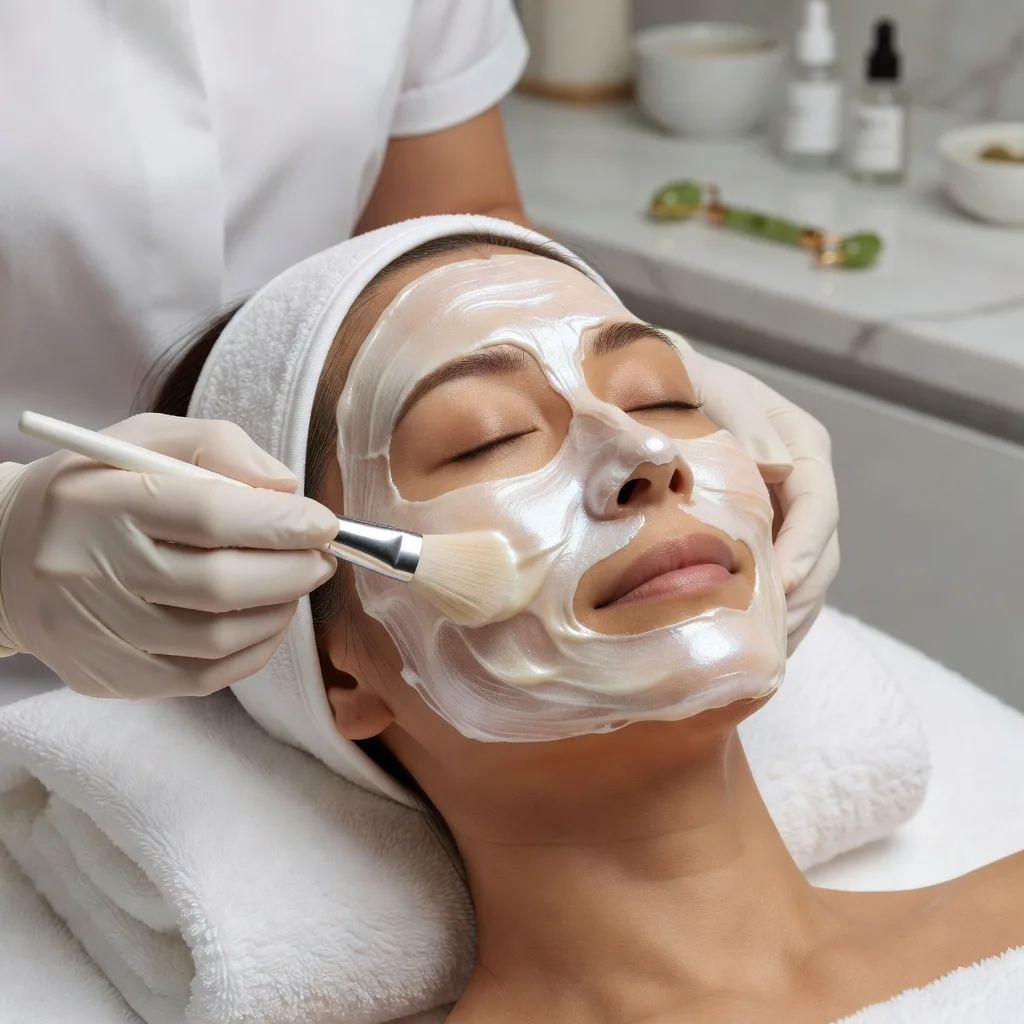
What Is the Best Anti-Aging Facial Treatment? Options Compared by Goal
Search for the best anti-aging facial and you will find dozens of treatments, each promising younger-looking skin. Some genuinely rebuild collagen over months, some give a pleasant glow that fades within days, and a few do very little at all. The right choice depends on what bothers you most: fine lines, deeper wrinkles, loss of firmness, dullness or uneven tone.
There is no single best anti-aging facial for everyone. For wrinkles and loss of firmness, the treatments with the strongest evidence are collagen-stimulating ones: microneedling, radiofrequency and medium-depth chemical peels, performed by a trained professional. For dullness, rough texture and mild sun spots, superficial peels and HydraFacial-style treatments give a quick, visible freshness. Microcurrent and LED facials are gentle and relaxing but produce subtler, shorter-lived results. Whatever you choose, daily sunscreen and a retinoid at home do more for ageing skin over the long run than any one-off facial.
In short: match the treatment to your main concern, expect gradual results, and keep a strong home routine going between sessions.
The American Academy of Dermatology notes that chemical peels can reduce fine lines and uneven colour, and it repeatedly stresses daily broad-spectrum sunscreen as the foundation of any plan to keep skin looking younger.
Below we compare the main professional and at-home options, explain what each can and cannot do for wrinkles, sagging and dullness, and show how to build a realistic, affordable plan that you can keep up over time.
Shopping these picks?
Amazon Prime members get fast, free shipping on eligible items, plus Prime Video, Amazon Music and member deals. New members can start with a free trial.
Start a free Prime trialAged 18 to 24? Prime for Young Adults comes with a longer free trial and a lower price after it.
Affiliate link: we may earn a commission at no extra cost to you.
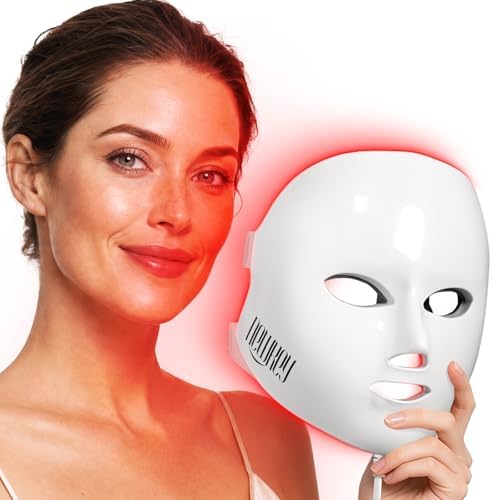
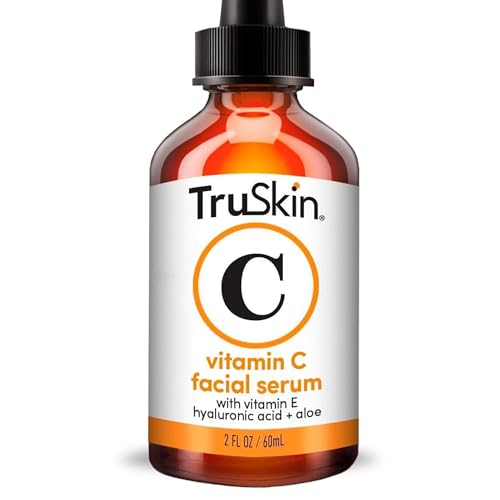
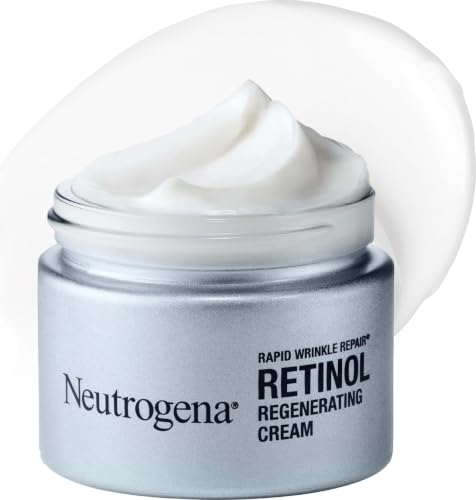
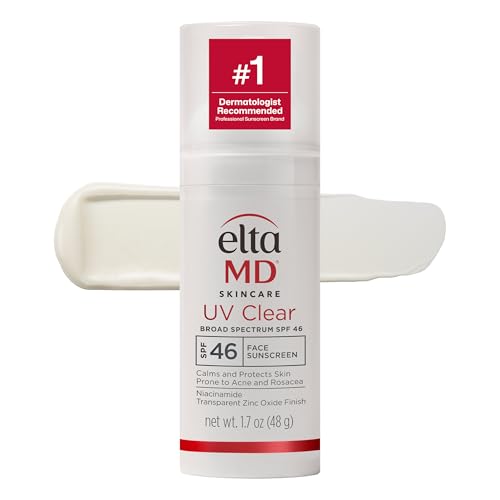
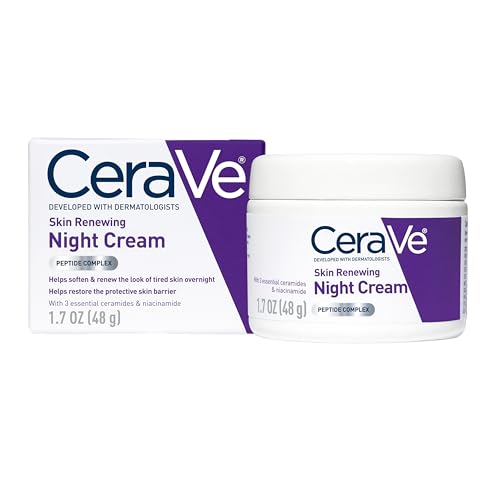
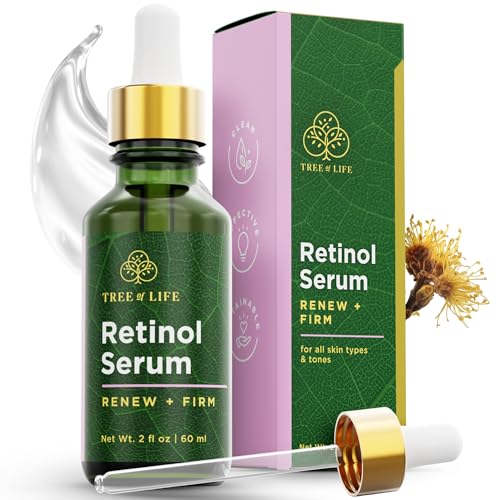
Recommended At-Home Anti-Aging Devices and Serums

What This Covers
- Anti-Aging Facial Treatments Compared
- Best Facial for Wrinkles
- Best Facial for Aging and Sagging Skin
- Best Facial to Look Younger Quickly
- At-Home vs Professional Anti-Aging Facials
- How to Choose the Right Anti-Aging Facial for You
- Microcurrent vs LED vs HydraFacial: The Gentle Options
- Side Effects and Safety
- Dos and Don’ts
- Honest Limits
- When to See a Dermatologist
- Your Questions, Answered
- The Bottom Line
Key Takeaways
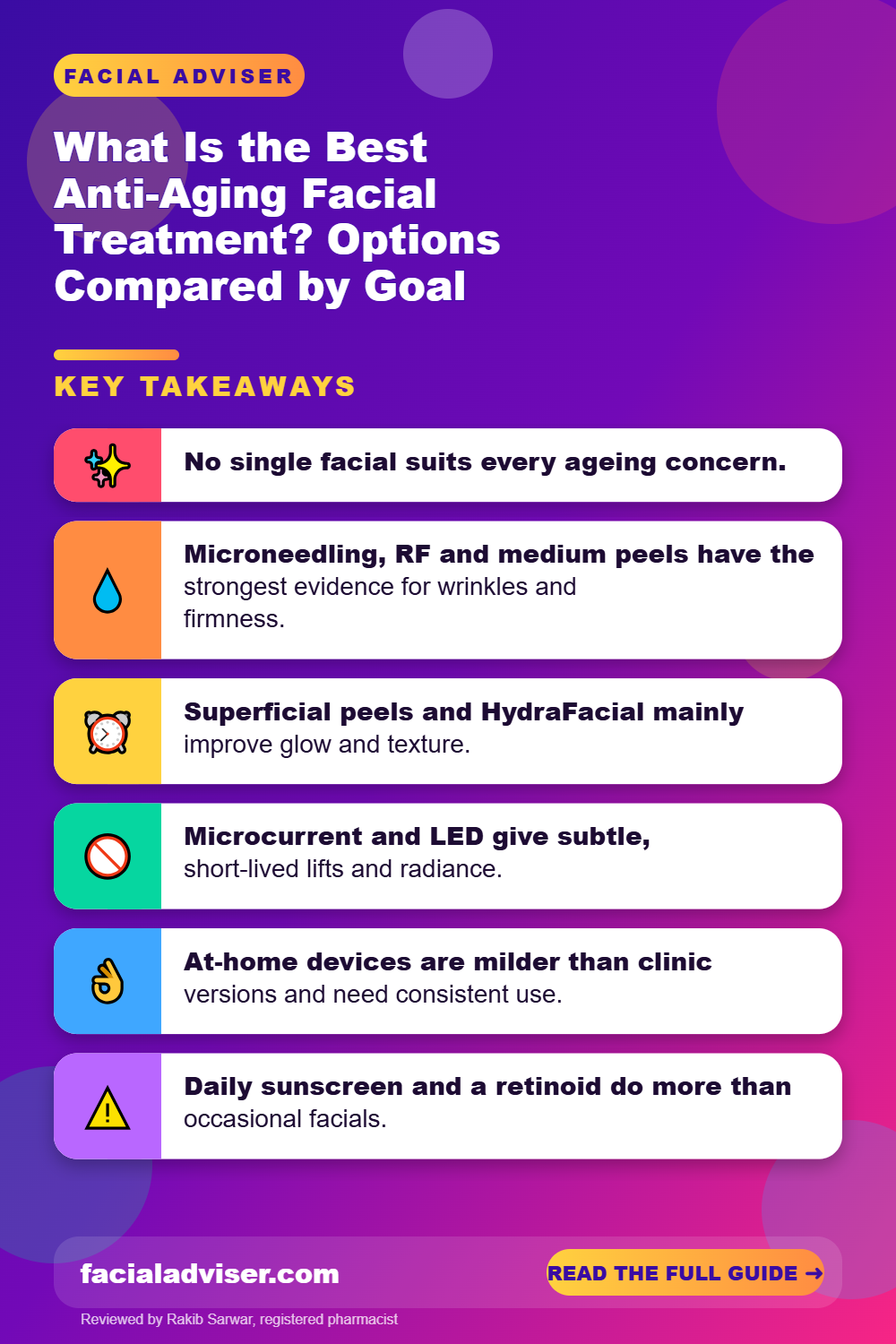
- No single facial suits every ageing concern.
- Microneedling, RF and medium peels have the strongest evidence for wrinkles and firmness.
- Superficial peels and HydraFacial mainly improve glow and texture.
- Microcurrent and LED give subtle, short-lived lifts and radiance.
- At-home devices are milder than clinic versions and need consistent use.
- Daily sunscreen and a retinoid do more than occasional facials.
- Results build over a series of sessions, not after one visit.
Anti-Aging Facial Treatments Compared
This table compares the most popular anti-aging facials by what they target and how quickly you can expect to see change. Results vary with skin type, age, the depth of treatment and the skill of the practitioner, so use it as a starting point for a conversation rather than a promise.
| Treatment | Best for | How it works | Downtime | Typical series |
|---|---|---|---|---|
| Microneedling | Fine lines, texture, acne scars | Tiny controlled wounds trigger collagen repair | 1 to 3 days of redness | 3 to 6 sessions, 4 to 6 weeks apart |
| Radiofrequency (RF) | Mild laxity, jawline, fine lines | Heats deeper skin layers to tighten collagen | Little to none | 4 to 6 sessions |
| Chemical peel (superficial) | Dullness, rough texture, mild spots | Acids remove the outer layer of dead cells | 0 to 3 days of flaking | A series every 2 to 4 weeks |
| Chemical peel (medium) | Wrinkles, sun damage, pigment | Deeper acid penetration stimulates renewal | About 1 week | Single treatment, repeated rarely |
| Microcurrent | Temporary lift and tone | Low-level current stimulates facial muscles | None | Weekly courses, then maintenance |
| LED light therapy | Mild fine lines, redness, radiance | Red and near-infrared light support skin cells | None | Several times a week for weeks |
| HydraFacial | Glow, congestion, hydration | Cleanse, exfoliate, extract and infuse serums | None | Monthly for maintenance |
Notice the pattern. The treatments that create a controlled injury or deep heat, such as microneedling, RF and deeper peels, tend to change the skin structure over time. The treatments with no downtime mostly improve how skin looks and feels for a short period.
Best Facial for Wrinkles
Wrinkles form when collagen and elastin break down, mainly from years of sun exposure, smoking and natural ageing. The facials that help most are those that prompt the skin to make new collagen, which takes weeks to months to show.
- Fine lines around the eyes and mouth often respond to microneedling, light peels and consistent retinoid use.
- Etched lines on the forehead and cheeks may soften with medium-depth peels or a course of microneedling.
- Deep folds, such as the lines from nose to mouth, are mostly caused by volume loss and rarely improve with facials alone.
- Expression lines that appear when you frown or squint respond better to injectable treatments than to any facial.
The AAD overview of chemical peels explains that light peels treat fine lines and uneven tone, while deeper peels can address more noticeable wrinkles but require more recovery. If your lines are mainly caused by movement or volume loss, ask a dermatologist about injectable options, which work in a completely different way from facials.
Best Facial for Aging and Sagging Skin
Loss of firmness is harder to treat than surface lines, because it involves deeper collagen, fat pads and even bone changes. Facials can help mild laxity, but they cannot replace a surgical lift.
- Radiofrequency is the most common non-invasive option for mild sagging along the jawline and cheeks.
- Microneedling combined with RF reaches deeper and may give firmer results than either alone.
- Microcurrent can make the face look more lifted for a day or two, which is why people often book it before events.
- Facial massage improves circulation and puffiness but does not rebuild collagen.
Lifestyle matters too: sun exposure, smoking and poor sleep all speed up collagen loss, so protecting what you have is as important as stimulating more. Our guide to radiofrequency facials covers what a session involves and who is a good candidate. For realistic expectations, think of RF as a way to slow or soften early sagging rather than reverse it.
Best Facial to Look Younger Quickly
Sometimes the goal is simply to look fresher for an event next week. In that case, choose treatments with no downtime and an immediate effect rather than collagen builders that take months.
- HydraFacial-style treatments leave skin smooth, hydrated and glowing the same day.
- A superficial peel a week or two before an event brightens dull skin once any flaking settles.
- Microcurrent gives a temporary lift and sharper contours for a day or two.
- LED sessions calm redness and add radiance with no recovery at all.
Avoid trying a new or stronger treatment in the days just before an important event. Even gentle peels can cause unexpected redness or flaking, so schedule anything new at least two weeks ahead.
At-Home vs Professional Anti-Aging Facials
At-home devices have become popular, but they are deliberately weaker than clinic machines so that untrained users can apply them safely. That makes them useful for maintenance, not for dramatic change.
| Factor | At-home | Professional |
|---|---|---|
| Strength | Low, designed for safety | Higher, adjusted to your skin |
| Evidence | Limited, mostly small studies | Stronger for peels, microneedling and RF |
| Consistency needed | High, often several times a week | A series of sessions, then maintenance |
| Risk | Low if instructions are followed | Low to moderate, depends on depth |
| Best use | Maintaining results, daily habits | Treating established wrinkles and laxity |
| Key tools | Microcurrent, LED mask, retinol, vitamin C, sunscreen | Microneedling, RF, peels, HydraFacial |
The most effective at-home anti-aging step is not a device at all: it is sunscreen every morning and a retinoid at night. The AAD guide on how to apply sunscreen explains how much to use and when to reapply. A vitamin C serum in the morning and a peptide moisturiser can support this routine. Microcurrent devices and LED masks can add a little on top, but only if you use them regularly for months. Our guide to microcurrent facial steps and benefits shows how to use a home device safely.
How to Choose the Right Anti-Aging Facial for You
These steps help you pick a treatment that suits your skin, budget and patience, and avoid paying for results a facial cannot deliver.
Name your main concern
Decide whether fine lines, deeper wrinkles, sagging, dullness or spots bother you most.
Check your skin type
Sensitive, darker or rosacea-prone skin may need gentler or specific treatments.
Decide on downtime
Choose no-downtime facials if you cannot hide redness for a few days.
Book a consultation
Ask a dermatologist or qualified practitioner which option fits your goal.
Plan a series
Most collagen treatments need several sessions spaced weeks apart.
Protect your results
Use daily broad-spectrum sunscreen and a retinoid or other proven active at home.
Review after three months
Compare photos taken in the same light before deciding to continue.
Take a clear photo of your face in daylight before you start any course of treatment. Gradual changes are easy to miss in the mirror, and photos help you judge whether a treatment is worth continuing.
Microcurrent vs LED vs HydraFacial: The Gentle Options
Microcurrent, LED and HydraFacial are often grouped together because they are comfortable, need no recovery and suit busy schedules. They are good choices if you dislike needles or heat, but their effects on wrinkles are modest.
- Microcurrent uses a tiny electrical current to stimulate facial muscles, giving a lifted, more defined look that usually lasts a day or two unless sessions are kept up.
- LED therapy uses red and near-infrared light, which small studies link to modest improvements in fine lines and skin tone after weeks of regular sessions.
- HydraFacial combines cleansing, gentle exfoliation, extraction and hydrating serums for an immediate glow, but does not stimulate much new collagen.
- All three can be added to a routine alongside stronger treatments, as long as your practitioner spaces them sensibly.
If you want visible, lasting change in wrinkles, treat these as supporting players. If you mainly want skin that looks rested and bright, they may be all you need, particularly when combined with a solid home routine and daily sun protection.
Side Effects and Safety
Most anti-aging facials are safe when done by trained staff, but deeper treatments carry real risks, and some skin types need extra care.
- Redness, swelling and flaking are common after peels and microneedling.
- Darker skin tones have a higher risk of dark marks after peels, lasers and aggressive microneedling.
- Active acne, cold sores or eczema may flare after treatment.
- Retinoids and some acne medicines can make the skin more reactive to peels and exfoliation.
Do not have microneedling, peels or RF over broken, infected or sunburnt skin. Tell your practitioner about any medicines you take, recent sun exposure, pregnancy and a history of cold sores or keloid scarring before treatment.
Dos and Don’ts
Good Habits
- Match the facial to your main concern
- Use sunscreen every day
- Book a series rather than a single session
- Choose a qualified, licensed practitioner
- Keep using a retinoid or proven active at home
Common Mistakes
- Expect one facial to erase wrinkles
- Stack several strong treatments at once
- Use home microneedling rollers on active acne
- Skip aftercare instructions
- Treat skin that is sunburnt or irritated
Honest Limits
No facial stops ageing. Even the best collagen-building treatments soften lines and improve texture by degrees, and the results fade if you stop maintenance or spend long hours in the sun without protection.
Many spa claims rely on small or manufacturer-funded studies, especially for LED and at-home devices. Deep folds, significant sagging and volume loss usually need injectables, energy-based treatments at higher settings or surgery. For many people, the most cost-effective plan is a consistent home routine plus an occasional professional treatment, rather than frequent spa facials. Our guide to anti-aging facials covers what to expect from a typical session.
When to See a Dermatologist
- You want deeper treatment for wrinkles, sagging or sun damage.
- You have darker skin and are considering peels, lasers or microneedling.
- A spot on your face is new, changing, bleeding or not healing.
- You react badly to facials or skincare products.
This article is for general information and does not replace professional medical advice. See a board-certified dermatologist before starting medical-grade anti-aging treatments or if you have any skin condition.
Your Questions, Answered
What is the best anti-aging facial treatment?
It depends on your concern; microneedling, RF and peels have the strongest evidence for wrinkles.
What is the best facial for wrinkles?
Microneedling and medium-depth peels, plus a retinoid at home.
What is the best facial for aging skin?
A collagen-building treatment such as microneedling or RF, done as a series.
Which facial makes you look younger fastest?
HydraFacial, a light peel or microcurrent give quick but temporary freshness.
Do at-home anti-aging devices work?
They can help a little with regular use, but are weaker than clinic treatments.
Is microcurrent or RF better for sagging?
RF usually gives longer-lasting firming; microcurrent effects are short-lived.
How often should I get an anti-aging facial?
Usually every four to six weeks during a course, then for maintenance.
Is HydraFacial good for wrinkles?
It improves glow and hydration but does little for deeper wrinkles.
Can facials replace Botox or fillers?
No, they work differently and treat different causes of ageing.
What is the most important anti-aging step?
Daily broad-spectrum sunscreen.
The Bottom Line
The best anti-aging facial is the one that matches your main concern: collagen-building treatments like microneedling, RF and peels for wrinkles and firmness, and gentler facials like HydraFacial, microcurrent or LED for a quick glow.
Pair any professional treatment with daily sunscreen and a retinoid, give results a few months, and see a dermatologist for deeper concerns or darker skin tones.

Written by
Registered pharmacist and founder of Facial Adviser. Rakib's pharmacy training covers how skincare actives work and interact; a later course in cosmetology turned that into a focus on facial treatments and skincare products. He plans, researches and edits every guide on the site and checks health claims against sources such as the American Academy of Dermatology, the FDA and the NIH. He is not a dermatologist; see the Editorial Policy and Medical Disclaimer.
About · Editorial policy · How we choose products · Medical disclaimer · Contact
Keep reading: Anti-aging facials and treatments
- Does Skincare Actually Prevent Aging? What the Evidence Supports
- Face Tools for Anti-Aging: Which Ones Work and What the Evidence Says
- How to Apply Anti-Aging Cream on Face: Order, Amount and Timing
- How to Do an Anti-Aging Facial at Home: Steps, DIY Masks, Oils and Serums
- Best Treatment for Facial Wrinkles: At-Home Creams vs In-Office Options
- Is Hydrafacial a Gimmick? What Evidence Shows
- Ultimate Guide Microdermabrasion: What to Know