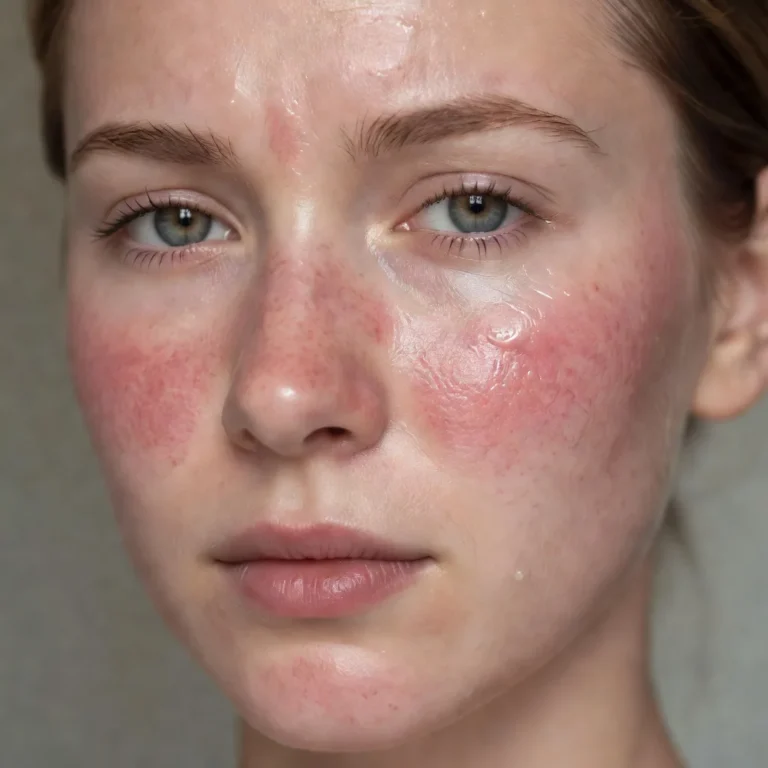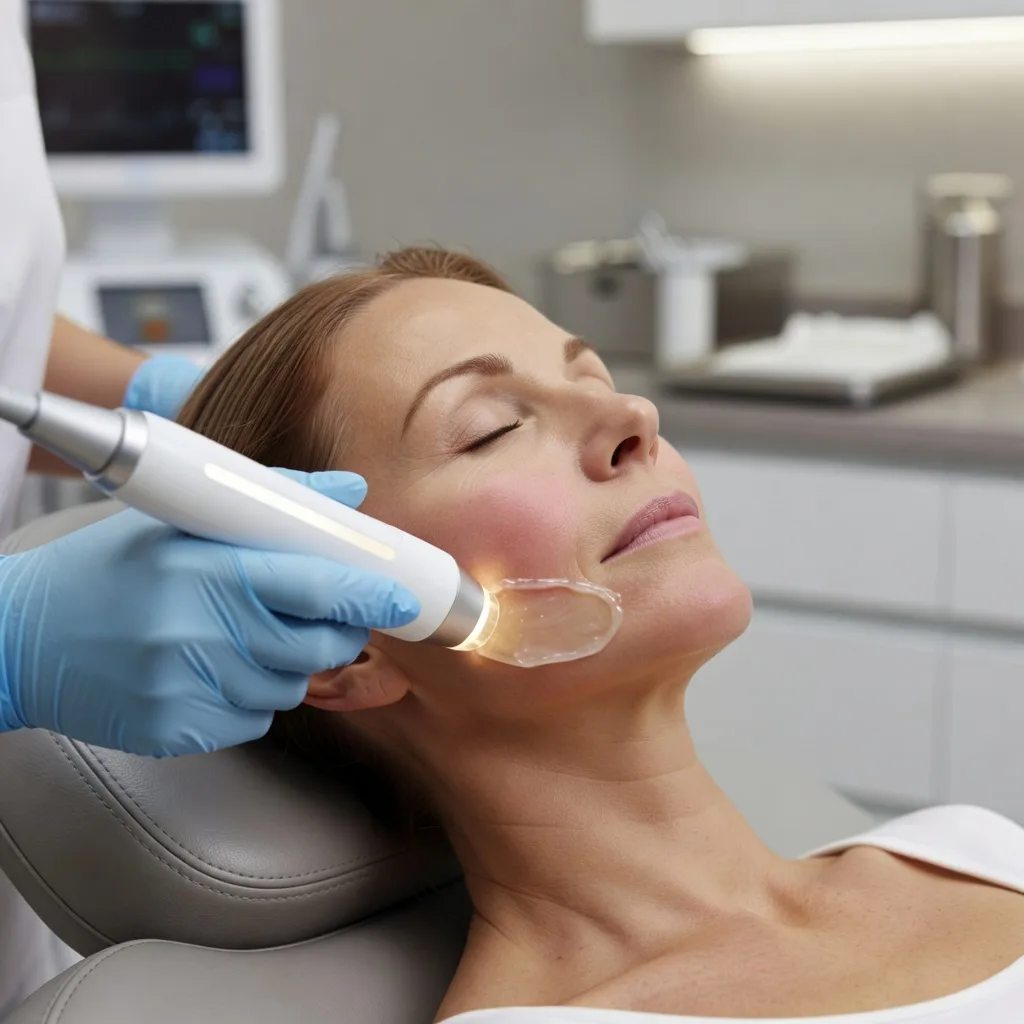
Radiofrequency Facial: What FDA Clearance Really Means
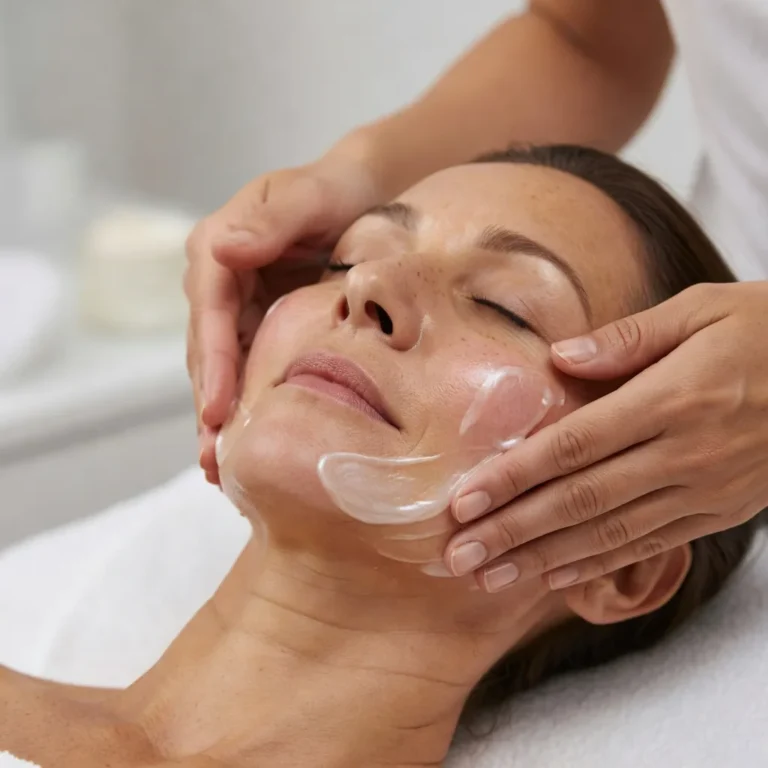
A radiofrequency facial gets marketed as a “non-surgical facelift,” and separating that language from what the actual mechanism and evidence support takes untangling three genuinely different device categories first.
Part of our guide to at-home facial devices. Start with: How to Incorporate Microcurrent Into Your Routine: Gel, Timing and Safety
RF heats the dermis enough to denature existing collagen and trigger a real, wound-healing-like fibroblast response that builds new collagen over weeks, but FDA clearance for a device means substantial equivalence to a prior device, not independent proof of the specific facelift-level claim on the box. There’s also essentially no independent trial evidence specific to at-home devices at consumer power levels, most cited research comes from professional-grade units.
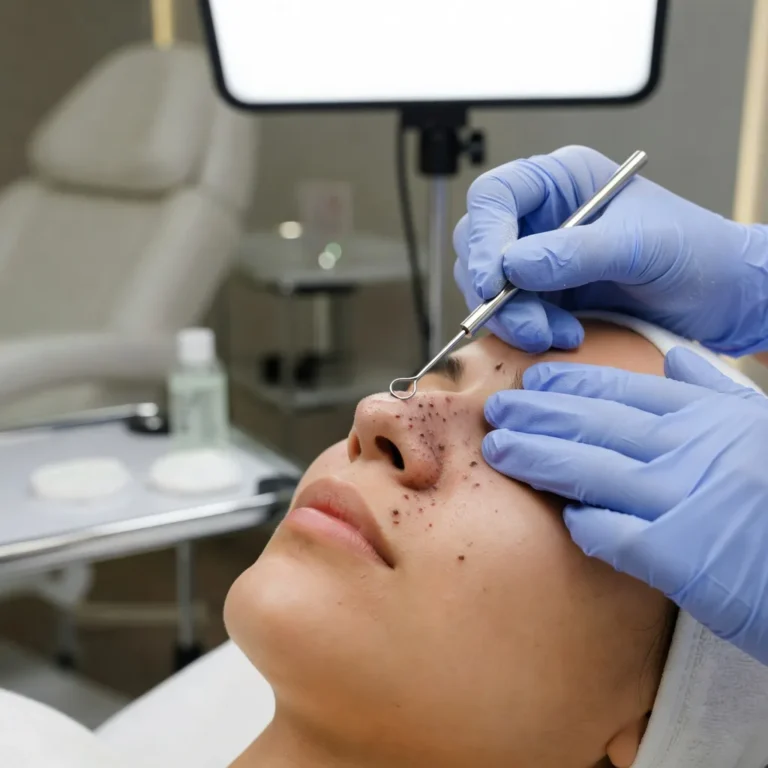
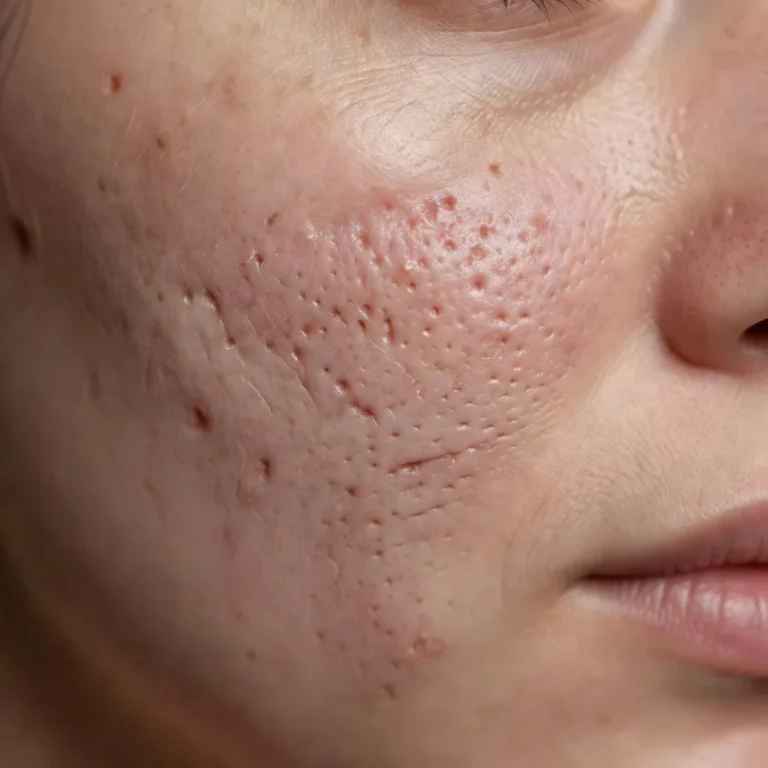
RF microneedling is a materially different, more invasive category, and the FDA issued a safety communication documenting burns, scarring, fat loss, disfigurement, and nerve damage, stating plainly it’s “a medical procedure, not a cosmetic treatment.”
This guide covers the real mechanism, the three device categories marketing blurs together, a one-minute safety check before using any at-home unit, and realistic expectations for what RF can and can’t deliver.
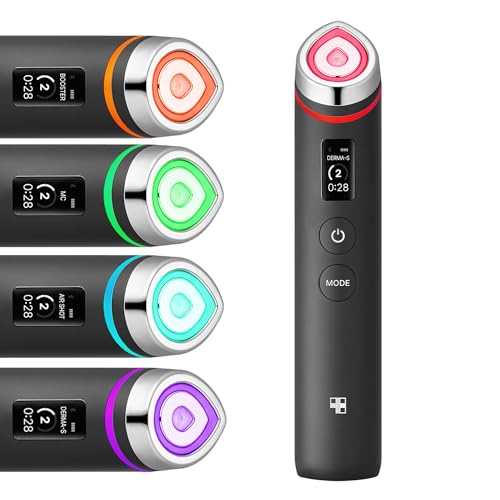
Recommended Products for At-Home Skin-Tightening Devices
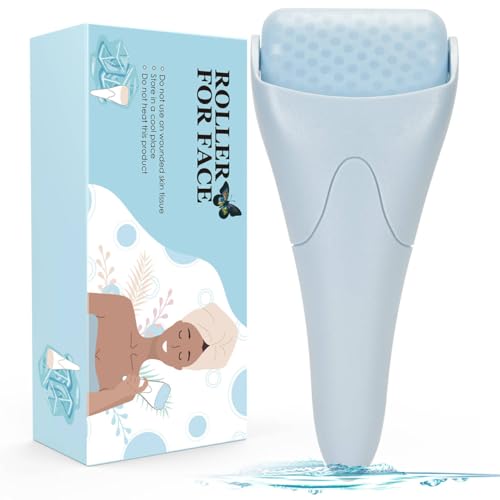
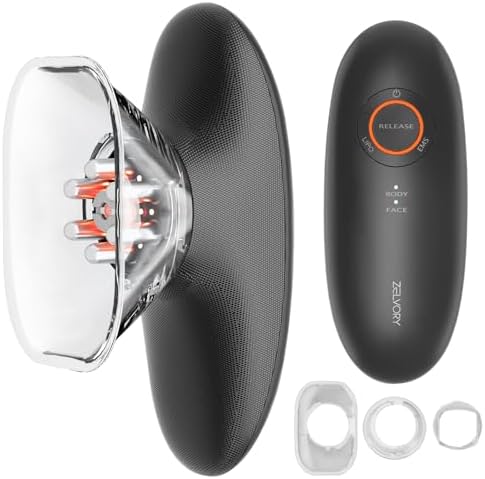

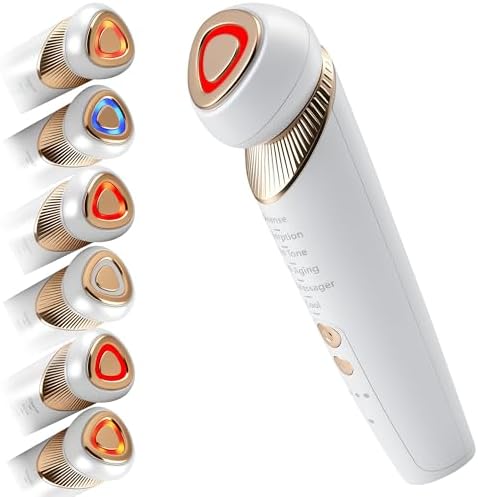
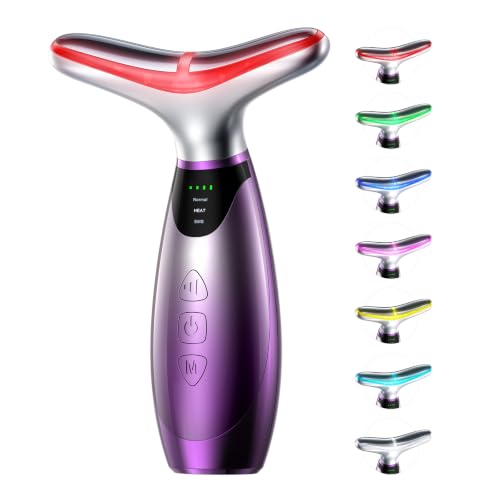

Key Facts First
- RF facials heat the dermis with alternating electromagnetic current, denaturing existing collagen and triggering a wound-healing-like fibroblast response that builds new collagen over weeks.
- Monopolar, bipolar/multipolar, and RF microneedling are three genuinely different categories with different depth, risk, and evidence, marketing often blurs them together.
- FDA clearance means substantial equivalence to a prior device, not independent proof of a specific “non-surgical facelift” claim.
- There is essentially no independent, peer-reviewed trial evidence specific to at-home RF devices at consumer power levels, most cited “evidence” comes from professional-grade studies.
- The FDA issued a safety communication on RF microneedling documenting burns, scarring, fat loss, disfigurement, and nerve damage, and stated plainly it is “a medical procedure, not a cosmetic treatment.”
Quick Navigation
- What RF Actually Does to Skin
- Monopolar vs. Bipolar vs. RF Microneedling
- What FDA Clearance Actually Means
- What the Real Clinical Evidence Shows
- The FDA’s Own Warning on RF Microneedling
- Do This, Not That
- Vetting an At-Home RF Device Before Buying
- One-Minute Check: Could This Burn You?
- Who Should Avoid RF Entirely
- Claims That Don’t Hold Up
- Realistic Expectations Timeline
- Why RF Requires Ongoing Sessions, Not a One-Time Fix
- When Redness or Burns Need a Doctor
- Frequently Asked Questions
- RF vs. Other Energy-Based Skin Treatments
- The Bottom Line
What RF Actually Does to Skin
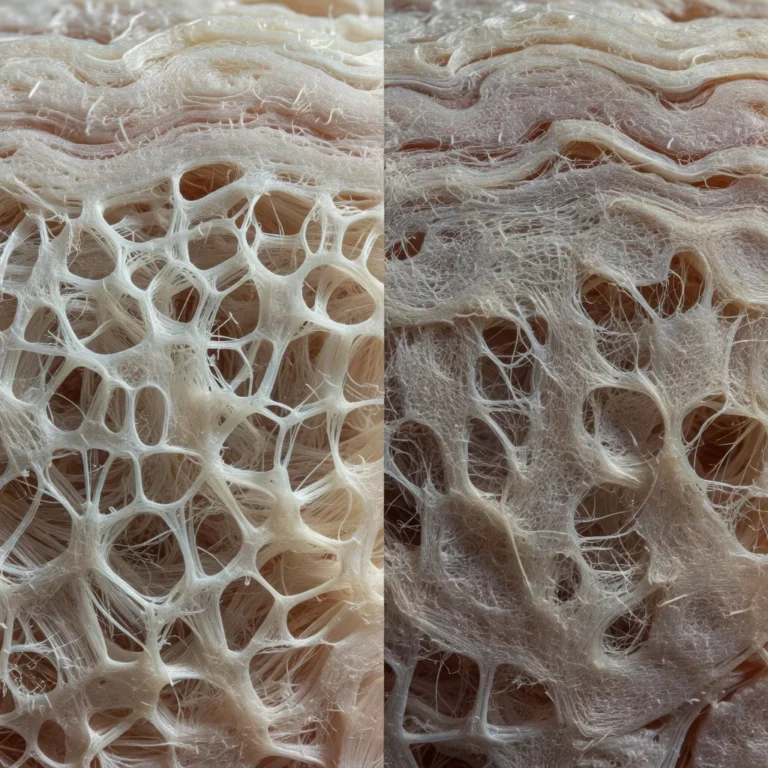
Radiofrequency facials pass alternating electromagnetic current, typically 0.3 to 10 MHz, through the dermis, where tissue resistance converts electrical energy into heat. Heating the dermis to roughly 40 to 45°C at superficial depths, or up to 60 to 70°C at controlled deeper points with professional devices, denatures existing collagen and triggers a wound-healing-like fibroblast response, stimulating new type I and III collagen synthesis and some fiber contraction and reorganization over the following weeks to months. This is mechanistically legitimate and shares biological logic with other heat-based dermal remodeling treatments, the real question is one of degree and dose, not whether a heat-induced collagen response is real at all.
Shopping these picks?
Amazon Prime members get fast, free shipping on eligible items, plus Prime Video, Amazon Music and member deals. New members can start with a free trial.
Start a free Prime trialAged 18 to 24? Prime for Young Adults comes with a longer free trial and a lower price after it.
Affiliate link: we may earn a commission at no extra cost to you.
Monopolar vs. Bipolar vs. RF Microneedling
| Category | How It Works | Typical Setting |
|---|---|---|
| Monopolar (e.g. Thermage) | Single electrode, deeper penetration | Trained providers, with cooling to protect the epidermis |
| Bipolar / multipolar | Current travels between two or more close electrodes, generally more superficial | Most consumer and at-home devices |
| RF microneedling (e.g. Morpheus8) | RF energy delivered via inserted needles directly into the dermis | More invasive, materially different risk profile |
Marketing sometimes blurs these into one “RF” claim, but the depth, invasiveness, and real risk profile differ meaningfully between them, a distinction worth understanding before comparing any two devices as equivalent.
What FDA Clearance Actually Means
Worth knowing: FDA 510(k) clearance, for a professional or at-home device, means the manufacturer showed substantial equivalence to an already-legally-marketed predicate device. It is not independent FDA testing of efficacy, and it is not “FDA approval,” a distinct, higher bar reserved for different device and drug categories. At-home RF devices that carry clearance are typically cleared for narrow, modest claims like “temporary improvement in the appearance of fine lines and wrinkles,” not “non-surgical facelift” or “replaces Thermage,” language that goes well beyond what the actual clearance covers.
What the Real Clinical Evidence Shows
A peer-reviewed study on a non-invasive RF dermal-heating device for face and neck skin tightening, published in the Journal of Cosmetic and Laser Therapy, along with a 2022 systematic review in Lasers in Surgery and Medicine evaluating RF for face and neck rejuvenation, both point to a real, if heterogeneous, evidence base for professional-administered RF, generally modest-to-moderate efficacy for skin tightening with a good safety profile when used by trained providers.
| Category | Independent Trial Evidence |
|---|---|
| Professional monopolar/multipolar RF | Real peer-reviewed studies and a systematic review exist |
| At-home surface RF devices | Essentially none specific to consumer power levels; most cited evidence is extrapolated from professional-grade studies |
That evidence gap for at-home devices is the single most important honest point here, and it’s routinely glossed over. At-home units are power-limited for safety reasons, both regulatory and practical, given no professional cooling or trained technique, so they cannot deliver the same thermal dose to the dermis as professional units, a dose-response reality the marketing conflation of “same RF technology” with “same RF results” ignores.
The FDA’s Own Warning on RF Microneedling
Real risk: the FDA issued a safety communication on RF microneedling devices documenting serious adverse events including burns, scarring, fat loss, disfigurement, and nerve damage, some requiring surgical correction. The FDA explicitly stated RF microneedling “is a medical procedure, not a cosmetic treatment,” and advised against at-home use, recommending only licensed, trained providers and reporting complications through MedWatch. This is specifically about the needle-based category, not surface-only RF facials, an important distinction, though consumers frequently don’t know the difference when shopping for “RF” devices.
Do This, Not That
Do
- Confirm whether a device is surface RF or RF microneedling before buying or booking
- Check the specific FDA clearance language, not just the marketing claim
- Inspect a device’s contact tip for damage before every use
Don’t
- Expect at-home RF to match professional-device results
- Use any RF device over metal implants, fillers, or with a pacemaker
- Assume “FDA-cleared” means the facelift-level claim on the box is proven
Vetting an At-Home RF Device Before Buying
Identify the exact category
Confirm whether it’s surface bipolar RF or a needle-based device before comparing it to anything else.Look up the device’s specific FDA clearance
Read the actual cleared indication language, not just the ad copy summarizing it.Check for device-specific, independent studies
Ask whether cited research tested this exact device or was extrapolated from a different, professional-grade unit.Screen your own health history
Pacemakers, metal implants, pregnancy, and recent filler in the treatment area are standard reasons to avoid RF devices.
One-Minute Check: Could This Burn You?
Heads up: before using any at-home RF device on your face, inspect the contact tip for cracks or wear, and test it briefly on your forearm first. If you feel sharp, localized heat rather than a gradual, tolerable warmth, or the tip shows visible damage, stop, a damaged or malfunctioning tip is the most common practical cause of real-world burns with surface RF devices.
Who Should Avoid RF Entirely
RF isn’t recommended over active infections, with pacemakers or other implanted electronic devices, during pregnancy, over metal implants in the treatment area, or over recently placed dermal fillers, where uneven heat distribution around the filler material is a real theoretical risk. Burns and uneven heating remain the most commonly reported real-world complications for surface RF, rising with device misuse like excessive dwell time in one spot or a dirty, damaged contact tip.
Claims That Don’t Hold Up
“Non-surgical facelift” overstates what any RF modality, professional or at-home, actually delivers, modest tightening and collagen stimulation over weeks, not the structural repositioning of a surgical facelift. “At-home RF gives clinic-level results” is undercut by physics as much as by the evidence gap, power-limited consumer devices simply can’t deliver the same thermal dose. And “risk-free because it’s non-invasive” is overstated too, burns and uneven heating are real, documented risks even with non-invasive surface RF.
Realistic Expectations Timeline
Collagen remodeling from RF is a weeks-to-months process, not an immediate one. Any visible tightening right after a session is more likely mild, temporary swelling than a lasting structural change, and professional literature consistently frames RF as an adjunct or maintenance tool rather than a facelift substitute, closer in role to a microcurrent device than to surgery.
Why RF Requires Ongoing Sessions, Not a One-Time Fix
Collagen naturally continues to break down with age and ongoing UV exposure, at roughly the same time a single course of RF sessions is finishing its remodeling work. That’s why professional protocols are typically sold as an initial series, several sessions spaced weeks apart, followed by periodic maintenance sessions every few months, rather than a one-time treatment. Skipping maintenance doesn’t undo prior sessions overnight, but any gains fade gradually as normal collagen turnover continues without reinforcement, a detail marketing copy for single-session promotions tends to leave out entirely. Budgeting for a full course, and realistic follow-up, matters more to the actual outcome than which specific device delivers the first session.
When Redness or Burns Need a Doctor
See a dermatologist or skin specialist immediately for any burn, blister, or persistent redness after an RF session, and consult one before trying RF microneedling specifically, given the FDA’s explicit classification of that category as a medical procedure. If you’re also considering a different energy-based option, compare it honestly against a professional body-contouring device‘s own evidence base rather than assuming all energy-based treatments carry equal proof.
Frequently Asked Questions
What does a radiofrequency facial actually do?
It heats the dermis to trigger a wound-healing-like response that stimulates new collagen synthesis over subsequent weeks to months.
Is RF the same as a non-surgical facelift?
No; it produces modest tightening over time, not the structural repositioning a surgical facelift achieves.
Do at-home RF devices work as well as professional ones?
Independent trial evidence is essentially absent for at-home devices, and they’re power-limited compared to professional units for safety reasons.
Does FDA clearance mean an RF device’s claims are proven?
No; clearance means substantial equivalence to a prior device, not independent proof of a specific marketed claim.
Is RF microneedling the same as surface RF facials?
No; RF microneedling delivers energy via inserted needles and carries a materially different, FDA-flagged risk profile.
What are the real risks of RF microneedling?
The FDA documented burns, scarring, fat loss, disfigurement, and nerve damage, some requiring surgical correction.
Who shouldn’t use RF devices?
Anyone with a pacemaker, metal implants in the treatment area, active infection, recent dermal filler nearby, or who is pregnant.
How can I tell if my at-home device might burn me?
Test it on your forearm first and inspect the contact tip for damage; sharp, localized heat or a cracked tip are warning signs.
How long before I see results from RF?
Collagen remodeling takes weeks to months; visible change right after a session is more likely temporary swelling.
Is surface RF risk-free since it’s non-invasive?
No; burns and uneven heating are real, documented risks even with non-invasive surface RF devices.
RF vs. Other Energy-Based Skin Treatments
RF sits alongside a handful of other energy-based options that get compared loosely as if they’re interchangeable. Ultrasound-based cavitation targets fat tissue rather than dermal collagen, laser resurfacing typically works through a different, often ablative or fractional mechanism at a different depth, and microcurrent devices work at a far lower current aimed at a very different, weaker muscle-stimulation effect entirely. Picking between them should come down to which specific tissue layer and outcome you’re actually targeting, not which one has the flashiest marketing copy this season.
The Bottom Line
RF facials rest on a genuine mechanism, dermal heating that stimulates real collagen remodeling, but the marketed “non-surgical facelift” language overstates what any tier of the technology, professional or at-home, actually delivers. FDA clearance for a device is a safety and equivalence pathway, not proof of the specific claim on the box, and the FDA’s own warning on RF microneedling is a real, recent, and specific risk most existing content doesn’t mention.
Used with realistic expectations, as a modest, cumulative collagen-support tool rather than a surgery substitute, and vetted carefully by category before buying or booking, RF can be a reasonable addition to a skin routine. Treating any tier of it as equivalent to surgery is where the marketing outruns what’s actually been shown.

Written by
Registered pharmacist and founder of Facial Adviser. Rakib's pharmacy training covers how skincare actives work and interact; a later course in cosmetology turned that into a focus on facial treatments and skincare products. He plans, researches and edits every guide on the site and checks health claims against sources such as the American Academy of Dermatology, the FDA and the NIH. He is not a dermatologist; see the Editorial Policy and Medical Disclaimer.
About · Editorial policy · How we choose products · Medical disclaimer · Contact
Keep reading: Microcurrent and RF devices
- How to Incorporate Microcurrent Into Your Routine: Gel, Timing and Safety
- Microcurrent Facial: Steps, Benefits, Cost
- Galvanic Facial Treatments: What Actually Works
- Is RF Microneedling Better Than Laser?
- Facial Treatment Devices Explained: Microcurrent, Galvanic, LED and More
- Microcurrent Facial vs Radiofrequency: Which Works Better for Firmer Skin?
- 10 Best LED Light Therapy Masks (2026): Clearer Skin, Softer Lines
- 10 Best Products for Women's Facial Hair Removal (2026): Gentle Picks