
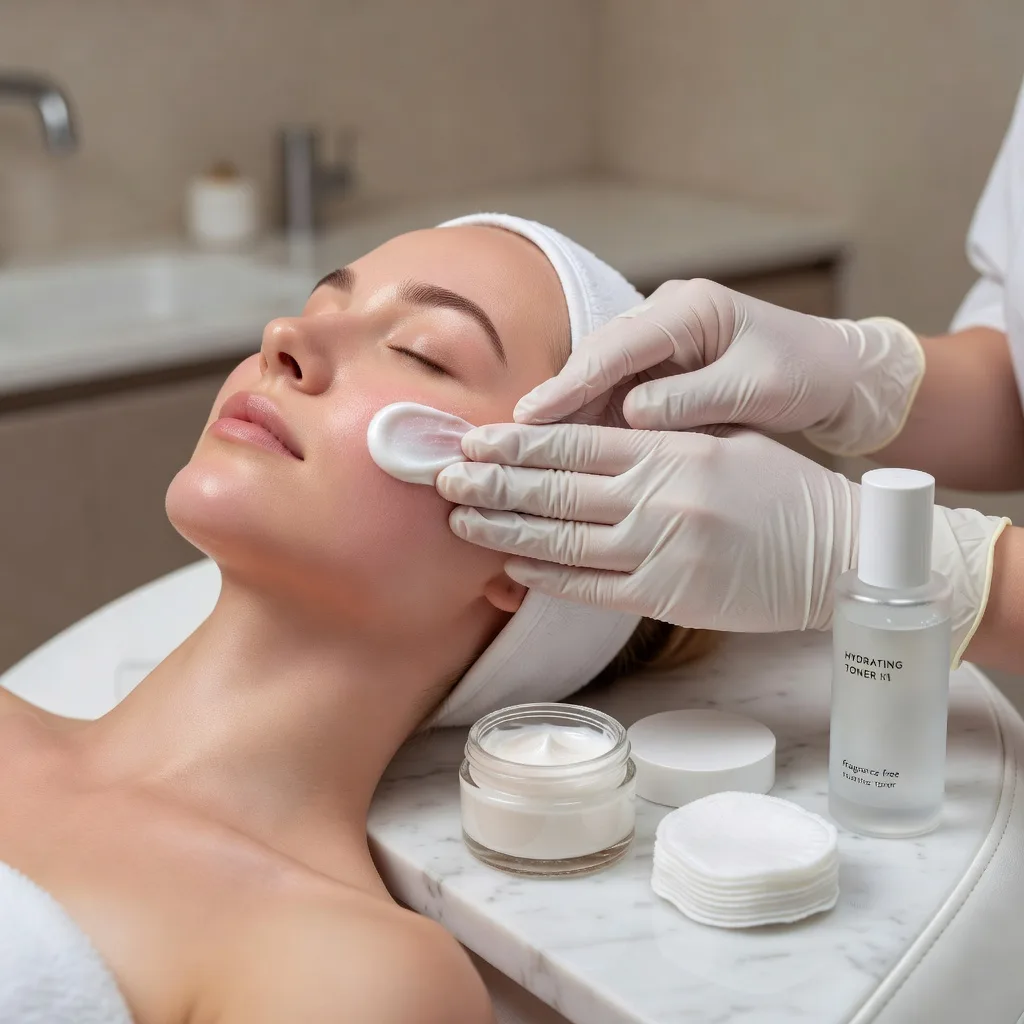
Microdermabrasion Aftercare, Explained Simply
Microdermabrasion aftercare gets a long list of rules online, and only a handful of them actually trace back to real dermatological guidance rather than generic clinic convention repeated from source to source.
Part of our guide to facial treatments. Start with: Ultimate Guide Microdermabrasion: What to Know
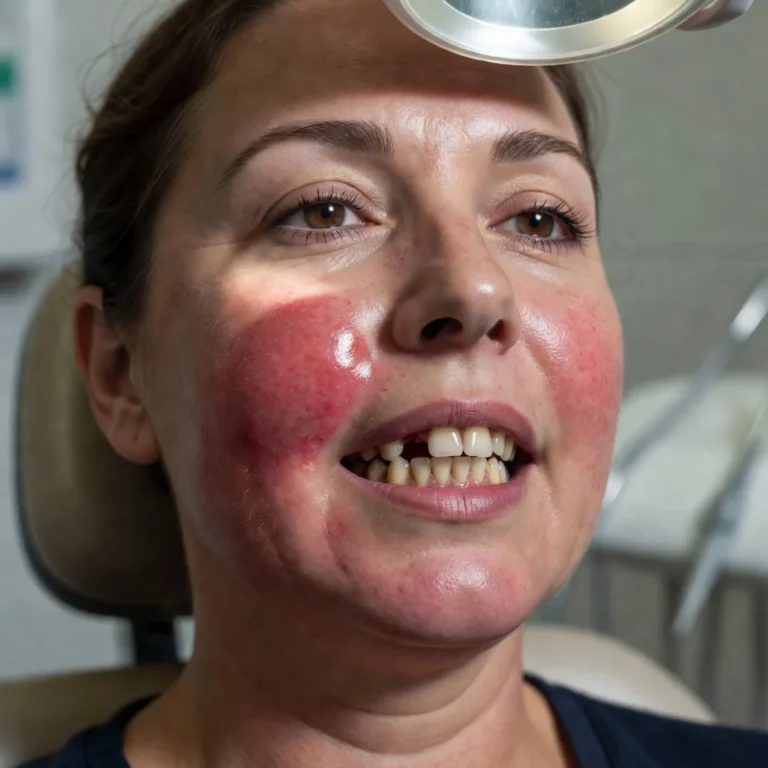
The American Academy of Dermatology and peer-reviewed clinical references agree on one specific, well-backed point: sun protection for at least a week after treatment, since removing the stratum corneum genuinely leaves skin more UV-sensitive for a period. Mild redness and swelling are expected and typically resolve within a day on their own.
Many of the more specific day-counts circulating for avoiding makeup, saunas, or exercise vary widely by source, a sign they’re generic convention rather than derived from any controlled study.
This guide covers what’s genuinely evidence-backed, what’s just widely repeated, a realistic day-by-day timeline, and the specific red flags that mean it’s time to call your provider instead of waiting it out.
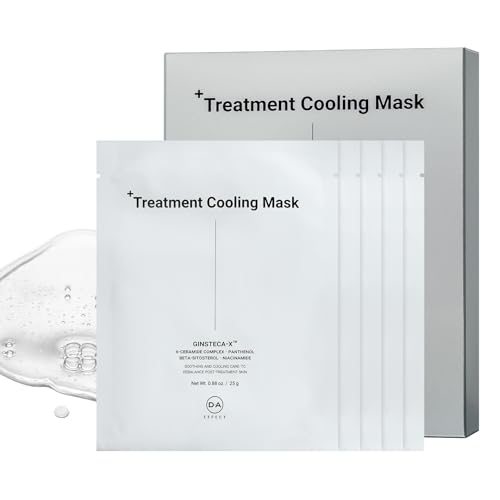
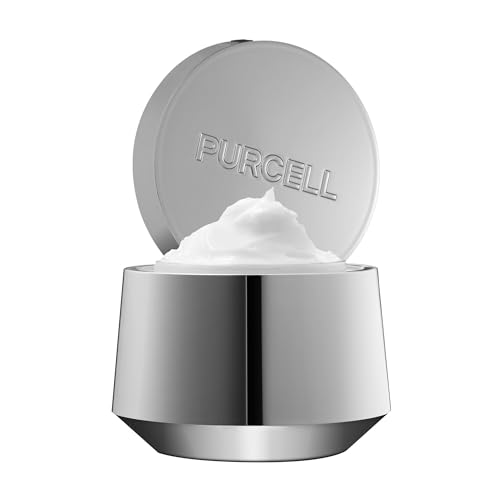
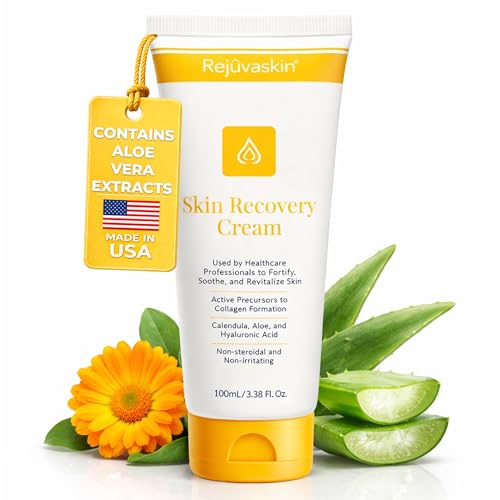
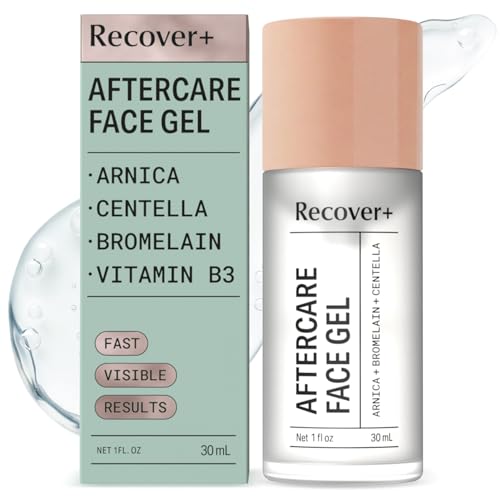
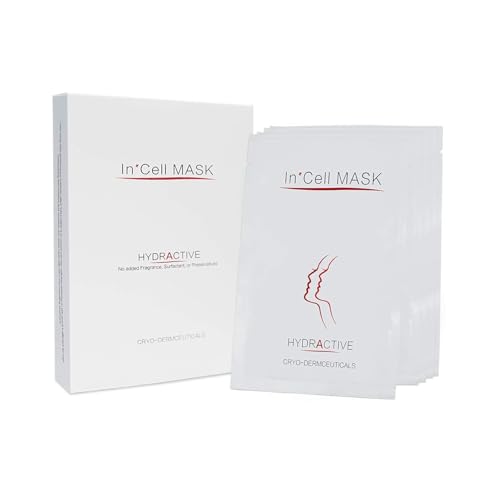
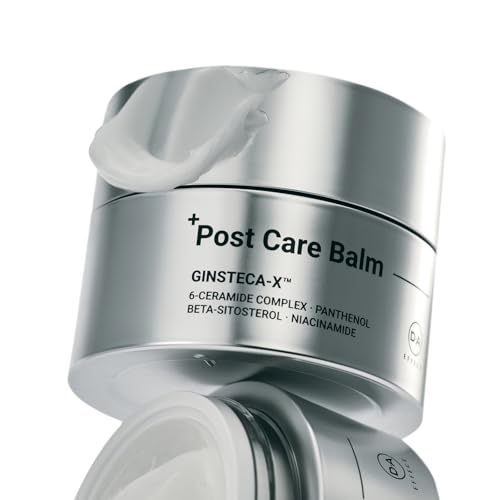
Recommended Products for Post-Treatment Recovery
Key Points
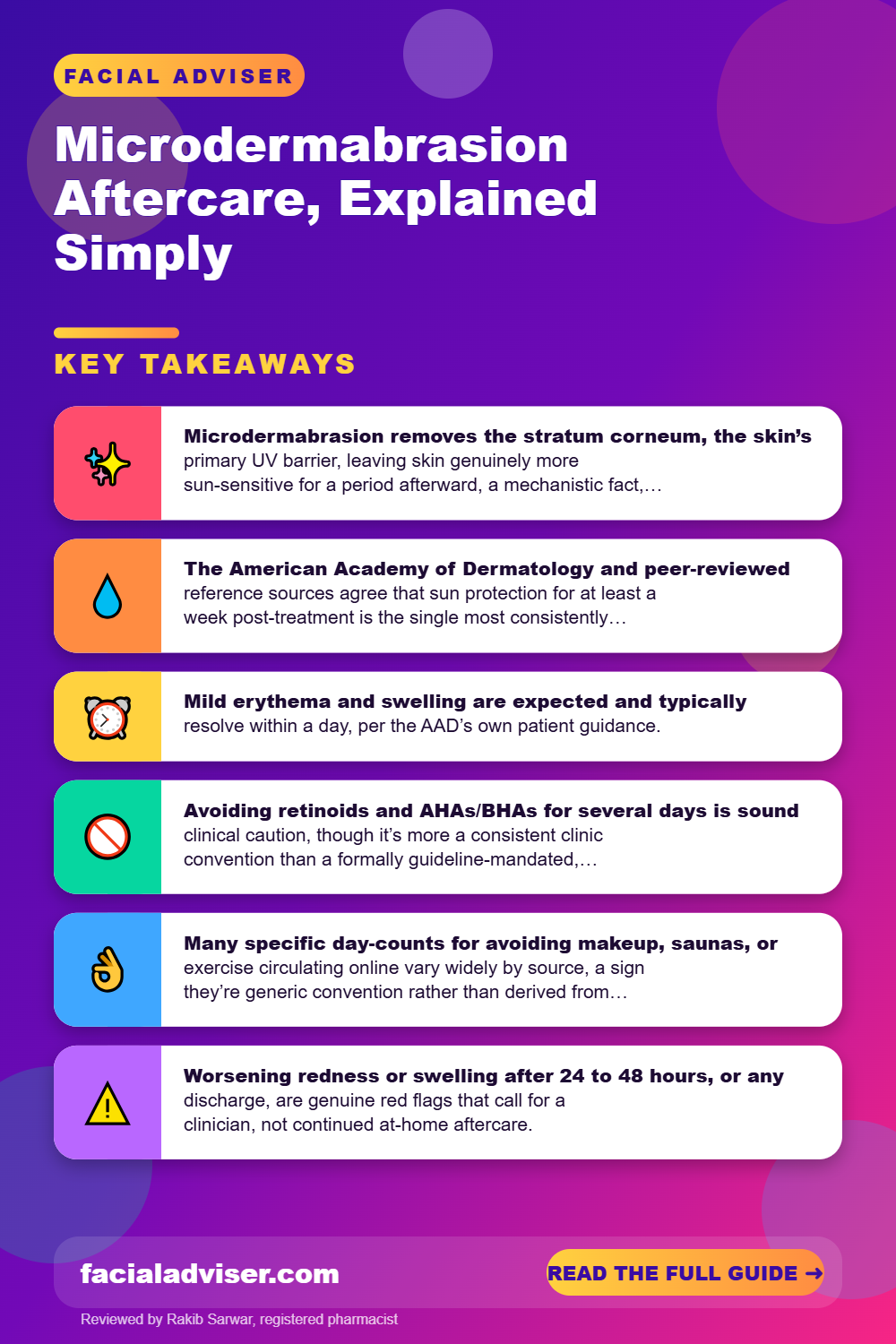
- Microdermabrasion removes the stratum corneum, the skin’s primary UV barrier, leaving skin genuinely more sun-sensitive for a period afterward, a mechanistic fact, not marketing.
- The American Academy of Dermatology and peer-reviewed reference sources agree that sun protection for at least a week post-treatment is the single most consistently backed aftercare step.
- Mild erythema and swelling are expected and typically resolve within a day, per the AAD’s own patient guidance.
- Avoiding retinoids and AHAs/BHAs for several days is sound clinical caution, though it’s more a consistent clinic convention than a formally guideline-mandated, trial-tested rule.
- Many specific day-counts for avoiding makeup, saunas, or exercise circulating online vary widely by source, a sign they’re generic convention rather than derived from a controlled study.
- Worsening redness or swelling after 24 to 48 hours, or any discharge, are genuine red flags that call for a clinician, not continued at-home aftercare.
Guide Outline
- What Actually Happens to Skin After Treatment
- Sun Protection: The Best-Backed Aftercare Step
- Gentle Products in the First Few Days
- Avoiding Retinoids and Acids Temporarily
- Aftercare Advice That’s More Repeated Than Proven
- Does Aftercare Differ by Device Type?
- Supporting Healing From the Inside
- A Realistic Aftercare Timeline
- Do This, Not That
- A Sample Aftercare Routine, Step by Step
- One-Minute Check: Is This Normal Healing?
- Contraindications and Red Flags
- Spacing Sessions and Long-Term Skin Care
- When to See a Dermatologist
- Frequently Asked Questions
- The Bottom Line
What Actually Happens to Skin After Treatment
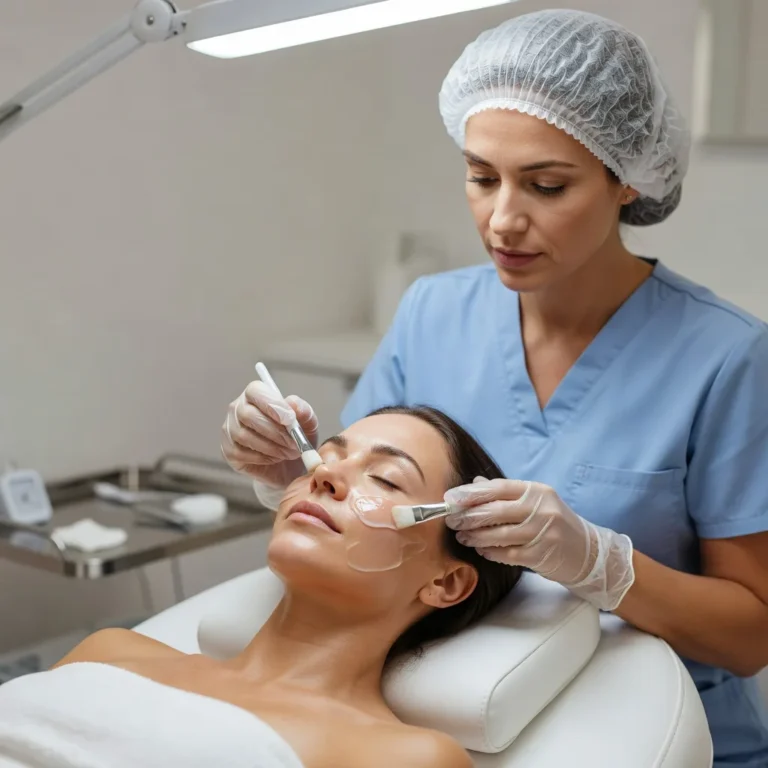
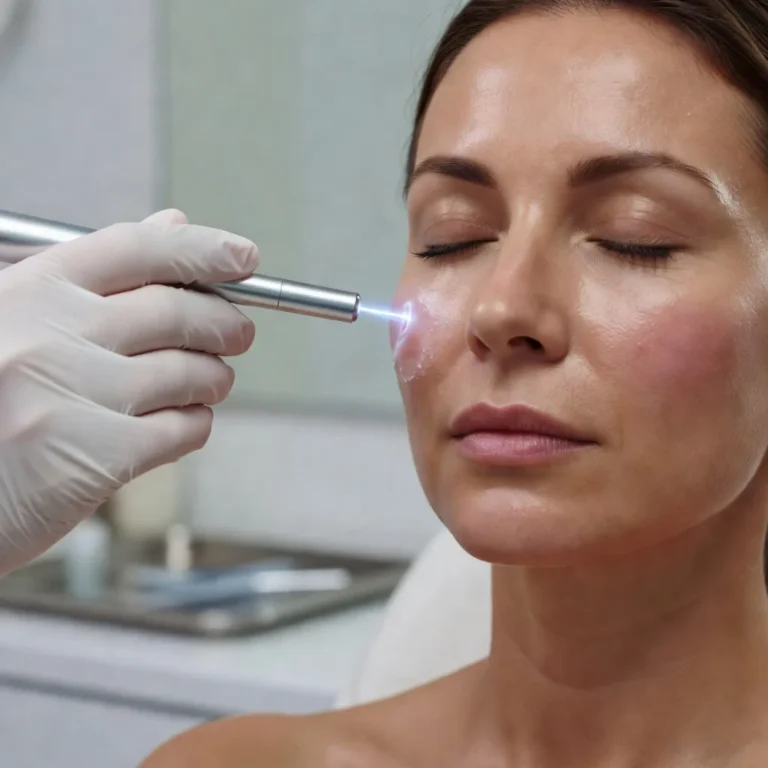
Microdermabrasion mechanically removes the stratum corneum, the outermost dead-cell layer that also functions as skin’s primary barrier against UV light and environmental stress. That process triggers melanin redistribution, increased collagen density, and activation of wound-healing factors in the dermis beneath the removed layer.
Shopping these picks?
Amazon Prime members get fast, free shipping on eligible items, plus Prime Video, Amazon Music and member deals. New members can start with a free trial.
Start a free Prime trialAged 18 to 24? Prime for Young Adults comes with a longer free trial and a lower price after it.
Affiliate link: we may earn a commission at no extra cost to you.
Because that protective outer layer is temporarily thinner, skin genuinely has increased short-term photosensitivity immediately after treatment, a real, mechanistic consequence of a thinner stratum corneum offering less UV-scattering capacity, not an exaggerated caution.
This same physiological logic is why aftercare for microdermabrasion looks broadly similar to aftercare for other treatments that remove or thin the outer skin layer, even though the specific devices and depths involved differ: whatever method is used to get there, a temporarily thinner barrier calls for the same basic precautions.
Sun Protection: The Best-Backed Aftercare Step
Good to know: the American Academy of Dermatology’s own patient guidance frames sun protection as essential after microdermabrasion, stating it reduces the risk of side effects and helps ensure the best possible results. A peer-reviewed clinical reference source specifies sunscreen use outdoors for at least one full week post-treatment.
This is the single highest-confidence, most consistently sourced aftercare recommendation in this entire topic, agreed on by both a professional dermatology society’s patient page and an independent peer-reviewed reference. If you only follow one piece of aftercare advice, this is the one with the strongest backing.
Gentle Products in the First Few Days
Using gentle, non-irritating products in the days following treatment, avoiding fragranced formulas or high-pH cleansers, is consistent with broader periprocedural skincare guidance for energy-based and exfoliating dermatologic procedures generally. This specific recommendation is extrapolated from that broader periprocedural literature rather than a microdermabrasion-only trial, but the underlying logic, a temporarily compromised barrier benefits from lower-irritation products, is sound and widely applied across similar treatments.
Avoiding Retinoids and Acids Temporarily
Clinic aftercare sheets widely and consistently recommend avoiding retinoids, AHAs, and BHAs for a period after treatment, a reasonable precaution against compounding irritation on freshly exfoliated, barrier-compromised skin. This specific point is more consistently found in real-world clinic patient-instruction sheets than in a formal peer-reviewed guideline document, so it’s fair to describe it as sound clinical caution rather than a rule backed by its own dedicated trial.
Aftercare Advice That’s More Repeated Than Proven
Red flag: many consumer aftercare guides list specific day-counts for avoiding makeup, saunas, swimming, or exercise, and recommend specific proprietary post-procedure product lines. These numbers vary widely from source to source, a sign they reflect generic clinic convention rather than a controlled study establishing that particular day-count.
The honestly supportable core is simpler than most of these lists suggest: protect from sun for about a week, avoid compounding irritation with harsh actives or mechanical stress for several days while any redness resolves, and use a basic, non-irritating moisturizer in the meantime.
Does Aftercare Differ by Device Type?
Crystal, diamond-tip, and hydro (fluid-infusion) systems all reach roughly the same depth into the stratum corneum, and the core aftercare principles, sun protection and avoiding harsh actives temporarily, apply similarly across all three. Hydro systems, which pair abrasion with simultaneous serum infusion, may leave skin feeling slightly less dry immediately afterward, but that’s a comfort difference rather than a difference in the underlying healing timeline or sun-sensitivity window.
Crystal-based systems carry one aftercare-adjacent consideration the others don’t: anyone with a known aluminum allergy should confirm which crystal type, aluminum oxide or sodium bicarbonate, was used, since that affects which contact-allergy risk applies afterward.
Supporting Healing From the Inside
Adequate hydration and avoiding known dietary triggers for your own skin (spicy food or alcohol, for some people, can transiently worsen facial flushing) are reasonable general supports for skin recovering from any mild irritation, though neither is a microdermabrasion-specific, trial-tested recommendation. The stronger, better-evidenced lever remains topical: sun protection and avoiding additional exfoliating actives during the healing window described above.
Getting adequate sleep in the days following a session is similarly a general skin-health support rather than a specific microdermabrasion aftercare requirement, worth mentioning because it’s frequently listed in aftercare guides without being flagged as general wellness advice rather than treatment-specific guidance.
A Realistic Aftercare Timeline
| Timeframe | Expected Skin State | What to Do |
|---|---|---|
| 0–24 hours | Mild redness, possible swelling | Gentle cleanser, moisturizer, strict SPF if going outside |
| 1–7 days | Redness and swelling resolving; skin more sun-sensitive | Continue SPF, hold off on retinoids/AHAs/BHAs |
| After 1 week | Skin generally back to baseline sensitivity | Resume normal active-ingredient routine |
| Aftercare Step | Evidence Level |
|---|---|
| Sun protection for about a week | Strong; stated directly by AAD and peer-reviewed reference |
| Gentle, non-fragranced products | Moderate; extrapolated from broader periprocedural guidance |
| Avoiding retinoids/AHAs briefly | Moderate; consistent clinical convention, not its own trial |
| Specific day-counts for makeup/saunas/exercise | Weak; varies widely by source, likely generic convention |
Do This, Not That
Do
- Apply broad-spectrum SPF daily for at least a week after treatment
- Use a gentle, fragrance-free cleanser and moisturizer in the first few days
- Hold off on retinoids and acids for several days
Don’t
- Assume every specific day-count you read online is evidence-backed
- Layer a new active ingredient onto freshly treated skin
- Ignore worsening redness or swelling after the first 24 to 48 hours
A Sample Aftercare Routine, Step by Step
Day of treatment
Cleanse gently, apply a basic moisturizer, and use strict SPF if going outdoors at all.Days 1 to 3
Continue gentle cleansing and moisturizing; skip any exfoliating or active-ingredient products.Days 4 to 7
Maintain sun protection; skin sensitivity is typically improving but not fully back to baseline.After day 7
Resume your normal routine, including retinoids or acids, if skin looks and feels back to normal.
One-Minute Check: Is This Normal Healing?
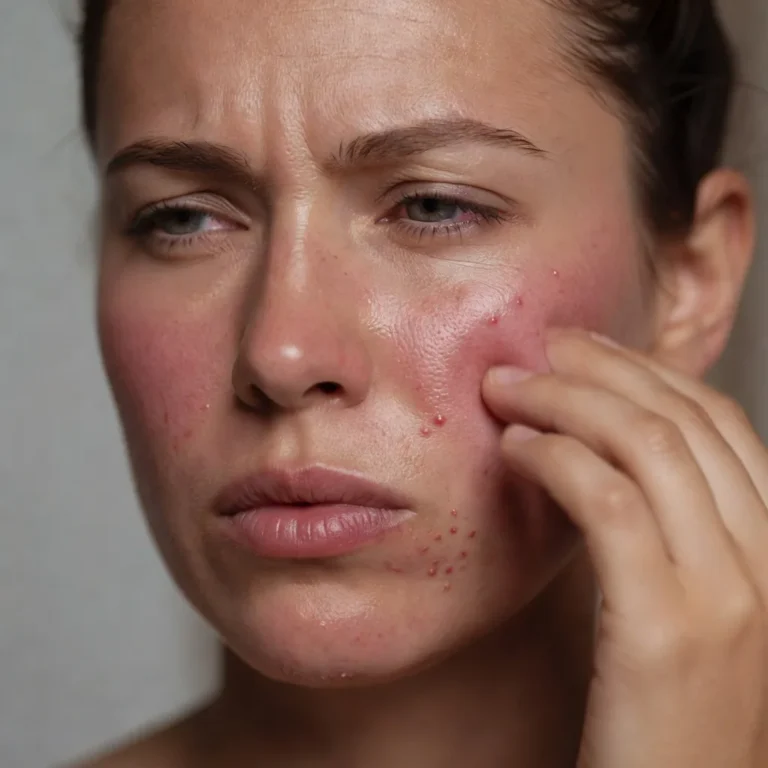
Pro tip: look at the treated area 24 to 48 hours after your session. Mild pink tone that’s fading, not worsening, is expected. If redness or swelling is visibly increasing rather than calming down, or you notice any discharge, that’s outside the expected self-limiting course described by dermatology sources, a genuine reason to contact your provider rather than wait it out.
Contraindications and Red Flags
Microdermabrasion itself is contraindicated during active cutaneous infection such as herpes simplex, varicella-zoster, or impetigo, due to the risk of spreading infection across the treated area, and in anyone with a known aluminum allergy relevant to crystal-based systems or a hypertrophic-scarring tendency. Post-treatment, genuine red flags include redness or swelling that worsens rather than improves after 24 to 48 hours, any pus or discharge, fever, or bruising that doesn’t fade within the expected one-to-two-week window associated with more aggressive sessions.
Spacing Sessions and Long-Term Skin Care
Because the aftercare window involves temporarily heightened sun sensitivity and a brief pause on other active ingredients, spacing sessions roughly two to four weeks apart, matching typical clinic protocols, gives skin’s natural barrier time to fully normalize between treatments rather than layering repeated irritation on top of an incompletely recovered surface.
Long-term, folding a course of microdermabrasion into a broader routine, rather than treating each session in isolation, means planning around it: pausing retinoid use briefly before and after each appointment, and keeping sun protection consistent year-round rather than only in the days immediately following a session, since cumulative sun exposure matters for overall skin health regardless of treatment timing.
When to See a Dermatologist
Contact your treating provider or see a dermatologist or skin specialist if healing doesn’t follow the expected timeline above, or if you’re unsure whether what you’re seeing is normal post-treatment irritation or something else. Anyone weighing whether to book a session in the first place may also want to read the full picture on what microdermabrasion actually does before focusing on aftercare specifics.
Frequently Asked Questions
What should I do immediately after microdermabrasion?
Apply a gentle moisturizer and strict broad-spectrum SPF, and expect mild redness or swelling that typically resolves within a day.
How long should I avoid the sun after microdermabrasion?
At least one week, per peer-reviewed clinical reference guidance, since freshly treated skin has a thinner, more UV-vulnerable outer layer.
Can I use retinol after microdermabrasion?
It’s best to wait several days, since layering an active exfoliant onto freshly treated, barrier-compromised skin risks compounding irritation.
Is redness after microdermabrasion normal?
Yes, mild redness and swelling are expected and typically resolve within a day, per the American Academy of Dermatology.
When should I worry about my skin after treatment?
If redness or swelling worsens rather than improves after 24 to 48 hours, or you notice discharge or fever, contact your provider.
How many days should I avoid makeup after microdermabrasion?
Specific day-counts vary widely by source and aren’t strongly evidence-backed; a simple, practical approach is to wait until visible redness has settled.
What products should I avoid right after treatment?
Fragranced or high-pH cleansers and any retinoid or AHA/BHA product for the first several days.
Can I exercise after microdermabrasion?
Light activity is generally fine, though heavy sweating soon after treatment can irritate freshly treated, sensitive skin.
Who shouldn’t get microdermabrasion at all?
Anyone with active cold sores, active cutaneous infection, a known aluminum allergy, or a tendency toward hypertrophic scarring.
Does aftercare differ between crystal and diamond-tip microdermabrasion?
The core aftercare principles, sun protection and avoiding irritating actives, apply similarly across delivery systems.
The Bottom Line
Microdermabrasion aftercare has one clearly, consistently evidence-backed pillar: sun protection for about a week, agreed on by both a dermatology society’s patient guidance and peer-reviewed reference sources. A handful of other steps, gentle products and briefly holding off on actives, are sound clinical convention even without their own dedicated trial.
Much of the specific day-count advice circulating for makeup, saunas, or exercise is generic convention rather than proven guidance, worth following loosely rather than treating as strict, evidence-mandated rules.

Written by
Registered pharmacist and founder of Facial Adviser. Rakib's pharmacy training covers how skincare actives work and interact; a later course in cosmetology turned that into a focus on facial treatments and skincare products. He plans, researches and edits every guide on the site and checks health claims against sources such as the American Academy of Dermatology, the FDA and the NIH. He is not a dermatologist; see the Editorial Policy and Medical Disclaimer.
About · Editorial policy · How we choose products · Medical disclaimer · Contact
Keep reading: Microdermabrasion and diamond peel
- Ultimate Guide Microdermabrasion: What to Know
- Does Microdermabrasion Work on Closed Comedones?
- What Is a Diamond Peeling Facial, Really?
- How Often to Do Microdermabrasion
- Microdermabrasion for Acne and Blackheads: Real Answer
- Microneedling Facial: Real Results, Explained
- Is Hydrafacial a Gimmick? What Evidence Shows

One Comment