Will I Break Out After a Facial? Why It Happens and How to Prevent It
You book a facial hoping for clear, glowing skin, and two days later a handful of new spots appear on your chin or forehead. It is frustrating and can feel like the treatment made things worse. In fact, breaking out after a facial is common, and in most cases it is short-lived and not a sign that anything went wrong.
Part of our guide to facials: what to expect. Start with: How Often Should You Get a Professional Facial? A Guide by Skin Type and Goal
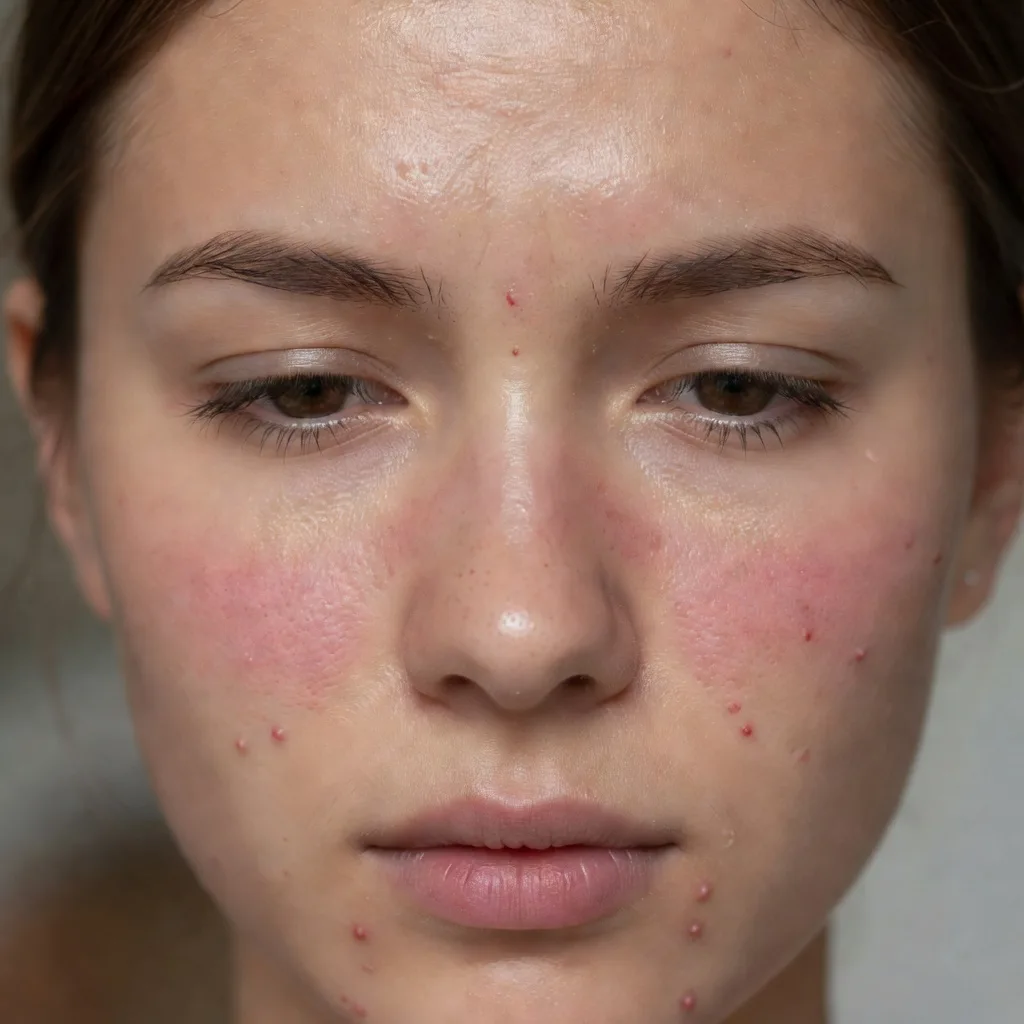
Yes, you may break out after a facial, especially if it included extractions, exfoliation or rich products, or if your skin was already congested. Most post-facial breakouts are small whiteheads or bumps that appear within one to three days and clear within about a week. They happen because extractions and exfoliation bring existing clogs to the surface, because pores were irritated, or because a product did not suit your skin. Keeping your routine gentle, avoiding makeup and heat for a day, not picking and choosing non-comedogenic products all reduce the risk.
It helps to know the difference between normal post-facial breakouts and a reaction that needs attention. Small spots in areas where you usually break out are common. A widespread rash, burning, swelling or pus-filled bumps in new areas are not.
The American Academy of Dermatology advises against picking and squeezing spots and recommends gentle, non-comedogenic skincare for acne-prone skin, both of which matter in the days after a facial.
This guide explains why breakouts happen after facials, how to tell purging from a reaction, how long it usually lasts, what to do and how to prevent it next time.
Shopping these picks?
Amazon Prime members get fast, free shipping on eligible items, plus Prime Video, Amazon Music and member deals. New members can start with a free trial.
Start a free Prime trialAged 18 to 24? Prime for Young Adults comes with a longer free trial and a lower price after it.
Affiliate link: we may earn a commission at no extra cost to you.
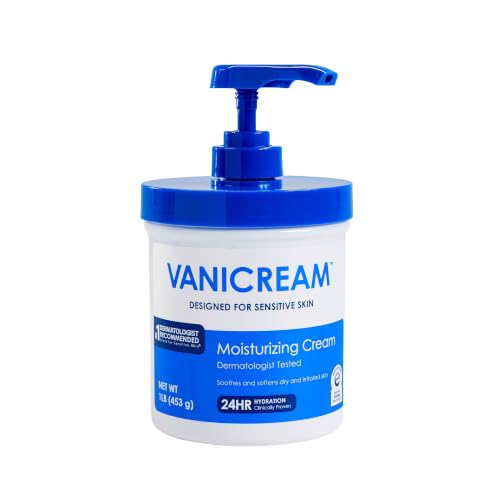
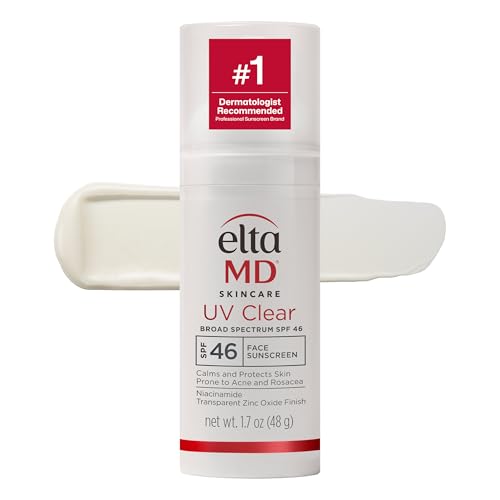
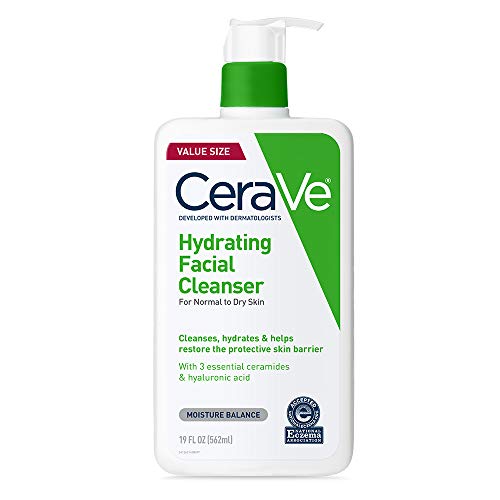
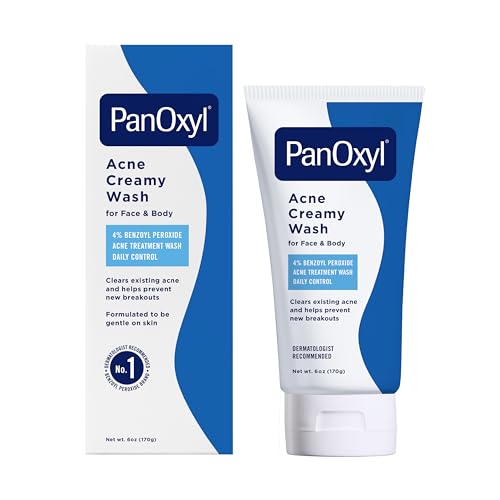
Recommended Products for Calm, Clear Skin After a Facial



On This Page
- Why You Might Break Out After a Facial
- Purging or a Reaction?
- How Long Post-Facial Breakouts Last
- How to Reduce Breakouts After a Facial
- How to Prevent Breakouts Next Time
- Facials and Acne-Prone Skin
- Makeup and Skincare in the Days After
- Who Is More Likely to Break Out
- A Typical Post-Facial Timeline
- Dos and Don’ts
- Honest Limits
- When to See a Doctor or Dermatologist
- Questions People Ask
- The Takeaway
The Short Version
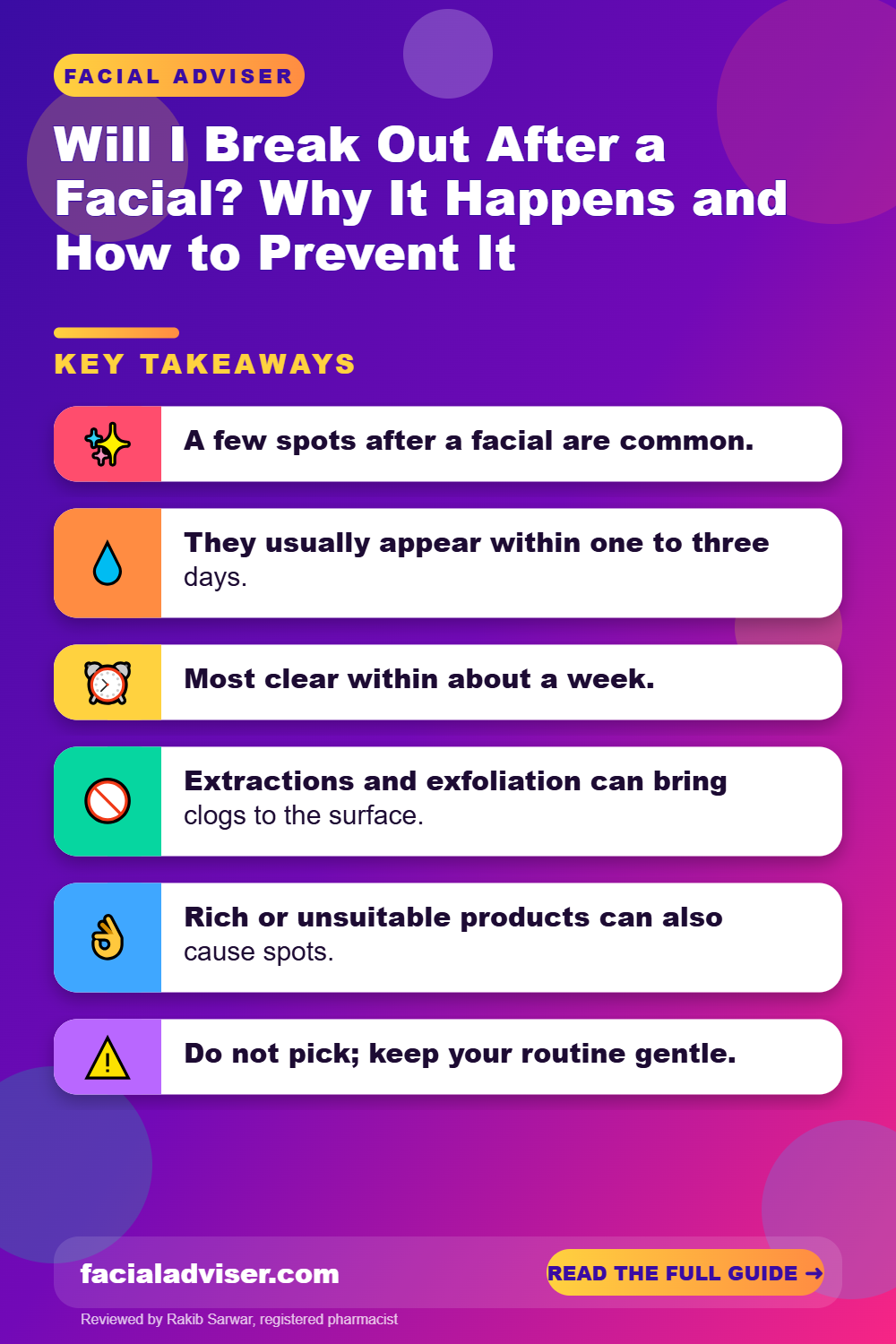
- A few spots after a facial are common.
- They usually appear within one to three days.
- Most clear within about a week.
- Extractions and exfoliation can bring clogs to the surface.
- Rich or unsuitable products can also cause spots.
- Do not pick; keep your routine gentle.
- A rash, burning or swelling needs attention.
Why You Might Break Out After a Facial
Several things can lead to spots after a facial. Often more than one plays a part.
| Cause | What happens | How likely |
|---|---|---|
| Surfacing of existing clogs | Exfoliation and steam bring deeper plugs up | Common with congested skin |
| Irritation from extractions | Pores become inflamed after squeezing | Common, especially on the chin and nose |
| Rich or comedogenic products | Heavy creams or oils clog pores | Occasional, depends on products used |
| Touching and makeup afterwards | Bacteria and heavy products reach cleaned pores | Common if skin is not left alone |
| Heat and sweat | Saunas or workouts soon after the facial | Occasional |
| Allergic or irritant reaction | Ingredients trigger inflammation | Less common; usually looks like a rash |
If you had a lot of extractions, some tenderness and small spots in the same area are expected. If you had a gentle hydrating facial with no extractions and break out heavily, a product may not have suited your skin. Facial oils, rich massage creams and occlusive masks are the most common culprits for people prone to clogged pores, which is why it is worth asking what will be used before the treatment starts.
Purging or a Reaction?
People often call post-facial breakouts purging. The term is usually used for the temporary increase in spots when starting active ingredients such as retinoids or acids, which speed up skin cell turnover and bring clogs to the surface faster. Something similar can happen after exfoliating facials.
- Purging-type spots appear where you usually break out, such as the chin, nose or forehead.
- They are usually small whiteheads or blackheads that heal faster than typical spots.
- They settle within about a week after a facial.
- Reaction-type bumps may appear in new areas, look like a rash, itch or burn.
- Reactions often come with redness, swelling or dryness across the treated area.
If your skin is itchy, red and bumpy across large areas, you may be reacting to an ingredient rather than purging. The American Academy of Dermatology explains that contact dermatitis can be caused by irritants or allergens and usually improves once the trigger is removed. Our guide on why your face may itch after a facial explains the difference further.
Seek medical advice if you develop painful, spreading redness, pus, fever, swelling or blisters after a facial. These can be signs of infection or a significant reaction.
How Long Post-Facial Breakouts Last
Most small spots after a facial appear within one to three days and clear within five to seven days. Deeper bumps from extractions can take a little longer, especially if they are picked or irritated.
If spots keep appearing for more than two weeks, or they are large and painful, something else may be going on, such as acne that needs treatment or a reaction to a product you started around the same time. It is worth reviewing any new skincare and talking to a dermatologist if it does not settle. Taking photos every couple of days can help you see whether spots are improving or spreading, which is useful information if you do need advice.
How to Reduce Breakouts After a Facial
Leave skin alone
Avoid touching, picking or squeezing for several days.
Skip heavy makeup
Wait until the next day, and use non-comedogenic products.
Avoid heat and sweat
Skip saunas, hot yoga and intense workouts for about 24 hours.
Cleanse gently
Use a mild cleanser and lukewarm water morning and night.
Moisturise lightly
Use a non-comedogenic, fragrance-free moisturiser.
Change your pillowcase
Use a clean pillowcase the night of your facial.
Spot treat carefully
After a few days, use salicylic acid or benzoyl peroxide on spots if needed.
Wait two or three days before using spot treatments. Applying strong acne products straight after a facial can irritate freshly exfoliated skin and make redness worse.
Most spots will settle on their own if you keep your routine simple. Resist the urge to cover them with thick concealer on the first day, and avoid scrubbing them away, which only adds irritation. Our guide on what not to do after a facial covers aftercare in more detail.
How to Prevent Breakouts Next Time
If you tend to break out after facials, a few changes can help.
- Tell your esthetician that you are acne-prone and ask for non-comedogenic products.
- Ask for fewer or gentler extractions, especially on inflamed areas.
- Avoid heavy facial oils and rich occlusive masks if you are prone to clogging.
- Choose a facial designed for congested or acne-prone skin.
- Pause retinoids and acids a few days before, so skin is less sensitive.
- Book facials a week before events, not the day before.
Preparation matters as much as aftercare. Our guide on how to prepare for a facial explains what to stop and what to share with your esthetician.
Keep a note of the facial you had and the products used. If you break out, it makes it easier to spot patterns and ask for different products next time.
Facials and Acne-Prone Skin
Facials are not a treatment for acne on their own. Extractions can clear blackheads and whiteheads temporarily, but inflamed acne needs consistent daily treatment, such as benzoyl peroxide, adapalene or prescription options from a dermatologist.
If you have active, inflamed acne, some estheticians may recommend waiting until it is under better control before an intensive facial, or offer a gentle calming facial instead. The American Academy of Dermatology offers skin care tips for acne-prone skin, including avoiding scrubs and picking. Our guide on whether a facial gets rid of blackheads explains what extractions can realistically do.
Makeup and Skincare in the Days After
Freshly treated skin is more sensitive and pores are clean, so what you put on in the next few days matters.
| Product | After a facial | Why |
|---|---|---|
| Foundation and concealer | Wait until the next day; choose non-comedogenic | Heavy products can clog cleaned pores |
| Retinoids | Pause for several days | Can irritate freshly exfoliated skin |
| Exfoliating acids | Pause for several days | Adds to exfoliation already done |
| Moisturiser | Continue; keep it light and fragrance-free | Supports the skin barrier |
| Sunscreen | Every morning | Treated skin can be more sun-sensitive |
| Spot treatments | After two or three days, on spots only | Reduces irritation risk |
Clean makeup brushes and sponges before using them on freshly treated skin. Dirty tools are an easy way to transfer bacteria to clean pores. Our guide on wearing makeup after a facial covers timing in more detail.
Who Is More Likely to Break Out
Some people are more prone to spots after a facial than others.
- People with oily, congested or acne-prone skin.
- Those who had many extractions in one session.
- People trying a new spa or new products for the first time.
- Anyone going through hormonal changes, such as before a period.
- People who wear heavy makeup or exercise soon after the treatment.
If you fall into one of these groups, it does not mean you should avoid facials, but it helps to plan. Choose a facial aimed at congested skin, book it at a quiet time in your schedule and keep the following days free of heavy makeup and intense workouts.
People with very dry or sensitive skin are less likely to purge but more likely to react to fragrances, essential oils or strong exfoliants. For them, a calming, fragrance-free facial is usually the safest choice.
A Typical Post-Facial Timeline
Knowing what to expect day by day makes it easier to tell normal settling from a problem.
- Day 0: skin may look pink and feel slightly warm or tight for a few hours.
- Days 1 to 3: small whiteheads may appear in areas where you usually break out.
- Days 3 to 5: spots start to dry out and flatten if left alone.
- Days 5 to 7: most spots have cleared, and skin often looks smoother than before.
- After day 10: new spots are more likely to be your usual acne pattern rather than a result of the facial.
If your skin follows this pattern, the breakout is almost certainly part of normal settling. If redness, itching or bumps get worse each day instead of better, stop any new products and seek advice.
Dos and Don’ts
Try This
- Keep your routine gentle for a few days
- Use non-comedogenic products
- Change your pillowcase
- Tell your esthetician you are acne-prone
- Give spots a week to settle
Avoid This
- Pick or squeeze new spots
- Wear heavy makeup the same day
- Go to the sauna or gym straight after
- Start new actives the same week
- Ignore a spreading rash or swelling
Honest Limits
It is not always possible to predict who will break out after a facial. Two people can have the same treatment on the same day and see completely different results. Skin type, hormones, the products used and how much extraction was done all play a part.
A breakout after one facial does not mean all facials are wrong for you. Adjusting the type of facial, the products and the aftercare often makes a difference. If you consistently break out after facials despite changes, you may simply do better with a home routine and dermatologist care.
When to See a Doctor or Dermatologist
- Spots are large, painful or deep.
- You have spreading redness, warmth, pus or fever.
- You develop a widespread rash, hives or swelling.
- Breakouts continue for more than two weeks.
This article is for general information and does not replace professional medical advice. Seek medical care for signs of infection or severe reactions after a facial, and see a dermatologist for persistent acne.
Questions People Ask
Is it normal to break out after a facial?
Yes, a few small spots for several days is common.
How long do breakouts after a facial last?
Usually about five to seven days.
Is breaking out after a facial purging?
Often, when spots appear where you usually break out and clear quickly.
Why did my skin break out after a facial?
Surfacing clogs, irritation from extractions or unsuitable products.
Should I pop spots after a facial?
No, picking can cause infection and marks.
Can I wear makeup after a facial?
Wait until the next day and use non-comedogenic products.
What should I put on breakouts after a facial?
Wait a few days, then use salicylic acid or benzoyl peroxide on spots.
Can a facial make acne worse?
Temporarily, sometimes; persistent worsening suggests a different approach.
How can I avoid breaking out next time?
Ask for non-comedogenic products and gentler extractions.
When should I worry about a reaction?
If you have a spreading rash, swelling, pus or fever.
The Takeaway
Breaking out after a facial is common, especially after extractions and exfoliation. Most spots appear within a few days and clear within about a week, as existing clogs come to the surface or pores settle after irritation.
Keep your routine gentle, avoid makeup and heat for a day, do not pick and choose non-comedogenic products. If you develop a spreading rash, swelling or signs of infection, seek medical advice.

Written by
Registered pharmacist and founder of Facial Adviser. Rakib's pharmacy training covers how skincare actives work and interact; a later course in cosmetology turned that into a focus on facial treatments and skincare products. He plans, researches and edits every guide on the site and checks health claims against sources such as the American Academy of Dermatology, the FDA and the NIH. He is not a dermatologist; see the Editorial Policy and Medical Disclaimer.
About · Editorial policy · How we choose products · Medical disclaimer · Contact
Keep reading: Facials: what to expect
- How Often Should You Get a Professional Facial? A Guide by Skin Type and Goal
- How Much is a 30 Minute Facial?
- Do Facials Hurt?
- Facial Specialist vs Esthetician vs Dermatologist: Who Should You See?
- Man vs Woman Facial Features: Typical Differences in Bone, Skin and Ageing
- Soft vs Sharp Facial Features in Women: How to Tell and Make Up Each