Should You Wear Makeup After a Facial? How Long to Wait
You leave a facial with skin that feels clean, soft, and glowing, and then remember you have a dinner, a meeting, or a video call later that day. The temptation to put makeup straight back on is strong. Most estheticians, though, will ask you to wait. It is a common dilemma, and there are good reasons for the advice.
Part of our guide to makeup how-to. Start with: How to Properly Put On Face Makeup: The Right Order, Step by Step
Ideally, give your skin at least six hours and preferably 24 hours without makeup after a basic facial. After more intensive treatments such as extractions, chemical peels, microdermabrasion, or dermaplaning, waiting 24 to 48 hours is usually recommended. Your esthetician’s advice for your specific treatment should always come first.
The reason is that many facial steps temporarily make skin more open and reactive. Exfoliation removes the protective outer layer of dead cells, steam and extractions leave pores and tiny areas of skin inflamed, and peels can make skin more sensitive for days. Makeup, and the bacteria on brushes and sponges, can irritate that skin or clog freshly cleared pores.
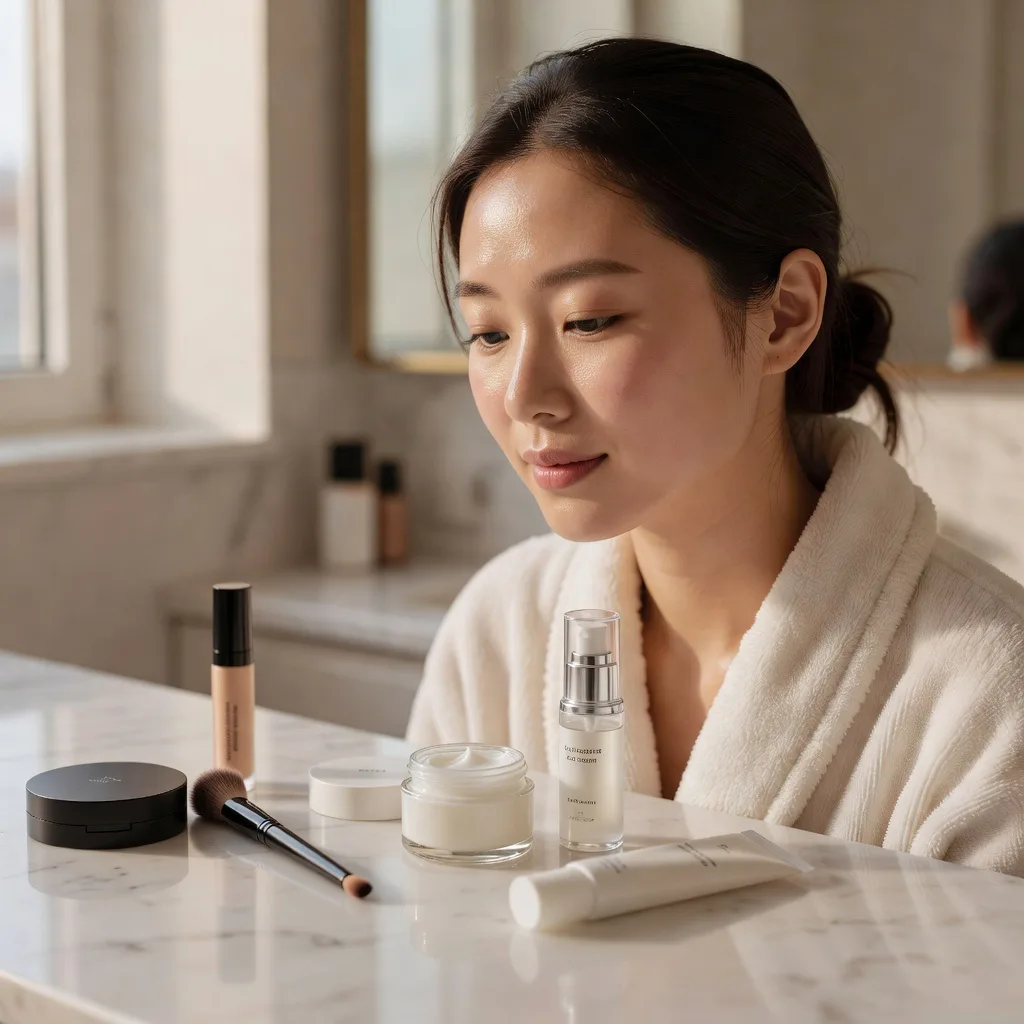
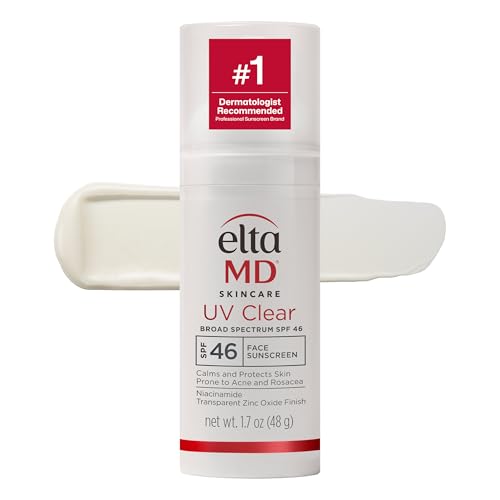
If you must wear something, keep it minimal and gentle. A simple mineral sunscreen or a light mineral powder applied with clean tools is usually a safer choice than a full face of liquid foundation.
This guide explains why the wait matters, how long to wait after different facials, a checklist for your first makeup afterward, and signs that your skin needs medical attention.
Shopping these picks?
Amazon Prime members get fast, free shipping on eligible items, plus Prime Video, Amazon Music and member deals. New members can start with a free trial.
Start a free Prime trialAged 18 to 24? Prime for Young Adults comes with a longer free trial and a lower price after it.
Affiliate link: we may earn a commission at no extra cost to you.
Recommended Post-Facial Skincare and Gentle Makeup

What This Covers
- Why Skin Needs a Break After a Facial
- How Long to Wait After Different Facials
- Before You Put Makeup Back On
- If You Must Wear Makeup the Same Day
- Post-Facial Skincare
- Makeup Hygiene Matters More After a Facial
- Why Some People Break Out After a Facial
- Stronger Treatments Need Longer Breaks
- Making the Most of Your Post-Facial Glow
- What General Guidance Cannot Tell You
- When to Seek Medical Advice
- Questions People Ask
- The Bottom Line
At a Glance
- Most estheticians suggest waiting at least 6 to 24 hours before wearing makeup after a facial.
- After extractions, peels, or microdermabrasion, 24 to 48 hours is often recommended.
- Facial steps such as exfoliation and extractions leave skin temporarily more reactive.
- Makeup and dirty tools can clog freshly cleared pores and cause breakouts.
- If you must wear makeup, choose mineral products and clean tools.
- Sunscreen is still important after a facial, especially after exfoliation.
- Worsening redness, swelling, or pus-filled bumps need attention.
Why Skin Needs a Break After a Facial
A facial is designed to deep-clean and refresh the skin. Depending on the treatment, it may involve cleansing, exfoliation, steam, extractions, masks, massage, and serums. Each of these can leave skin temporarily more open to irritation.
Exfoliation, whether from scrubs, enzymes, acids, or microdermabrasion, removes some of the outer layer of dead skin cells that normally protects the skin. Extractions press on pores and can leave small red spots and tiny breaks in the skin. Steam and massage increase blood flow, which can make skin look flushed for a few hours.
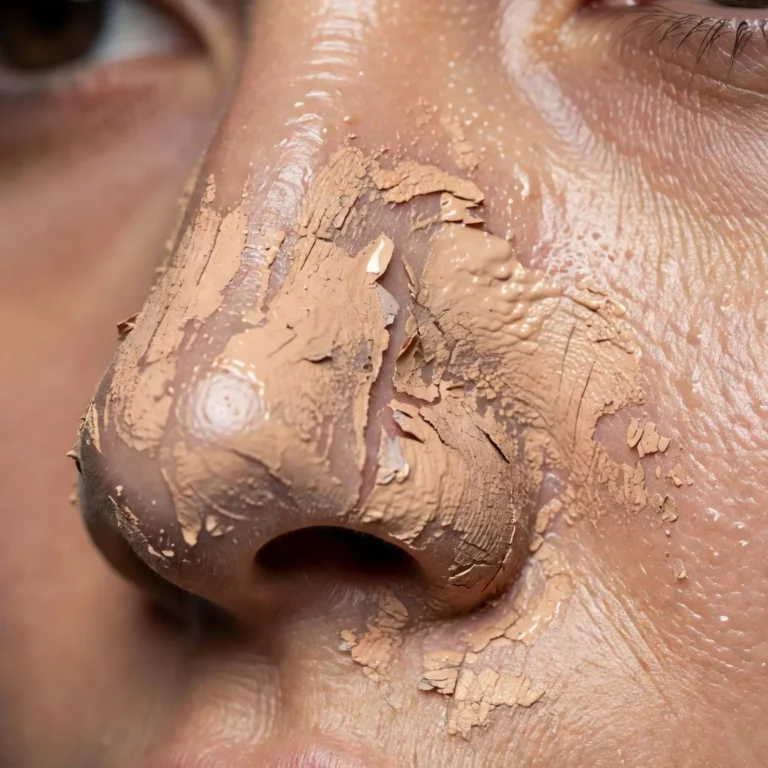
Applying makeup too soon can undo some of the benefits and cause problems. Foundation and concealer can clog pores that were just cleared, and makeup tools can introduce bacteria to freshly treated skin. Fragrance and other ingredients are also more likely to sting.
Many people also find that their skin simply looks good after a facial. It is often a nice opportunity to go makeup-free for a day and enjoy the glow.
How Long to Wait After Different Facials
| Type of facial | Typical wait before makeup | Why |
|---|---|---|
| Basic or hydrating facial | About 6 to 24 hours | Skin is lightly exfoliated and hydrated |
| Facial with extractions | About 24 hours | Pores and small areas of skin need to settle |
| Chemical peel (light) | About 24 to 48 hours | Skin is more sensitive and may flake |
| Microdermabrasion or dermaplaning | About 24 hours | Outer layer of skin has been removed |
| HydraFacial and similar | About 24 hours | Suction, exfoliation, and extractions |
| Microneedling | At least 24 to 48 hours | Tiny channels in the skin |
These are general guidelines. Always follow the aftercare instructions you are given, especially after medical-grade treatments.
If you are comparing facial types, our guide to European vs basic facials explains what each usually includes.
Before You Put Makeup Back On
Use this quick check before wearing makeup after a facial.
Check the time
Make sure you have waited at least the time your esthetician recommended, usually 6 to 24 hours or longer after peels and extractions.
Look at your skin
Redness should be fading, with no raw patches, open spots from extractions, or swelling.
Do a comfort test
Apply a plain moisturizer. If it stings or burns, your skin is not ready for makeup.
Clean your tools
Use freshly washed brushes or a new sponge, and wash your hands.
Keep it light
Start with sunscreen and a little mineral powder or concealer only where needed. Skip heavy foundation and exfoliating products for a few days.
Book facials on a day when you do not need makeup afterward, such as a Friday afternoon or a quiet weekend day.
If You Must Wear Makeup the Same Day
Sometimes a facial is right before an event. If you need makeup the same day, a few precautions reduce the risk.
- Tell your esthetician ahead of time, so they can skip extractions or strong exfoliation.
- Wait as long as possible before applying anything.
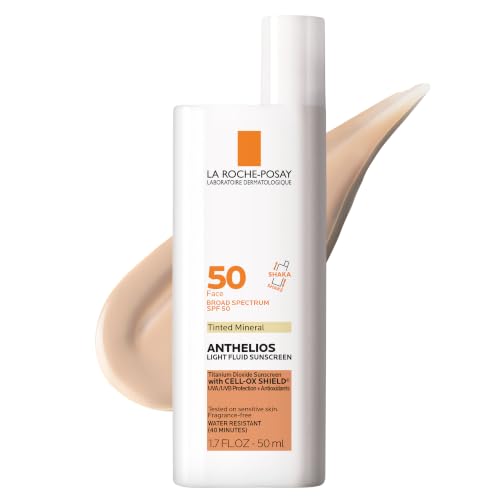
- Use a mineral sunscreen or tinted mineral sunscreen as your base.
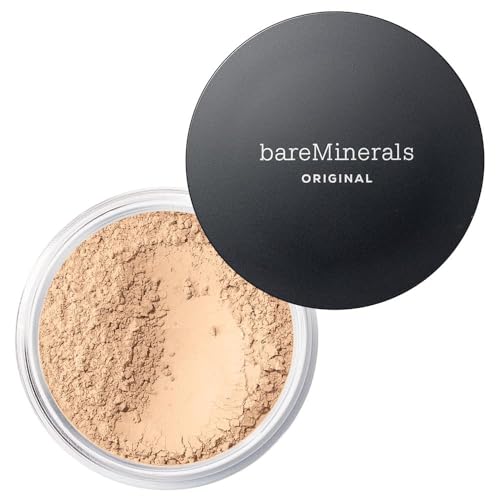
- Choose mineral powder rather than heavy liquid foundation.
- Apply with clean fingers or a new sponge.
- Keep makeup away from any spots that were extracted.
Mineral makeup often has fewer ingredients and no fragrance, which is why it is frequently suggested after treatments. It is still makeup, so keep it light.
After the event, remove makeup gently with a mild cleanser rather than wipes, and apply a soothing moisturizer before bed.
Post-Facial Skincare
For the first day or two after a facial, keep skincare simple and gentle.
Worth Doing
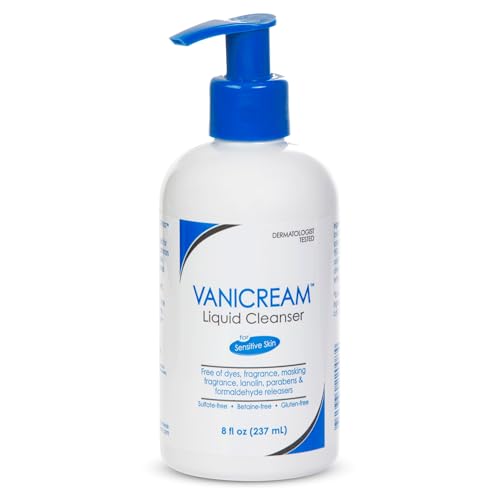
- Cleanse with a gentle, fragrance-free cleanser.
- Use a plain, soothing moisturizer.
- Apply sunscreen every morning.
- Drink water and keep skin hydrated.
- Follow your esthetician’s specific advice.
Skip It
- Use retinoids, acids, or scrubs for a few days.
- Pick at any spots or flaking.
- Use hot water, saunas, or steam rooms right after.
- Exercise hard enough to sweat heavily the same day.
- Sleep on a dirty pillowcase.
Exfoliated skin is more sensitive to the sun, so sunscreen is especially important. A mineral formula with zinc oxide is often gentle on freshly treated skin.
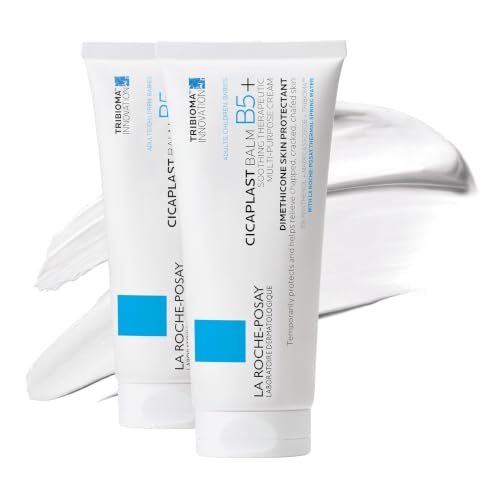
If your skin feels tight or dry the evening after a facial, a thin layer of a barrier-supporting balm on dry areas can help. Avoid anything that stings, and let your skin rest.
Makeup Hygiene Matters More After a Facial
Freshly treated skin is more vulnerable to bacteria, so the condition of your makeup and tools matters more than usual.
Wash brushes and sponges before your first makeup application after a facial, and let them dry completely. Replace mascara if it is older than about three months, and avoid dipping fingers into jars; use a clean spatula or choose pump bottles instead.
Research on used makeup has found potentially harmful bacteria on many everyday products, with sponges among the most contaminated, largely because they stay damp and are rarely washed. Our guide on cleaning makeup sponges explains how to keep them fresh.
If you had extractions, keep concealer off those specific spots until they have closed, even if you wear makeup elsewhere.
Why Some People Break Out After a Facial
It is fairly common to see a few small breakouts in the days after a facial, especially after extractions. Sometimes this is congestion that was already under the surface coming to a head. Other times it is a reaction to a product used in the facial, or to makeup applied too soon.
If breakouts are mild and clear within a week, they are usually nothing to worry about. If they are widespread, painful, or keep happening after every facial, tell your esthetician so they can adjust products and techniques, and consider seeing a dermatologist.
Choosing non-comedogenic makeup when you do return to it can help. Our guide on what a spa facial involves covers which steps are most likely to cause temporary purging.
Stronger Treatments Need Longer Breaks
Treatments that go deeper than a standard facial need more time before makeup. Microneedling, laser treatments, and medium or deep peels create more significant changes in the skin and often come with specific aftercare instructions.
After microneedling, for example, tiny channels in the skin can let makeup and bacteria in. Our guide on makeup after microneedling explains the typical wait.
For any medical-grade treatment, follow the provider’s written instructions rather than general advice, since the right timing depends on the depth of treatment.
If you are unsure how intensive your treatment was, ask your provider before you leave the appointment. It is much easier to plan around makeup when you know what was done.
Making the Most of Your Post-Facial Glow
One of the best parts of a facial is how skin looks afterward, so it is worth protecting that result.
Keep your routine simple for a few days so your skin can settle, and avoid introducing new products right after a facial, since it will be harder to tell what caused any reaction.
Stay hydrated, get enough sleep, and use sunscreen daily. These habits help the smooth, bright look last longer than any makeup could.
When you return to makeup, you may find you need less than usual. A little concealer, mascara, and lip color are often enough on well-cared-for skin.
What General Guidance Cannot Tell You
| Belief | Reality |
|---|---|
| You can wear makeup right after any facial | Most estheticians recommend waiting, especially after extractions or peels |
| Mineral makeup is always safe immediately | It is gentler, but waiting is still best |
| A little redness means the facial went wrong | Mild redness for a few hours is normal |
| Breakouts mean the facial did not work | Mild purging can happen, especially after extractions |
| Sunscreen can be skipped after a facial | Exfoliated skin needs sun protection even more |
Everyone’s skin reacts differently, so pay attention to how yours looks and feels.
When in doubt, waiting an extra day is almost never a mistake.
When to Seek Medical Advice
Contact your esthetician or a doctor if you notice:
- Redness or swelling that gets worse after the first day.
- Burning, stinging, or pain that does not settle.
- Blisters, crusting, or raw areas.
- Pus-filled or painful bumps that spread.
- Hives or swelling of the face, lips, or eyes.
- Signs of infection such as fever or warmth.
Seek urgent care if you have swelling of the lips, tongue, or throat, or difficulty breathing after any treatment.
Medical disclaimer: This article is for general information and is not a substitute for professional medical advice. Always follow your provider’s aftercare instructions.
Questions People Ask
Should you wear makeup after a facial?
It is best to wait at least 6 to 24 hours, and longer after extractions, peels, or microdermabrasion.
Why can’t I wear makeup after a facial?
Exfoliation and extractions leave skin more reactive, and makeup can clog pores or cause irritation.
Can I wear mineral makeup after a facial?
Mineral makeup is gentler and often suggested if you must wear something, but waiting is still best.
Can I wear sunscreen after a facial?
Yes. Sunscreen is important because exfoliated skin is more sensitive to the sun.
How long after a chemical peel can I wear makeup?
Usually 24 to 48 hours for a light peel, or as your provider advises.
Is it normal to break out after a facial?
Mild breakouts can happen, especially after extractions, and usually clear within a week.
Can I wear mascara after a facial?
Eye makeup is often less of a concern, but use clean products and avoid rubbing your eyes.
When should I book a facial before an event?
Ideally several days before, so skin has time to settle.
What should I put on my skin after a facial?
A gentle cleanser, plain moisturizer, and sunscreen.
When should I call a doctor after a facial?
If redness, swelling, or pain get worse, or you notice blisters, pus, or signs of infection.
The Bottom Line
After a facial, it is best to give your skin at least six to 24 hours without makeup, and 24 to 48 hours after extractions, peels, or microdermabrasion. Treatments leave skin more open and reactive, and makeup and tools can irritate it or clog freshly cleared pores.
If you need makeup the same day, keep it light with mineral products and clean tools, and always wear sunscreen. Keep skincare gentle for a couple of days, and contact your esthetician or a doctor if redness, swelling, or bumps get worse.

Written by
Registered pharmacist and founder of Facial Adviser. Rakib's pharmacy training covers how skincare actives work and interact; a later course in cosmetology turned that into a focus on facial treatments and skincare products. He plans, researches and edits every guide on the site and checks health claims against sources such as the American Academy of Dermatology, the FDA and the NIH. He is not a dermatologist; see the Editorial Policy and Medical Disclaimer.
About · Editorial policy · How we choose products · Medical disclaimer · Contact
Keep reading: Makeup basics and skin
- How to Properly Put On Face Makeup: The Right Order, Step by Step
- How to Make Makeup at Home Safely: Simple Recipes and Real Risks
- Which Makeup Brand Is Best for Mature Skin? What Actually Matters
- Best Way to Apply Makeup Over 50: Products That Flatter Changing Skin
- Best Way to Apply Makeup for Oily Skin: Prep, Prime, Set and Blot
- What to Do If Makeup Gets in Your Eye: First Aid and Warning Signs
- What Can You Use to Make Your Makeup Stay On All Day? 9 Products and Tricks
- How to Get Started as a Freelance Makeup Artist: Training, Kit and Clients