Will Makeup Come Out of a White Shirt?
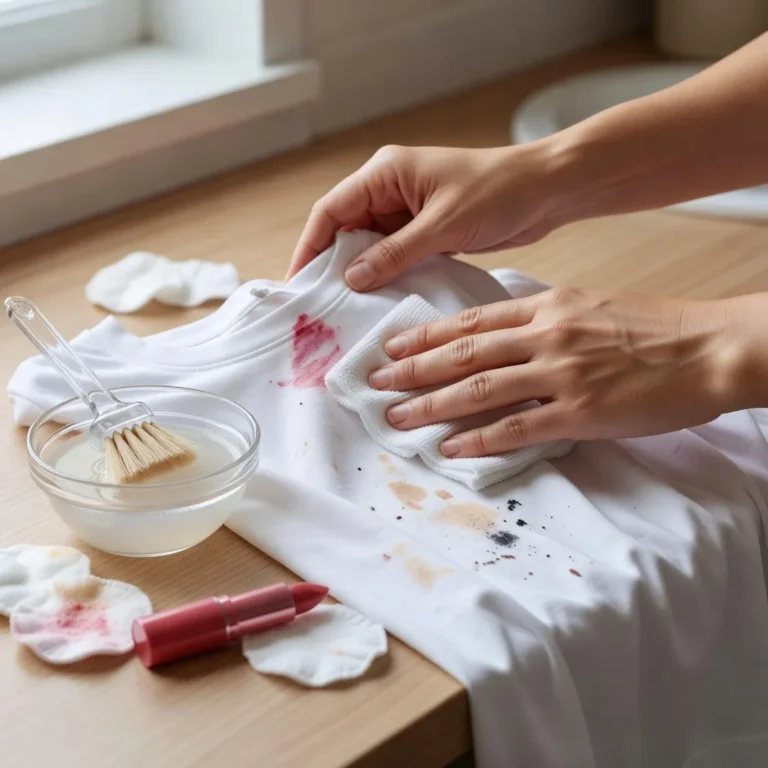
A makeup smudge on a white collar always feels like the end of that shirt, but will makeup come out of a white shirt, and does the answer actually depend on which specific product left the mark?
Part of our guide to makeup how-to. Start with: Best Way to Use Makeup Remover: Micellar Water, Balms, Oils and Eye Removers
Foundation, powder, lipstick, and mascara are chemically distinct stains, not one generic “makeup stain” problem, and treating them the same way is the single most common mistake. Powder needs to be lifted dry first, since a wet cloth just grinds pigment into the weave; foundation behaves like a grease stain and needs a surfactant; lipstick’s wax-and-oil base is the hardest of the four and needs a real degreasing step; and heat from a dryer can set any of them permanently before you know the stain is actually gone.
A genuinely useful correction: enzyme detergents work on protein and biological residue, not on the wax and oil that make up most makeup stains — which is why a plain enzyme wash alone often underperforms against lipstick or waterproof mascara specifically.
This guide breaks down the correct first move by makeup type, the real chemistry behind why cold water and degreasing agents work, and which popular folk remedies don’t actually hold up.
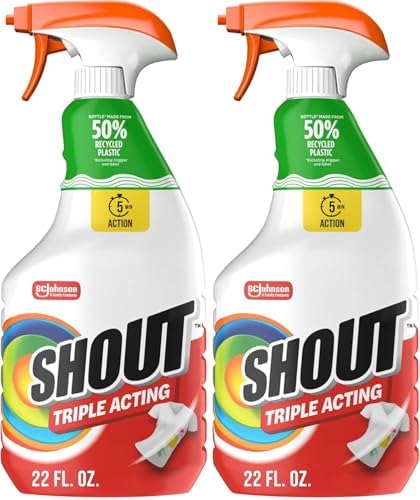
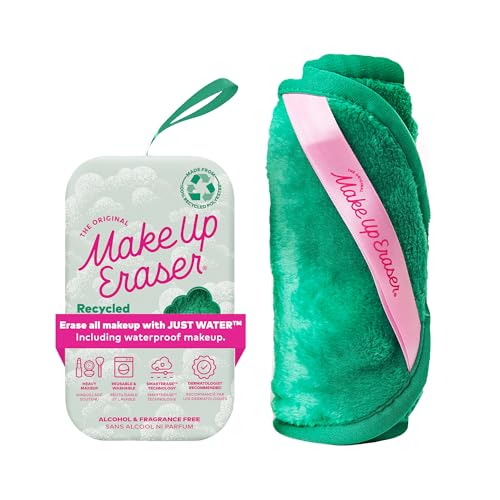
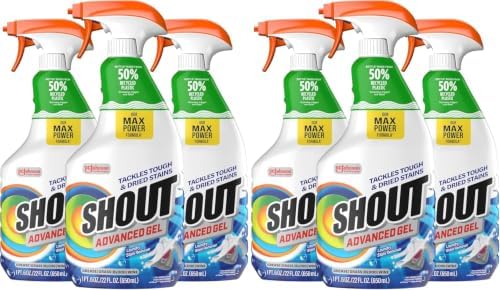
Recommended Stain-Removal Products That Actually Work


Quick Take
- “Makeup stains” is not one problem: foundation, powder, lipstick, and mascara are chemically different and need different first moves.
- Cold water first, always — heat can set the oil and wax components permanently before you have had a chance to treat them.
- Enzyme detergents handle protein residue well, but do almost nothing for the wax and oil in most makeup stains; that job belongs to a surfactant or degreaser.
- Hairspray and toothpaste are folk remedies with no real chemical basis for lifting cosmetic pigment — use a dish soap or isopropyl alcohol pretreatment instead.
In This Guide
- Why “Makeup Stain” Is the Wrong Category
- Foundation: An Oil-in-Water Emulsion
- Powder Products: A Dry Pigment Deposit
- Lipstick: The Hardest of the Four
- Mascara and Eyeliner: The Longest Pretreatment
- First-Treatment Matrix by Makeup Type
- Why Cold Water Comes First
- Enzymes vs. Surfactants
- What Does Not Actually Work
- Real Fixes vs. Folk Remedies
- A Practical Removal Sequence
- Do and Don’t
- Extra Considerations for White Fabric
- Frequently Asked Questions
- The Bottom Line
Why “Makeup Stain” Is the Wrong Category
Ask five people how to get makeup out of a white shirt and you will get five different answers, mostly because everyone pictures a different stain. Foundation, powder, lipstick, and mascara are four chemically distinct substances, and treating them as one generic “makeup stain” is the biggest reason home remedies fail. Foundation is an oil-in-water emulsion, powder is a dry pigment deposit with no liquid carrier, lipstick combines wax, oil, and heavy pigment, and mascara adds film-forming polymers, with waterproof formulas adding silicone built to resist water. The wrong first move can make a stain harder to remove, not easier.
Shopping these picks?
Amazon Prime members get fast, free shipping on eligible items, plus Prime Video, Amazon Music and member deals. New members can start with a free trial.
Start a free Prime trialAged 18 to 24? Prime for Young Adults comes with a longer free trial and a lower price after it.
Affiliate link: we may earn a commission at no extra cost to you.
Foundation: An Oil-in-Water Emulsion
Foundation and liquid concealer carry pigment and often silicones suspended in oil and water, held together by an emulsifier. Because part of the formula is oil-based, a foundation stain behaves like grease: it needs a surfactant to lift the oil off the fibers, not just water. Tide’s guidance is straightforward: pretreat with a stain-release product, blot, rinse in hot water, then launder. Notice the water-temperature advice differs from the other types below: foundation has no protein component at risk of cooking into the weave, so warmer water can be used earlier without setting the stain.
Powder Products: A Dry Pigment Deposit
Pressed powder, blush, bronzer, and powder eyeshadow behave nothing like foundation, because there is no liquid vehicle involved. What lands on your shirt is a dry deposit of pigment sitting loosely on the fibers, not a stain chemically bonded to it. The instinct most people have, blotting it with a damp cloth, is usually wrong: wetting the powder grinds pigment into the weave instead of lifting it off. The better move is purely mechanical: shake, brush, or lint-roll the area first. Powder is the category most likely to come out with mechanical removal alone; any pigment left after that responds to ordinary detergent and cool water.
Lipstick: The Hardest of the Four
Lipstick is the hardest of the four to remove, because it combines an oily, waxy carrier that behaves like grease with a heavily loaded, long-wear pigment that resists ordinary washing. Tide describes lipstick stains as “brightly colored but also oil-based,” and recommends an enzyme-containing pretreatment to break down the grease, combined with mechanical work before drying. A first pass with grease-cutting dish soap, or isopropyl alcohol dabbed from the fabric’s back, dissolves enough of the wax carrier that the pigment loses its grip. Neither removes the stain alone; they break the wax matrix so detergent can lift it out.
Mascara and Eyeliner: The Longest Pretreatment
Mascara and eyeliner are the most chemically complex of the four: waxes, oils, film-forming polymers, and pigment in one product, and waterproof formulas add silicone designed to resist water. That is why this category needs the longest pretreatment dwell time. Tide specifies roughly 15 minutes of contact, followed by gentle work with a soft-bristle brush before laundering, since the polymer and wax film has to be broken down chemically, not rinsed away. A water-only attempt tends to underperform here, especially on waterproof formulas, since the silicone film is doing exactly what it was designed to do.
First-Treatment Matrix by Makeup Type
Lined up side by side, the four types and their correct first moves look like this.
| Makeup type | What it actually is | Correct first move |
|---|---|---|
| Foundation / liquid concealer | Oil-in-water emulsion with pigment and often silicones | Pretreat with a stain-release product, blot, then rinse in hot water |
| Powder (pressed powder, blush, bronzer, powder eyeshadow) | Dry pigment/mica deposit, no liquid carrier | Shake, brush, or lint-roll off dry before any liquid touches it |
| Lipstick | Wax and oil carrier plus heavy, long-wear pigment | Degrease first with dish soap or isopropyl alcohol from the fabric’s back, then launder |
| Mascara / eyeliner | Waxes, oils, film-forming polymers, sometimes waterproof silicones | Pretreat roughly 15 minutes, then work gently with a soft-bristle brush |
Why Cold Water Comes First
Across all four categories, one rule holds: start with cold water, and do not dry the garment until the stain is confirmed gone. The American Cleaning Institute states plainly not to use hot water on blood, since it will set the stain, because heat bonds protein permanently into fabric, the same way you cannot uncook a fried egg. Makeup is not a protein stain in that sense, but the same logic applies to its oil and wax content, which can melt further into fiber gaps and fix pigment permanently, which is why every credible source, Tide included, warns against drying a garment before the stain is confirmed gone.
Enzymes vs. Surfactants
Enzyme-containing detergents get credited with fixing almost any stain, and that reputation is only half accurate for makeup. Protease enzymes break down protein-based residue well: blood, sweat, food, the kind of material that shows up alongside a makeup smudge on a collar. But the wax and oil in foundation, lipstick, and mascara do not respond to enzymes the way protein does; what breaks those down is surfactant, or degreasing, action, the same chemistry in dish soap that cuts cooking grease. Modern pretreatment products combine both, but for a straightforward lipstick or foundation stain, the surfactant is doing most of the real work.
What Does Not Actually Work
A few home remedies keep circulating despite having no real chemical basis. Hairspray is the most persistent: older formulations may have carried enough alcohol to help, but most modern hairsprays do not, making the advice a leftover from decades-old formulas. Toothpaste fails for a different reason: it is a mild abrasive built to clean enamel, not dissolve wax in cotton fibers. On white fabric it is unlikely to do real damage, but it is not doing the degreasing job people expect. Neither substitutes for an actual surfactant or degreaser.
Real Fixes vs. Folk Remedies
Set against the treatments grounded in the chemistry above, the myths look thinner still.
| Approach | Real or myth | Why |
|---|---|---|
| Cold water first | Real | Prevents heat from setting oil, wax, and pigment into fibers |
| Enzyme detergent | Real, for the right component | Breaks down protein/biological residue, not the wax or oil itself |
| Dish soap or isopropyl alcohol on wax-based stains | Real | Surfactant/degreasing action dissolves the wax matrix holding pigment |
| Hairspray | Myth | Modern formulas lack the alcohol/solvent concentration old advice assumed |
| Toothpaste | Myth | Mild abrasive/detergent for enamel, no real degreasing action on fabric |
| Direct hot water before the stain is confirmed gone | Myth, and risky | Heat sets oil, wax, and pigment into the weave rather than removing them |
A Practical Removal Sequence
Identify the makeup type
A powdery mark, a greasy smear, a waxy print, and a rubbery smudge each need a different first move; guessing wrong is the top reason a stain sets before treatment.
Remove any dry residue mechanically first
For powder marks, shake, brush, or lint-roll before any liquid touches it. For the others, scrape off excess with a dull edge.
Pretreat with the right chemistry
Use a stain-release product on foundation, dish soap or alcohol on lipstick, and a 15-minute pretreatment on mascara.
Work it gently with a soft brush
A soft-bristle brush loosens wax and polymer film without damaging fibers. Avoid scrubbing, which pushes pigment deeper instead of lifting it out.
Wash in cold to cool water
Keep it cold until the stain is confirmed gone. Foundation is the exception, since it has no protein component at risk of setting.
Check before you dry
Inspect the fabric in good light first. If any trace remains, repeat the pretreatment rather than drying, since heat can lock in what is left.
Do and Don’t
Do
- Treat powder stains dry first, before liquid touches the fabric.
- Use cold water until the stain is completely gone.
- Match the pretreatment to the stain: surfactant for wax, enzyme detergent for protein.
Don’t
- Don’t blot a powder stain wet first; it grinds pigment into the weave.
- Don’t dry the garment until you have confirmed the stain is gone.
- Don’t rely on hairspray or toothpaste; neither degreases cosmetic wax.
Extra Considerations for White Fabric
White fabric adds one extra consideration: bleach. It is tempting because color transfer is not a concern, but it does not address the underlying wax or oil chemistry, and using it before pretreatment can set some pigments rather than remove them. Treat the stain with the type-specific approach first and reserve bleach, if at all, for after a normal wash. It is also worth testing any pretreatment on a hidden seam: white cotton tolerates isopropyl alcohol and dish soap well, but spandex blends can react differently.
Frequently Asked Questions
Will makeup definitely come out of a white shirt?
Usually, if you match the treatment to the makeup type and start cold, though a heavily set-in stain already dried with heat may only fade partially.
Which makeup type is hardest to remove?
Lipstick, because its oily, waxy carrier plus heavy pigment needs a degreasing step before detergent can lift the color out.
Should I wash a powder makeup stain right away?
Shake or brush off the loose pigment first, since wetting it grinds pigment into the weave instead of lifting it.
Is hot water ever okay for a makeup stain?
Foundation is the one category where a hot rinse can come earlier, since it has no protein component at risk of setting, but every other type does better cold.
Does enzyme detergent remove makeup stains on its own?
It helps with protein residue mixed in, but the wax and oil in foundation, lipstick, and mascara respond to surfactant action, not enzymes.
Does hairspray actually remove lipstick or mascara stains?
Not reliably; modern hairsprays do not carry the alcohol concentration the old folk remedy assumes.
What about toothpaste?
It is a mild abrasive built for enamel, not fiber-embedded wax, so it lacks real degreasing action.
Can I dry a stained white shirt if I am not sure the stain is gone?
Better not to; heat can melt remaining wax further into the fibers and help set pigment permanently.
Is dish soap safe on a white cotton shirt?
Generally yes, and it is effective on wax-based stains like lipstick, though spot-test a hidden seam first on spandex blends.
How long should I pretreat a mascara stain before washing?
Roughly 15 minutes, followed by gentle work with a soft-bristle brush, since the wax and polymer film needs longer to break down.
The Bottom Line
“Makeup stains” is not one problem: one generic method applied to four different substances is why home treatment fails. Foundation responds to a stain-release product and warm water; powder responds to mechanical removal first; lipstick needs a degreasing step before detergent helps; and mascara needs the longest pretreatment dwell time. Cold water and patience before the dryer apply across the board, and hairspray and toothpaste simply do not have the chemistry to do the job.
Identifying whether the stain is dry pigment, an emulsion, a wax, or a polymer film, and treating it accordingly, determines whether a white shirt comes clean.

Written by
Registered pharmacist and founder of Facial Adviser. Rakib's pharmacy training covers how skincare actives work and interact; a later course in cosmetology turned that into a focus on facial treatments and skincare products. He plans, researches and edits every guide on the site and checks health claims against sources such as the American Academy of Dermatology, the FDA and the NIH. He is not a dermatologist; see the Editorial Policy and Medical Disclaimer.
About · Editorial policy · How we choose products · Medical disclaimer · Contact
Keep reading: Makeup removal and hygiene
- Why Can't I Sleep With Makeup On?
- Makeup Remover vs Micellar Water: The Real Difference
- Best Way to Use Makeup Remover: Micellar Water, Balms, Oils and Eye Removers
- How Do You Get Makeup Out of Clothes? A Stain-by-Stain Guide
- How Do You Know If Makeup Is Expired? Signs, Shelf Life and Symbols
- How to Choose Lipstick Shade: Undertone, Skin Tone and Testing Tips
- How to Find the Right Shade of Makeup: Undertone, Depth and Testing