Where Do Makeup Ingredients Come From? Minerals, Plants, Animals, and Labs
Turn over almost any foundation, lipstick, or eyeshadow and you will find a long list of ingredients with unfamiliar names. Some sound like chemistry lab equipment, others like something from a garden. It is natural to wonder where they actually come from.
Part of our guide to makeup how-to. Start with: How to Properly Put On Face Makeup: The Right Order, Step by Step
Makeup ingredients come from five main sources: minerals mined from the earth, plants, animals, petroleum, and synthesis in a laboratory. Many common ingredients can come from more than one source. Squalane, for example, can be made from shark liver oil, olives, or sugarcane, and the finished ingredient can look chemically identical.
The source matters for different reasons to different people. For some, it is about animal welfare or vegan choices. For others, it is about the environment or human rights in supply chains. Mica, the mineral that gives many products their shimmer, has been linked to child labor, with a 2015 investigation by SOMO and Terre des Hommes estimating that up to 22,000 children were involved in mica mining in parts of India.
A natural source does not make an ingredient safer, and a synthetic one does not make it harmful. Many lab-made ingredients are purer and more consistent than their natural versions, and some natural ingredients are common allergens.
This guide explains the main sources of makeup ingredients with examples, how to read a label for clues, what terms like vegan and cruelty-free mean, and when an ingredient reaction needs a doctor.
Shopping these picks?
Amazon Prime members get fast, free shipping on eligible items, plus Prime Video, Amazon Music and member deals. New members can start with a free trial.
Start a free Prime trialAged 18 to 24? Prime for Young Adults comes with a longer free trial and a lower price after it.
Affiliate link: we may earn a commission at no extra cost to you.
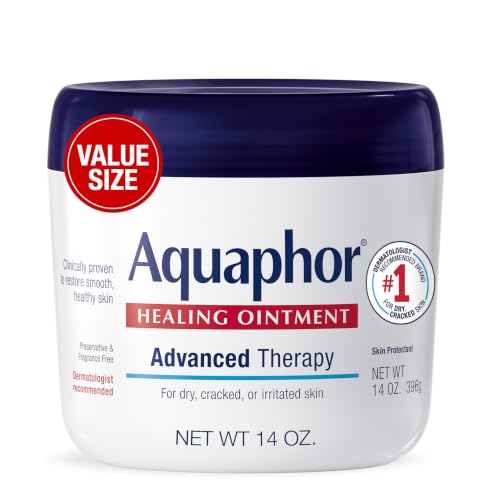
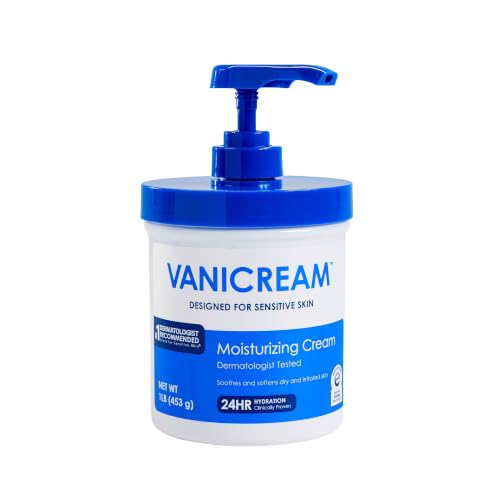
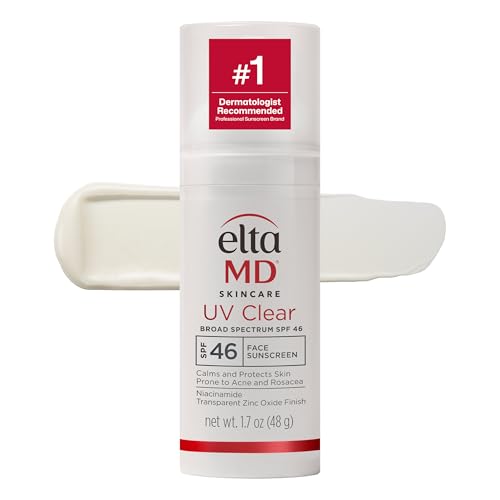
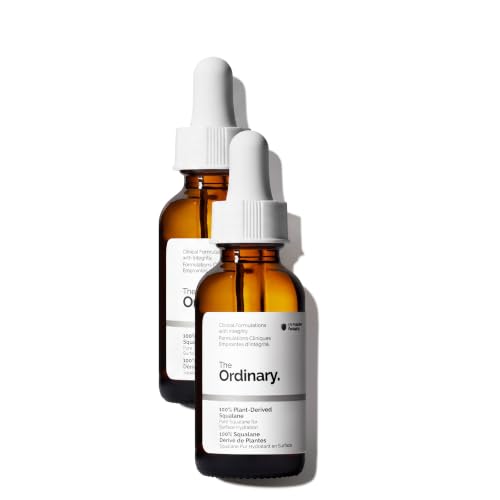
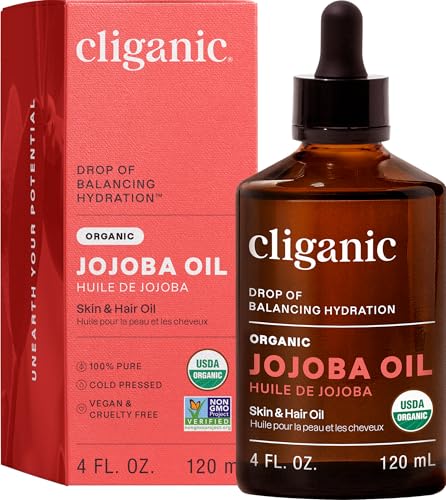
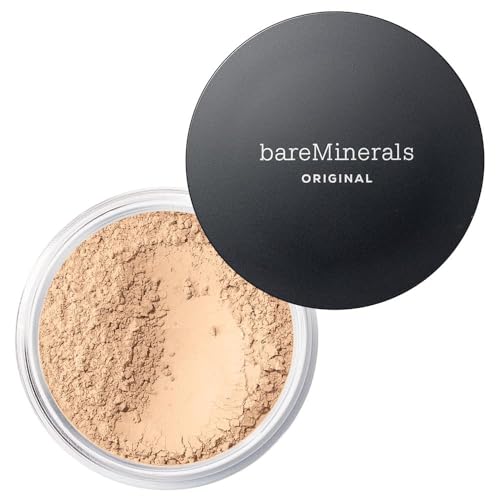
Recommended Products With Clearly Sourced Ingredients

Quick Answer
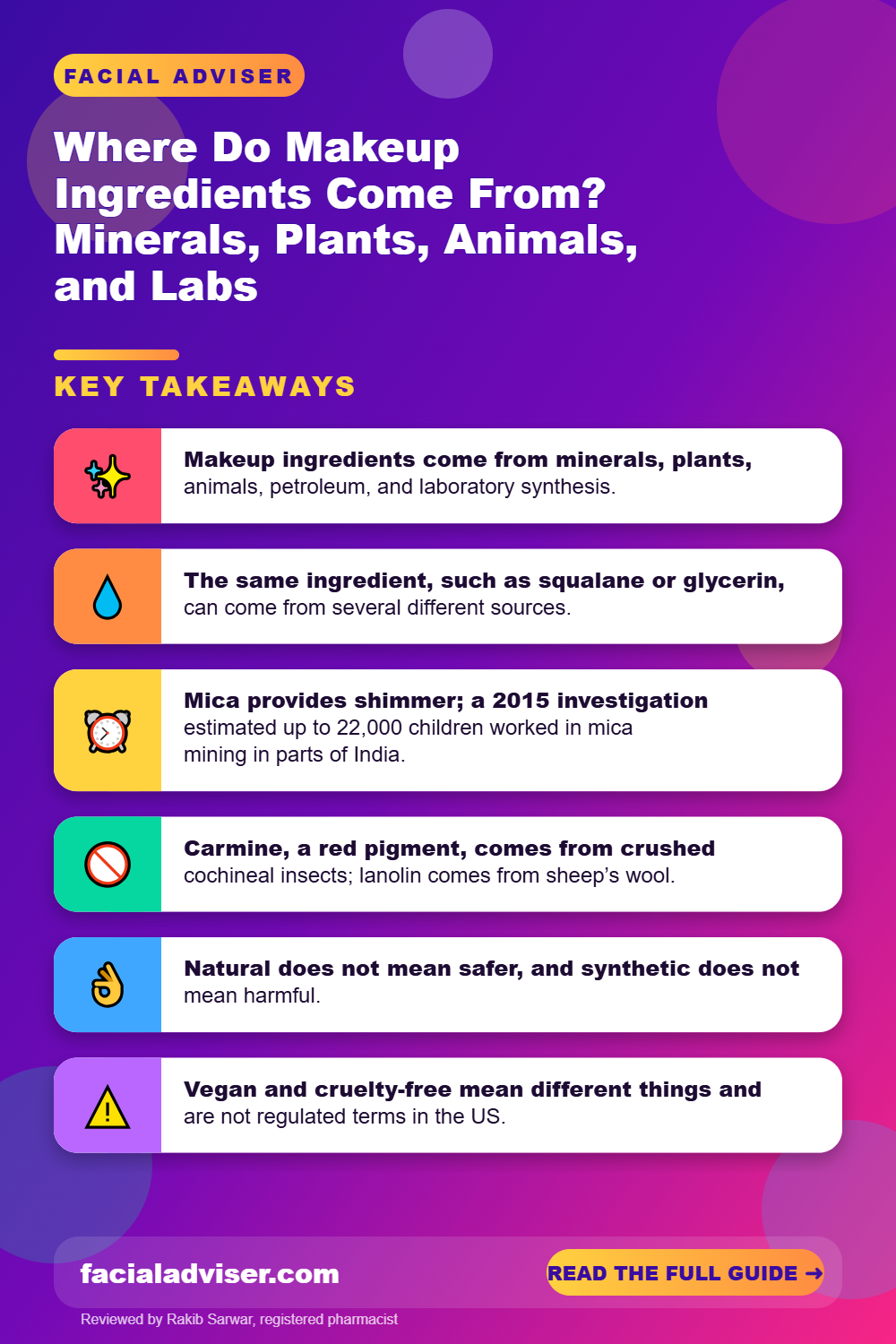
- Makeup ingredients come from minerals, plants, animals, petroleum, and laboratory synthesis.
- The same ingredient, such as squalane or glycerin, can come from several different sources.
- Mica provides shimmer; a 2015 investigation estimated up to 22,000 children worked in mica mining in parts of India.
- Carmine, a red pigment, comes from crushed cochineal insects; lanolin comes from sheep’s wool.
- Natural does not mean safer, and synthetic does not mean harmful.
- Vegan and cruelty-free mean different things and are not regulated terms in the US.
- Color additives in US cosmetics must be approved by the FDA for their intended use.
Contents
- Minerals From the Earth
- Plants and Plant Oils
- Animal-Derived Ingredients
- Petroleum-Based Ingredients
- Ingredients Made in the Lab
- How to Find Out Where Your Ingredients Come From
- Common Ingredients and Their Sources
- What Vegan, Cruelty-Free, and Clean Really Mean
- How Makeup Ingredients Are Regulated
- What an Ingredient Source Cannot Tell You
- When an Ingredient Reaction Needs a Doctor
- Frequently Asked Questions
- The Takeaway
Minerals From the Earth
Many of the ingredients that give makeup its color, coverage, and shimmer are minerals.
- Mica is a shiny silicate mineral ground into a fine powder for shimmer and glow. It appears in eyeshadow, highlighter, blush, and many foundations.
- Iron oxides provide red, yellow, brown, and black shades. They occur naturally, but the versions used in cosmetics are usually made synthetically for purity.
- Titanium dioxide and zinc oxide provide white pigment, coverage, and sun protection.
- Talc is a soft mineral used in powders for a silky feel and oil absorption.
- Kaolin and bentonite clays absorb oil and are common in masks and some powders.
Mining raises environmental and human rights concerns. Mica mining in parts of India and Madagascar has been linked to child labor and unsafe conditions, and a 2018 Terre des Hommes report called for better supply chain monitoring. Some brands now use synthetic mica, called synthetic fluorphlogopite, or source from certified supply chains.
Talc has drawn particular attention because talc deposits can sometimes sit near asbestos. FDA sampling of talc-containing cosmetics in 2019 and 2020 found asbestos in a small number of products, which were recalled. Cosmetic talc is supposed to be asbestos-free, and many brands now test for it or use talc alternatives such as corn starch, rice powder, or silica.
Keep loose powders away from babies and young children, and avoid shaking them near the face. Breathing in fine powder of any kind can irritate the lungs.
Plants and Plant Oils
Plants provide oils, butters, waxes, and extracts used throughout makeup and skincare.
- Oils such as jojoba, argan, sunflower, and castor oil add slip and moisture, especially in lip products.
- Butters such as shea and cocoa butter add richness to balms and creams.
- Waxes such as candelilla and carnauba help lipsticks and mascaras hold their shape.
- Squalane is often made from olives or sugarcane today, replacing the older shark liver source.
- Glycerin is commonly made from vegetable oils, though it can also come from animal fat or be synthesized.
Plant extracts, including essential oils, are also common. They can add fragrance or antioxidant properties but are also frequent causes of irritation and allergy. Our guide to facial oil vs essential oil explains why.
Animal-Derived Ingredients
Some traditional makeup ingredients come from animals.
- Carmine, also listed as cochineal extract or CI 75470, is a red pigment made from crushed cochineal insects. It appears in some lipsticks and blushes.
- Beeswax comes from honeybees and is used in lip balms, mascaras, and creams.
- Lanolin comes from sheep’s wool and is a rich moisturizer in lip and skin products.
- Guanine, a shimmering substance, has historically been made from fish scales.
- Collagen, keratin, and some glycerin can be animal-derived, though plant or synthetic versions are common.
Carmine can cause allergic reactions in some people, including rare but serious reactions. If you react to red lip products, carmine is worth considering as a possible cause.
Petroleum-Based Ingredients
Several widely used ingredients are refined from petroleum.
- Petrolatum, the main ingredient in petroleum jelly, is a very effective occlusive that helps prevent water loss.
- Mineral oil is a lightweight, stable oil used in cleansers and makeup removers.
- Paraffin and microcrystalline wax give structure to lipsticks and balms.
- Many synthetic polymers help products spread, stay in place, or resist water.
Cosmetic-grade petrolatum and mineral oil are highly refined and generally considered safe and non-irritating for most people. Concerns about these ingredients are mostly environmental, related to fossil fuel sourcing, rather than skin safety.
Ingredients Made in the Lab
Many modern ingredients are synthesized, sometimes to copy a natural ingredient and sometimes to create something new.
- Silicones such as dimethicone create a smooth, silky feel and help makeup glide.
- Synthetic pigments and dyes provide consistent colors.
- Preservatives such as phenoxyethanol help prevent bacteria and mold.
- Hyaluronic acid is now usually made by bacterial fermentation rather than from animal tissue.
- Synthetic mica offers shimmer without mining.
Lab-made ingredients are often purer and more consistent than natural ones, and they can reduce pressure on wild plants and animals. Safety depends on the specific ingredient and how it is used, not on whether it is natural or synthetic.
Fermentation is a growing source as well. Microbes such as yeast and bacteria can be used to produce ingredients like hyaluronic acid, squalane, and some peptides in large tanks, similar to brewing. This approach can reduce reliance on animals, crops, and mining, and it tends to produce very consistent, pure ingredients.
How to Find Out Where Your Ingredients Come From
Ingredient lists do not usually state the source, but you can often find out with a little digging.
Read the INCI list
Ingredients are listed by their standard INCI names in order of concentration. Look up any that are unfamiliar.
Look for color index numbers
Pigments appear as CI numbers, such as CI 77491 for red iron oxide or CI 75470 for carmine. These tell you exactly which colorant is used.
Check for source claims
Terms such as plant-derived, vegan, or synthetic mica on packaging suggest the brand has made sourcing choices worth noting.
Visit the brand’s website
Many brands publish ingredient glossaries or sourcing policies, including on mica and animal-derived ingredients.
Ask the brand directly
If sourcing matters to you, contact customer service. Responsible brands can usually answer questions about specific ingredients.
Keep a short list of ingredients you prefer to avoid on your phone, whether for allergies, ethics, or personal preference. It makes label checks much quicker.
Common Ingredients and Their Sources
| Ingredient | Common sources | Where you find it |
|---|---|---|
| Mica | Mined mineral or synthetic | Eyeshadow, highlighter, foundation |
| Iron oxides | Usually synthetic | Foundation, blush, eyeshadow |
| Squalane | Olive, sugarcane, historically shark liver | Primers, moisturizers |
| Glycerin | Plant oils, animal fat, or synthetic | Most skincare and many makeup products |
| Carmine | Cochineal insects | Red lipsticks, blushes |
| Beeswax | Honeybees | Lip balms, mascaras |
| Petrolatum | Petroleum | Balms, ointments, lip products |
| Dimethicone | Synthetic | Primers, foundations |
This table shows why ingredient names alone rarely tell the full story. The same name can cover very different sourcing.
What Vegan, Cruelty-Free, and Clean Really Mean
Do
- Look for vegan if you want to avoid animal-derived ingredients.
- Look for cruelty-free if you care about animal testing.
- Check for third-party certifications with published standards.
- Read the ingredient list, not just the front label.
- Contact brands with specific questions.
Don’t
- Assume vegan and cruelty-free mean the same thing.
- Assume clean or natural means safer.
- Trust claims without any explanation or certification.
- Avoid an ingredient only because it sounds chemical.
- Forget that natural ingredients can cause allergies.
In the US, terms like natural, clean, vegan, and cruelty-free are not defined by the FDA, so their meaning varies between brands. Independent certification logos with published criteria are more reliable than marketing claims.
If you are also worried about counterfeit products with unknown ingredients, our guide on how to tell if makeup is fake covers what to check.
How Makeup Ingredients Are Regulated
In the United States, the FDA regulates cosmetics, and color additives must be approved for their intended use, such as around the eyes or on the lips. Most other cosmetic ingredients do not require FDA approval before sale, although companies are responsible for making sure their products are safe.
Under the Modernization of Cosmetics Regulation Act of 2022, the FDA gained new powers, including requirements for companies to register facilities, list products, and report serious adverse events.
Other regions, such as the European Union, have their own rules, including lists of banned and restricted ingredients. This is one reason the same brand’s product can have slightly different formulas in different countries.
What an Ingredient Source Cannot Tell You
Knowing where an ingredient comes from tells you about ethics and sustainability, but it does not tell you whether it will suit your skin.
| Belief | Reality |
|---|---|
| Natural ingredients are always gentler | Plant extracts and essential oils often irritate |
| Synthetic means toxic | Many synthetics are well studied and very stable |
| Petroleum ingredients clog pores | Refined petrolatum is generally non-comedogenic for most people |
| Vegan means cruelty-free | A vegan product may still be tested on animals |
| All mica is unethical | Some is from monitored supply chains or synthetic |
If you have sensitive or acne-prone skin, focus on how individual ingredients affect you. Our guide on non-comedogenic makeup can help.
When an Ingredient Reaction Needs a Doctor
See a doctor or dermatologist if you notice:
- Redness, itching, or a rash where you applied makeup.
- Swelling of the lips, eyelids, or face.
- Blistering or oozing skin.
- A reaction that keeps returning with certain products.
- Eye irritation, redness, or discharge after using eye makeup.
- Any trouble breathing or throat tightness, which needs emergency care.
A dermatologist can arrange patch testing to identify specific ingredient allergies, such as to fragrance, preservatives, or carmine.
Medical disclaimer: This article is for general information and is not a substitute for professional medical advice. Seek medical care for significant or persistent reactions to cosmetics.
Frequently Asked Questions
Where do makeup ingredients come from?
From minerals, plants, animals, petroleum, and laboratory synthesis.
What is mica and where does it come from?
Mica is a shiny mineral mined mainly in countries including India and Madagascar. Synthetic mica is also used.
Is there bug in lipstick?
Some red lipsticks contain carmine, a pigment made from cochineal insects. It may be listed as CI 75470.
Is makeup made from petroleum?
Some ingredients, such as petrolatum, mineral oil, and certain waxes, come from petroleum.
Are natural ingredients safer?
Not necessarily. Some natural ingredients are common allergens, and many synthetics are well tolerated.
What does vegan makeup mean?
It usually means no animal-derived ingredients, but the term is not regulated in the US.
Is vegan the same as cruelty-free?
No. Vegan refers to ingredients, cruelty-free to animal testing.
Is squalane from sharks?
It historically was, but most squalane today comes from olives or sugarcane. Look for plant-derived on the label.
Are makeup ingredients regulated?
In the US, the FDA regulates cosmetics and approves color additives. Most other ingredients do not need pre-approval.
How can I avoid unethical mica?
Choose brands that use synthetic mica or publish responsible sourcing policies.
The Takeaway
Makeup ingredients come from minerals, plants, animals, petroleum, and laboratories, and many common ones can come from more than one source. The source can matter for ethical, environmental, and dietary reasons, such as animal-derived pigments or mica linked to child labor.
Natural does not mean safer and synthetic does not mean harmful. Read ingredient lists, look for clear sourcing policies and reputable certifications, and see a dermatologist if a product causes a reaction so you can identify the ingredient responsible.

Written by
Registered pharmacist and founder of Facial Adviser. Rakib's pharmacy training covers how skincare actives work and interact; a later course in cosmetology turned that into a focus on facial treatments and skincare products. He plans, researches and edits every guide on the site and checks health claims against sources such as the American Academy of Dermatology, the FDA and the NIH. He is not a dermatologist; see the Editorial Policy and Medical Disclaimer.
About · Editorial policy · How we choose products · Medical disclaimer · Contact
Keep reading: Makeup basics and skin
- How to Properly Put On Face Makeup: The Right Order, Step by Step
- How to Wear the Least Amount of Makeup and Still Look Put Together
- Makeup Tips for Women Over 60: A Fresher, Lighter Approach
- How Early Should You Do Your Makeup Before Going Out?
- Are You Supposed to Put Makeup on Your Neck?
- When Can You Wear Makeup After Microblading? A Healing Timeline
- Best Way to Use Makeup Remover: Micellar Water, Balms, Oils and Eye Removers
- How to Choose Lipstick Shade: Undertone, Skin Tone and Testing Tips