How Early Should You Do Your Makeup Before Going Out?
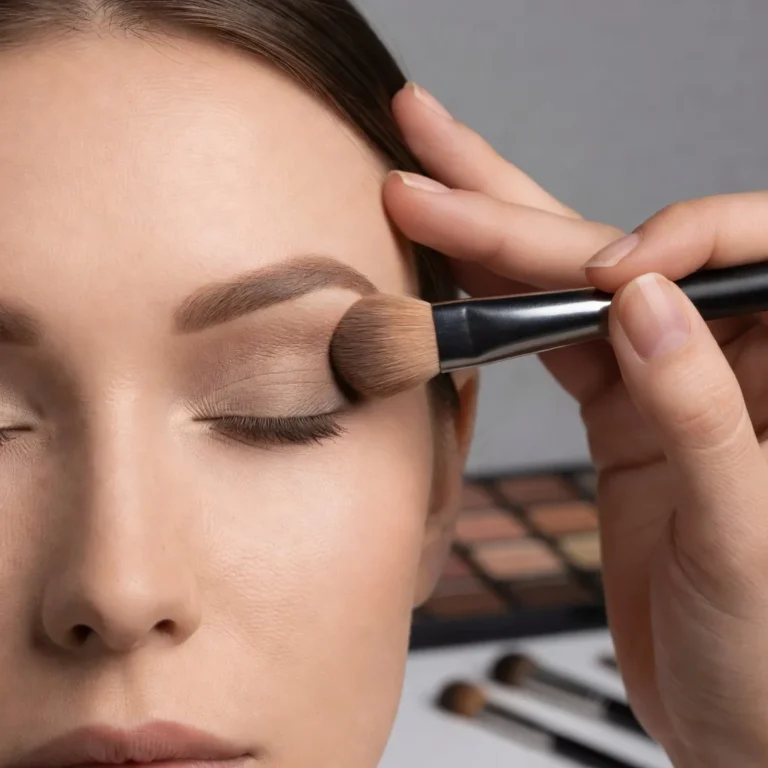
Start too late and you are rushing out the door with streaky foundation and one eye done. Start too early and your makeup has already faded, creased, or turned shiny by the time you arrive. Getting the timing right is one of the simplest ways to make makeup look better when it matters.
Part of our guide to makeup how-to. Start with: How to Properly Put On Face Makeup: The Right Order, Step by Step
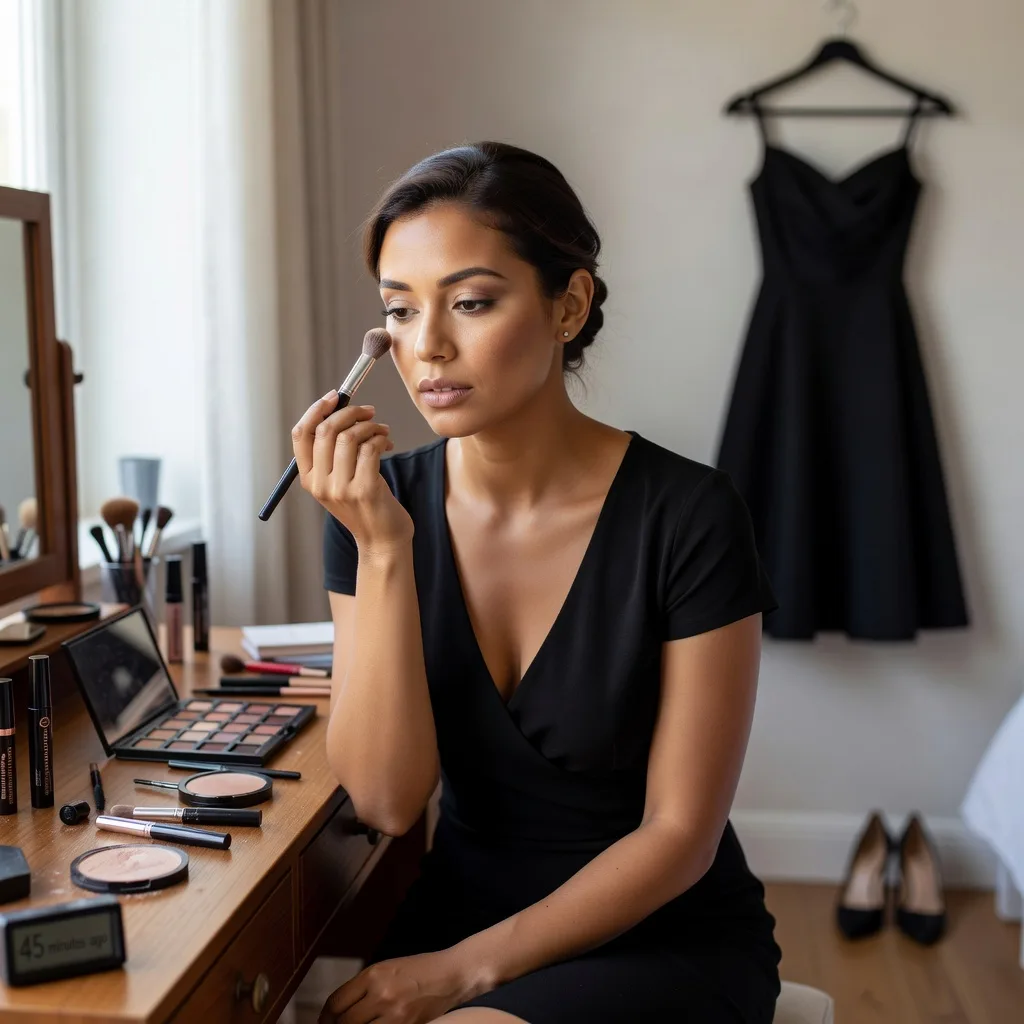
For most people, starting makeup about 30 to 60 minutes before leaving works well. That allows 5 to 10 minutes for skincare to settle, 15 to 40 minutes for makeup depending on the look, and a few minutes for everything to set before you head out. Longer, more detailed looks need more time, and a quick everyday look needs less.
The settling time matters more than most people realize. Moisturizer and sunscreen need a few minutes to absorb before foundation goes on, and makeup often looks best 10 to 15 minutes after application, once it has melded with the skin’s natural oils.
Very early makeup is where problems start. If you do your makeup several hours before an event, oil, sweat, and movement break it down before you arrive. In that case, you will need a plan for touch-ups.
This guide gives you a timing plan based on the look you want, explains why settling time matters, covers timing for work, events, and nights out, and shows how to keep makeup fresh if you have to do it hours ahead.
Shopping these picks?
Amazon Prime members get fast, free shipping on eligible items, plus Prime Video, Amazon Music and member deals. New members can start with a free trial.
Start a free Prime trialAged 18 to 24? Prime for Young Adults comes with a longer free trial and a lower price after it.
Affiliate link: we may earn a commission at no extra cost to you.
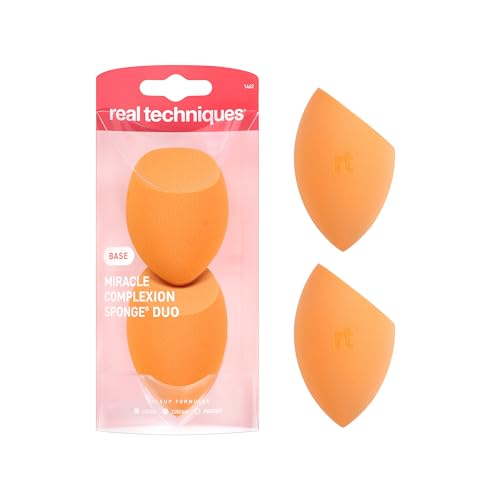
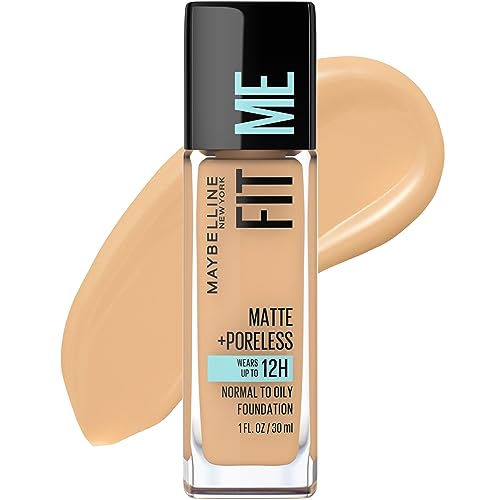
Recommended Products for Makeup That Lasts




The Short Version
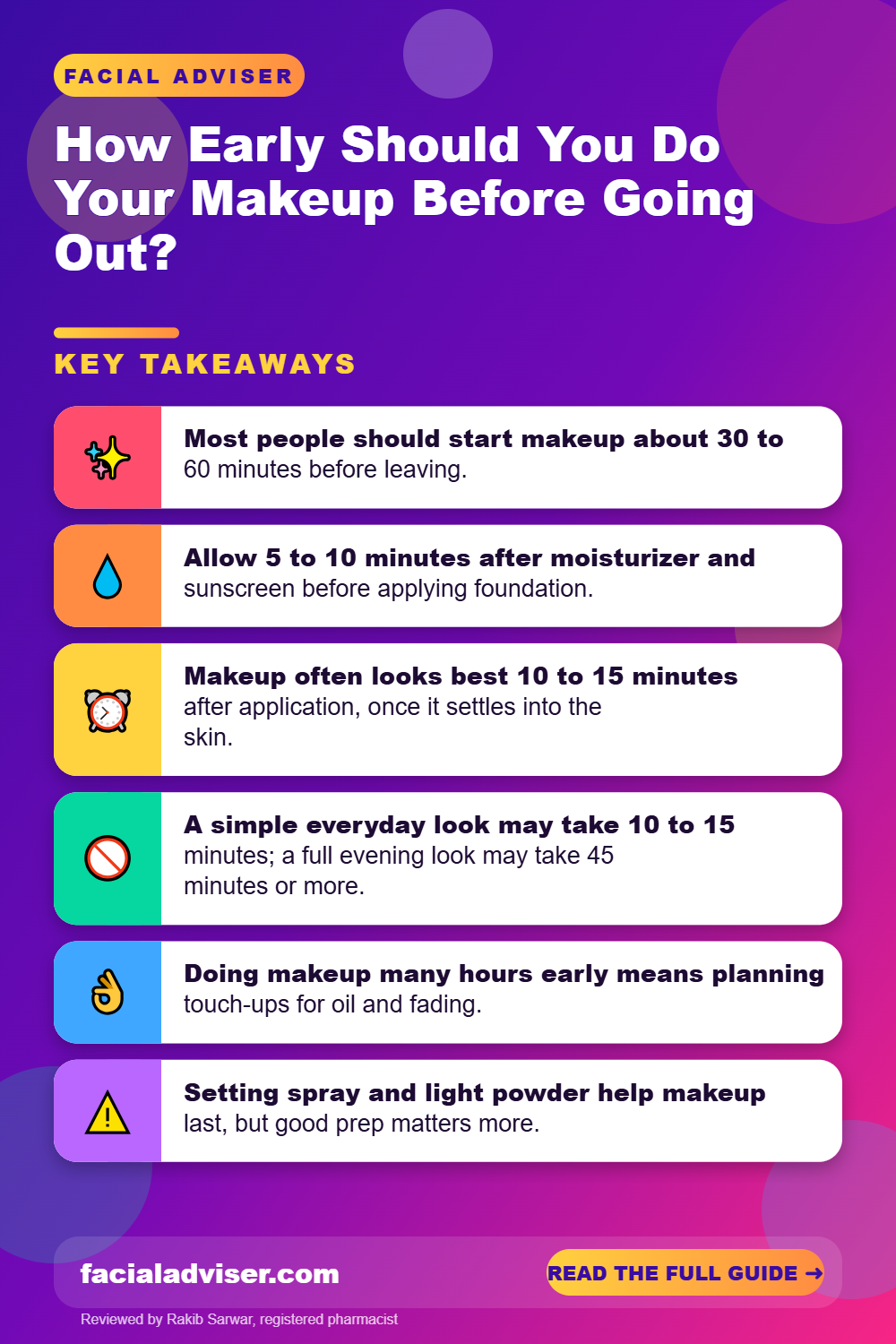
- Most people should start makeup about 30 to 60 minutes before leaving.
- Allow 5 to 10 minutes after moisturizer and sunscreen before applying foundation.
- Makeup often looks best 10 to 15 minutes after application, once it settles into the skin.
- A simple everyday look may take 10 to 15 minutes; a full evening look may take 45 minutes or more.
- Doing makeup many hours early means planning touch-ups for oil and fading.
- Setting spray and light powder help makeup last, but good prep matters more.
- Pack blotting papers, concealer, and lip color for touch-ups at longer events.
Contents
- A Simple Timing Plan
- Find Your Personal Timing
- Why Settling Time Matters
- If You Have to Do Makeup Hours Ahead
- Timing for Common Occasions
- Factors That Change Your Timing
- The Best Order for Getting Ready
- Products That Help Makeup Hold Up
- What Timing Cannot Fix
- When Skin Problems Affect Your Makeup
- FAQ
- Where This Leaves You
A Simple Timing Plan
Work backward from the time you need to leave:
| Type of look | Makeup time | Start before leaving |
|---|---|---|
| Minimal everyday | 10 to 15 minutes | About 25 to 30 minutes |
| Polished daytime | 20 to 30 minutes | About 40 to 45 minutes |
| Full evening look | 40 to 60 minutes | About 60 to 75 minutes |
| Special event or photos | 60 minutes or more | About 90 minutes |
These times include skincare and settling. If you are also doing your hair, factor that in, and do hair heat styling before makeup when possible, since heat and hairspray can affect your face.
If you want a quicker everyday routine, our guide on how to wear the least amount of makeup can cut your time down to about five minutes.
Find Your Personal Timing
Everyone’s speed and skin are different. This quick test helps you plan more accurately.
Time a full practice run
On a relaxed day, do your usual look from skincare to setting spray and time each part.
Note your settling time
After moisturizer and sunscreen, wait until your skin no longer feels tacky. Note how long it took.
Check how long makeup looks its best
Look at your makeup in daylight 15 minutes after finishing, then again after two and four hours. Note when shine or fading starts.
Add a buffer
Add 10 minutes to your total for unexpected fixes, such as redoing eyeliner.
Work backward from your departure
Use your total time plus buffer to decide when to start before any event.
If your makeup starts to look shiny or patchy after about three hours, plan a quick touch-up for any event longer than that.
Why Settling Time Matters
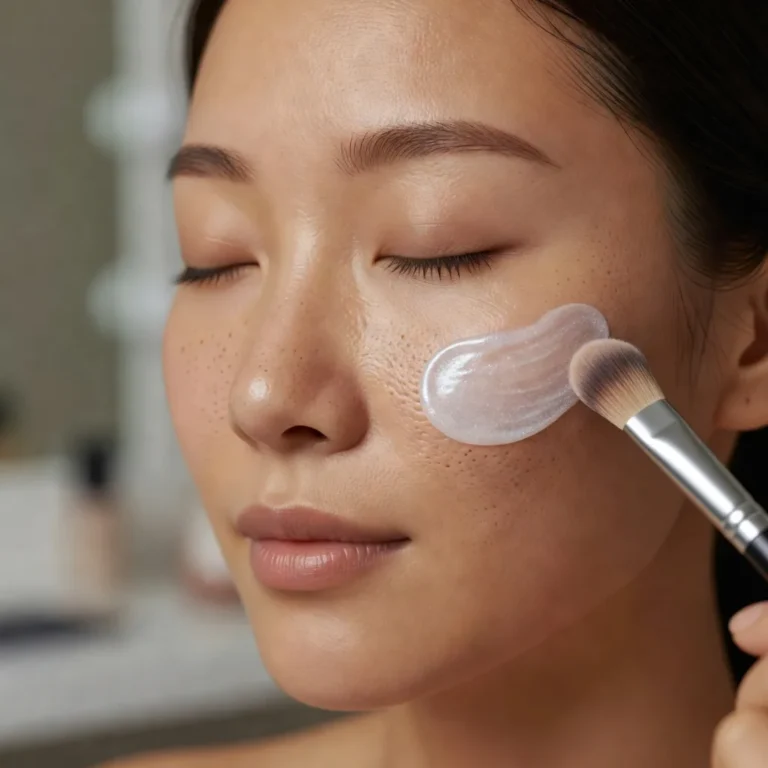
Applying foundation over wet skincare or sunscreen is one of the most common causes of pilling, patchiness, and makeup that slides off. Waiting a few minutes lets products absorb and form a smooth base.
Makeup also changes after you apply it. Many foundations look slightly powdery or flat right after application, then look more natural after 10 to 15 minutes as they blend with your skin’s oils. That is why it helps to finish a little before you need to leave.
Sunscreen is especially important to let settle. Many sunscreens need a few minutes to form an even film, and wiping or buffing foundation over them too soon can disturb that layer and reduce protection in patches.
Use waiting time wisely. Brush your teeth, get dressed, or style your hair while skincare absorbs, so the waiting does not add to your total time.
If your makeup separates or pills even with waiting, see our guides on makeup separating on the nose and fixing cakey makeup.
If You Have to Do Makeup Hours Ahead
Sometimes you need to get ready early, for example before work for an evening event, or for a wedding that starts in the afternoon.
Worth Doing
- Use a primer suited to your skin type.
- Apply thin layers and build only where needed.
- Set with a light layer of powder on oily areas.
- Use a setting spray at the end.
- Plan a quick touch-up before the event.
Skip It
- Pile on heavy layers to make it last.
- Touch your face during the day.
- Add more powder over oily makeup.
- Skip moisturizer to avoid shine.
- Leave lip color until the last minute without a liner.
When you touch up, blot oil first with a blotting sheet, then press a damp sponge over any patchy areas, and add concealer or powder only where needed. Reapply lip color with a liner for longer wear.
Timing for Common Occasions
Workdays
On busy mornings, a routine you can do in 10 to 15 minutes is usually more realistic than a full look. Apply skincare first thing, then eat breakfast or get dressed while it settles. A tinted base or concealer, brows, mascara, and a lip color can be done quickly and touched up at lunch if needed.
Weddings, parties, and photos
For events with photos, give yourself more time than usual, often around 90 minutes including hair. Check your makeup in daylight or near a window, since indoor bathroom lighting can hide patchiness or too much powder. If you are having makeup done professionally, ask the artist how early they plan to start and bring your own touch-up products.
Going out after work
If you go straight from work to an evening event, you do not need to start over. Blot oil, press a damp sponge over patchy areas, refresh concealer, and add a deeper lip color or a little more eye definition. This takes about 10 minutes and often looks fresher than a full reapplication.
For nights out that run late, pack a small kit with blotting papers, a compact powder, concealer, and your lip color, so you can refresh halfway through without a full mirror setup.
Factors That Change Your Timing
Some conditions mean you should allow more time or plan for extra touch-ups:
- Hot or humid weather: makeup breaks down faster, so start closer to leaving and use lighter layers.
- Oily skin: shine can appear within a couple of hours; primer, blotting, and setting help.
- Dry skin: allow a little more time for moisturizer to absorb so foundation does not cling.
- New products: allow extra time the first time you use something new.
- Photos or video: leave time to check makeup in the lighting you will be in.
Do not try a new product for the first time right before an important event. A reaction or unexpected finish is much harder to fix under time pressure.
The Best Order for Getting Ready
A logical order saves time and prevents smudges:
- Cleanse, moisturize, and apply sunscreen.
- Style your hair with heat while skincare settles.
- Apply eye makeup first if you use dark or glittery shadows, so you can clean fallout before foundation.
- Apply primer, foundation, and concealer.
- Add blush, bronzer, and highlighter.
- Finish brows, mascara, and lips.
- Set with spray and get dressed carefully, protecting your face from clothing.
Some people prefer to get dressed first to avoid transferring makeup to clothes. If so, wear a button-up top or use a scarf over your face when changing.
Whatever order you choose, keep it the same each time. A consistent sequence becomes automatic, which makes you faster and helps you estimate how long you really need.
Products That Help Makeup Hold Up
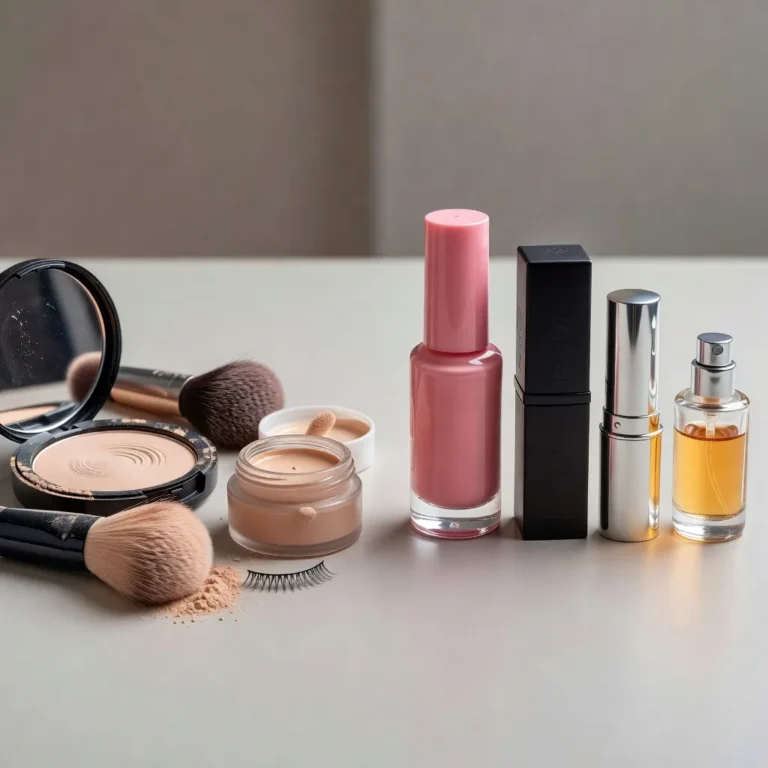
No product makes makeup last forever, but a few help it hold up between when you finish and when you arrive.
- Primer: a mattifying primer on oily areas or a hydrating one on dry areas can help foundation grip more evenly. Apply a thin layer and let it set for a minute.
- Long-wear or oil-free foundation: useful for long days or hot weather, but test it first since some formulas feel drying.
- Setting powder: a light dusting on the T-zone reduces early shine without making skin look flat.
- Setting spray: helps powder look less dry and can extend wear.
- Lip liner: lining and filling in the lips before lipstick helps color last through eating and drinking.
- Blotting sheets: lift oil without adding product, which keeps makeup from building up during the day.
Choose only what you need. Adding every long-wear product at once can make makeup feel heavy and increase the chance of it cracking or separating.
What Timing Cannot Fix
Good timing helps, but it cannot make up for products that do not suit your skin or poor prep.
| Belief | Reality |
|---|---|
| Doing makeup early lets it set better | A short settling time helps, but hours ahead increases fading |
| Setting spray makes makeup last all night | It helps, but touch-ups are often still needed |
| More layers last longer | Heavy layers crack and separate more |
| Powder fixes shine all day | Repeated powder builds up and looks cakey |
| You need an hour for good makeup | Simple routines can look great in 10 minutes |
If your makeup never lasts well, look at your skincare, formula choices, and technique as well as timing.
When Skin Problems Affect Your Makeup
If makeup always looks patchy, flaky, or irritated no matter when you apply it, the issue may be your skin. See a dermatologist if you notice:
- Persistent flaking or redness around the nose, brows, or hairline.
- Stinging or burning when applying makeup.
- Frequent breakouts in areas where you apply foundation.
- Very dry, cracked, or itchy skin despite moisturizing.
- Persistent redness, flushing, or bumps on the cheeks.
- Rashes or swelling after using a product.
Medical disclaimer: This article is for general information and is not a substitute for professional medical advice. See a healthcare provider about persistent skin problems.
FAQ
How early should I do my makeup before going out?
Usually 30 to 60 minutes before leaving, depending on how detailed your look is.
How long should I wait after moisturizer before makeup?
About 5 to 10 minutes, until skin no longer feels wet or tacky.
Does makeup look better after it sets?
Often yes. Many foundations look more natural 10 to 15 minutes after application.
Can I do my makeup hours before an event?
Yes, but plan touch-ups, especially for oily skin or hot weather.
How long does makeup last?
It varies, but many people notice shine or fading after three to six hours.
Should I do hair or makeup first?
Many people style hair first so heat and products do not affect makeup, then do makeup.
How can I make makeup last longer?
Use good prep, thin layers, light powder on oily areas, setting spray, and blotting papers.
What should I bring for touch-ups?
Blotting papers, concealer, a small powder, and your lip color with liner.
How long does a full makeup look take?
Often 40 to 60 minutes including skincare and settling time.
Is it bad to wear makeup all day?
Not usually, as long as you remove it fully at night and your skin tolerates the products.
Where This Leaves You
For most outings, starting makeup about 30 to 60 minutes before leaving gives you time for skincare to settle, makeup to be applied without rushing, and everything to meld into your skin before you head out. Simple looks take less time, and full evening or event looks take more.
Time a practice run to learn your own pace, allow settling time after skincare, and plan touch-ups if you need to get ready hours early. If your makeup never looks right regardless of timing, look at your skin and products, and see a dermatologist if irritation or flaking persist.

Written by
Registered pharmacist and founder of Facial Adviser. Rakib's pharmacy training covers how skincare actives work and interact; a later course in cosmetology turned that into a focus on facial treatments and skincare products. He plans, researches and edits every guide on the site and checks health claims against sources such as the American Academy of Dermatology, the FDA and the NIH. He is not a dermatologist; see the Editorial Policy and Medical Disclaimer.
About · Editorial policy · How we choose products · Medical disclaimer · Contact
Keep reading: Makeup basics and skin
- How to Properly Put On Face Makeup: The Right Order, Step by Step
- Are You Supposed to Put Makeup on Your Neck?
- When Can You Wear Makeup After Microblading? A Healing Timeline
- Does Makeup Mess Up Your Skin? What Actually Causes Problems
- Why Can't You Wear Makeup for a Colonoscopy?
- Why Doesn't Makeup Look Good on Me? 8 Common Reasons and Fixes
- How to Find the Right Shade of Makeup: Undertone, Depth and Testing
- How to Choose the Right Eye Makeup Color for Your Eyes and Skin