When Can You Wear Lipstick After Lip Blushing? Healing Timeline and Aftercare
Lip blushing is a semi-permanent cosmetic tattoo that adds soft colour and definition to the lips. After spending time and money on the procedure, it is natural to want to try lipstick over your new shade, but putting makeup on healing skin too soon can cause irritation, infection and patchy results.
Part of our guide to makeup how-to. Start with: How to Choose Lipstick Shade: Undertone, Skin Tone and Testing Tips
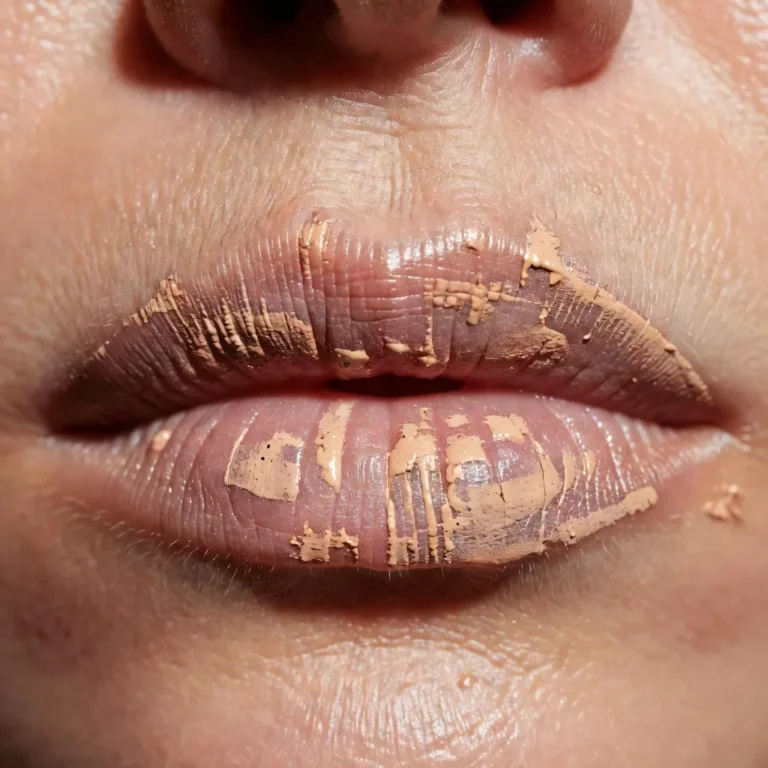
Most artists advise waiting until your lips have fully healed on the surface before wearing lipstick after lip blushing, which usually means at least two weeks and often closer to four. During the first week, the lips swell, feel tight, then flake and peel; this is an open, healing wound, so lipstick, gloss and lip liner should not be used. Once peeling has finished and the skin feels smooth and comfortable, a clean, new lip product can usually be introduced gently, starting with tinted balm. Colour keeps settling for four to six weeks, so heavy long-wear formulas are best saved until then. Always follow your own artist’s aftercare instructions, which may differ.
In short: no lip makeup while your lips are swollen, flaking or tender; wait for full surface healing, usually two to four weeks.
Lip blushing is a form of tattooing, and the US Food and Drug Administration warns that tattoos and permanent makeup carry risks of infection and allergic reactions to pigments, so healing care matters.
This guide explains each healing stage, what aftercare to follow, when lipstick and other makeup are safe, and which signs mean you should contact a doctor.
Shopping these picks?
Amazon Prime members get fast, free shipping on eligible items, plus Prime Video, Amazon Music and member deals. New members can start with a free trial.
Start a free Prime trialAged 18 to 24? Prime for Young Adults comes with a longer free trial and a lower price after it.
Affiliate link: we may earn a commission at no extra cost to you.
Recommended Lip Aftercare and Post-Healing Lip Colour
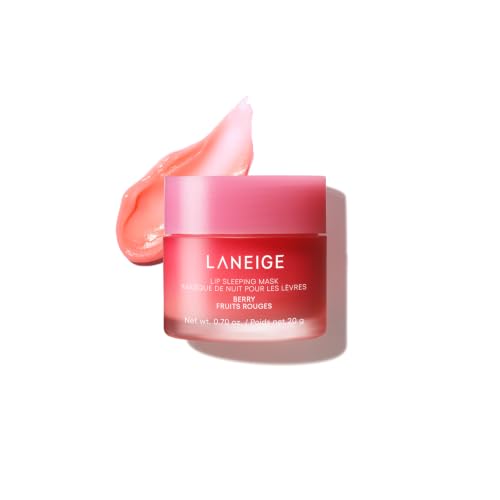
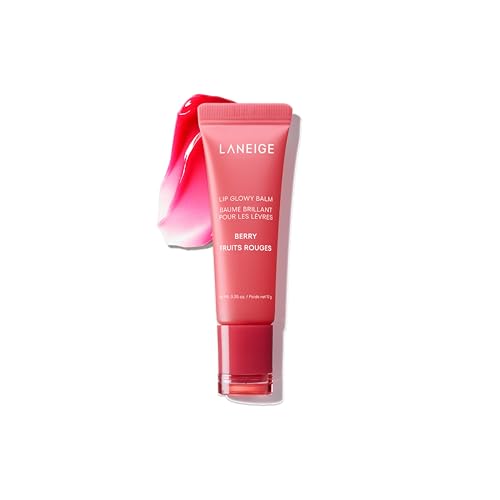

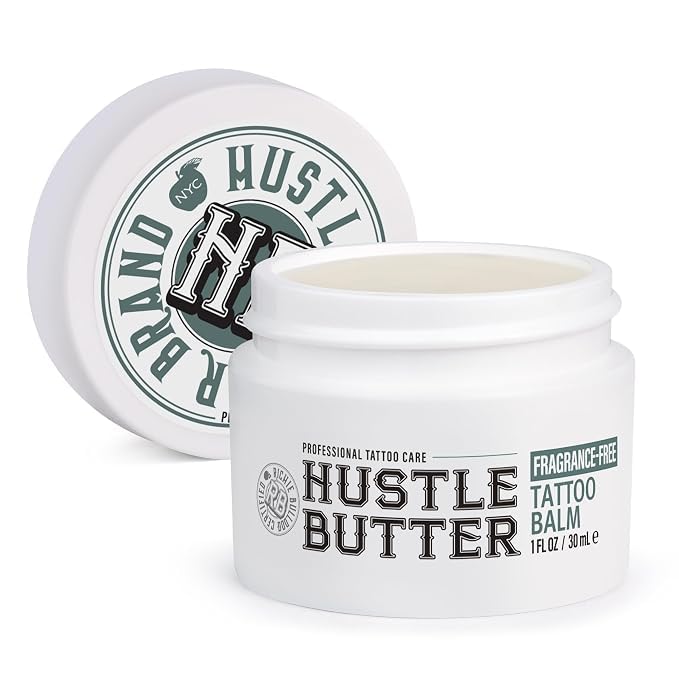
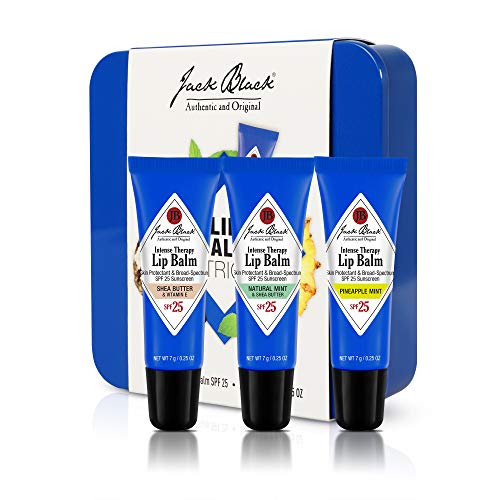
What to Know First
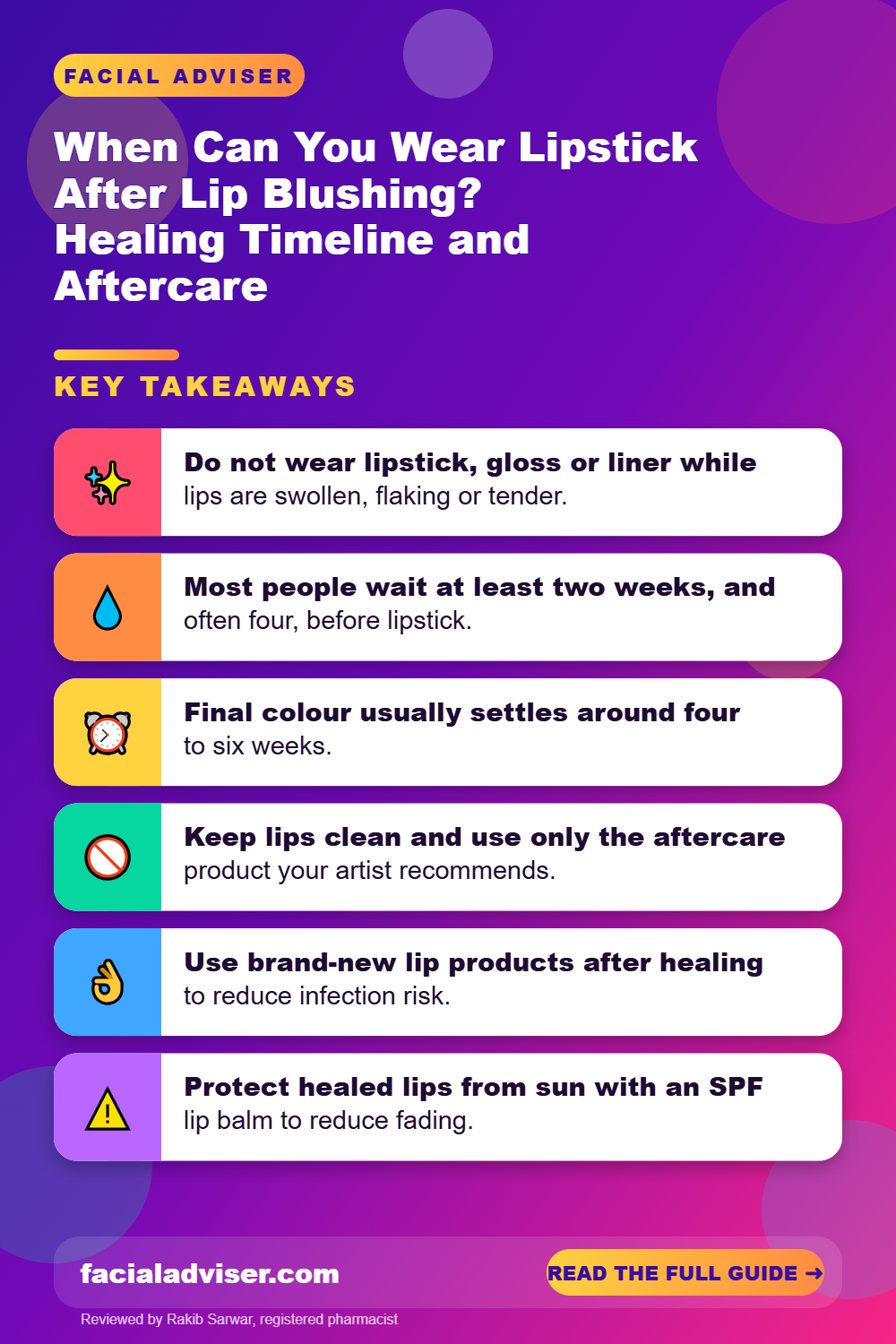
- Do not wear lipstick, gloss or liner while lips are swollen, flaking or tender.
- Most people wait at least two weeks, and often four, before lipstick.
- Final colour usually settles around four to six weeks.
- Keep lips clean and use only the aftercare product your artist recommends.
- Use brand-new lip products after healing to reduce infection risk.
- Protect healed lips from sun with an SPF lip balm to reduce fading.
- Increasing pain, pus, heat or fever needs prompt medical attention.
On This Page
- What Happens to Your Lips After Lip Blushing
- Lip Blush Tattoo Healing Stages
- When Is Lipstick Safe After Lip Blushing?
- How to Care for Your Lips After Lip Blushing
- Aftercare Products and What to Avoid
- Choosing and Using Lipstick After Healing
- Normal Healing vs Signs of Infection
- Cold Sores and Lip Blushing
- Dos and Don’ts During Healing
- Honest Limits
- When to See a Doctor or Dermatologist
- Frequently Asked Questions
- The Takeaway
What Happens to Your Lips After Lip Blushing
During lip blushing, an artist uses a fine needle or machine to deposit pigment into the upper layer of the skin of the lips. This creates many tiny wounds. The body treats them like any other skin injury: it swells, forms a thin protective layer, sheds that layer and then rebuilds the surface.
While this happens, the skin barrier on your lips is broken. That is why anything you put on them in the first days matters. Makeup, fingers and used applicators can carry bacteria into the healing skin, and fragrances, dyes and waxes in lipstick can irritate it or affect how the pigment settles.
Lip skin is thin, moist and constantly moving as you talk and eat, so it heals differently from a tattoo on the arm. Swelling is often more noticeable, and the colour usually looks much brighter at first than it will once healed.
Lip Blush Tattoo Healing Stages
Healing varies from person to person, but most people go through similar stages. This table shows a typical timeline and when makeup may be reintroduced. Your artist’s guidance takes priority if it differs.
| Time after procedure | What you may notice | Lipstick and lip makeup |
|---|---|---|
| Days 1 to 3 | Swelling, tenderness, bright or dark colour, slight oozing | No |
| Days 3 to 7 | Tightness, dryness, flaking and peeling | No |
| Days 7 to 14 | Peeling finishes, colour may look faded or patchy | Usually not yet |
| Weeks 2 to 4 | Surface feels smooth, colour slowly returns | Tinted balm or gentle lipstick if fully healed and your artist agrees |
| Weeks 4 to 6 | Colour settles into its final shade | Most lip products, including long-wear |
| Weeks 6 to 8 | Touch-up session if needed | Pause makeup again after any touch-up |
Many people panic around the second week because the colour seems to disappear. This is common and often called the ghosting stage: a new layer of skin forms over the pigment and softens how it looks. Colour usually returns gradually over the following weeks, so avoid judging the result, or covering it heavily with lipstick, too early.
When Is Lipstick Safe After Lip Blushing?
There is no single date that applies to everyone. The safest sign is how your lips look and feel, not how many days have passed.
- All flaking and peeling has finished on its own, without picking.
- There are no scabs, raw spots, cracks or weeping areas.
- Swelling and tenderness have fully gone.
- The lips feel smooth and comfortable when you press them together.
- Your artist has confirmed you can reintroduce makeup.
When all of these are true, start with a tinted lip balm or a sheer, moisturising lipstick for a day or two before moving to matte or long-wear formulas. Long-wear liquid lipsticks often contain drying ingredients and need oil-based removers, which can irritate newly healed skin, so they are best saved until after the four- to six-week mark.
How to Care for Your Lips After Lip Blushing
Aftercare instructions differ between artists, and yours should always come first. These are common steps many artists recommend for the first week or two.
Wash your hands first
Always wash your hands before touching your lips or applying anything to them.
Blot gently in the first hours
Blot any clear fluid with a clean tissue or sterile pad as directed by your artist.
Clean gently
Rinse lips gently with water or a mild, fragrance-free cleanser, then pat dry.
Apply a thin healing layer
Use a very thin layer of the ointment or balm your artist recommends, with a clean applicator.
Let flakes fall naturally
Do not pick, peel or scrub flaking skin, which can pull out pigment and cause scarring.
Protect your lips when eating
Use a straw for drinks and avoid very spicy, salty or hot foods for the first days.
Avoid makeup and heat
Skip lip makeup, saunas, swimming and strenuous exercise until your artist says otherwise.
Use a fresh cotton bud or clean spatula to apply balm instead of your finger, and use a new tube or tub that no one else has touched. This reduces the chance of bringing bacteria to healing skin.
Aftercare Products and What to Avoid
Simple is best while your lips heal. Heavily scented, tingling or plumping products can sting and irritate broken skin.
| Product | During healing | After healing |
|---|---|---|
| Healing ointment or petrolatum-based balm | Yes, thin layers as advised | Useful overnight |
| Gentle, fragrance-free cleanser | Yes, used carefully | Yes |
| Lip balm with SPF 30 | Only if your artist approves | Yes, daily outdoors |
| Tinted lip balm | No | Yes, first step back to colour |
| Lipstick or lip liner | No | Yes, new products only |
| Gloss or plumping gloss | No | Gloss yes; avoid plumping ingredients at first |
| Lip scrubs and exfoliating acids | No | Only occasionally, gently |
Once healed, sun is one of the main reasons lip blush fades early. The AAD guide on how to apply sunscreen recommends a lip balm with SPF 30 or higher, and reapplying it outdoors helps protect both your lips and your colour.
Choosing and Using Lipstick After Healing
When you return to lip makeup, a few habits help protect your healed lips and your tattoo.
- Start with a new lipstick or tinted balm rather than one used during or before the procedure.
- Choose moisturising satin or cream formulas before matte or transfer-proof ones.
- Pick shades that complement your blush colour, such as sheer rose, berry or nude tints.
- Remove lipstick gently with a mild remover rather than rubbing hard.
- Avoid sharing lip products or applicators.
Older or shared lip products can harbour bacteria and viruses. Our guide on how to sanitise lipstick explains how to clean products, and our guide on how to tell if makeup is expired covers when to throw them away. If your lips are sensitive, our guide on what hypoallergenic makeup means explains why that label does not guarantee a product will not react.
Normal Healing vs Signs of Infection
Some discomfort is expected, but it should steadily improve after the first two or three days. Knowing the difference between normal healing and warning signs helps you act early.
- Normal: swelling and tenderness that peak in the first 48 hours, then ease.
- Normal: dryness, tightness and flaking between days three and seven.
- Normal: colour that looks too bright at first, then patchy or faded.
- Warning: pain, swelling or redness that gets worse after the first few days.
- Warning: yellow or green discharge, crusting with pus, or a bad smell.
- Warning: skin that feels hot, red streaks spreading from the lips, or fever.
- Warning: small painful blisters, which may be a cold sore flare.
Contact a doctor promptly if you notice signs of infection, such as worsening pain, spreading redness, pus, heat or fever. Do not try to treat a suspected infection with makeup, home remedies or leftover medication. The FDA’s tattoos and permanent makeup fact sheet notes that infections and reactions to pigments can occur and encourages reporting adverse reactions.
Cold Sores and Lip Blushing
Tattooing the lips can trigger a cold sore outbreak in people who carry the herpes simplex virus. An outbreak during healing is uncomfortable and may affect how evenly the colour settles.
- Tell your artist before booking if you have ever had cold sores.
- Ask your doctor whether preventive treatment is appropriate before the procedure.
- Avoid touching blisters and do not apply lipstick over them.
- Replace any lip products used during an outbreak.
- Wait until any sore has fully healed before resuming lip makeup.
Only a doctor or pharmacist can advise on antiviral medication, so this is a conversation to have before your appointment rather than after symptoms start.
Cold sores are also contagious. During an outbreak, avoid kissing, sharing cups or towels, and touching the blisters, and wash your hands straight away if you do. Any lipstick, balm or applicator that touched your lips during an outbreak should be thrown away rather than cleaned, because it can carry the virus back to healed skin later.
Dos and Don’ts During Healing
Try This
- Follow your artist’s aftercare exactly
- Wash your hands before touching your lips
- Apply thin layers of recommended balm
- Drink through a straw in the first days
- Use new lip products once healed
Avoid This
- Wear lipstick, gloss or liner while healing
- Pick or peel flaking skin
- Use scented, tingling or plumping products
- Swim, use saunas or sunbathe while healing
- Ignore increasing pain, pus or fever
Honest Limits
Healing times in this guide are typical ranges, not guarantees. Age, skin type, general health, smoking, the depth of pigment and the technique used all affect how quickly your lips heal and how the colour looks. Some people are fully comfortable in two weeks, while others need longer.
Lip blushing results also vary. Pigment can heal lighter, patchier or slightly different in tone from what you expected, and colour fades over months to a few years. Lipstick can cover uneven results temporarily but will not fix them; a touch-up or advice from a qualified professional is the right route.
When to See a Doctor or Dermatologist
- You have signs of infection, such as worsening pain, spreading redness, pus, heat or fever.
- You develop a rash, persistent swelling, itching or bumps at the tattoo site.
- Blisters or cold sores appear during healing.
- Your lips have not healed after two to three weeks.
- You notice lumps, raised scars or changes in the tattooed area months later.
This article is for general information and does not replace professional medical advice. Follow your artist’s aftercare instructions, and see a doctor or board-certified dermatologist promptly for signs of infection, allergic reaction or slow healing.
Frequently Asked Questions
How long after lip blushing can I wear lipstick?
Usually after full surface healing, often two to four weeks.
Can I wear lip gloss after lip blushing?
Not until your lips have fully healed.
Can I use lip balm after lip blushing?
Only the aftercare product your artist recommends while healing.
When can I wear lip liner after lip blushing?
At the same time as lipstick, once fully healed.
Why did my lip blush colour disappear?
Fading around week two is common as new skin forms; colour usually returns.
How long does lip blushing take to heal?
Surface healing takes one to two weeks; colour settles in four to six.
Can I wear other makeup after lip blushing?
Keep makeup away from the lips and follow your artist’s advice.
What are signs of infection after lip blushing?
Worsening pain, spreading redness, pus, heat or fever.
Can lip blushing cause cold sores?
Yes, it can trigger outbreaks in people who carry the virus.
Should I use old lipstick after lip blushing?
It is safer to start with new products.
The Takeaway
Wait until your lips have fully healed on the surface, usually two to four weeks, before wearing lipstick after lip blushing, and save long-wear formulas until the colour settles at around four to six weeks.
Follow your artist’s aftercare, keep everything that touches your lips clean, start with new products and see a doctor promptly if you notice signs of infection.

Written by
Registered pharmacist and founder of Facial Adviser. Rakib's pharmacy training covers how skincare actives work and interact; a later course in cosmetology turned that into a focus on facial treatments and skincare products. He plans, researches and edits every guide on the site and checks health claims against sources such as the American Academy of Dermatology, the FDA and the NIH. He is not a dermatologist; see the Editorial Policy and Medical Disclaimer.
About · Editorial policy · How we choose products · Medical disclaimer · Contact
Keep reading: Lipstick
- How to Choose Lipstick Shade: Undertone, Skin Tone and Testing Tips
- How to Keep Lipstick Off Teeth: Finger Trick, Blotting, Liner and More
- Best Lip Plumping Device: Suction Plumpers, Glosses and Honest Limits
- How to Make Lipstick Last Longer Chemically: Formulas, Stains and Setting
- How to Keep Lipstick Under a Mask: Transfer-Proof Tips That Work
- How to Find the Right Shade of Makeup: Undertone, Depth and Testing
- How to Choose the Right Eye Makeup Color for Your Eyes and Skin