
How to Avoid Flashback in Photos: Why Makeup Turns White and How to Fix It
You looked flawless in the mirror, but in the flash photos your face looks white, grey or patchy, especially under the eyes and along the cheekbones. This is called flashback, and it is one of the most common makeup disappointments at weddings, parties and any event with flash photography.
Part of our guide to makeup how-to. Start with: How to Find the Right Shade of Makeup: Undertone, Depth and Testing
Flashback happens when ingredients in makeup reflect the camera flash more strongly than your skin does, so your face appears lighter or whiter than your neck and body in photos. The usual culprits are heavy layers of finely milled translucent setting powder, especially silica-based HD powders, and mineral sunscreen filters such as zinc oxide and titanium dioxide in foundation or face products. You can avoid it by testing your makeup with a flash photo, using powder sparingly and blending it well, choosing a foundation without high levels of mineral SPF for flash-heavy events, and wearing your sunscreen as a separate, well-absorbed layer.
In short, flashback is caused by reflective ingredients and heavy powder, and a quick flash test before the event catches it.
There is no formal research on makeup flashback, so advice comes from how light reflects off different ingredients and from makeup artists’ experience. Sun protection still matters: the American Academy of Dermatology recommends daily sunscreen, so the goal is to change how you layer it for photos, not to skip it.
This guide explains what causes flashback, how to test for it, how to fix it at the last minute and which products are more photo friendly.
Shopping these picks?
Amazon Prime members get fast, free shipping on eligible items, plus Prime Video, Amazon Music and member deals. New members can start with a free trial.
Start a free Prime trialAged 18 to 24? Prime for Young Adults comes with a longer free trial and a lower price after it.
Affiliate link: we may earn a commission at no extra cost to you.
Recommended Flash-Friendly Makeup and Setting Products



What to Know First
- Flashback makes makeup look white or ghostly in flash photos.
- Heavy translucent powders and silica can cause it.
- Mineral SPF filters such as zinc and titanium can reflect flash.
- Test your full makeup with a flash photo before events.
- Use powder sparingly and blend it well.
- Keep sunscreen, but let it absorb and choose formulas carefully for events.
- Blotting beats adding more powder during the day.
What This Covers
- What Causes Flashback
- How to Test Your Makeup for Flashback
- How to Fix Flashback Fast
- Using Setting Powder Without Flashback
- Sunscreen, SPF Makeup and Flashback
- Ingredients to Watch on the Label
- Planning Makeup for Weddings and Big Events
- Blotting and Touch-Ups During the Day
- Flashback on Different Skin Tones
- Dos and Don’ts
- Honest Limits
- When to See a Dermatologist
- FAQ
- The Bottom Line
What Causes Flashback
A camera flash is a very bright, direct light. Some makeup ingredients reflect it far more than skin does, so they show up as white patches or a pale cast in photos, even though they look invisible in normal light.
- Translucent and HD setting powders: finely milled white powders, often containing silica, can reflect flash strongly when applied heavily.
- Mineral sunscreen filters: zinc oxide and titanium dioxide are white pigments that can create a pale cast under flash.
- Heavy under-eye baking: thick layers of powder left to set under the eyes often show as white crescents.
- Shimmer and light-reflecting particles: highlighters and luminous foundations can look shiny or white in flash photos.
- Poor blending: patches of product sitting on the surface reflect more light.
Not every product with these ingredients causes flashback. The amount you apply, how well it is blended and how it layers with other products all matter, which is why testing is so useful. The same foundation can look perfect on one person and chalky on another, depending on skin tone, skin texture and how much powder goes on top.
How to Test Your Makeup for Flashback
This simple test takes two minutes and prevents most flashback surprises.
Do your full makeup
Apply everything you plan to wear, including sunscreen and powder.
Wait ten minutes
Let products settle as they would during an event.
Turn on the flash
Use your phone camera with the flash forced on.
Take photos in a dim room
Flashback shows most clearly in low light with direct flash.
Check face against neck
Look for a white cast, pale patches or bright under-eye areas.
Fix problem areas
Buff away excess powder or adjust the product causing it.
Retest
Take another flash photo to confirm the fix worked.
Take the test photo from a few feet away as well as close up. Flashback that is hard to see in a selfie can be obvious in group photos taken at a distance.
For more ways to keep makeup looking good in pictures, see our guide on keeping makeup intact for photos.
How to Fix Flashback Fast
If you spot flashback in a test photo, you can usually fix it in a few minutes.
| Problem | Quick fix |
|---|---|
| White under the eyes | Brush away excess powder, then press in a tiny amount of concealer or a damp sponge |
| Pale cast all over | Mist with setting spray and press with a damp sponge to melt powder into skin |
| Bright T-zone | Blot oil first, then use a minimal amount of powder only where needed |
| Shiny highlight patches | Tap off some highlighter or move it higher on the cheekbone |
| Face lighter than neck | Blend foundation down the neck or add a little bronzer to even the tone |
A damp beauty sponge is one of the most useful tools for last-minute fixes because it melts powder into the skin without removing all your makeup. Work in small presses rather than wiping, and check again with a flash photo, since it is easy to overcorrect and remove too much coverage.
Using Setting Powder Without Flashback
Setting powder helps makeup last, so there is no need to give it up. The key is how much you use and where.
- Use a small, fluffy brush and tap off the excess before applying.
- Focus powder only where you get oily or where makeup creases.
- If you bake under the eyes, use a thin layer and brush away thoroughly.
- Consider a lightly tinted powder instead of a pure white translucent one.
- Finish with a setting spray to reduce any powdery look.
Finely milled HD powders can look beautiful in person and on video, but they are the most common cause of flashback when used heavily. A light hand is the best protection.
Our guide on the soft-focus effect in makeup explains how blurring powders work and why they can reflect light.
Sunscreen, SPF Makeup and Flashback
Mineral sunscreen filters protect your skin, but in high amounts they can reflect a camera flash. This is especially noticeable with foundations or tinted products that rely heavily on zinc oxide or titanium dioxide for their SPF.
That does not mean you should skip sun protection. Instead, for events with a lot of flash photography, you can apply your usual sunscreen in the morning, let it absorb fully and then use a foundation without high mineral SPF on top. Some people prefer a chemical-filter sunscreen for photo events because it tends to leave less of a white cast.
Do not skip sunscreen to avoid flashback, especially for outdoor events. Sun damage is cumulative and a main cause of skin aging and skin cancer. Adjust your formula and layering instead.
Our guide on physical versus chemical SPF in cosmetics explains the differences between these filters. The American Academy of Dermatology includes daily sunscreen among its tips to reduce premature skin aging.
Ingredients to Watch on the Label
When choosing makeup for a flash-heavy event, check the ingredient list for these common culprits.
| Ingredient | Where you find it | Flashback risk |
|---|---|---|
| Silica | HD and translucent setting powders | Higher when used heavily |
| Zinc oxide | Mineral SPF foundations and sunscreens | Higher at high concentrations |
| Titanium dioxide | Mineral SPF, some powders and foundations | Higher at high concentrations |
| Mica and shimmer particles | Highlighters, luminous foundations | Can look shiny or white |
| Talc | Many powders | Usually lower, depends on amount |
These ingredients are not bad for your skin. They simply behave differently under flash, so it is worth testing before a big day. If a product you love contains one of them, try using less of it, applying it only where needed or pairing it with a setting spray rather than replacing it entirely.
Planning Makeup for Weddings and Big Events
Weddings, proms and professional photoshoots are where flashback matters most, because the photos last for years.
- Do a full trial run with the exact products you will wear, and take flash photos.
- Ask your photographer whether they will use flash, and whether they have tips for makeup.
- If a makeup artist is doing your makeup, mention flashback so they can choose products and test.
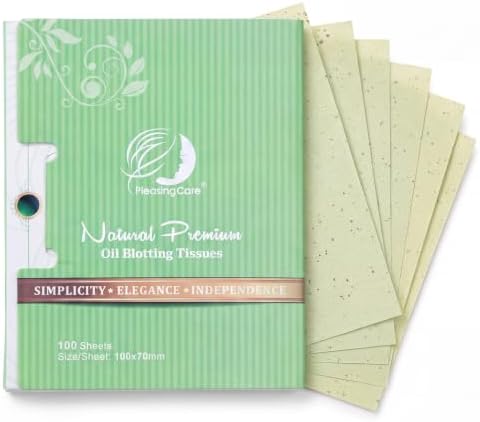
- Carry blotting papers, a small amount of the same foundation and a sponge for touch-ups.
Our guide on how particle size affects foundation finish explains why some formulas look different on camera than in person.
Blotting and Touch-Ups During the Day
As the day goes on, many people add more powder to control shine. Layering powder again and again increases the risk of a white cast in photos.
Instead, press blotting paper onto shiny areas to lift oil without adding product. If you do need powder, use a small amount on a brush or puff and press it in rather than sweeping it on. A quick mist of setting spray afterwards helps powder blend into the skin. Keep a small touch-up kit in your bag with blotting papers, a mini sponge and the powder you tested, so you are not tempted to borrow a different product that might behave differently under flash.
Keeping your skin hydrated before makeup also helps. Well-moisturised skin tends to need less powder to look smooth, which reduces the chance of flashback.
Flashback on Different Skin Tones
Flashback can affect anyone, but it tends to be most noticeable on medium and deep skin tones, where a white or grey cast stands out more against the natural skin colour. Translucent powders that look invisible on fair skin can leave an ashy look on deeper skin under flash.
If you have a medium or deep skin tone, look for setting powders that are lightly tinted to match or slightly warm your skin rather than pure white translucent formulas. Banana or golden-toned powders are popular choices for setting under the eyes because they brighten without looking grey. Test them with a flash photo in the same way as any other product.
Sunscreen choice matters too. Mineral sunscreens with a lot of zinc oxide or titanium dioxide can leave a visible cast even without flash on deeper skin, so tinted mineral formulas or well-absorbed chemical filters are often easier to wear under makeup for events.
Dos and Don’ts
Do
- Test with a flash photo before events
- Use powder sparingly
- Blend powder into the skin
- Blot oil instead of adding powder
- Keep wearing sunscreen
Don’t
- Bake heavily under the eyes before flash photos
- Skip sunscreen to avoid a white cast
- Layer powder all day
- Assume what looks fine in the mirror looks fine on camera
- Try new products for the first time on the day
Honest Limits
Flashback is well known among makeup artists but has not been studied formally, so most advice is based on experience and on how light reflects from different ingredients. Results vary with the camera, the flash, the distance and your skin tone.
No product is guaranteed to be completely flashback-free under every flash, which is why testing your own makeup with your own phone flash remains the most reliable approach.
When to See a Dermatologist
- Makeup or sunscreen causes redness, itching or a rash.
- You get breakouts where you apply powder or foundation.
- You notice patches of skin that look different in colour and do not wash off.
- You want advice on sunscreen for sensitive or reactive skin.
This article is for general information and does not replace professional medical advice. See a board-certified dermatologist if makeup or sunscreen irritates your skin.
FAQ
What causes flashback in photos?
Reflective ingredients such as heavy setting powder and mineral SPF filters.
Does translucent powder cause flashback?
It can, especially when applied heavily or not blended well.
Does sunscreen cause flashback?
Mineral filters such as zinc oxide and titanium dioxide can in high amounts.
How do I test for flashback?
Take a phone photo with the flash on in a dim room and compare face and neck.
How do I fix flashback quickly?
Brush away excess powder and press with a damp sponge or setting spray.
Should I skip SPF for photos?
No, adjust your formula and layering instead.
Does baking cause flashback?
Heavy baking under the eyes often shows as white patches.
Is flashback visible in person?
Usually not; it appears mainly under direct flash.
Does setting spray help?
It can help powder melt into the skin and look less chalky.
Which powders are less likely to flash back?
Lightly tinted powders used sparingly are usually safer choices.
The Bottom Line
Flashback happens when reflective ingredients, especially heavy translucent powder and high levels of mineral SPF, bounce back a camera flash and make your face look whiter than your neck.
Use powder sparingly, blend well, keep wearing sunscreen with smart layering, and always test your full makeup with a flash photo before an important event.

Written by
Registered pharmacist and founder of Facial Adviser. Rakib's pharmacy training covers how skincare actives work and interact; a later course in cosmetology turned that into a focus on facial treatments and skincare products. He plans, researches and edits every guide on the site and checks health claims against sources such as the American Academy of Dermatology, the FDA and the NIH. He is not a dermatologist; see the Editorial Policy and Medical Disclaimer.
About · Editorial policy · How we choose products · Medical disclaimer · Contact
Keep reading: Foundation, BB cream and base
- How to Find the Right Shade of Makeup: Undertone, Depth and Testing
- Why Concealer Creases Easily and How to Stop It for Good
- Why Blush Fades Quickly and How to Make It Last All Day
- Foundation Not Matching Neck? How to Fix the Face and Neck Colour Gap
- How Long Does Facial Contouring Last?
- Is BB Cream the Same as Foundation?
- Best Way to Use Makeup Remover: Micellar Water, Balms, Oils and Eye Removers
- How to Properly Put On Face Makeup: The Right Order, Step by Step