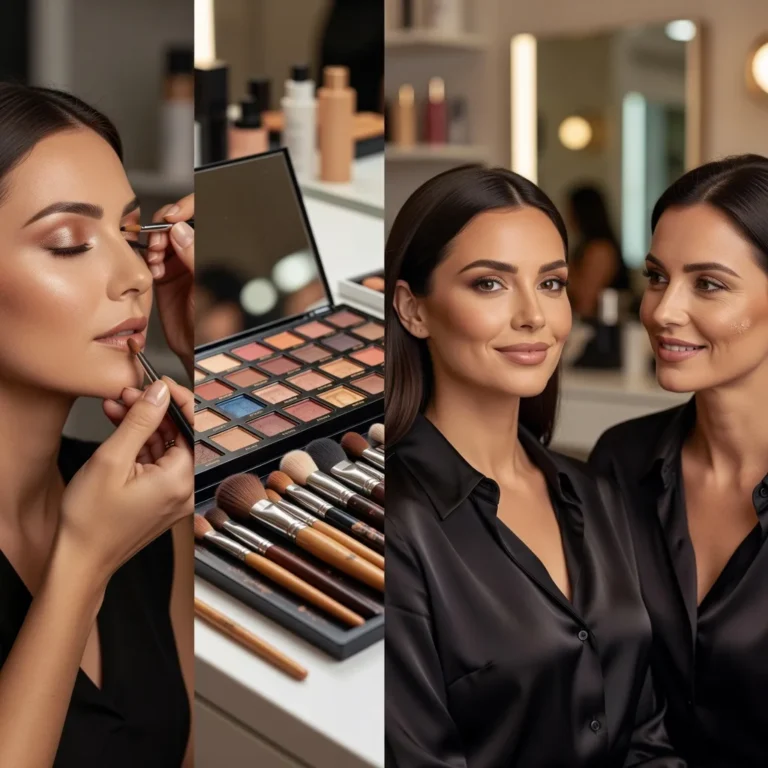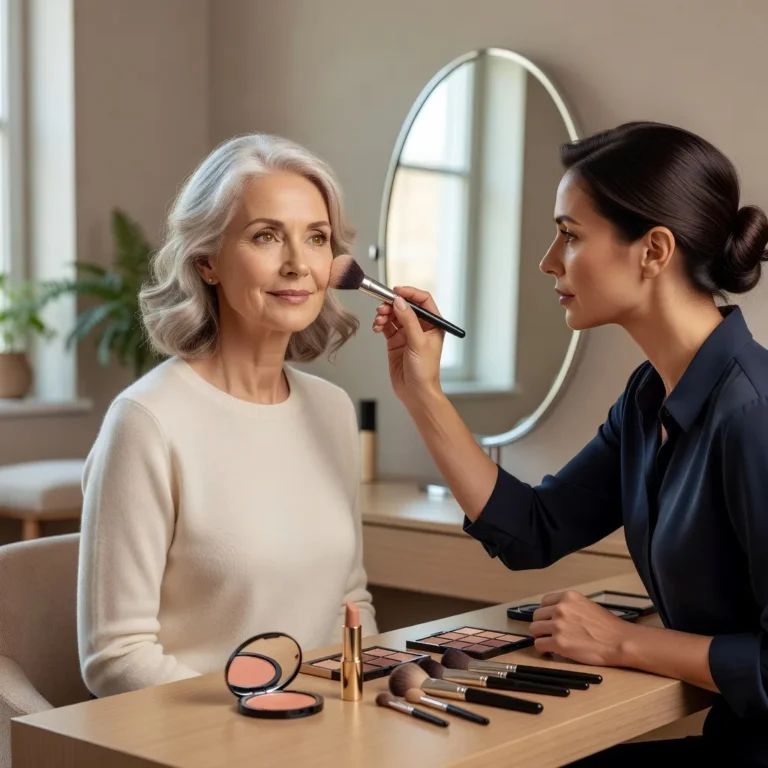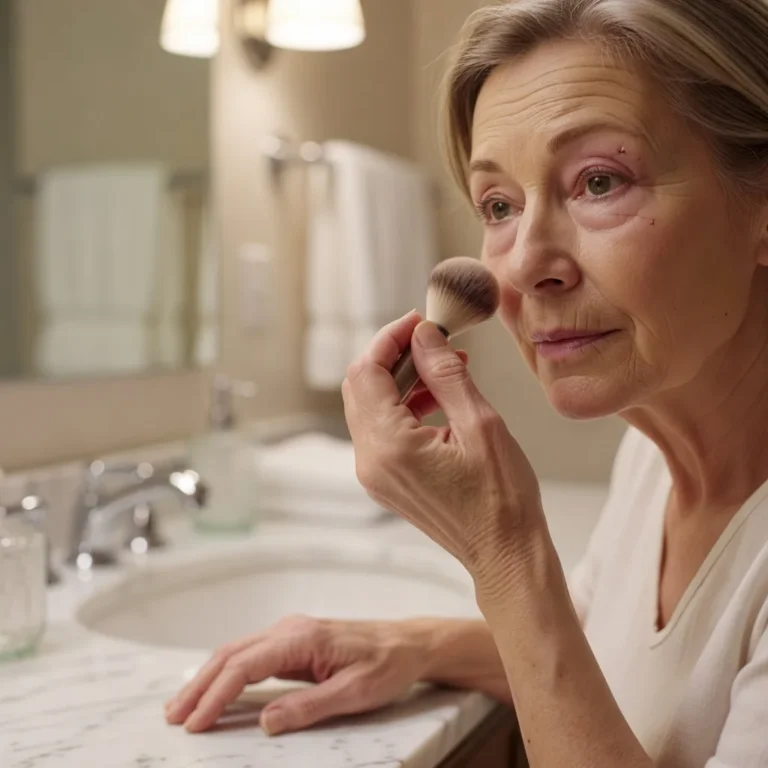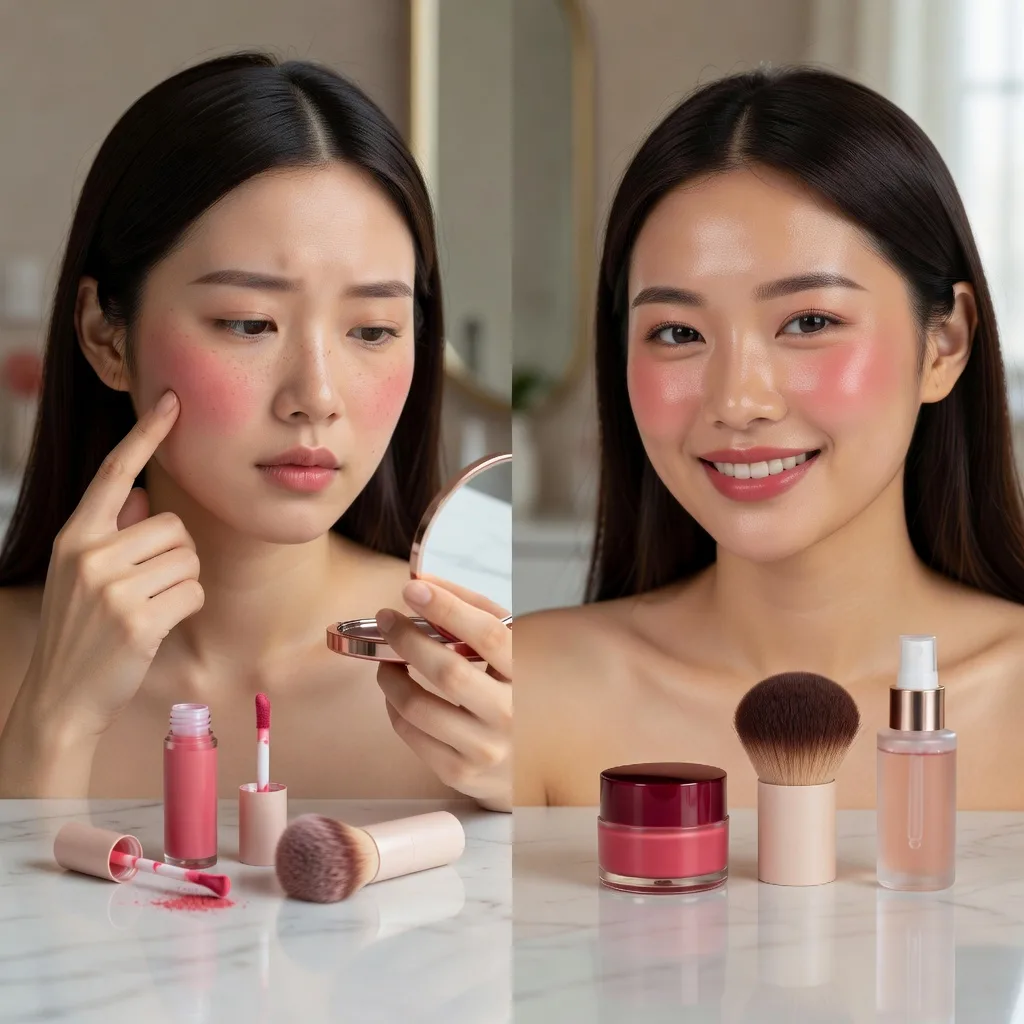
Why Blush Fades Quickly and How to Make It Last All Day
You apply blush in the morning, look healthy and bright, and by lunchtime your cheeks look bare. It is one of the most common makeup complaints, especially for people with oily skin, warm skin tones or long days. Many people respond by applying more and more blush in the morning, only to find it looks too strong at first and still disappears later.
Part of our guide to makeup how-to. Start with: How to Find the Right Shade of Makeup: Undertone, Depth and Testing
Blush fades quickly mainly because oil on the cheeks breaks down the pigment, because it is applied over a base that has not set, or because a single layer of powder blush simply sits on top of the skin and wears off with touching and movement. To make blush last, prep with a mattifying or gripping primer on oily cheeks, apply a cream, liquid or stain blush first, set it lightly with powder, then add a thin layer of powder blush in the same shade. Finish with setting spray, and blot oil instead of adding more product during the day.
The good news is that longer-lasting blush is mostly about layering, not about buying a stronger product. Combining textures locks colour in place so it wears down gradually rather than vanishing at once.
Oil control is a big part of the answer. The American Academy of Dermatology recommends blotting papers for oily skin, because they lift oil without adding extra product, and that same step helps blush survive the day.
This guide explains why blush fades, how different formulas wear, a step-by-step layering method, adjustments for skin type and skin tone, and how to refresh blush during the day without making it patchy.
Shopping these picks?
Amazon Prime members get fast, free shipping on eligible items, plus Prime Video, Amazon Music and member deals. New members can start with a free trial.
Start a free Prime trialAged 18 to 24? Prime for Young Adults comes with a longer free trial and a lower price after it.
Affiliate link: we may earn a commission at no extra cost to you.
Recommended Products for Long-Lasting Blush




Quick Answer
- Oil is the main reason blush fades.
- Layer cream or liquid blush under powder blush.
- Let foundation set before applying blush.
- Primer on oily cheeks helps colour grip.
- Setting spray melts layers together.
- Blot oil before touching up.
- Choose shades with enough pigment for your skin tone.
Contents
- Why Blush Fades Quickly
- How Different Blush Formulas Wear
- Prep: Giving Blush Something to Hold On To
- How to Make Blush Last Longer
- Choosing a Shade That Shows
- Adjusting for Your Skin Type
- Refreshing Blush During the Day
- Common Mistakes That Make Blush Fade
- Dos and Don’ts
- Honest Limits
- When to See a Dermatologist
- Questions People Ask
- The Bottom Line
Why Blush Fades Quickly
Blush sits on the high, central part of the face, which is also one of the areas that moves most and produces a fair amount of oil. Every smile lifts the cheeks, and many people touch their face throughout the day. Together with oil, sweat and friction from masks or phones, that makes cheeks a hard place for colour to stay.
| Cause | What happens | Fix |
|---|---|---|
| Oily skin | Oil dissolves and dulls the pigment | Mattifying primer, blotting, setting spray |
| Unset foundation | Blush mixes into the base and disappears | Let base set or powder lightly first |
| Single powder layer | Sits on top and wears off with friction | Layer cream under powder |
| Too sheer a shade | Colour barely shows after slight fading | Choose a shade with more pigment |
| Rubbing or touching | Friction removes colour | Keep hands off; blot instead of wiping |
| Heat and sweat | Product slides and breaks down | Water-resistant formulas, setting spray |
In many cases, blush has not really disappeared but has been absorbed into the foundation or dulled by oil. That is why the same blush can look completely different on a dry winter day than on a hot summer afternoon. Masks, scarves and phone calls add friction too, rubbing away colour from the lower cheeks first.
How Different Blush Formulas Wear
Each blush formula has strengths and weaknesses. Understanding them helps you choose and combine them for better wear.
| Formula | Wear time | Best for | Watch out for |
|---|---|---|---|
| Powder | Moderate; fades with oil | Normal to oily skin | Can look patchy on dry skin |
| Cream or putty | Good; melts into skin | Dry, normal and mature skin | Can slide on very oily skin unless set |
| Liquid | Good to very good | Most skin types | Sets fast; blend quickly |
| Stain or tint | Very good; stains the skin | Oily skin and long days | Can look patchy if not blended fast |
| Baked or pressed shimmer | Moderate | Adding glow | Shimmer can emphasise texture |
Stains and liquid blushes are often the longest-wearing on their own, because they tint the skin rather than sitting on top of it. Powder is the easiest to control but the quickest to fade on oily skin. Combining a long-wear base layer with a powder top layer gives you both staying power and an easy-to-blend finish. If you only want to use one product, a stain or liquid blush is usually the best single choice for long days, while powder alone suits shorter days or drier climates.
Prep: Giving Blush Something to Hold On To
Blush lasts longer on a stable, balanced base. If your cheeks are oily, the colour breaks down quickly. If they are very dry, powder blush can cling unevenly.
- Use a light moisturiser suited to your skin type and let it absorb.
- Apply a mattifying primer on oily cheeks or a gripping primer on normal skin.
- Let foundation settle for a minute or two before adding blush.
- Press a small amount of translucent powder over foundation if you plan to use powder blush.
- Keep skincare on the cheeks light in the morning if blush always slips.
The American Academy of Dermatology notes that people with oily skin should choose oil-free products and use blotting papers during the day. If your T-zone is oily but your cheeks are dry, see our guide on makeup hacks for an oily T-zone for ways to treat each area separately.
Heavy, rich moisturisers and facial oils right before makeup often make blush fade faster. Save richer products for night, or give them plenty of time to absorb before your base.
How to Make Blush Last Longer
Prime the cheeks
Apply a thin layer of mattifying or gripping primer where blush will go.
Apply base and let it set
Use foundation or tint and wait a minute before adding colour.
Add cream, liquid or stain
Tap a small amount onto the cheeks and blend quickly with fingers or a sponge.
Set lightly
Press a thin layer of translucent powder over the cream blush.
Layer powder blush
Sweep a thin layer of powder blush in a similar shade over the top.
Lock with setting spray
Mist setting spray to melt the layers together.
Blot during the day
Use blotting sheets to lift oil before adding more colour.
Match the shades of your cream and powder blush. Layering the same colour family builds depth that fades gradually, while very different shades can look patchy as they wear down.
This layering method is sometimes called sandwiching. The cream or liquid layer stains or grips the skin, the powder sets it, and the second powder layer adds more colour on top. Even when the top layer wears off, the base layer keeps some colour on the cheeks. Our guide on layering cream and powder products explains how to combine textures without caking.
Choosing a Shade That Shows
Sometimes blush seems to fade simply because the shade is too close to your natural skin colour. As soon as a little of it wears away, there is not enough contrast left to see. This is especially common with pale pinks on medium or deep skin.
- Fair skin: soft pinks and peaches, built gradually.
- Light to medium skin: rosy pinks, corals and warm peaches.
- Medium to tan skin: brighter corals, berries and warm roses.
- Deep skin: rich berries, deep oranges, brick reds and plums.
A more pigmented shade, applied lightly and blended well, usually lasts better than a sheer shade piled on. Where you place blush also affects how it looks as it fades. Our guide on how to apply blush for a round face explains placement that lifts and defines.
Adjusting for Your Skin Type
Different skin types need a slightly different approach to long-lasting blush.
- Oily skin: stain or liquid blush, set with powder, then powder blush and setting spray.
- Dry skin: cream or putty blush on hydrated skin, with only a light touch of powder on top.
- Combination skin: cream blush on drier outer cheeks and a light powder set where you get oily.
- Mature skin: cream or liquid blush placed slightly higher, avoiding heavy powder in lines.
For dry or mature skin, heavy layers of powder can make blush look chalky or settle into texture. A cream or liquid blush blended into well-moisturised skin, then set with a light mist of setting spray rather than powder, often lasts well while still looking fresh.
Refreshing Blush During the Day
Touching up blush is often necessary during long days, but adding more product over oily skin can make it look patchy. Remove oil first, then add colour.
- Press a blotting sheet over the cheeks to lift oil.
- Tap a small amount of cream or liquid blush with a fingertip, or sweep on a light layer of powder blush.
- Blend the edges with a clean sponge or fingertip.
- Mist a little setting spray if the area looks powdery.
A multi-use cream blush or a tint in your bag is useful, because it blends well over makeup and can also add colour to lips. For events and photos, our guide on keeping makeup intact for photos covers more touch-up tips.
Share blush brushes, sponges or cream products only with care. Shared tools can spread bacteria and may contribute to breakouts or skin infections. Clean tools regularly and keep them to yourself.
Common Mistakes That Make Blush Fade
- Applying powder blush over foundation that is still wet or tacky.
- Using a large, fluffy brush that deposits very little colour.
- Blending so much that most of the blush ends up on the brush.
- Skipping setting spray on hot or humid days.
- Wiping the face with tissues instead of blotting.
- Using a very emollient moisturiser just before makeup.
Brush choice is easy to overlook. A very loose, fluffy brush is great for a soft wash of colour but picks up and deposits less pigment, so the blush may already be sheer before the day starts. A slightly denser brush, or tapping cream blush on with fingertips, puts more colour on the skin with less effort.
Timing matters too. Waiting a minute or two between each layer lets products settle and grip, while rushing through the steps can cause them to mix together and lift each other off.
Dos and Don’ts
Do
- Layer cream or liquid under powder
- Let foundation set first
- Use primer on oily cheeks
- Blot before touching up
- Finish with setting spray
Don’t
- Apply powder blush over wet foundation
- Pile on sheer blush to make it last
- Use heavy oils before makeup
- Rub cheeks during the day
- Choose shades too close to your skin
Honest Limits
No blush lasts perfectly through every situation. Heat, humidity, exercise, mask wearing and long days all shorten wear time, and some fading is normal even with the best technique.
Skin chemistry varies from person to person. A blush that lasts all day on one person may fade by midday on another, so it is worth testing formulas and combinations until you find what works for your skin.
Wear claims on packaging are based on the manufacturer’s own testing and conditions, which may not match your daily life. Your own experience over a few days is the most reliable guide.
When to See a Dermatologist
- Your cheeks are very oily despite a gentle routine.
- Blush or other makeup causes redness, itching or breakouts.
- You have persistent flushing or redness that makeup does not cover.
- Your skin feels tight, flaky or irritated after makeup.
This article is for general information and does not replace professional medical advice. See a dermatologist for persistent skin concerns or reactions to cosmetics.
Questions People Ask
Why does my blush disappear so fast?
Usually oil on the cheeks or applying it over unset foundation.
What type of blush lasts the longest?
Stains and liquid blushes, especially when layered under powder.
How do I make powder blush last?
Apply it over set foundation and a cream blush, then use setting spray.
Does primer help blush last?
Yes, especially mattifying or gripping primers on oily cheeks.
Should I apply blush before or after powder?
Cream before powder; powder blush after.
Why does blush look patchy when I touch it up?
Oil on the skin; blot before adding more.
Can setting spray help blush last?
Yes, it melts layers together and helps them stay.
Why does my blush fade on deeper skin?
The shade may be too sheer; choose a more pigmented one.
Is cream blush good for oily skin?
It can be if set with powder or used under powder blush.
How often should I reapply blush?
Most people touch up once during a long day.
The Bottom Line
Blush fades quickly mostly because of oil, unset foundation and single thin layers of powder. Priming the cheeks, letting your base set and layering cream or liquid blush under powder blush keeps colour in place much longer.
Finish with setting spray, choose a shade with enough pigment for your skin tone and blot oil before touching up. With those habits, cheek colour can stay fresh from morning to evening.

Written by
Registered pharmacist and founder of Facial Adviser. Rakib's pharmacy training covers how skincare actives work and interact; a later course in cosmetology turned that into a focus on facial treatments and skincare products. He plans, researches and edits every guide on the site and checks health claims against sources such as the American Academy of Dermatology, the FDA and the NIH. He is not a dermatologist; see the Editorial Policy and Medical Disclaimer.
About · Editorial policy · How we choose products · Medical disclaimer · Contact
Keep reading: Foundation, BB cream and base
- How to Find the Right Shade of Makeup: Undertone, Depth and Testing
- Foundation Not Matching Neck? How to Fix the Face and Neck Colour Gap
- How Long Does Facial Contouring Last?
- Is BB Cream the Same as Foundation?
- What to Do When Makeup Oxidizes
- How to Find the Right Shade of Makeup for Your Skin
- How to Get Started as a Freelance Makeup Artist: Training, Kit and Clients
- Best Way to Use Makeup Remover: Micellar Water, Balms, Oils and Eye Removers