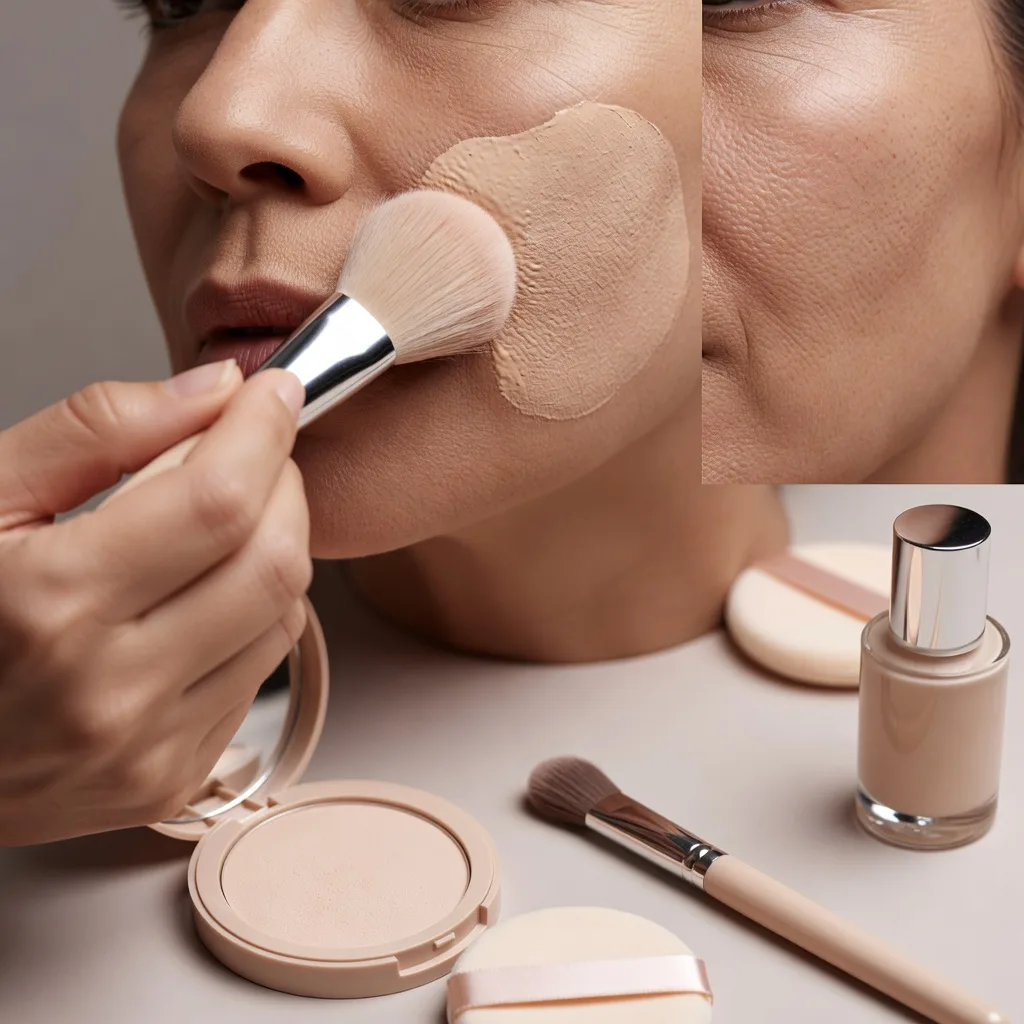
Makeup on Textured Skin: How to Get a Smoother-Looking Finish
Textured skin, such as enlarged pores, small bumps, rough patches, acne scars or fine lines, can make makeup look uneven. Foundation catches in dips and on raised areas, powder emphasises every bump and shimmer highlights exactly what you want to soften.
Part of our guide to makeup how-to. Start with: What Can You Use to Make Your Makeup Stay On All Day? 9 Products and Tricks
Makeup on textured skin looks smoothest when you focus on prep and thin layers rather than heavy coverage. Exfoliate gently and hydrate well so the surface is as smooth as possible, then press a pore-filling or smoothing primer into textured areas. Choose a thin, satin or soft-focus foundation and press it on with a damp sponge instead of buffing, adding concealer only where needed. Use matte or soft-focus powder sparingly, avoid shimmer and highlight on textured areas, and finish with a setting spray to melt layers together. Thick, matte, full-coverage layers usually make texture more obvious, not less.
Makeup cannot change skin texture itself, but the right technique can soften how visible it is, especially in daylight and photos. Almost everyone has some texture, and it is often far less noticeable to other people than it is in a close-up mirror.
For texture caused by acne scars, the American Academy of Dermatology notes that dermatologist treatments can improve many scar types, which can make a bigger difference than any makeup.
This guide covers skin prep, product choices, application techniques and mistakes to avoid when wearing makeup on textured skin, plus when to see a dermatologist.
Shopping these picks?
Amazon Prime members get fast, free shipping on eligible items, plus Prime Video, Amazon Music and member deals. New members can start with a free trial.
Start a free Prime trialAged 18 to 24? Prime for Young Adults comes with a longer free trial and a lower price after it.
Affiliate link: we may earn a commission at no extra cost to you.
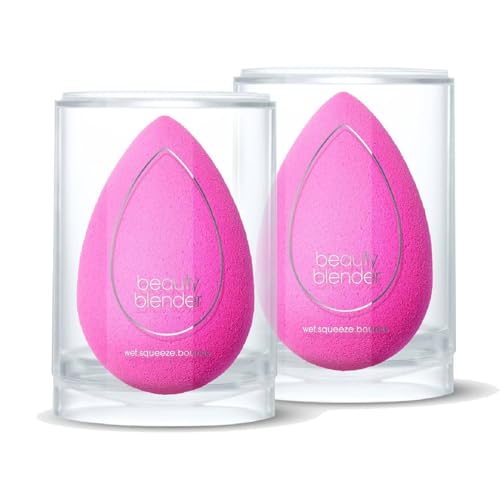
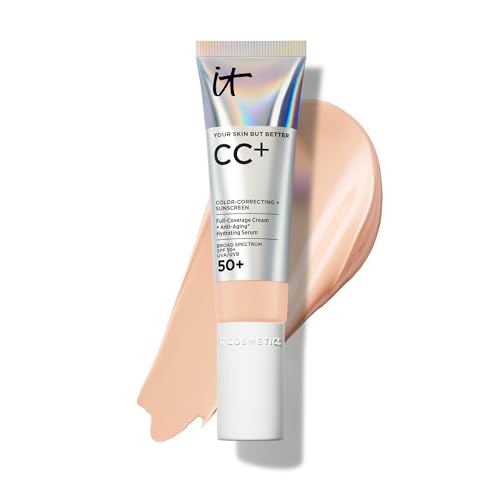
Recommended Products for Textured Skin




The Short Version
- Hydrated, gently exfoliated skin gives the smoothest base.
- Press primer into textured areas rather than rubbing.
- Thin, satin or soft-focus bases hide texture better than heavy matte.
- Press foundation on with a damp sponge.
- Keep shimmer off textured areas.
- Use powder only where needed.
- Setting spray melts layers and reduces a powdery look.
Jump to a Section
- Types of Skin Texture
- Prep: The Most Important Step
- Choosing and Using Primer
- How to Apply Makeup on Textured Skin
- Choosing Foundation for Textured Skin
- Mistakes That Make Texture More Visible
- Using Highlight and Blush on Textured Skin
- Lighting and Photos
- Texture on Different Skin Types
- Dos and Don’ts
- Honest Limits
- When to See a Dermatologist
- Questions People Ask
- Summing Up
Types of Skin Texture
| Texture type | What it looks like | Makeup approach |
|---|---|---|
| Enlarged pores | Visible dots, especially on nose and cheeks | Pore-filling primer pressed in; soft-focus powder |
| Closed comedones | Small skin-coloured bumps | Thin base, no heavy powder; treat with skincare |
| Rough or flaky patches | Dry, uneven areas | Hydrate and exfoliate gently; creamy base |
| Acne scars | Dips or raised marks | Pressing technique; avoid shimmer |
| Fine lines | Lines around eyes and mouth | Thin, hydrating layers; minimal powder |
Different textures need slightly different approaches, but the principles are the same: smooth the surface first, use thin layers and avoid products that reflect light directly onto uneven areas. It also helps to identify which kind of texture you have, because small bumps from clogged pores respond to different skincare than rough, dry patches or scars.
Our guide on what causes uneven texture on the cheeks explains the skincare side of texture.
Prep: The Most Important Step
- Exfoliate gently once or twice a week with a mild chemical exfoliant, if your skin tolerates it.
- Moisturise well; hydrated skin looks smoother and plumper.
- Let skincare absorb fully before makeup.
- Avoid scrubbing or picking, which makes texture and irritation worse.
Gentle exfoliants such as PHAs, lactic acid or low-strength AHAs can smooth rough texture over time. Start slowly, once or twice a week, and increase only if your skin stays comfortable. Our guide on how to avoid product pilling explains how to layer skincare so makeup sits smoothly.
If you use prescription retinoids or strong acids, be careful not to over-exfoliate. Irritated, flaky skin makes texture look worse under makeup.
Choosing and Using Primer
Silicone-based pore-filling primers are the most useful product for textured skin. They fill in pores and small dips, creating a smoother surface for foundation. You usually need only a pea-sized amount for the whole face, and even less if you use it only on the nose and cheeks.
Press a small amount into textured areas with your fingertip, using gentle patting or small circles. Rubbing or swiping moves the primer out of pores. If you have both texture and redness, a colour-correcting or tinted primer can reduce the amount of foundation you need, which keeps the overall base thinner.
Hydrating primers suit dry or flaky texture better than mattifying ones, which can cling to dry patches. Many people use a pore-filling primer on the nose and cheeks and a hydrating one elsewhere. Give primer a minute to set before foundation; applying foundation over wet primer can cause the two to mix and pill.
How to Apply Makeup on Textured Skin
Hydrate and let skin settle
Apply moisturiser and sunscreen and wait a few minutes.
Press in primer
Pat a pore-filling or smoothing primer into textured areas.
Use a thin base
Apply a satin or soft-focus foundation in a thin layer.
Press, do not buff
Use a damp sponge to press foundation into the skin.
Conceal selectively
Tap concealer only on redness or dark spots, not over bumps.
Set lightly
Press a small amount of soft-focus or translucent powder where needed.
Finish with spray
Mist a setting spray to melt layers and reduce powderiness.
After foundation, press a clean, damp sponge over the whole face. It lifts excess product sitting in pores and on raised areas and leaves a smoother finish.
Choosing Foundation for Textured Skin
| Finish or type | How it looks on texture | Best for |
|---|---|---|
| Heavy matte full coverage | Can sit in pores and look cakey | Rarely the best choice for texture |
| Soft matte or soft focus | Blurs pores and small bumps | Oily or combination textured skin |
| Satin or natural | Skin-like, moves with the skin | Most textured skin |
| Dewy or radiant | Can highlight bumps and pores | Very dry skin with minimal texture |
| Skin tint or CC cream | Sheer, lets skin show through | Mild texture, everyday wear |
Soft-focus formulas contain light-scattering particles that blur texture. Our guide on the soft-focus effect in makeup explains how they work, and our guide on how particle size affects foundation finish covers why finely milled formulas look smoother.
Mistakes That Make Texture More Visible
Heavy, thick coverage: piling on foundation fills some dips but settles around raised areas, making texture more obvious. Thinner layers look smoother even if they do not hide every mark. Buffing hard with a brush: can push product into pores unevenly and lift it off bumps. If you prefer a brush, use light stippling motions rather than circular buffing. Too much powder: clings to texture and looks dry and cakey. Pressing loose powder into pores can also make them look larger as the day goes on and oil mixes with it. Shimmer and highlight on textured areas: reflective particles catch light on every bump and pore. Concealer over bumps: thick concealer on raised areas draws attention to them. Conceal redness around the bump rather than piling product on top. Skipping skincare: applying makeup to dehydrated or flaky skin makes every bump and line more visible. Even a quick layer of moisturiser makes a noticeable difference.If your makeup often looks heavy, our guide on what to do when makeup looks cakey covers quick fixes.
Using Highlight and Blush on Textured Skin
Keep highlighter to areas that are smooth, such as the tops of the cheekbones above the textured area, the brow bone or the cupid’s bow. Choose cream or liquid formulas with a fine sheen rather than sparkly powder. If your cheekbones themselves are textured, skip highlight and get your glow from hydrating skincare and a satin base instead.
Matte or satin blushes look smoother on textured cheeks than shimmery ones. Cream blushes tapped on with fingers or a sponge blend into the skin more naturally. Powder blush applied with a large, fluffy brush and very little product can also work, as long as it is swept on lightly rather than pressed into the skin.
Avoid picking, squeezing or scrubbing bumps to smooth them before makeup. It can cause inflammation, dark marks and scarring, making texture worse over time.
Lighting and Photos
Texture looks most obvious under harsh overhead lighting and direct sunlight from the side, which casts small shadows across the skin. Soft, even light from the front minimises it. This is why the same makeup can look smooth in the morning mirror and much more textured in an office with strong ceiling lights.
When doing makeup, face a window or use a light source at eye level rather than overhead. This shows you how your makeup really looks and helps you avoid over-applying. Magnifying mirrors are useful for precise work, but check the overall effect in a normal mirror too, since magnification exaggerates texture that is barely visible at normal distance.
For photos, soft, diffused lighting and a slightly matte finish on the T-zone help texture look softer. Heavy flash with lots of powder can make texture and flashback more obvious. Facing the light source directly, rather than having it to one side, is one of the simplest ways to reduce visible texture in pictures.
Texture on Different Skin Types
Oily textured skin: enlarged pores and small bumps are common. Use a pore-filling primer, a soft-matte or soft-focus foundation and a light press of blurring powder on the T-zone. Blot during the day rather than adding more powder, which builds up in pores. Dry textured skin: rough patches and flakes are the main issue. Focus on hydration and gentle exfoliation, use a hydrating primer and a satin or creamy base, and skip powder where you can. A hydrating mist at the end softens any dry look. Combination skin: treat each area separately, with pore-filling primer on the T-zone and hydrating products on drier cheeks. Mature skin: fine lines and crepey texture respond best to thin, flexible layers and minimal powder. Cream blush and highlight look smoother than powders. Acne-prone skin: choose non-comedogenic products, keep layers thin over active breakouts and clean brushes and sponges often, since dirty tools can make breakouts and texture worse.Dos and Don’ts
Good Habits
- Exfoliate gently and hydrate
- Press primer into pores
- Use thin satin or soft-focus bases
- Press foundation on with a damp sponge
- Finish with setting spray
Common Mistakes
- Pile on thick matte foundation
- Buff hard over textured areas
- Use heavy powder everywhere
- Put shimmer on bumps or pores
- Pick or scrub bumps before makeup
Honest Limits
Makeup can soften the look of texture but cannot remove it, and trying to hide every mark usually leads to heavier, less natural makeup. Deep scars, very enlarged pores and active breakouts will still show to some degree, especially up close.
Consistent skincare over weeks and months usually does more for texture than any makeup technique. Gentle exfoliation, retinoids where appropriate, sun protection and treating acne can all help. Results take time, so it is worth sticking with a gentle routine for at least a couple of months before judging it.
For acne scars, in-office treatments can make a significant difference. The AAD’s overview of acne scar treatment explains the options, which a dermatologist can tailor to your scar type.
When to See a Dermatologist
- You have acne scars you would like to treat.
- You have persistent small bumps that do not improve with skincare.
- Your skin is rough, scaly or itchy.
- Breakouts are frequent or leave marks.
This article is for general information and does not replace professional medical advice. See a dermatologist for persistent texture, scarring or acne.
Questions People Ask
What foundation is best for textured skin?
A thin satin or soft-focus formula pressed on with a damp sponge.
Does primer help textured skin?
Yes. Pore-filling primers smooth the surface before foundation.
Should I use powder on textured skin?
Sparingly, and only where you get shiny.
Why does my foundation look worse on textured skin?
Thick layers, buffing, heavy powder or shimmer can emphasise texture.
Can makeup hide acne scars?
It can soften them, but deep scars will still show; dermatologist treatments help more.
Should I avoid highlighter on textured skin?
Keep it to smooth areas such as the tops of the cheekbones.
How do I apply foundation on textured skin?
Press it on in thin layers with a damp sponge.
Does exfoliation help makeup look smoother?
Gentle exfoliation can smooth rough texture over time.
Is matte or dewy foundation better for texture?
Soft matte or satin usually looks smoothest.
What lighting shows texture the most?
Harsh overhead or side lighting.
Summing Up
Makeup on textured skin looks smoothest with good prep and thin layers. Hydrate and exfoliate gently, press primer into textured areas, use a satin or soft-focus base pressed on with a damp sponge and keep powder and shimmer to a minimum.
Avoid heavy coverage, harsh buffing and highlighting textured areas. For lasting improvement in texture or scarring, consistent skincare and a dermatologist’s advice make the biggest difference.

Written by
Registered pharmacist and founder of Facial Adviser. Rakib's pharmacy training covers how skincare actives work and interact; a later course in cosmetology turned that into a focus on facial treatments and skincare products. He plans, researches and edits every guide on the site and checks health claims against sources such as the American Academy of Dermatology, the FDA and the NIH. He is not a dermatologist; see the Editorial Policy and Medical Disclaimer.
About · Editorial policy · How we choose products · Medical disclaimer · Contact
Keep reading: Making makeup last
- What Can You Use to Make Your Makeup Stay On All Day? 9 Products and Tricks
- Makeup Tips for Dry, Flaky Skin: How to Stop Foundation Clinging to Flakes
- How to Keep Makeup Intact for Photos: Camera-Ready Tips That Last
- Makeup for Enlarged Pores: How to Blur Them Without Clogging Skin
- Best Setting Techniques for Longevity: Powder, Spray and Layering Tips
- Makeup Fixer vs Setting Spray: What Is the Difference and Which Do You Need?
- Best Way to Use Makeup Remover: Micellar Water, Balms, Oils and Eye Removers
- How to Properly Put On Face Makeup: The Right Order, Step by Step