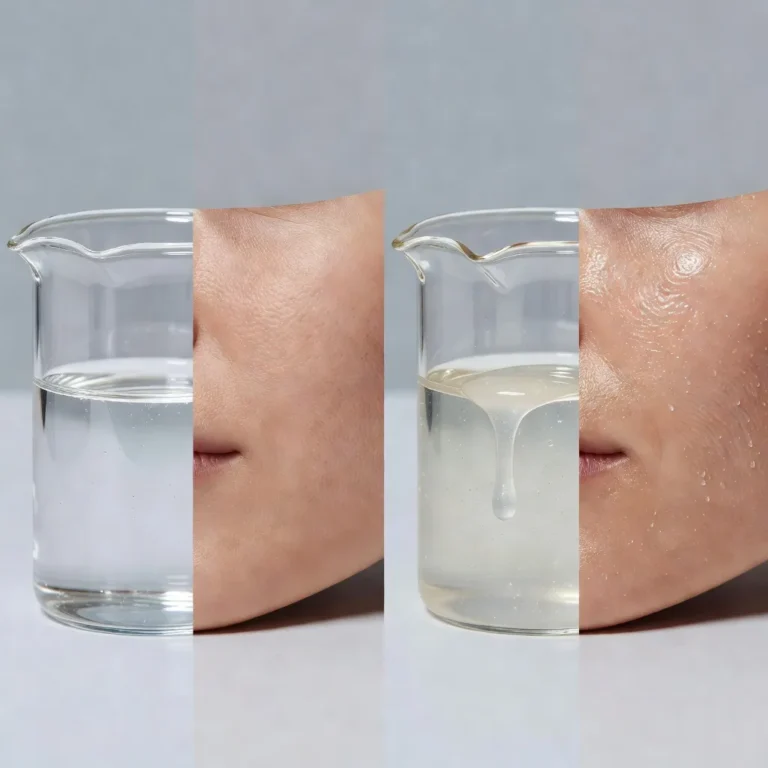
How Particle Size Affects Foundation Finish, Coverage and Wear
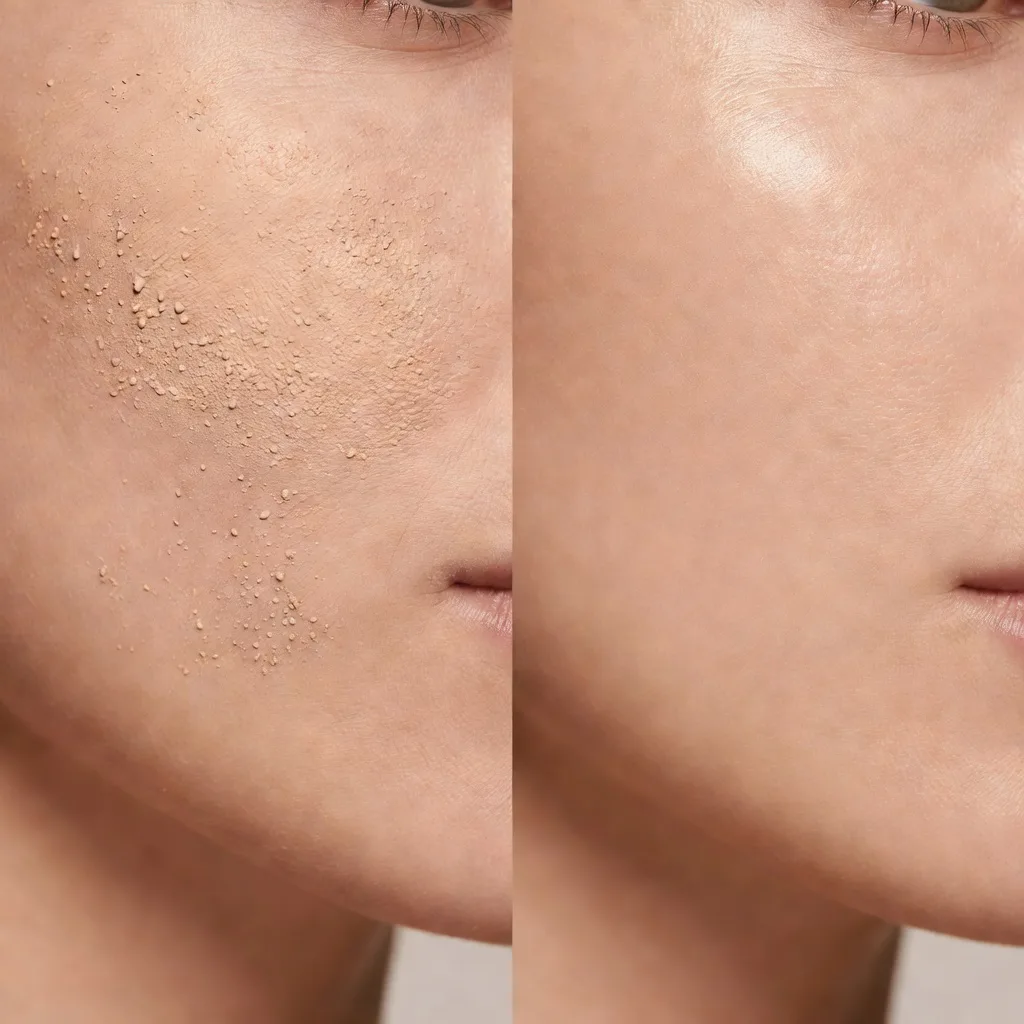
Two foundations in the same shade can look completely different on the skin. One looks velvety and blurred, another looks flat and heavy, and a third looks glowing or even slightly sparkly. Much of that difference comes down to something you cannot see on the label: the size and shape of the particles in the formula.
Part of our guide to makeup how-to. Start with: How to Find the Right Shade of Makeup: Undertone, Depth and Testing
Particle size affects how foundation scatters and reflects light, how much it covers and how it feels. Very fine pigment and powder particles spread evenly, look smoother and more skin-like and scatter light for a soft-focus effect. Larger particles give more opacity and coverage or, if they are reflective, visible shimmer. Particle shape matters too: round particles roll smoothly and blur, while flat, plate-like particles reflect light and can add glow. Formulators combine different sizes and shapes to create matte, satin, radiant and full-coverage finishes. How finely a product is milled and dispersed is often the hidden reason one foundation looks better than another.
You cannot measure particle size at home, but you can learn to read the clues in texture, finish and wear.
Sunscreen filters show the effect clearly. Larger zinc oxide and titanium dioxide particles leave more of a white cast, while finer grades look clearer, which is part of why mineral sunscreens have become easier to wear.
This guide explains how particle size and shape change foundation, how they affect finish and coverage and how to use that knowledge to choose and apply foundation.
Shopping these picks?
Amazon Prime members get fast, free shipping on eligible items, plus Prime Video, Amazon Music and member deals. New members can start with a free trial.
Start a free Prime trialAged 18 to 24? Prime for Young Adults comes with a longer free trial and a lower price after it.
Affiliate link: we may earn a commission at no extra cost to you.
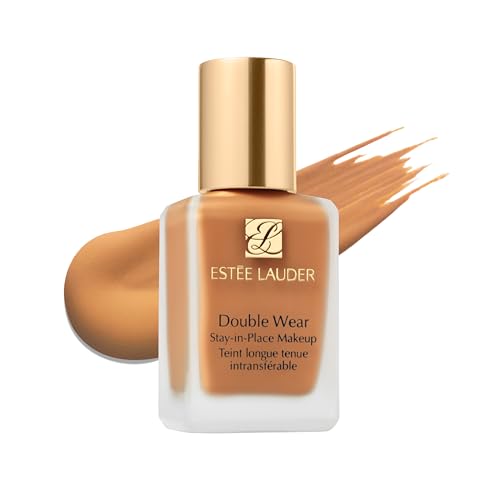
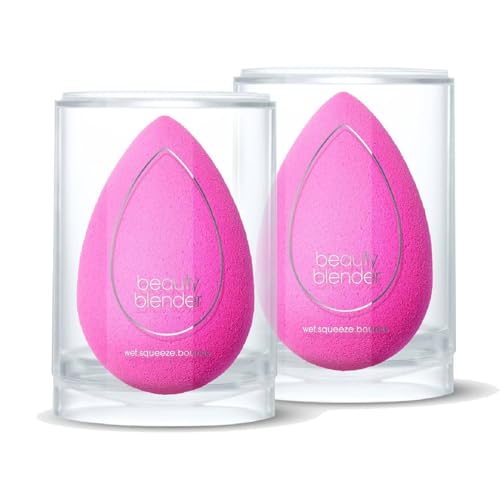
Recommended Foundations, Powders and Tools




In This Guide
- Why Particle Size Matters
- How Particle Size and Shape Change the Finish
- Particle Size and Coverage
- Particle Size and Glow or Shimmer
- Particle Size, White Cast and Flashback
- Particle Size in Powders and Mineral Foundations
- How to Choose a Foundation Finish Based on Texture and Particle Size
- How Application Changes the Result
- Choosing by Skin Type and Concern
- Dos and Don’ts
- Honest Limits
- When to See a Dermatologist
- Common Questions
- Summing Up
What to Know First
- Finer particles look smoother and more skin-like.
- Larger reflective particles create visible shimmer.
- Round particles blur; flat particles reflect light.
- Pigment size and dispersion affect coverage and evenness.
- Very fine white pigments can reduce white cast.
- Application method changes how particles sit on skin.
- Texture clues help you judge a formula without lab tests.
Why Particle Size Matters
Foundation is a mix of pigments, fillers, film formers and liquids. The pigments give colour and coverage; the fillers and powders control finish and feel. Each of these is made of tiny particles, often measured in micrometres (microns) or even smaller.
Light behaves differently depending on the size of the particle it hits. Very small particles scatter light in many directions, creating a soft, diffused look. Larger particles block more light, which increases opacity, or reflect it more directly, which increases shine.
Particle size also changes texture. Finely milled powders feel silky and spread easily, while coarser ones can feel gritty, drag on the skin or settle into lines.
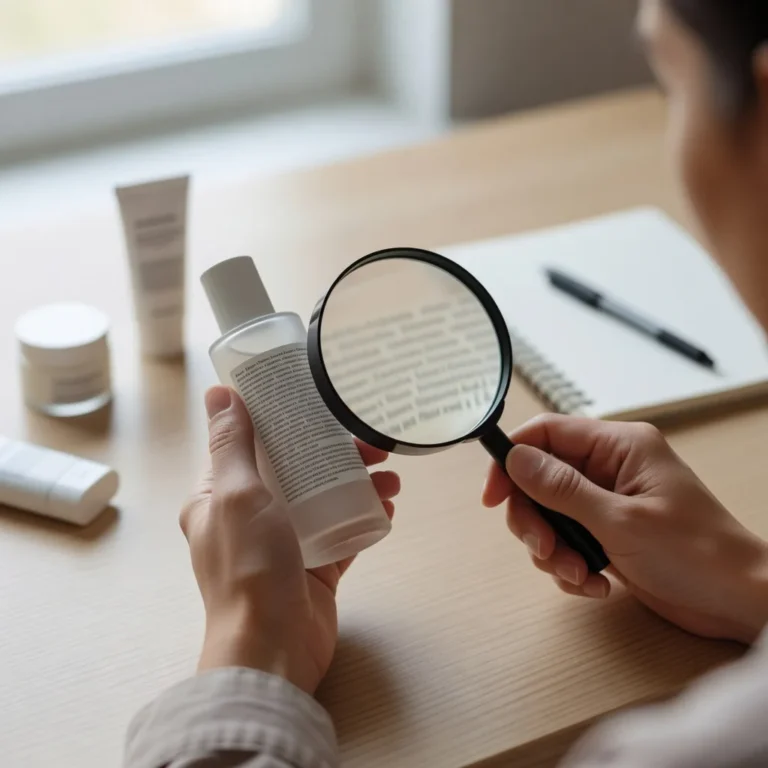
Particle size is not usually listed on labels. Brands may describe it indirectly with words such as finely milled, micronised, blurring or soft focus.
How Particle Size and Shape Change the Finish
| Particle type | Typical effect | Finish it supports | Watch out for |
|---|---|---|---|
| Very fine, round (e.g. spherical silica, PMMA) | Scatters light evenly | Soft focus, soft matte | Can look flat if overused |
| Very fine pigments (well dispersed) | Even colour, skin-like | Natural, satin | Lower opacity per layer |
| Larger pigments | More opacity | Full coverage | Can look heavy or masky |
| Fine flat platelets (fine mica, pearl) | Soft glow | Radiant, luminous | Can show texture in larger sizes |
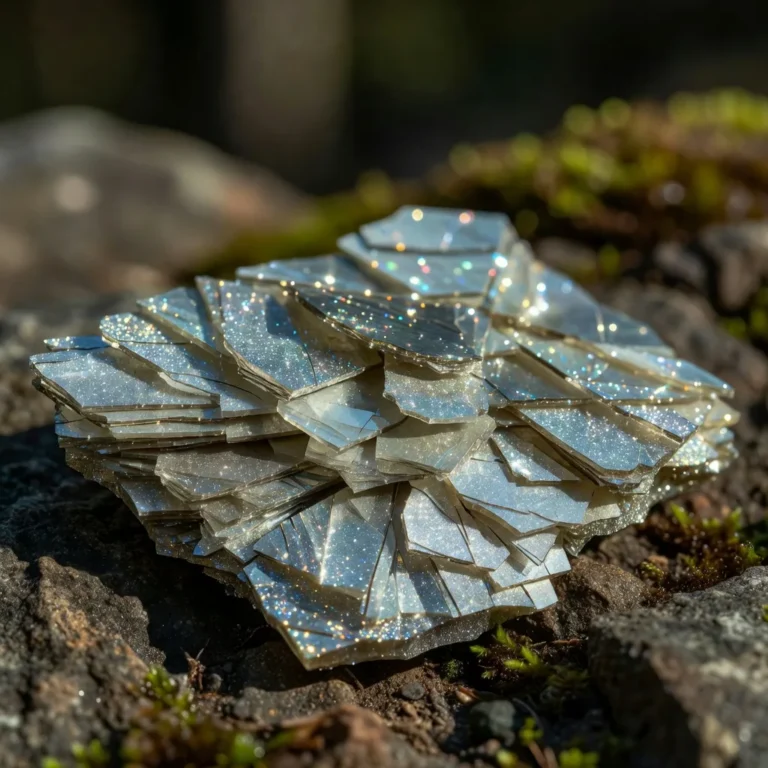
| Large reflective flakes | Visible sparkle | Shimmer, glow | Emphasises pores and texture |
| Very fine oil-absorbing powders | Controls shine | Matte | Can cling to dry patches |
Particle shape is often as important as size. Spherical particles act like tiny ball bearings, which is why blurring powders feel so silky, while flat particles lie down and overlap like tiles, which helps them cover and reflect light evenly. Most foundations blend several of these. A soft matte formula might pair very fine spherical powders for blurring with well-dispersed pigments for coverage, while a radiant formula adds fine pearl particles for glow.
Our guide on the soft-focus effect in makeup explains how round, light-scattering particles blur texture.
Particle Size and Coverage
Coverage comes mainly from white pigments, especially titanium dioxide, and from iron oxides. Titanium dioxide of a certain size scatters visible light very effectively, making the formula more opaque.
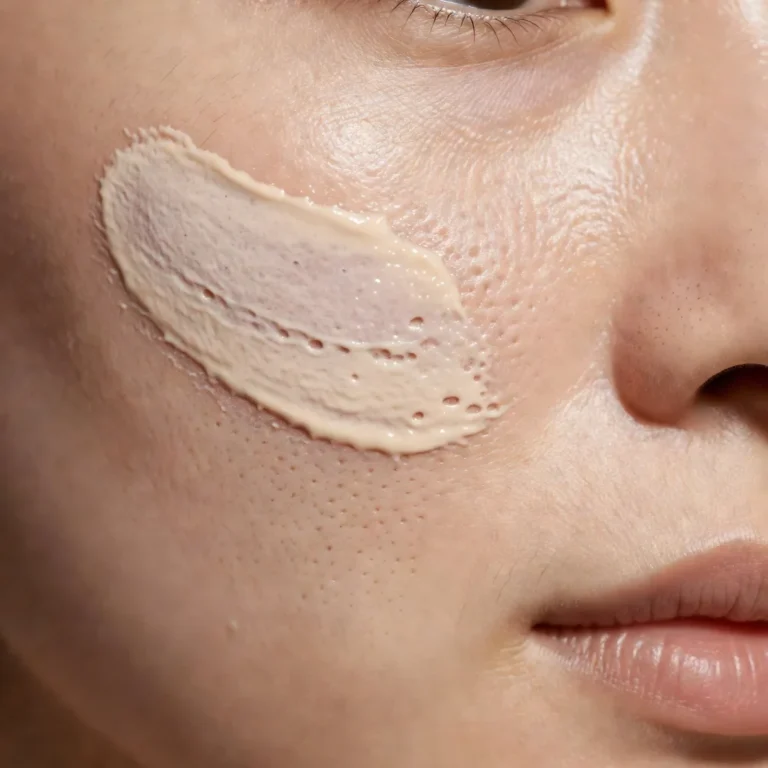
If pigments clump together instead of spreading evenly, you get streaks, patchiness or a speckled look. Good dispersion, where pigment particles are evenly separated in the formula, is one of the biggest differences between a smooth foundation and a patchy one.
Full-coverage formulas often use more pigment rather than simply larger particles, but they need careful milling and dispersion to avoid looking heavy. That is why some full-coverage foundations still look skin-like while others look masky.
Our guide on filler versus pigment explains how pigments and fillers are balanced for coverage and texture.
Particle Size and Glow or Shimmer
Radiant and luminous foundations often contain fine pearl pigments, usually mica coated with titanium dioxide. When these particles are very small, they create a soft, lit-from-within glow. As particle size increases, the glow becomes more visible and eventually looks like shimmer.
Larger reflective particles catch light on every raised area and pore, which is why sparkly or strongly shimmering foundations can make texture more obvious. For a glowy look on textured skin, finer pearl particles are more flattering.
Our guide on how mica creates shimmer explains how reflective particle size changes the effect.
Particle Size, White Cast and Flashback
White pigments such as titanium dioxide and zinc oxide scatter light strongly. In larger sizes they can leave a white or grey cast, especially on deeper skin tones. Finer grades look clearer on the skin, which is why many modern mineral sunscreens and tinted products look less chalky than older formulas.
Flashback, the white look some faces have in flash photos, can come from both white pigments and certain light-scattering powders such as some silicas. Using less product, pressing it in well and choosing tinted versions reduces the problem.
The AAD advises choosing a broad-spectrum sunscreen with SPF 30 or higher in its guide on choosing the right sunscreen. A formula that looks good on your skin is one you are more likely to wear every day. Our guide on physical versus chemical SPF covers mineral filters in more detail.
Do not rely on the SPF in foundation or powder as your only sun protection. You would need far more product than most people apply to reach the SPF on the label.
Particle Size in Powders and Mineral Foundations
Particle size matters even more in powders, because there is no liquid to smooth things out. Loose setting powders are usually very finely milled so they disappear on the skin, while pressed powders include binders that change how the particles sit.
Mineral foundations are a good example. They rely mainly on zinc oxide, titanium dioxide, iron oxides and mica, with no liquid base. Finely milled mineral powders look smooth and natural, while coarser ones can look dry or chalky, especially on dry skin or deeper skin tones. Buffing mineral foundation in circles with a dense brush helps the particles settle into an even layer.
Translucent powders can look white in the pan yet invisible on the skin if their particles are fine and transparent enough. If a translucent powder looks visibly white once applied, it is usually because too much has been used or the particles scatter more light than your skin tone suits.
Baking, where a thick layer of powder sits on the skin before being dusted off, relies on very fine powders. Coarser powders used this way are more likely to look dry or settle into lines, so baking works best with finely milled formulas and a light hand.
How to Choose a Foundation Finish Based on Texture and Particle Size
Look at your skin texture
Visible pores, fine lines or bumps benefit from finer, light-scattering formulas.
Decide on your finish
Soft matte, satin, radiant or full coverage each rely on different particle types.
Check descriptions
Words such as finely milled, blurring or soft focus suggest fine, light-scattering particles.
Swatch and blend on your jaw
Check whether it spreads smoothly or looks streaky and patchy.
Look in daylight and flash
Check for white cast, shimmer on texture or flashback.
Wear it for a few hours
See whether it settles into lines, separates or stays even.
Rub a small amount of powder between your fingers. A silky, almost slippery feel usually means fine milling; a slightly gritty feel suggests larger particles or shimmer.
How Application Changes the Result
Even the best-milled formula can look heavy if applied thickly. Thin layers let fine particles sit evenly and scatter light as intended. Building coverage gradually, only where you need it, keeps the rest of the face looking fresh.
- Damp sponge: presses product into the skin and sheers it slightly for the most skin-like finish.
- Dense brush: buffs product for more coverage and a smooth, airbrushed look.
- Fingers: warm the product and melt it in; good for sheer, natural finishes.
- Powder puff: presses powder in for long wear and shine control.
Skin prep matters too. Hydrated, smooth skin lets particles lie flat and even, while dry or flaky skin gives them edges to cling to. Our guide on silicone versus water-based cosmetics explains how to pair primer and foundation so layers sit smoothly.
Choosing by Skin Type and Concern
| Skin concern | Particle types that help | Particle types to limit |
|---|---|---|
| Oily skin, large pores | Fine spherical powders, oil-absorbing silica | Large shimmer on the T-zone |
| Dry skin | Finely milled satin or radiant particles | Heavy oil-absorbing powders |
| Mature skin | Soft-focus spheres, fine pearl | Large shimmer, thick full coverage |
| Deeper skin tones | Fine white pigments, balanced iron oxides | Coarse titanium dioxide or zinc oxide |
Dos and Don’ts
Worth Doing
- Choose finely milled formulas for textured skin
- Apply foundation in thin layers
- Check for white cast in daylight
- Test in flash before events
- Prep skin so particles sit evenly
Skip It
- Use large shimmer over pores
- Pile on full coverage in one layer
- Judge a formula only in the bottle
- Rely on foundation SPF alone
- Buff powder over dry patches
Honest Limits
Brands rarely publish particle size data, and the same words can mean different things across brands. Texture tests on your own skin are the most reliable guide.
Particle size is only one factor. Film formers, oils, silicones and how well the formula is made all change the final finish, which is why two similar-sounding foundations can perform very differently.
Finish is also partly personal taste. Some people love a strong glow, others prefer a velvety matte. Understanding particle size helps you get the finish you want, but there is no single right answer. Formulas also vary between shades of the same foundation, since deeper shades contain more iron oxides and lighter ones more titanium dioxide, so the finish can look slightly different across a range.
When to See a Dermatologist
- You break out regularly after using foundation.
- Foundation causes redness, itching or stinging.
- Your skin texture or pores bother you despite a good routine.
- You have persistent dry patches that makeup always clings to.
This article is for general information and does not replace professional medical advice. See a dermatologist for persistent skin concerns.
Common Questions
How does particle size affect foundation finish?
Finer particles look smoother and blur; larger ones add coverage or shimmer.
What does finely milled mean?
The powders have been ground into very small, even particles.
Why does some foundation look cakey?
Thick layers, coarse particles or poor dispersion can make it look heavy.
Why does shimmer foundation show my pores?
Larger reflective particles catch light on texture.
What causes white cast in foundation?
Larger white pigments such as titanium dioxide or zinc oxide.
What causes flashback in photos?
Certain white pigments and light-scattering powders reflecting flash.
Is a smaller particle size always better?
Not always; it depends on the finish and coverage you want.
Do round particles make skin look smoother?
Yes. Spherical particles scatter light evenly and blur texture.
Can I tell particle size by touch?
Roughly. Silky powders are usually finer; gritty ones coarser or shimmery.
Does application method matter?
Yes. Thin layers and pressing techniques help particles sit evenly.
Summing Up
Particle size and shape shape how foundation looks and feels. Fine, round particles blur and look skin-like, larger pigments add coverage and reflective particles add glow or shimmer.
Choose finely milled, soft-focus formulas for textured skin, check for white cast and flashback, and apply foundation in thin layers on well-prepped skin to get the most from any formula.

Written by
Registered pharmacist and founder of Facial Adviser. Rakib's pharmacy training covers how skincare actives work and interact; a later course in cosmetology turned that into a focus on facial treatments and skincare products. He plans, researches and edits every guide on the site and checks health claims against sources such as the American Academy of Dermatology, the FDA and the NIH. He is not a dermatologist; see the Editorial Policy and Medical Disclaimer.
About · Editorial policy · How we choose products · Medical disclaimer · Contact
Keep reading: Foundation, BB cream and base
- How to Find the Right Shade of Makeup: Undertone, Depth and Testing
- Makeup Base Order: Primer vs Sunscreen, Which Goes First?
- How to Match Makeup to Your Undertone: Foundation, Blush, Bronzer and Lips
- How to Fix Patchy Contour: Causes, Quick Fixes and Better Blending
- How to Apply Blush for a Round Face: Placement That Lifts and Defines
- Layering Cream and Powder Products: The Right Order for Smooth Makeup
- How to Choose Lipstick Shade: Undertone, Skin Tone and Testing Tips
- How to Choose the Right Eye Makeup Color for Your Eyes and Skin