How to Match Makeup to Your Undertone: Foundation, Blush, Bronzer and Lips
You can pick a foundation that is the right depth and still end up looking slightly off: a little pink, a little orange, a little grey. Nine times out of ten, the undertone is the problem. The same goes for blush that looks muddy or lipstick that makes your teeth look yellow.
Part of our guide to makeup how-to. Start with: How to Find the Right Shade of Makeup: Undertone, Depth and Testing
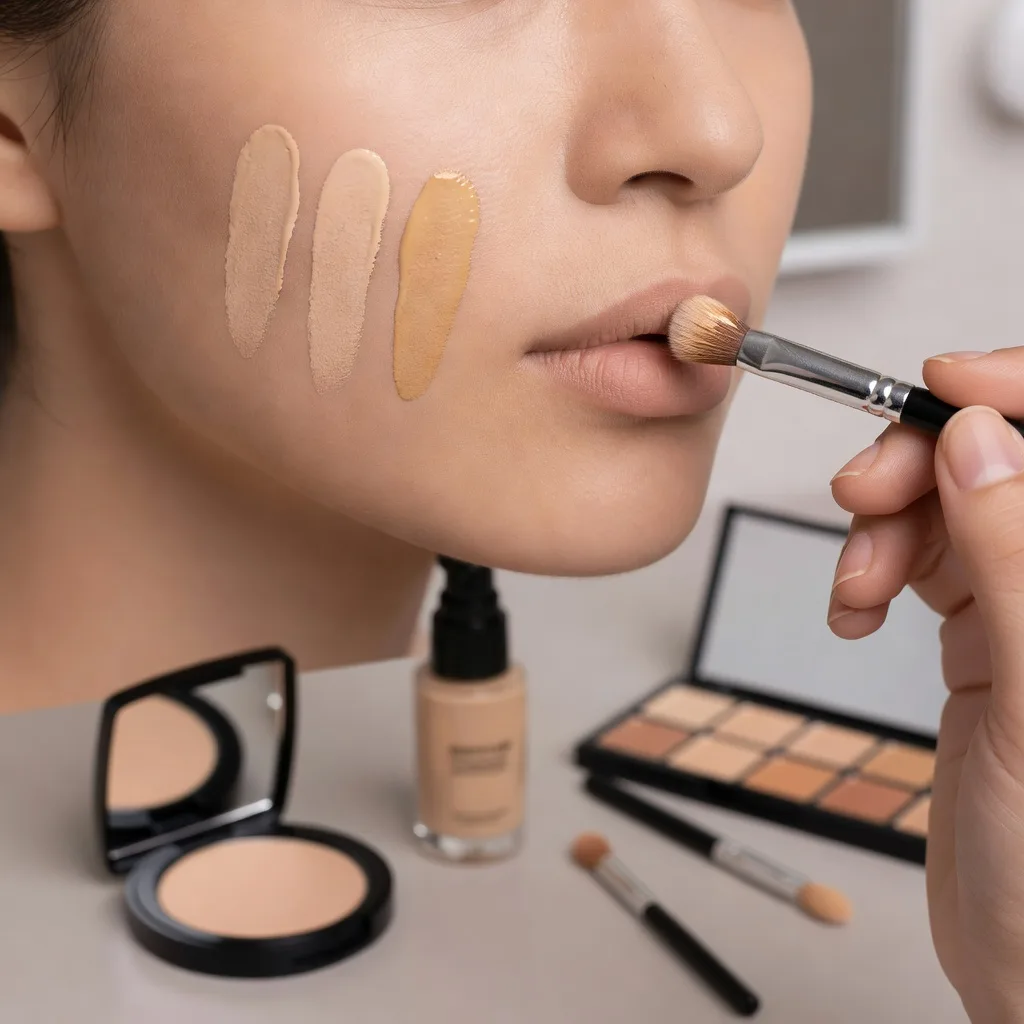
To match makeup to your undertone, first work out whether your skin is cool, warm, neutral or olive, then choose products labelled for that undertone. On foundation, look for codes such as C, W and N, or NC and NW, and test two or three options on your jawline in daylight. For the rest of your face, cool undertones usually suit pink, berry and blue-based shades; warm undertones suit peach, coral, golden and orange-based shades; neutral undertones can wear most shades; and olive undertones often look best in neutral, slightly warm, muted shades. Always check the result after a few minutes, because some products shift colour as they settle.
In short: identify your undertone, decode the shade labels, and test everything in daylight.
Makeup can also change on the skin after application. A 2025 study in Scientific Reports that measured 32 liquid foundation shades from four brands found that colour changed over time, and that the amount of change varied with how light the shade was and between brands. That is why testing matters more than the name on the bottle.
This guide explains how to read undertone codes, how to match foundation and concealer, and how to choose blush, bronzer and lip colours that flatter your undertone.
Shopping these picks?
Amazon Prime members get fast, free shipping on eligible items, plus Prime Video, Amazon Music and member deals. New members can start with a free trial.
Start a free Prime trialAged 18 to 24? Prime for Young Adults comes with a longer free trial and a lower price after it.
Affiliate link: we may earn a commission at no extra cost to you.
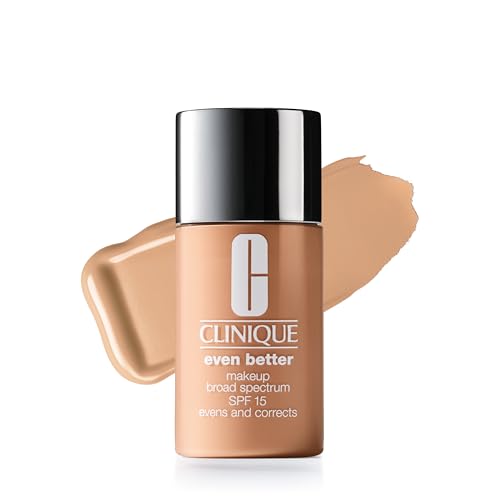
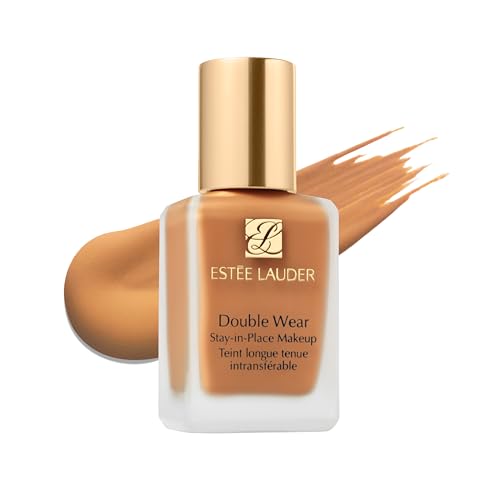
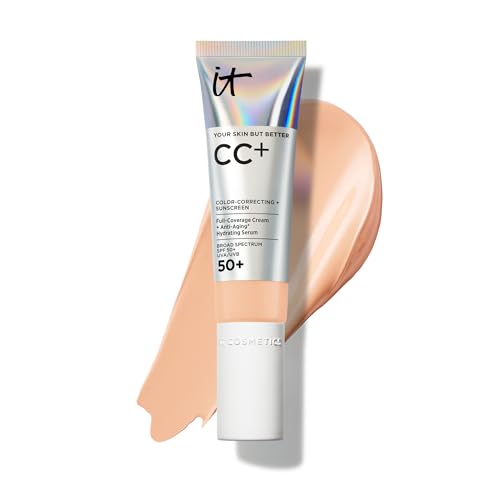
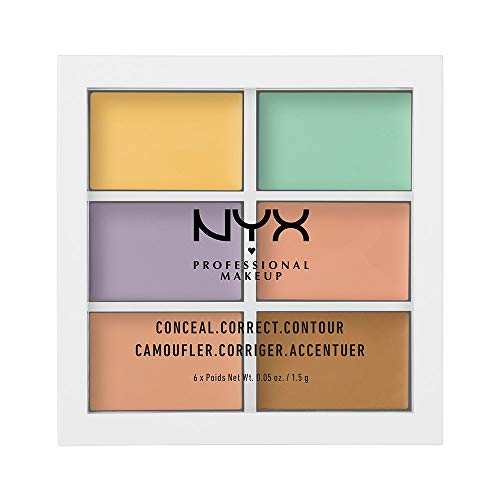
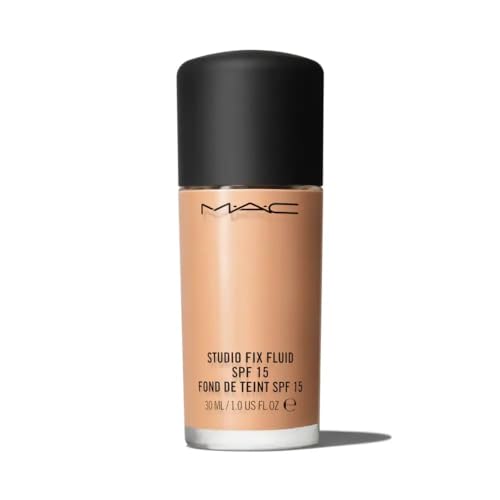
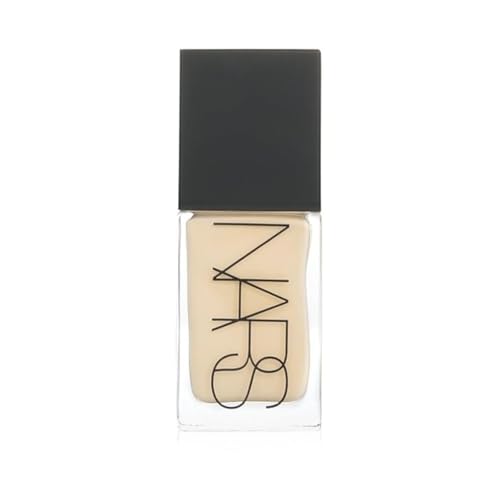
Recommended Foundations With Clear Undertone Options

Jump to a Section
- What Undertone Means in Makeup
- How to Read Foundation Undertone Codes
- How to Match Your Makeup to Your Undertone
- Matching Olive Undertones
- Choosing Blush and Bronzer for Your Undertone
- Choosing Lip Colours for Your Undertone
- Common Undertone Mistakes
- Why Makeup Undertone Can Shift During the Day
- Undertone Tips for Fair, Medium and Deep Skin
- Dos and Don’ts
- Honest Limits
- When to See a Dermatologist
- FAQ
- Where This Leaves You
In Brief
- Undertone is the tint under your skin: cool, warm, neutral or olive.
- Most shade mismatches are undertone problems, not depth problems.
- Learn each brand’s code, such as C, W, N, NC or NW.
- Test foundation on the jawline in daylight.
- Cool undertones suit pink and berry; warm suit peach and coral.
- Olive undertones often need neutral or slightly warm shades.
- Colour correctors can fix a near miss.
What Undertone Means in Makeup
Your skin tone is how light or dark your skin looks. Your undertone is the subtle colour beneath it, and it stays the same even when you tan or lose a tan. Surface redness from rosacea, sunburn or irritation can hide your undertone, so check on a day when your skin is calm.
| Undertone | What you may notice | Common signs |
|---|---|---|
| Cool | Pink, red or bluish tint | Silver jewellery flatters; burns easily |
| Warm | Yellow, golden or peachy tint | Gold jewellery flatters; tans easily |
| Neutral | A mix of warm and cool | Both silver and gold suit you |
| Olive | Greenish, grey or muted yellow tint | Many foundations look too pink or too orange |
A quick way to check is to hold a sheet of white paper next to your bare face in daylight. Cool skin looks pinker next to the white, warm skin looks more yellow or golden, and olive skin can look slightly green or grey. Our guide on how to find the right shade of makeup covers the other undertone tests in more detail.
How to Read Foundation Undertone Codes
Brands use different systems, which is why the same person can be a different code in every brand. Knowing the most common codes makes it much faster to narrow down your options in a shop or online.
| Code | Usually means | Watch out for |
|---|---|---|
| C | Cool (pink) | Can look too pink on neutral skin |
| W | Warm (yellow or golden) | Can look orange on cool skin |
| N | Neutral | Often the safest starting point |
| NC (MAC and some others) | Neutral-cool in name but yellow-leaning in colour | The naming can feel counterintuitive, so check swatches |
| NW (MAC and some others) | Pink or red-leaning | Often suits cool undertones |
| O or Olive | Olive | Only offered by some brands |
Because codes are inconsistent, always read the brand’s own description and check swatch photos. Some brands also describe undertone in words, such as rosy, golden or neutral beige, which can be clearer than letters. Our guide on how foundation shades are formulated explains how brands build undertone into each shade.
How to Match Your Makeup to Your Undertone
Follow these steps whenever you choose a new foundation or concealer. The same method works for tinted moisturisers, skin tints and BB creams, which usually come in fewer shades.
Find your undertone
Use the white paper, vein and jewellery tests in daylight.
Choose shades in your undertone family
Pick two or three shades with your undertone code at about your depth.
Swatch on the jawline
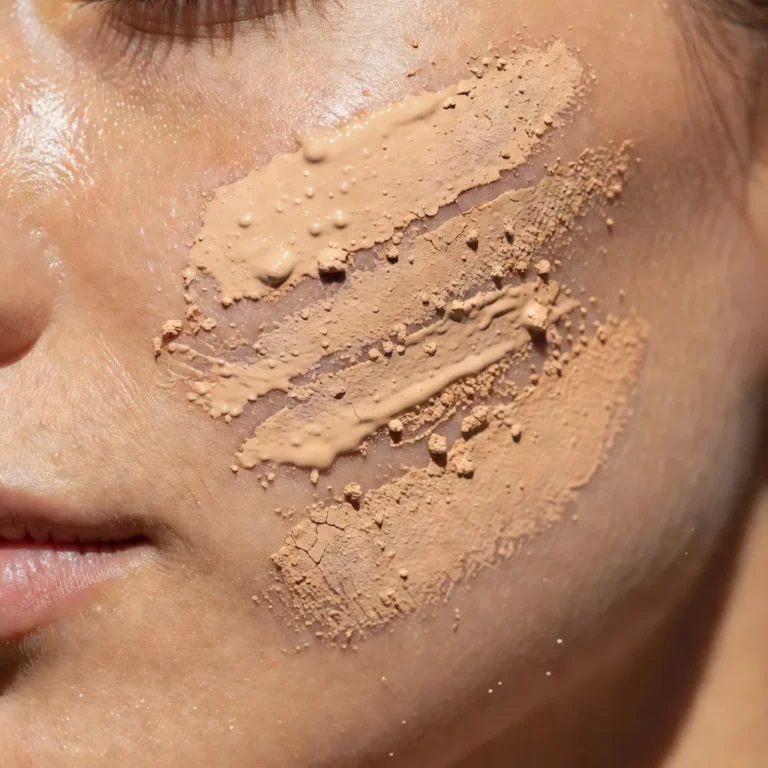
Apply stripes from cheek to jaw, not on your hand.
Check in daylight
Look at the stripes by a window or outside.
Wait for dry-down
Give the product five to ten minutes to settle.
Pick the stripe that disappears
The right shade blends into both face and neck.
Match concealer and powder
Choose concealer with the same undertone, slightly lighter for under-eyes.
If two shades look equally close, choose the more neutral one. Neutral shades are more forgiving if your undertone is hard to pin down.
Matching Olive Undertones
Olive skin is common across many ethnic backgrounds, yet it is often the hardest to match. Many foundations look too pink or too orange because they are built on warm or cool bases without the slightly green, muted quality of olive skin.
- Look for shades labelled olive, or neutral shades described as having a green or muted undertone.
- Avoid very pink shades, which can look ashy, and very golden shades, which can look orange.
- If a shade is close but too pink, a thin layer of yellow or green-tinted corrector underneath can help.
- Choose muted, slightly warm blush and bronzer rather than very bright pinks or oranges.
Our guide on how colour correctors neutralise undertones explains how to adjust a near-match. Mixing a drop of a more yellow foundation into a slightly pink one is another simple way to create a custom olive-friendly shade.
Choosing Blush and Bronzer for Your Undertone
Blush and bronzer look most natural when they echo your undertone rather than fight it. They are also more forgiving than foundation, so this is a good place to experiment.
| Undertone | Blush | Bronzer |
|---|---|---|
| Cool | Pink, rose, berry, mauve | Neutral or slightly cool, not too orange |
| Warm | Peach, coral, apricot, warm red | Golden or warm brown |
| Neutral | Most shades; soft pinks and peaches | Neutral brown |
| Olive | Muted rose, terracotta, warm plum | Neutral to slightly warm, not too red |
Bronzer should be one or two shades deeper than your skin and applied where the sun naturally hits, such as the temples, cheekbones and jawline. A bronzer that is too orange on cool skin, or too grey on warm skin, is the most common undertone mistake after foundation.
Choosing Lip Colours for Your Undertone
Lip colour is where undertone rules are most flexible, because lipstick sits on a smaller area and is meant to stand out. Still, a few guidelines help, especially if you want a shade that looks polished for everyday wear.
- Cool undertones: blue-based reds, berry, plum and cool pinks.
- Warm undertones: orange-based reds, coral, terracotta and warm nudes.
- Neutral undertones: true reds and most nudes.
- Olive undertones: brick, rosewood, warm berry and muted nudes.
Nude lipsticks are the hardest to match. A nude that is too cool on warm skin can look grey, and a nude that is too warm on cool skin can look orange. Try nudes that are one or two shades deeper than your lips, in your undertone family. A lip liner in a similar tone helps a nude lipstick look deliberate rather than washed out.
Common Undertone Mistakes
These mistakes are behind most makeup that looks slightly wrong. Fixing just one of them often makes a noticeable difference.
- Choosing foundation by depth only and ignoring undertone.
- Testing on the hand or wrist, which are often a different colour from the face.
- Choosing shades under shop lighting.
- Matching the face but not the neck.
- Assuming your code is the same in every brand.
Undertone does not change with a tan, but depth does. If your foundation suddenly looks wrong in summer, you probably need a deeper shade in the same undertone family, not a different undertone.
Why Makeup Undertone Can Shift During the Day
Even the right shade can drift. Foundation can dry down deeper as it sets, and some formulas oxidise and turn slightly warmer or more orange as they react with air and skin oils. Oily skin tends to see more change, so a shade that stays true on a friend may shift on you.
The Scientific Reports study found that foundation colour changed after application and that some brands held their colour better than others. You can read the study abstract on PubMed. If your foundation turns orange by midday, see our guide on why foundations oxidize on skin.
If your skin itself looks newly red, grey, yellow or blotchy, makeup may not be the cause. Sudden changes in skin colour can signal a skin or medical condition and should be checked by a doctor or dermatologist.
Undertone Tips for Fair, Medium and Deep Skin
Undertone matching works the same way at every depth, but each range has its own common pitfalls.
- Fair skin: many fair shades lean pink. If you are neutral or warm, look for fair shades described as neutral or golden so you do not look flushed.
- Light to medium skin: this is where the most shade options exist, so compare undertone carefully between two or three close shades rather than choosing the first near match.
- Medium to tan skin: shades can drift orange quickly. Neutral or olive options are often safer than strongly golden ones.
- Deep skin: look for shades with red, golden or neutral undertones, not just darker versions of lighter shades. Ashy or grey results usually mean the undertone is too cool or the shade too light.
- Very deep skin: check that the range genuinely goes deep enough; many brands now offer very deep shades with rich red or neutral undertones.
At every depth, the neck and chest are useful guides. If your face is redder or darker than your neck, choose a shade that blends between the two rather than matching the face alone.
Dos and Don’ts
Helps
- Identify your undertone before shopping
- Learn each brand’s shade codes
- Test on the jawline in daylight
- Wait for dry-down before deciding
- Match concealer to the same undertone
Backfires
- Choose foundation by depth alone
- Test on your hand
- Trust shop lighting
- Assume codes match across brands
- Change undertone when you tan
Honest Limits
Undertone tests at home are rough guides, and many people fall between categories or have different undertones in different parts of the face. Brand codes are not standardised, so experimenting is often necessary.
There is little formal research on matching undertones; most advice comes from makeup artists and colour theory. Real products on your skin in daylight will always tell you more than any quiz. If you find it difficult, a trained adviser at a makeup counter can help you compare shades side by side, and many shops offer free samples to test at home.
When to See a Dermatologist
- You have persistent redness that makeup does not hide.
- You notice new dark or light patches of skin.
- Your skin colour changes suddenly or unevenly.
- Makeup regularly causes irritation or breakouts.
This article is for general information and does not replace professional medical advice. See a board-certified dermatologist for changes in skin colour or reactions to makeup.
FAQ
How do I match makeup to my undertone?
Find your undertone, choose shades with the matching code and test in daylight.
What does NC and NW mean?
Brand codes; at MAC, NC leans yellow and NW leans pink.
What if my foundation looks pink?
Try a more neutral or warmer shade in the same depth.
What if my foundation looks orange?
Try a more neutral or cooler shade, or check for oxidation.
What is an olive undertone?
A muted, greenish or grey-yellow undertone.
Which blush suits cool undertones?
Pink, rose, berry and mauve shades.
Which blush suits warm undertones?
Peach, coral and apricot shades.
Does undertone change when I tan?
No, only depth changes.
Should concealer match my undertone?
Yes, with a slightly lighter or peachier tone under the eyes.
Can I wear any lipstick with my undertone?
Yes, but shades in your undertone family usually look most natural.
Where This Leaves You
Matching makeup to your undertone means identifying whether you are cool, warm, neutral or olive, learning each brand’s shade codes and testing products on your jawline in daylight.
Echo your undertone in blush, bronzer and lip colour, use colour correctors to fix a near match, and remember that a tan changes your depth, not your undertone.

Written by
Registered pharmacist and founder of Facial Adviser. Rakib's pharmacy training covers how skincare actives work and interact; a later course in cosmetology turned that into a focus on facial treatments and skincare products. He plans, researches and edits every guide on the site and checks health claims against sources such as the American Academy of Dermatology, the FDA and the NIH. He is not a dermatologist; see the Editorial Policy and Medical Disclaimer.
About · Editorial policy · How we choose products · Medical disclaimer · Contact
Keep reading: Foundation, BB cream and base
- How to Find the Right Shade of Makeup: Undertone, Depth and Testing
- How to Fix Patchy Contour: Causes, Quick Fixes and Better Blending
- How to Apply Blush for a Round Face: Placement That Lifts and Defines
- Layering Cream and Powder Products: The Right Order for Smooth Makeup
- How to Make Pressed Powder Last Longer: In the Compact and on Your Face
- How to Avoid Flashback in Photos: Why Makeup Turns White and How to Fix It
- How to Properly Put On Face Makeup: The Right Order, Step by Step
- How to Choose Lipstick Shade: Undertone, Skin Tone and Testing Tips