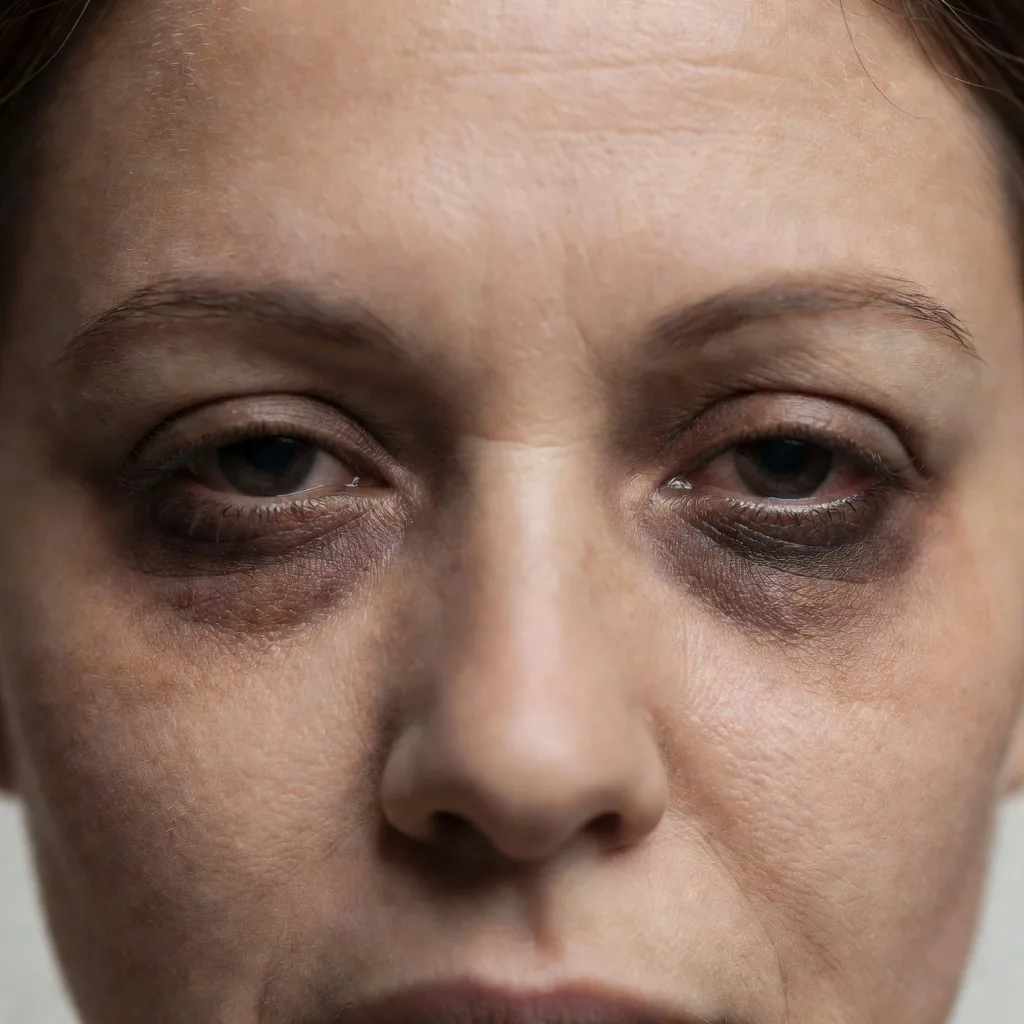
Can Dehydration Cause Dark Circles? What the Link Really Is
After a long day, a late night or a hangover, the skin under your eyes can look darker, hollower and more tired than usual. Many people blame dehydration, and they are partly right. But drinking more water will not erase dark circles that are caused by genetics, pigment or the shape of your face.
Part of our guide to lifestyle and skin. Start with: How Diet Impacts the Skin Microbiome: What the Science Actually Shows
Dehydration can make dark circles look worse, but it is rarely the main cause. When your body is low on fluids, the skin can look duller and less plump, and the under-eye area can look slightly sunken, which deepens shadows and makes blood vessels under the thin skin more visible. The most common causes of dark circles, however, are extra pigment, very thin and translucent lower eyelid skin, and shadows from a tear trough or skin laxity. If your dark circles come and go with how much you drink, sleep or drink alcohol, hydration and rest can help. If they are always there, the cause is likely structural or pigment-related.
In short: dehydration can deepen dark circles temporarily, but it is usually a contributor, not the root cause.
A review in Dermatologic Surgery concluded that dark circles usually come from several factors at once, including excess pigmentation, thin translucent skin over the eye muscle, and shadowing from a tear trough or loose skin. That is why fixing one thing, such as water intake, rarely makes them disappear completely.
This guide explains how dehydration affects the under-eye area, how to tell which type of dark circle you have, and what actually helps.
Shopping these picks?
Amazon Prime members get fast, free shipping on eligible items, plus Prime Video, Amazon Music and member deals. New members can start with a free trial.
Start a free Prime trialAged 18 to 24? Prime for Young Adults comes with a longer free trial and a lower price after it.
Affiliate link: we may earn a commission at no extra cost to you.
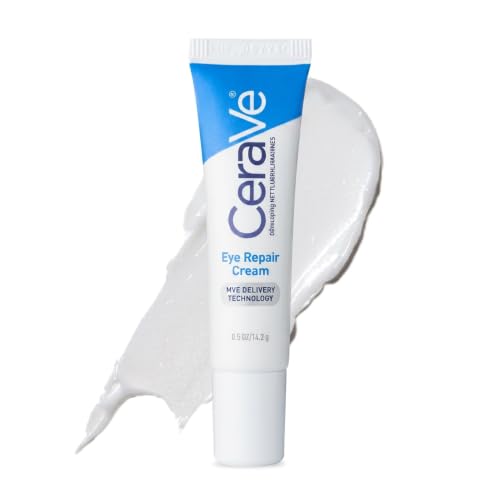
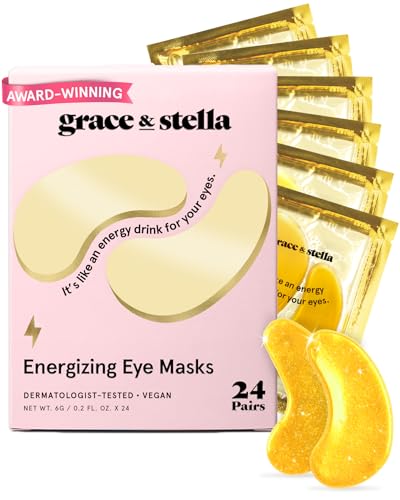
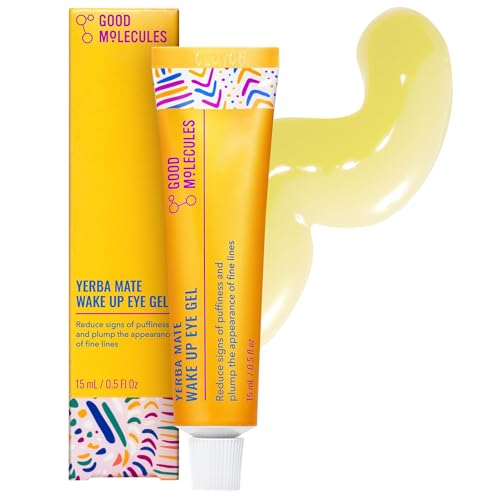
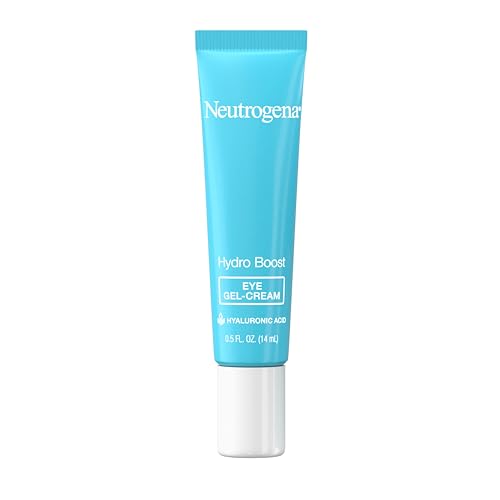
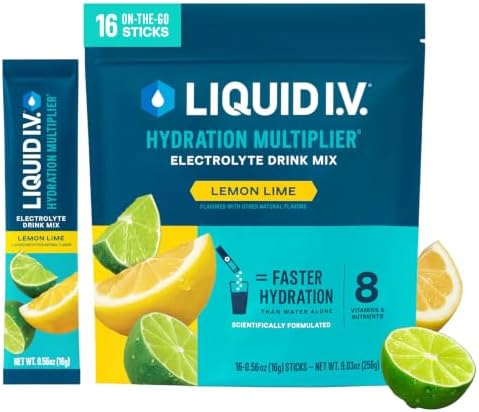
Recommended Products for Dehydrated, Tired-Looking Under-Eyes


At a Glance
- Dehydration can make dark circles look deeper and more hollow.
- It is rarely the only or main cause.
- Pigment, thin skin and tear troughs cause most dark circles.
- Circles that come and go often relate to fluids, sleep or alcohol.
- Circles that never change are usually structural or pigment-related.
- Hydrating eye creams and cool compresses give short-term improvement.
- Sudden or one-sided darkness needs a doctor’s opinion.
What This Covers
- How Dehydration Affects the Under-Eye Area
- The Main Causes of Dark Circles
- How to Tell If Dehydration Is Making Your Dark Circles Worse
- How to Reduce Dark Circles Linked to Dehydration
- How Much Water Do You Need?
- Skincare That Helps a Dehydrated Under-Eye Area
- Covering Dark Circles While You Rehydrate
- When Dark Circles Are Not Just Dehydration
- Everyday Habits That Make Dark Circles Look Worse
- Dos and Don’ts
- Honest Limits
- When to See a Dermatologist
- Your Questions, Answered
- Where This Leaves You
How Dehydration Affects the Under-Eye Area
The skin under your eyes is among the thinnest on your body. That makes it quick to show changes in your body’s fluid balance and the blood vessels beneath it. It also has fewer oil glands than other areas, so it loses moisture easily and shows dryness early.
- Less plump skin: dehydrated skin can look flatter and duller, so shadows show more.
- Sunken appearance: when you are short on fluids, the area around the eyes can look slightly hollow, deepening the tear trough.
- Visible vessels: thin, less plump skin lets the bluish or purple colour of blood vessels show through.
- Dull tone: tired, dehydrated skin reflects less light, so the whole area looks darker.
These changes are usually temporary and improve once you rehydrate and rest. Our guide on the effects of dehydration on skin explains how low hydration changes the way skin looks and feels.
The Main Causes of Dark Circles
Dark circles usually come from a mix of factors. Dehydration can make any of these look worse, but it does not create them. Knowing which type you have tells you whether to focus on lifestyle, skincare, makeup or professional treatment.
| Cause | What it looks like | Does hydration help? |
|---|---|---|
| Pigmentation | Brown or grey-brown colour that stays the same all the time | Little or not at all |
| Thin, translucent skin | Blue, purple or pinkish tint, more visible when tired | A little, by making skin look plumper |
| Tear trough or hollowing | A shadow under the eye that changes with lighting | A little, if dehydration deepens the hollow |
| Puffiness | Swelling that casts a shadow below it | Sometimes, if puffiness relates to salt, alcohol or poor sleep |
| Ageing and skin laxity | Loose skin and more visible hollows over time | No |
| Allergies and rubbing | Darkening from inflammation and rubbing | No, but treating allergies does |
The review in Dermatologic Surgery describes these same causes and notes that most people have more than one. You can read the review abstract on PubMed.
How to Tell If Dehydration Is Making Your Dark Circles Worse
A few simple observations can help you work out how much of a role hydration plays. Keeping a short note for a week of how much you drink, sleep and how your eyes look each morning can make the pattern clear.
- Pattern: circles that are worse after long days, flights, alcohol, exercise without drinking or illness point to fluids and fatigue.
- Improvement: if they look noticeably better the morning after you drink well and sleep, dehydration and tiredness are likely contributors.
- Other signs: dark urine, thirst, headaches, a dry mouth and dry lips suggest you are not drinking enough.
- Stretch test: gently stretch the skin under your eye. If the colour fades, it is likely shadowing or vessels; if it stays, it is more likely pigment.
If your circles look the same no matter how much you drink or sleep, the main cause is probably pigment or the shape of the area, and hydration alone will not change them much.
How to Reduce Dark Circles Linked to Dehydration
These steps target the part of your dark circles that relates to fluids, tiredness and dull skin. Give them one to two weeks before judging the result, because sleep and hydration habits take a little time to show.
Drink regularly through the day
Sip water steadily rather than drinking a lot at once, and drink more in heat or after exercise.
Limit alcohol and very salty food
Both can leave you dehydrated and puffy the next morning.
Prioritise sleep
Aim for regular, sufficient sleep so the eye area looks less tired.
Use a hydrating eye cream
Choose a fragrance-free formula with humectants such as hyaluronic acid or glycerin.
Apply a cool compress
Use a chilled gel mask or cool cloth for a few minutes in the morning.
Protect the area from sun
Wear sunscreen and sunglasses to stop pigment darkening.
Avoid rubbing your eyes
Rubbing irritates thin skin and can darken it over time.
Keep your eye cream in the fridge. The cool temperature adds a gentle de-puffing effect when you apply it in the morning, without needing a separate tool.
How Much Water Do You Need?
There is no single amount that suits everyone. Needs depend on your body size, activity level, the climate and your health. Rather than forcing large amounts, aim for steady drinking so you rarely feel very thirsty.
| Situation | What to do |
|---|---|
| Everyday | Drink when you are thirsty and with meals |
| Hot weather or exercise | Drink more, before, during and after activity |
| Illness with fever, vomiting or diarrhoea | Increase fluids and consider an oral rehydration drink |
| Checking your intake | Pale yellow urine is a simple sign you are drinking enough |
| Food | Water-rich fruit, vegetables and soups also count |
People with heart, kidney or liver conditions, or those told to limit fluids, should follow their doctor’s advice rather than general drinking targets.
Our guide on how sleep deprivation causes dull skin explains why rest matters as much as fluids for a brighter under-eye area.
Skincare That Helps a Dehydrated Under-Eye Area
Good skincare cannot replace drinking enough, but it can make the thin skin around your eyes look plumper and smoother.
- Hyaluronic acid and glycerin: draw water into the skin and help it look plumper.
- Ceramides: support the skin barrier and reduce water loss.
- Caffeine: may temporarily tighten and reduce the look of puffiness.
- Niacinamide and vitamin C: may help brighten pigment-related darkness over time.
- Retinoids: can help thin, crepey skin over months, but start gently because the area is sensitive.
Apply eye products with your ring finger using light taps, and keep them away from the lash line to avoid irritation. Products can travel into the eyes as you sleep, so use a small amount at night and choose fragrance-free formulas if your eyes water or sting easily.
Covering Dark Circles While You Rehydrate
Makeup can hide the darkness while you work on sleep and hydration. The key is to keep the under-eye layer thin and hydrated so it does not crease or emphasise dryness.
- Hydrate first: a light eye cream stops concealer clinging to dry skin.
- Colour correct if needed: peach suits lighter skin and orange suits deeper skin for blue or purple tones.
- Use a thin, hydrating concealer rather than a thick, matte one.
- Set lightly with a small amount of powder only where concealer creases.
Our guide on how colour correctors neutralise undertones explains which shade to choose.
When Dark Circles Are Not Just Dehydration
Sometimes dark circles are a sign of something that needs attention.
See a doctor if dark circles or swelling appear suddenly, affect only one eye, come with pain, redness, vision changes or bulging, or appear with tiredness, breathlessness, pale skin or unexplained weight loss. These can point to allergies, infection, thyroid problems, anaemia or other medical conditions.
Persistent puffiness and bags can also be linked to other causes. Our guide on thyroid disorders and facial puffiness explains one of these.
Everyday Habits That Make Dark Circles Look Worse
Dehydration rarely acts alone. These habits often travel with it and add to the tired look under the eyes.
- Screen time late at night, which cuts into sleep and leads to eye strain and rubbing.
- Too much caffeine late in the day, which can disrupt sleep.
- Salty takeaway meals, which can cause fluid retention and morning puffiness.
- Sleeping flat on your front or side, which lets fluid collect around the eyes.
- Smoking, which affects skin quality and circulation.
- Skipping sunscreen around the eyes, which lets pigment build up over time.
Changing one or two of these habits alongside drinking enough water often makes a bigger difference than any single product. Sleeping with your head slightly raised on an extra pillow is an easy change that can reduce morning puffiness.
Dos and Don’ts
Do
- Drink water steadily through the day
- Get regular, sufficient sleep
- Use a hydrating, fragrance-free eye cream
- Wear sunscreen and sunglasses
- Use a cool compress for morning puffiness
Don’t
- Expect water alone to erase dark circles
- Rub your eyes
- Use harsh scrubs around the eyes
- Rely on alcohol or lots of caffeine to get through the day
- Ignore sudden or one-sided changes
Honest Limits
There is very little research that measures dark circles directly against how much water people drink. The link between dehydration and dark circles is based on how dehydration affects skin in general and on common experience rather than strong studies.
Hydration and sleep can improve the tired, sunken look that makes dark circles worse, but they will not change inherited pigment or the shape of your eye area. For long-standing dark circles, treatments such as topical brighteners, lasers or fillers are options to discuss with a dermatologist. Results vary by cause, so a proper assessment of what is behind your dark circles is the most useful first step.
When to See a Dermatologist
- Your dark circles are bothering you and home care has not helped after a few months.
- You have brown pigment under the eyes that is getting darker.
- You have eczema, allergies or itching around the eyes.
- You want to discuss treatments such as prescription creams, lasers or fillers.
This article is for general information and does not replace professional medical advice. See a doctor promptly for sudden, painful or one-sided swelling or darkening, and a board-certified dermatologist for persistent dark circles.
Your Questions, Answered
Can dehydration cause dark circles?
It can make them look worse, but it is rarely the main cause.
Will drinking more water get rid of dark circles?
It may help if dehydration is a factor, but not for pigment or tear troughs.
How quickly do dark circles improve after rehydrating?
Dehydration-related darkness often improves within a day or two.
Why are my dark circles worse after drinking alcohol?
Alcohol can dehydrate you and disrupt sleep.
What are the main causes of dark circles?
Pigment, thin skin, tear troughs, puffiness and ageing.
Do eye creams help dehydrated under-eyes?
Hydrating eye creams can make the area look plumper.
Can lack of sleep cause dark circles?
It can make them look more obvious.
Are dark circles genetic?
Often yes, especially pigment and eye shape.
Does caffeine help dark circles?
Topical caffeine may briefly reduce puffiness.
When should I worry about dark circles?
If they appear suddenly, on one side, or with other symptoms.
Where This Leaves You
Dehydration can make dark circles look deeper and more hollow, but it is rarely the root cause. Pigment, thin skin, tear troughs and puffiness are more common reasons.
Drink steadily, sleep well, use a hydrating eye cream and protect the area from sun. If your dark circles never change, see a dermatologist about treatments that target the real cause.

Written by
Registered pharmacist and founder of Facial Adviser. Rakib's pharmacy training covers how skincare actives work and interact; a later course in cosmetology turned that into a focus on facial treatments and skincare products. He plans, researches and edits every guide on the site and checks health claims against sources such as the American Academy of Dermatology, the FDA and the NIH. He is not a dermatologist; see the Editorial Policy and Medical Disclaimer.
About · Editorial policy · How we choose products · Medical disclaimer · Contact
Keep reading: Diet, sleep, stress and skin
- How Diet Impacts the Skin Microbiome: What the Science Actually Shows
- Does Sugar Age Your Face? Glycation, Blood Sugar and Skin
- Magnesium Deficiency and Skin: What Is Known and What Is Hype
- How Indoor Air Quality Affects Skin Health: Dryness, Pollutants and What Helps
- Your Skin Has a Body Clock: How Circadian Rhythm Shapes Skin Repair
- Does Caffeine Constrict Facial Blood Flow? Coffee, Skin and Redness