What Dehydration Does to Your Skin, Layer by Layer
Tight after cleansing, dull by mid-afternoon, and suddenly showing fine lines you never noticed before: dehydrated skin tends to announce itself in small, irritating ways. The usual advice is to drink more water. That helps some people, but it is only part of the story.
Part of our guide to lifestyle and skin. Start with: How Diet Impacts the Skin Microbiome: What the Science Actually Shows
Dehydration affects the skin mainly in its outermost layer, the stratum corneum, which needs water to stay soft, flexible and protective. When that layer loses water faster than it is replaced, skin feels tight, looks dull, shows more fine lines and becomes easier to irritate. Drinking enough water supports the deeper layers, but for most people the bigger fix is protecting the skin barrier and using moisturisers that hold water in.
The distinction matters because ‘dehydrated skin’ is a skin condition, not necessarily a sign that your whole body is short of fluid. You can drink plenty and still have dehydrated skin if your barrier is damaged by harsh cleansers, dry air or over-exfoliation. Equally, genuine body dehydration will show in your skin, but usually alongside thirst, dark urine and tiredness.
Research on water intake and skin is surprisingly thin. A small study found that adding about two litres of water a day for a month improved skin hydration measures, while a later systematic review concluded the overall evidence was weak.
Here we look at what water does in each layer of the skin, how to tell dehydrated skin from dry skin, what the science says about drinking more, and a practical routine to restore hydration where it counts.
Shopping these picks?
Amazon Prime members get fast, free shipping on eligible items, plus Prime Video, Amazon Music and member deals. New members can start with a free trial.
Start a free Prime trialAged 18 to 24? Prime for Young Adults comes with a longer free trial and a lower price after it.
Affiliate link: we may earn a commission at no extra cost to you.
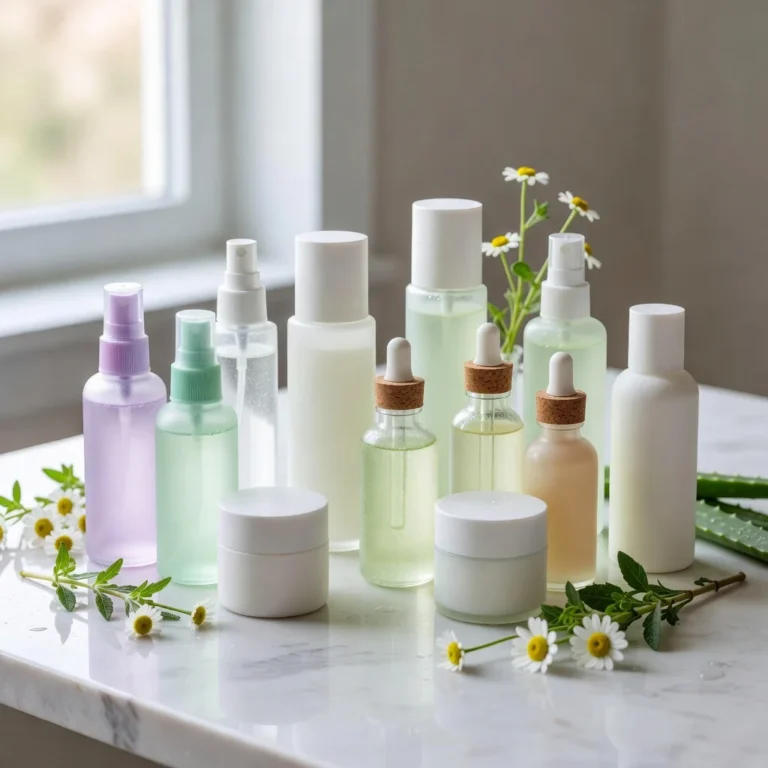
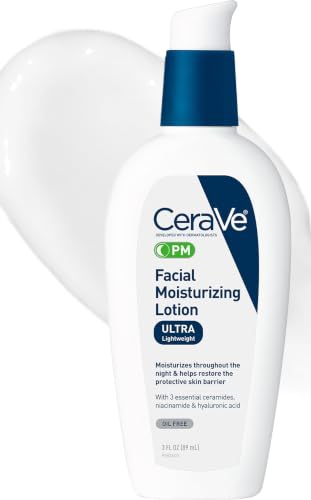
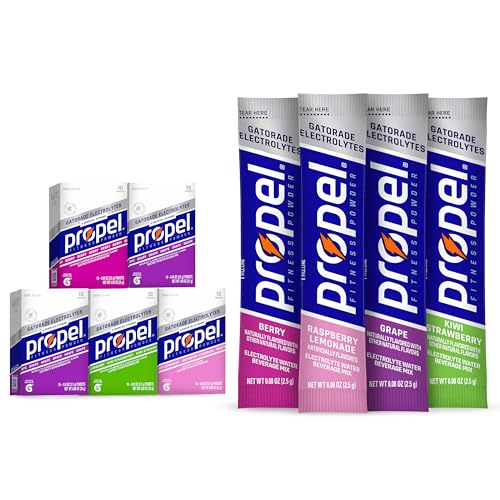
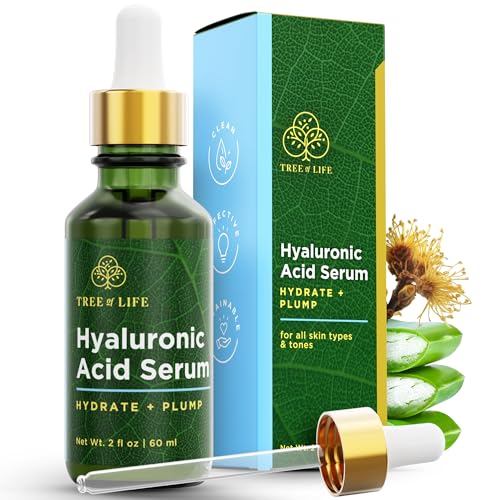
Recommended Products for Dehydrated Skin




What This Covers
- What Water Does in Each Layer of Your Skin
- Dehydrated Skin or Dry Skin?
- A Quick At-Home Check
- Does Drinking More Water Help Your Skin?
- Common Causes of Dehydrated Skin
- How to Rehydrate Dehydrated Skin
- Situations That Make Skin Dehydration Worse
- Dos and Don’ts
- Honest Limits
- When Dehydration Needs a Doctor
- FAQ
- Summing Up
What to Know First
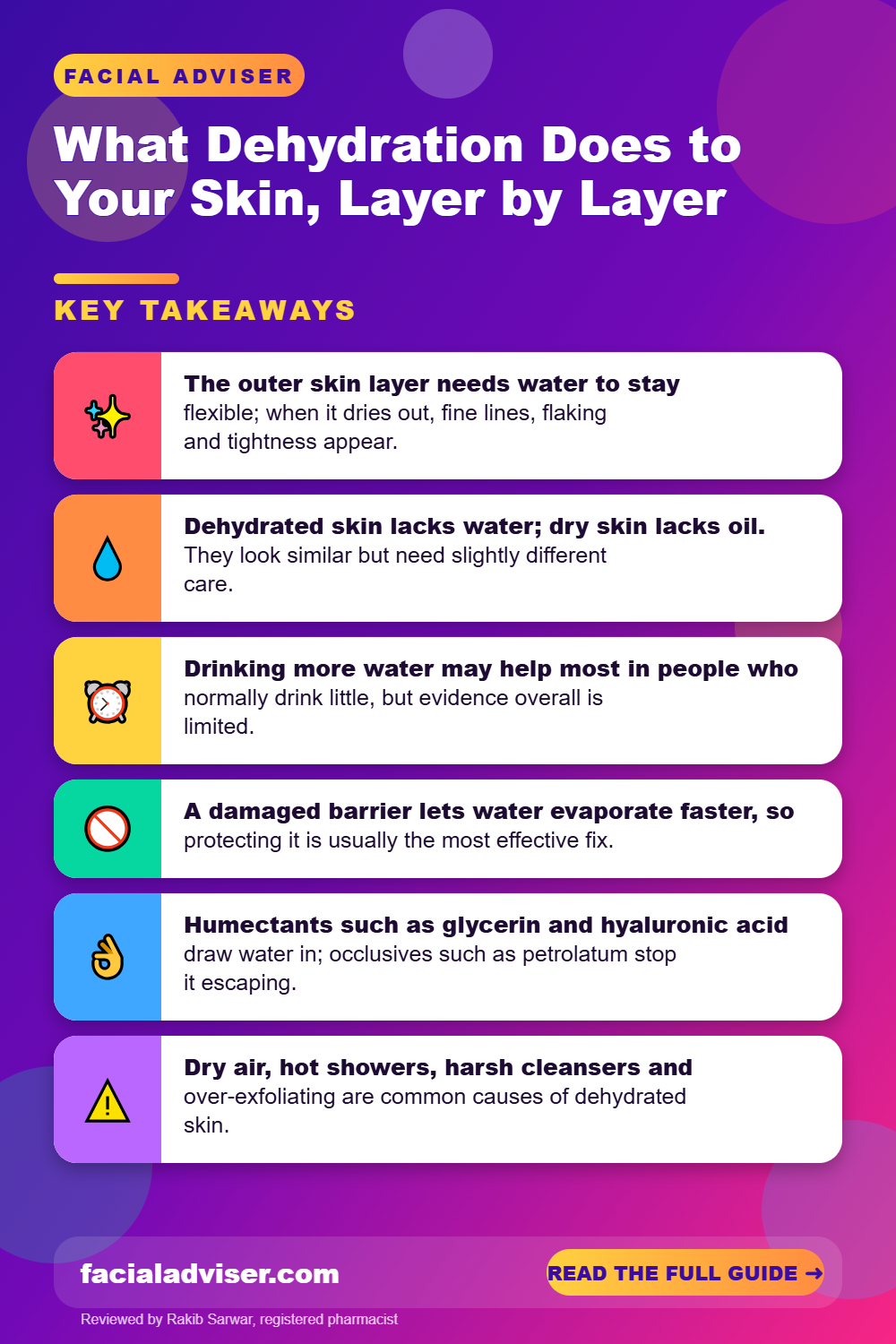
- The outer skin layer needs water to stay flexible; when it dries out, fine lines, flaking and tightness appear.
- Dehydrated skin lacks water; dry skin lacks oil. They look similar but need slightly different care.
- Drinking more water may help most in people who normally drink little, but evidence overall is limited.
- A damaged barrier lets water evaporate faster, so protecting it is usually the most effective fix.
- Humectants such as glycerin and hyaluronic acid draw water in; occlusives such as petrolatum stop it escaping.
- Dry air, hot showers, harsh cleansers and over-exfoliating are common causes of dehydrated skin.
- Signs of real body dehydration such as dizziness, confusion or very little urine need medical attention.
What Water Does in Each Layer of Your Skin
Skin is not one uniform sheet. It has distinct layers, and water behaves differently in each.
| Layer | Role of water | What happens when it is short |
|---|---|---|
| Stratum corneum (outer surface) | Keeps dead skin cells flexible and lets enzymes shed them smoothly | Tightness, flaking, rough texture, fine surface lines |
| Living epidermis | Supports cell function and barrier lipid production | Slower repair, weaker barrier |
| Dermis | Gives volume and bounce through water held by hyaluronic acid and collagen | Skin looks less plump, lines more visible |
| Blood vessels | Deliver water and nutrients to the skin | Paler, duller look in significant body dehydration |
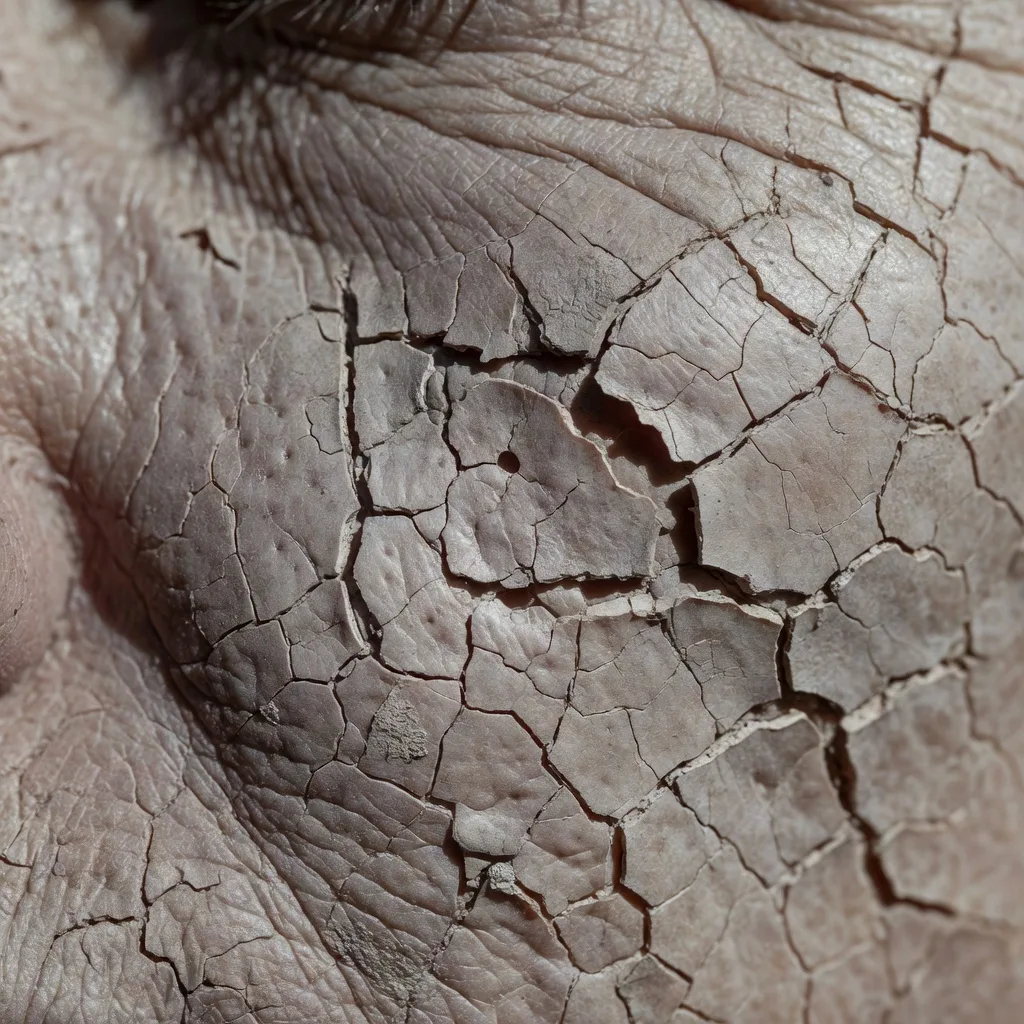
The stratum corneum is the key layer for how your skin looks and feels day to day. It is only a fraction of a millimetre thick, made of flattened cells held together by fats, and it contains natural moisturising factors, a mix of amino acids and salts that hold water inside the cells. When water content drops, the cells shrink and stiffen, the surface becomes uneven and light scatters instead of reflecting, which is why dehydrated skin looks dull.
Because the outer layer is in contact with air, it loses water constantly through evaporation, a process called transepidermal water loss. Healthy skin keeps that loss in check. A damaged barrier lets water escape much faster.
Dehydrated Skin or Dry Skin?
People often use the terms interchangeably, but they describe different problems.
| Feature | Dehydrated skin | Dry skin |
|---|---|---|
| What is missing | Water | Oil (lipids) |
| Skin types affected | Any, including oily | Usually dry or mature skin types |
| Common feel | Tight, but can still be shiny | Rough, flaky, often itchy |
| Fine lines | Many small, crisscross lines that come and go | Less typical unless severe |
| Temporary or long term | Often temporary, linked to habits or weather | Often a long-term skin type |
| Main fix | Humectants and barrier repair | Richer creams, oils and occlusives |
Many people have both, especially in winter. Oily skin can be dehydrated too, often because harsh products used to control oil have stripped the barrier.
A Quick At-Home Check
- Gently pinch a little skin on your cheek. If it forms many fine wrinkles rather than a smooth fold, the surface is likely dehydrated.
- Notice how your skin feels 20 minutes after washing with no products. Tight but not flaky suggests dehydration; tight and flaky suggests dryness as well.
- Look at your makeup at midday. Foundation that clings to fine lines or looks patchy often points to surface dehydration.
- Check whether your skin gets red or stings with products that never bothered you before, a sign of a weakened barrier.
- Check your urine colour. Pale straw is ideal; dark yellow suggests your body needs more fluid.
The classic skin-pinch test that doctors use to judge body dehydration looks at the back of the hand or arm and is unreliable in older adults, whose skin naturally recoils more slowly.
Does Drinking More Water Help Your Skin?
This is where popular advice gets ahead of the science. In a study of 49 healthy women, adding around two litres of water a day for 30 days improved measurements of both surface and deeper skin hydration, with the effect more noticeable in those who usually drank less (Palma et al., 2015).
However, a systematic review that pulled together the available studies found only a handful of relevant trials, most of them small and of limited quality, and concluded that evidence that extra fluid improves skin hydration is weak (Akdeniz et al., 2018).
A sensible reading is this: if you drink very little, drinking more may help your skin a bit, as well as the rest of your body. If you already drink enough, more water is unlikely to change your skin much, because the outer layer depends more on its barrier and the environment than on how much you drink.
Aim to drink regularly through the day rather than forcing large amounts at once. Water-rich foods such as fruit, vegetables and soups count too.
Common Causes of Dehydrated Skin
- Low humidity: heated indoor air in winter and air conditioning in summer pull water from the skin.
- Hot showers and long baths: hot water dissolves some of the fats that hold the barrier together.
- Harsh cleansers: high-foaming, high-pH or alcohol-heavy products strip lipids.
- Over-exfoliation: frequent acids, scrubs or retinoid overuse thin and irritate the outer layer.
- Sun and wind: both damage the barrier and speed up water loss.
- Low fluid intake, alcohol and illness: fever, vomiting, diarrhoea and heavy drinking can reduce body water and show in the skin.
- Ageing: older skin makes fewer natural moisturising factors and barrier fats.
How to Rehydrate Dehydrated Skin
Switch to a gentle cleanser
Use a low-foaming, fragrance-free cleanser once or twice a day, with lukewarm water.
Apply a humectant on damp skin
Hyaluronic acid, glycerin or panthenol draw water into the surface layer. Apply within a minute of washing.
Seal it in
Follow with a moisturiser containing ceramides, fatty acids or cholesterol, and for very dehydrated skin a thin layer of an occlusive such as petrolatum at night.
Pause the actives
Cut back on exfoliating acids and retinoids for a week or two while the barrier recovers, then reintroduce slowly.
Fix the air
Use a humidifier in the bedroom during dry months and keep showers short and warm, not hot.
Drink steadily
Keep fluids up across the day, especially in heat, during exercise or when unwell.
Situations That Make Skin Dehydration Worse
Dehydrated skin often follows a pattern, and spotting yours makes it easier to get ahead of it.
| Situation | Why skin suffers | What helps |
|---|---|---|
| Winter heating | Very low indoor humidity speeds water loss | Humidifier, richer night cream, shorter showers |
| Air travel | Cabin humidity is often very low | Moisturise before boarding, drink water, skip alcohol |
| Hot weather and exercise | Sweating loses body water; sun damages the barrier | Drink regularly, rinse sweat off, use sunscreen |
| After illness | Fever, vomiting or diarrhoea deplete body fluid | Rehydrate first; keep skincare gentle |
| Starting a retinoid or acid | Speeds cell turnover and irritates the barrier | Introduce slowly and buffer with moisturiser |
Dos and Don’ts
Try This
- Moisturise straight after washing, while skin is damp
- Use sunscreen every day
- Choose fragrance-free products while the barrier heals
- Run a humidifier in very dry rooms
- Pay attention to your urine colour as a hydration guide
Avoid This
- Use hot water on your face
- Layer multiple exfoliating products
- Rely only on facial mists, which can evaporate and leave skin drier
- Assume oily skin cannot be dehydrated
- Drink excessive amounts of water in a short time
Honest Limits
No product permanently changes how much water your skin holds. Moisturisers work while they are on the skin, which is why consistency matters more than any single hero ingredient. Hyaluronic acid serums can make skin look plumper within minutes, but in very dry air they can pull water from deeper layers if they are not sealed in with a moisturiser.
Some fine lines that look like dehydration are actually sun damage or ageing. If lines do not soften after a few weeks of better hydration, they are probably structural and need different approaches such as retinoids and daily sun protection.
It is also worth being wary of products that promise to hydrate from the inside out, such as expensive hydration supplements or collagen drinks marketed for moisture. Evidence for these is limited, and a basic moisturiser and a glass of water will usually do more for less money.
Drinking very large volumes of water in a short time can dangerously lower blood sodium levels. More is not always better; drink to thirst and adjust for heat, exercise and illness.
When Dehydration Needs a Doctor
Most dehydrated skin is a cosmetic nuisance. Body dehydration, however, can be serious, especially in babies, older adults and people who are unwell. The NHS lists signs such as feeling thirsty, a headache, feeling light-headed, dark yellow and strong-smelling pee, peeing less often than usual, and a dry mouth, lips and tongue (NHS). Get urgent help for:
- Confusion, extreme drowsiness or fainting
- Blue, grey, pale or blotchy skin, lips or tongue, or skin that feels cold
- A fast heartbeat or fast breathing
- Sunken eyes with very dry mouth and skin, especially in a child or older person
- Vomiting or diarrhoea that stops you keeping fluids down
See a doctor or dermatologist, too, if your skin stays dry, cracked or itchy despite good care, as conditions such as eczema, psoriasis or an underactive thyroid can be involved.
This article is for general information and is not a substitute for medical advice. If you are unwell, have a medical condition that affects fluid balance, or are unsure how much you should drink, speak to a doctor.
FAQ
How can I tell if my skin is dehydrated?
Tightness, dullness, fine crisscross lines and makeup that settles into lines are common signs. Skin can still be oily.
Does drinking water hydrate your skin?
It may help if you normally drink little, but evidence is limited. Barrier care and moisturisers usually make a bigger difference.
How much water should I drink for good skin?
There is no skin-specific amount. Drink regularly through the day and aim for pale straw-coloured urine.
What is the difference between dehydrated and dry skin?
Dehydrated skin lacks water; dry skin lacks oil. Many people have both.
Is hyaluronic acid good for dehydrated skin?
Yes, when applied to damp skin and sealed with a moisturiser.
Can oily skin be dehydrated?
Yes. Harsh oil-control products often strip the barrier, leaving skin both oily and dehydrated.
How long does it take to fix dehydrated skin?
With gentle care, many people notice improvement within a few days to two weeks.
Do facial mists hydrate skin?
Only briefly. Without a moisturiser on top, the water evaporates and can leave skin feeling tighter.
Does coffee dehydrate your skin?
Moderate coffee intake does not meaningfully dehydrate the body. Very high intake with little water may contribute.
Can dehydration cause wrinkles?
It makes existing fine lines more visible temporarily. Permanent wrinkles are mainly caused by sun exposure and ageing.
Summing Up
Dehydration shows up first in the outermost layer of your skin, where water keeps cells flexible and the surface smooth. When that layer dries out, you see tightness, dullness and fine lines, and skin becomes more reactive. Drinking enough water is sensible, and may help if you usually drink very little, but it is rarely the whole answer.
The most reliable fixes happen on the surface: a gentle cleanser, a humectant on damp skin, a moisturiser to seal it in, less hot water, fewer harsh actives and more humid air. If you have signs of real body dehydration, such as dizziness, confusion or very little urine, get medical help rather than reaching for a serum.

Written by
Registered pharmacist and founder of Facial Adviser. Rakib's pharmacy training covers how skincare actives work and interact; a later course in cosmetology turned that into a focus on facial treatments and skincare products. He plans, researches and edits every guide on the site and checks health claims against sources such as the American Academy of Dermatology, the FDA and the NIH. He is not a dermatologist; see the Editorial Policy and Medical Disclaimer.
About · Editorial policy · How we choose products · Medical disclaimer · Contact
Keep reading: Diet, sleep, stress and skin
- How Diet Impacts the Skin Microbiome: What the Science Actually Shows
- How Smoking Affects the Tiny Blood Vessels in Your Face
- Does Air Pollution Age Your Face? What Studies Show
- Can Your Mouth Affect Your Face? Oral Health and Facial Inflammation
- Does Omega-3 Give You Glowing Skin? What the Evidence Says
- How to Boost Facial Circulation Naturally (and What Actually Works)