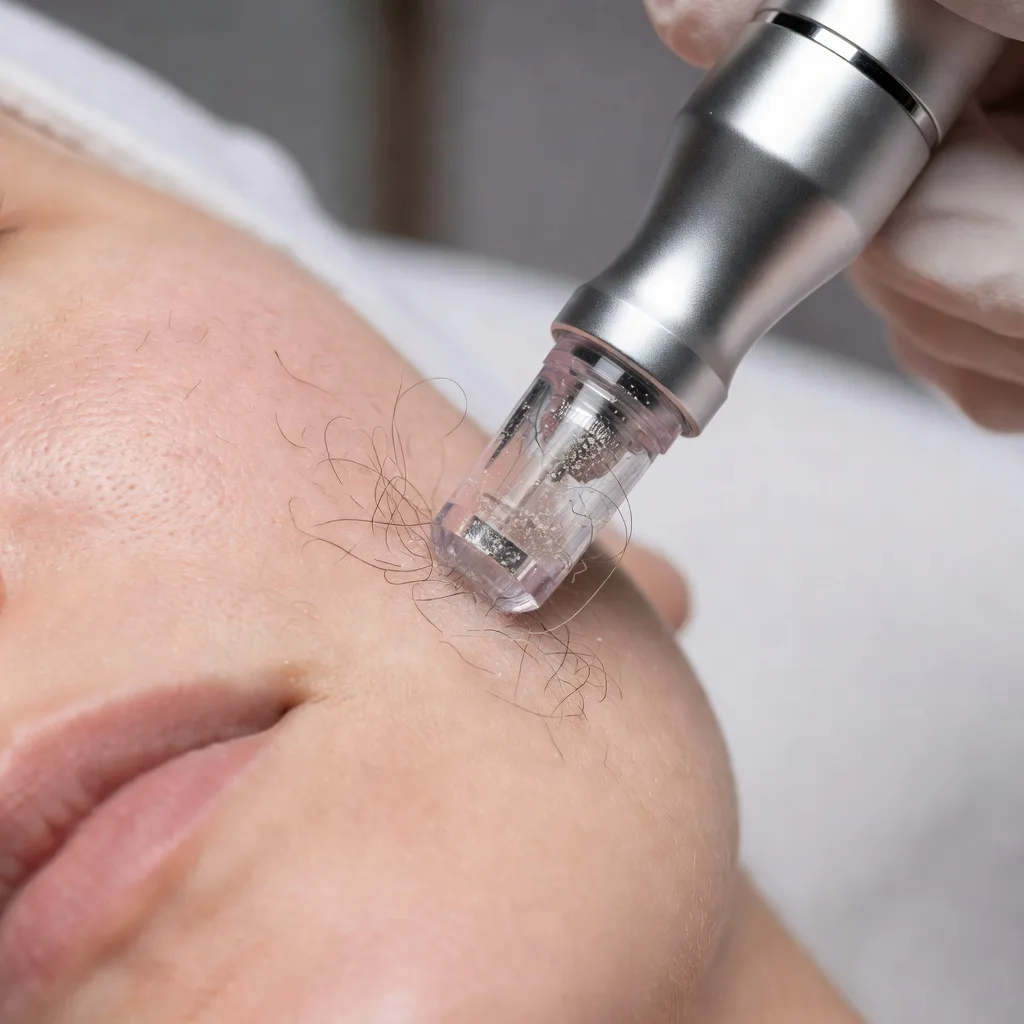
Does Microdermabrasion Remove Hair? The Real Answer
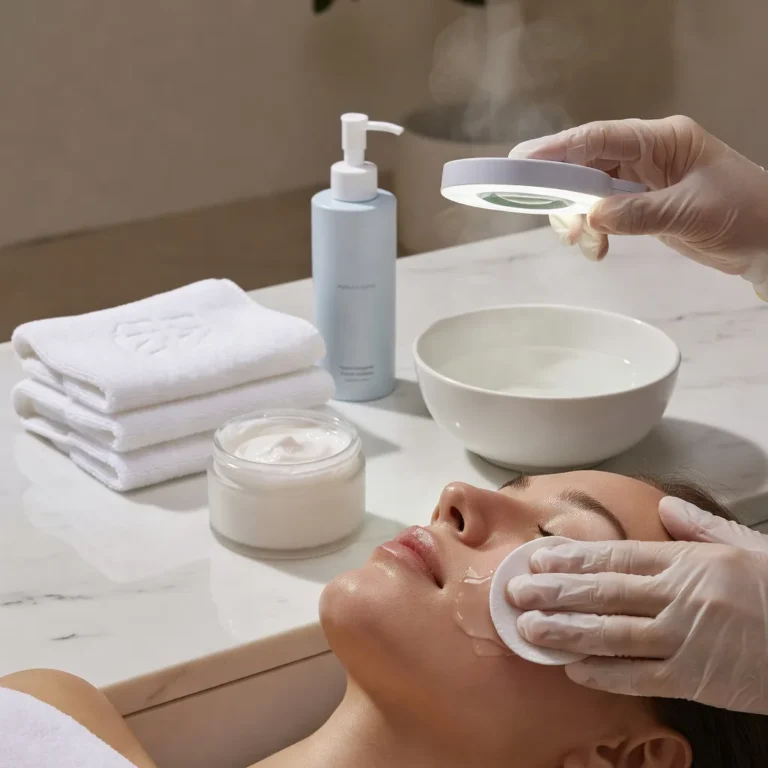
Does microdermabrasion remove hair is a question that comes up because plenty of people notice their peach fuzz looking less visible right after a session, a real observation with a different explanation than hair removal.
Part of our guide to facial treatments. Start with: Ultimate Guide Microdermabrasion: What to Know
Microdermabrasion works entirely through abrasion and suction on the outermost dead-skin layer, it never reaches the hair follicle sitting in the dermis below, so it has no physical mechanism to remove, thin, or thicken hair. The smoother texture it leaves behind makes fine vellus hair lie flatter against skin, a genuine but temporary optical effect that fades within one to two weeks.
Dermaplaning is the treatment that actually cuts hair, using a blade at a shallow angle, and it’s frequently confused with microdermabrasion because spa menus sometimes bundle both steps into one appointment and label the combined result as a single service.
This guide covers why the illusion happens, the real difference between microdermabrasion and dermaplaning, the genuine connection to preventing ingrown hairs, and which treatment actually fits your goal.
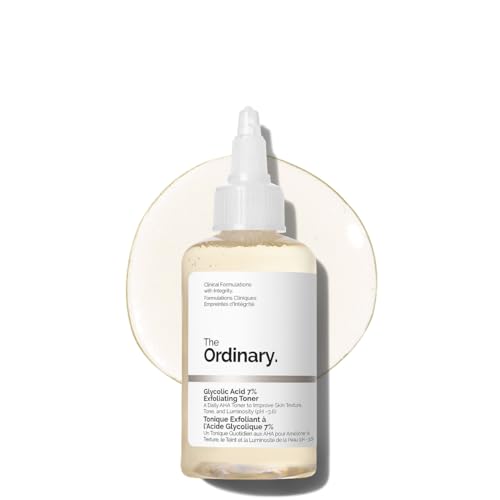
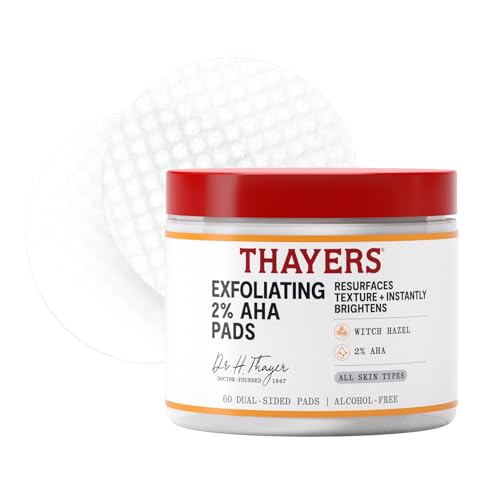
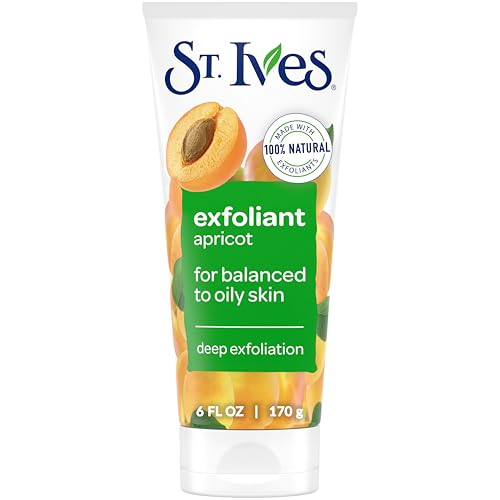
Recommended Products for Exfoliation and Texture



Key Takeaways
- No, microdermabrasion cannot remove, thin, or thicken facial hair, it physically cannot reach the hair follicle.
- Microdermabrasion only abrades the outermost stratum corneum, a few dozen microns thick; hair follicles sit much deeper in the dermis.
- Dermaplaning, a different treatment using a surgical blade, does remove vellus hair, which is why the two get confused.
- The “peach fuzz looks reduced” perception after microdermabrasion is a real but temporary optical effect from smoother skin, not actual hair removal.
- Microdermabrasion’s genuine, defensible connection to hair is indirect: it can help prevent ingrown hairs by clearing the dead-skin buildup that traps hair shafts.
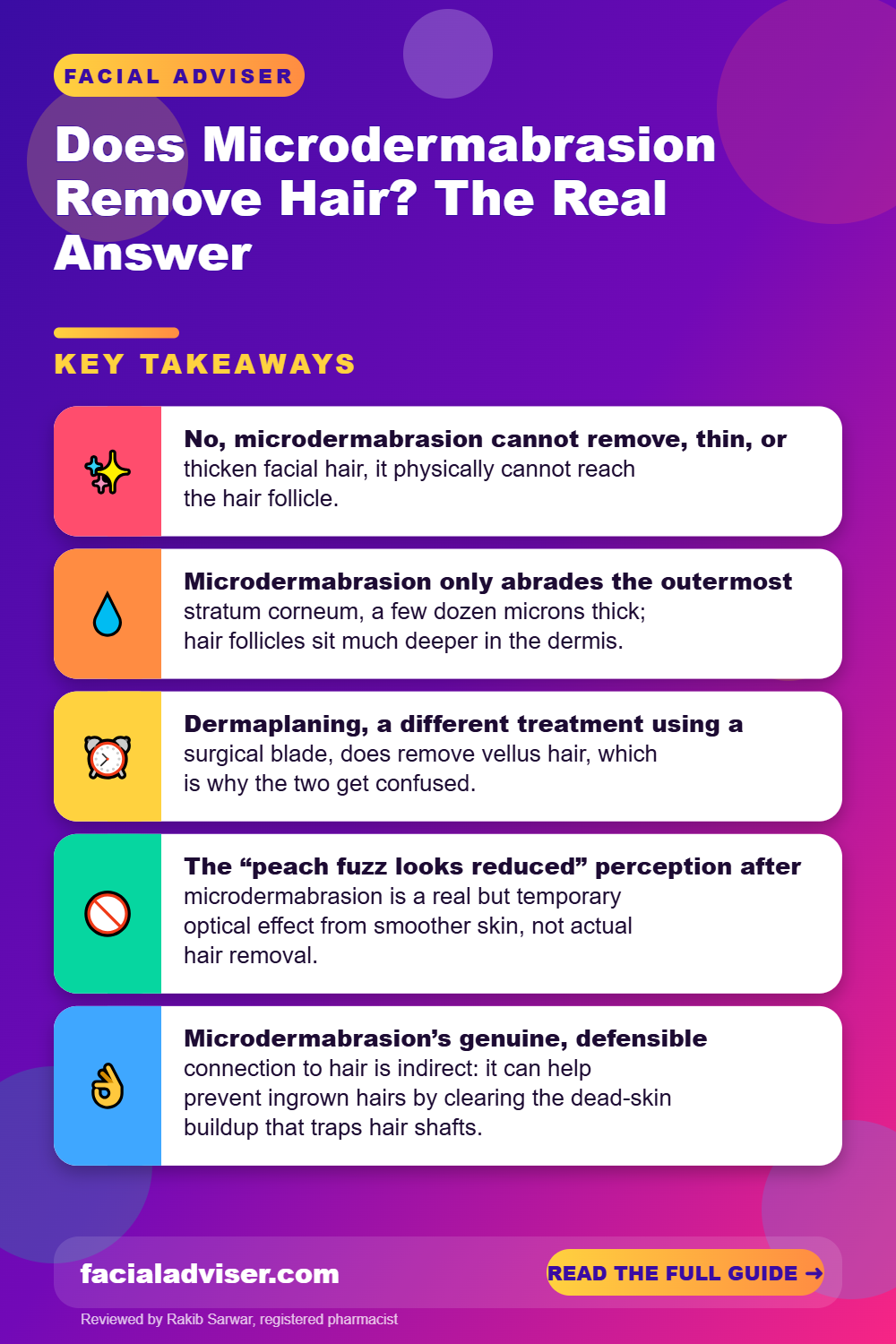
Table of Contents
- The Short Answer
- Why It Can’t Reach Hair Follicles
- Microdermabrasion vs. Dermaplaning
- The Optical Illusion Behind “Less Fuzz”
- Does Hair Grow Back Thicker After Any Exfoliation?
- Why This Question Gets Searched So Often
- Comparing Real Hair-Related Options
- The Real Connection: Ingrown Hairs
- Contraindications Worth Knowing
- At-Home Devices Follow the Same Physics
- Do This, Not That
- Choosing the Right Treatment for Your Actual Goal
- When to See a Dermatologist
- Frequently Asked Questions
- The Bottom Line
The Short Answer
No, microdermabrasion does not remove facial hair, and it has no mechanism by which it could. It’s a mechanical exfoliation treatment that abrades and vacuums away only the outermost layer of dead skin cells, using either aluminum-oxide crystals, sodium bicarbonate crystals, or a diamond-tipped wand with suction. That layer, the stratum corneum, is a few dozen microns thick. Hair follicles and the dermal papilla that feeds them sit much deeper, in the dermis and subcutaneous tissue, well below anywhere a microdermabrasion device physically reaches.
Shopping these picks?
Amazon Prime members get fast, free shipping on eligible items, plus Prime Video, Amazon Music and member deals. New members can start with a free trial.
Start a free Prime trialAged 18 to 24? Prime for Young Adults comes with a longer free trial and a lower price after it.
Affiliate link: we may earn a commission at no extra cost to you.
Why It Can’t Reach Hair Follicles
| Structure | Approximate Depth | Does Microdermabrasion Reach It? |
|---|---|---|
| Stratum corneum | 10-40 microns | Yes, this is the target layer |
| Rest of epidermis | Up to ~100 microns | Minimally, surface only |
| Dermis (where follicles anchor) | 1-4 millimeters | No |
| Hair follicle and dermal papilla | Within the dermis/subcutis | No |
Because the device’s abrasive action never gets past the outer epidermis, there’s no plausible way it could damage, remove, or otherwise affect the hair growth structures sitting millimeters below. This same shallow-depth limitation is true whether you’re comparing crystal, diamond-tip, or the newer hydrodermabrasion variants, none of them are built to reach past the outer skin layer.
Microdermabrasion vs. Dermaplaning
The confusion largely comes from a genuinely different treatment: dermaplaning uses a surgical scalpel held at a shallow angle to physically shave off both dead skin cells and vellus hair (fine, unpigmented “peach fuzz”) in the same pass. Dermaplaning really does remove hair, functionally similar to shaving, because a blade at the right angle can cut through hair shafts sitting at the skin’s surface. Microdermabrasion’s crystal or diamond-tip mechanism has no cutting edge and works entirely through abrasion and suction, which is why it can polish skin texture without touching hair at all.
The Optical Illusion Behind “Less Fuzz”
Quick note: people who feel their facial hair looks less noticeable after a microdermabrasion session aren’t imagining the visual change, they’re just misattributing the cause. Smoother, more evenly textured skin makes vellus hair lie flatter against the surface, creating a genuine but temporary optical effect. That effect reverses within one to two weeks as normal skin-cell turnover restores the skin’s usual texture, not because the hair itself changed.
Does Hair Grow Back Thicker After Any Exfoliation?
No, and this mirrors a much better-documented myth about shaving specifically. Mayo Clinic states plainly that shaving hair doesn’t change its thickness, color, or rate of growth, and explains that the “grows back thicker” perception comes from the blunt-cut tip of regrowing hair, which can look and feel coarser or darker during the early stages of regrowth even though the hair itself hasn’t structurally changed. Since microdermabrasion never even touches the hair shaft or follicle, there’s even less basis for it to change hair thickness in either direction.
The Real Connection: Ingrown Hairs
Worth trying: microdermabrasion’s genuine, defensible connection to hair isn’t removal, it’s prevention of ingrown hairs. By clearing away the dead-skin buildup that can trap a hair shaft under the surface as it tries to grow out, regular gentle exfoliation reduces one of the real mechanical causes of ingrown hairs, particularly in areas that get waxed, shaved, or threaded regularly. This is a real, mechanism-based benefit, distinct from and much narrower than “removes hair.”
Ingrown hairs happen mechanically: a hair shaft, especially one cut at an angle by shaving or weakened at the root by waxing or threading, can curl back into the follicle opening or get physically blocked by a plug of dead skin cells sitting over the pore. People with naturally curly or coarse hair are more prone to this because the hair itself is more likely to curve back into the skin as it regrows. Regular gentle exfoliation, whether from professional microdermabrasion or a milder at-home scrub or chemical exfoliant, addresses the dead-skin-plug half of that equation directly, which is a real, if partial, preventive measure rather than a cure for hair that’s genetically prone to curling.
Why This Question Gets Searched So Often
Part of the confusion traces back to how loosely “microdermabrasion” gets used as an umbrella marketing term. Some spa menus bundle a microdermabrasion pass together with a separate dermaplaning or waxing step in the same appointment and call the combined result “microdermabrasion,” so people walk out with genuinely less visible facial hair and reasonably credit the wrong step. Others simply search “does microdermabrasion remove hair” while actually trying to solve the ingrown-hair or dull-texture problem covered above, without realizing hair removal and exfoliation are separate goals with separate tools.
Laser hair removal adds another layer of mix-up: it’s sometimes described casually as a “resurfacing” or “skin-smoothing” treatment in marketing copy, which can make it sound closer to microdermabrasion than it actually is. Laser hair removal targets melanin in the hair follicle with a specific wavelength of light to damage the follicle’s ability to regrow hair, a completely different mechanism from mechanical abrasion, and one of the few treatments that does produce lasting hair reduction over multiple sessions.
Comparing Real Hair-Related Options
| Method | Actually Removes Hair? | Duration of Effect |
|---|---|---|
| Microdermabrasion | No | N/A, not a hair treatment |
| Dermaplaning | Yes, vellus hair | Days to a couple weeks, like shaving |
| Waxing/threading | Yes, terminal hair | 2-4 weeks typically |
| Laser hair removal | Yes, targets the follicle directly | Long-term reduction over multiple sessions |
Seeing these side by side makes the mismatch clear: microdermabrasion is the only option on this list with zero hair-removal mechanism, which is exactly why pairing it with the wrong expectation leads to disappointment that has nothing to do with the treatment being done poorly.
Contraindications Worth Knowing
Worth flagging: proceeding with microdermabrasion, crystal or diamond-tip, over an active rosacea flare, active inflammatory acne, a cold sore, or sunburned or broken skin risks a genuinely worse flare-up or a longer recovery, not just a wasted session. Recent isotretinoin use carries the same caution, standard dermatologic practice recommends waiting roughly six months, since the skin’s healing capacity is measurably reduced during and shortly after treatment.
Standard contraindications for microdermabrasion, regardless of whether hair removal is the goal, include active inflammatory or cystic acne, active cold sores or warts, an active rosacea flare, sunburned or broken skin, and recent isotretinoin use, commonly a six-month waiting period in standard dermatologic practice. Crystal-based devices also aerosolize fine particles, a practitioner-side inhalation and eye-exposure consideration that diamond-tip devices avoid.
At-Home Devices Follow the Same Physics
At-home microdermabrasion kits, whether crystal-free diamond-tip wands or simple exfoliating pads, work through the identical shallow mechanism as an in-office treatment, just gentler and lower-powered. That means the same conclusion applies regardless of where the device was purchased or how strong its marketing claims sound: no at-home microdermabrasion tool reaches deep enough to affect hair, and any product claiming otherwise is describing a mechanism the device doesn’t actually have.
Do This, Not That
Do
- Use dermaplaning if visible vellus hair removal is your actual goal
- Use regular gentle exfoliation to help prevent ingrown hairs in waxed or shaved areas
- Expect microdermabrasion’s real benefits to be texture and mild pigmentation, not hair
Don’t
- Book microdermabrasion expecting facial hair removal
- Assume hair will grow back thicker or thinner after any exfoliating treatment
- Use crystal microdermabrasion during an active rosacea flare or on broken skin
Choosing the Right Treatment for Your Actual Goal
Identify what you’re actually trying to solve
Visible peach fuzz, ingrown hairs, and dull texture are three different problems with three different real solutions.For visible vellus hair removal, choose dermaplaning
It’s the treatment that actually cuts hair, not microdermabrasion.For coarser, terminal hair, choose waxing, threading, or laser
These target hair through mechanisms microdermabrasion doesn’t have.For ingrown hairs, gentle regular exfoliation genuinely helps
Microdermabrasion or a milder at-home exfoliant can reduce buildup that traps hair shafts.For texture and mild pigmentation, microdermabrasion is the right tool
Just not for hair, of any kind.
When to See a Dermatologist
See a dermatologist or skin specialist if you’re dealing with persistent ingrown hairs, unusual hair growth changes, or skin irritation from any hair-removal method, since a proper diagnosis can rule out folliculitis or other conditions that look similar but need different treatment.
Frequently Asked Questions
Does microdermabrasion remove facial hair?
No; it only abrades the outermost dead-skin layer and never reaches the hair follicle, so it has no mechanism to remove hair.
Why does my facial hair look less noticeable after microdermabrasion?
Smoother skin makes vellus hair lie flatter, a real but temporary optical effect that fades within one to two weeks.
What treatment actually removes vellus hair?
Dermaplaning, which uses a blade at a shallow angle, physically cuts vellus hair along with dead skin.
Does hair grow back thicker after microdermabrasion?
No; since the treatment never touches the hair follicle or shaft, it can’t change hair thickness in either direction.
Can microdermabrasion help with ingrown hairs?
Yes, indirectly, by clearing dead-skin buildup that traps hair shafts under the surface, which is a real, mechanism-based benefit distinct from hair removal.
Is microdermabrasion the same as dermaplaning?
No; dermaplaning uses a blade and does remove hair, while microdermabrasion uses abrasion and suction and doesn’t touch hair at all.
Can I get microdermabrasion during a rosacea flare?
No; active rosacea flares are a standard contraindication for microdermabrasion.
How deep does microdermabrasion actually go?
Only into the stratum corneum, a few dozen microns thick, far shallower than the dermis where hair follicles anchor.
What should I use instead if I want less facial hair?
Dermaplaning for fine vellus hair, or waxing, threading, or laser hair removal for coarser terminal hair.
Is it safe to get microdermabrasion after isotretinoin?
Standard practice recommends waiting about six months after isotretinoin before microdermabrasion.
The Bottom Line
Microdermabrasion cannot remove, thicken, or thin facial hair, its abrasive mechanism never reaches the hair follicle at all. If visible peach fuzz is the actual concern, dermaplaning is the treatment built for that; if ingrown hairs are the concern, microdermabrasion’s real, if indirect, benefit of clearing surface buildup is genuinely worth using.

Written by
Registered pharmacist and founder of Facial Adviser. Rakib's pharmacy training covers how skincare actives work and interact; a later course in cosmetology turned that into a focus on facial treatments and skincare products. He plans, researches and edits every guide on the site and checks health claims against sources such as the American Academy of Dermatology, the FDA and the NIH. He is not a dermatologist; see the Editorial Policy and Medical Disclaimer.
About · Editorial policy · How we choose products · Medical disclaimer · Contact
Keep reading: Microdermabrasion and diamond peel
- Microdermabrasion Facial: What the Evidence Shows
- Oxygen Facial vs Microdermabrasion: Real Comparison
- Microdermabrasion Aftercare, Explained Simply
- Ultimate Guide Microdermabrasion: What to Know
- Does Microdermabrasion Work on Closed Comedones?
- Microneedling Facial: Real Results, Explained
- Is Hydrafacial a Gimmick? What Evidence Shows