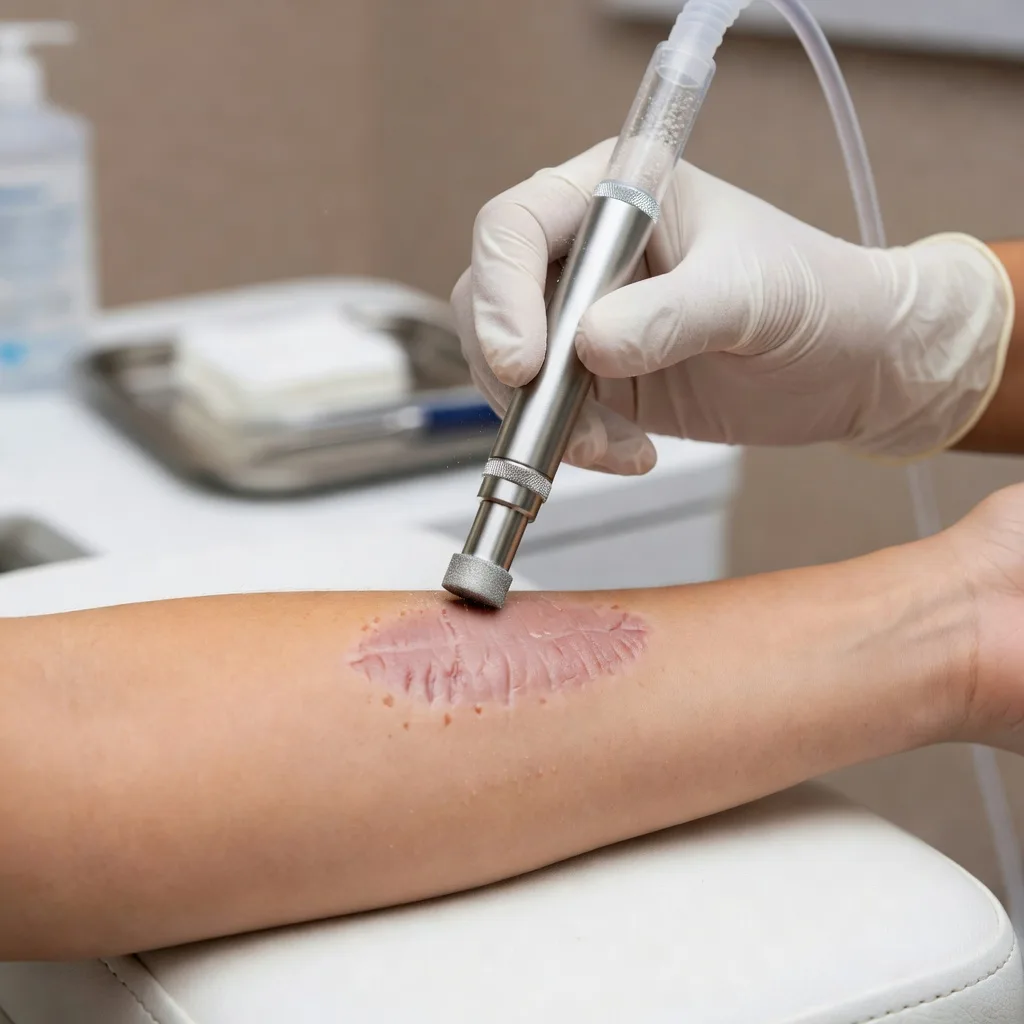
Can Diamond Peel Remove Scars? Real Answer
Can diamond peel remove scars, the way plenty of spa marketing implies? No, not in any meaningful way for true atrophic acne scarring, and the reason comes down to a basic mismatch between where the treatment reaches and where the actual damage lives.
Part of our guide to facial treatments. Start with: Ultimate Guide Microdermabrasion: What to Know
Diamond-tip microdermabrasion only abrades the outermost dead-skin layer, while atrophic acne scars are structural collagen deficits sitting in the dermis, well below what any wand physically touches. That gap between mechanism and problem is the honest starting point for this whole topic.
A direct split-scar comparison study, real evidence rather than marketing language, found that even true dermabrasion, deeper than diamond-tip microdermabrasion, needed more sessions and caused more side effects than fractional laser to reach the same result.
This guide covers exactly why the mismatch exists, what diamond peel is genuinely useful for instead, and which real, evidence-backed treatments actually work for each specific scar shape.
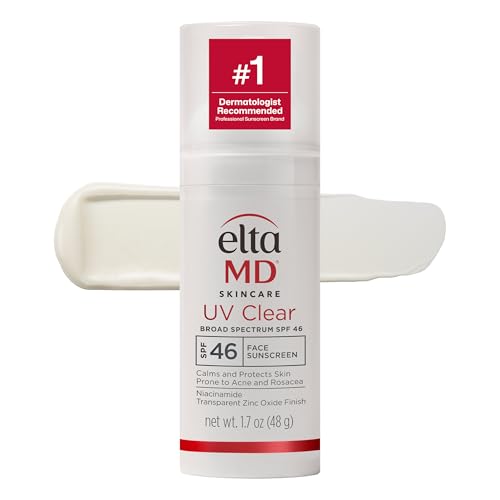
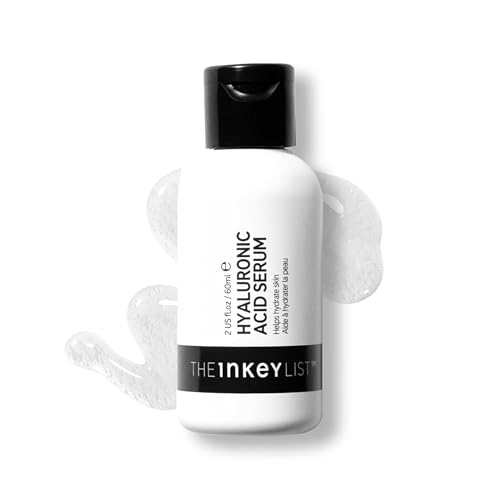
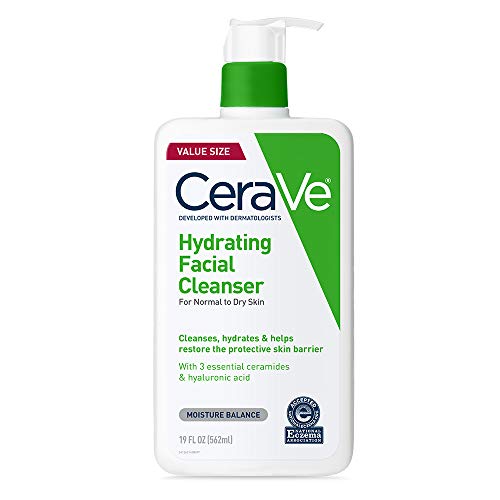
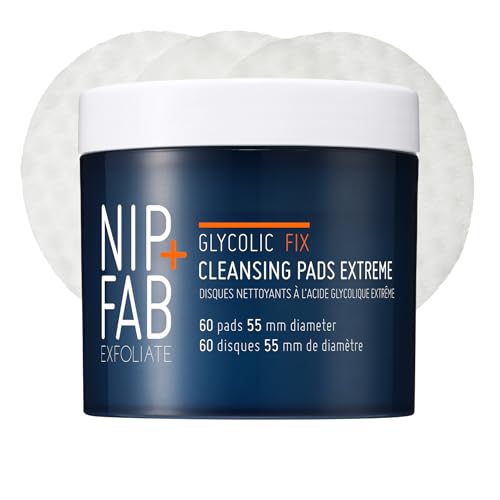
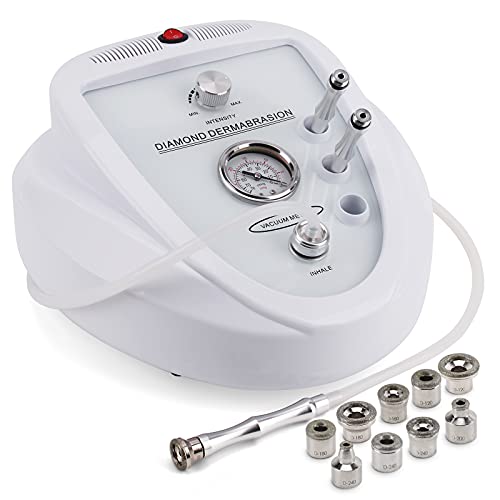
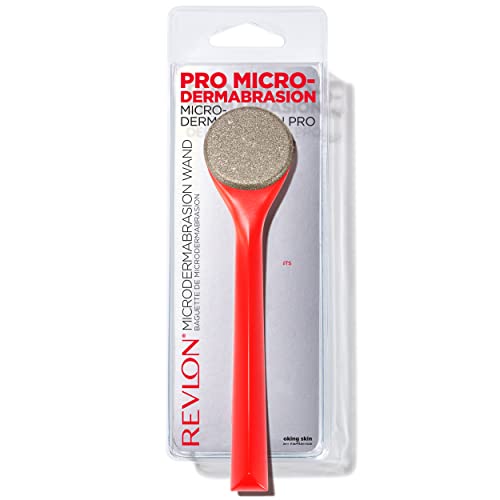
Recommended At-Home Diamond Peel Tools and Scar Care

Key Takeaways
- Diamond peel only abrades the outermost dead-skin layer; true atrophic acne scars are structural collagen deficits sitting in the dermis, well below where the wand reaches.
- A direct split-scar study found even true dermabrasion, deeper than diamond-tip microdermabrasion, needed more sessions and caused more side effects than fractional laser to reach equivalent results.
- A major dermatology society’s own page on microdermabrasion for acne scars lists eight more invasive options and never quantifies improvement, a telling absence.
- Real evidence-backed scar treatments include subcision, microneedling, TCA CROSS, fractional lasers, and tissue augmentation, each matched to a specific scar shape.
- Diamond peel does have one legitimate, adjacent use: fading post-inflammatory hyperpigmentation, which is a pigment problem, not a structural scar.
- Hypertrophic and keloid scars are the opposite problem, excess collagen, not a deficit, and need an entirely different treatment category.
Table of Contents
- Can a Diamond Peel Actually Remove Scars?
- Why the Mechanism Doesn’t Match the Problem
- What the Direct Evidence Shows
- Where Diamond Peel Actually Ranks
- Why Marketing Conflates the Two
- What Actually Has Evidence, by Scar Type
- Hypertrophic and Keloid Scars: a Different Problem
- Do This, Not That
- How to Actually Approach Scar Treatment
- When to See a Dermatologist
- Frequently Asked Questions
- The Bottom Line
Can a Diamond Peel Actually Remove Scars?
No, not in any meaningful way for true acne scarring. A diamond peel, mechanical exfoliation using a diamond-coated wand, only reaches the outermost dead-skin layer, while atrophic acne scars are structural collagen defects sitting in the dermis, well below what the wand physically touches. It’s one of the most common mismatches between what a treatment is marketed to do and what its actual mechanism can reach.
Shopping these picks?
Amazon Prime members get fast, free shipping on eligible items, plus Prime Video, Amazon Music and member deals. New members can start with a free trial.
Start a free Prime trialAged 18 to 24? Prime for Young Adults comes with a longer free trial and a lower price after it.
Affiliate link: we may earn a commission at no extra cost to you.
This guide walks through exactly why that mismatch exists, what the real evidence shows for scar treatments that do work, and the one thing diamond peel is genuinely useful for that gets confused with “removing scars.”
Why the Mechanism Doesn’t Match the Problem
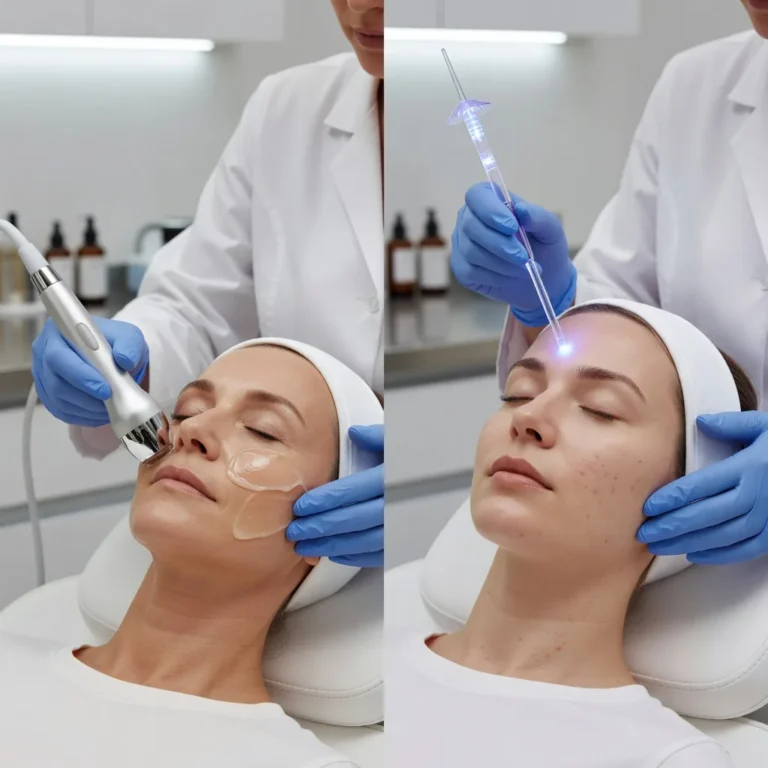
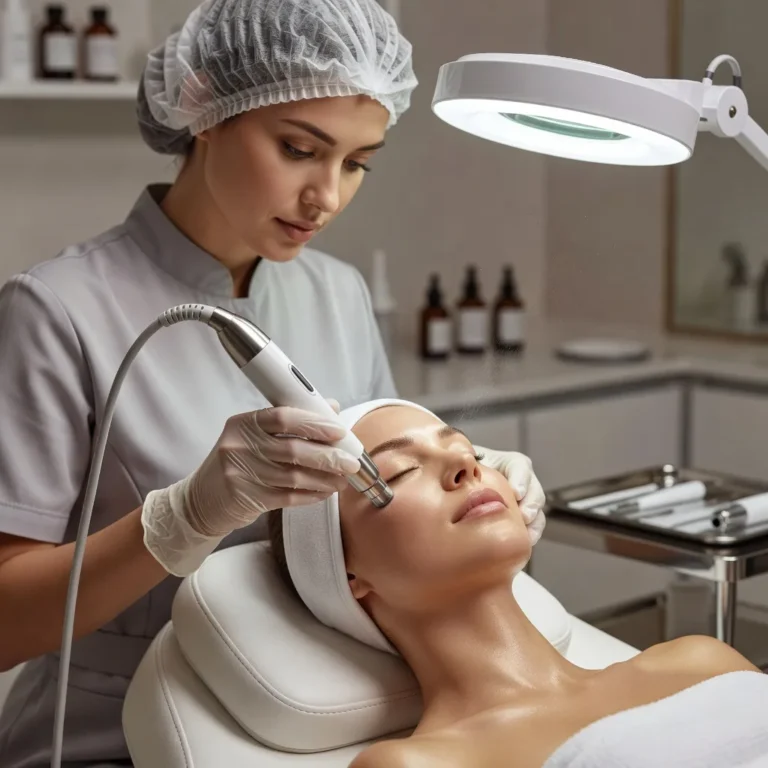
Diamond-tip microdermabrasion works by mechanically abrading the stratum corneum, the outermost, already-dead layer of the epidermis, described in the dermatology literature as producing “a series of microlacerations.” That’s a genuinely superficial mechanism.
Atrophic acne scars, the depressed, pitted scars most people mean when they ask about “acne scars,” come in three recognized shapes: icepick (narrow and deep), boxcar (wider with defined edges), and rolling (broad with sloping edges). All three are structural collagen deficits in the dermis, tissue that was lost or restructured during the original inflammatory injury. That tissue sits well below where a diamond-tip wand can physically reach, which is the entire reason mechanical exfoliation is fundamentally mismatched to the problem for anything beyond the most superficial textural complaint.
What the Direct Evidence Shows
A split-scar study, meaning the same patient had different treatment zones directly compared, tested diamond-fraise dermabrasion against fractional CO2 laser. Two laser treatments produced equivalent improvement to the dermabrasion arm, but with significantly fewer adverse events. This matters because true dermabrasion reaches deeper than diamond-tip microdermabrasion does, so if even the deeper method needed more sessions and caused more side effects than laser to match results, diamond-tip microdermabrasion’s real-world scar effect would reasonably be expected to be smaller still.
A major dermatology society’s own page on microdermabrasion for acne scars is notably thin on outcome data: it only claims the treatment “removes the uppermost layer of skin” for “a smoother skin texture,” and lists eight other, more invasive scar-treatment options, never quantifying an improvement percentage for microdermabrasion itself. A separate evidence review of acne scar management, covering roughly 30 studies of real treatments, doesn’t mention microdermabrasion at all as a studied modality for atrophic scarring, an absence that’s itself telling about where the evidence actually points.
Where Diamond Peel Actually Ranks
| Claim | What the evidence actually shows |
|---|---|
| “Diamond peel removes acne scars” | Not supported; the mechanism doesn’t reach the dermal tissue where scarring lives |
| “Diamond peel fades post-inflammatory hyperpigmentation” | Reasonable; PIH is an epidermal/superficial-dermal pigment issue that responds to accelerated turnover |
| “Diamond peel smooths mild surface texture” | Genuine, temporary effect within the mechanism’s actual reach |
Note: The honest ranking for atrophic acne scarring is that diamond peel has essentially no meaningful role beyond very mild surface textural irregularity, or as a prep step before a real corrective procedure. Its one legitimate, adjacent use is fading post-inflammatory hyperpigmentation, a pigment problem, which is genuinely different from a structural scar and shouldn’t be conflated with “removing scars.”
Why Marketing Conflates the Two
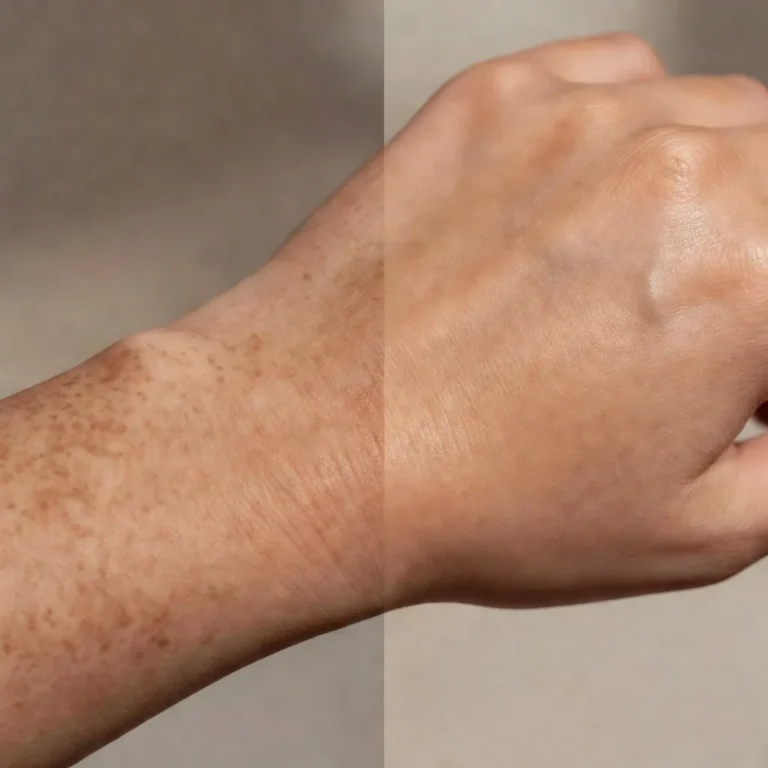
The confusion between “fading a scar” and “removing a scar” is understandable, since post-inflammatory hyperpigmentation and true atrophic scarring often show up on the same face after the same breakout, and a diamond peel genuinely does lighten that lingering dark or red mark over a handful of sessions as accelerated turnover clears pigmented cells faster than they would fade on their own. To someone looking in the mirror, a flatter-looking, less-discolored patch of skin can read as “the scar is going away,” even when the actual depressed texture underneath hasn’t changed at all.
That’s exactly the gap a “diamond peel for acne scars” marketing claim exploits, it’s not usually an outright fabrication, it’s a real, honest pigment improvement being relabeled as scar removal. Knowing the difference matters because someone with genuinely depressed scarring who keeps booking diamond peel sessions expecting textural improvement will keep being disappointed, while their actual PIH improves and the real scarring stays exactly where it started.
What Actually Has Evidence, by Scar Type
| Treatment | Real reported evidence | Best matched scar shape |
|---|---|---|
| Subcision | 51% patient-rated, 50-60% investigator-rated improvement in a 40-patient study | Rolling (releases the tethering fibrous bands) |
| Microneedling | Up to 25% improvement in scar depth after two sessions in a 33-patient analysis | General atrophic scarring, via controlled collagen remodeling |
| TCA CROSS | 82% of a 65%-TCA group and 94% of a 100%-TCA group achieved 50-70% improvement | Icepick (narrow, deep pits) |
| Fractional lasers | 50-75% median improvement (non-ablative, 500 patients); 66.8% mean depth improvement (ablative CO2, 13 patients) | Broader atrophic scarring |
| Tissue augmentation (fillers, fibroblast transfer) | Significant improvement vs. placebo, sustained at 12 months in fibroblast-transfer trials | Boxcar |
The overarching, and honestly quotable, conclusion from the review behind these numbers is that superior results are achieved when multiple modalities are combined into a multi-step approach. Real acne scar treatment is a combination-therapy problem addressed by a dermatologist matching modality to scar shape, not a single at-home or spa device applied broadly.
Hypertrophic and Keloid Scars: a Different Problem
Warning: Hypertrophic and keloid scars are not a collagen deficit at all, they’re the opposite: excess collagen deposition from an overactive wound-healing response, sitting raised above the skin surface rather than depressed into it. An evidence review specifically looking for hypertrophic/keloid acne-scar treatment data found no relevant evidence for any modality studied. Mechanical exfoliation addresses a deficit-of-tissue problem and has no logical role here.
Standard dermatologic management for hypertrophic or keloid scars is categorically different from anything covered above: intralesional corticosteroid injection, silicone gel sheeting, pressure therapy, pulsed dye laser for vascularity, or surgical excision with adjuvant therapy. If your scarring is raised rather than depressed, diamond peel and every treatment in the table above is simply the wrong category of tool.
Do This, Not That
Do
- Identify your actual scar shape (icepick, boxcar, rolling, or raised) before choosing a treatment
- Use diamond peel for PIH or mild texture, not as a scar-revision tool
- Ask a dermatologist about combining modalities for real atrophic scarring
- Consider TCA CROSS specifically for icepick scars, subcision for rolling scars
- Get a raised (hypertrophic/keloid) scar evaluated as its own separate category
Don’t
- Expect a diamond peel course to remove depressed acne scarring
- Confuse fading pigmentation (PIH) with actually resolving a structural scar
- Treat a raised, hypertrophic scar with mechanical exfoliation
- Rely on a single modality when the real evidence favors combination therapy
- Assume more sessions of the same ineffective treatment will eventually work
How to Actually Approach Scar Treatment
Identify your scar shape
Icepick, boxcar, rolling, or raised (hypertrophic/keloid) scars each point toward a different treatment category.
Distinguish pigment from structure
Post-inflammatory hyperpigmentation is a color change that fades with turnover; true scarring is a texture change that mechanical exfoliation can’t resolve.
Match the modality to the shape
TCA CROSS for icepick, subcision or fillers for rolling and boxcar, fractional laser for broader atrophic scarring.
Tip: Ask your dermatologist directly whether a combination of modalities is appropriate, since the strongest published results come from combined approaches, not a single device.
Rule out a raised scar
If the scar sits above the skin rather than below it, the correct next step is corticosteroid injection or silicone therapy, not exfoliation.
Reassess after a defined course
If a chosen treatment isn’t producing measurable improvement after its typical course length, that’s the signal to escalate or switch modality rather than repeat it indefinitely.
When to See a Dermatologist
See a dermatologist or skin specialist for any depressed or raised acne scarring before choosing a treatment path, since matching the right modality to your specific scar shape is what the real evidence supports. If you’re weighing diamond-tip exfoliation for a different reason entirely, our diamond microdermabrasion guide covers what the treatment can genuinely do.
Frequently Asked Questions
Can a diamond peel remove acne scars?
No, it only reaches the outermost dead-skin layer, while true atrophic scars are structural collagen defects in the dermis.
What can a diamond peel actually help with?
Mild surface texture and post-inflammatory hyperpigmentation, a pigment issue rather than a structural scar.
What treatments actually have evidence for acne scars?
Subcision, microneedling, TCA CROSS, fractional lasers, and tissue augmentation, each matched to a specific scar shape.
Which treatment works best for icepick scars?
TCA CROSS has the strongest reported improvement percentages for narrow, deep icepick scars.
Which treatment works best for rolling scars?
Subcision, since it releases the fibrous bands tethering the scar to underlying tissue.
Are hypertrophic and keloid scars treated the same way?
No, they’re a different problem entirely, excess collagen rather than a deficit, needing corticosteroid injection, silicone therapy, or surgical approaches.
Does combining treatments work better than one alone?
Yes, the strongest published results in the evidence review came from combining multiple modalities.
Is post-inflammatory hyperpigmentation the same as a scar?
No, it’s a pigment change that fades with skin turnover, not a structural tissue defect.
How many diamond peel sessions would it take to remove a scar?
No number of sessions resolves true structural scarring, since the mechanism can’t reach the dermal tissue involved.
Should I see a dermatologist before choosing a scar treatment?
Yes, matching the right modality to your specific scar shape is what the real evidence supports.
The Bottom Line
A diamond peel cannot remove true acne scarring, its mechanical exfoliation simply doesn’t reach the dermal tissue where atrophic scars live. That’s a mismatch between mechanism and problem, not a matter of needing more sessions or a stronger device setting.
Real evidence-backed scar treatments exist, matched by shape: TCA CROSS for icepick, subcision for rolling, tissue augmentation for boxcar, and fractional lasers more broadly, often combined for the strongest results. Diamond peel’s genuine, honest role is fading post-inflammatory hyperpigmentation and smoothing mild surface texture, not resolving structural scarring.

Written by
Registered pharmacist and founder of Facial Adviser. Rakib's pharmacy training covers how skincare actives work and interact; a later course in cosmetology turned that into a focus on facial treatments and skincare products. He plans, researches and edits every guide on the site and checks health claims against sources such as the American Academy of Dermatology, the FDA and the NIH. He is not a dermatologist; see the Editorial Policy and Medical Disclaimer.
About · Editorial policy · How we choose products · Medical disclaimer · Contact
Keep reading: Microdermabrasion and diamond peel
- Ultimate Guide Microdermabrasion: What to Know
- How Many Sessions of Diamond Peel Is Needed?
- Microderm Infusion vs Facial: Differences, Results and Which One to Book
- Microdermabrasion vs Facial: Which Treatment Does Your Skin Need?
- European Facial vs Microdermabrasion: Which Treatment Is Right for Your Skin?
- Fire and Ice Facial vs Microdermabrasion: Differences, Results and Which to Choose
- Is Hydrafacial a Gimmick? What Evidence Shows
- Facial vs Chemical Peel: Differences, Results and Which to Choose