Pimple Scars That Won’t Fade: What Actually Works
The pimple cleared up months ago, but the mark it left is still there. You have tried a brightening serum, maybe a scrub or a lemon remedy you saw online, and nothing seems to change. It is one of the most frustrating parts of having acne, because the breakout is over and yet the reminder stays.
Part of our guide to skin concerns. Start with: Are Facials Good for Acne?
Pimple marks that won’t fade usually fall into two groups. Flat red, brown or purple marks are discolouration, not true scars, and they normally fade over months with sunscreen, a retinoid, azelaic acid and time. Pitted or raised marks are true scars caused by damaged collagen, and they rarely disappear on their own. Those respond best to dermatologist treatments such as microneedling, lasers, chemical peels, fillers or subcision.
Knowing which one you have saves a lot of money and disappointment. Creams can make a real difference to flat marks, but no cream can refill a deep pit in the skin. Equally, people sometimes book expensive procedures for marks that would have faded by themselves with daily sun protection.
The American Academy of Dermatology notes that treating acne scars effectively depends on knowing the type of scars you have and where they appear, and that treatment usually starts by getting active acne under control first, so new marks stop forming while old ones are treated.
Below you will find a simple way to identify your marks, why some linger for so long, a realistic home routine, the professional options for each scar type, and the habits that stop new scars forming.
Shopping these picks?
Amazon Prime members get fast, free shipping on eligible items, plus Prime Video, Amazon Music and member deals. New members can start with a free trial.
Start a free Prime trialAged 18 to 24? Prime for Young Adults comes with a longer free trial and a lower price after it.
Affiliate link: we may earn a commission at no extra cost to you.
Recommended Products for Acne Marks and Scars
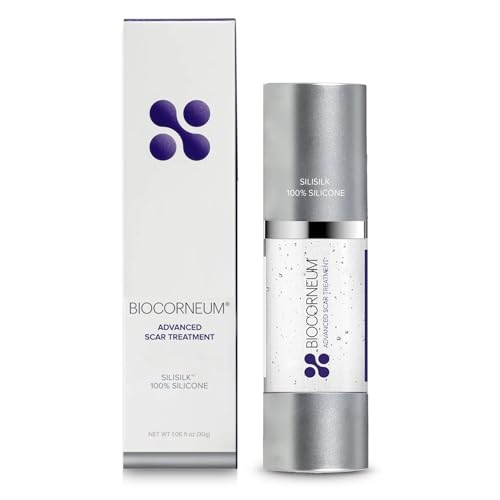
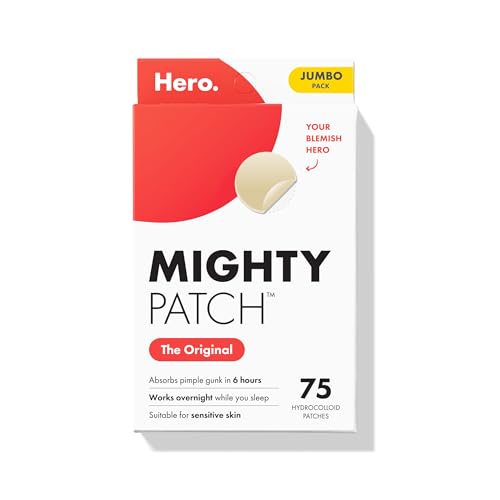
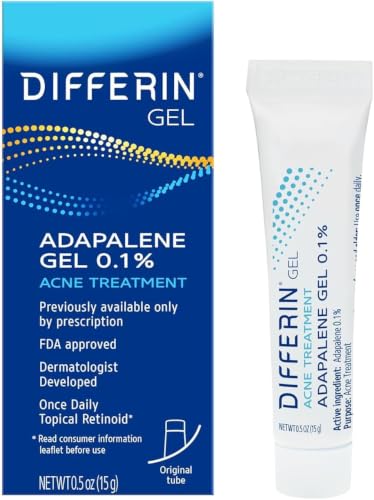
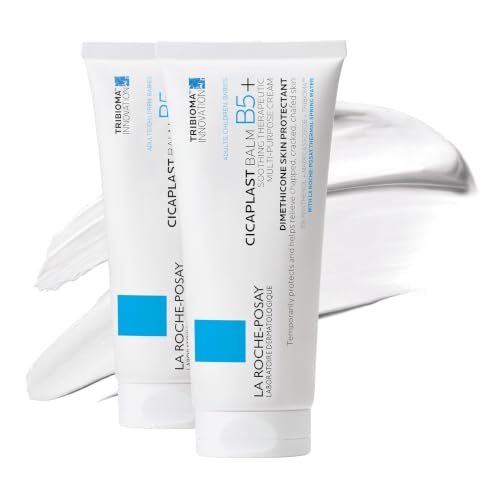
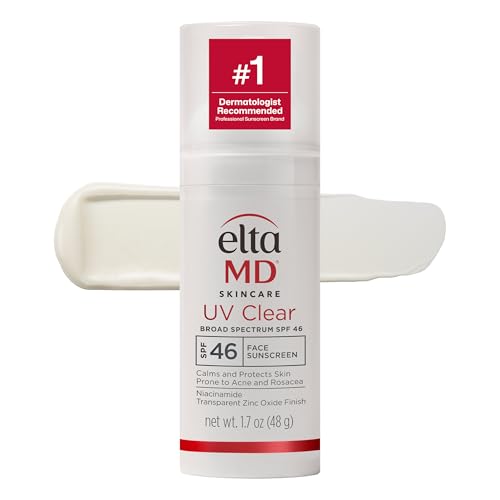
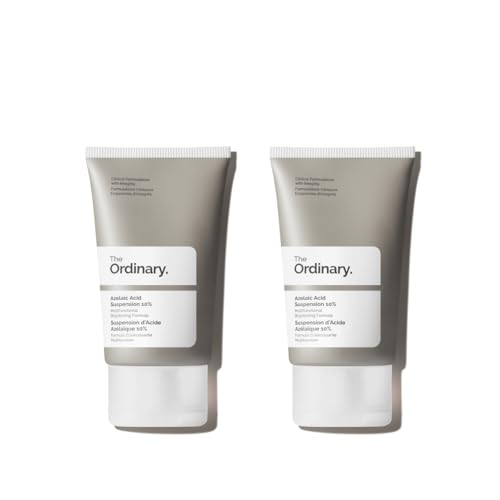

At a Glance
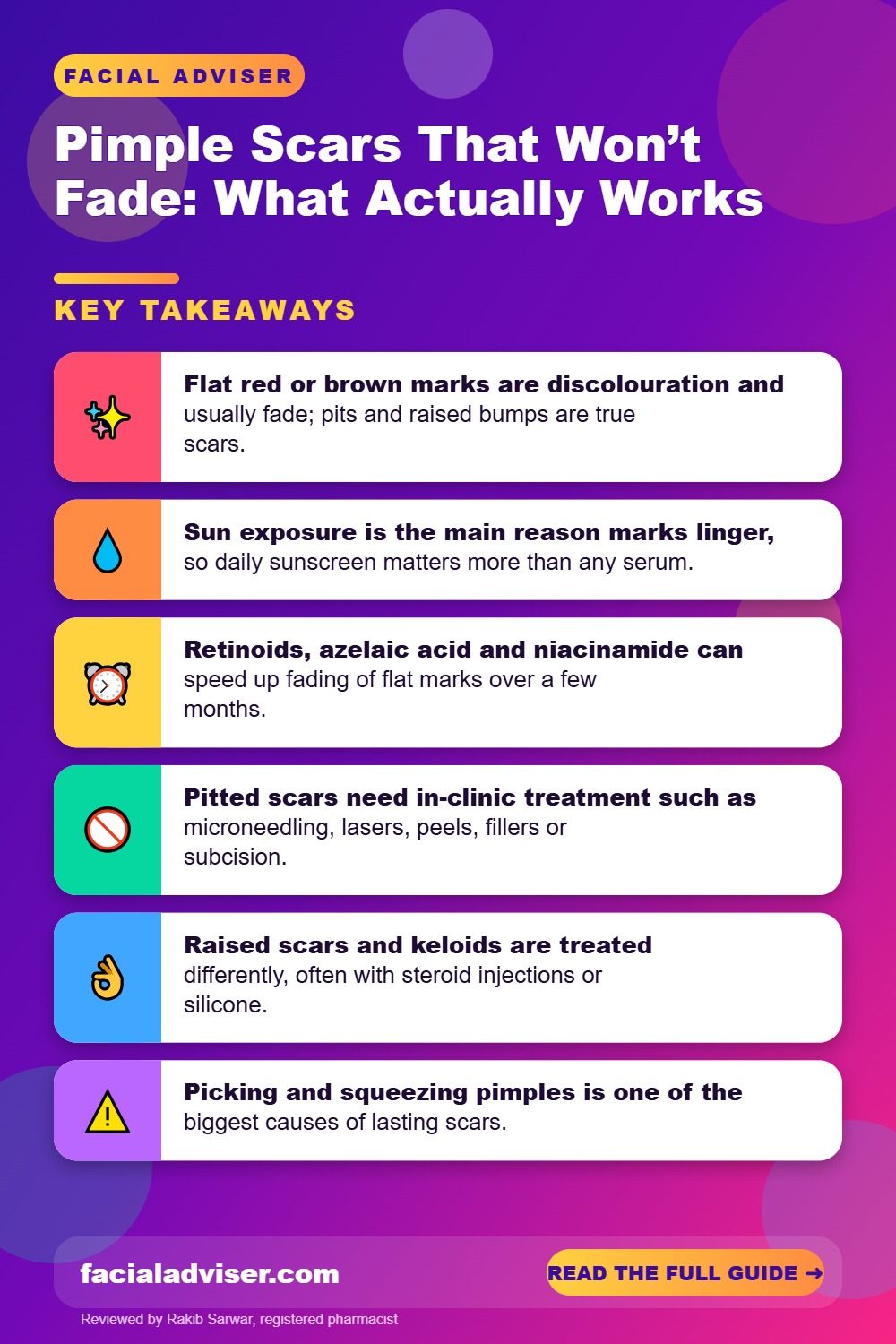
- Flat red or brown marks are discolouration and usually fade; pits and raised bumps are true scars.
- Sun exposure is the main reason marks linger, so daily sunscreen matters more than any serum.
- Retinoids, azelaic acid and niacinamide can speed up fading of flat marks over a few months.
- Pitted scars need in-clinic treatment such as microneedling, lasers, peels, fillers or subcision.
- Raised scars and keloids are treated differently, often with steroid injections or silicone.
- Picking and squeezing pimples is one of the biggest causes of lasting scars.
- Controlling active acne comes first, or new marks will keep replacing the old ones.
Contents
- Mark or Scar? A 30-Second Test
- Why Some Marks Hang Around for Months
- How to Fade Stubborn Acne Marks at Home
- Home Ingredients Compared
- Remedies That Don’t Help (or Make It Worse)
- Professional Treatments for True Scars
- Realistic Expectations
- Red Marks and Brown Marks Need Different Care
- Covering Marks While They Fade
- Stopping New Scars Before They Start
- When to See a Dermatologist
- Your Questions, Answered
- Summing Up
Mark or Scar? A 30-Second Test
Stand by a window in daylight and look at your marks from the side as well as straight on. Then gently stretch the skin between two fingers.
| What you see | What it probably is | Will it fade alone? |
|---|---|---|
| Flat pink, red or purple spot | Post-inflammatory erythema (PIE) | Usually, over months |
| Flat brown or dark spot | Post-inflammatory hyperpigmentation (PIH) | Usually, over months to a year or more |
| Shallow dip that flattens when stretched | Rolling scar | No |
| Sharp-edged, box-shaped dent | Boxcar scar | No |
| Tiny, deep pinhole | Icepick scar | No |
| Firm raised bump on the site | Hypertrophic scar | Sometimes softens slowly |
| Raised scar spreading beyond the original spot | Keloid | No; needs medical care |
A quick extra check for red marks: press a clear glass against the spot. If the redness blanches and fades under pressure, it is likely PIE, which is caused by dilated blood vessels rather than pigment. Brown marks do not change under pressure.
Many people have a mix. It is common to see flat marks alongside a few shallow rolling scars on the cheeks, which is why a combined approach often works best.
Why Some Marks Hang Around for Months
Every inflamed pimple is a small wound. The body responds with inflammation, which can trigger melanin production (brown marks) or widen tiny blood vessels (red marks). If the inflammation went deep enough to damage collagen, the repair may be uneven and leave a dent or a raised bump.
- Sun exposure: UV light darkens brown marks and keeps red marks visible for longer.
- Picking and squeezing: pushes inflammation deeper and increases the chance of a true scar.
- Deep, cystic or nodular acne: much more likely to damage collagen than small surface spots.
- Skin tone: medium and deeper skin tones are more prone to long-lasting brown marks.
- Ongoing breakouts: new marks keep appearing, so it feels as if the old ones never fade.
- Harsh remedies: lemon juice, toothpaste and rough scrubs irritate the skin and can make pigment worse.
Brown marks in deeper skin tones can take a year or more to fade completely. That is normal, and slow progress does not mean treatment is failing.
How to Fade Stubborn Acne Marks at Home
This routine is aimed at flat red and brown marks. It will also improve the overall texture a little, but it will not fill in pitted scars.
Treat active acne first
Keep breakouts under control with a gentle routine and, if needed, an acne treatment, so new marks stop forming.
Wear sunscreen every morning
Use a broad-spectrum SPF 30 or higher, reapplied when outdoors. Tinted sunscreens with iron oxides give extra protection against visible light, which can darken brown marks.
Add a retinoid at night
Adapalene or another retinoid speeds up cell turnover and helps both acne and marks. Start two or three nights a week.
Use a pigment-fading ingredient
Azelaic acid, niacinamide or tranexamic acid can help brown marks fade. Use one at a time to avoid irritation.
Moisturise and protect the barrier
A simple, fragrance-free moisturiser reduces the irritation that can cause more darkening.
Stop picking
Use hydrocolloid patches on new spots to keep your hands off them.
Give it three months
Take photos in the same light each month so you can see gradual change.
Apply sunscreen as the last step in your morning routine and use about two finger-lengths for your face and neck. Most people use far too little.
Home Ingredients Compared
| Ingredient | Best for | How long to see change | Watch out for |
|---|---|---|---|
| Sunscreen | All marks | Supports every other step | Must be daily to work |
| Adapalene / retinoids | Flat marks, mild texture, acne | 8-12 weeks | Dryness, peeling at the start |
| Azelaic acid | Brown and red marks, acne | 8-12 weeks | Mild tingling |
| Niacinamide | Brown marks, oiliness | 8-12 weeks | Rarely irritating |
| Tranexamic acid | Brown marks | 8-12 weeks | Usually well tolerated |
| Vitamin C | Brown marks, dullness | 8-12 weeks | Can sting; oxidises |
| Silicone gel | Raised scars | 2-3 months | Must be used daily |
Stacking lots of actives rarely speeds things up. Irritation leads to more inflammation, which can create new pigment. A sunscreen, one retinoid and one pigment-fading ingredient is enough for most people.
Remedies That Don’t Help (or Make It Worse)
Do
- Wear sunscreen daily, even on cloudy days
- Use a retinoid consistently for several months
- Choose one pigment-fading ingredient and stick with it
- Use pimple patches to stop picking
- See a dermatologist for pits and raised scars
Don’t
- Rub lemon juice on marks
- Apply toothpaste or baking soda
- Scrub marks with harsh exfoliants
- Try several strong acids at once
- Expect creams to fill in pitted scars
Lemon juice and other citrus remedies are acidic and can make skin more sensitive to light, which may darken marks rather than lighten them. Rough scrubs cause tiny injuries that keep inflammation going.
Professional Treatments for True Scars
Once scars are indented or raised, in-clinic treatments give far better results than anything you can buy. The AAD lists chemical peels, fillers, laser resurfacing, microneedling, radiofrequency and scar surgery among the options for depressed scars, and steroid injections, lasers and prescription treatments for raised scars (AAD).
| Scar type | Commonly used treatments | Typical sessions |
|---|---|---|
| Rolling | Subcision, microneedling, fillers, lasers | Several |
| Boxcar | Lasers, microneedling, peels, punch techniques | Several |
| Icepick | TCA CROSS, punch excision | Few, targeted |
| Hypertrophic | Steroid injections, silicone, lasers | Varies |
| Keloid | Steroid injections, cryotherapy, lasers, surgery | Often ongoing |
| Stubborn red marks | Vascular lasers such as pulsed dye | Few |
| Stubborn brown marks | Peels, prescription creams, some lasers | Several |
Most people need a series of sessions, and combining methods is common. If you are weighing two popular options, our comparison of laser facials and microneedling explains the differences in results, downtime and skin tone safety.
Some lasers and deep peels carry a higher risk of pigment changes in medium and deeper skin tones. Choose a dermatologist experienced in treating your skin type.
Realistic Expectations
Treatment can make scars much less noticeable, often by 50 per cent or more, but completely erasing deep scars is uncommon. Results build slowly, as new collagen takes months to form after each session.
Improvement is also easier to see in person than in a mirror under harsh overhead lighting, which exaggerates every shadow. Judging progress with photos taken in the same soft, even light gives a fairer picture.
Timing matters too. Many clinics prefer to wait until acne has been quiet for a while before resurfacing, and some treatments need a break from retinoids beforehand. Ask about downtime, aftercare and how many sessions to budget for before you begin, so there are no surprises halfway through a course.
Red Marks and Brown Marks Need Different Care
It helps to treat red and brown marks as two separate problems, because they come from different causes.
Red or purple marks (PIE) are caused by small blood vessels that stayed dilated after inflammation. They are more common in lighter skin. Gentle care, a retinoid and time usually help, and niacinamide may calm the redness. Aggressive exfoliation tends to make them look worse. If they persist past six months, a vascular laser is often the quickest option.
Brown marks (PIH) come from extra melanin left behind after inflammation. They are more common in medium and deeper skin tones and are very sensitive to sunlight, including visible light through windows. Azelaic acid, niacinamide, tranexamic acid and retinoids all help, but only alongside strict daily sun protection.
If you are not sure which you have, the glass-pressure test described above is a good starting point, and a dermatologist can confirm it in seconds.
Covering Marks While They Fade
Makeup will not speed up healing, but it can make waiting easier. A few simple steps give good coverage without irritating the skin.
- Use a green-tinted colour corrector on red marks and a peach or orange corrector on brown marks in deeper skin tones.
- Tap a small amount of concealer over the mark with a fingertip rather than covering the whole face heavily.
- For textured scars, a silicone-based smoothing primer can soften the look of shallow dips.
- Remove makeup gently every night with a mild cleanser rather than scrubbing.
Stopping New Scars Before They Start
- Treat acne early, especially deep, painful spots, rather than waiting for them to go away.
- Leave spots alone; cover them with a patch if you tend to pick.
- Use non-comedogenic skincare and makeup. Our guide on how to tell if makeup is non-comedogenic explains what to check.
- Protect healing spots from the sun.
- If your skin is oily in the centre and dry at the sides, a zone-based combination skin routine can help reduce breakouts without irritating dry areas.
Cystic or nodular acne is the type most likely to scar. Prescription treatments started early can prevent a great deal of permanent damage.
When to See a Dermatologist
- You have pitted, rolling, boxcar or icepick scars.
- Scars are raised, itchy or growing beyond the original spot.
- Your acne is deep, painful or leaving new scars.
- Brown or red marks have not improved after three to six months of sunscreen and home care.
- Marks are affecting your confidence or daily life.
This article is for general information and does not replace professional medical advice. See a board-certified dermatologist for diagnosis and treatment of acne and scarring.
Your Questions, Answered
How long do acne marks take to fade?
Flat red or brown marks often fade over three to twelve months, sometimes longer in deeper skin tones.
Why won’t my pimple scars go away?
Pitted or raised marks are true scars caused by collagen damage and rarely fade without professional treatment.
Does sunscreen really help acne marks fade?
Yes. UV light darkens marks and slows fading, so daily sunscreen is one of the most important steps.
Can retinol get rid of acne scars?
Retinoids help flat marks and mild texture, but they cannot fill in deep pitted scars.
Is azelaic acid good for dark spots from acne?
Yes. It can help reduce brown and red marks and also helps treat acne.
What is the best treatment for icepick scars?
Dermatologists often use TCA CROSS or punch techniques for icepick scars.
Does lemon juice fade acne scars?
No. It can irritate skin and increase sun sensitivity, which may make marks worse.
Can microneedling fix acne scars?
It can improve rolling and boxcar scars over several sessions, but usually does not remove them completely.
Do red acne marks fade on their own?
Often yes, over months. Stubborn red marks can be treated with vascular lasers.
Should I treat scars while I still have acne?
Treat active acne first, or new marks will keep forming while old ones are being treated.
Summing Up
Pimple marks that won’t fade are usually one of two things: flat discolouration that needs time, sun protection and the right actives, or true scars that need a dermatologist’s tools. Knowing which you have is the most useful step you can take.
For flat marks, commit to daily sunscreen, a retinoid and one fading ingredient for at least three months. For pits and raised scars, book a consultation, get active acne under control and expect gradual, meaningful improvement rather than overnight change.

Written by
Registered pharmacist and founder of Facial Adviser. Rakib's pharmacy training covers how skincare actives work and interact; a later course in cosmetology turned that into a focus on facial treatments and skincare products. He plans, researches and edits every guide on the site and checks health claims against sources such as the American Academy of Dermatology, the FDA and the NIH. He is not a dermatologist; see the Editorial Policy and Medical Disclaimer.
About · Editorial policy · How we choose products · Medical disclaimer · Contact
Keep reading: Acne and breakouts
- How to Treat Small Milia Around Eyes Safely Without Picking or Scarring
- Why Do I Get Acne on My Temples? The Real Causes and How to Fix Them
- Tiny Pimples on the Jawline and Chin: Causes and Treatment
- Does Accutane Work for Body Acne?
- Are Facials Good for Acne?
- How Can I Make My Pores Less Visible?
- How to Calm Inflamed Red Patches on Your Face