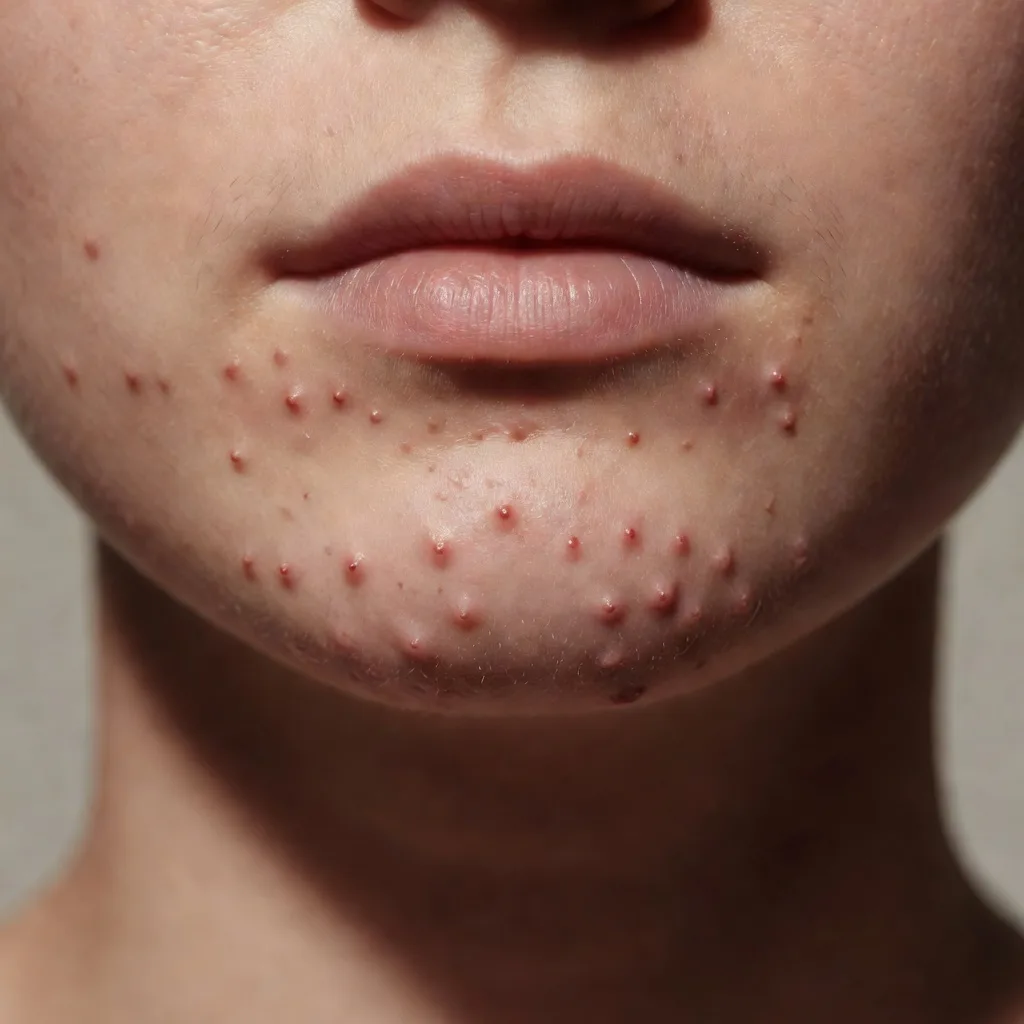
Tiny Pimples on the Jawline and Chin: Causes and Treatment
They are not big, painful cysts, just a scattering of small bumps and whiteheads along the jaw and chin that never quite go away. One clears and another appears nearby. They tend to be worse before your period, after a stressful week, or when you have been resting your chin on your hand at your desk.
Part of our guide to skin concerns. Start with: Are Facials Good for Acne?
Tiny pimples along the jawline and chin are most often linked to hormones, especially in adult women, because androgens stimulate the oil glands in this area. Friction from phones, masks, chin straps and hands, hair and skincare products that clog pores, and shaving can all add to them. Most mild cases respond to a gentle routine with a retinoid such as adapalene, benzoyl peroxide or salicylic acid, non-comedogenic products and less friction. Deep, painful or persistent jawline acne may need prescription or hormonal treatment.
The lower face is often called the hormonal zone for a reason. The American Academy of Dermatology explains that fluctuating hormones around periods, pregnancy, menopause and starting or stopping the pill can trigger adult breakouts, and that stress raises androgen levels, which in turn stimulate oil glands.
But hormones are rarely the whole story. The jaw is also where phones press, where hands rest, where hair products drip and where razors pass, so it pays to look at everyday habits as well.
This guide covers what causes small jawline pimples, how to tell them from other bumps, a practical routine and when to see a dermatologist.
Shopping these picks?
Amazon Prime members get fast, free shipping on eligible items, plus Prime Video, Amazon Music and member deals. New members can start with a free trial.
Start a free Prime trialAged 18 to 24? Prime for Young Adults comes with a longer free trial and a lower price after it.
Affiliate link: we may earn a commission at no extra cost to you.
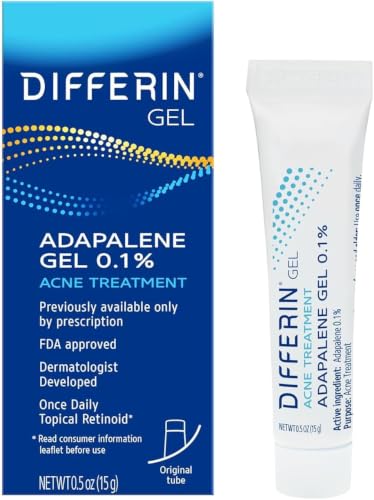
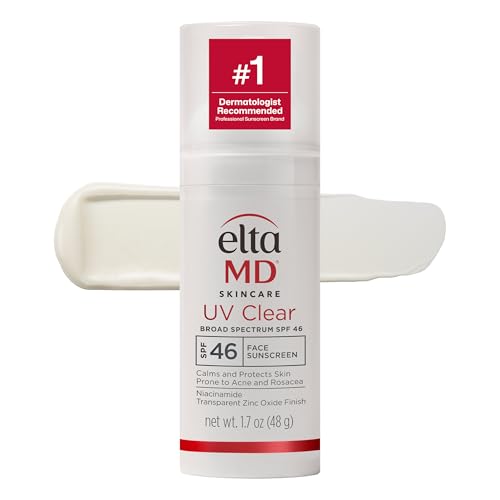
Recommended Products for Jawline Breakouts
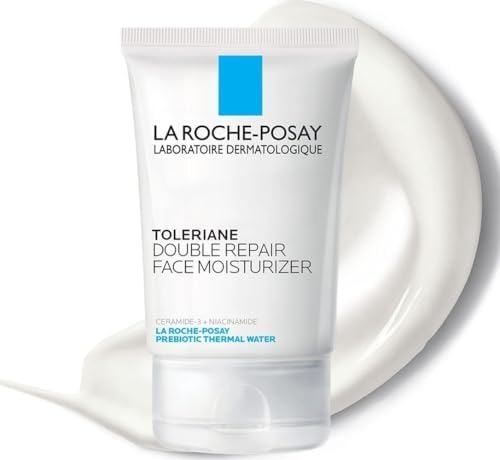
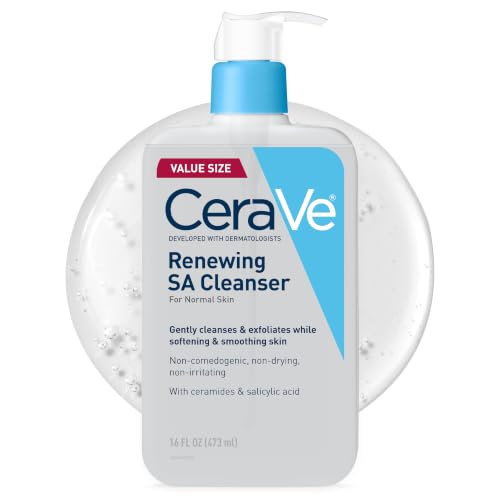
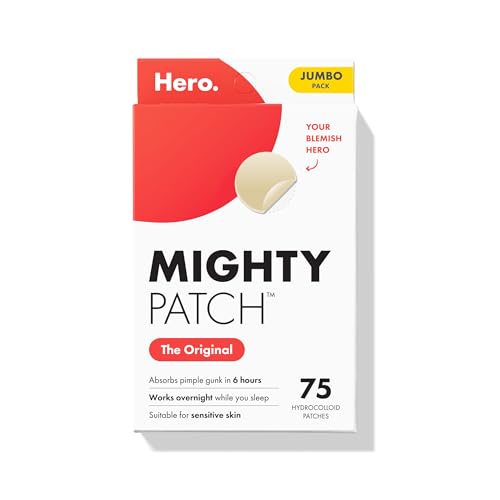


On This Page
- Why the Jawline?
- Are They Really Acne?
- How to Clear Tiny Pimples Along the Jawline
- Over-the-Counter Options Compared
- Habits That Help or Hurt
- Jawline Bumps and Shaving
- When Hormones Are the Main Driver
- Diet, Stress and Sleep
- Makeup, Sunscreen and the Jawline
- What Progress Looks Like
- Honest Limits
- When to See a Dermatologist
- Frequently Asked Questions
- The Bottom Line
The Short Version
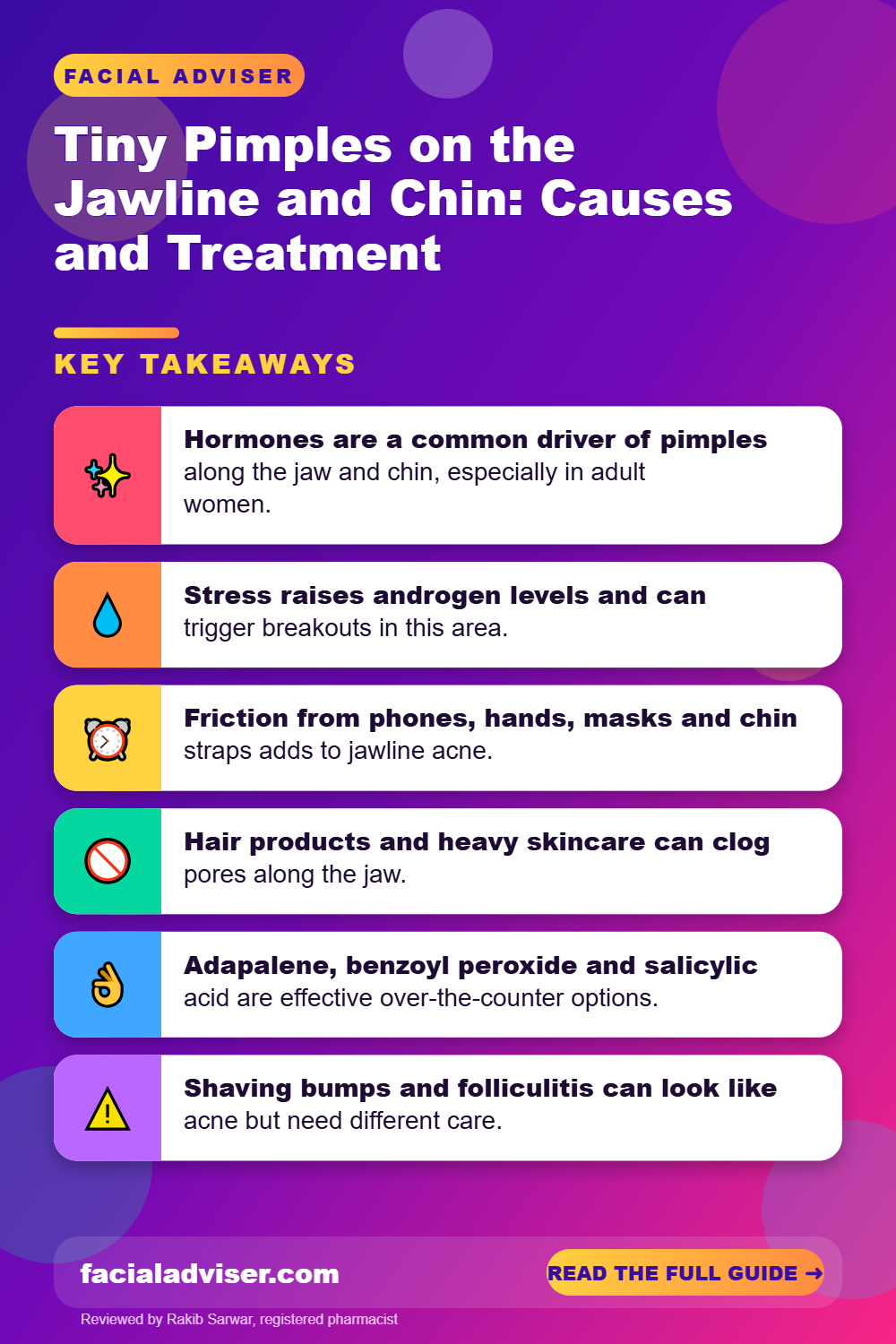
- Hormones are a common driver of pimples along the jaw and chin, especially in adult women.
- Stress raises androgen levels and can trigger breakouts in this area.
- Friction from phones, hands, masks and chin straps adds to jawline acne.
- Hair products and heavy skincare can clog pores along the jaw.
- Adapalene, benzoyl peroxide and salicylic acid are effective over-the-counter options.
- Shaving bumps and folliculitis can look like acne but need different care.
- Deep, painful or persistent jawline acne may need prescription or hormonal treatment.
Why the Jawline?
Oil glands on the lower face are especially responsive to androgens, hormones that everyone has but that fluctuate with the menstrual cycle, stress, pregnancy, menopause and conditions such as polycystic ovary syndrome. When androgens rise, the glands produce more oil, and pores along the jaw and chin are more likely to clog.
| Trigger | How it affects the jaw | Typical pattern |
|---|---|---|
| Menstrual cycle | Hormone shifts increase oil | Flares in the week before a period |
| Stress | Raises androgens | Breakouts after demanding weeks |
| Starting or stopping the pill | Changes hormone balance | New breakouts for a few months |
| Friction | Irritates and blocks pores | Pimples where phone, hand or strap touches |
| Hair and skincare products | Oils clog pores | Along the hairline and jaw edge |
| Shaving | Irritation and ingrown hairs | Bumps along beard area |
Our guide on how hormones affect sebum production explains the science in more detail.
Are They Really Acne?
Several conditions cause small bumps along the jaw and chin. Getting the type right makes treatment much more effective.
A quick look at the bumps helps. True acne usually includes a mix of blackheads, whiteheads and red spots that come and go. Razor bumps sit exactly where you shave and often have a hair trapped in them. Folliculitis tends to itch and may appear after sweating, hot tubs or antibiotic use. Perioral dermatitis clusters close to the mouth and nose and often comes with dry, flaky skin rather than oiliness.
- Comedonal acne: small whiteheads and blackheads, not very inflamed.
- Inflammatory acne: red, tender bumps and pustules, often cyclical.
- Perioral dermatitis: clusters of tiny red or skin-coloured bumps around the mouth and chin, often with flaking.
- Razor bumps: small, itchy bumps in the beard area after shaving, sometimes with ingrown hairs.
- Folliculitis: itchy pustules centred on hair follicles, sometimes from bacteria or yeast.
If your bumps are itchy, very uniform or cluster around the mouth with dry skin, our guide to dry skin and bumps around the mouth may be more relevant.
How to Clear Tiny Pimples Along the Jawline
Cleanse gently twice a day
Use a mild cleanser, or a salicylic acid or benzoyl peroxide wash a few times a week, and rinse well along the jaw.
Add a retinoid at night
Adapalene helps clear and prevent clogged pores. Start every other night and build up.
Spot treat inflamed bumps
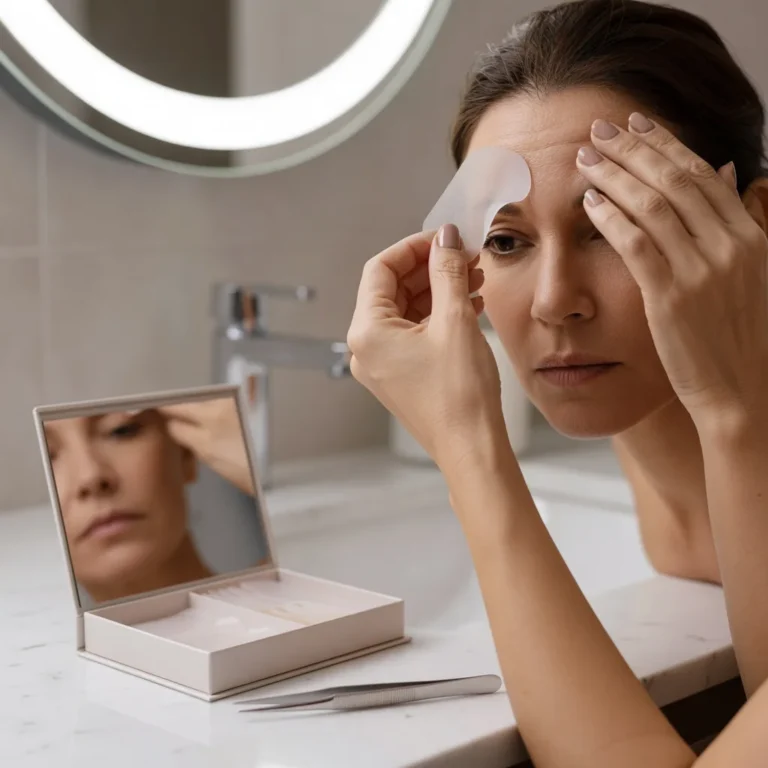
Use benzoyl peroxide on red pimples, or cover them with a hydrocolloid patch to stop picking.
Moisturise with a non-comedogenic product
A light moisturiser reduces the dryness that acne treatments can cause.
Reduce friction
Clean your phone, avoid resting your chin on your hands and wash chin straps and pillowcases often.
Check hair and skincare products
Keep oils and styling products away from the jaw and choose non-comedogenic skincare.
Be patient
Give the routine 8 to 12 weeks before judging it.
Apply benzoyl peroxide as a short-contact wash: leave it on for a minute or two before rinsing. It works well and is less drying than leave-on gels. It can bleach towels and pillowcases, so use white ones.
Over-the-Counter Options Compared
| Ingredient | Best for | Notes |
|---|---|---|
| Adapalene (retinoid) | Clogged pores, prevention | Takes 8 to 12 weeks; mild dryness at first |
| Benzoyl peroxide | Red, inflamed pimples | Can bleach fabric; start with lower strengths |
| Salicylic acid | Blackheads, whiteheads | Gentle; good as a cleanser or leave-on |
| Azelaic acid | Mild acne, marks | Also helps dark spots |
| Niacinamide | Oiliness, redness | Supportive, not a stand-alone acne treatment |
Using adapalene and benzoyl peroxide together is a common and effective combination, as long as you introduce them slowly and moisturise well. Some people use benzoyl peroxide in the morning and adapalene at night; others use the retinoid alone at first and add benzoyl peroxide for flares. Whichever you choose, apply a thin layer to the whole acne-prone area rather than only to existing spots, because the aim is to stop new pimples forming.
Habits That Help or Hurt
Good Habits
- Clean your phone screen daily
- Change pillowcases twice a week
- Wash your face after exercise
- Use non-comedogenic makeup and sunscreen
- Keep hair products away from the face
Common Mistakes
- Rest your chin on your hands
- Squeeze or pick pimples
- Scrub the jawline hard
- Use heavy oils on acne-prone areas
- Try a new treatment every week
Picking at small jawline pimples can turn them into deeper, longer-lasting spots and leave marks. Our guide to pimple marks that won’t fade explains how to treat any that linger.
Jawline Bumps and Shaving
If you shave your face, bumps along the jaw and neck may be razor bumps rather than acne. They happen when hairs curl back into the skin, especially in people with coarse or curly hair.
- Shave with the grain using a sharp blade.
- Use a lubricating shaving gel and avoid stretching the skin.
- Consider trimming rather than a close shave.
- Do not dig out ingrown hairs.
A retinoid or a gentle exfoliant used on non-shaving nights can help prevent both clogged pores and ingrown hairs along the jaw.
When Hormones Are the Main Driver
If breakouts follow your menstrual cycle closely, flare after starting or stopping hormonal contraception, or come with irregular periods, excess hair growth or thinning scalp hair, hormones are likely playing a big role.
Keeping a simple record of breakouts against your cycle for two or three months can make the pattern obvious and is useful to show a doctor. Breakouts that appear reliably in the week before a period and fade afterwards are a classic hormonal pattern.
In these cases, a doctor may suggest hormonal treatments such as certain combined oral contraceptives or spironolactone, alongside topical care. Irregular periods with acne and unwanted hair growth can be signs of polycystic ovary syndrome, which is worth checking. Our guide on facial hair and PCOS covers the signs.
Diet, Stress and Sleep
Research suggests that high-glycaemic diets and, for some people, dairy may be linked to acne, though the effect varies widely between individuals. A balanced diet is worth aiming for, but strict elimination diets are rarely needed.
Supplements marketed for hormonal acne are widely sold, but good evidence for most of them is limited. If you are considering one, it is worth discussing it with a doctor, especially if you take other medicines or could be pregnant.
Stress management and regular sleep will not clear acne on their own, but they can reduce the hormonal spikes that trigger jawline flares. Regular exercise helps too, as long as you shower or cleanse soon afterwards so sweat and oil do not sit on the skin under a chin strap or headphones. Small, sustainable changes are more useful than a sudden overhaul that is hard to keep up.
Makeup, Sunscreen and the Jawline
Foundation, concealer and sunscreen are often blended heavily along the jaw to avoid a visible line, which means this area gets more product than most. If those products are rich or oily, they can add to clogged pores.
- Choose foundation, concealer and sunscreen labelled non-comedogenic or oil-free.
- Blend a thin layer down to the jaw rather than building thick coverage there.
- Remove makeup fully at night, paying attention to the jawline and under the chin.
- Wash sponges and brushes weekly, since they collect oil and bacteria.
Our guide on how to tell if makeup is non-comedogenic explains what to look for on the label.
What Progress Looks Like
Acne treatments take time because they work by preventing new clogged pores rather than instantly clearing existing ones. Knowing what to expect makes it easier to stick with a routine.
| Time | What usually happens |
|---|---|
| Weeks 1 to 2 | Some dryness or mild peeling; pimples may look the same |
| Weeks 3 to 6 | Occasional purging of small bumps with retinoids; fewer new spots |
| Weeks 6 to 12 | Clearer skin, fewer inflamed pimples, marks starting to fade |
| After 3 months | If little has changed, time to see a doctor |
Taking a photo in the same light every two weeks is the best way to judge progress, since day-to-day changes are easy to miss or exaggerate.
Honest Limits
Over-the-counter treatments work well for mild, small pimples, but they have limits. Hormonal acne often returns if treatment stops, and deep, painful nodules along the jaw rarely respond to topical products alone. Many adults need to keep a maintenance routine, such as a retinoid a few nights a week, even after their skin clears, to stop the cycle starting again.
Deep, painful lumps along the jawline can scar. If you have these, see a doctor early rather than waiting to see if they settle.
When to See a Dermatologist
- Pimples are deep, painful or leaving marks and scars.
- No improvement after three months of consistent over-the-counter care.
- Breakouts come with irregular periods, excess hair or scalp hair thinning.
- Bumps are itchy or clustered around the mouth.
- Acne started after a new medication.
This article is for general information and does not replace professional medical advice. See a dermatologist or doctor for persistent or painful acne.
Frequently Asked Questions
Why do I get tiny pimples on my jawline?
Hormones, stress, friction, pore-clogging products and shaving are common causes.
Are jawline pimples always hormonal?
Not always. Hormones are common drivers, but friction and products can also cause jawline breakouts.
What is the best treatment for small jawline pimples?
Adapalene, benzoyl peroxide or salicylic acid, used consistently for 8 to 12 weeks, work for many people.
Can stress cause jawline acne?
Yes. Stress raises androgen levels, which can increase oil and trigger breakouts.
Does my phone cause chin acne?
Pressing a dirty phone against your face can add friction and bacteria, so clean it regularly.
Are these pimples or razor bumps?
Razor bumps appear after shaving in the beard area and may have ingrown hairs; acne is not limited to shaved skin.
Can birth control help jawline acne?
Some combined oral contraceptives can help hormonal acne; a doctor can advise if it suits you.
Does diet affect chin acne?
High-glycaemic foods and dairy may play a role for some people, but effects vary.
How long does jawline acne take to clear?
Most treatments need 8 to 12 weeks to show clear results.
When should I see a doctor for jawline acne?
If it is deep, painful, scarring, or does not improve after three months of care.
The Bottom Line
Tiny pimples along the jawline and chin are common, especially in adults, and are often linked to hormones and stress. Friction, pore-clogging products and shaving add to the problem, so it helps to look at habits as well as skincare.
A simple routine with a retinoid, benzoyl peroxide or salicylic acid, non-comedogenic products and less friction clears many mild cases in two to three months. If pimples are deep, painful, scarring or tied to other hormonal symptoms, see a doctor for prescription or hormonal treatment.

Written by
Registered pharmacist and founder of Facial Adviser. Rakib's pharmacy training covers how skincare actives work and interact; a later course in cosmetology turned that into a focus on facial treatments and skincare products. He plans, researches and edits every guide on the site and checks health claims against sources such as the American Academy of Dermatology, the FDA and the NIH. He is not a dermatologist; see the Editorial Policy and Medical Disclaimer.
About · Editorial policy · How we choose products · Medical disclaimer · Contact