Fine Lines Around the Mouth in Your 20s: How to Prevent Them
You smile in a photo and notice faint lines at the corners of your mouth, or a few fine vertical lines above your upper lip when you purse your lips. You are only in your twenties, and it feels too soon. The good news is that most lines at this age are shallow, often temporary, and very responsive to simple habits.
Part of our guide to skin concerns. Start with: How to Calm Inflamed Red Patches on Your Face
Fine lines around the mouth in your early 20s are usually caused by dehydration, repeated expressions such as smiling and pursing, and early sun damage, with smoking and genetics adding to the risk. The most effective prevention is daily broad-spectrum sunscreen on the face and lips, not smoking, a good moisturiser and lip care. A retinoid can be added later in your twenties if you want extra prevention. Expensive anti-aging creams are not necessary at this age.
Lines around the mouth form because this area moves more than almost any other part of the face. Every smile, word, sip and kiss folds the skin in the same places. When skin is well hydrated and full of collagen, those folds bounce back. When it is dry or sun-damaged, the creases linger a little longer each time.
The American Academy of Dermatology lists daily sun protection, not smoking, eating a healthy diet, limiting alcohol and using a moisturiser among the most effective ways to reduce premature skin aging. None of these is exciting, but together they matter far more than any single product.
This guide covers what causes early lines around the mouth, which ones are worth worrying about, a simple prevention routine and when professional treatment makes sense.
Shopping these picks?
Amazon Prime members get fast, free shipping on eligible items, plus Prime Video, Amazon Music and member deals. New members can start with a free trial.
Start a free Prime trialAged 18 to 24? Prime for Young Adults comes with a longer free trial and a lower price after it.
Affiliate link: we may earn a commission at no extra cost to you.
Recommended Products for Early Line Prevention
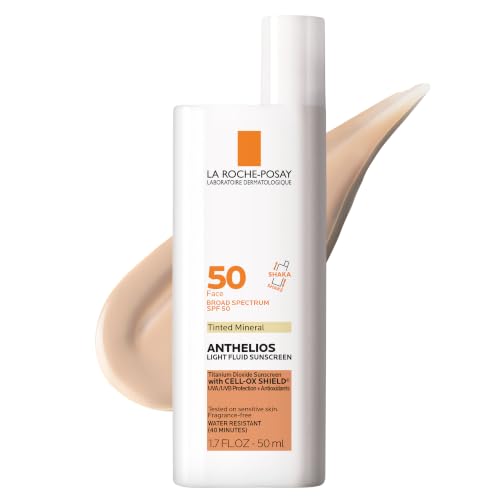
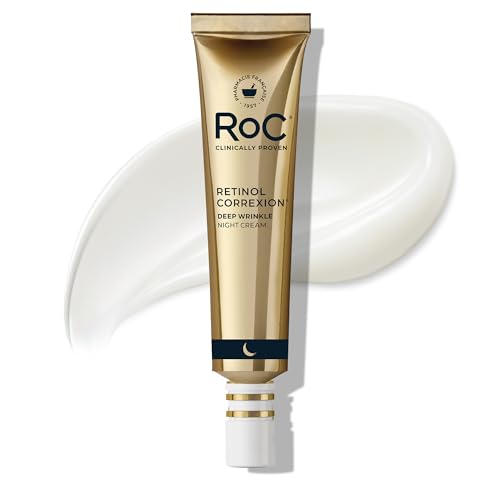
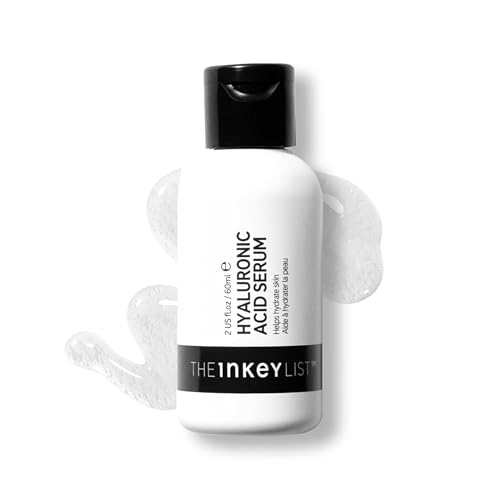


At a Glance
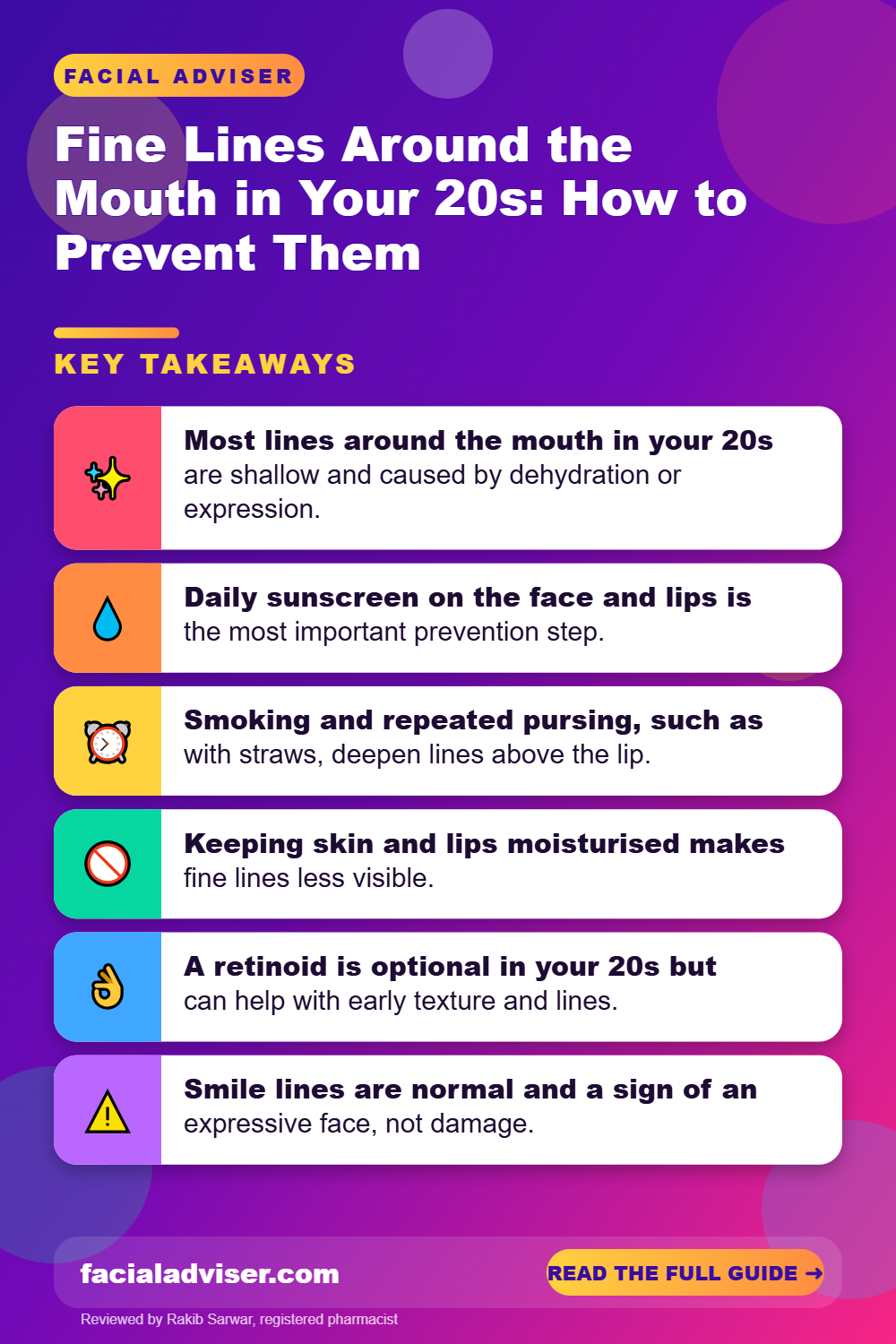
- Most lines around the mouth in your 20s are shallow and caused by dehydration or expression.
- Daily sunscreen on the face and lips is the most important prevention step.
- Smoking and repeated pursing, such as with straws, deepen lines above the lip.
- Keeping skin and lips moisturised makes fine lines less visible.
- A retinoid is optional in your 20s but can help with early texture and lines.
- Smile lines are normal and a sign of an expressive face, not damage.
- Fillers and Botox are rarely needed this young and should be approached cautiously.
On This Page
- Which Lines Are You Seeing?
- What Causes Early Lines Around the Mouth
- How to Build a Simple Prevention Routine in Your 20s
- Habits That Make a Real Difference
- Do You Need Anti-Aging Products Yet?
- Caring for the Lips and Lip Line
- Should You Worry About Smile Lines?
- Sleep, Diet and Everyday Health
- A Realistic Plan for Your Twenties
- What About Fillers or Botox?
- Honest Limits
- When to See a Dermatologist
- Your Questions, Answered
- The Takeaway
Which Lines Are You Seeing?
| Line | Where | Common cause at this age |
|---|---|---|
| Smile lines (nasolabial folds) | From the nose to the mouth corners | Face structure and expression; normal at any age |
| Marionette lines | From the mouth corners downward | Rare in your 20s; genetics or weight loss |
| Vertical lip lines | Above the upper lip | Smoking, pursing, sun exposure |
| Mouth corner creases | At the corners when smiling | Expression, dryness |
| Dehydration lines | Fine criss-cross lines | Dry skin; improve with moisture |
A simple test: look at the lines when your face is relaxed. If they disappear when you stop smiling, they are dynamic expression lines. If they are visible at rest, they are static and more likely linked to dryness, sun or collagen changes.
Lighting also plays tricks. Overhead bathroom lights and phone cameras held below the face exaggerate every fold around the mouth, while soft daylight from the front makes the same lines almost disappear. Judge your skin in natural light at eye level before deciding you have a problem.
What Causes Early Lines Around the Mouth
- Dehydration: dry skin creases more easily and shows fine lines that fade with moisture.
- Sun exposure: UV breaks down collagen and elastin, even in your twenties.
- Smoking and vaping: repeated pursing plus reduced blood flow to the skin.
- Frequent straw use: the same pursing motion used many times a day.
- Genetics: some people naturally have thinner skin or deeper folds.
- Rapid weight change: can make smile folds look deeper.
Our guide on how hormonal changes affect collagen explains why collagen changes over time and what influences it.
How to Build a Simple Prevention Routine in Your 20s
Use sunscreen every morning
Apply broad-spectrum SPF 30 or higher to your whole face, including the area around your mouth.
Protect your lips
Use a lip balm with SPF during the day and reapply after eating or drinking.
Moisturise twice a day
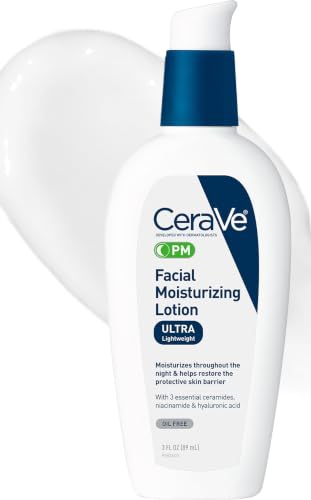
A moisturiser with glycerin, hyaluronic acid or ceramides keeps skin plump.
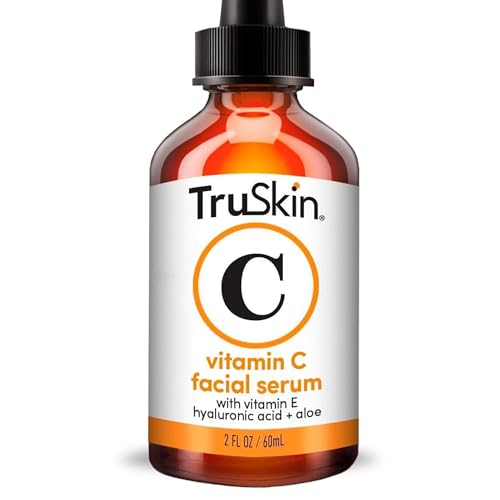
Add an antioxidant if you like
A vitamin C serum in the morning adds extra protection against daily damage.
Consider a retinoid later
From your mid to late twenties, a gentle retinol a few nights a week can support skin renewal.
Seal lips at night
A thin layer of petroleum jelly or lip ointment prevents dryness and cracking.
Bring your sunscreen right up to the lip line and over the upper lip. This area is often missed, yet it gets a lot of sun and is where vertical lines form.
Habits That Make a Real Difference
Good Habits
- Wear sunscreen every day, even when cloudy
- Stay hydrated and moisturise
- Wear sunglasses to reduce squinting
- Sleep on your back if you can
- Keep lips moisturised
Common Mistakes
- Smoke or vape
- Sunbathe or use tanning beds
- Constantly purse your lips around straws
- Lick your lips often
- Rely on expensive creams instead of sunscreen
Smoking is one of the strongest drivers of lines above the lip, both from the repeated pursing and from its effect on collagen and blood flow. If you smoke, stopping is the single most powerful step you can take for your skin.
Vaping involves the same repeated pursing motion, and nicotine narrows blood vessels whatever the delivery method, so switching to vaping is not a skin-friendly solution. Support services to stop smoking and vaping are widely available and make quitting much more likely to succeed.
Do You Need Anti-Aging Products Yet?
| Product | Worth it in your 20s? | Why |
|---|---|---|
| Sunscreen | Yes, essential | Prevents most visible aging |
| Moisturiser | Yes | Keeps fine dehydration lines at bay |
| SPF lip balm | Yes | Lips and lip line burn easily |
| Vitamin C serum | Optional | Extra antioxidant protection |
| Retinol | Optional from mid-20s | Supports cell turnover; start slowly |
| Peptide or ‘lifting’ creams | Rarely needed | Limited added benefit at this age |
| Eye and lip ‘anti-wrinkle’ creams | Not necessary | Usually similar to regular moisturisers |
If you do start a retinoid, go slowly. Our guide to starting retinol smoothly sets out a gradual plan, and our article on peeling after new products explains what to expect.
Caring for the Lips and Lip Line
The lips have a very thin outer layer, no oil glands and little natural protection from the sun. Chapped, dry lips crease more, and the skin just above them is prone to vertical lines.
Lip products with a matte, long-wear finish can be particularly drying, and the harsh removers needed to take them off add to the problem. Alternating them with more nourishing formulas, and always applying a balm underneath, reduces how much they dry the lips.
Keeping lips moisturised with a simple balm, protecting them with SPF during the day and avoiding the habit of licking them all help. Licking dries lips and can irritate the surrounding skin; our guide to dry skin around the mouth covers this in more detail.
Plumping lip glosses that contain irritants such as cinnamon or capsicum temporarily swell the lips but can cause irritation. They do not prevent lines.
Should You Worry About Smile Lines?
Smile lines are part of how a face moves and are visible in almost everyone when they smile, including children. They do not mean your skin is aging early.
Trying to stop smiling to avoid lines is neither practical nor necessary. The focus should be on keeping the skin healthy with sun protection and moisture so that lines stay soft and shallow over time.
Face yoga and facial exercises are sometimes promoted for smile lines, but the evidence is limited, and repeatedly working the muscles around the mouth is unlikely to reduce lines caused by movement in the first place.
Sleep, Diet and Everyday Health
Skin reflects general health. A varied diet with plenty of fruit, vegetables and protein gives the skin what it needs to repair itself, and the AAD suggests limiting sugar, refined carbohydrates and alcohol, which can all contribute to premature aging (AAD).
Sleep matters too. Poor sleep makes skin look duller and fine lines more obvious, while regular, good-quality sleep supports the skin’s overnight repair. Sleeping face down or on the same side every night presses the skin into the pillow; over many years that may add to creases, so sleeping on your back, or using a smooth pillowcase, is a small change some people find worthwhile.
Big swings in weight can also make the folds around the mouth look deeper, because the fat that supports the lower face changes. Gradual, steady changes are kinder to the skin.
A Realistic Plan for Your Twenties
| Age | Focus | Optional extras |
|---|---|---|
| Early 20s | Sunscreen, moisturiser, SPF lip balm, no smoking | Vitamin C serum |
| Mid 20s | Keep the basics; review your sunscreen habit honestly | Start a gentle retinol twice a week |
| Late 20s | Consistent retinoid if tolerated; basics as before | Professional advice if lines bother you |
This plan is deliberately simple. Consistency matters much more than the number of products, and a short routine you follow every day will outperform a complicated one you abandon after a month. Review it once a year, or when your skin changes with a new climate, pregnancy or a new medication, rather than chasing every new launch.
What About Fillers or Botox?
Some clinics offer ‘preventive’ Botox or fillers to people in their twenties. For most people with early, fine lines around the mouth, these are not needed. Botox around the mouth in particular can affect how you smile, drink and speak if it is not done expertly.
If lines bother you, a consultation with a board-certified dermatologist can clarify what is going on and whether anything beyond skincare is worthwhile.
Be cautious with treatments offered by unqualified injectors or at parties and pop-up events. Complications from fillers around the mouth, although uncommon, can be serious.
Honest Limits
Genetics play a big role in how and when lines appear, and some people will have visible smile folds at 22 regardless of what they do. Good habits slow down the process, but they cannot stop the face from changing with age.
It is also worth remembering how much social media filters and edited photos shape expectations. Real skin has texture, pores and lines, especially around a mouth that talks, laughs and eats all day. Comparing your unfiltered face in a bathroom mirror with heavily edited images is not a fair test, and it can make perfectly normal skin feel like a problem to solve.
Lines that come and go with hydration and expression at this age are normal. Focusing on sun protection and not smoking will make much more difference over the next twenty years than anything you buy today.
When to See a Dermatologist
- Lines appeared suddenly along with dryness, flaking or a rash.
- You have persistent redness or bumps around the mouth.
- You are considering injectables and want an honest assessment.
- Your lips are persistently cracked or sore despite good care.
This article is for general information and does not replace professional medical advice. See a dermatologist if you have concerns about your skin.
Your Questions, Answered
Is it normal to have lines around the mouth in your 20s?
Yes. Many people have shallow expression or dehydration lines at this age, which is normal.
What causes lines above the upper lip in your 20s?
Smoking, repeated pursing such as with straws, sun exposure and genetics are common causes.
How can I prevent smile lines?
Daily sunscreen, moisturiser and not smoking help keep lines soft, but some smile lines are normal.
Should I use retinol in my early 20s?
It is optional. Many people start in their mid to late twenties, slowly and with sunscreen.
Does drinking water prevent wrinkles?
Staying hydrated supports overall health, but skin hydration depends more on moisturiser and a healthy barrier.
Can lip balm prevent lip lines?
Keeping lips moisturised and using SPF lip balm protects them from dryness and sun damage.
Do straws cause wrinkles?
Frequent pursing may contribute to lines above the lip over many years.
Is preventive Botox a good idea?
For most people in their twenties with fine lines, it is not necessary. Discuss it with a dermatologist first.
Are dehydration lines the same as wrinkles?
No. Dehydration lines are fine and temporary, while wrinkles are deeper and linked to collagen loss.
What is the most important anti-aging product?
Broad-spectrum sunscreen used every day.
The Takeaway
Fine lines around the mouth in your early twenties are common and usually shallow, caused by dehydration, expression and early sun exposure. They are not a sign that something is wrong with your skin.
Wear sunscreen every day, protect your lips, keep skin moisturised and avoid smoking. Add a gentle retinoid later in your twenties if you want extra support, and save injectables for later, if ever.

Written by
Registered pharmacist and founder of Facial Adviser. Rakib's pharmacy training covers how skincare actives work and interact; a later course in cosmetology turned that into a focus on facial treatments and skincare products. He plans, researches and edits every guide on the site and checks health claims against sources such as the American Academy of Dermatology, the FDA and the NIH. He is not a dermatologist; see the Editorial Policy and Medical Disclaimer.
About · Editorial policy · How we choose products · Medical disclaimer · Contact
Keep reading: Redness, puffiness and uneven tone
- How to Calm Inflamed Red Patches on Your Face
- Dark Shadow Around the Mouth: Causes and How to Fade It
- Facial Tightness After Washing Face: Why It Happens and How to Stop It
- Why Cheeks Get Hot Suddenly: Causes of Facial Flushing and What Helps
- How to Soothe Post-Facial Irritation: Calm Redness and Know What Is Normal
- Facial Numbness After a Nerve Block or Dental Work: What Is Normal
- Are Facials Good for Acne?
- How Can I Make My Pores Less Visible?