How Can I Make My Pores Less Visible?
How can I make my pores less visible, using approaches that are actually backed by evidence rather than marketing claims?
Niacinamide, retinoids, and salicylic acid all have real supporting evidence for reducing pore visibility at home, while in-office options like glycolic acid peels and laser resurfacing address it more directly — but no topical, device, or single session eliminates a pore, since structural size is substantially genetic. Newer options like botulinum toxin for sebaceous activity show early promise but aren’t yet standard care.
Sorting real, tiered evidence from wishful thinking is the difference between a routine that helps and one that just costs money.
This guide ranks the options by how much genuine evidence backs each one, from at-home actives through in-office procedures to honest myths.
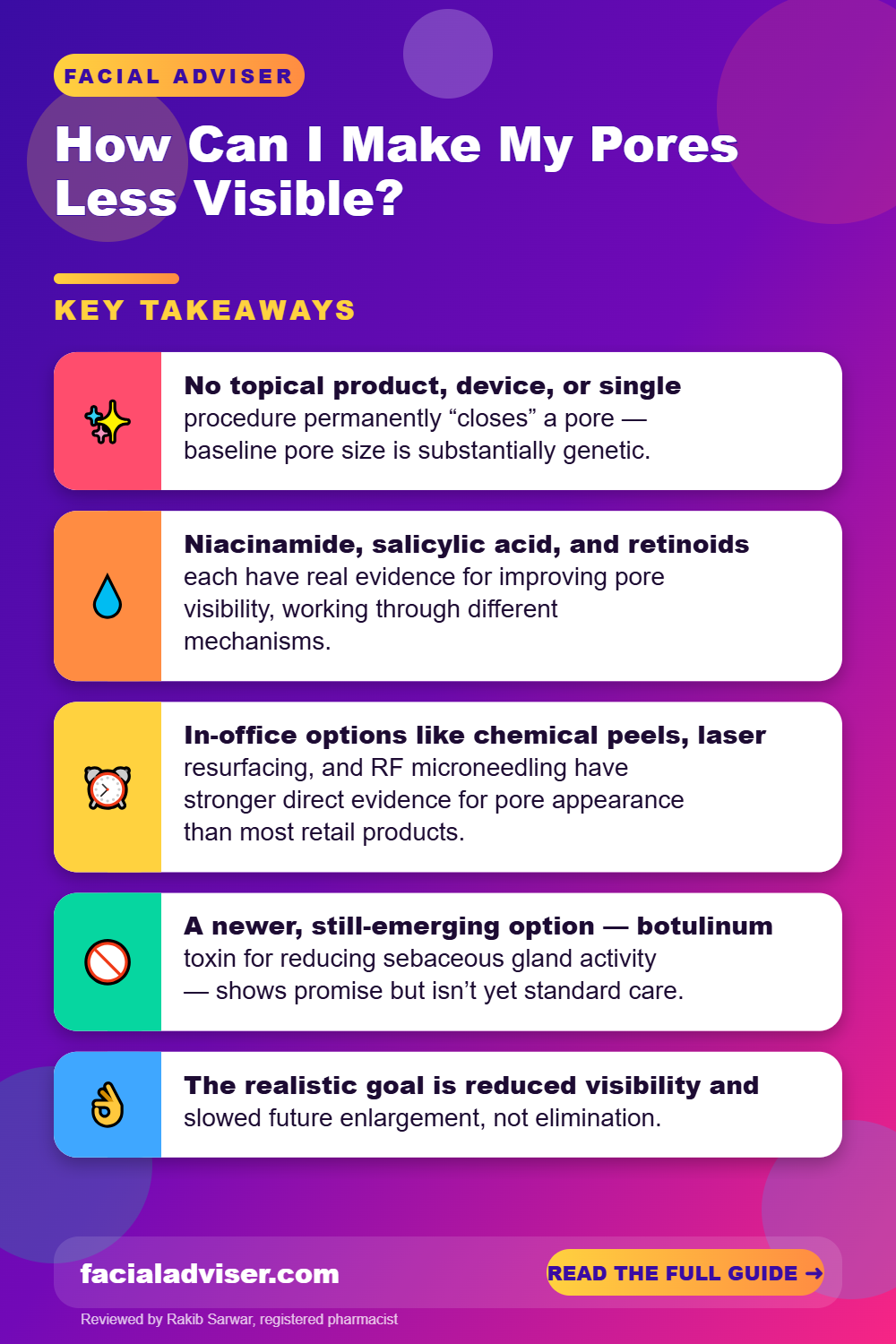
Recommended Pore-Refining Serums and Treatments
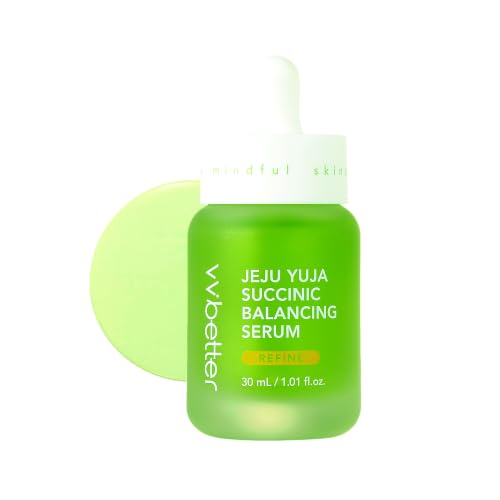
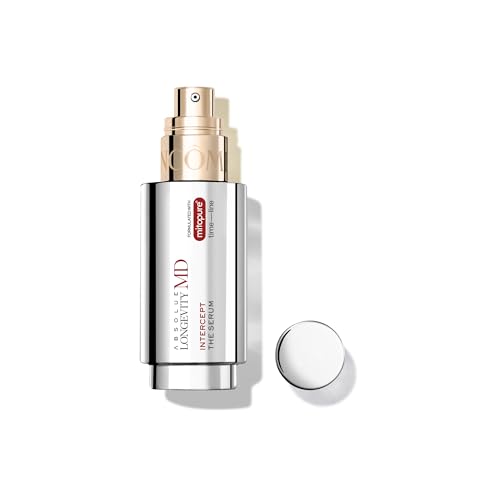
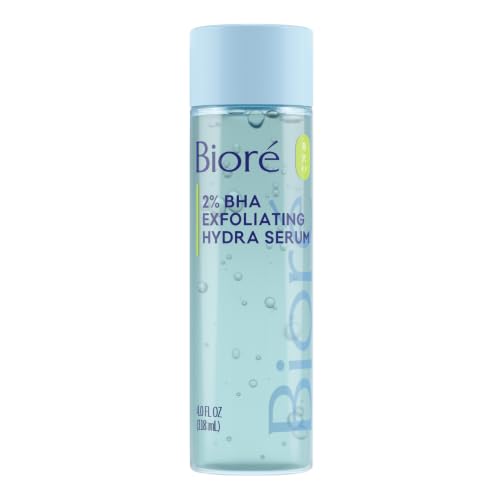
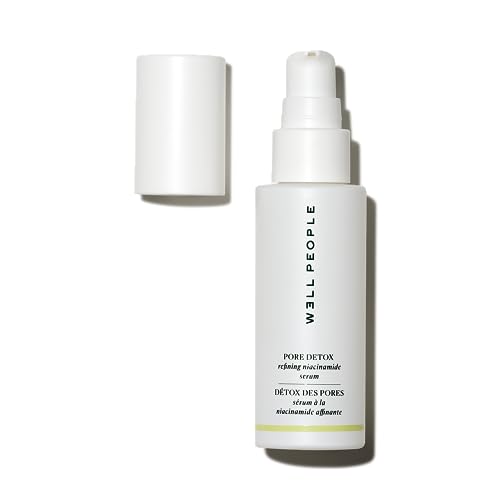


Key Facts
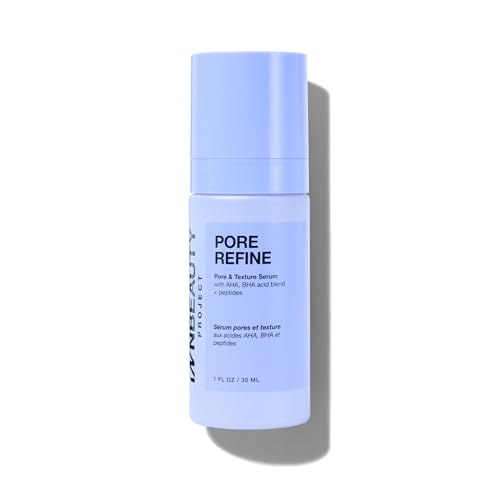
- No topical product, device, or single procedure permanently “closes” a pore — baseline pore size is substantially genetic.
- Niacinamide, salicylic acid, and retinoids each have real evidence for improving pore visibility, working through different mechanisms.
- In-office options like chemical peels, laser resurfacing, and RF microneedling have stronger direct evidence for pore appearance than most retail products.
- A newer, still-emerging option — botulinum toxin for reducing sebaceous gland activity — shows promise but isn’t yet standard care.
- The realistic goal is reduced visibility and slowed future enlargement, not elimination.
Guide Outline
- Setting Realistic Expectations First
- Tier 1: At-Home Ingredients With Real Evidence
- At-Home Options Compared
- Tier 2: In-Office Procedures
- In-Office Procedures Compared
- Tier 3: Low-Evidence and Myth Options
- What These Options Actually Cost, and Who They’re Worth It For
- Do This, Not That
- Building a Pore-Visibility Routine
- Is There a Way to Track Real Progress?
- When It’s Time for a Dermatologist
- The Honest Ceiling on What’s Possible
- Frequently Asked Questions
Setting Realistic Expectations First
Before comparing options, it’s worth being direct about something most articles on this topic bury near the bottom: pores cannot be permanently “closed” or structurally shrunk to a meaningfully smaller size without addressing the collagen support around them, and even then, no treatment eliminates a pore outright. A dermatologist quoted by the Cleveland Clinic puts it plainly — pore size is largely genetics-driven, and treatments manage appearance and slow worsening rather than erasing the feature. With that framing in place, here’s an honest, evidence-tiered look at what actually helps.
Shopping these picks?
Amazon Prime members get fast, free shipping on eligible items, plus Prime Video, Amazon Music and member deals. New members can start with a free trial.
Start a free Prime trialAged 18 to 24? Prime for Young Adults comes with a longer free trial and a lower price after it.
Affiliate link: we may earn a commission at no extra cost to you.
Tier 1: At-Home Ingredients With Real Evidence
Niacinamide (2% or higher) has double-blind, placebo-controlled trial support for reducing sebum output, tested separately in Japanese and Caucasian subjects, with measurable effects appearing within two to six weeks. Less oil sitting in the follicle translates into less conspicuous pores day to day.
Salicylic acid (BHA) penetrates the oil-filled follicle and helps break up the compacted debris that can stretch a pore’s opening from within — a mechanistically sound approach for reducing visibility in congested, oily skin.
Retinoids increase cell turnover and support collagen production in the tissue surrounding a follicle, making them the closest topical option to addressing the actual structural side of pore visibility, though the effect builds over months rather than weeks.
At-Home Options Compared
| Ingredient | Mechanism | Timeframe |
|---|---|---|
| Niacinamide | Reduces sebum output | 2-6 weeks |
| Salicylic acid | Clears follicular debris | Weeks |
| Retinoids | Supports peri-follicular collagen | Months |
Tier 2: In-Office Procedures
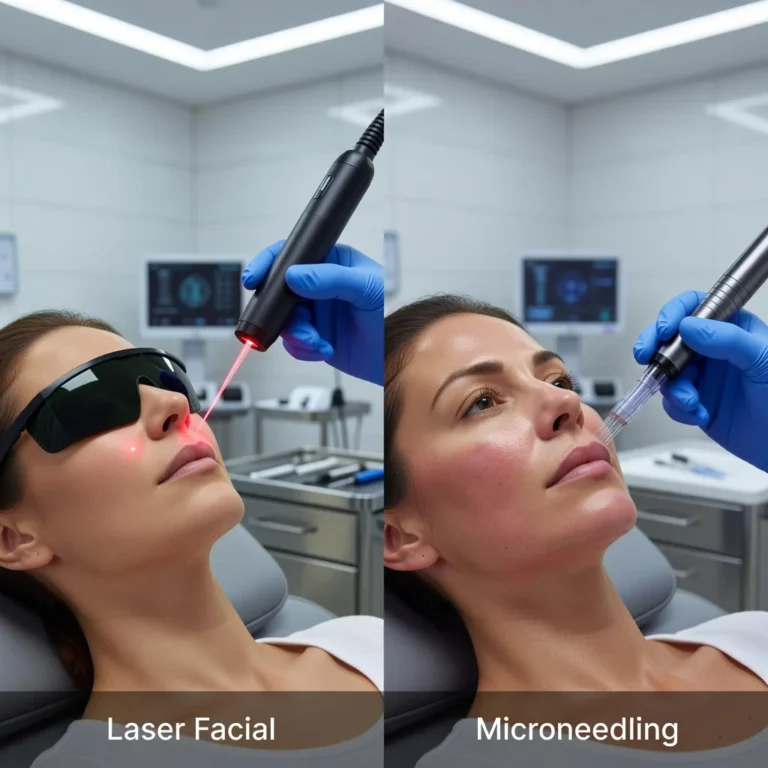
Chemical peels, particularly glycolic acid at professional strength, have been studied using digital image analysis specifically measuring pore conspicuousness before and after treatment, with published results showing a genuine reduction. Laser resurfacing and RF microneedling are supported in a 2023 review of facial pore treatments as legitimate, evidence-backed in-office options for both texture and pore appearance. A newer, genuinely emerging option is intradermal botulinum toxin targeted at reducing sebaceous gland activity, studied with objective imaging in a 2026 publication — promising, but new enough that it isn’t yet a first-line recommendation.
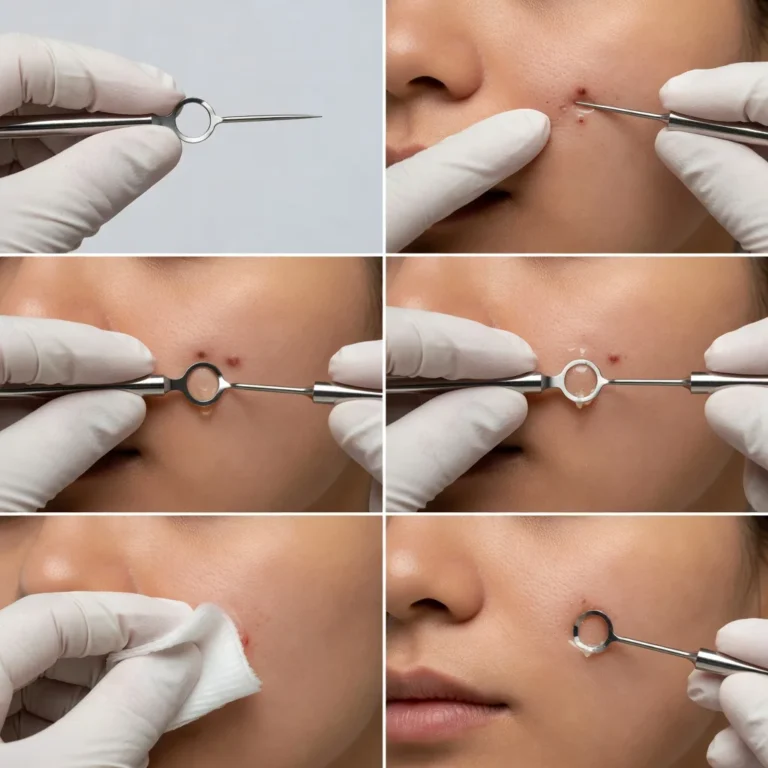
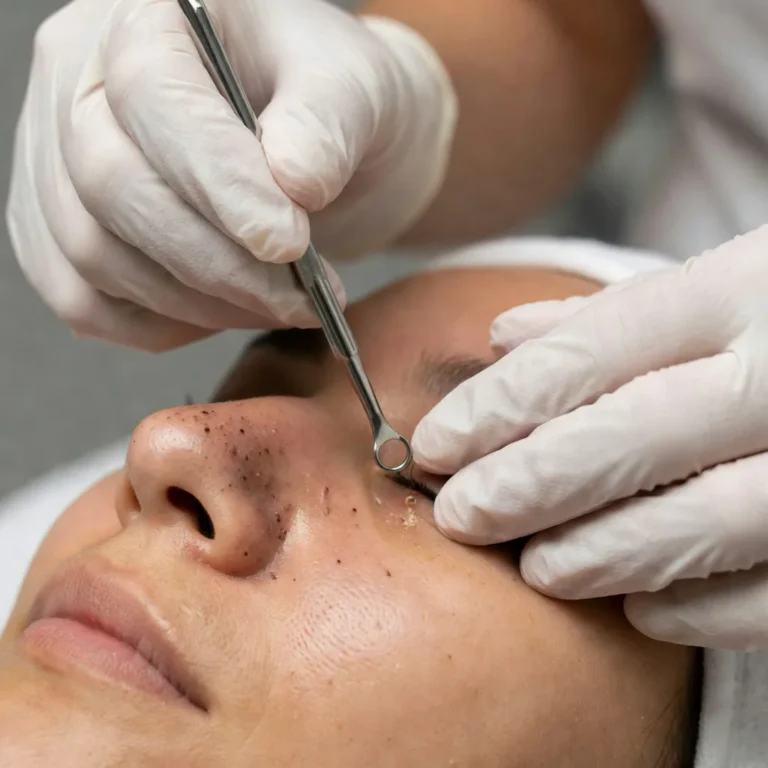
Professional extractions, performed by a trained esthetician or dermatologist under sterile conditions, can also meaningfully reduce visible congestion when done correctly on appropriate lesions.
It’s worth being specific about what “evidence-backed” means for the laser and RF microneedling category, since it covers a range of actual devices and settings rather than one single treatment. The underlying mechanism across this category is controlled thermal or micro-injury to the skin, which triggers a wound-healing response that includes new collagen production around the treated area, including around follicular openings. That mechanism is well-established for skin texture and scarring more broadly; its application specifically to cosmetic pore-visibility improvement is a more recent and narrower extension of that same evidence base, which is why the review cited above frames it as a legitimate option rather than a first-line, universally superior one.
In-Office Procedures Compared
| Procedure | Evidence status | Typical downtime |
|---|---|---|
| Glycolic acid peel | Measured reduction in pore conspicuousness | Minimal to a few days |
| Laser resurfacing | Evidence-backed for texture/pore appearance | Several days to a week |
| RF microneedling | Evidence-backed, more invasive | A few days |
| Botulinum toxin (sebum-focused) | Emerging, promising, not first-line | Minimal |
Tier 3: Low-Evidence and Myth Options
“Pore-closing” toners and astringents produce only a temporary tightening sensation from tissue dehydration, not a lasting change. Ice and cooling rollers work the same way, through brief vasoconstriction. Red light therapy specifically for pore size lacks proven effectiveness for this particular use, according to dermatologist commentary, even though red light has better-supported uses in other contexts like mild inflammation — it’s worth not conflating the two.
What These Options Actually Cost, and Who They’re Worth It For
Cost is a genuinely practical factor most pore-visibility guides skip over, and it’s worth being upfront about it since the evidence-tier ranking above doesn’t map neatly onto price. At-home ingredients like niacinamide, salicylic acid, and retinoids are, by comparison, inexpensive and available without a prescription (aside from stronger tretinoin formulations), typically running a fraction of the cost of even a single in-office session, and they’re the reasonable starting point for most people for exactly that reason.
In-office procedures step up considerably in cost and generally require a series of sessions rather than a one-time visit — a single glycolic acid peel is comparatively affordable, while a full course of laser resurfacing or RF microneedling sessions represents a meaningfully larger investment, plus recovery time to plan around. That cost and time commitment is one honest reason dermatologists usually recommend exhausting the at-home tier first: not just because the evidence supports starting there, but because it lets you judge whether a real investment in a procedure is likely to be worthwhile for your specific skin before committing to it.
Where in-office procedures earn their cost is in cases where at-home actives have genuinely plateaued after several months of consistent use, or where someone wants a more direct, measurable intervention before a specific event or milestone. They’re not a shortcut around the at-home tier so much as a next step once that tier’s realistic ceiling has been reached.
Do This, Not That
Do
- Start with niacinamide and/or salicylic acid before considering in-office procedures
- Add a retinoid for the closest available structural support
- Consider professional peels or laser treatments if at-home options plateau
- Use sunscreen daily regardless of which treatments you pursue
Don’t
- Expect a toner or astringent to permanently close pores
- Jump straight to invasive procedures before trying evidence-backed topicals
- Rely on red light therapy specifically for pore size
- Expect a single in-office session to be a permanent fix
Building a Pore-Visibility Routine
Start with niacinamide
A low-risk, well-evidenced first step for reducing oil-driven visibility.
Add salicylic acid a few times weekly
Clears congestion contributing to both visibility and slow structural stretching.
Introduce a retinoid gradually at night
Build tolerance over weeks; this is the most structurally meaningful topical option.
Reassess after 8-12 weeks
If visibility hasn’t meaningfully improved, this is a reasonable point to consult a dermatologist.
Consider an in-office procedure if needed
Chemical peels or laser treatments for a more direct, evidence-backed next step.
Is There a Way to Track Real Progress?
There’s no validated at-home test that measures actual pore size the way clinical imaging systems do. A reasonable substitute is photographing the same freshly-cleansed area of your face, under consistent lighting, every four to six weeks — enough time for niacinamide or salicylic acid to show a real effect, and a rough but genuinely useful way to judge whether a routine is working beyond day-to-day shine fluctuations.
When It’s Time for a Dermatologist
If a consistent at-home routine hasn’t produced a noticeable improvement after two to three months, or if you want access to in-office procedures like peels, laser resurfacing, or emerging options like sebum-targeted botulinum toxin, a board-certified dermatologist is the right next step, both for treatment options and for ruling out other underlying skin conditions.
It’s also worth bringing a specific, honest question to that appointment rather than a vague complaint: which tier of treatment actually matches how much visible improvement you’re hoping for, and how many sessions or months of use that realistically takes. A dermatologist can match the intensity of a plan to the size of the concern, which avoids both under-treating a persistent issue with over-the-counter products alone and over-treating a mild one with a procedure that carries more downtime and cost than the situation calls for.
The Honest Ceiling on What’s Possible
Pore size has a substantial genetic component that no product or procedure changes. Every option covered here works by reducing what’s filling or distending a pore, or by supporting the collagen structure around it — not by altering the underlying anatomy. Realistic goal-setting matters more here than almost anywhere else in skincare.
It’s also worth naming a specific expectation trap this topic invites: comparing your own skin, mid-routine, to a filtered photo or a professionally lit after-picture from a procedure’s marketing material. Clinical photography standards used in legitimate before-and-after documentation control for lighting, angle, distance, and makeup in ways ordinary daily photos don’t, and even a genuinely effective treatment will look less dramatic under normal bathroom lighting than in a controlled clinical photo. Judging your own progress against your own earlier photos, taken under consistent conditions, is a far more honest comparison than judging it against someone else’s marketing material.
Frequently Asked Questions
Can any product actually close my pores?
No; pores can’t be permanently closed by any topical product, since baseline pore size is largely genetically determined.
What’s the single best at-home ingredient for pore visibility?
Niacinamide has the strongest double-blind trial evidence for reducing the sebum that makes pores look more conspicuous.
Are chemical peels worth it for pore appearance?
Glycolic acid peels have been measured to reduce pore conspicuousness using digital image analysis, making them a reasonable in-office option.
Is botulinum toxin for pores a real treatment?
It’s a genuinely emerging option studied with objective imaging, but it’s new enough that it isn’t yet considered standard, first-line care.
Do pore vacuums help make pores less visible?
They can remove already-loosened surface debris, but carry a real risk of bruising and broken capillaries at high suction.
How long before I see results from a pore-visibility routine?
Give niacinamide or salicylic acid at least 8 to 12 weeks of consistent use before judging results.
Is red light therapy good for shrinking pores?
It lacks proven effectiveness for pore size specifically, even though it has better-supported uses in other skincare contexts.
Should I try in-office procedures before at-home products?
Most dermatologists would suggest starting with well-evidenced topicals first and escalating to procedures if results plateau.
Can retinoids replace the need for procedures?
They offer real structural support over months, but a dermatologist can advise if a procedure would meaningfully add to that.
What’s a realistic long-term goal for pore appearance?
Reduced visibility and slowed future enlargement are realistic; complete elimination of pores isn’t something skin biology allows.

Written by
Registered pharmacist and founder of Facial Adviser. Rakib's pharmacy training covers how skincare actives work and interact; a later course in cosmetology turned that into a focus on facial treatments and skincare products. He plans, researches and edits every guide on the site and checks health claims against sources such as the American Academy of Dermatology, the FDA and the NIH. He is not a dermatologist; see the Editorial Policy and Medical Disclaimer.
About · Editorial policy · How we choose products · Medical disclaimer · Contact
Keep reading: Pores and texture
- How Do You Deep Clean Your Pores? A Gentle Routine That Works
- 10 Best Facial Products for Pores (2026): Clearer, Smoother Skin
- Dry, Flaky Skin Around the Eyebrows: Causes and Treatment
- Uneven Skin Texture on Cheeks: Causes and How to Smooth It
- Patchy Dry Skin Around the Mouth: Causes and How to Heal It
- How to Calm Inflamed Red Patches on Your Face
- Are Facials Good for Acne?