Facial Waxing vs Dermaplaning: Which Is Better for Facial Hair and Smooth Skin?
Facial waxing and dermaplaning are two of the most popular ways to remove unwanted facial hair and get a smoother-looking complexion. They are often compared because both leave the skin feeling soft and help makeup go on more evenly, but they work in completely different ways and suit different hair types and skin needs.
Part of our guide to at-home facial devices. Start with: 10 Best Products for Women's Facial Hair Removal (2026): Gentle Picks
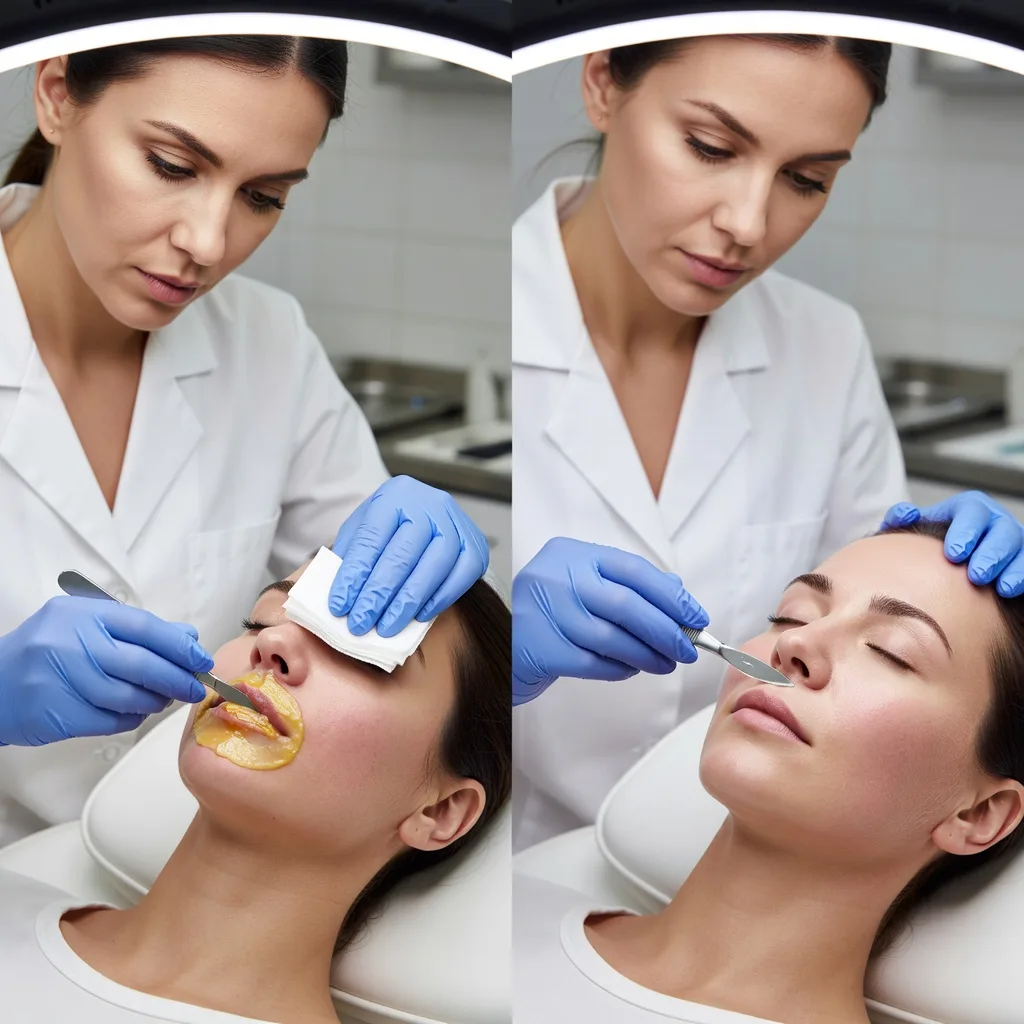
Facial waxing removes hair from the root by applying warm or cold wax and pulling it away quickly, so results usually last around three to six weeks. Dermaplaning uses a sterile blade held at an angle to shave off fine vellus hair (peach fuzz) and the top layer of dead skin cells, giving an immediate smooth, bright finish that lasts about three to four weeks as hair and cells grow back. Waxing works better for coarser or darker hair; dermaplaning suits fine peach fuzz and doubles as exfoliation. Neither makes hair grow back thicker.
In short, choose waxing if you want longer-lasting removal of noticeable hair, and dermaplaning if you want to remove soft fuzz and exfoliate at the same time.
A systematic review in Aesthetic Plastic Surgery found that scientific data on dermaplaning is scarce and largely anecdotal, although it remains popular, and stressed that such treatments work best as part of a routine with sunscreen. The American Academy of Dermatology offers practical guidance on waxing safely at home.
This guide explains how each method works, results, side effects, who should avoid them and how to choose.
Shopping these picks?
Amazon Prime members get fast, free shipping on eligible items, plus Prime Video, Amazon Music and member deals. New members can start with a free trial.
Start a free Prime trialAged 18 to 24? Prime for Young Adults comes with a longer free trial and a lower price after it.
Affiliate link: we may earn a commission at no extra cost to you.
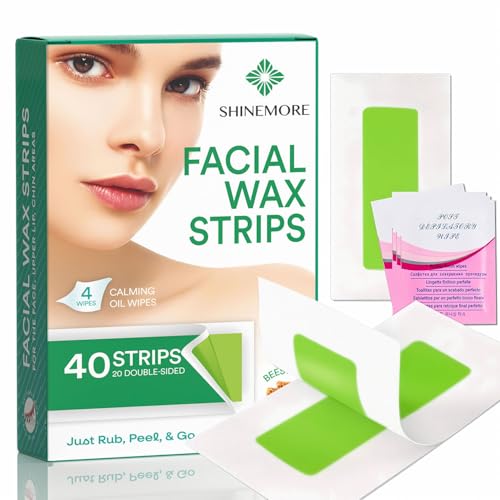
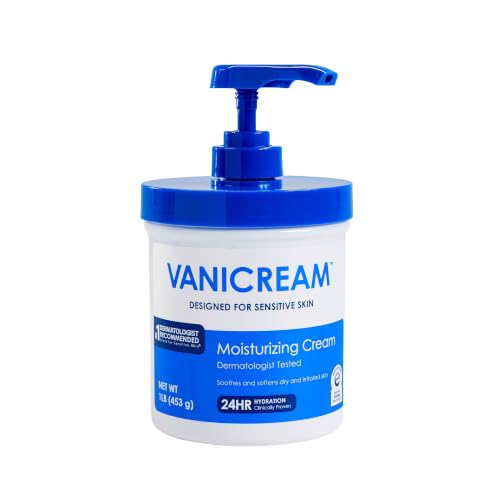
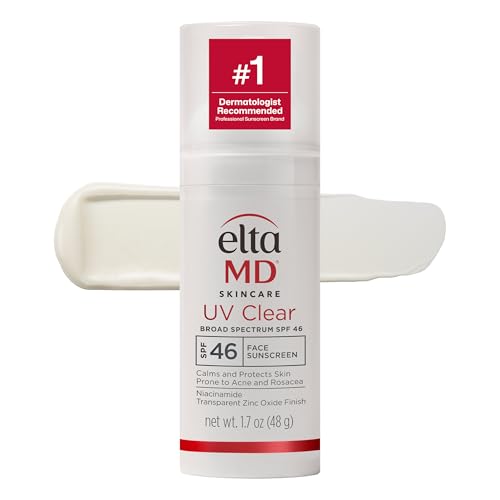
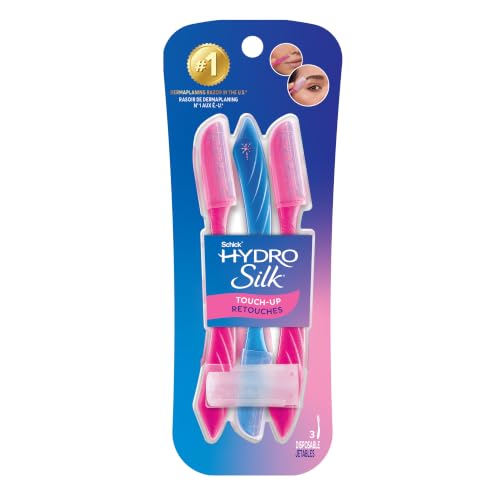
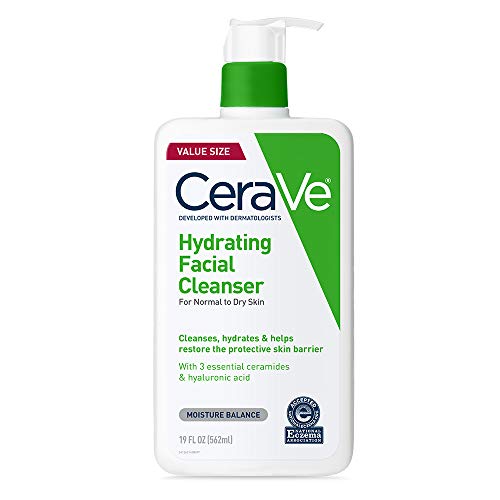
Recommended Products for Facial Hair Removal and Aftercare

What to Know First
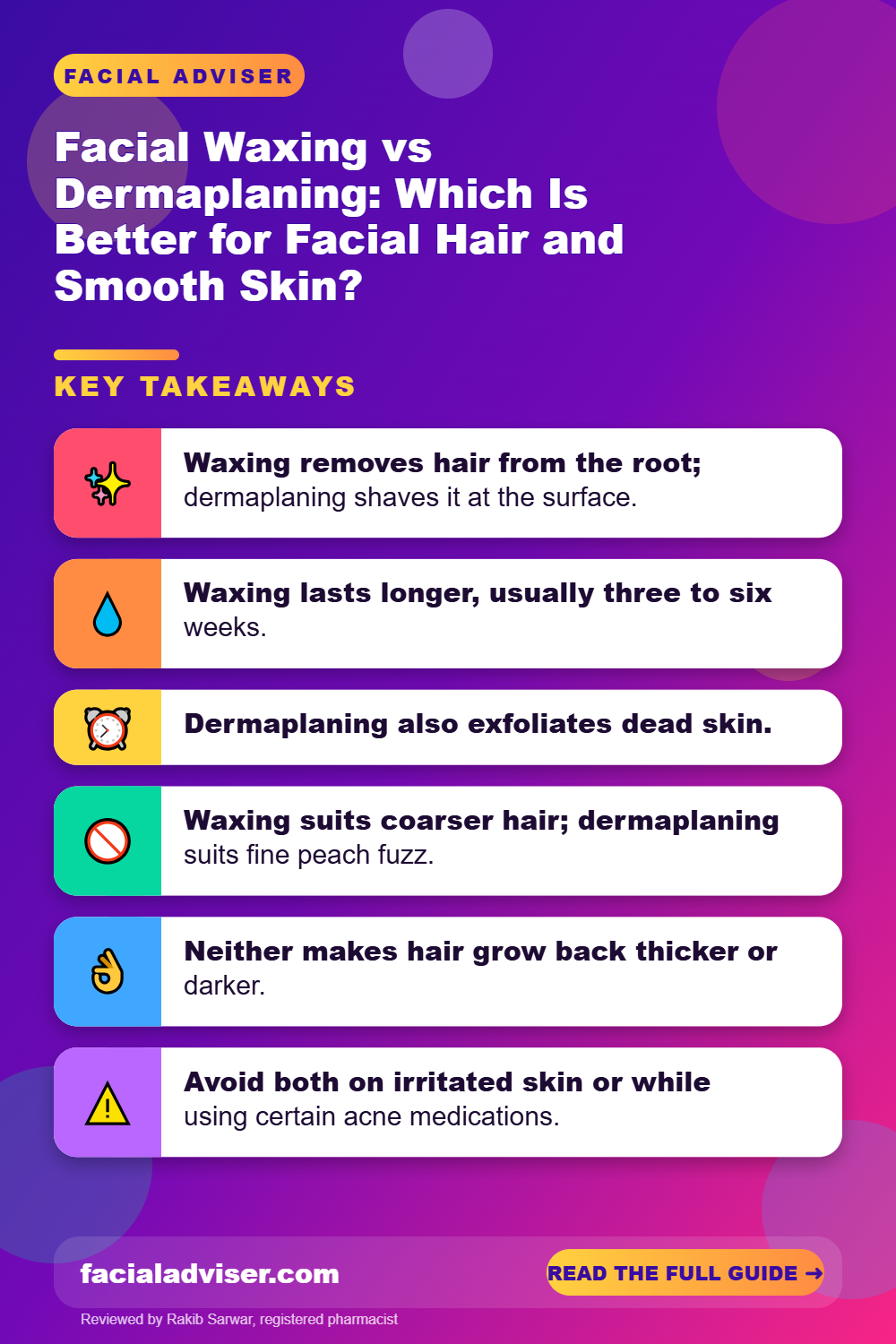
- Waxing removes hair from the root; dermaplaning shaves it at the surface.
- Waxing lasts longer, usually three to six weeks.
- Dermaplaning also exfoliates dead skin.
- Waxing suits coarser hair; dermaplaning suits fine peach fuzz.
- Neither makes hair grow back thicker or darker.
- Avoid both on irritated skin or while using certain acne medications.
- Sunscreen is important after either method.
What This Covers
- Facial Waxing vs Dermaplaning at a Glance
- How Facial Waxing Works
- How Dermaplaning Works
- Results: Which Lasts Longer and Looks Better?
- Side Effects and Who Should Avoid Them
- How to Choose Between Facial Waxing and Dermaplaning
- Doing It at Home Safely
- Aftercare Tips
- How Often Should You Do Each?
- Dos and Don’ts
- Honest Limits
- When to See a Doctor
- Your Questions, Answered
- Where This Leaves You
Facial Waxing vs Dermaplaning at a Glance
This table summarises the main differences.
| Feature | Facial waxing | Dermaplaning |
|---|---|---|
| How it works | Wax grips hair and pulls it from the root | Sterile blade shaves hair and dead skin at the surface |
| Best for | Coarser, darker hair on lip, chin, brows | Fine peach fuzz across the face |
| Exfoliation | Mild, as a side effect | Significant, removes dead surface cells |
| How long it lasts | About three to six weeks | About three to four weeks |
| Sensation | Quick sting | Painless scraping feeling |
| Common side effects | Redness, bumps, ingrown hairs | Mild redness, nicks, dryness |
| Regrowth | Slower, finer over time for some people | Soft regrowth, same texture as before |
Both can be done professionally or at home. Professional treatments are more consistent, while home versions are more convenient and cheaper per use. Whichever you choose, consistency matters: sticking to one method for a few months gives you a clearer idea of how your hair and skin respond than switching back and forth.
How Facial Waxing Works
Facial waxing uses either hot wax, which hardens and is peeled off, or soft wax and strips. The wax grips hairs and pulls them out from the follicle. Because the whole hair is removed, regrowth takes longer, and many people find it grows back finer after repeated waxing, though this varies.
Waxing is especially popular for the upper lip, chin, jawline, sideburns and eyebrows, where hairs are often more visible. It works best when hair is at least a few millimetres long, so there is a short period of visible regrowth between sessions.
Waxing removes some of the outer skin layer along with the hair. That is why it can cause redness and why it should be avoided on skin that is irritated, sunburned or already thinned by strong actives.
The American Academy of Dermatology shares step-by-step tips in its guide on how to wax. For a wider comparison, see our guide to waxing versus shaving facial hair.
How Dermaplaning Works
Dermaplaning uses a small, sterile blade held at a shallow angle and drawn across taut skin in short, gentle strokes. It removes fine vellus hair and the loose top layer of dead skin cells at the same time.
The immediate result is smooth, bright-looking skin, and many people like how makeup glides on afterwards. Because it exfoliates, skincare products may also feel as if they spread more evenly.
- Professional dermaplaning: done by an esthetician with a surgical-style scalpel, often as part of a facial.
- At-home tools: small, guarded razors designed for the face, which are gentler but less precise.
- Not suitable for: active acne, inflamed skin or areas with raised lesions.
A systematic review published in Aesthetic Plastic Surgery and available on PubMed found that the scientific data supporting dermaplaning was scarce and anecdotal, while noting that many patients report being pleased. It recommended realistic expectations and using such treatments within a routine that includes sunscreen. Our guide to what dermaplaning is covers the treatment in more detail.
Results: Which Lasts Longer and Looks Better?
Results depend on your hair type and what you want to achieve.
| Goal | Facial waxing | Dermaplaning |
|---|---|---|
| Remove dark upper lip or chin hair | Very effective | Works, but regrowth is quicker |
| Remove all-over peach fuzz | Possible but can irritate | Very effective |
| Smoother makeup application | Good | Excellent |
| Brighter-looking skin | Mild | Noticeable short-term glow |
| Longest time between sessions | Waxing | Shorter intervals |
A common worry is that dermaplaning makes hair grow back thicker. Shaving cuts hair at the surface, so regrowth has a blunt tip that can feel slightly coarser at first, but it does not change the thickness, colour or rate of growth. The same is true of waxing. What does differ is how regrowth looks: after waxing, hairs return gradually with tapered tips, while after dermaplaning, fuzz returns evenly across the face at the same time. Some people notice regrowth sooner on the upper lip and chin, where hair is often darker and faster growing.
Side Effects and Who Should Avoid Them
Both methods are generally safe, but each carries its own risks.
- Waxing: redness, small bumps, ingrown hairs, and occasionally burns or lifted skin if wax is too hot or skin is fragile.
- Dermaplaning: mild redness, small nicks or cuts, dryness and, rarely, breakouts from irritation.
- Both: infection if tools or wax are not hygienic.
- Darker skin: irritation can leave dark marks (post-inflammatory hyperpigmentation).
Avoid waxing and dermaplaning if you use prescription retinoids or have recently taken isotretinoin, as the skin can tear or peel. Also avoid them over active acne, cold sores, sunburn, rashes or broken skin. Check with a dermatologist if you are unsure.
If facial hair suddenly increases, becomes coarse or appears alongside irregular periods or acne, see a doctor, as hormonal conditions can be the cause. Our guide on normal facial hair versus PCOS explains when to get checked.
How to Choose Between Facial Waxing and Dermaplaning
Look at your hair type
Coarse or dark hair suits waxing; fine, light peach fuzz suits dermaplaning.
Decide what else you want
If you also want exfoliation and a glow, dermaplaning adds that.
Check your skin
Avoid both on inflamed, broken or acne-prone flare areas.
Review your medications
Retinoids and isotretinoin make both risky.
Consider frequency
Waxing lasts longer; dermaplaning usually needs repeating every few weeks.
Choose home or professional
Professionals give more even results; home tools are convenient.
Plan aftercare
Soothe skin, skip strong actives for a day or two and wear sunscreen.
Do a small patch test first, especially with a new wax or if you have sensitive skin. Wait a day to check for redness, bumps or irritation before treating a larger area.
If you are also considering an epilator, our guide on epilator versus waxing for facial hair compares the two.
Doing It at Home Safely
Both methods can be done at home with care.
- Start with clean, dry skin and no oils or heavy creams.
- For waxing, test the temperature on your inner wrist, apply in the direction of hair growth and pull against it, holding skin taut.
- For dermaplaning, hold the tool at a shallow angle, use short, light downward strokes and keep skin taut.
- Avoid going over the same area repeatedly.
- Use a new or cleaned tool each time and never share razors.
Skip the eyelids and be very careful around the nose and lips. If you have raised moles or lesions, work around them rather than over them. If you have never tried either method, a professional appointment first can be a useful way to learn the right technique, pressure and angle before doing it yourself. Replace blades as soon as they feel dull, as a dull blade drags on the skin and increases irritation.
Aftercare Tips
Good aftercare reduces redness and helps prevent bumps and ingrown hairs.
After waxing, avoid hot showers, saunas, heavy makeup and exfoliants for the rest of the day. A cool compress or a soothing gel can calm any redness. A few days later, gentle exfoliation can help prevent ingrown hairs.
After dermaplaning, skin is freshly exfoliated and more sensitive to the sun and to strong products. Use a gentle cleanser and a simple moisturiser, avoid acids and retinoids for a day or two and apply broad-spectrum sunscreen every morning.
How Often Should You Do Each?
Facial waxing is usually repeated every three to six weeks, once hair has grown long enough for the wax to grip. Waxing too often, before hair has grown back, mainly irritates the skin without removing much hair.
Dermaplaning is commonly repeated every three to four weeks, which roughly matches how quickly the surface layer and fine hair return. Doing it more often can over-exfoliate the skin, leading to dryness, redness and sensitivity, especially if you also use acids or retinoids.
Some people alternate the two, waxing coarser areas such as the lip and chin and dermaplaning the rest of the face. If you do both, avoid treating the same area within a few days of each other, and give skin time to recover in between. Keeping a simple note of when you last treated each area makes it easier to stick to a comfortable schedule and spot what your skin tolerates best.
Dos and Don’ts
Worth Doing
- Match the method to your hair type
- Patch test new products
- Keep skin taut while working
- Use clean tools every time
- Apply sunscreen afterwards
Skip It
- Wax or dermaplane over active acne
- Use either method while on retinoids without advice
- Dermaplane too often
- Share razors
- Wax sunburned or broken skin
Honest Limits
Neither method removes hair permanently. For long-term reduction of noticeable facial hair, options such as laser hair removal or electrolysis may be more suitable, and a dermatologist can advise on what fits your skin and hair colour.
Evidence on dermaplaning’s skin benefits beyond hair removal is limited, so its glow is best seen as the result of exfoliation rather than lasting change. Waxing and dermaplaning both work best alongside a gentle routine and daily sun protection.
When to See a Doctor
- You notice sudden or rapidly increasing facial hair.
- You develop painful bumps, pus or signs of infection after hair removal.
- Skin lifts, blisters or burns after waxing.
- Dark marks or scarring appear after repeated hair removal.
This article is for general information and does not replace professional medical advice. Consult a board-certified dermatologist if you have skin conditions, take acne medication or notice changes in facial hair growth.
Your Questions, Answered
What is the difference between waxing and dermaplaning?
Waxing removes hair from the root; dermaplaning shaves hair and dead skin from the surface.
Which lasts longer?
Waxing, usually three to six weeks.
Does dermaplaning make hair grow back thicker?
No, it only leaves a blunt tip that can feel slightly coarser at first.
Which is better for peach fuzz?
Dermaplaning is usually gentler and more effective for fine fuzz.
Which is better for chin hair?
Waxing tends to work better for coarser, darker hairs.
Can I wax or dermaplane with acne?
Avoid treating active breakouts or inflamed skin.
Can I use retinol after dermaplaning?
Wait a day or two, as skin is more sensitive.
Is dermaplaning safe for sensitive skin?
Often, if done gently and not too often; patch test first.
How often can I dermaplane?
Usually every three to four weeks.
Can I do both?
Yes, on different areas or at different times, but not back to back.
Where This Leaves You
Facial waxing removes hair from the root for longer-lasting results and suits coarser hair, while dermaplaning shaves fine peach fuzz and dead skin for an instant smooth, bright finish.
Choose based on your hair type and goals, avoid both on irritated skin or while using strong acne medication, and protect your skin with gentle aftercare and daily sunscreen.

Written by
Registered pharmacist and founder of Facial Adviser. Rakib's pharmacy training covers how skincare actives work and interact; a later course in cosmetology turned that into a focus on facial treatments and skincare products. He plans, researches and edits every guide on the site and checks health claims against sources such as the American Academy of Dermatology, the FDA and the NIH. He is not a dermatologist; see the Editorial Policy and Medical Disclaimer.
About · Editorial policy · How we choose products · Medical disclaimer · Contact
Keep reading: Facial hair removal
- 10 Best Products for Women's Facial Hair Removal (2026): Gentle Picks
- Microdermabrasion vs Dermaplaning: Differences, Results and Which to Choose
- Normal Facial Hair in Women vs PCOS: The Signs That Point to Hormones
- Waxing vs Shaving Facial Hair: Which Is Better for Your Skin?
- Beard vs Clean-Shaven: What Facial Hair Does for Your Skin and Look
- Laser vs Electrolysis for Facial Hair: Which Works for Your Hair and Skin
- 10 Best LED Light Therapy Masks (2026): Clearer Skin, Softer Lines
- How to Incorporate Microcurrent Into Your Routine: Gel, Timing and Safety