Epilator vs Waxing for Facial Hair: Pain, Results, and Skin Safety
If shaving feels like a daily chore and you want facial hair to stay gone for a few weeks, the two main home options are an epilator or wax. Both pull hair out by the root, and both keep skin smooth far longer than a razor. The experience of using them, though, is very different.
Part of our guide to at-home facial devices. Start with: 10 Best Products for Women's Facial Hair Removal (2026): Gentle Picks
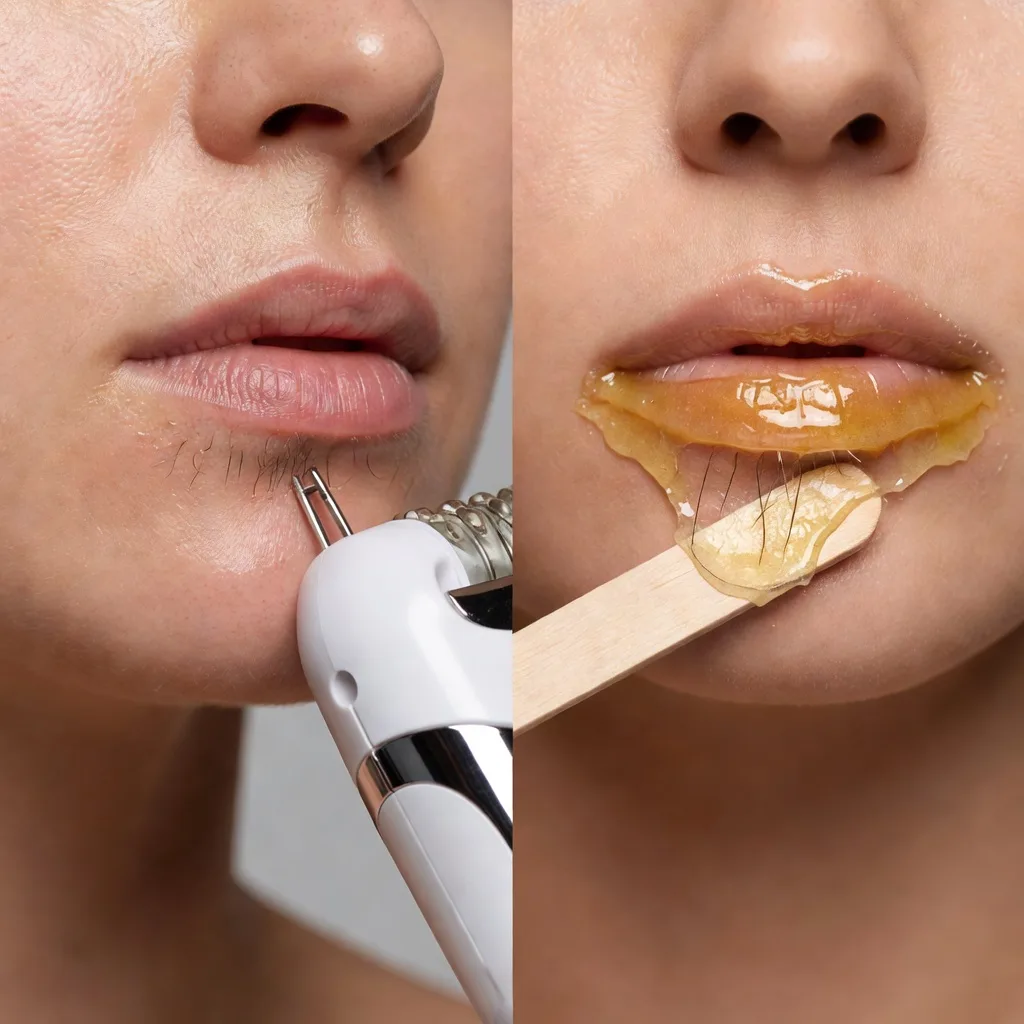
An epilator is a handheld device with rotating tweezers that grab and pull hairs as you glide it over the skin. Waxing removes many hairs at once by gripping them in wax and pulling it away. Results from both usually last around three to four weeks, because the hair has to grow back from the root.
The main differences are in how they feel, what they do to the skin, and which hairs they handle best. Epilators tend to cause a longer, prickling discomfort but do not pull on the skin as much. Waxing is over in a quick sting but can lift the top layer of skin, especially if you use retinoids or have sensitive skin.
Neither method works well if your skin is irritated, inflamed, or treated with strong actives. And for coarse, curly hairs, both can lead to ingrown hairs if you skip exfoliation and aftercare.
This guide compares epilating and waxing for the face, walks you through a quick way to choose, explains how to use each safely, and covers when facial hair growth is worth discussing with a doctor.
Shopping these picks?
Amazon Prime members get fast, free shipping on eligible items, plus Prime Video, Amazon Music and member deals. New members can start with a free trial.
Start a free Prime trialAged 18 to 24? Prime for Young Adults comes with a longer free trial and a lower price after it.
Affiliate link: we may earn a commission at no extra cost to you.
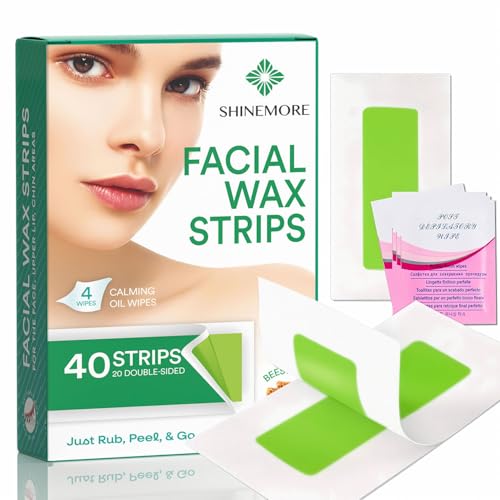
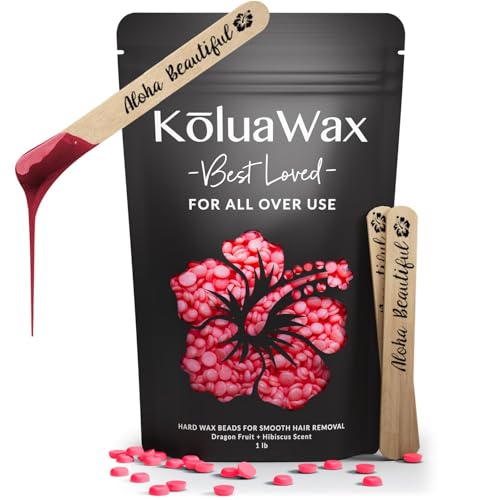
Recommended Epilators and Waxing Supplies




At a Glance
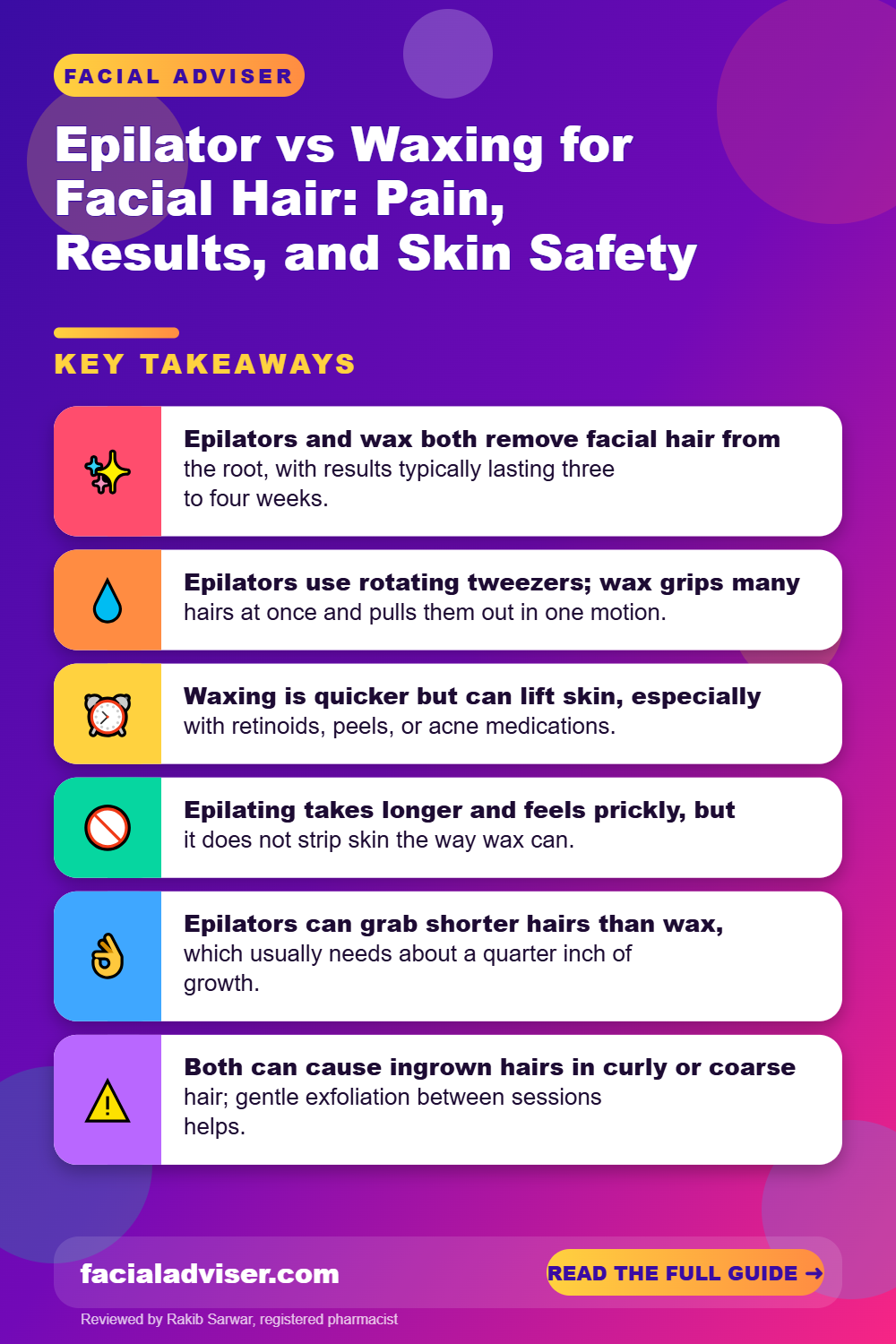
- Epilators and wax both remove facial hair from the root, with results typically lasting three to four weeks.
- Epilators use rotating tweezers; wax grips many hairs at once and pulls them out in one motion.
- Waxing is quicker but can lift skin, especially with retinoids, peels, or acne medications.
- Epilating takes longer and feels prickly, but it does not strip skin the way wax can.
- Epilators can grab shorter hairs than wax, which usually needs about a quarter inch of growth.
- Both can cause ingrown hairs in curly or coarse hair; gentle exfoliation between sessions helps.
- Sudden or heavy facial hair growth in women can be a sign of a hormonal condition.
Jump to a Section
How Each Method Works
Epilators
An epilator has a head with many small metal discs or tweezers that open and close as it rotates. When you glide it slowly over the skin, the tweezers catch hairs and pull them out at the root. Some models include a smaller head or cap for the face and bikini line, and many offer a light to help you see fine hairs.
Waxing
Wax works by coating hairs and sticking to them. Soft wax is spread thinly and removed with a cloth or paper strip, while hard wax is applied thicker, hardens, and is pulled off on its own. Many estheticians prefer hard wax for the face because it grips hair more than skin. Pre-made cold wax strips are convenient for small areas such as the upper lip.
For a broader look at quick hair removal options, our guide to waxing vs shaving facial hair compares root removal with shaving.
Epilator vs Waxing at a Glance
| Feature | Epilator | Waxing |
|---|---|---|
| How it removes hair | Rotating tweezers pull hairs one by one | Wax grips and pulls many hairs at once |
| How long results last | About 3 to 4 weeks | About 3 to 4 weeks |
| Minimum hair length | Very short hairs, often 1 to 2 mm | About 1/4 inch |
| Pain | Longer, prickling, builds tolerance | Quick, sharp sting |
| Skin lifting risk | Low | Higher, especially with retinoids |
| Time for upper lip or chin | Several minutes | A minute or two |
| Mess | None | Wax prep and cleanup |
| Ongoing cost | Device only | Wax and strips each time |
If you remove facial hair often, an epilator is a one-time purchase, while waxing supplies need replacing. That said, wax is faster for many people, especially for the upper lip.
Which Method Fits You? A Quick Check
Work through these steps. The first one that clearly applies usually points to your answer.
Check your skincare
If you use a retinoid, benzoyl peroxide, or strong acids on your face, or took isotretinoin in the past six months, avoid waxing. An epilator or threading is gentler on thin, sensitized skin.
Measure your hair
If you hate waiting for hair to grow out, an epilator can catch very short hairs. Waxing needs about a quarter inch.
Think about pain style
If you prefer one quick sting, choose wax. If you can tolerate a longer prickling sensation that often fades with regular use, try an epilator.
Look at the area
For a larger area of fine hair along the cheeks, an epilator can be tedious. For a few coarse chin hairs, an epilator or tweezers gives more control.
Test on a small patch
Try your chosen method on a small area near the jaw and wait 24 hours. Watch for redness, bumps, or raw patches before doing more.
Epilating after a warm shower, when hair and skin are softer, often makes it more comfortable. Make sure your skin is completely dry before starting.
Pain and How to Reduce It
Both methods hurt, especially the first few times. The upper lip is one of the most sensitive areas of the body, so expect some discomfort there.
To reduce pain with an epilator, hold the skin taut, move slowly against the direction of hair growth, and keep the device flat to the skin. Many people find that regular sessions hurt less over time, as hair regrows finer and in smaller amounts.
For waxing, apply wax in the direction of growth, hold the skin firmly, and pull quickly and close to the skin in the opposite direction. Pressing a clean finger on the area immediately afterward can ease the sting.
Timing can help. Some people find hair removal more painful just before or during their period, when pain sensitivity can be higher. Try scheduling sessions for another time of the month.
Skin Reactions and Ingrown Hairs
Some redness and small bumps are common after both methods and usually settle within a few hours to a day. Anything more lasting can signal irritation, folliculitis, or a problem with technique.
Ingrown hairs happen when hairs curl back into the skin as they regrow, a problem that is more common with coarse or curly hair. A 2013 review in American Family Physician noted that razor bumps caused by ingrown hairs are especially common in people with tightly curled hair, and root removal methods can trigger similar bumps.
Waxing carries a specific risk: lifting. When wax sticks to skin as well as hair, it can pull away the top layer, leaving a shiny, raw, or scabbed patch. This is much more likely with retinoids, recent peels, sunburn, or wax that is too hot.
Stop and let skin heal if you notice raw patches, burns, blisters, pus-filled bumps, or spreading redness. Do not wax or epilate over irritated skin.
Before and After: Doing It Safely
Do
- Cleanse and dry the area completely before starting.
- Test wax temperature on your inner wrist first.
- Keep your epilator head clean and disinfected.
- Apply aloe gel or a fragrance-free moisturizer afterward.
- Exfoliate gently a few days later to reduce ingrown hairs.
Don’t
- Wax or epilate over pimples, cold sores, or broken skin.
- Wax over retinoid-treated skin.
- Go over the same area repeatedly with wax.
- Apply makeup, acids, or fragrance right afterward.
- Sit in strong sun without sunscreen after hair removal.
If you have darker skin, be especially gentle, since irritation can leave dark marks that take weeks or months to fade. A professional using hard wax may be a safer option for sensitive areas.
Best Method for Each Part of the Face
Different areas of the face suit different tools, and many people end up using a mix.
- Upper lip: wax strips or hard wax are quick and effective. An epilator works but can be very uncomfortable here, so go slowly.
- Chin and jawline: coarse, scattered hairs respond well to an epilator or tweezers, which give more control than wax over a curved area.
- Cheeks and sideburns: fine, light hair across a wider area is often easier with wax, or with a dermaplaning razor if the hair is very fine.
- Eyebrows: keep epilators away from the brows. Tweezing, threading, or professional waxing give the precision this area needs.
- Neck: either method works, but the skin is thin, so test first and avoid repeated passes.
Whatever the area, work in small sections and stop if the skin becomes very red or sore. It is better to leave a few hairs for another day than to irritate the skin and deal with bumps and dark marks for weeks.
If you are starting out, it can help to practice on a less visible area such as the jawline under the chin before moving to the upper lip. This gives you a feel for the pressure, speed, and angle that work for your skin and hair.
What Neither Method Can Do
Neither an epilator nor waxing permanently removes facial hair. Follicles stay active, so hair keeps growing back, although some people notice it becomes finer or sparser with years of regular removal. That effect is anecdotal rather than proven.
| Belief | Reality |
|---|---|
| Epilating removes hair permanently | Hair regrows from the same follicles |
| Waxing makes hair grow back thicker | Root removal does not make hair thicker |
| Epilators are painless after the first use | Discomfort usually eases but rarely disappears |
| Body epilators are fine for the face | Use a facial head or cap if available, and go slowly |
| Hair removal fixes hormonal hair growth | It removes hair but does not treat the cause |
For long-term reduction, laser hair removal and electrolysis are the main options. Our guide to laser vs electrolysis for facial hair explains how they compare.
When to Talk to a Doctor
Some facial hair is normal for everyone. But for women, certain patterns may point to a hormonal condition that needs medical attention. See a doctor if you notice:
- Sudden or rapidly increasing coarse hair on the chin, jaw, upper lip, or neck.
- Facial hair along with irregular periods, acne, weight changes, or scalp hair thinning.
- A deepening voice or other signs of increased male hormones.
- New hair growth after starting a medication.
- Recurring painful bumps, boils, or abscesses after hair removal.
- Dark patches that persist for months after waxing or epilating.
Polycystic ovary syndrome is one of the most common causes of excess facial hair in women. Our guide to normal facial hair vs PCOS covers the signs to watch for.
Medical disclaimer: This article is for general information and is not a substitute for professional medical advice. Talk to a healthcare provider about unusual or sudden hair growth.
FAQ
Is an epilator or waxing better for facial hair?
Neither is better for everyone. Waxing is faster; an epilator catches shorter hairs and is less likely to lift skin.
Which hurts more, epilating or waxing?
Waxing gives a quick, sharp sting; epilating causes a longer prickling sensation. Many people find epilating hurts less over time.
How long do results last?
Both usually last about three to four weeks.
Can I use a body epilator on my face?
You can if it has a facial head or cap, but go slowly and test a small area first.
Can I epilate if I use retinol?
Epilating is usually gentler than waxing on retinoid-treated skin, but skip it if your skin is irritated.
Do epilators cause ingrown hairs?
They can, especially with curly or coarse hair. Gentle exfoliation a few days later helps.
How long should facial hair be before waxing?
About a quarter inch, so the wax can grip it.
Does epilating make hair grow back thinner?
Some people notice finer regrowth over time, but this is not well proven.
What should I put on my face after epilating?
A fragrance-free moisturizer or aloe gel, and sunscreen during the day.
When should I worry about facial hair?
If growth is sudden, coarse, or comes with irregular periods or acne, see a doctor.
Summing Up
Epilators and waxing both remove facial hair from the root and keep skin smooth for around three to four weeks. Waxing is faster and deals with many hairs at once, while an epilator can grab shorter hairs, avoids wax mess, and is less likely to lift fragile or retinoid-treated skin.
Check your skincare routine first, choose the pain style you can live with, and patch test before doing your whole face. If facial hair growth is sudden or comes with other symptoms, see a doctor, since removal treats the hair but not the cause.

Written by
Registered pharmacist and founder of Facial Adviser. Rakib's pharmacy training covers how skincare actives work and interact; a later course in cosmetology turned that into a focus on facial treatments and skincare products. He plans, researches and edits every guide on the site and checks health claims against sources such as the American Academy of Dermatology, the FDA and the NIH. He is not a dermatologist; see the Editorial Policy and Medical Disclaimer.
About · Editorial policy · How we choose products · Medical disclaimer · Contact
Keep reading: Facial hair removal
- 10 Best Products for Women's Facial Hair Removal (2026): Gentle Picks
- Facial Razor vs Normal Razor: Can You Use a Regular Razor on Your Face?
- 10 Best IPL Hair Removal Systems (2026): Smoother Skin at Home
- 10 Best IPL Hair Removal Devices for Sensitive Skin (2026): Gentle Picks
- 10 Best Eyebrow Razors (2026): Clean, Precise Brow Shaping
- 10 Best Facial Razors for Women (2026): Smooth, Fuzz-Free Skin at Home
- 10 Best LED Light Therapy Masks (2026): Clearer Skin, Softer Lines
- How to Incorporate Microcurrent Into Your Routine: Gel, Timing and Safety