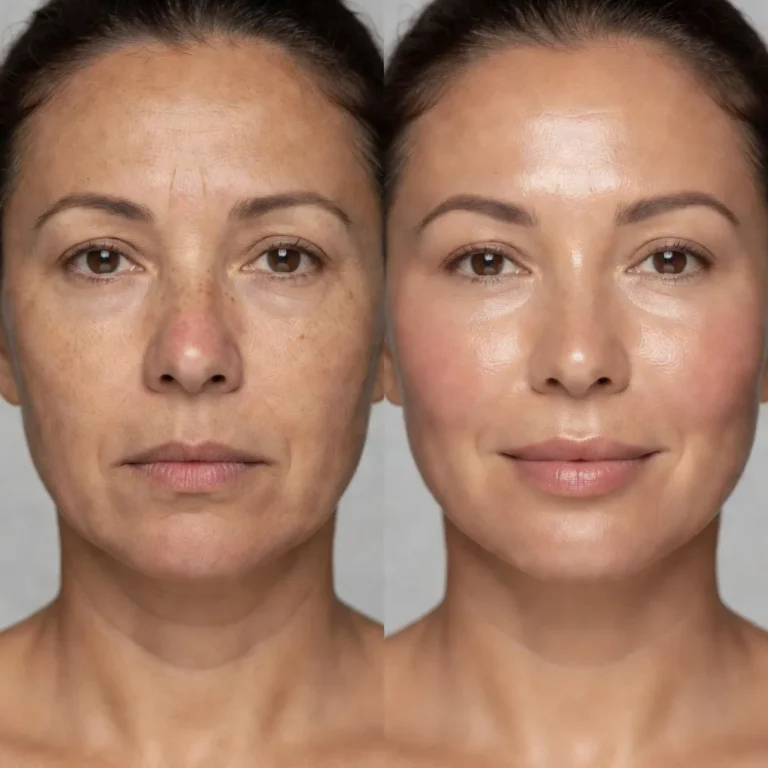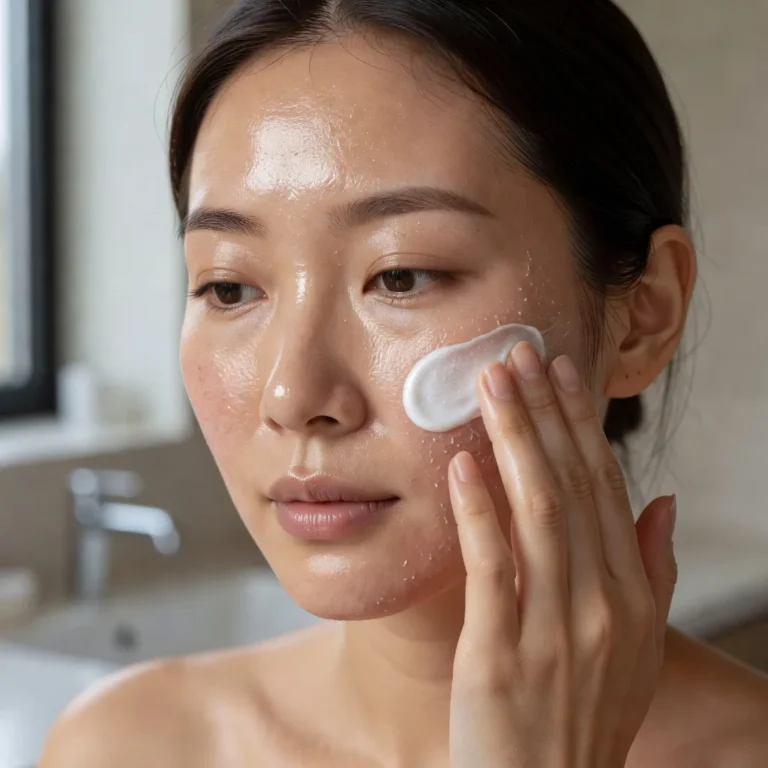

Facial Wash vs Facial Scrub: Which Does Your Skin Actually Need?
A face wash and a face scrub can look almost identical in the shower: a creamy gel in a tube, massaged in and rinsed off. But they are built for different jobs, and using the wrong one too often is one of the most common reasons skin ends up tight, red, or breaking out more than before.
Part of our guide to skincare products. Start with: 10 Best Facial Cleansers for Combination Skin (2026): Balanced Picks
A facial wash is a daily cleanser that removes oil, dirt, sunscreen, and makeup. A facial scrub is an exfoliator that uses gritty particles to rub away dead skin cells, and it is meant for occasional use, not every day. Most people need a wash every day and a scrub only once or twice a week, if at all.
The type of scrub matters too. Coarse particles such as crushed nut shells or fruit pits have jagged edges that can irritate skin. Smooth, round particles or soft powders are much gentler. Plastic microbeads, once common in scrubs, were banned from rinse-off cosmetics in the United States under the Microbead-Free Waters Act of 2015 because of their environmental impact.
For many skin types, a chemical exfoliant is a gentler way to get the same result. Ingredients such as salicylic acid or lactic acid loosen dead cells without rubbing, which suits acne-prone and sensitive skin better than a gritty scrub.
This guide explains what each product does, shows you a simple way to tell whether your skin needs exfoliating, compares washes and scrubs side by side, and covers the signs that you are overdoing it.
Shopping these picks?
Amazon Prime members get fast, free shipping on eligible items, plus Prime Video, Amazon Music and member deals. New members can start with a free trial.
Start a free Prime trialAged 18 to 24? Prime for Young Adults comes with a longer free trial and a lower price after it.
Affiliate link: we may earn a commission at no extra cost to you.
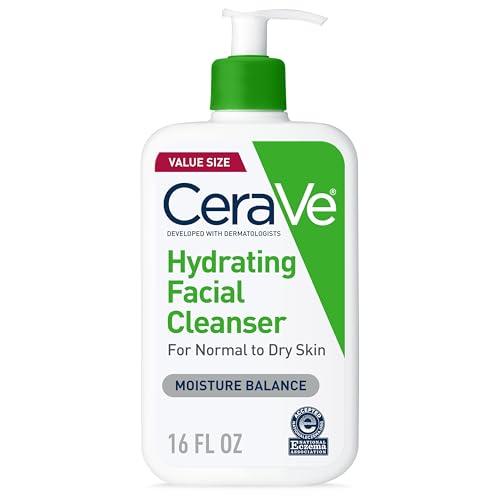
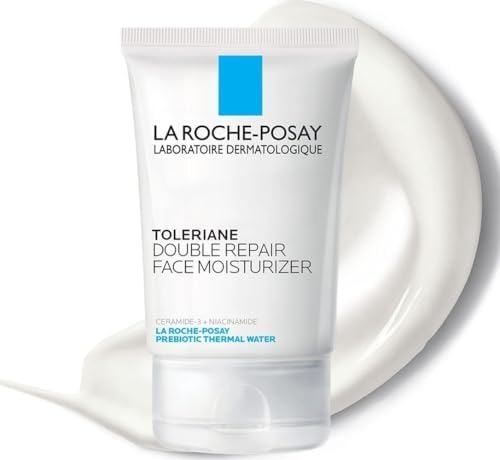
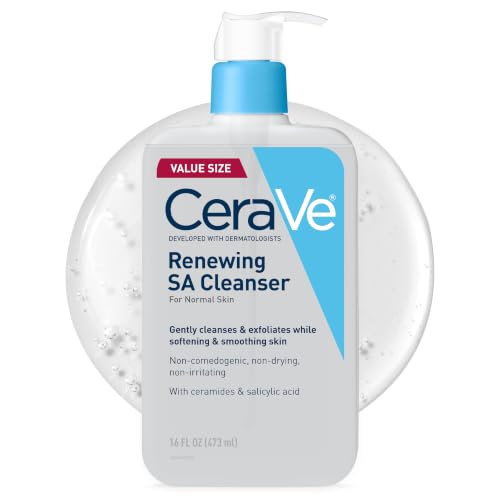
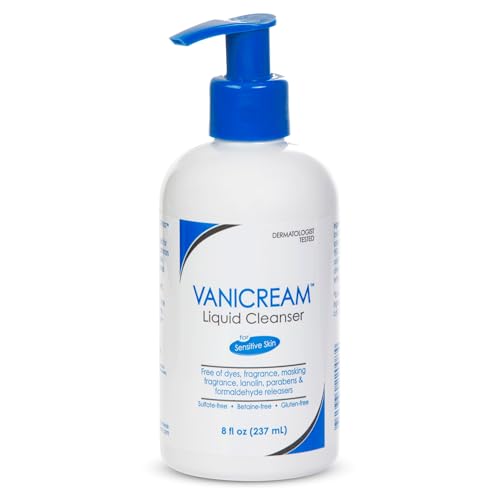
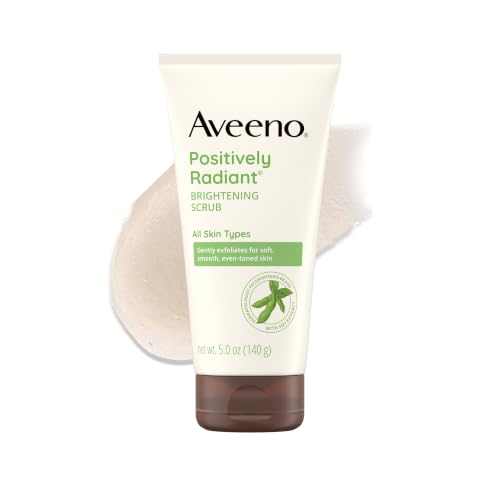
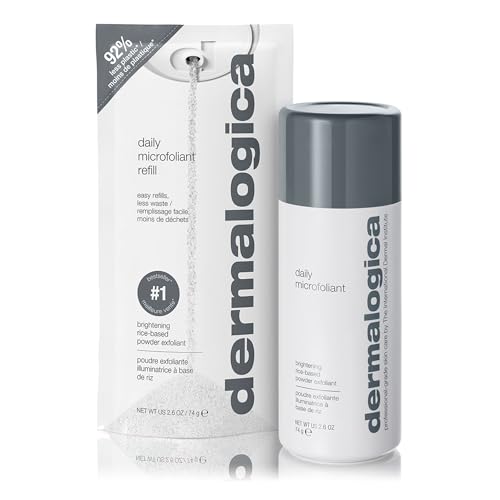
Recommended Facial Washes and Exfoliators

What to Know First
- A facial wash is for daily cleansing; a facial scrub is for occasional physical exfoliation.
- Most people only need a scrub once or twice a week, and some skin types should skip scrubs entirely.
- Jagged particles such as crushed shells can irritate; smooth, fine particles are gentler.
- Plastic microbeads were banned from US rinse-off cosmetics under the Microbead-Free Waters Act of 2015.
- Chemical exfoliants such as salicylic acid are often a gentler alternative for acne-prone and sensitive skin.
- Stinging, tightness, redness, or a shiny, tight look are signs of over-exfoliation.
- Avoid scrubs on active acne, rosacea, eczema, sunburn, or while using retinoids.
What This Covers
- What a Facial Wash Does
- What a Facial Scrub Does
- Facial Wash vs Facial Scrub Side by Side
- Does Your Skin Need Exfoliating? A Quick Check
- Chemical Exfoliants: The Gentler Alternative
- Choosing by Skin Type
- How to Use Each Correctly
- Signs You Are Over-Exfoliating
- What Neither Product Can Do
- When to See a Dermatologist
- Common Questions
- Final Word
What a Facial Wash Does
A facial wash, or cleanser, uses mild surfactants to lift oil, sweat, dirt, sunscreen, and makeup so they can be rinsed away. It is designed to be used once or twice a day without stripping the skin’s natural barrier.
Washes come in several forms. Cream and lotion cleansers are the gentlest and suit dry or sensitive skin. Gel and foaming cleansers remove more oil and suit oily or combination skin. Some washes include active ingredients such as salicylic acid or benzoyl peroxide for acne.
A good wash should leave skin feeling clean but comfortable. If your face feels tight, squeaky, or itchy afterward, the cleanser may be too harsh for you.
Water temperature and technique matter as much as the product. Hot water strips oil faster and can leave skin tight, while lukewarm water cleans just as well. Use your fingertips rather than a rough cloth, and pat dry with a clean towel instead of rubbing.
What a Facial Scrub Does
A facial scrub is a physical exfoliant. It contains small particles, such as jojoba beads, rice powder, oats, sugar, or ground seeds, suspended in a cleansing base. As you massage it in, the particles rub away loose dead skin cells from the surface.
The immediate result is smoother, brighter-looking skin, and many people like the fresh feeling after a scrub. The downside is that it is easy to overdo. Rubbing too hard, too often, or with rough particles can cause redness, irritation, and tiny breaks in the skin barrier.
The shape and size of the particles make a big difference. Round, uniform beads or fine powders glide over skin. Crushed shells, pits, and coarse salt have sharp edges that scratch.
Facial Wash vs Facial Scrub Side by Side
| Feature | Facial wash | Facial scrub |
|---|---|---|
| Main job | Removes oil, dirt, makeup, sunscreen | Removes dead skin cells |
| How often | Once or twice daily | Once or twice weekly at most |
| How it works | Surfactants lift and rinse away grime | Particles physically rub the surface |
| Best for | Every skin type | Normal, oily, or dull skin without active irritation |
| Risk of irritation | Low with a gentle formula | Moderate to high if overused |
| Use with retinoids | Yes, a gentle one | Usually avoid |
| Replaces the other? | No | No, a scrub is not a daily cleanser |
Some products combine the two, calling themselves daily scrubs or exfoliating cleansers. These tend to use very fine particles and can suit some people, but pay close attention to how your skin feels.
Does Your Skin Need Exfoliating? A Quick Check
Not everyone needs a scrub. Use these steps to decide, ideally in the evening before you cleanse.
Look in daylight
Check for dullness, rough dry patches, or flakes that sit on the surface even after moisturizing. These are signs dead cells are building up.
Do the fingertip test
Run clean fingertips across your cheeks and forehead. Smooth skin rarely needs a scrub. Rough, sandpaper-like texture may benefit from gentle exfoliation.
Check for irritation
If you have active acne, rosacea, eczema, sunburn, or broken skin, do not scrub. Treat those first or ask a dermatologist.
Review your other products
If you already use a retinoid, an acid toner, or acne medication, you are already exfoliating. Adding a scrub may be too much.
Start slowly
If a scrub makes sense, use it once a week with light pressure for 20 to 30 seconds. Increase to twice a week only if skin stays calm.
Tiny dark dots on the nose are often sebaceous filaments rather than blackheads, and scrubbing will not remove them. Our guide on sebaceous filaments vs blackheads explains the difference.
Chemical Exfoliants: The Gentler Alternative
Chemical exfoliants use acids or enzymes to loosen the bonds between dead skin cells so they shed more evenly, without rubbing.
- Salicylic acid (BHA) is oil-soluble and works inside pores, making it a common choice for oily and acne-prone skin.
- Glycolic and lactic acid (AHAs) work on the surface and help with dullness, rough texture, and uneven tone.
- PHAs and enzymes are milder and often tolerated by more sensitive skin.
These are often gentler than scrubs because the exfoliation is more even and does not rely on friction. They can still irritate if overused, so start with a low strength a few times a week. If you are combining actives, our guides to using niacinamide with acids and skin cycling can help you plan a routine.
Choose one exfoliation method. Using a scrub, an acid, and a retinoid in the same routine is a common cause of a damaged skin barrier.
Choosing by Skin Type
Your skin type is the best guide to which wash to use every day and whether a scrub belongs in your routine at all.
- Oily skin: a gel or foaming wash, possibly with salicylic acid. A gentle scrub once a week is usually fine if skin is not inflamed.
- Dry skin: a cream or lotion cleanser that does not foam much. Skip scrubs or use a very fine one occasionally, and consider lactic acid instead.
- Combination skin: a mild gel cleanser. Exfoliate only the oily T-zone if needed.
- Sensitive skin: a fragrance-free cream cleanser with a short ingredient list. Avoid scrubs; if you exfoliate, try a PHA or enzyme product.
- Acne-prone skin: a gentle cleanser, with salicylic acid or benzoyl peroxide if tolerated. Avoid scrubbing inflamed spots.
- Mature skin: a hydrating cleanser. A retinoid at night usually does more for texture than any scrub.
Your needs can also change with the seasons. Many people find they can tolerate a weekly scrub in humid summer months but need to stop in winter, when skin is drier and more easily irritated. Adjust based on how your skin feels rather than sticking to a fixed schedule.
How to Use Each Correctly
Try This
- Wash with lukewarm water, not hot.
- Massage cleanser for about 30 to 60 seconds, then rinse well.
- Use a scrub on damp skin with fingertips and light pressure.
- Follow any exfoliation with a fragrance-free moisturizer.
- Wear sunscreen daily, especially after exfoliating.
Avoid This
- Scrub more than twice a week.
- Scrub over active pimples or broken skin.
- Use a scrub right after shaving or waxing.
- Use body scrubs, sugar scrubs, or crushed shells on your face.
- Combine a scrub with retinoids or strong acids on the same night.
If you wear heavy makeup or water-resistant sunscreen, consider double cleansing in the evening: an oil or balm cleanser first, then your regular wash. This removes more without needing a scrub.
Signs You Are Over-Exfoliating
Exfoliating too often or too hard damages the outer layer of the skin, which normally holds in water and keeps out irritants. Watch for these signs:
- Stinging or burning when you apply normally gentle products.
- Redness, tightness, or a raw feeling.
- A shiny, stretched look without being oily.
- New breakouts or tiny bumps.
- Dry, flaky patches that do not improve with moisturizer.
If you notice these signs, stop all exfoliants for one to two weeks. Use only a gentle cleanser, a plain moisturizer, and sunscreen until your skin feels normal again.
What Neither Product Can Do
Neither a wash nor a scrub can shrink pores permanently, clear acne on its own, or remove deep pigmentation. Cleansers work on the surface for a short time, and scrubs only reach the outermost layer of dead cells.
| Belief | Reality |
|---|---|
| Scrubbing clears blackheads | It removes surface dead cells but not the plug inside pores |
| The tingle means it is working | Tingling or stinging usually means irritation |
| Squeaky clean is healthy | Squeaky skin often means the barrier has been stripped |
| Natural scrubs are gentler | Sugar, salt, and crushed shells can be harsh on the face |
| Exfoliating daily speeds results | More often usually means more irritation |
If acne or dark spots are your main concern, targeted treatments such as salicylic acid, benzoyl peroxide, or retinoids, and a visit to a dermatologist, will do far more than any scrub.
When to See a Dermatologist
See a dermatologist if you notice:
- Acne that is painful, cystic, or not improving after a few months of over-the-counter care.
- Persistent redness, flushing, or visible vessels that may be rosacea.
- Rough, scaly patches that do not respond to moisturizers.
- A rash, swelling, or hives after using a new product.
- Dark spots that are growing, changing, or bleeding.
- Skin that remains raw or sore weeks after stopping exfoliants.
Medical disclaimer: This article is for general information and is not a substitute for professional medical advice. See a healthcare provider about persistent or worsening skin symptoms.
Common Questions
What is the difference between a face wash and a face scrub?
A face wash cleanses away oil, dirt, and makeup daily. A scrub uses particles to exfoliate dead skin and should be used only occasionally.
Can I use a face scrub every day?
Most people should not. Once or twice a week is usually enough, and some skin types should avoid scrubs entirely.
Do I need both a face wash and a scrub?
You need a daily wash. A scrub is optional and only useful if your skin benefits from extra exfoliation.
Is a scrub good for acne?
Usually not for active acne, since rubbing can irritate inflamed spots. Salicylic acid is often a better choice.
Are face scrubs bad for your skin?
Not necessarily. Gentle, fine-particle scrubs used occasionally are fine for many people. Harsh particles and overuse cause problems.
Should I use a scrub before or after cleansing?
Many people cleanse first, then scrub. Some scrubs are designed to double as a cleanser. Follow the label.
Can I use a scrub with retinol?
It is best not to use them on the same night, and many retinoid users skip scrubs entirely.
What is gentler, a scrub or a chemical exfoliant?
A chemical exfoliant is often gentler because it exfoliates evenly without friction.
Why were microbeads banned?
The US Microbead-Free Waters Act of 2015 banned plastic microbeads from rinse-off cosmetics because they pollute waterways.
How do I know if I am over-exfoliating?
Signs include stinging, redness, tightness, a shiny look, new breakouts, and flaking.
Final Word
A facial wash and a facial scrub do different jobs. A wash is your daily cleanser for removing oil, dirt, and makeup, while a scrub is an occasional exfoliator for rough or dull skin, best used once or twice a week with gentle particles and light pressure.
If your skin is acne-prone, sensitive, or already on retinoids or acids, a chemical exfoliant or no extra exfoliation at all is often the better choice. Stop exfoliating at the first signs of irritation, and see a dermatologist for acne or redness that does not improve.

Written by
Registered pharmacist and founder of Facial Adviser. Rakib's pharmacy training covers how skincare actives work and interact; a later course in cosmetology turned that into a focus on facial treatments and skincare products. He plans, researches and edits every guide on the site and checks health claims against sources such as the American Academy of Dermatology, the FDA and the NIH. He is not a dermatologist; see the Editorial Policy and Medical Disclaimer.
About · Editorial policy · How we choose products · Medical disclaimer · Contact
Keep reading: Cleansers and face wash
- 10 Best Facial Cleansers for Combination Skin (2026): Balanced Picks
- Hydrating vs Foaming Cleanser: How to Pick the Right Face Wash
- 10 Best Facial Cleansers for Very Dry Skin (2026): Clean Without Tightness
- 10 Best Facial Wipes for Sensitive Skin (2026): Gentle, Fragrance-Free
- 10 Best Facial Cleansers for Acne (2026): Clearer Skin Without the Sting
- 10 Best Facial Cleansers for Rosacea (2026): Gentle Washes That Calm
- 10 Best Facial Moisturizers for Dry Skin (2026): Rich, Gentle Creams
- 10 Best Facial Serums for Aging Skin (2026): Picks by Concern