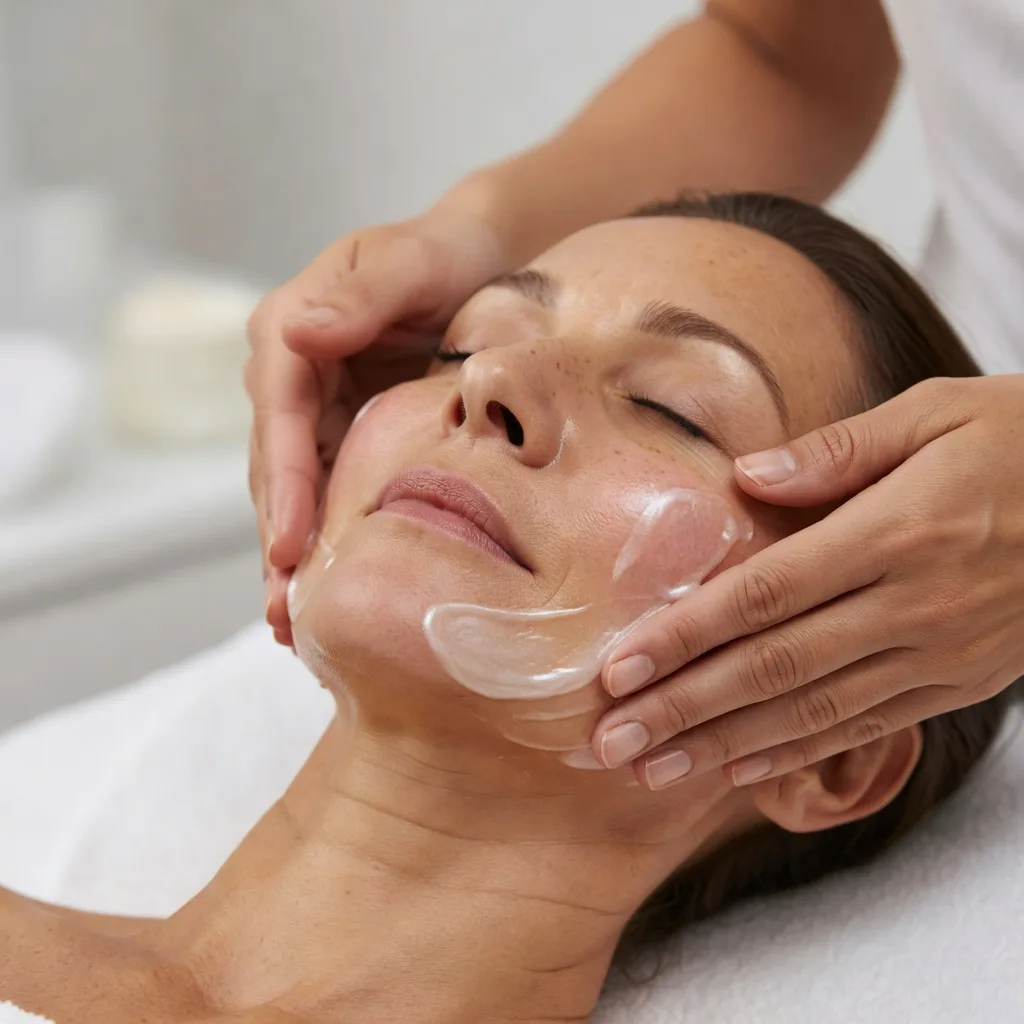
Do Anti-Aging Face Massages Work? Evidence, Technique and Best Tools
Face massage is one of the oldest beauty rituals, and it has made a big comeback thanks to gua sha, rollers and viral sculpting videos. Many people claim it lifts, firms and smooths the face. The honest picture is more modest, but massage still has a place in a sensible routine.
Part of our guide to at-home facial devices. Start with: 10 Best Gua Sha Facial Tools (2026): Stone and Steel Picks Compared
Anti-aging face massages work for some things but not others. Massage reliably boosts circulation for a short-lived glow, moves fluid to reduce puffiness and relaxes tense muscles in the jaw and forehead, so the face can look fresher and slightly more defined for a few hours. There is only limited, small-scale evidence that regular massage improves skin elasticity, and no good evidence that it removes wrinkles, lifts sagging skin or builds collagen the way sunscreen, retinoids or professional treatments can. Think of face massage as a pleasant, low-risk add-on that improves how your skin looks today, not a long-term wrinkle treatment.
In short: face massage depuffs and brightens temporarily, but it is not a proven wrinkle remover.
The American Academy of Dermatology points out that sun exposure causes much of the visible ageing on the face, which is why daily broad-spectrum sunscreen remains the first anti-aging step, before any massage or tool.
This guide covers whether massaging your face reduces wrinkles, what the research actually shows, a step-by-step anti-aging face massage, and the tools and facial oils that make it easier and more comfortable.
Shopping these picks?
Amazon Prime members get fast, free shipping on eligible items, plus Prime Video, Amazon Music and member deals. New members can start with a free trial.
Start a free Prime trialAged 18 to 24? Prime for Young Adults comes with a longer free trial and a lower price after it.
Affiliate link: we may earn a commission at no extra cost to you.
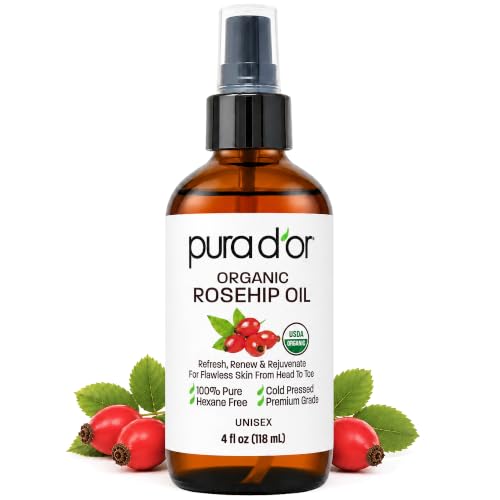
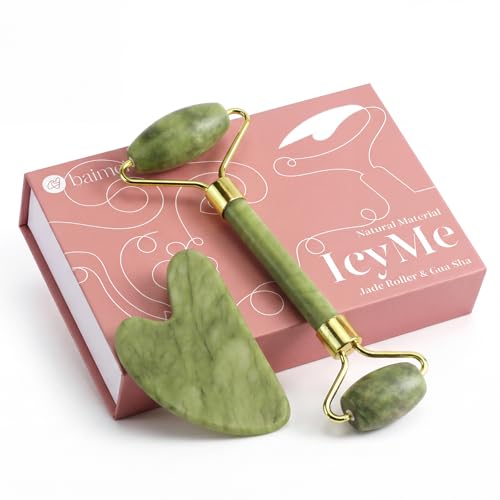
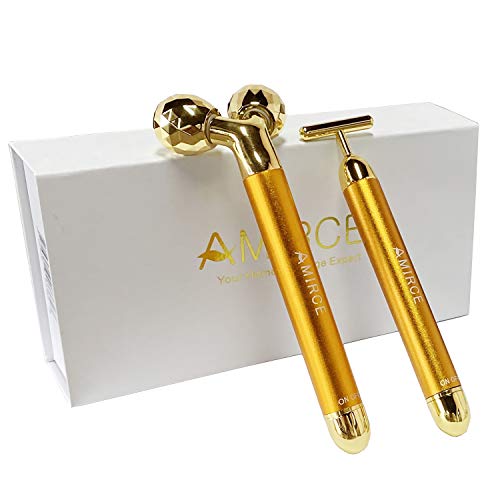
Recommended Facial Massage Tools and Facial Oils




In This Guide
- Do Anti-Aging Face Massages Work? The Claims vs the Evidence
- Does Massaging Your Face Reduce Wrinkles?
- What the Research Actually Shows
- Real Benefits You Can Expect
- How to Do an Anti-Aging Face Massage
- How Often to Massage and When to Expect Results
- Tools for Face Massage: Hands vs Gua Sha vs Rollers
- Choosing a Facial Oil for Massage
- Who Should Be Careful
- Dos and Don’ts
- Honest Limits
- When to See a Dermatologist
- Your Questions, Answered
- Final Word
Key Takeaways
- Face massage reliably reduces puffiness and gives a temporary glow.
- Evidence that it improves elasticity is small and limited.
- There is no good proof that massage erases wrinkles or lifts sagging.
- Use light pressure and plenty of slip from an oil or cream.
- Gua sha, rollers and hands all work; tools are optional.
- Too much pressure or tugging can cause redness and broken capillaries.
- Sunscreen and retinoids do far more for wrinkles than massage.
Do Anti-Aging Face Massages Work? The Claims vs the Evidence
Face massage is promoted with big promises. Some are reasonable, others go far beyond what has been studied. This table separates them.
| Claim | What the evidence suggests | Verdict |
|---|---|---|
| Reduces puffiness | Moves fluid away from the face | Likely true, short-term |
| Gives a glow | Increases blood flow to the skin | True, lasts minutes to hours |
| Relaxes jaw and forehead | Eases muscle tension | Likely true |
| Improves elasticity | A few small studies with devices | Possible, weak evidence |
| Erases wrinkles | No good studies | Not supported |
| Lifts sagging skin | No good studies | Not supported |
| Sculpts the face permanently | No evidence | Not supported |
It is worth noting that massage is often combined with a moisturiser, oil or serum, and those products may be responsible for some of the improvement people notice. The pattern is clear: massage affects fluid, blood flow and muscle tension, which change how the face looks for a while. It does not change the structure of the skin in any lasting, measurable way.
Does Massaging Your Face Reduce Wrinkles?
Wrinkles form because skin loses collagen and elastin with age and sun exposure, and because repeated expressions crease the same lines. Massage does not replace lost collagen, and it cannot stop you making expressions.
What massage can do is make fine lines look softer for a short time. Reducing puffiness evens out the surface, better blood flow brightens the skin, and relaxing a clenched jaw or frowning forehead can take tension out of the face. Oils and creams used during massage also hydrate the surface, which temporarily plumps dry lines.
Deeper wrinkles, frown lines and sagging need treatments that change the skin itself, such as a retinoid, professional procedures or injectables. Our guide on whether daily face massage is good for skin looks at how often to massage and what to expect over time.
What the Research Actually Shows
Research on facial massage is thin. Most studies are small, short and use a specific device rather than hands alone, which makes it hard to know what caused any change.
- A handful of small studies found modest improvements in skin elasticity or blood flow after weeks of daily massage with a device.
- Studies on lymphatic drainage suggest massage helps move fluid, which explains the depuffing effect.
- Many studies had no untreated comparison group, so the effect of the cream used alongside massage is unclear.
- There are no large, long-term trials showing fewer wrinkles from massage alone.
When a massage product shows before-and-after photos, the improvement may come from reduced swelling, better lighting or the moisturiser used, not from the massage itself. Judge results by photos you take yourself in the same light.
Real Benefits You Can Expect
Even without proof of wrinkle reduction, face massage has genuine, if modest, benefits that make it worth doing if you enjoy it.
- Less morning puffiness, especially under the eyes and along the jaw.
- A brighter, more even tone for a few hours.
- Relief from jaw clenching and tension headaches for some people.
- Better spread of oils and moisturisers across the skin.
- A calming few minutes that may help you wind down before bed.
- A habit that encourages you to look after your skin consistently.
These benefits are small but genuine, and for many people the relaxation alone justifies a few minutes a day. The key is to value massage for what it does rather than for what marketing claims it does.
For a deeper look at the fluid-moving side of massage, our guide to lymphatic facial massage explains the technique and the direction of strokes.
How to Do an Anti-Aging Face Massage
This simple routine takes five to ten minutes and works with your hands or a tool. Keep the pressure light: you are moving skin and fluid, not kneading muscle.
Cleanse and wash your hands
Start with clean skin and clean hands or a clean tool.
Apply slip
Warm a few drops of facial oil or a generous layer of moisturiser between your palms.
Open the neck
Stroke gently down the sides of the neck toward the collarbone five times.
Work the jaw
Glide from the chin along the jawline to the ear, then down the neck.
Lift the cheeks
Sweep from beside the nose across the cheekbones to the hairline.
Smooth the forehead
Stroke from the centre of the brow outward to the temples, then up to the hairline.
Press around the eyes
Use your ring finger to tap lightly along the brow bone and under the eye, moving outward.
Finish and protect
Press remaining oil in; in the morning, follow with sunscreen.
Repeat each stroke three to five times, keep your touch feather-light around the eyes, and always finish by sweeping down the neck. Doing a short massage every day is more useful than a long, hard session once a week.
How Often to Massage and When to Expect Results
Consistency matters more than intensity. A short daily routine is gentler on the skin and easier to keep up than an occasional long session.
- Depuffing and glow: visible straight away, fading over a few hours.
- Relaxed jaw and brow: often felt after a week or two of daily practice.
- Skin elasticity: any change is small and may take two to three months.
- Wrinkles: do not expect a lasting difference from massage alone.
Five minutes in the morning suits people who wake up puffy, while an evening massage fits well into a wind-down routine. If your skin looks red or irritated the next day, cut back to every other day and lighten your pressure. People with sensitive skin often do best with two or three sessions a week rather than daily massage.
Tools for Face Massage: Hands vs Gua Sha vs Rollers
You do not need a tool, but some people find them easier to use and more relaxing. Each option suits a slightly different goal.
| Tool | Best for | Watch out for |
|---|---|---|
| Your hands | Gentle control, zero cost, eye area | Tugging if skin is dry |
| Gua sha | Jaw and cheek contouring, depuffing | Pressing too hard, holding at a steep angle |
| Stone roller | Quick depuffing, spreading serum | Minimal effect beyond cooling |
| Ice roller | Morning swelling, redness | Too cold on sensitive skin |
| Vibrating massager | Relaxation, easy use | Hygiene of the head |
| Facial cups | Lymphatic-style massage | Bruising if suction is too strong |
Our comparison of facial roller vs gua sha explains which suits your face shape and routine. Whatever you use, clean it after every session and store it dry. Stone and metal tools can be washed with mild soap and water, while electric massagers should be wiped according to the maker’s instructions. A tool is a convenience, not an upgrade: the same gentle strokes with clean fingertips give very similar results.
Choosing a Facial Oil for Massage
Slip is essential. Massaging dry skin drags and stretches it, so always use an oil, balm or rich cream. The right oil depends on your skin type.
- Dry or mature skin: rosehip, argan or marula oil for richer nourishment.
- Oily or acne-prone skin: squalane or jojoba, which feel lighter and are less likely to clog pores.
- Sensitive skin: plain squalane or a fragrance-free oil blend.
- Very oily skin: a gel moisturiser can give enough slip without extra oil.
- All skin types: avoid essential-oil-heavy blends if you react easily.
If you use a retinoid at night, massage before applying it, or use the oil as a buffer after it has absorbed. Rosehip oil pairs well with a retinoid for many people, but introduce one new product at a time so you can tell what your skin is reacting to. Store oils away from heat and light, and replace any that smell stale, as oxidised oil can irritate skin.
Who Should Be Careful
Face massage is low risk for most people, but it is not for everyone or every day.
- Active acne: massage can spread bacteria and irritate inflamed spots.
- Rosacea or broken capillaries: heat and pressure can worsen redness.
- Recent filler or Botox: ask your injector how long to wait.
- Eczema or sunburn: massage can aggravate damaged skin.
Stop if massage causes pain, bruising, new broken capillaries or a rash. Never massage over a spot, mole or lump that is changing, bleeding or not healing; get it checked by a doctor instead.
Dos and Don’ts
Do
- Use light, upward and outward strokes
- Always use oil or cream for slip
- Keep hands and tools clean
- Massage for a few minutes most days
- Wear sunscreen every morning
Don’t
- Press hard or tug the skin
- Massage over active acne or broken skin
- Expect wrinkles to disappear
- Share tools with others
- Skip sunscreen because you massage
Honest Limits
Face massage is not a substitute for proven anti-aging care. It will not rebuild collagen, reverse sun damage or lift loose skin, and the fresher look it gives fades within hours.
If wrinkles are your main concern, daily sunscreen, a retinoid and a good moisturiser will do far more. The AAD guide on how to apply sunscreen covers the step that prevents the most visible ageing. Keep massage as the enjoyable extra it is. It is also worth remembering that sleep, not smoking and protecting your skin from the sun have a larger effect on how your face ages than any massage technique or tool.
When to See a Dermatologist
- You want to treat deep wrinkles or sagging that massage has not helped.
- Massage leaves you with persistent redness, bruising or breakouts.
- You have rosacea, eczema or acne and are unsure what is safe.
- You notice a new or changing spot on your face.
This article is for general information and does not replace professional medical advice. See a board-certified dermatologist for skin conditions and before starting any new treatment for ageing skin.
Your Questions, Answered
Do anti-aging face massages work?
They depuff and brighten temporarily but do not remove wrinkles.
Does massaging your face reduce wrinkles?
Not permanently; it can soften fine lines for a few hours.
How often should I massage my face?
A few minutes daily or most days is enough.
Can face massage lift sagging skin?
There is no good evidence that it can.
Is gua sha better than using hands?
Not necessarily; both work if pressure is light.
What oil is best for face massage?
Squalane or jojoba for oily skin, rosehip or argan for dry.
Can face massage cause breakouts?
It can if you use heavy oils or massage over acne.
Should I massage in the morning or at night?
Morning for puffiness, evening for relaxation.
Can face massage cause sagging?
Gentle massage will not, but rough tugging is best avoided.
How long until I see results?
Depuffing is immediate; other effects are small and gradual.
Final Word
Anti-aging face massages work for depuffing, a brief glow and relaxing facial tension, but the evidence does not support claims that they erase wrinkles or lift sagging skin.
Massage gently with oil for a few minutes most days if you enjoy it, choose a tool only if it makes the habit easier, and rely on sunscreen and a retinoid for real anti-aging results.

Written by
Registered pharmacist and founder of Facial Adviser. Rakib's pharmacy training covers how skincare actives work and interact; a later course in cosmetology turned that into a focus on facial treatments and skincare products. He plans, researches and edits every guide on the site and checks health claims against sources such as the American Academy of Dermatology, the FDA and the NIH. He is not a dermatologist; see the Editorial Policy and Medical Disclaimer.
About · Editorial policy · How we choose products · Medical disclaimer · Contact
Keep reading: Facial rollers, gua sha and massagers
- 10 Best Gua Sha Facial Tools (2026): Stone and Steel Picks Compared
- How to Use Anti-Wrinkle Patches: Silicone vs Hydrogel, Overnight Use and Results
- 10 Best Gua Sha Stones (2026): Shape, Material and How to Use
- 10 Best Jade Rollers for Reducing Puffiness (2026): Honest Picks
- Best Tea Tree Oil Facial Roller for Acne-Prone Skin: A Careful Guide
- 10 Best Face Reflexology Tools for Stress Relief (2026): Calm Picks
- 10 Best LED Light Therapy Masks (2026): Clearer Skin, Softer Lines
- How to Incorporate Microcurrent Into Your Routine: Gel, Timing and Safety