Facial Roller vs Gua Sha: What a 2025 Trial Found and Which to Choose
Facial rollers and gua sha stones have become two of the most photographed tools in skincare. Both promise to depuff, sculpt, and lift the face, and both usually come in the same pretty materials, from jade to rose quartz to stainless steel. If you are choosing between them, it is fair to wonder whether they actually do anything different.
Part of our guide to at-home facial devices. Start with: 10 Best Gua Sha Facial Tools (2026): Stone and Steel Picks Compared
For years, the honest answer was that nobody really knew. That changed in 2025. A randomized controlled trial by Ahn and colleagues, published in the Journal of Cosmetic Dermatology, compared the two directly and found that each did something the other did not. Both tools produced small, measurable reductions in facial contour over eight weeks. The facial roller improved skin elasticity. Gua sha reduced muscle tension and stiffness.
Those results are real but modest, and the study was small. Neither tool reshapes bone, melts fat, or permanently lifts sagging skin. Most of the visible depuffing comes from moving fluid, which is why the effect is strongest in the morning and fades during the day.
That also means you can predict whether a tool will help your face. If your puffiness is mostly fluid, it should respond. If what bothers you is volume loss or loose skin, rolling or scraping will not change it, and your time and money are better spent elsewhere.
This guide explains how each tool works, what the new evidence does and does not show, a quick puffiness check, how to use each safely, and who should skip them.
Shopping these picks?
Amazon Prime members get fast, free shipping on eligible items, plus Prime Video, Amazon Music and member deals. New members can start with a free trial.
Start a free Prime trialAged 18 to 24? Prime for Young Adults comes with a longer free trial and a lower price after it.
Affiliate link: we may earn a commission at no extra cost to you.
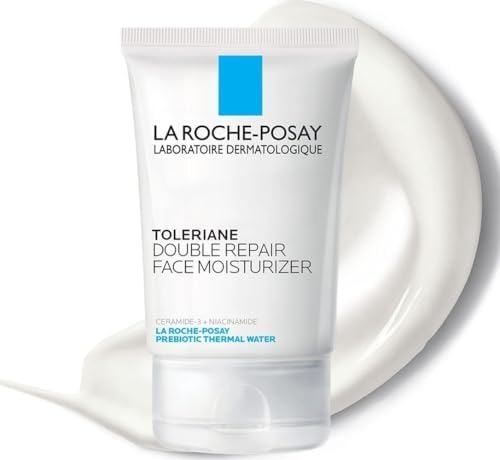
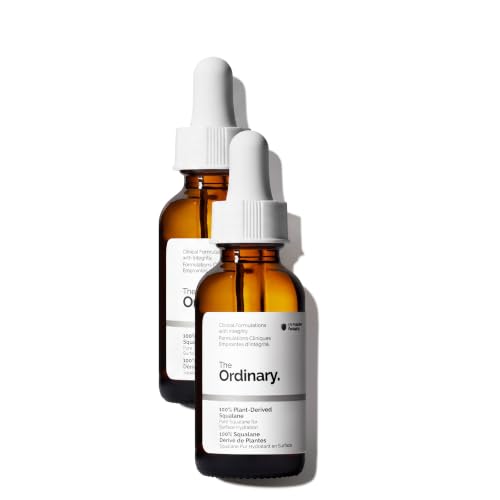
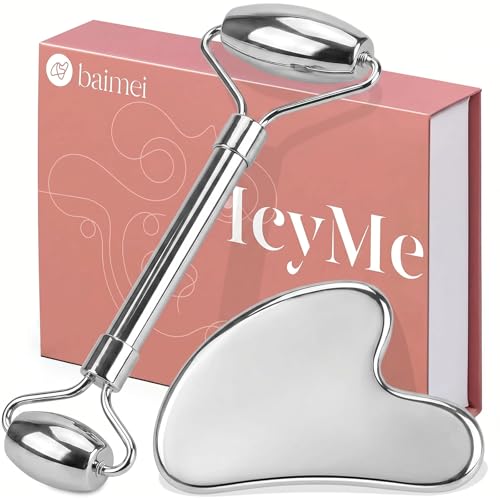
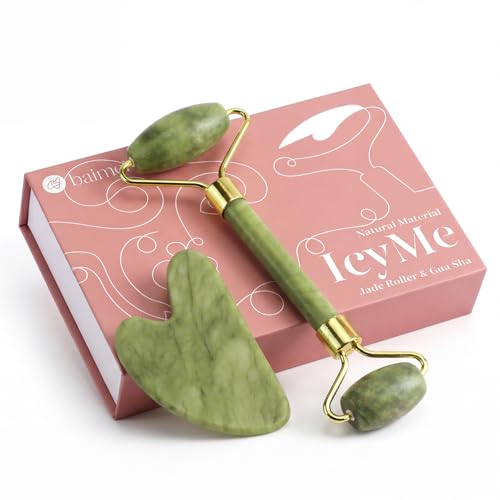
Recommended Facial Rollers and Gua Sha Tools


Contents
- How a Facial Roller Works
- How Gua Sha Works
- What the 2025 Trial Actually Found
- Roller vs Gua Sha Side by Side
- The Morning Puffiness Check
- How to Use Each Safely
- A Simple Five-Minute Routine
- Does the Material Matter?
- What Rollers and Gua Sha Cannot Do
- Who Should Skip Facial Tools
- Your Questions, Answered
- The Bottom Line
The Short Version
- A 2025 randomized trial found both facial rollers and gua sha slightly reduced facial contour measurements after eight weeks of regular use.
- In that trial, the roller improved skin elasticity, while gua sha reduced facial muscle tension and stiffness.
- Most visible depuffing comes from temporary fluid movement, so effects are strongest in the morning and fade.
- Neither tool can remove fat, reshape bone, or lift significantly sagging skin.
- Use light pressure with a slippery product on clean skin, and avoid dragging or bruising.
- Skip or be careful with facial tools if you have rosacea, fragile vessels, active acne, or recent fillers.
- Material, such as jade versus rose quartz, matters far less than consistency and gentle technique.
How a Facial Roller Works
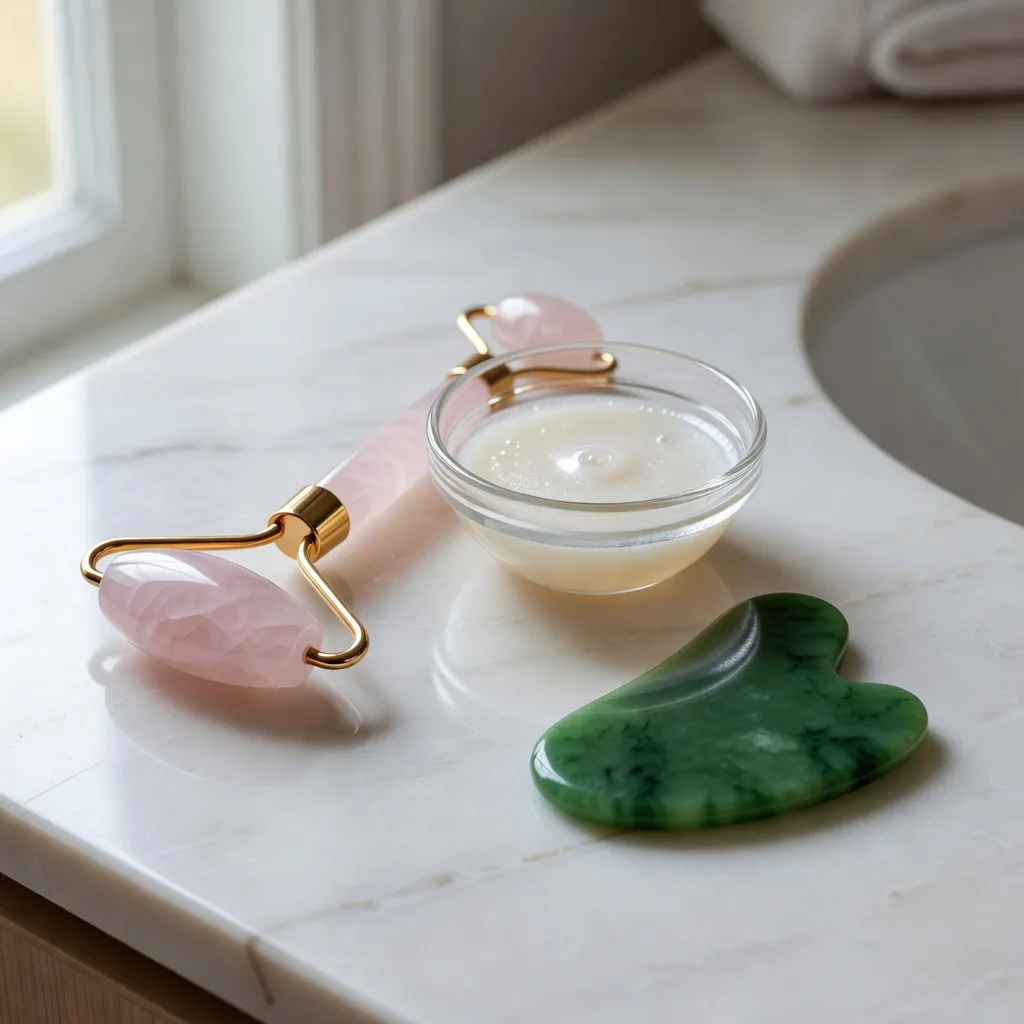
A facial roller is a handle with one or two small rolling heads, usually made of stone or metal. You roll it outward and upward across the face. The movement applies light, rhythmic pressure that pushes fluid through the superficial lymphatic vessels and stimulates the skin surface.
Rollers are easy to use and forgiving, which makes them popular for a quick morning routine. Chilled rollers add a cooling effect that briefly constricts blood vessels and can make puffiness and redness look calmer. Our guide on whether daily face massage is good for skin covers the broader benefits and limits of this kind of routine.
How Gua Sha Works
Gua sha is a flat tool with curved and notched edges, used in a scraping, sweeping motion. It comes from traditional Chinese medicine, where it was used with firm pressure on the body, often deliberately producing small red marks. Facial gua sha is a much gentler adaptation.
On the face, the edge of the tool is held almost flat against the skin and glided along contours such as the jawline, cheekbones, and brow. The shape lets you apply more targeted pressure than a roller, which may explain why the 2025 trial found gua sha affected muscle tone while the roller did not.
The most-cited evidence for gua sha and blood flow is a 2007 pilot study by Nielsen and colleagues, which found roughly a fourfold increase in surface blood flow lasting around 25 minutes. That study involved only 11 people and used firm pressure on the back, so it says little about gentle facial use.
What the 2025 Trial Actually Found
The trial randomly assigned 34 women aged 20 to 50 to use either a facial roller or a gua sha tool for ten minutes, five times a week, for eight weeks. Researchers measured the face with 3D scanning and specialized devices for muscle tone and skin elasticity.
| Measure | Facial roller | Gua sha |
|---|---|---|
| Facial contour | Reduced about 2.8 to 3.3 mm | Reduced about 2.2 to 2.4 mm |
| Muscle tone and stiffness | No significant change | Significant reduction |
| Skin elasticity | Improved about 7 to 9 percent | No significant change |
| Time commitment | 10 minutes, 5 times a week | 10 minutes, 5 times a week |
Keep it in perspective: the trial was small, lasted eight weeks, included only women from one region of South Korea, and did not include a no-tool control group or clinical photographs. The changes were measurable with instruments but may be subtle to the eye. Treat it as encouraging, not conclusive.
Roller vs Gua Sha Side by Side
| Factor | Facial roller | Gua sha |
|---|---|---|
| Technique | Rolling, easy to learn | Scraping glide, needs more practice |
| Pressure control | Light, even | More targeted, easier to overdo |
| Best evidence for | Skin elasticity, depuffing | Muscle tension, depuffing |
| Good for | Quick morning routines, beginners | Jaw tension, targeted contour work |
| Bruising risk | Low | Higher with firm pressure |
| Needs a slip product | Helpful | Essential |
If you clench your jaw or carry tension in your face, gua sha may feel more satisfying. If you want something quick and simple, a roller is easier to use consistently, and consistency matters most.
The Morning Puffiness Check
This check tells you whether facial tools are likely to make a visible difference for you.
Take a morning photo
Photograph your face straight on within 15 minutes of waking, in the same spot and light.
Take a late-afternoon photo
Repeat the photo in the same place about eight hours later without using any tools.
Compare the two
If your eyes, cheeks, and jaw look noticeably less puffy by afternoon, much of your puffiness is fluid.
Look at what remains
Hollows, deep folds, and loose skin that look the same in both photos are not fluid-related.
Decide what to expect
Fluid-driven puffiness responds to rollers and gua sha. Volume loss and sagging do not, and need other approaches.
If your morning swelling is marked or new, our guide to morning facial swelling covers causes such as salt, alcohol, sleep position, and allergies that are worth addressing first.
How to Use Each Safely
Worth Doing
- Start with a clean face and a few drops of oil or a slippery serum.
- Hold gua sha almost flat, at about 15 degrees, not upright.
- Use light pressure and sweep outward and upward.
- Work from the center of the face toward the ears, then down the neck.
- Clean tools with soap and water after each use.
- Keep sessions to about five to ten minutes.
Skip It
- Press hard enough to leave red marks or bruises.
- Drag tools over dry skin.
- Use tools over active acne, cuts, or rashes.
- Work over fresh filler or Botox without your injector’s approval.
- Share tools without cleaning them.
- Expect permanent sculpting from any tool.
Stop if you see pinpoint red dots, bruising, or broken vessels. These mean the pressure is too firm. People with rosacea, visible facial vessels, or fragile skin should use only very light pressure or skip these tools.
A Simple Five-Minute Routine
If you want to try either tool, a short, consistent routine is more realistic than a long one you abandon after a week.
Start with a clean face and apply a few drops of a light oil or a slippery serum. Begin at the neck, sweeping gently downward from under the jaw toward the collarbone on each side, which is where facial lymph drains. Then move to the jawline, gliding from the chin toward the ear, three to five times per side.
Next, work across the cheeks from beside the nose out toward the ear, then under the eyes with very light pressure, moving from the inner corner outward. Finish on the forehead, sweeping from the center outward and up toward the hairline. With a roller, use the smaller head for the under-eye area and around the nose.
The whole sequence takes about five minutes. Many people prefer doing it in the morning, when fluid puffiness is most noticeable, followed by moisturizer and sunscreen. If you enjoy it in the evening to unwind, that works too.
Does the Material Matter?
Jade, rose quartz, amethyst, and stainless steel are often sold with claims about energy, healing properties, or special cooling. There is no good evidence that the type of stone changes results.
What does matter is practical. Stainless steel stays cold longer, is easy to disinfect, and does not chip. Stone tools can crack if dropped, and chipped edges can scratch the skin. Some cheaper stone tools are dyed glass rather than genuine stone, which is not harmful but is worth knowing if you are paying a premium.
Choose a tool that feels comfortable in your hand and that you will enjoy using, because regular use is what the evidence supports.
What Rollers and Gua Sha Cannot Do
Neither tool can remove fat, change bone structure, or tighten significantly loose skin. The contour changes seen in research are a few millimeters, largely from fluid and possibly muscle tone. Social media before-and-after images often reflect lighting, angles, and morning versus evening puffiness.
A 2023 systematic review of facial massage concluded that the evidence was insufficient to support definitive anti-aging claims, citing small studies, short durations, and limited controls. The 2025 trial improves the picture but does not settle it.
Tools also do not drive products deeper into the skin in any meaningful way. For fine lines and texture, sunscreen and a retinoid will do more. For volume loss, see our guide to fillers vs Botox.
Who Should Skip Facial Tools
Avoid or pause facial rolling and gua sha, and speak with a doctor or dermatologist if relevant, when:
- You have active acne, infected spots, cold sores, or open wounds on the face.
- You have rosacea, spider veins, or bruise easily.
- You take blood thinners or have a bleeding disorder.
- You recently had fillers, Botox, or a facial procedure.
- You notice a new lump, persistent swelling on one side, or swelling with pain or fever.
- Facial swelling comes with difficulty breathing or swallowing, which needs emergency care.
Medical disclaimer: This article is for general information and is not a substitute for professional medical advice. See a doctor about persistent or one-sided facial swelling, or any lump that does not go away.
Your Questions, Answered
Is a facial roller or gua sha better?
In a 2025 trial, the roller improved skin elasticity while gua sha reduced muscle tension. Both slightly reduced facial contour, so choose based on your goal and which you will use regularly.
Do facial rollers really work?
They can reduce morning puffiness and, in one small trial, modestly improved skin elasticity over eight weeks. They do not permanently sculpt the face.
Does gua sha actually lift the face?
It can temporarily depuff and may relax tense facial muscles, but it cannot lift significantly sagging skin.
How often should I use a facial roller or gua sha?
The 2025 trial used ten-minute sessions five times a week for eight weeks.
Should I use oil with gua sha?
Yes. A slippery oil or serum prevents dragging and reduces the risk of irritation and bruising.
Is jade or rose quartz better?
There is no evidence that the stone type changes results. Stainless steel is easier to clean and stays cold longer.
Can gua sha cause bruising?
Yes, if pressure is too firm. Pinpoint red dots or bruises mean you should press more lightly.
Can I use gua sha after fillers or Botox?
Check with your injector first, as pressure soon after treatment may displace product.
Do facial tools help with double chin?
They may reduce fluid-related puffiness under the jaw, but they cannot remove fat.
Why does my face look less puffy after rolling?
The pressure moves fluid through surface lymphatic vessels, which temporarily reduces swelling.
The Bottom Line
Facial rollers and gua sha are pleasant, low-risk tools that can make a small, real difference. A 2025 trial found both slightly reduced facial contour, with the roller improving elasticity and gua sha easing muscle tension, though the study was small and short.
Use the morning puffiness check to see whether your concern is fluid, which these tools can help with, or volume and sagging, which they cannot. Pick the tool you will actually use, keep pressure light with a slippery product, and skip them if you have rosacea, active acne, or recent injectables.

Written by
Registered pharmacist and founder of Facial Adviser. Rakib's pharmacy training covers how skincare actives work and interact; a later course in cosmetology turned that into a focus on facial treatments and skincare products. He plans, researches and edits every guide on the site and checks health claims against sources such as the American Academy of Dermatology, the FDA and the NIH. He is not a dermatologist; see the Editorial Policy and Medical Disclaimer.
About · Editorial policy · How we choose products · Medical disclaimer · Contact
Keep reading: Facial rollers, gua sha and massagers
- 10 Best Gua Sha Facial Tools (2026): Stone and Steel Picks Compared
- Facial Cupping vs Gua Sha: Suction, Scraping, and What Each Is Good For
- Jade vs Rose Quartz Facial Roller: Does the Stone Actually Matter?
- Do Anti-Aging Face Massages Work? Evidence, Technique and Best Tools
- How to Use Anti-Wrinkle Patches: Silicone vs Hydrogel, Overnight Use and Results
- 10 Best Gua Sha Stones (2026): Shape, Material and How to Use
- 10 Best LED Light Therapy Masks (2026): Clearer Skin, Softer Lines
- How to Incorporate Microcurrent Into Your Routine: Gel, Timing and Safety