
Which Facial Is Best for Bride, Gold or Diamond?
Which facial is best for bride, gold or diamond options, is a question with a more honest answer than most bridal-beauty guides give: it depends on what each treatment actually does, not the metal in its name.
A diamond facial delivers a genuine, temporary mechanical exfoliation effect with real physical results, while a gold facial’s visible glow largely comes from co-formulated actives rather than the gold itself. Neither is objectively “better” for every bride once you look past the marketing.
Timing matters just as much as the choice itself, a first-time mechanical treatment has no business happening in the final two weeks before your wedding date.
This guide separates the real evidence from the marketing for both options, and covers exactly when to book each one relative to your wedding day.
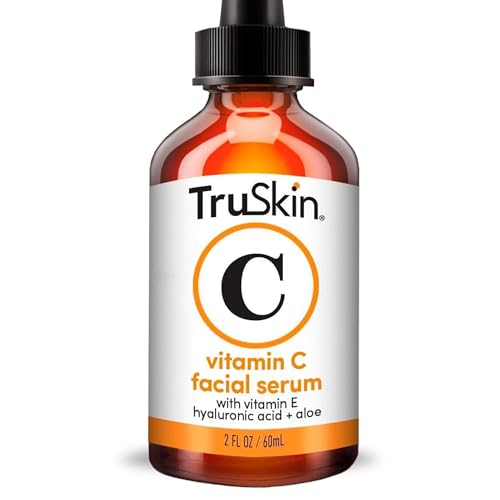
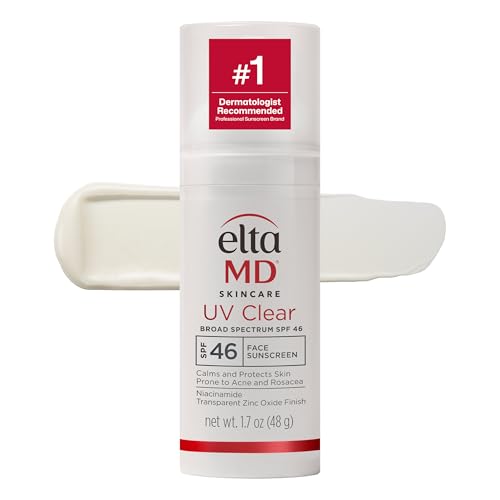
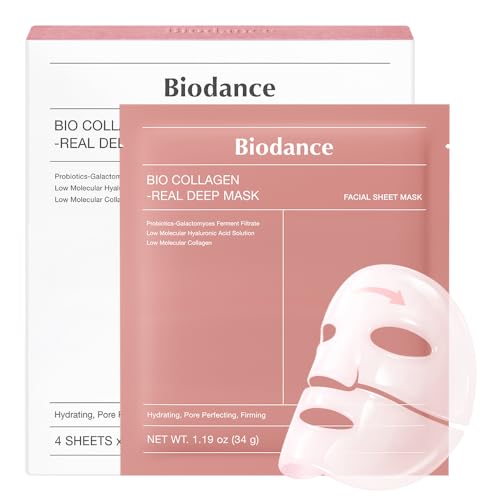
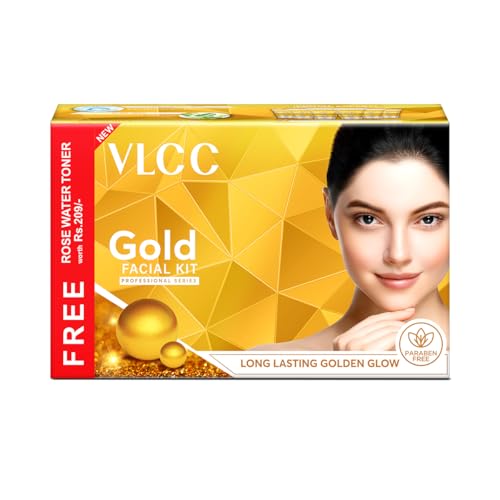
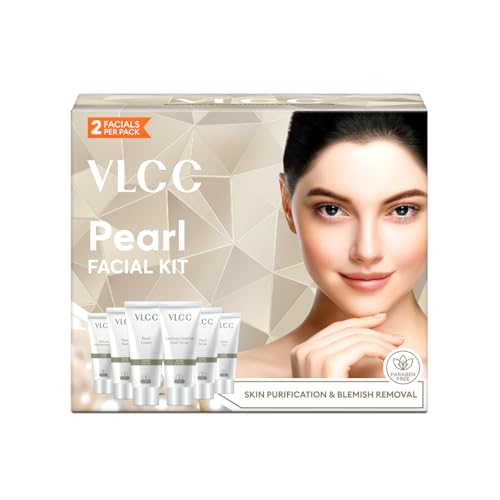
Recommended Bridal Facial Kits and Pre-Wedding Products


Key Takeaways
- A diamond facial delivers a genuine, if temporary, physical exfoliation effect; a gold facial is a topical treatment with much weaker direct evidence for gold itself.
- Gold nanoparticle research showing anti-inflammatory activity comes from cell and animal studies at controlled lab concentrations, not from finished 24k-gold cosmetic products.
- The visible glow from a gold facial likely comes from co-formulated actives like peptides or vitamin C, not from the gold itself.
- The “Cleopatra bathed in gold” origin story is unverified marketing folklore, not documented history.
- Bridal timing guidance recommends starting facials months in advance and avoiding any first-time mechanical treatment in the final one to two weeks before the event.
- A patch test 7 to 10 days before first full-face use applies to both options, since reactions come from the full formula, not just the headline ingredient.
Table of Contents
- Which Facial Is Best for a Bride, Gold or Diamond?
- What a Gold Facial Actually Involves
- What a Diamond Facial Actually Delivers
- Comparing Gold and Diamond Facials
- Bridal Timing: When to Book Each One
- Cost and Session Differences
- Questions to Ask Before You Book Either Treatment
- Do This, Not That
- Planning Your Pre-Wedding Facial Timeline
- When to See a Dermatologist
- Frequently Asked Questions
- The Bottom Line
Which Facial Is Best for a Bride, Gold or Diamond?
A diamond facial delivers a genuine, temporary mechanical exfoliation effect with a real physical basis, while a gold facial is a topical treatment whose glow largely comes from co-formulated ingredients rather than gold itself. Neither is inherently “better” for every bride, but understanding what each one actually does, and when to book it relative to your wedding date, matters more than the metal in the name.
This guide separates the real evidence behind each treatment from the marketing, and covers the timing advice that actually protects your skin (and your photos) on the day itself.
What a Gold Facial Actually Involves
A gold facial applies gold-infused products, serums, masks, or sometimes thin gold-leaf sheets, directly to the skin. It’s marketed for radiance, firming, and anti-aging benefits. Genuine peer-reviewed research does exist on gold nanoparticles showing anti-inflammatory and antioxidant activity, but that research comes from cell and animal studies using controlled laboratory concentrations, not from finished cosmetic products with undisclosed trace amounts of gold.
Independent, placebo-controlled human trials on actual finished gold-leaf or gold-serum cosmetic products are genuinely scarce. Most of the visible glow reported after a gold facial likely comes from the other active ingredients formulated alongside the gold, peptides, vitamin C, or antioxidants, rather than the gold itself. Gold’s real electrical conductivity is legitimately used in microcurrent devices, but that’s an entirely different mechanism from a topical gold mask sitting on the skin’s surface. The popular “Cleopatra bathed in gold” origin story is unverified marketing folklore with no historical documentation behind it.
What a Diamond Facial Actually Delivers
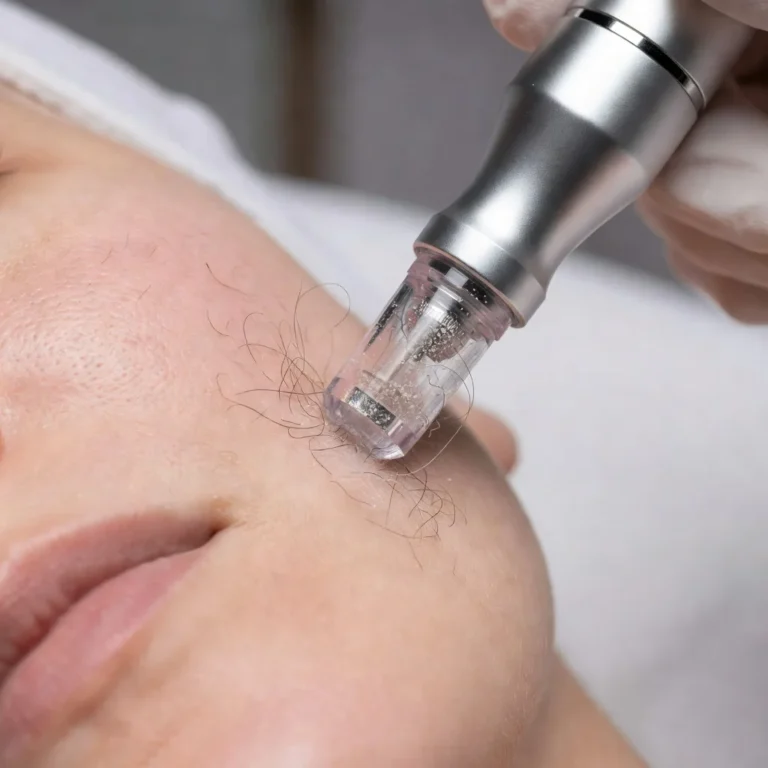
A diamond facial refers to diamond-tip microdermabrasion, a genuine mechanical exfoliation treatment that physically removes the outer layer of dead skin cells using a diamond-coated wand and vacuum. This is a real, if temporary, physical effect, smoother texture and more even light reflection, which is what produces the visible “glow” people associate with the treatment.
Because it physically removes the dead-cell layer rather than sitting on top of it, a diamond facial tends to produce a more substantive short-term glow effect than a gold facial’s surface coating. It also carries a real, if mild, redness and sun-sensitivity risk that a purely topical gold facial doesn’t.
Comparing Gold and Diamond Facials
| Gold facial | Diamond facial | |
|---|---|---|
| Mechanism | Topical gold-infused product or leaf | Mechanical exfoliation (diamond-tip wand + vacuum) |
| Evidence for the headline ingredient | Weak for finished products; gold nanoparticle data is cell/animal only | Genuine physical exfoliation effect, well-documented mechanism |
| Redness/downtime risk | Minimal | Mild redness and temporary sun sensitivity |
| Suitable close to the wedding date | Generally lower risk if not a first-time product | Not as a first-time treatment; needs a trial run weeks ahead |
An existing spa comparison recommends diamond facials for sensitive, oily, or acne-prone skin, dullness, or pigmentation, while positioning gold facials as broadly suitable for all skin types, especially dry or mature skin needing hydration. Worth noting honestly: that comparison, like most spa marketing on this topic, cites no clinical evidence for either recommendation, it reflects industry positioning rather than controlled research.
Bridal Timing: When to Book Each One
Note: General bridal beauty guidance recommends starting facial treatments two to six months before the wedding, spacing any multi-session treatments weeks apart, and avoiding new products or first-time mechanical treatments in the final month before the event.
More specific guidance suggests monthly facials starting around six months out, with your final facial no later than two weeks before the wedding, explicitly avoiding glycolic peels, dermabrasion, or anything chemical in that final month. A trial run of any new treatment should happen at least two weeks ahead of the big day, so any redness or reaction has time to fully resolve rather than surfacing on the wedding day itself.
Cost and Session Differences
The two treatments also differ in how many sessions they realistically take to reach a noticeable result, which matters when you’re planning against a fixed wedding date rather than an open-ended skincare routine. A diamond facial’s exfoliation effect is visible after a single session, but the more even texture and light-reflecting “glow” brides tend to want builds with repeat visits, typically spaced two to four weeks apart in the months before the event. A single diamond session the week of the wedding is not the treatment’s ideal use case; it works best as a short course finished with enough runway to let any redness settle.
A gold facial is usually sold and priced as a single premium session, often positioned as a one-time “bridal glow” add-on rather than a course of treatments. That pricing model reflects the marketing more than any documented need for repeat sessions, since there is no strong published research establishing an optimal number of gold-facial visits in the first place. In practice, most spas simply don’t offer a structured multi-session gold protocol the way they do for diamond-tip exfoliation, so a bride choosing gold is typically choosing convenience and a single low-risk appointment over a build-up course.
Questions to Ask Before You Book Either Treatment
Because so much of the marketing language around both treatments outruns the evidence, a short round of questions to the provider does more to protect your skin, and your budget, than the name of the facial on the menu. Before booking a diamond facial, ask how many sessions they recommend before the wedding date, what redness or downtime to expect, and whether they’ll do a trial session early enough to leave time for a second opinion if your skin reacts. Before booking a gold facial, ask what specific active ingredients are actually in the product alongside the gold, since those co-formulated actives, not the gold itself, are most likely responsible for both the visible result and any reaction.
For either treatment, it’s reasonable to ask directly whether the provider can point to any clinical evidence for the specific product or protocol they’re recommending, versus general industry practice. A provider who answers plainly, and who is willing to schedule a trial session with real lead time before your wedding, is a better sign than one who leans only on the luxury of the ingredient name.
Do This, Not That
Do
- Test a diamond facial at least three to four weeks before the wedding, never for the first time in the final two weeks
- Patch test any new gold product 7 to 10 days before first full-face use
- Choose a diamond facial if a more substantive exfoliation effect is your goal
- Choose a gentle, familiar gold product if you want a low-risk glow close to the date
- Book a light “maintenance” diamond session closer to the date only after a successful earlier trial
Don’t
- Book any first-time mechanical treatment inside the final two weeks before the wedding
- Assume gold itself is responsible for a gold facial’s glow effect
- Skip a patch test just because a product is marketed as “natural” or gold-based
- Treat spa marketing claims for either treatment as clinical evidence
- Try any new skincare product in the final month before the event
Planning Your Pre-Wedding Facial Timeline
Start 2 to 6 months out
Begin monthly facials or treatment planning well ahead of the wedding date.
Trial your chosen treatment 3 to 4 weeks ahead
Test a diamond facial or new gold product with enough time to see how your skin reacts.
Tip: Take photos after the trial session in natural light to see how your skin actually looks in photos, not just in the mirror.
Schedule your final treatment no later than 2 weeks out
This leaves enough time for any redness or reaction to fully resolve.
Avoid new products in the final month
Stick to what your skin already tolerates well in the weeks immediately before the event.
Consider a light maintenance session close to the date
Only after a successful earlier trial, and only for treatments your skin has already tolerated.
When to See a Dermatologist
Warning: Any new redness, swelling, or breakout that doesn’t resolve within a few days after a trial treatment is a signal to consult a professional rather than proceeding closer to your wedding date.
See a dermatologist or skin specialist if you have sensitive skin, a history of reactions to new products, or are unsure which treatment fits your skin type before your wedding. If you want to understand the mechanical exfoliation side of a diamond facial in more depth, our skin peel facial guide covers how professional exfoliation depths and provider scope compare.
Frequently Asked Questions
Which facial is best for a bride, gold or diamond?
Diamond facials deliver a more substantive physical exfoliation effect; gold facials have weaker direct evidence for the gold ingredient itself.
Does gold actually benefit skin in a gold facial?
The strongest evidence for gold nanoparticles comes from cell and animal studies, not finished cosmetic products, so direct benefit is unproven.
Is the Cleopatra gold-bathing story true?
No, it’s unverified marketing folklore with no historical documentation.
When should I book a diamond facial before my wedding?
Trial it 3 to 4 weeks ahead, never for the first time in the final two weeks before the event.
Can I get a gold facial close to my wedding date?
A familiar, previously-used gold product carries lower risk close to the date than a first-time mechanical treatment.
How far in advance should bridal facials start?
General guidance recommends starting two to six months before the wedding.
Do I need to patch test gold facial products?
Yes, 7 to 10 days before first full-face use, since other ingredients in the formula can still cause reactions.
Which facial gives a more noticeable glow?
Diamond facials tend to produce a more substantive glow since they physically remove the dead-cell layer.
Should I try a new treatment in the final month before my wedding?
No, avoid new products or first-time treatments in the final month before the event.
Is one treatment objectively better for all brides?
No, the right choice depends on your skin type, goals, and how much time you have before the wedding.
The Bottom Line
Neither gold nor diamond facials are objectively “best” for every bride. A diamond facial delivers a genuine, temporary mechanical exfoliation effect with real physical results, while a gold facial’s glow likely comes from co-formulated actives rather than the gold itself, and its supporting evidence for finished products is thin.
What matters most is timing: trial any new treatment at least three to four weeks before your wedding, never for the first time in the final two weeks, and patch test any new topical product 7 to 10 days ahead. Choose based on your skin’s actual needs and how much lead time you have, not the metal or mineral in the marketing name.