Oxygen Facial vs Microdermabrasion: Real Comparison
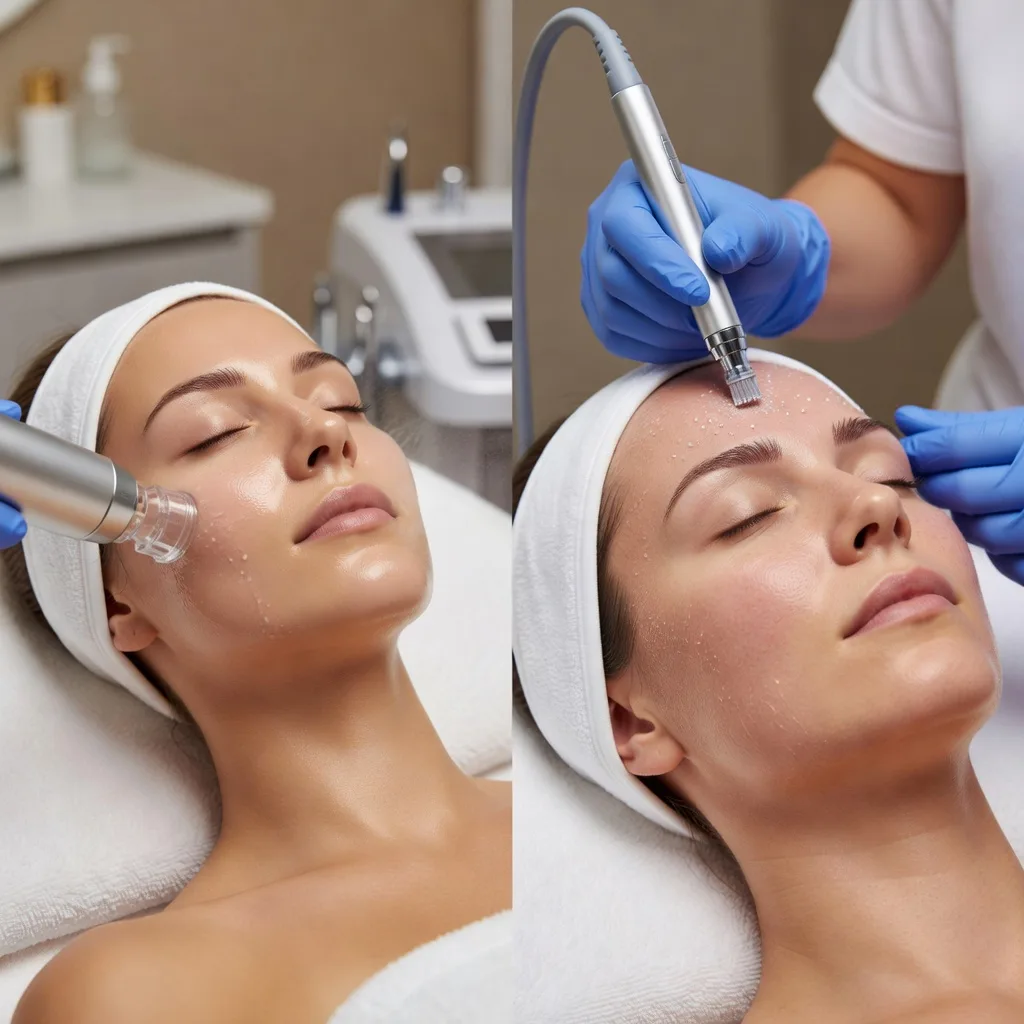
Oxygen facial vs microdermabrasion comes up constantly as a choice between two “glow” treatments, but the two work through entirely different mechanisms and rest on genuinely different kinds and amounts of evidence.
Part of our guide to facial treatments. Start with: Ultimate Guide Microdermabrasion: What to Know
Microdermabrasion’s evidence comes from actual skin biopsies showing real, if modest, collagen-organization change; a CO2-releasing oxygen device has one published trial showing a measurable but transient local oxygenation increase, while plain oxygen-spray facials have essentially no comparable trial evidence at all. Treating “oxygen facial” as a single category obscures that real split.
Which one is better evidenced depends entirely on the specific concern and the specific device, not on which name sounds more advanced or more “clinical.”
This guide covers both mechanisms in detail, what the actual studies measured, which skin types fit which option better, and a one-question check to calibrate expectations before paying for either.
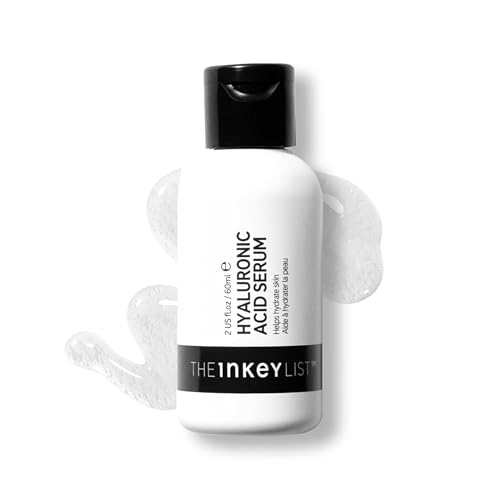
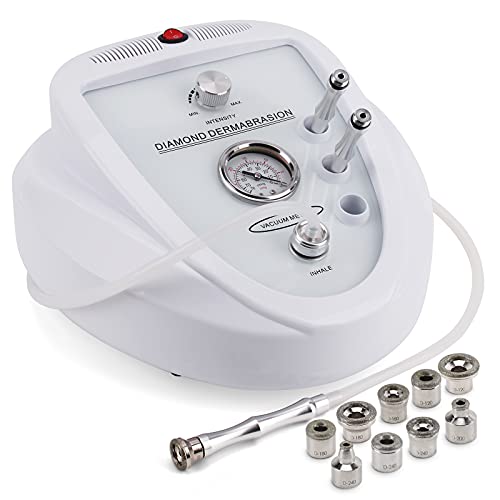
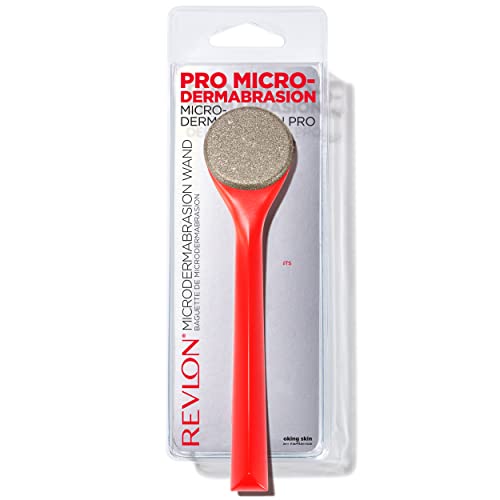
Recommended Oxygen Facial and Microdermabrasion Products

Key Takeaways
- “Oxygen facial” actually covers two different things: plain pressurized-oxygen spray facials, and CO2-releasing chemical-reaction devices that work through a different mechanism entirely.
- Microdermabrasion is purely mechanical exfoliation, physically removing the outer dead-skin layer, with a much older and more direct histological evidence base.
- A split-face trial found a CO2-releasing device produced a significantly larger local skin-oxygenation increase than microdermabrasion, but that’s a 15-minute physiological reading, not a lasting skin-quality outcome.
- Plain oxygen-spray facials have essentially no comparable clinical trial evidence behind their glow, hydration, or anti-aging claims.
- Microdermabrasion has the stronger direct tissue-level evidence for texture, tone, and mild photoaging concerns specifically.
- The two treatments carry different, largely non-overlapping regulatory classifications depending on the specific device and claims involved.
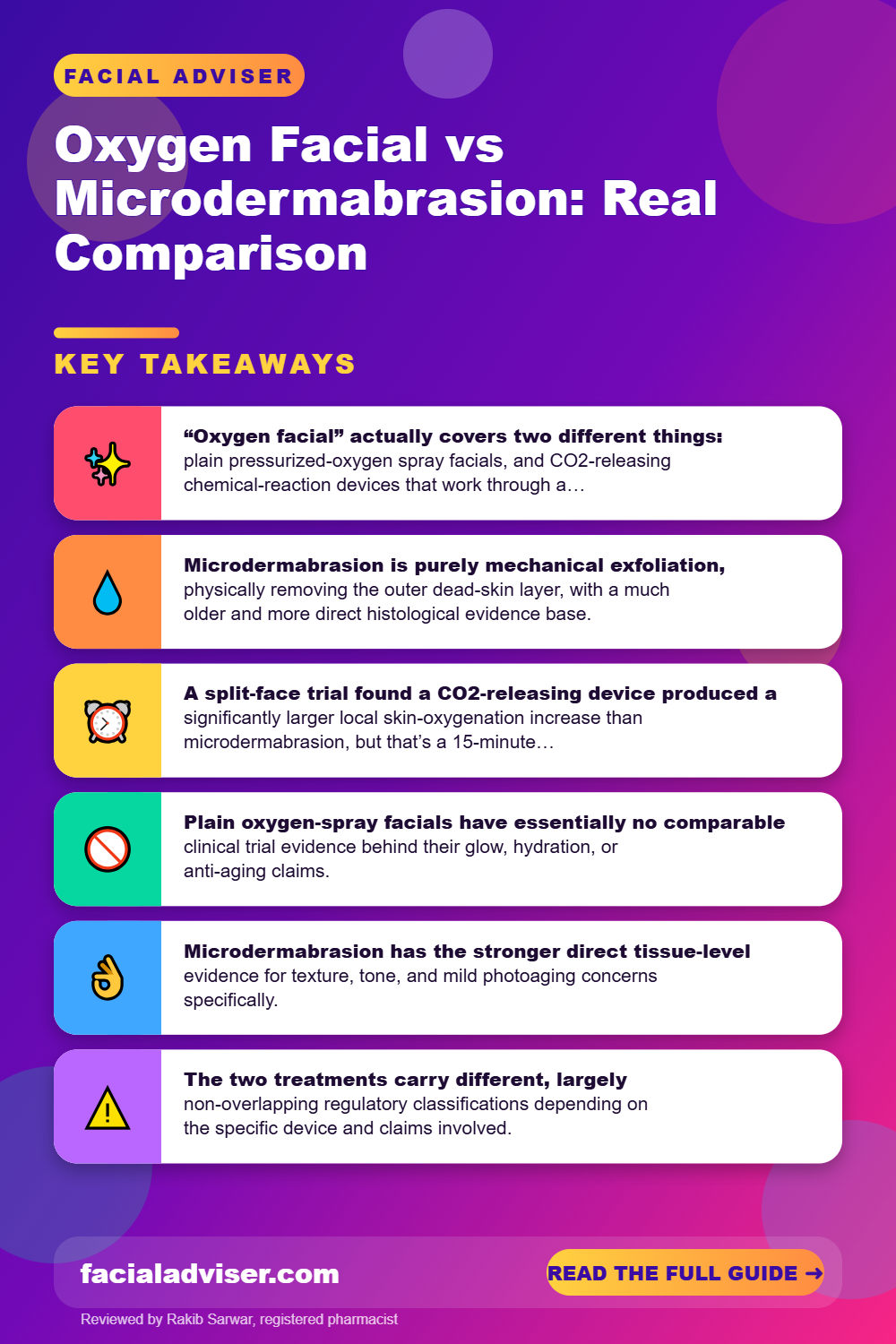
Table of Contents
- Two Very Different Mechanisms
- What the Oxygen-Facial Evidence Actually Shows
- What the Microdermabrasion Evidence Actually Shows
- Head-to-Head Comparison
- Regulatory Classification of Each
- Which One Is Better Evidenced for Which Concern
- Which Skin Types Should Lean Toward Which Option
- Downtime and Comfort Differences
- Do This, Not That
- What Each Session Actually Involves
- One-Minute Check Before You Book Either
- Who Should Be Cautious With Either Treatment
- Cost and Value Considerations
- When to See a Dermatologist
- Frequently Asked Questions
- The Bottom Line
Two Very Different Mechanisms
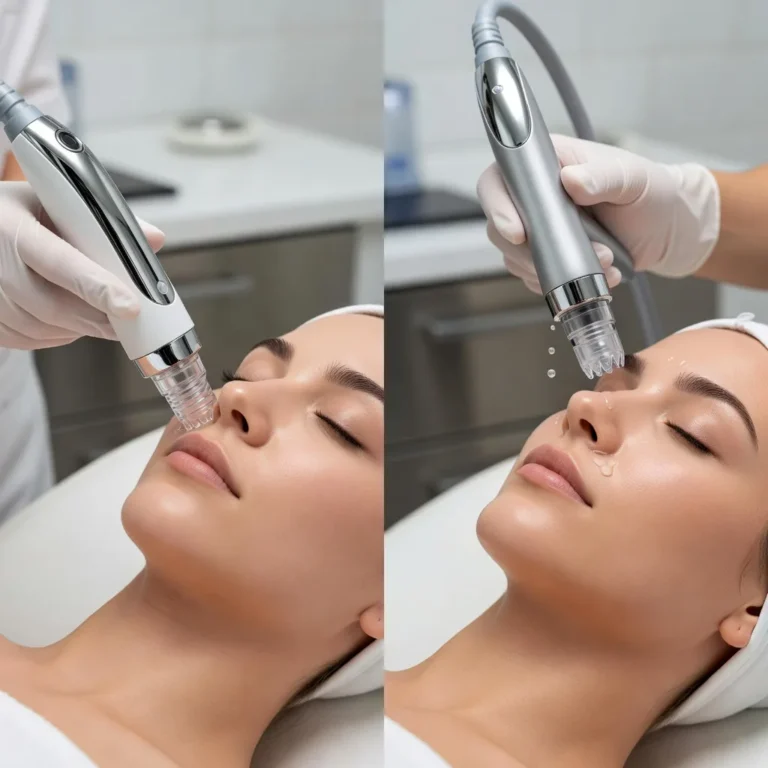
Oxygen facials split into two genuinely different categories that get marketed under the same name. The more common spa version applies pressurized oxygen plus a serum directly to the skin surface. A second, less common category uses CO2-releasing chemical-reaction devices, generating carbon dioxide bubbles at the skin surface through a bicarbonate and citric-acid reaction, intended to trigger a localized “Bohr effect,” where CO2 buildup signals the body to increase local blood oxygen delivery, alongside gentle mechanical bubbling and product infusion.
Shopping these picks?
Amazon Prime members get fast, free shipping on eligible items, plus Prime Video, Amazon Music and member deals. New members can start with a free trial.
Start a free Prime trialAged 18 to 24? Prime for Young Adults comes with a longer free trial and a lower price after it.
Affiliate link: we may earn a commission at no extra cost to you.
Microdermabrasion works through an entirely different, purely physical mechanism: crystal or diamond-tip abrasion that mechanically removes the stratum corneum, the outermost dead-skin layer, triggering a wound-healing-adjacent dermal response beneath it.
What the Oxygen-Facial Evidence Actually Shows
A split-face clinical trial with 12 healthy subjects compared a CO2-releasing device against particle-free microdermabrasion, measuring transcutaneous oxygen tension at baseline and 15 minutes post-treatment on opposite sides of the face. The CO2 device produced a significantly larger local oxygenation increase, an average gain of about 11.4 mmHg compared to about 6.0 mmHg for microdermabrasion.
That’s real, measured, statistically significant data, but it’s important to be precise about what it measured: a transient, 15-minute local oxygenation reading, not a durable skin-quality, wrinkle, or clinical-outcome measure. The mechanism is a CO2-triggered Bohr effect, not literal oxygen absorption through the skin. This specific evidence supports the CO2-releasing device category, not “oxygen facials” as a blanket term; plain oxygen-spray facials with no CO2-generating chemistry have essentially no comparable trial evidence behind them.
What the Microdermabrasion Evidence Actually Shows
Note: microdermabrasion’s evidence base is older and more histologically direct. Foundational studies used skin biopsies taken before and after treatment courses to directly measure epidermal thickness, collagen organization, and elastic-fiber changes, real tissue-level evidence rather than a single physiological reading.
That histologic evidence found genuine improvement in collagen fiber organization with continued sessions, though generally in small-sample, short-follow-up studies rather than large randomized trials with long-term outcome tracking. Still, tissue-level biopsy evidence is a meaningfully stronger evidence type than a single 15-minute oxygenation reading.
Head-to-Head Comparison
| Factor | Oxygen Facial (Plain Spray) | Oxygen Facial (CO2 Device) | Microdermabrasion |
|---|---|---|---|
| Mechanism | Surface oxygen + serum | CO2-triggered Bohr effect + mild mechanical action | Mechanical abrasion of dead skin |
| Trial evidence | Essentially none | One published split-face oxygenation trial | Multiple histologic biopsy studies |
| Evidence type | None | Transient physiological reading | Direct tissue-level histology |
| Concern | Better-Evidenced Option |
|---|---|
| Texture, mild photoaging | Microdermabrasion |
| Immediate, temporary “glow” appearance | Either, but neither has strong durable-outcome data |
| A measurable, documented physiological effect at all | CO2-releasing oxygen device over plain oxygen spray |
Regulatory Classification of Each
Microdermabrasion devices are generally Class I, and often 510(k)-exempt when limited to superficial exfoliation claims. Oxygen-spray facial devices marketed purely for cosmetic infusion are typically treated as cosmetic tools rather than medical devices, unless they penetrate skin or make disease-related claims. CO2-releasing devices, with an active chemical-reaction mechanism and more specific physiological claims, are more likely to require device clearance, though this varies by the exact design and marketing claims of the specific product, so checking a given device’s actual FDA listing is more reliable than assuming a category-wide status.
Worth noting: a real FDA-cleared device does exist for delivering oxygen to skin, but its clearance is for an entirely unrelated purpose, chronic wound care in a medical setting, not cosmetic facial treatment. That’s a separate, specific example of a real device clearance existing somewhere in the oxygen-delivery space, just not for the purpose a spa-facial version of the same general idea is being marketed for.
Which One Is Better Evidenced for Which Concern
If the goal is texture, mild scarring appearance, or dullness from dead-skin buildup, mechanical exfoliation has the stronger, more direct tissue-level evidence. If drawn to an oxygen facial specifically for a claimed anti-aging or deep-hydration effect, it’s worth asking whether the device actually generates CO2 through an active chemical mechanism; a plain oxygen-air spray with no such mechanism has essentially unverified marketing claims behind it.
Which Skin Types Should Lean Toward Which Option
Mechanical abrasion isn’t a good match for rosacea-prone, very thin, or actively inflamed skin, since friction and suction can aggravate all three. Someone in that category who still wants an exfoliation-adjacent, “glow” treatment has a genuine reason to consider a CO2-releasing oxygen device instead, since it avoids direct abrasive contact entirely while still offering the one measured physiological effect described above.
Conversely, someone whose primary concern is dullness from genuine dead-skin buildup, without a rosacea or thin-skin complication, is better served by microdermabrasion’s more direct, better-documented exfoliation mechanism, rather than paying for an oxygen treatment whose main selling point doesn’t address that specific concern as directly.
Downtime and Comfort Differences
Oxygen facials, plain-spray or CO2-releasing, generally involve no downtime and minimal discomfort, since neither version involves abrasive friction against skin. Microdermabrasion can produce mild, short-lived redness immediately afterward, particularly with more aggressive settings or crystal-based systems, though this typically resolves within a day for most people.
For anyone with an event or photos scheduled the same day, that comfort difference is a legitimate, practical factor worth weighing alongside the evidence question, even though it doesn’t change which treatment has the stronger data behind it.
Do This, Not That
Do
- Ask whether an “oxygen facial” uses a CO2-releasing device or a plain spray
- Choose microdermabrasion for documented texture and mild-photoaging goals
- Book a series of sessions for either treatment rather than expecting one visit to transform skin
Don’t
- Assume plain oxygen-spray facials carry the same evidence as CO2-releasing devices
- Expect either treatment to resolve deep scars or significant wrinkles
- Book microdermabrasion over active, inflamed acne
What Each Session Actually Involves
Cleanse and assess
Skin is cleansed and evaluated for contraindications before either treatment begins.Primary treatment pass
Oxygen or CO2 infusion is applied via handheld device, or microdermabrasion abrasion is performed under vacuum suction.Serum or product infusion
A targeted serum is often infused alongside oxygen-based treatments; microdermabrasion typically follows with a calming mask.Protect and finish
Moisturizer and broad-spectrum SPF are applied before the session ends.
One-Minute Check Before You Book Either
Tip: ask directly whether the “oxygen facial” device generates CO2 through an active chemical reaction, or is a plain compressed-oxygen spray. If it’s the latter, treat glow and hydration claims as unverified rather than clinically established, a genuine, one-question way to calibrate expectations before paying a premium price.
Who Should Be Cautious With Either Treatment
Warning: microdermabrasion isn’t appropriate over active or severe acne, active cold sores, or rosacea flares, since mechanical abrasion can worsen inflammation or spread infection. Oxygen-based facials carry minimal direct physical risk but a real opportunity-cost risk of paying premium prices for an unproven mechanism when better-evidenced options exist for the same goal.
Cost and Value Considerations
Oxygen facials, especially the CO2-releasing device category, tend to be priced at a premium relative to standard microdermabrasion, partly reflecting the specialized equipment and partly reflecting the “advanced technology” framing used in marketing. Microdermabrasion, being an older, more established, and less proprietary technology, is generally the more budget-accessible option of the two at most spas and clinics.
Weighed against the evidence discussed above, that price difference is worth pausing on: paying a premium for a treatment whose main measured effect is a 15-minute physiological reading, rather than a documented lasting skin-quality change, is a legitimate value question to consider before booking a full course of sessions.
When to See a Dermatologist
A dermatologist or skin specialist can help clarify whether a specific texture or pigmentation concern would respond better to either of these treatments or to a different option entirely. Readers deciding between exfoliation methods more broadly may also find it useful to compare against a full look at microdermabrasion on its own and against a more general oxygen facial at home before booking either professionally.
Frequently Asked Questions
Is an oxygen facial better than microdermabrasion?
Not necessarily; microdermabrasion has stronger direct tissue-level evidence for texture and mild photoaging, while oxygen facials have thinner, category-dependent evidence.
Do all oxygen facials work the same way?
No; some use plain compressed-oxygen spray with minimal trial evidence, while others use a CO2-releasing chemical reaction with at least one published physiological study.
Does an oxygen facial really increase skin oxygen levels?
A CO2-releasing device showed a measurable, statistically significant local oxygenation increase in one small trial, but plain oxygen sprays have no comparable evidence.
What does microdermabrasion actually do?
It mechanically removes the outer dead-skin layer, with histologic studies showing genuine improvement in collagen fiber organization over a treatment series.
Which is gentler, oxygen facial or microdermabrasion?
Oxygen facials are generally gentler since there’s no mechanical abrasion involved, though neither is inherently risky when performed appropriately.
Are these treatments FDA-approved?
Microdermabrasion devices are often Class I and 510(k)-exempt; oxygen and CO2 devices vary by specific design and claims, so check the individual device’s classification.
Can I do either at home?
Some lower-intensity versions of both exist for home use, though professional versions generally reach a more consistent, controlled depth or dose.
How many sessions does each treatment need?
Both are typically recommended in a series of multiple sessions rather than a single visit, based on the studies behind each.
Who should avoid microdermabrasion specifically?
Anyone with active or severe acne, active cold sores, rosacea flares, or very thin, fragile skin should avoid or delay it.
Which should I choose for dullness and uneven texture?
Microdermabrasion has the stronger direct evidence for texture-related concerns specifically.
The Bottom Line
These two treatments work through genuinely different mechanisms and carry genuinely different evidence bases. Microdermabrasion has the deeper, more direct tissue-level evidence for texture and mild photoaging. Oxygen facials range from essentially unstudied plain sprays to a narrower category of CO2-releasing devices with at least one legitimate physiological trial behind them.
Choosing between them comes down to matching the specific evidence to the specific goal, rather than assuming either name alone guarantees a particular result.

Written by
Registered pharmacist and founder of Facial Adviser. Rakib's pharmacy training covers how skincare actives work and interact; a later course in cosmetology turned that into a focus on facial treatments and skincare products. He plans, researches and edits every guide on the site and checks health claims against sources such as the American Academy of Dermatology, the FDA and the NIH. He is not a dermatologist; see the Editorial Policy and Medical Disclaimer.
About · Editorial policy · How we choose products · Medical disclaimer · Contact
Keep reading: Microdermabrasion and diamond peel