
Oxygen Facial at Home: Does It Actually Work?
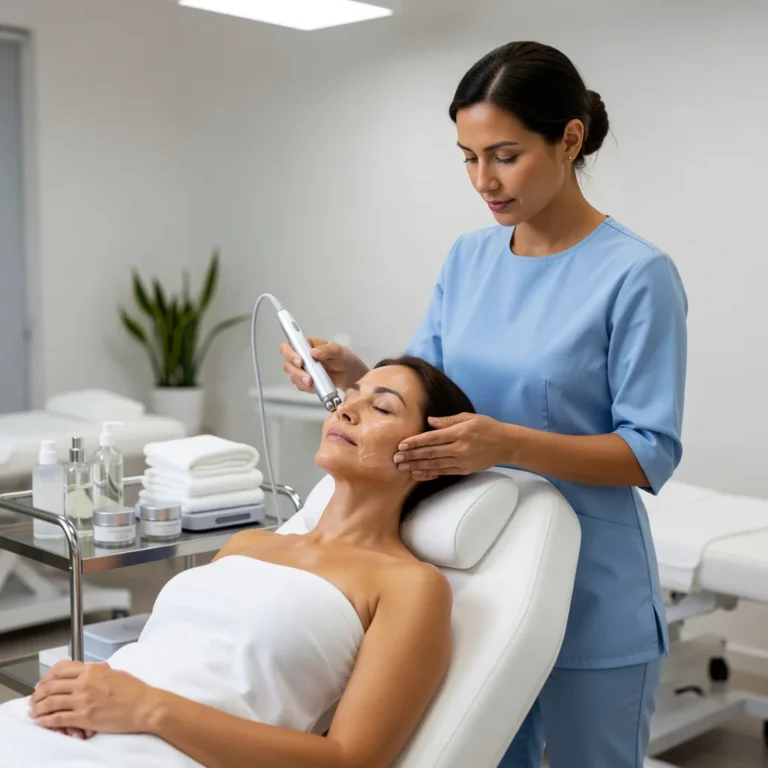
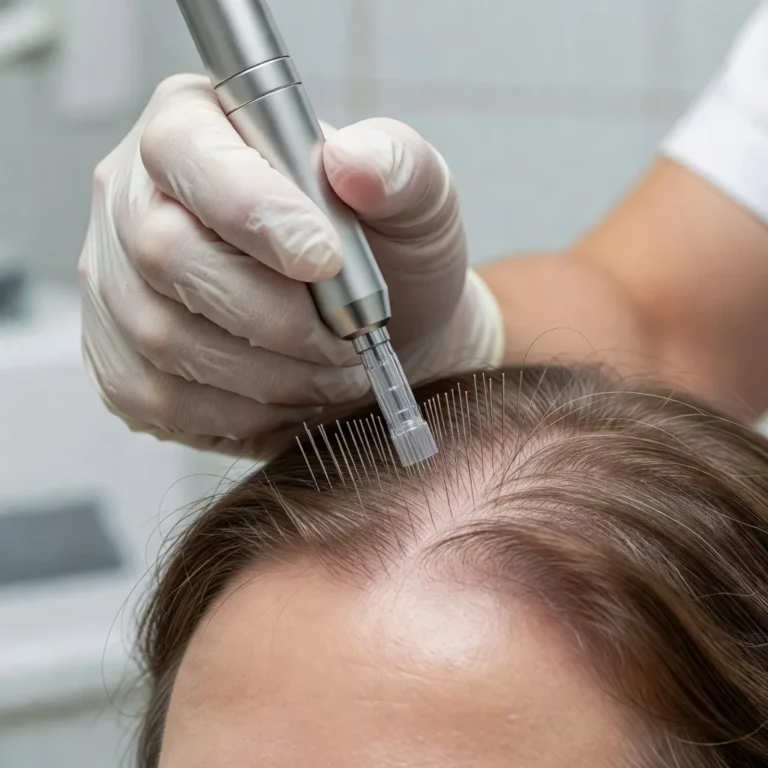
An oxygen facial at home promises the same instant glow as a spa version, a pressurized canister spray plus a serum, and the honest question is how much of that glow is actually coming from the oxygen itself.
Part of our guide to facial treatments. Start with: What Is a Spa Facial?
The strongest supporting evidence comes from a small trial testing a CO2-releasing device, not a direct oxygen spray, and it measured a real, statistically significant short-term rise in tissue oxygen tension, not any lasting structural change to skin. The plain spray-and-serum version most at-home kits use has no isolating trial behind it at all.
Skin’s outer layer genuinely does pull some oxygen from ambient air, a real physiological finding, but that’s about continuous exposure over time, not a ten-minute treatment, and there’s no FDA device category for cosmetic oxygen facials in the first place.
This guide covers what the evidence actually supports, the difference between direct-spray and CO2-releasing mechanisms, real safety considerations, and how to get more out of an at-home kit than the oxygen claim alone delivers.
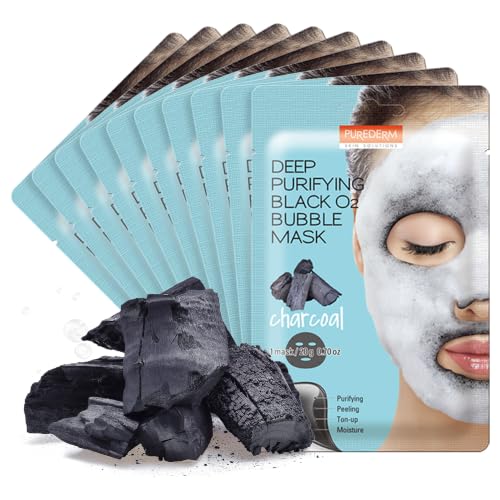
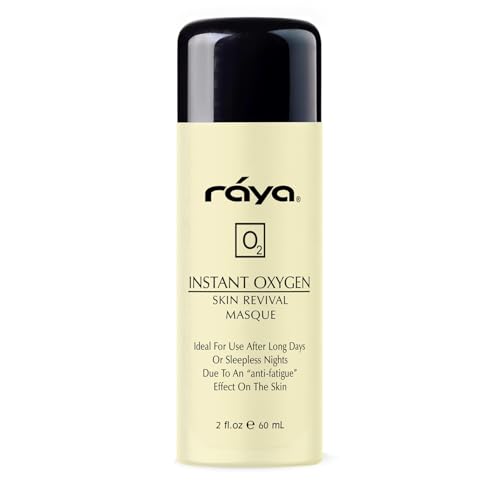
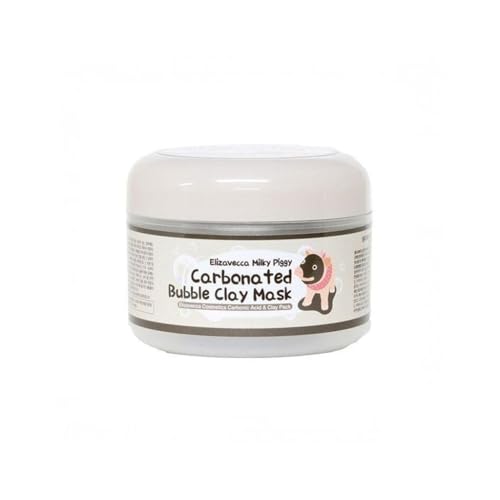
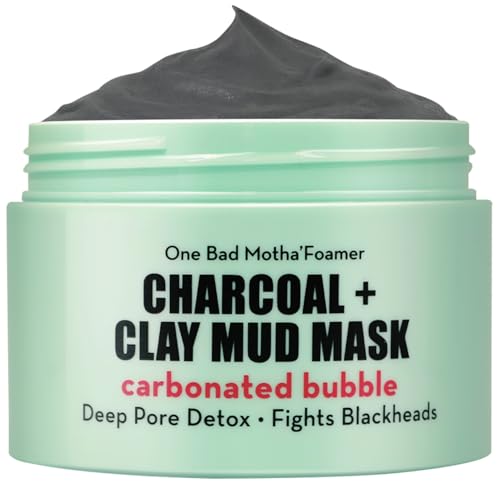
Recommended Oxygen Facial Products for Home Use
Key Takeaways
- “Oxygen facial” actually covers two different technologies marketed under one name: direct oxygen spray/infusion, and CO2-releasing devices that work through a completely different mechanism.
- The only real clinical trial in this space measured a CO2-releasing device, not a direct oxygen spray, even though it gets cited for both.
- Skin’s outer layer genuinely can absorb some oxygen from the air, since it has no blood supply of its own, but that finding is about continuous exposure, not a 10-minute spa treatment.
- Claims like “detoxifies,” “boosts collagen,” or “reverses aging” from a single oxygen facial session aren’t supported by any isolating trial.
- No FDA device category exists for cosmetic oxygen facials; the one FDA-cleared topical-oxygen device is a prescription wound-care chamber for chronic ulcers, nothing like a spa treatment.
Table of Contents
- What an Oxygen Facial Actually Does
- What the Real Evidence Shows
- Marketing Claims vs. What Holds Up
- Does Skin Actually “Breathe”?
- The Regulatory Picture
- Real Safety Considerations
- At-Home Products vs. In-Spa Treatment
- How Often an Oxygen Facial Is Worth Doing
- Do This, Not That
- Trying an Oxygen Facial at Home Reasonably
- When to See a Dermatologist
- Frequently Asked Questions
- The Bottom Line
What an Oxygen Facial Actually Does
“Oxygen facial” is used as an umbrella term for two mechanistically different treatments, a distinction almost no marketing copy makes clear. The first is a direct topical oxygen spray or infusion, pressurized oxygen (often as a fine mist) applied straight onto the skin, usually alongside an infused serum of hyaluronic acid, peptides, or vitamins that rides in on the spray. The claimed mechanism is that the oxygen itself diffuses into skin and feeds cells to support healing and collagen production.
Shopping these picks?
Amazon Prime members get fast, free shipping on eligible items, plus Prime Video, Amazon Music and member deals. New members can start with a free trial.
Start a free Prime trialAged 18 to 24? Prime for Young Adults comes with a longer free trial and a lower price after it.
Affiliate link: we may earn a commission at no extra cost to you.
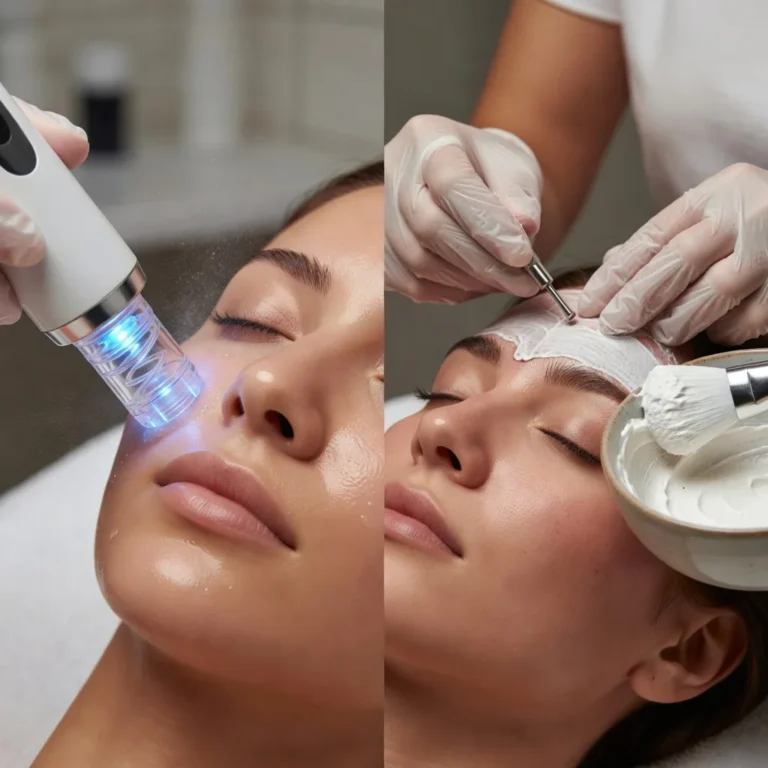
The second is a CO2-releasing device, sold under brand names like Geneo or Pollogen and sometimes marketed under the same “oxygen facial” umbrella. These devices trigger a localized chemical reaction that releases carbon dioxide at the skin’s surface, and the real mechanism is what’s called the Bohr effect: elevated local CO2 makes hemoglobin release oxygen more readily into surrounding tissue, and it also triggers local vasodilation, both of which indirectly raise tissue oxygen levels. That’s a genuinely different mechanism from spraying oxygen directly onto skin, even though the two get marketed almost interchangeably.
| Feature | Direct Oxygen Spray | CO2-Releasing Device |
|---|---|---|
| How it works | Pressurized oxygen sprayed onto skin surface | Chemical reaction releases CO2, triggering the Bohr effect |
| Claimed benefit | Oxygen “feeds” cells directly | Indirectly raises tissue oxygen via vasodilation |
| Clinical trial evidence | None isolating this specific mechanism | One small RCT (n=12) showing a measurable tcPO2 rise |
| Common branding | Generic “oxygen facial,” most at-home canisters | Geneo, Pollogen, similar branded systems |
What the Real Evidence Shows
A 2002 study in the Journal of Physiology found that the epidermis, skin’s outermost layer, genuinely does absorb a meaningful share of its oxygen from the surrounding air rather than from blood, because that layer has no blood supply of its own (Stücker M, Struk A, Altmeyer P, et al., 2002). That’s a real, physiologically grounded finding, but it describes continuous exposure to ambient air over time, not a concentrated 10 to 15 minute spa treatment, and it doesn’t test any specific facial product or device.
The most-cited clinical trial in this space is a small split-face study (Seidel R, Moy RL, Journal of Drugs in Dermatology, 2015): 12 participants received a CO2-releasing facial treatment on one side of the face and particle-free microdermabrasion (as a control) on the other. Transcutaneous oxygen tension rose by 11.36 mmHg on the CO2 side versus 5.97 mmHg on the control side, a statistically significant difference.
Worth knowing: that trial tested a CO2-releasing mechanism, not a direct oxygen spray, yet it’s frequently cited by marketing for the plain “spray oxygen on your face” version of the treatment. No isolating trial was found that tests a direct pressurized-oxygen spray against a genuine placebo mist plus serum control.
Marketing Claims vs. What Holds Up
Claims that a single oxygen facial “detoxifies skin,” “kills acne-causing bacteria,” “boosts collagen production,” or “reverses aging” aren’t supported by any trial that isolates oxygen’s contribution from the serum ingredients, massage, and hydration that come along with the treatment. The often-repeated “instant glow” effect is real and plausible, but it’s more likely explained by hydration, massage-driven blood flow, and topical actives than by oxygen absorption specifically.
What’s narrowly supported is the CO2-releasing device category’s measurable, statistically significant short-term increase in tissue oxygen tension, from a single small trial measuring a physiological marker, not a downstream outcome like wrinkle reduction or lasting collagen change.
| Claim | What the Evidence Actually Shows |
|---|---|
| “Detoxifies skin” | No mechanism or trial support |
| “Boosts collagen production” | No isolating trial evidence |
| “Kills acne-causing bacteria” | Not supported by any trial found |
| “Instant glow” | Real, but more likely from hydration/massage than oxygen itself |
| “Raises tissue oxygen tension” | Supported, for CO2-releasing devices specifically |
Does Skin Actually “Breathe”?
The old idea that pores need to “breathe” or skin “suffocates” without exposure to air isn’t how skin physiology actually works. Skin is a barrier organ, and its bulk oxygen supply comes from blood vessels in the dermis, not from air contact at the surface. The epidermis specifically is the exception, since it has no blood supply of its own and does pull some oxygen from ambient air, as the Stücker et al. research above found, but that’s a narrow, specific finding about one layer of skin under continuous exposure, not a blanket claim that skin needs to “breathe” the way lungs do.
The Regulatory Picture
There’s no FDA device category for cosmetic oxygen facials; they’re unregulated cosmetic or esthetic services and devices, not medical devices. A real, FDA-cleared oxygen-delivery device does exist for a completely different purpose: the Topical Oxygen Chamber for Extremities, a Class II device intended to surround a patient’s limb and apply humidified oxygen to help heal chronic wounds like bedsores. That’s a prescription, practitioner-supervised wound-care device, useful as a contrast showing that legitimate medical oxygen-delivery technology exists, but it has nothing in common with a spa facial beyond the word “oxygen.”
Real Safety Considerations
Real risk to flag: rare needle or subdermal oxygen-infusion variants carry the same infection risk as any skin-puncturing cosmetic procedure. Pressurized spray devices are low-risk for most skin types, but can aggravate active rosacea or very reactive skin, and any infused serum can be comedogenic or irritating on its own regardless of the oxygen component.
Because these are unregulated cosmetic devices, ingredient quality and hygiene practices vary considerably between providers and at-home products, which is worth checking directly rather than assuming any two “oxygen facial” experiences are equivalent.
At-Home Products vs. In-Spa Treatment
At-home oxygen facial products are typically a canister or aerosol spray paired with a serum, a simpler setup than the pressurized, sometimes CO2-releasing devices used in spas. That means at-home versions are even further from the one mechanism (CO2/Bohr effect) that has any supporting clinical data at all, and closer to the direct-spray version with no isolating trial behind it.
That doesn’t make at-home oxygen facials useless, the serum ingredients riding along with the spray can still provide real hydration and antioxidant benefit on their own merits, often built around hyaluronic acid or niacinamide, and it just means the “oxygen” part of the marketing is doing less of the actual work than the label implies.
Worth trying: if you’re buying an at-home canister kit, spend less time comparing “oxygen delivery” claims between brands and more time reading the actual serum ingredient list, since that’s the part with real, independently documented evidence behind it.
How Often an Oxygen Facial Is Worth Doing
Since the documented effect, where one exists, is a short-term rise in tissue oxygen tension rather than a cumulative structural change, there’s no evidence that doing oxygen facials more frequently compounds the benefit the way a treatment targeting collagen synthesis might. Most spas position it as a pre-event glow treatment or an occasional add-on rather than a core weekly routine, and that positioning matches what the evidence actually supports: a real, temporary effect worth having occasionally rather than a treatment with a meaningful dose-response relationship.
At-home canister products are often used more frequently simply because they’re accessible, but more frequent use doesn’t change the underlying evidence gap, it just means the serum ingredients get applied more often, which is really a hydration-routine question rather than an oxygen-facial-specific one.
Do This, Not That
Do
- Judge an oxygen facial product by its actual serum ingredients (hyaluronic acid, peptides, antioxidants), not the oxygen claim alone
- Patch-test any new infused serum, especially on reactive or rosacea-prone skin
- Treat a good “instant glow” as a real, if temporary, hydration and massage effect
Don’t
- Expect a single session to detoxify skin, kill acne bacteria, or reverse aging
- Assume the CO2-facial research applies to a plain oxygen-spray product
- Skip sunscreen or real acne treatment in favor of oxygen facials
Trying an Oxygen Facial at Home Reasonably
Check the actual ingredient list
Look past the “oxygen” branding to what’s actually in the serum being infused.Patch-test first
Apply to a small area 24 hours before a full-face application, especially with reactive skin.Cleanse skin thoroughly beforehand
Remove makeup and debris so the serum can actually reach skin rather than sitting on residue.Apply as directed, don’t overdo frequency
More sessions won’t compensate for the treatment’s inherently modest, temporary effect.Follow with sunscreen if it’s a daytime routine
An oxygen facial is not a substitute for daily sun protection.
When to See a Dermatologist
See a dermatologist or skin specialist if you have active rosacea, persistent acne, or hyperpigmentation you’re hoping an oxygen facial will resolve, since none of those conditions have real evidence supporting oxygen facials as treatment. A proper diagnosis will point you toward what actually works.
Frequently Asked Questions
Do oxygen facials actually work?
The version most people get, a direct oxygen spray plus serum, has no isolating clinical trial behind it; a CO2-releasing device variant has one small trial showing a measurable short-term rise in tissue oxygen tension.
What’s the difference between an oxygen facial and a CO2 facial?
A direct oxygen facial sprays pressurized oxygen onto skin; a CO2-releasing device instead triggers a chemical reaction that raises local CO2, which indirectly increases tissue oxygen via the Bohr effect. They’re often marketed under the same name despite different mechanisms.
Can skin actually absorb oxygen?
The outer epidermis genuinely can, since it lacks its own blood supply, but that finding is about continuous ambient air exposure, not a short spa treatment.
Do oxygen facials boost collagen?
No trial isolates oxygen’s contribution to collagen production; this claim isn’t supported.
Are oxygen facials FDA-approved?
There’s no FDA device category for cosmetic oxygen facials at all; they’re unregulated cosmetic services and devices.
Is there an FDA-cleared oxygen device for skin?
Yes, but for a different purpose: a prescription topical oxygen chamber for treating chronic wounds like bedsores, nothing like a spa facial.
Are at-home oxygen facial products worth it?
The serum ingredients riding along with the spray can offer real hydration benefit; the oxygen component itself is doing less than the marketing implies.
Does skin need to “breathe”?
Not the way lungs do; skin’s bulk oxygen supply comes from blood, though the outer epidermis specifically does pull some from the air.
Can oxygen facials cause irritation?
The oxygen component itself is generally low-risk, but any infused serum can irritate reactive or rosacea-prone skin on its own.
What should I look for in an oxygen facial product?
The actual serum ingredients (hyaluronic acid, peptides, antioxidants) matter more than the oxygen claim itself.
The Bottom Line
An oxygen facial’s real evidence base is much narrower than its marketing: one small trial supports a measurable short-term effect for a CO2-releasing device specifically, not the plain oxygen-spray version most people actually get, and no trial supports the bigger claims like detoxifying skin or reversing aging. It’s reasonable to enjoy an oxygen facial for the genuine hydration and glow its serum ingredients provide, just without expecting the oxygen itself to be doing the heavy lifting the name implies.

Written by
Registered pharmacist and founder of Facial Adviser. Rakib's pharmacy training covers how skincare actives work and interact; a later course in cosmetology turned that into a focus on facial treatments and skincare products. He plans, researches and edits every guide on the site and checks health claims against sources such as the American Academy of Dermatology, the FDA and the NIH. He is not a dermatologist; see the Editorial Policy and Medical Disclaimer.
About · Editorial policy · How we choose products · Medical disclaimer · Contact
Keep reading: Spa and brand-name facials
- What Is a Spa Facial?
- Sensiglow Facial Treatment: What It Actually Is
- Holistic Facial: What's Actually Included
- Ultrasound Facial: What the Evidence Actually Shows
- Red Carpet Facial: What You're Really Paying For
- How Much Is a Back Facial, and Is It Worth It?
- Facial vs Chemical Peel: Differences, Results and Which to Choose
- What Is the Best Anti-Aging Facial Treatment? Options Compared by Goal