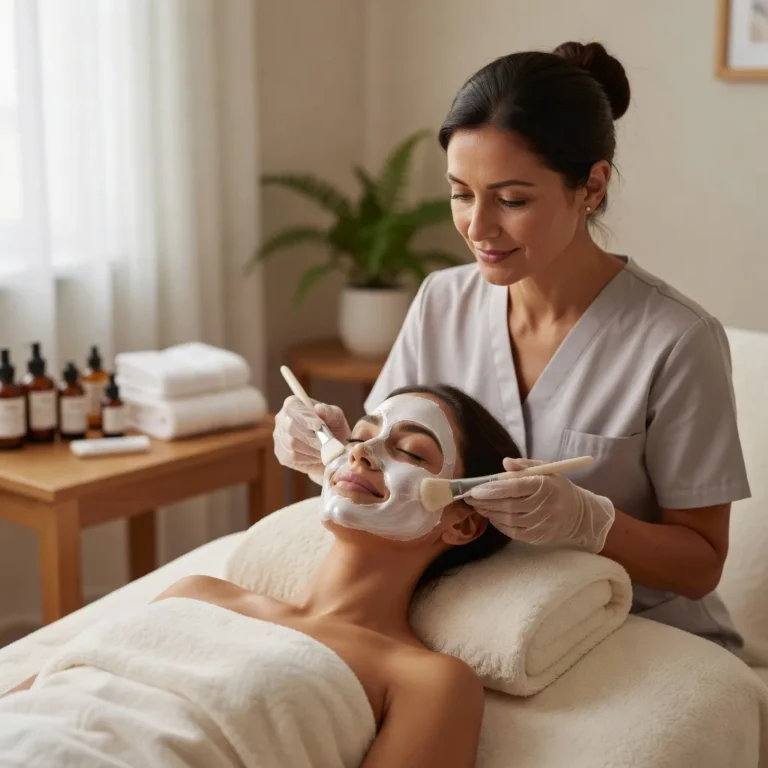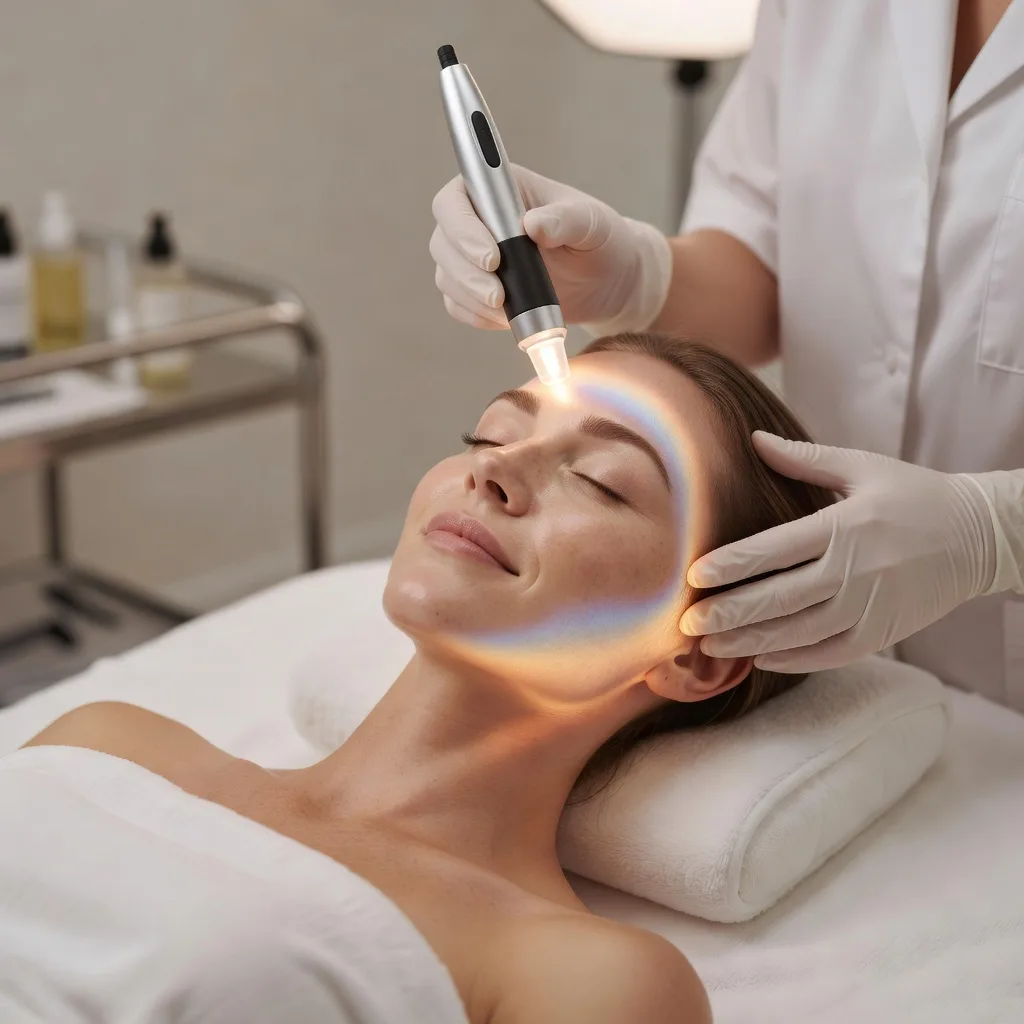
Sensiglow Facial Treatment: What It Actually Is
A Sensiglow facial treatment sounds like a specific, established procedure, but the name itself is the first thing worth questioning before evaluating any claim made about it.
Part of our guide to facial treatments. Start with: What Is a Spa Facial?
“SensiGlow” is a trademarked brand name used by at least two unrelated sellers, an Indian professional skincare line and a separate U.S. dermatology-center product, not a standardized clinical treatment category, which means anyone researching it is really evaluating one seller’s specific formulation. The ingredients behind the best-known version, niacinamide, calendula, aloe vera, and trehalose, do have real, if uneven, evidence for calming reactive skin.
Niacinamide carries the strongest published support, with 12-week evidence for redness and barrier repair specifically, while “sensitive skin” itself isn’t a diagnosis, chronic reactivity often points to an underlying condition like rosacea that a calming facial alone won’t resolve.
This guide covers what’s actually in a kit like this, what the evidence does and doesn’t support, real safety considerations like botanical cross-reactivity, and how to evaluate any similarly branded sensitive-skin facial by its ingredients rather than its name.
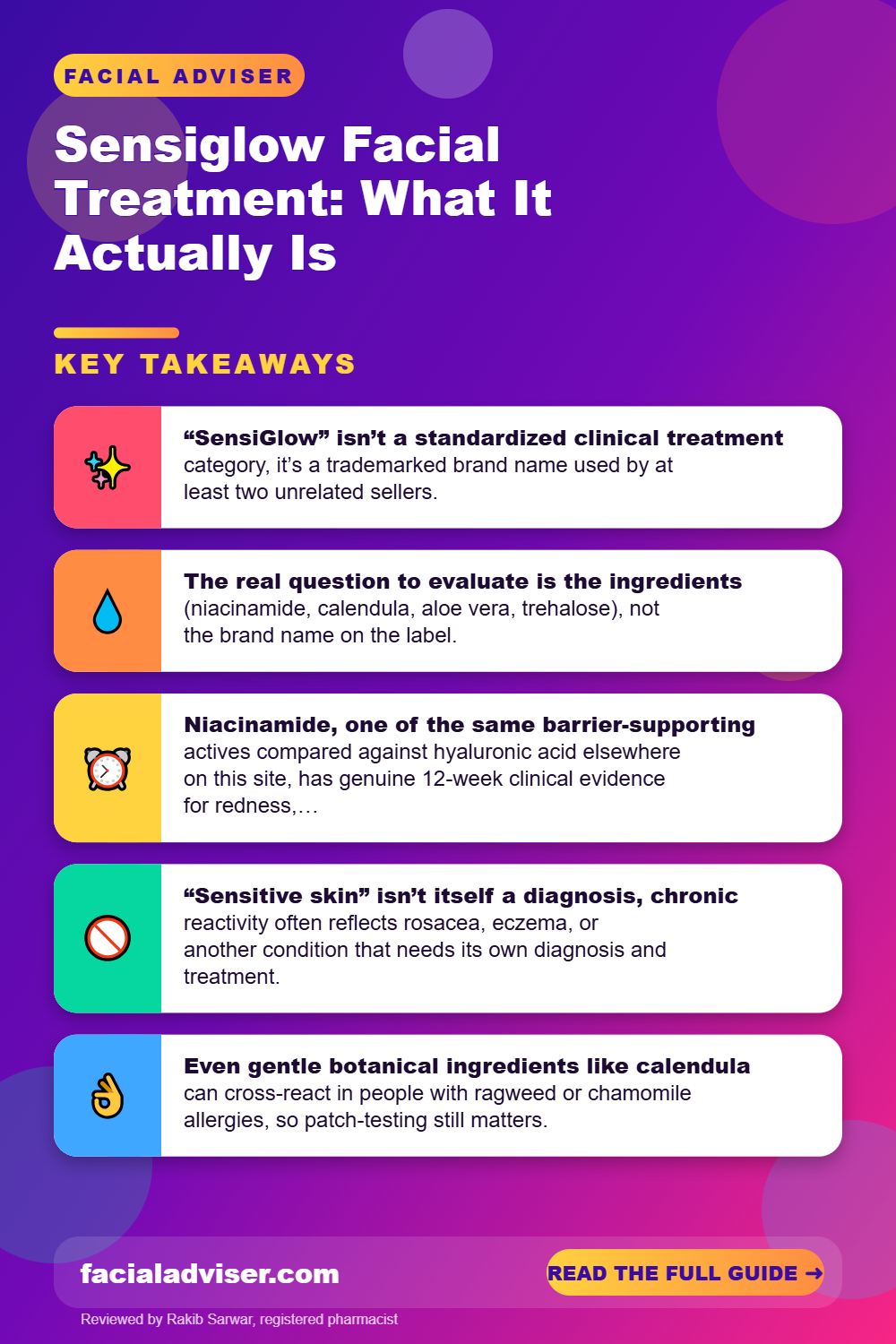
Recommended Products for Sensitive Skin
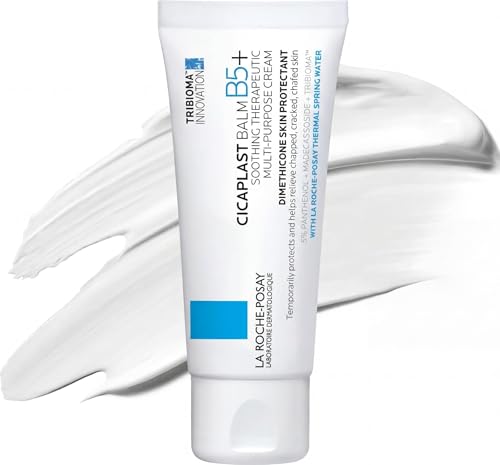

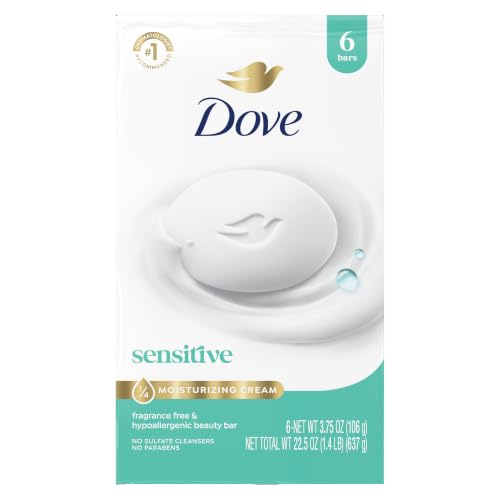


Fast Facts
- “SensiGlow” isn’t a standardized clinical treatment category, it’s a trademarked brand name used by at least two unrelated sellers.
- The real question to evaluate is the ingredients (niacinamide, calendula, aloe vera, trehalose), not the brand name on the label.
- Niacinamide, one of the same barrier-supporting actives compared against hyaluronic acid elsewhere on this site, has genuine 12-week clinical evidence for redness, barrier function, and rosacea-related symptoms specifically.
- “Sensitive skin” isn’t itself a diagnosis, chronic reactivity often reflects rosacea, eczema, or another condition that needs its own diagnosis and treatment.
- Even gentle botanical ingredients like calendula can cross-react in people with ragweed or chamomile allergies, so patch-testing still matters.
Table of Contents
- What “SensiGlow” Actually Refers To
- Two Unrelated Products, One Name
- The Real Ingredients Behind a Sensitive-Skin Facial
- What the Clinical Evidence Actually Shows
- Marketing Claims vs. What Holds Up
- Why “Sensitive Skin” Isn’t a Diagnosis
- Real Safety Considerations
- How to Evaluate Any Branded Facial Kit
- Salon Version vs. At-Home Kit
- Do This, Not That
- Building a Real Sensitive-Skin Routine
- When to See a Dermatologist
- Frequently Asked Questions
- The Bottom Line
What “SensiGlow” Actually Refers To
“SensiGlow” is not an industry-standard clinical or dermatological term the way “chemical peel” or “microneedling” is, it’s a trademarked brand name, and research turns up at least two distinct, unrelated commercial uses of it. One is Cheryl’s Cosmeceuticals, an Indian professional skincare brand that sells both an in-salon “SensiGlow Facial for Sensitive Skin” service and a retail “SensiGlow DIY Facial Kit” or “Harmonizing Facial Kit,” widely listed on Indian beauty e-commerce sites. The other is a separately branded “SensiGlow Pads” product sold through a U.S. dermatology and laser center, unrelated to the Cheryl’s line.
Shopping these picks?
Amazon Prime members get fast, free shipping on eligible items, plus Prime Video, Amazon Music and member deals. New members can start with a free trial.
Start a free Prime trialAged 18 to 24? Prime for Young Adults comes with a longer free trial and a lower price after it.
Affiliate link: we may earn a commission at no extra cost to you.
That means anyone searching “Sensiglow facial treatment” is very likely looking at one specific seller’s marketing copy, not a universally recognized treatment category, a distinction worth stating plainly before evaluating any specific claim about it.
Two Unrelated Products, One Name
The Cheryl’s Cosmeceuticals line is the version most shoppers encounter, an in-salon service plus a retail DIY kit sold through Indian beauty marketplaces. But a search for “SensiGlow” also turns up “SensiGlow Pads,” a separate product sold through a U.S. dermatology and laser center’s own retail page. The two have nothing to do with each other beyond sharing a brand name, different manufacturer, different country of origin, different formulation, and almost certainly a different intended use case.
This kind of naming collision is common in skincare, where a catchy, benefit-forward name like “SensiGlow” gets reused by unrelated companies because it describes a category of claim (calming, brightening) rather than a protected, exclusive product line. The practical takeaway isn’t which specific SensiGlow to buy, it’s that the name itself carries no guarantee of ingredients, concentration, or manufacturing standard. A reader comparing reviews or ingredient lists online needs to confirm which specific product and seller they’re actually looking at before drawing any conclusion, since a glowing review of one has no bearing on the other.
The Real Ingredients Behind a Sensitive-Skin Facial
The Cheryl’s Cosmeceuticals kit follows a 4-step protocol: cleanse, gel, mask, tone, built around trehalose, calendula oil, aloe vera, vitamin C, and niacinamide. Independent of the specific brand, a genuine sensitive-skin facial protocol generally follows consistent mechanistic principles: avoid mechanical or chemical exfoliation and fragrance, minimize high-percentage actives, and prioritize barrier-supportive, anti-inflammatory ingredients.
| Ingredient | Real Mechanism |
|---|---|
| Calendula | Anti-inflammatory triterpenoids |
| Aloe vera | Soothing, hydrating polysaccharides |
| Trehalose | Osmolyte that stabilizes cell membranes, supports barrier moisture retention |
| Niacinamide | Supports ceramide synthesis, barrier repair, reduces redness |
What the Clinical Evidence Actually Shows
No trial evaluates the branded SensiGlow protocol or kit as a complete unit, which is typical of single-brand spa facials generally, where the marketing rests on ingredient-level science rather than protocol-level clinical trials. The ingredient-level evidence that does exist is genuinely uneven in strength.
Niacinamide has the strongest published support: a 2005 study in Dermatologic Surgery (Bissett DL, Oblong JE, Berge CA) found topical niacinamide improved hyperpigmentation, fine lines, redness, and elasticity over 12 weeks, and a separate 2005 study (Draelos ZD, et al.) found a niacinamide-containing moisturizer improved skin barrier function and specifically benefited subjects with rosacea. Aloe vera and calendula have a long history of soothing use, but a comparatively weaker, older evidence base than niacinamide, resting more on anti-inflammatory mechanism data than large modern randomized trials.
That gap in evidence quality doesn’t mean aloe and calendula do nothing, plant-derived anti-inflammatory compounds have a plausible mechanism and a long safety track record, it means the specific, measurable claims made about a branded kit rest almost entirely on one ingredient’s research, not the formula as marketed. A shopper weighing “clinically proven” language on a product label is really weighing how much of that formula is the one ingredient the studies actually tested, at what concentration, a detail brand marketing copy rarely discloses and a detail that matters more than the ingredient’s presence on the list at all.
Marketing Claims vs. What Holds Up
| Claim | Reality |
|---|---|
| “Reduces sensitivity and itchiness” | Plausible for niacinamide specifically; less evidence for the branded protocol as a whole |
| “Salon-like glow” | Reflects ingredient-level plausibility, not trial data on the kit itself |
| “Cures sensitive skin” | Not supported; reduces visible symptoms temporarily, doesn’t cure underlying causes |
| “Gentle enough for daily use” | Depends on the specific formulation and individual skin, not guaranteed by “sensitive skin” branding |
The individual actives used, niacinamide especially, do have real, if modest, evidence for barrier support and redness reduction on reactive skin. As with most single-session spa facials, one visit is unlikely to produce the durable barrier improvement documented in the niacinamide studies above, which required 2 to 12-plus weeks of twice-daily use, not a single 45 to 60 minute facial.
Why “Sensitive Skin” Isn’t a Diagnosis
Warning: “sensitive skin” describes a symptom pattern, not a medical diagnosis. Chronic reactivity, persistent redness, stinging, or itching often reflects an actual underlying condition, rosacea, eczema, perioral dermatitis, or allergic contact dermatitis, that needs its own real diagnosis and treatment. A calming facial or kit can reduce visible redness and discomfort temporarily, but it will not resolve chronic barrier dysfunction or an underlying inflammatory skin condition on its own.
Real Safety Considerations
Note: patch-testing before full-face use remains appropriate even for products marketed as “gentle,” since botanical ingredients like calendula (part of the Asteraceae/Compositae plant family) can cross-react in people with ragweed or chamomile allergies specifically. A product being marketed toward sensitive skin doesn’t automatically make it safe for every individual’s specific triggers.
How to Evaluate Any Branded Facial Kit
Tip: the most useful, transferable habit here isn’t limited to one brand. Whatever “sensitive skin facial” you’re considering, checking the actual ingredient list for niacinamide (the ingredient with the strongest published rosacea and barrier evidence) and confirming the absence of fragrance and high-percentage actives is the real diagnostic, regardless of what marketing name is printed on the box.
Salon Version vs. At-Home Kit
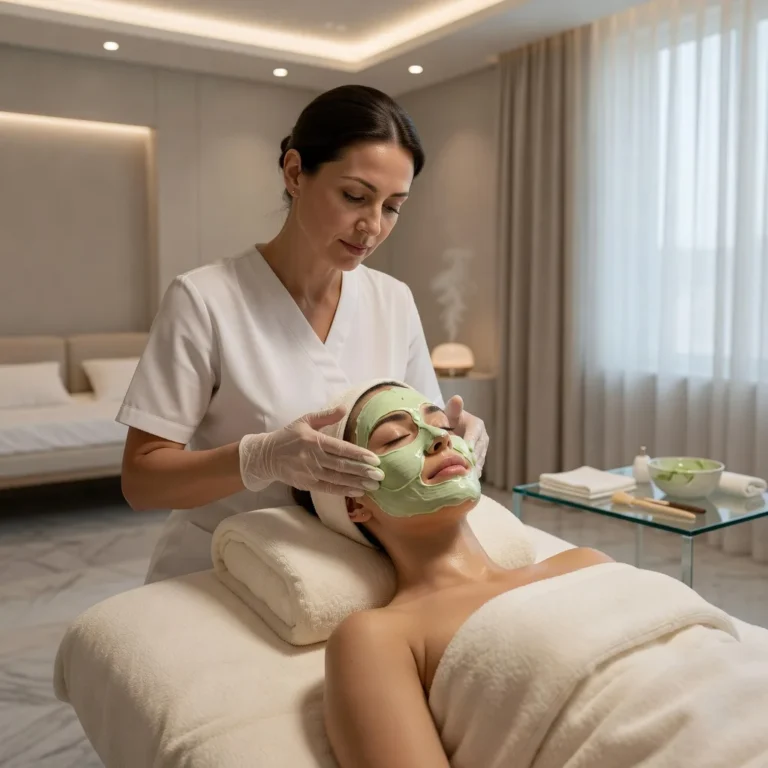
Cheryl’s Cosmeceuticals sells both a professional, in-salon “SensiGlow Facial for Sensitive Skin” and a retail DIY kit meant to approximate the same steps at home. The two aren’t identical: a salon treatment typically layers in professional-grade extraction, steam, and a trained esthetician’s judgment about what a particular reactive complexion can tolerate that day, none of which a boxed kit can replicate, while the DIY version leans entirely on the packaged formulations doing the work unsupervised.
| Factor | Salon Version | At-Home Kit |
|---|---|---|
| Professional judgment | Yes, esthetician adjusts to your skin that day | No, same steps regardless of condition |
| Cost per session | Higher | Lower, reusable over multiple uses |
| Consistency | Depends on the provider | Same formulation every time |
| Best for | A supervised first try, or an active flare | Maintenance between professional visits |
For genuinely reactive, easily irritated skin, a first attempt supervised by a professional, the same logic behind trying any at-home facial protocol cautiously before relying on it unsupervised, is a reasonable way to confirm a kit’s actual ingredients agree with your skin before committing to repeat use alone.
Do This, Not That
Do
- Check the ingredient list for niacinamide, calendula, aloe, and trehalose specifically
- Patch-test any new product, gentle-marketed or not
- Get a real diagnosis if reactivity is chronic or severe
Don’t
- Assume a “sensitive skin” brand name guarantees safety for your specific triggers
- Expect one facial session to resolve chronic barrier dysfunction
- Skip patch-testing because a product is marketed as gentle
Building a Real Sensitive-Skin Routine
Identify whether you have a diagnosable condition
Persistent redness or reactivity may be rosacea, eczema, or another condition rather than generic “sensitivity.”Choose products by ingredient, not just branding
Look for niacinamide specifically if redness and barrier support are the goal.Patch-test everything new
Even calming, “gentle” products can trigger a reaction in someone with a specific allergy.Give it real time
Niacinamide’s documented benefits took 12 weeks of consistent use to show up in trials.See a professional if symptoms persist
A calming facial isn’t a substitute for treating an underlying diagnosed condition.
When to See a Dermatologist
See a dermatologist or skin specialist if reactivity, redness, or itching is persistent, worsening, or not responding to gentle skincare, since these are signs of an actual underlying condition that a calming facial alone won’t resolve.
Frequently Asked Questions
What is a SensiGlow facial treatment?
It’s a trademarked brand name used by at least two unrelated sellers for a sensitive-skin facial protocol, not a standardized clinical treatment category.
What ingredients are in a SensiGlow kit?
The Cheryl’s Cosmeceuticals version uses trehalose, calendula oil, aloe vera, vitamin C, and niacinamide in a 4-step cleanse-gel-mask-tone protocol.
Does niacinamide actually help sensitive skin?
Yes; published research shows niacinamide improves barrier function and specifically benefits rosacea-related redness over about 12 weeks of consistent use.
Is “sensitive skin” a real diagnosis?
No; it’s a symptom description. Chronic reactivity often reflects an underlying condition like rosacea or eczema that needs its own diagnosis.
Can gentle, sensitive-skin-marketed products still cause reactions?
Yes; botanical ingredients like calendula can cross-react with ragweed or chamomile allergies, so patch-testing still matters.
Will one facial fix sensitive skin?
No; the documented ingredient benefits require weeks of consistent use, not a single session.
How do I evaluate a sensitive-skin facial brand?
Check the actual ingredient list for niacinamide and the absence of fragrance and high-percentage actives, rather than relying on the brand name.
Is SensiGlow the same product everywhere?
No; it’s used by at least two unrelated sellers for different products, so the name alone doesn’t guarantee a specific formulation.
What’s the strongest evidenced ingredient for redness?
Niacinamide has the strongest published clinical support among the common sensitive-skin-facial ingredients.
When should I see a doctor instead of using a calming facial?
When redness, itching, or reactivity is persistent, worsening, or not improving with gentle skincare.
The Bottom Line
“SensiGlow” is a brand name, not a recognized treatment category, so the honest way to evaluate it, or any similarly marketed sensitive-skin facial, is by its actual ingredients rather than its name. Niacinamide carries the strongest real evidence among the common ingredients used, but even the best-supported sensitive-skin facial is a temporary comfort measure, not a substitute for diagnosing and treating an underlying condition like rosacea or eczema.

Written by
Registered pharmacist and founder of Facial Adviser. Rakib's pharmacy training covers how skincare actives work and interact; a later course in cosmetology turned that into a focus on facial treatments and skincare products. He plans, researches and edits every guide on the site and checks health claims against sources such as the American Academy of Dermatology, the FDA and the NIH. He is not a dermatologist; see the Editorial Policy and Medical Disclaimer.
About · Editorial policy · How we choose products · Medical disclaimer · Contact
Keep reading: Spa and brand-name facials
- Holistic Facial: What's Actually Included
- Ultrasound Facial: What the Evidence Actually Shows
- Red Carpet Facial: What You're Really Paying For
- How Much Is a Back Facial, and Is It Worth It?
- What Is a Spa Facial?
- What Is the Best Anti-Aging Facial Treatment? Options Compared by Goal
- Fruit Facial at Home: Does It Actually Work?