Red Carpet Facial: What You’re Really Paying For
Is there really such a thing as a “red carpet facial,” or is it just a marketing name borrowed across the spa industry for different treatments entirely?
Part of our guide to facial treatments. Start with: What Is a Spa Facial?
The name traces back to one specific New York spa’s proprietary protocol, and has since spread as a generic label for very different bundles of exfoliation, LED, microcurrent, and oxygen-infusion treatments. No clinical trial has ever tested it as a single, defined treatment, because it isn’t one.
The good news is that one part of the “instant glow” claim genuinely holds up under scrutiny — it’s just not the flashiest-sounding part of the bundle.
This guide rates the real evidence behind each commonly bundled component, so you know exactly what you’re paying for before booking.
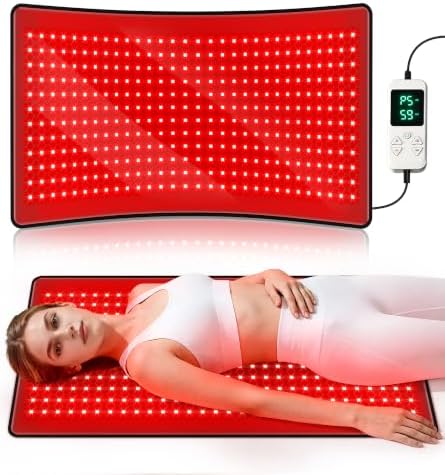
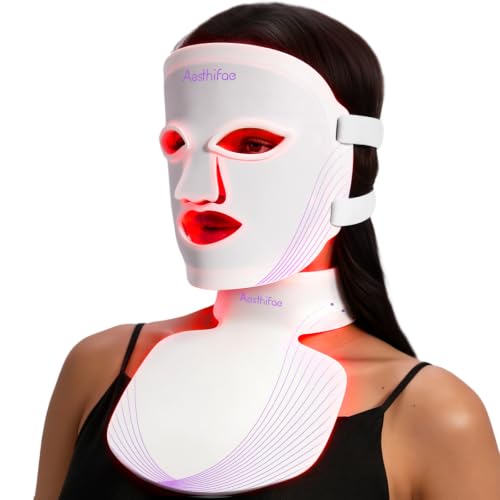
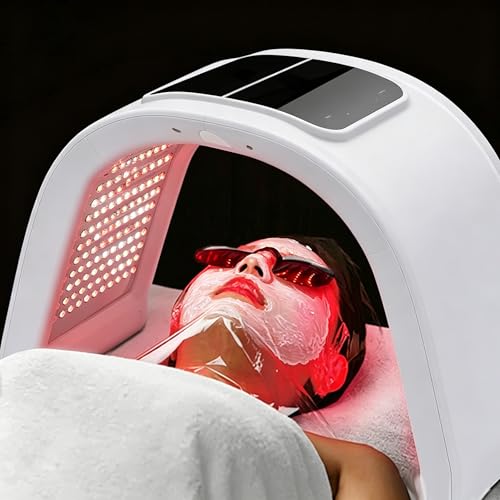
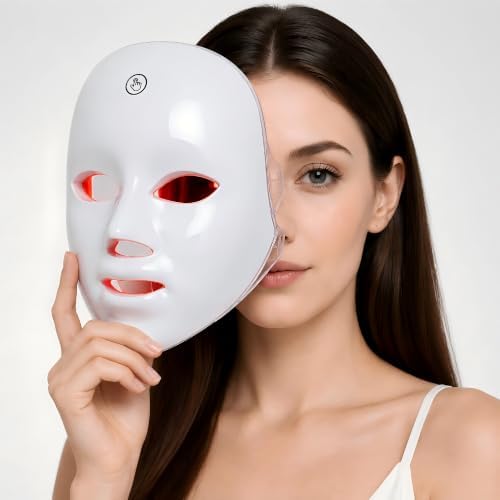
Recommended At-Home LED Light Therapy Devices



Is There Really a “Red Carpet Facial”?
Not as a single, standardized medical procedure. The “Red Carpet Facial” traces back to a specific proprietary treatment developed at one well-known New York spa, and the name has since spread across the spa industry as a generic marketing term used by many different businesses for very different bundles of treatments. There’s no FDA-cleared “Red Carpet Facial” device or protocol, and no clinical trial has ever tested it as a defined treatment, because it isn’t one.
Shopping these picks?
Amazon Prime members get fast, free shipping on eligible items, plus Prime Video, Amazon Music and member deals. New members can start with a free trial.
Start a free Prime trialAged 18 to 24? Prime for Young Adults comes with a longer free trial and a lower price after it.
Affiliate link: we may earn a commission at no extra cost to you.
This guide separates the branded origin from the genericized marketing, breaks down what’s actually bundled under the name at different spas, and rates the real evidence behind each individual component — because that evidence varies far more than a single glowing review would suggest.
The Honest Take
- “Red Carpet Facial” started as one spa’s branded treatment and has since become a generic marketing term used differently by different businesses.
- No clinical trial has ever tested “the Red Carpet Facial” as a defined, standardized treatment.
- The instant same-day glow effect is real for the mechanical-exfoliation component specifically, not the whole bundle.
- LED light therapy has genuine supporting evidence, but from studies measuring results over multiple sessions, not one visit.
- Microcurrent’s toning effects documented in research are mostly short-lived, not the lasting sculpting some marketing implies.
- Oxygen infusion has the weakest evidence of any commonly bundled component.
Skip Ahead
- Is There Really a “Red Carpet Facial”?
- What’s Actually Bundled Under This Name
- The One Part That’s Genuinely Real: Instant Exfoliation Glow
- LED Light Therapy: Real, But Not Overnight
- The Weaker Claims: Microcurrent and Oxygen Infusion
- Component-by-Component Evidence Rating
- What This Actually Costs
- What a Typical Session Actually Involves
- Who This Is Actually Good For
- Who Should Skip It or Modify It
- When to See a Dermatologist Instead
- Where the Evidence Runs Out
- Frequently Asked Questions
What’s Actually Bundled Under This Name
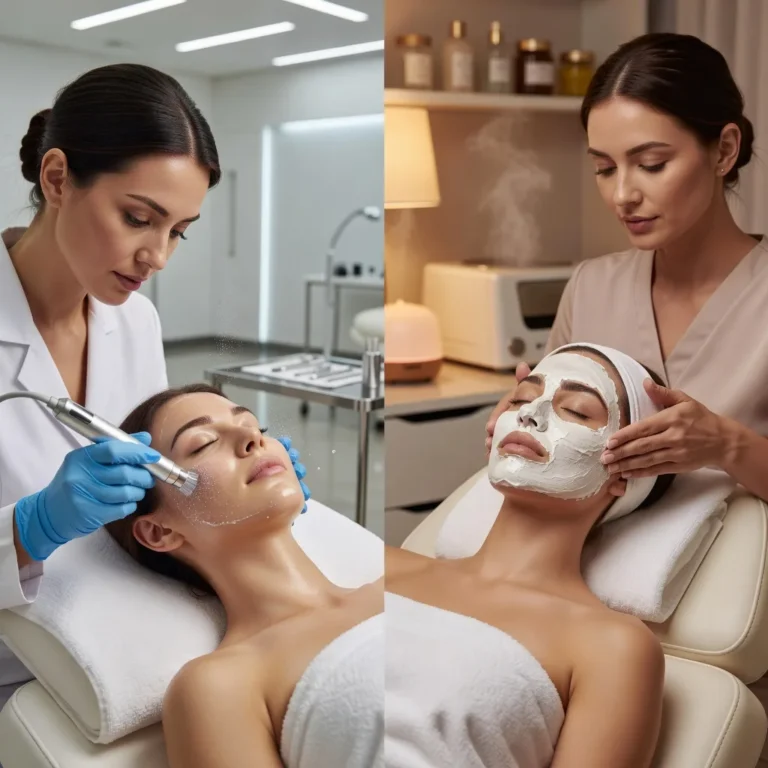
At the treatment’s origin, the protocol combined diamond-tip microdermabrasion, a proprietary microcurrent technique, LED light therapy, and sometimes radiofrequency skin tightening, plus enzyme exfoliation, a peptide-infused oxygen mist, and lymphatic drainage massage. Other spas using the same marketing name swap in different components entirely — oxygen infusion, dermaplaning, or hydrodermabrasion-style water-based exfoliation — under the identical “Red Carpet Facial” label. Two spas using the same name can be offering genuinely different treatments with different evidence bases.
This is worth comparing to how our own guide to hydrodermabrasion describes a similar pattern: a generic mechanism category gets marketed under a specific-sounding name, and the actual protocol behind that name varies by provider. The same branding dynamic shows up again here, just with a bigger, more varied bundle of technologies rather than one exfoliation method.
The One Part That’s Genuinely Real: Instant Exfoliation Glow
Diamond-tip microdermabrasion mechanically removes the outermost layer of dead skin cells in a single pass, which measurably increases how much light the skin’s surface reflects — a real, physical, same-day brightening effect. This is the part of the “instant glow” claim that holds up under scrutiny: it’s temporary and superficial, lasting days rather than weeks, but it isn’t hype.
LED Light Therapy: Real, But Not Overnight
Peer-reviewed research on combination red and near-infrared LED light therapy has found real improvements in fine lines, skin roughness, and collagen density — but this evidence comes from studies using repeated sessions over multiple weeks, not a single treatment. Booking one LED-inclusive facial before an event isn’t going to reproduce the results of a multi-week LED protocol, even though LED itself has a genuine evidence base when used consistently over time.
The Weaker Claims: Microcurrent and Oxygen Infusion
Microcurrent devices deliver a low-level electrical current intended to stimulate facial muscles, marketed as a “non-surgical facelift.” The most consistently documented effects in research are transient — temporary de-puffing and muscle-stimulation effects lasting hours, not the multi-day sculpting or lifting some marketing implies, and no strong trial evidence supports structural collagen remodeling from a single session. Our separate guide to electric current facials covers this device category in more depth, including the real regulatory clearance behind popular at-home microcurrent devices, which is worth understanding since that clearance is about safety equivalence, not proof of a toning claim.
Oxygen infusion facials, meanwhile, have the thinnest evidence of any commonly bundled component. Topical oxygen’s ability to meaningfully penetrate skin and affect cellular metabolism at a facial-spa level isn’t well demonstrated in the literature. Most of the perceived benefit from an oxygen-infusion step likely comes from the accompanying massage, hydrating serum, and exfoliation happening alongside it, not from oxygen delivery itself.
This matters practically because oxygen-infusion add-ons are often the most expensive single line item on a “Red Carpet Facial” menu, priced on the assumption that the technology itself is doing meaningful work. If you’re choosing between add-ons to fit a budget and evidence strength matters more to you than novelty, the exfoliation and LED components have a stronger case for that spending than the oxygen-infusion step does.
| Component | Evidence strength | What it actually does |
|---|---|---|
| Diamond-tip microdermabrasion | Real, same-day, mechanism-confirmed | Physically increases light reflectance via exfoliation |
| LED light therapy | Real, but requires multiple sessions | Collagen density/fine-line improvement over weeks |
| Microcurrent | Weak for lasting effect | Transient de-puffing/muscle stimulation, hours not days |
| Oxygen infusion | Essentially absent | Unclear penetration; benefit likely from accompanying steps |
Component-by-Component Evidence Rating
| What marketing claims | What’s actually supported |
|---|---|
| “Instant, dramatic transformation” | Real but modest, superficial exfoliation-driven glow |
| “Non-surgical facelift in one session” | Transient muscle stimulation; no lasting structural change from one visit |
| “Detoxifying oxygen infusion” | No strong evidence of meaningful topical oxygen penetration or effect |
Do
- Ask exactly which components are included before booking
- Book at least a week before a big event, in case of a reaction
- Treat the exfoliation step as the genuinely evidence-backed part of the glow claim
Don’t
- Expect one LED session to reproduce multi-week LED research results
- Assume “Red Carpet Facial” means the same treatment at every spa
- Rely on oxygen infusion alone for a meaningful skin change
What This Actually Costs
Pricing varies widely because the name covers such different bundles of services. A version built around basic diamond-tip exfoliation, a mask, and a standard massage tends to price similarly to any other premium spa facial, generally in the range of most single-visit specialty facials. Add-ons like LED light therapy, radiofrequency devices, or oxygen infusion typically push the price higher, since these require dedicated equipment and often a longer appointment slot. Because there’s no standardized protocol, the honest approach is to ask for a specific itemized list of what’s included in that spa’s version before comparing it to a price you saw quoted somewhere else, since two very differently priced treatments might both legitimately be called by the same name.
What a Typical Session Actually Involves
Cleanse and skin analysis
A double cleanse followed by an assessment of your skin’s current condition.Mechanical exfoliation
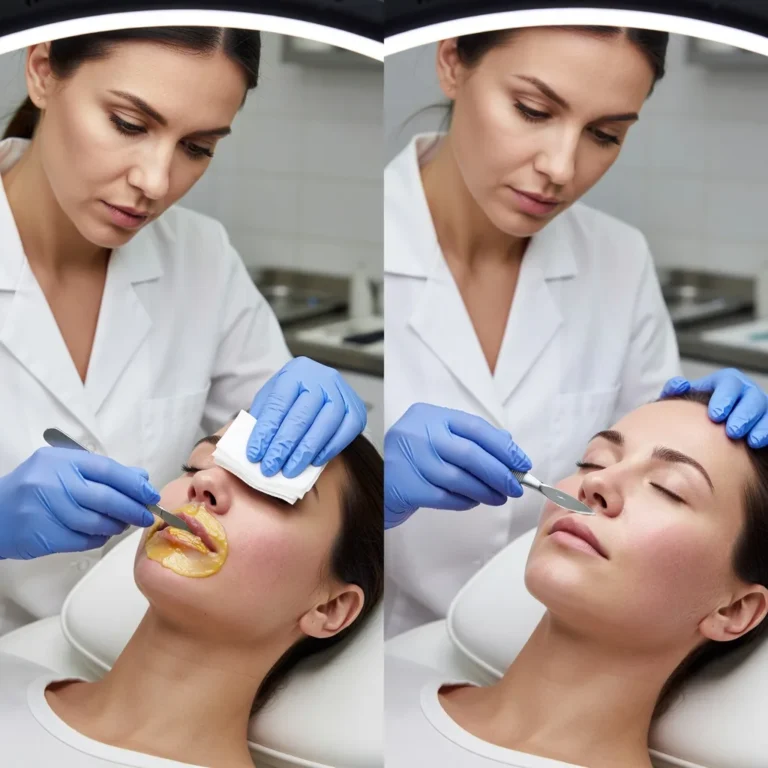
Diamond-tip microdermabrasion or dermaplaning to remove the outer dead-skin layer.Extractions if needed
Manual extraction of visible congestion, done under professional conditions.Energy-based or infusion step
LED light therapy, microcurrent, or oxygen/serum infusion, depending on the specific spa’s protocol.Hydration and finishing mask
A calming, hydrating mask and moisturizer with SPF to finish.
Who This Is Actually Good For
This is a reasonable choice for someone who wants a real, if temporary, same-day brightening effect before a specific event, and who understands they’re paying primarily for the exfoliation step plus a pleasant spa experience, not a lasting structural change. It works well as an occasional treat rather than a core skincare strategy. It’s also a reasonable fit for someone who already has a consistent, evidence-based daily skincare routine and simply wants a polished finish on top of that baseline before a specific occasion, rather than someone hoping a single session will substitute for that ongoing routine entirely.
Who Should Skip It or Modify It
Anyone with active acne breakouts, recent sunburn, active cold sores, or a known sensitivity to mechanical exfoliation should discuss modifications with the provider beforehand, since the exfoliation step in particular can aggravate these conditions.
When to See a Dermatologist Instead
If you’re chasing lasting structural change — genuine collagen remodeling, wrinkle reduction, or skin tightening — rather than a temporary same-day glow, a dermatologist can point you toward treatments with a stronger, more direct evidence base for that specific goal, such as consistent retinoid use or a proper multi-session LED protocol.
Where the Evidence Runs Out
No study has ever tested the specific combination protocol marketed as “the Red Carpet Facial,” at any spa, as its own defined intervention. Everything in this guide comes from evidence on its individual components, evaluated separately, which is the most honest way to assess a name that was never a single standardized treatment to begin with. There’s also no independent, peer-reviewed comparison testing whether combining these components in one session produces a meaningfully better same-day result than doing the strongest single component, mechanical exfoliation, on its own — a real, unfilled gap for anyone trying to judge whether the full bundled price is actually worth it over a simpler, cheaper single-service booking. Until that comparison exists, the most defensible approach is to price out the individual components you actually want separately, then decide whether the bundled convenience is worth any markup over booking them individually.
Frequently Asked Questions
What is a Red Carpet Facial?
It’s a marketing name, originally from one NYC spa, now used generically by different businesses for varying bundles of exfoliation, LED, microcurrent, or oxygen-infusion treatments.
Does a Red Carpet Facial really give instant glow?
The mechanical exfoliation component genuinely does, by measurably increasing light reflectance, though the effect is temporary.
Is there clinical evidence for the Red Carpet Facial?
No trial has tested it as a defined treatment; evidence only exists for its individual components separately.
Does LED light therapy work in one session?
The supporting research measured results over multiple weekly sessions, not a single treatment.
Is microcurrent facial toning real?
Documented effects are mostly short-lived muscle stimulation and de-puffing, not lasting structural sculpting.
Does oxygen infusion actually do anything?
This is the weakest-evidenced component; topical oxygen’s meaningful skin penetration isn’t well demonstrated.
How far before an event should I book this?
At least a week ahead, and never as a completely new treatment the day before, in case of a reaction.
Do different spas offer the same Red Carpet Facial?
No — the name is used for genuinely different treatment bundles at different businesses.
What should I ask before booking one?
Ask exactly which components are included, since the name alone doesn’t tell you what treatment you’re getting.
Is a Red Carpet Facial worth it?
For a temporary, real exfoliation-driven glow before an event, reasonably yes; for lasting structural skin change, no.

Written by
Registered pharmacist and founder of Facial Adviser. Rakib's pharmacy training covers how skincare actives work and interact; a later course in cosmetology turned that into a focus on facial treatments and skincare products. He plans, researches and edits every guide on the site and checks health claims against sources such as the American Academy of Dermatology, the FDA and the NIH. He is not a dermatologist; see the Editorial Policy and Medical Disclaimer.
About · Editorial policy · How we choose products · Medical disclaimer · Contact
Keep reading: Spa and brand-name facials